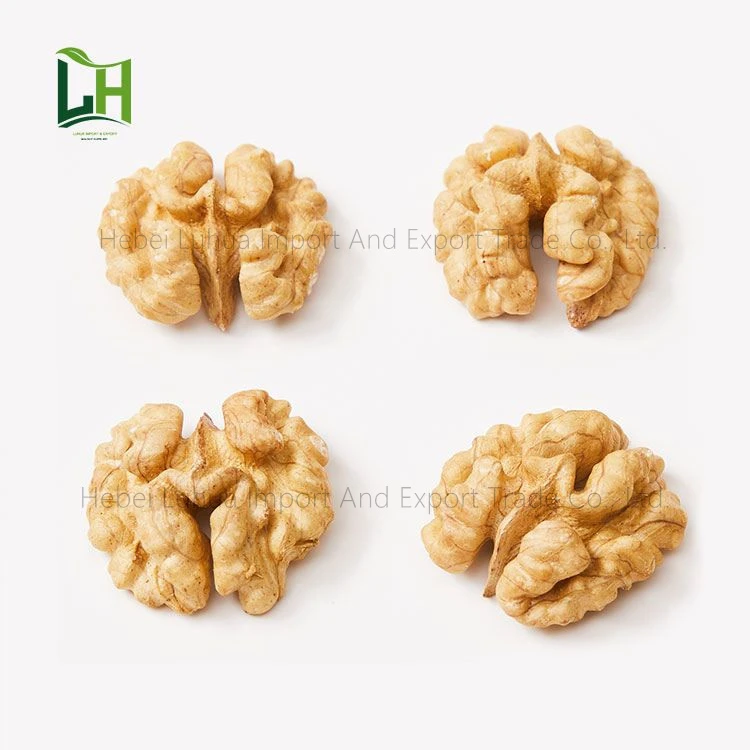
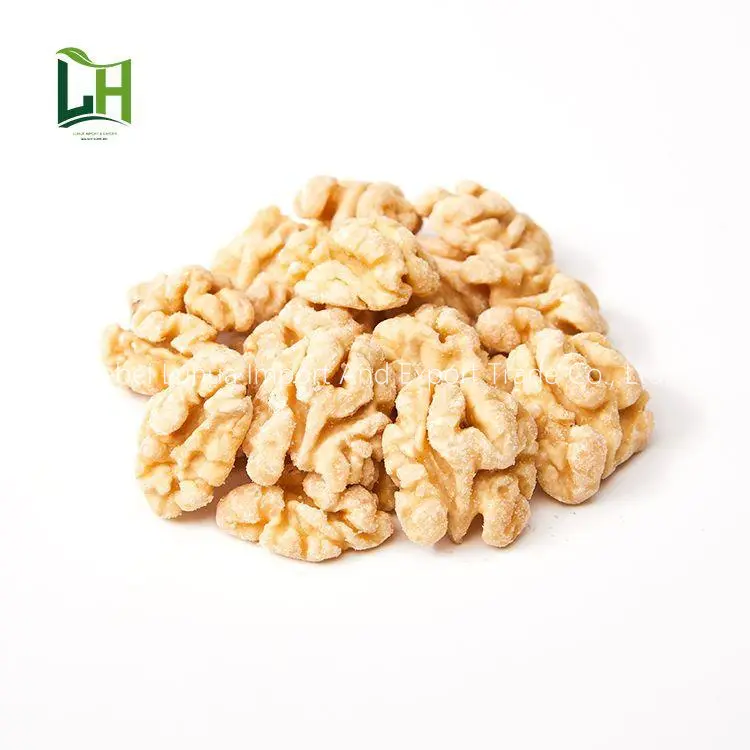
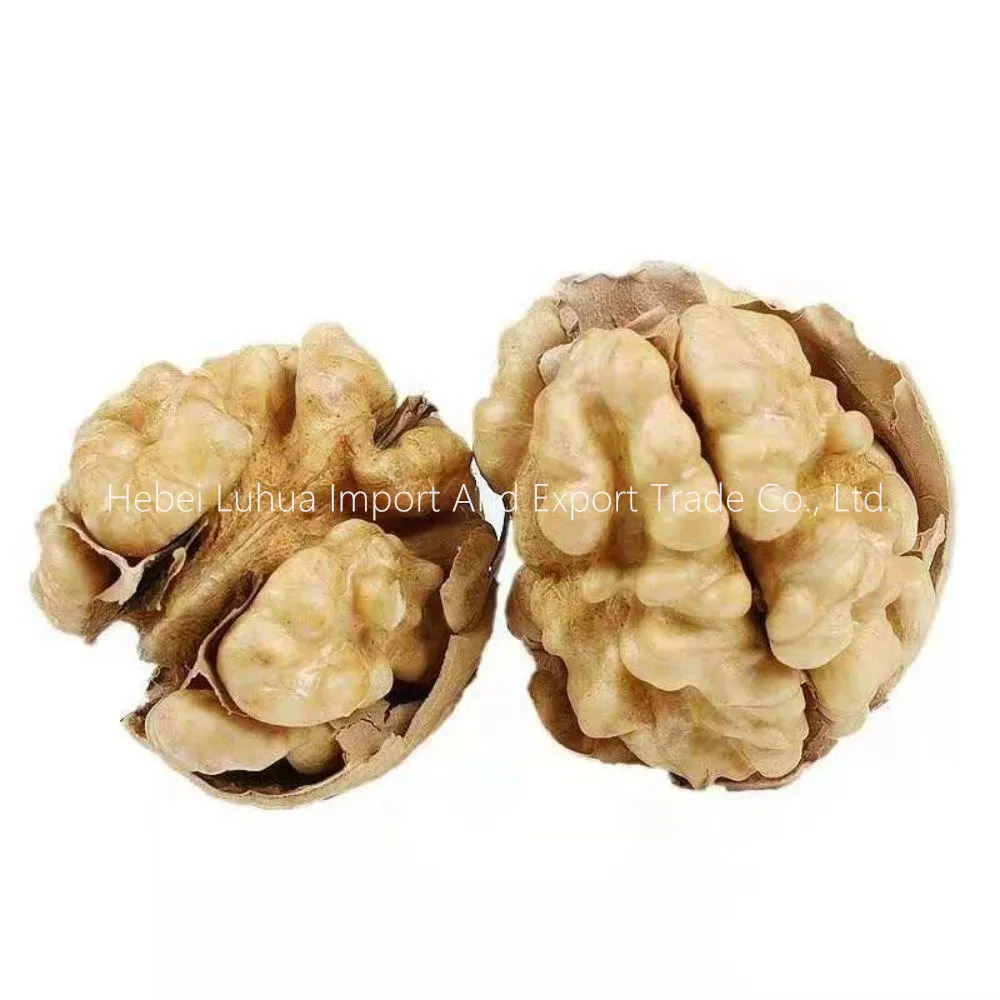
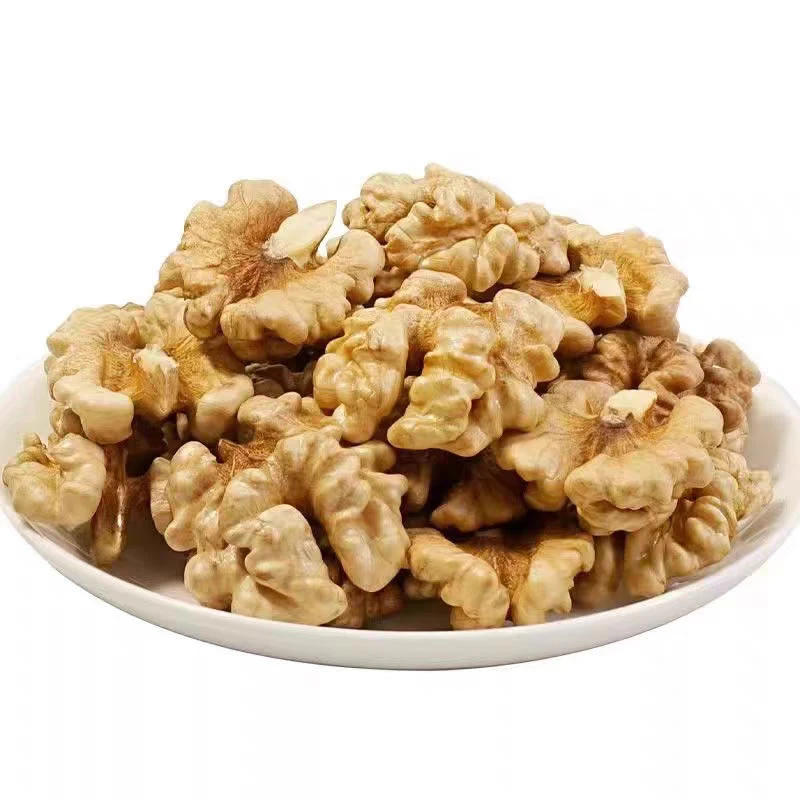
Cashew 240 is a key solution in the industry, specifically within sectors demanding durable, high-performance cashew nut kernels. This article explores how https://www.luhuawalnut.com supports professionals with durable, high-performance products, and explains why this product is an ideal choice for businesses in these sectors.
Table of Contents
- Cashew 240 Overview
- Benefits & Use Cases of Cashew 240
- Cost, Maintenance & User Experience
- Sustainability & Market Trends
Cashew 240 Overview
At first glance, Cashew 240 might seem like just another product code, but it actually represents a very specific grade of cashew kernel. This grade adheres to rigorous international standards, especially in terms of size, shape, and color, which makes it highly desirable in B2B markets—that’s nuts and snacks manufacturers, distributors, and even exporters looking for consistent quality.
- Cashew 240 kernels are whole cashew nuts that roughly count 240 per pound, emphasizing larger-sized, uniform halves.
- Technical specs include tightly controlled moisture content (typically under 5%), low broken kernel percentage, and absence of discoloration or defects.
- One relevant case from industry sources shows that companies using Cashew 240 reported a smoother processing flow due to the uniform kernel size, minimizing wastage.
| Specification | Value |
|---|---|
| Kernel Count per Pound | 240 (+/- 5%) |
| Moisture Content | Below 5% |
| Broken Kernel Percentage | Less than 4% |
| Color / Defects | Uniform ivory, no black spots |
Benefits & Use Cases of Cashew 240
The real charm of Cashew 240 lies in how it serves various industries that are heavily reliant on consistent nut quality. For snack packagers, the uniform size means packaging lines run without hiccups, reducing downtime. For confectionery manufacturers, the large kernel size lends itself to aesthetic presentation and even roasting consistency.
- Widely used in gourmet snack products and premium nut mixes that target discerning consumers.
- The larger size also facilitates easier roasting and seasoning, giving producers more control over flavor profiles.
- Competitive edge: Cashew 240’s uniformity reduces waste and quality complaints, which, frankly, can be a real headache in bulk operations.
| Feature | Cashew 240 | Other Grades |
|---|---|---|
| Kernel Size Uniformity | High | Medium to Low |
| Broken Kernel (%) | <4% | Up to 10% |
| Processing Waste | Minimal | Higher |
| Market Positioning | Premium | Standard to Economy |
Cost, Maintenance & User Experience
Of course, B2B buyers think beyond just product specs—they ask, “What’s the total cost of ownership?” In terms of Cashew 240, while the initial price point might be slightly higher compared to mixed or lower-grade kernels, users often find the return on investment favourable due to reduced wastage, fewer sorting errors, and better customer feedback downstream.
- Longer shelf-life and lower maintenance in storage thanks to controlled moisture and defects.
- Feedback from roasting companies indicates smoother batch processing, saving labor costs.
- Industry surveys highlight repeat purchasing by mid-size to large enterprise clients, suggesting satisfaction and trust.
Sustainability & Market Trends
Sustainability is more than a buzzword now—it’s a driver in sourcing decisions within the nut industry. Buyers are increasingly demanding suppliers that adhere to ethical farming, minimal processing waste, and transparent supply chains.
- Cashew 240 suppliers often emphasize Fair Trade practices and eco-conscious farming, which matter to end consumers and B2B partners alike.
- Global market trends show increasing demand for larger kernels, partly influenced by snacking trends and export value.
- Regulatory frameworks in target markets are tightening, encouraging suppliers to maintain consistent quality and minimize contamination risks.
Frequently Asked Questions about Cashew 240
- What is Cashew 240 and how does it work?
- Cashew 240 refers to a specific grade of cashew nut kernel roughly containing 240 whole nuts per pound. It works by meeting strict size and quality standards, ensuring the kernels are uniform for processing and packaging.
- What are the main benefits of using Cashew 240 in industrial applications?
- Key benefits include consistent kernel size leading to fewer processing errors, higher market value for premium products, and reduced waste, making operations smoother and more cost-effective.
- How does Cashew 240 compare to traditional alternatives?
- Cashew 240 stands out for its strict quality grading—lower broken percentages and uniform color—compared to mixed or lower-grade cashews, which often have shipping or cosmetic defects affecting usability.
- What industries can benefit most from Cashew 240 implementation?
- Sectors including snack producers, confectionery manufacturers, gourmet food suppliers, and exporters benefit considerably, as consistency and appearance are critical in their end products.
Conclusion on Cashew 240 from China
In wrapping up, it’s clear that Cashew 240 delivers real value to B2B buyers seeking quality, consistency, and sustainable sourcing. The combination of technical specs and market advantages makes it a standout choice. Honestly, if you’re in the nut supply chain, it’s worth checking out what these kernels offer.
- Recap: Cashew 240 provides uniform quality, less processing waste, and appeals to premium market segments.
- Visit our website: https://www.luhuawalnut.com
Ultimately, successful sourcing means balancing quality with cost, and Cashew 240 really seems to hit that sweet spot.
- International Nut & Dried Fruit Council (INC) Quality Standards
- Food Processing Industry Feedback, 2023
- Global Sustainable Sourcing Reports, 2024
Post time:Dec . 11, 2025 07:40