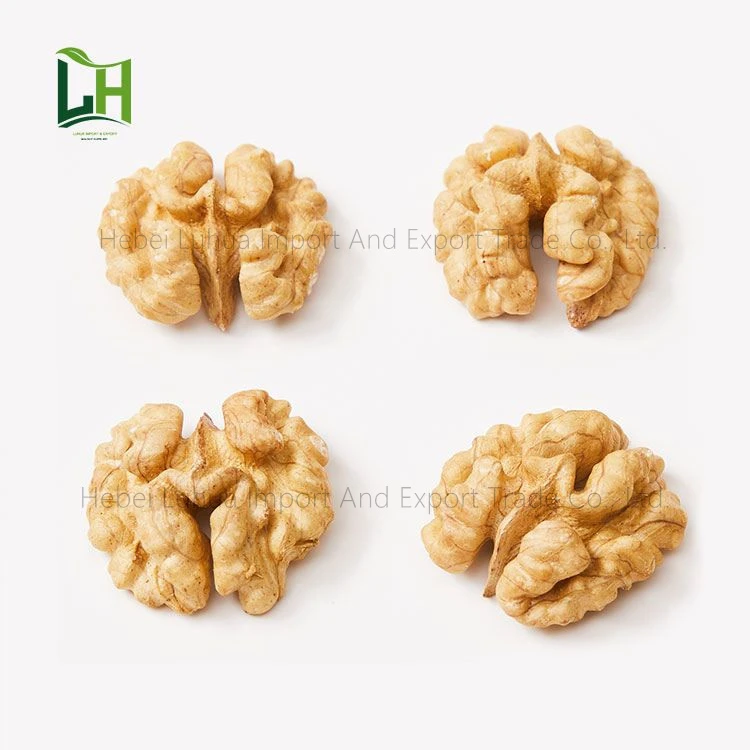
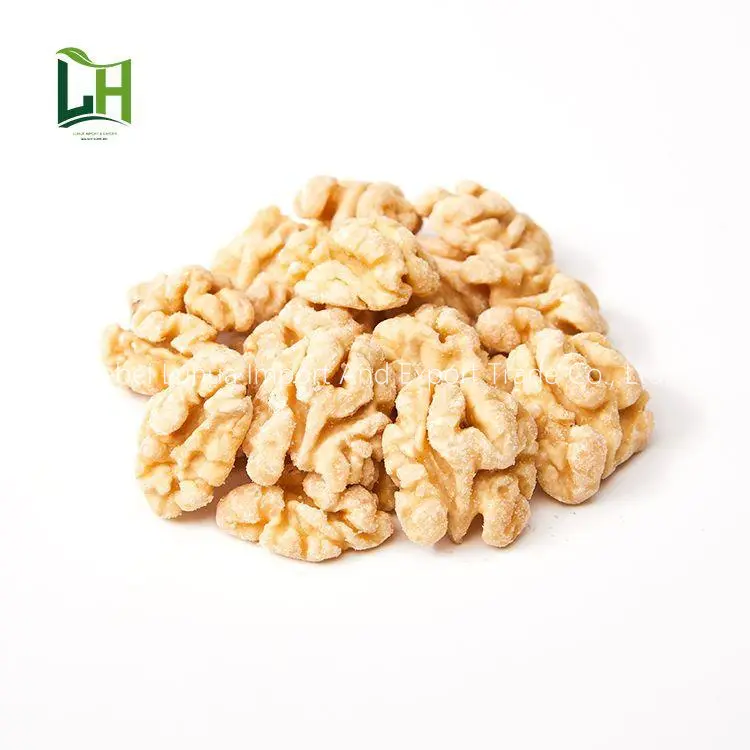
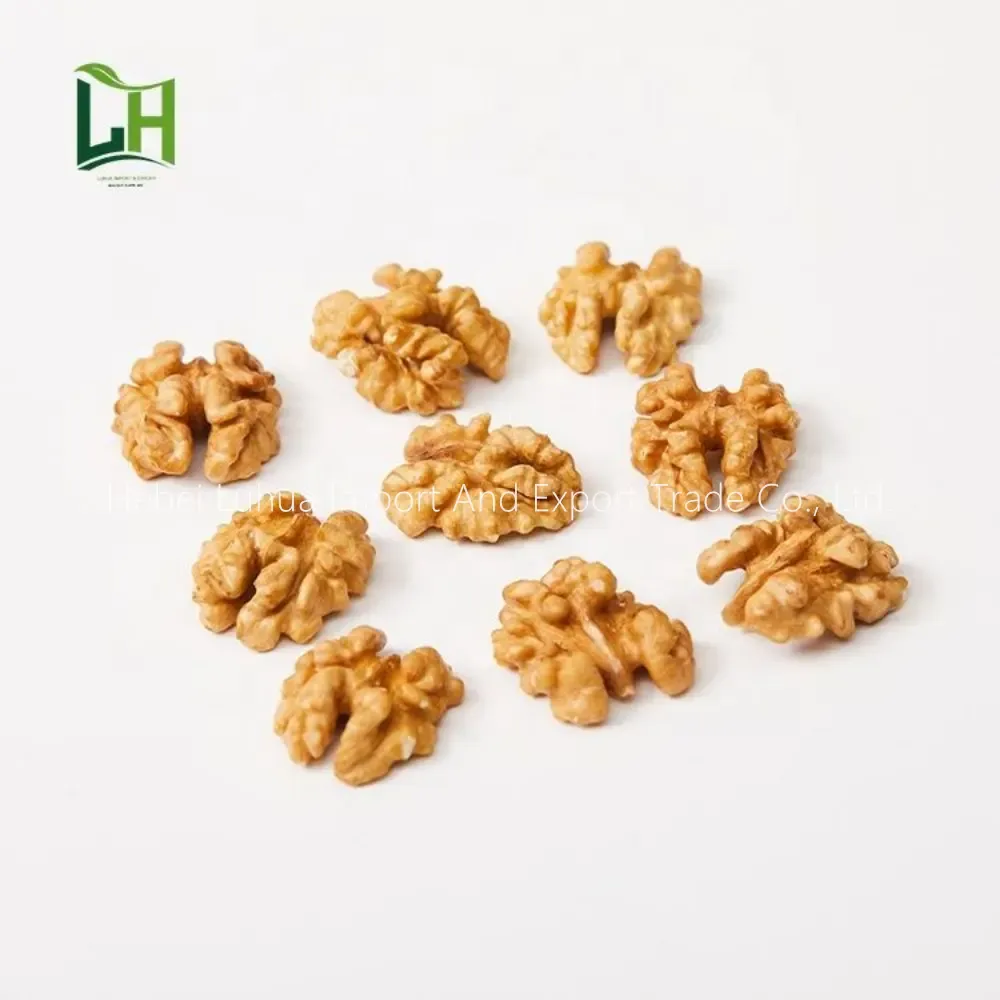
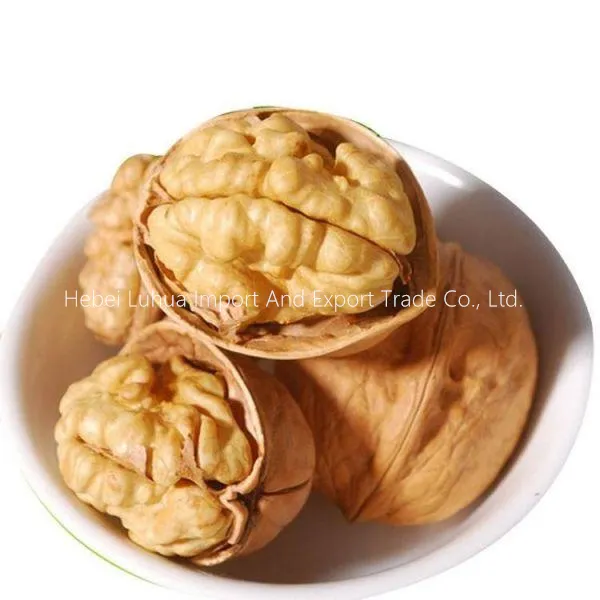
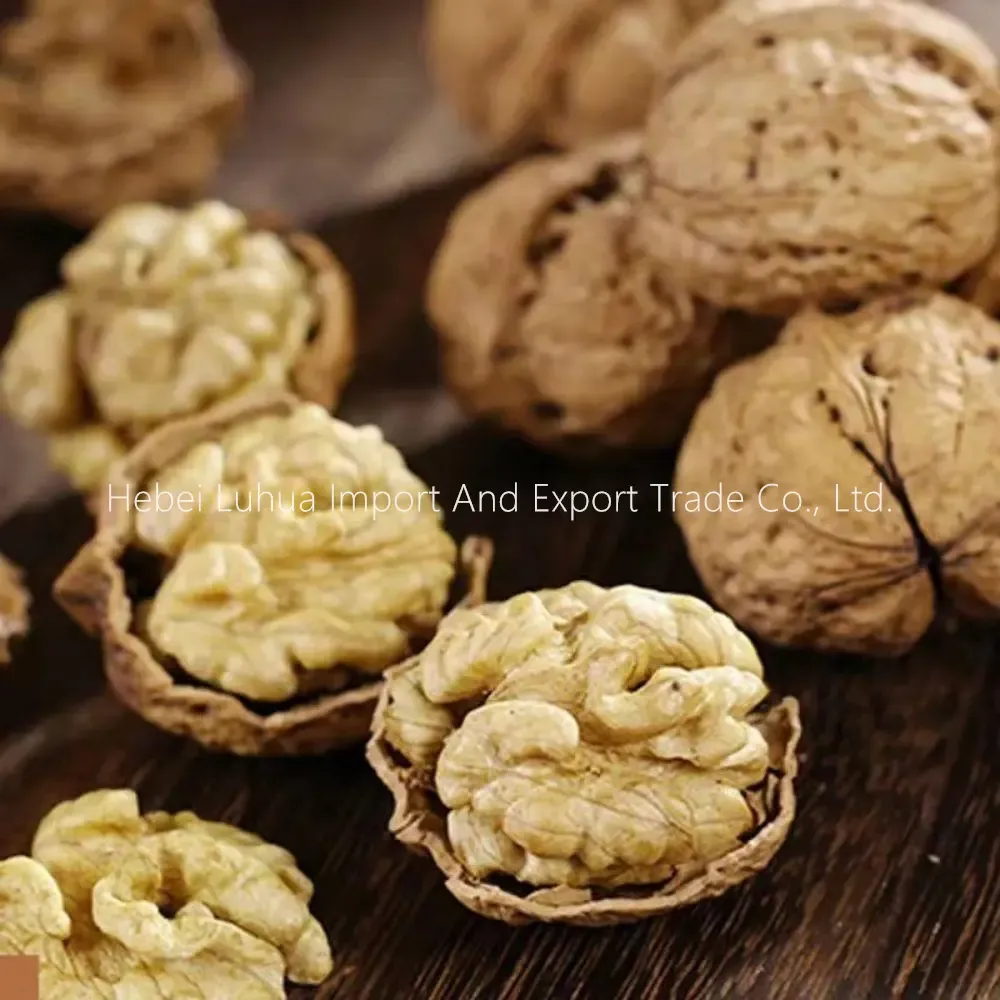
Field Notes from a Real Walnut Line: What “peeled” really means
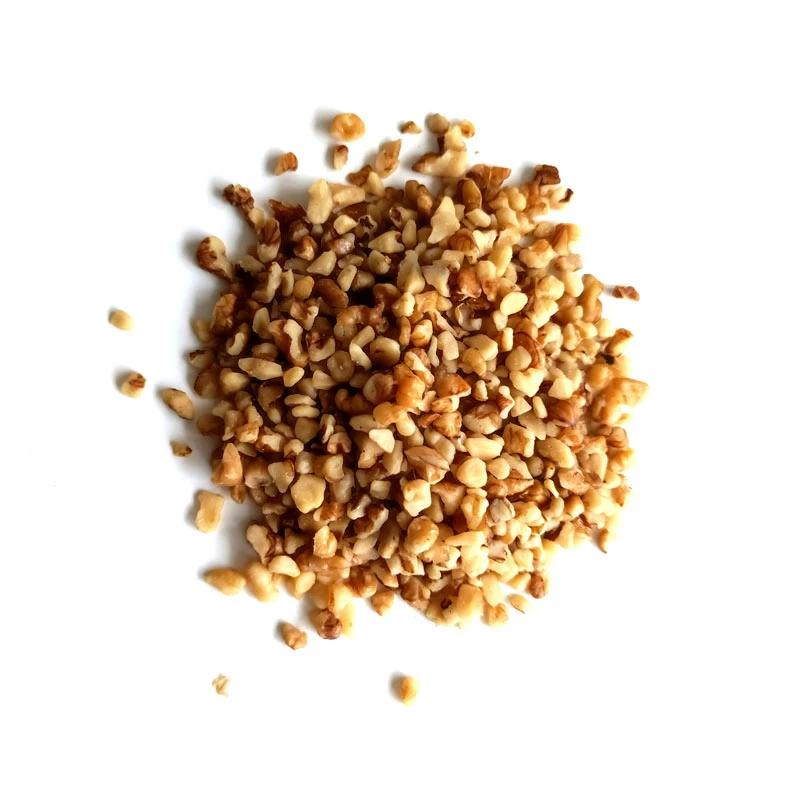
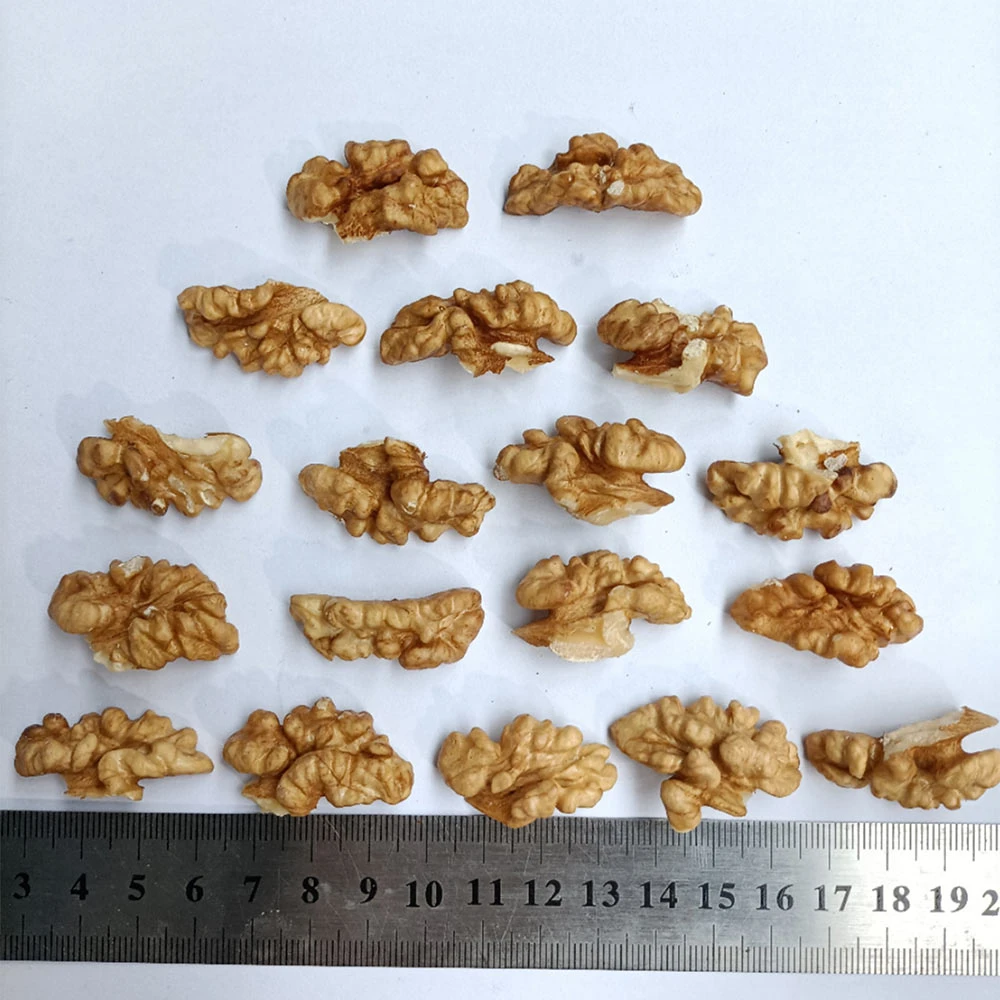
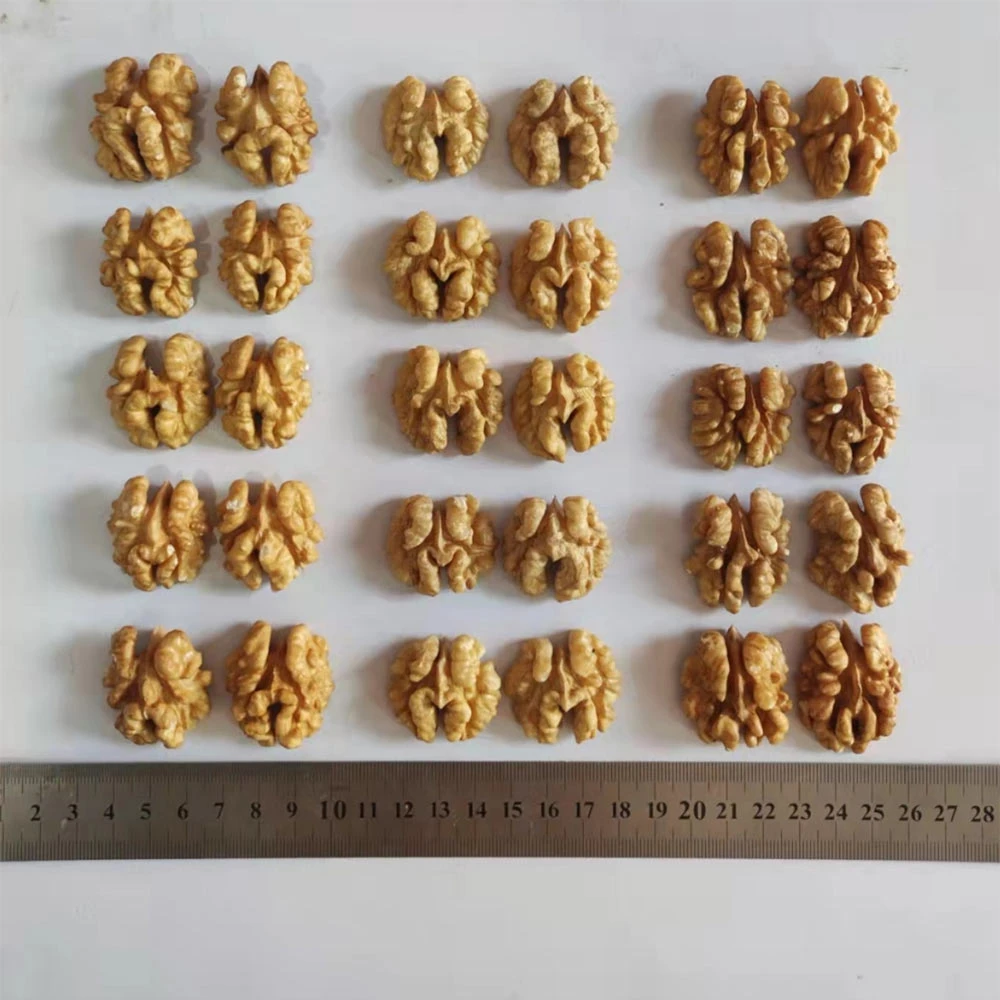
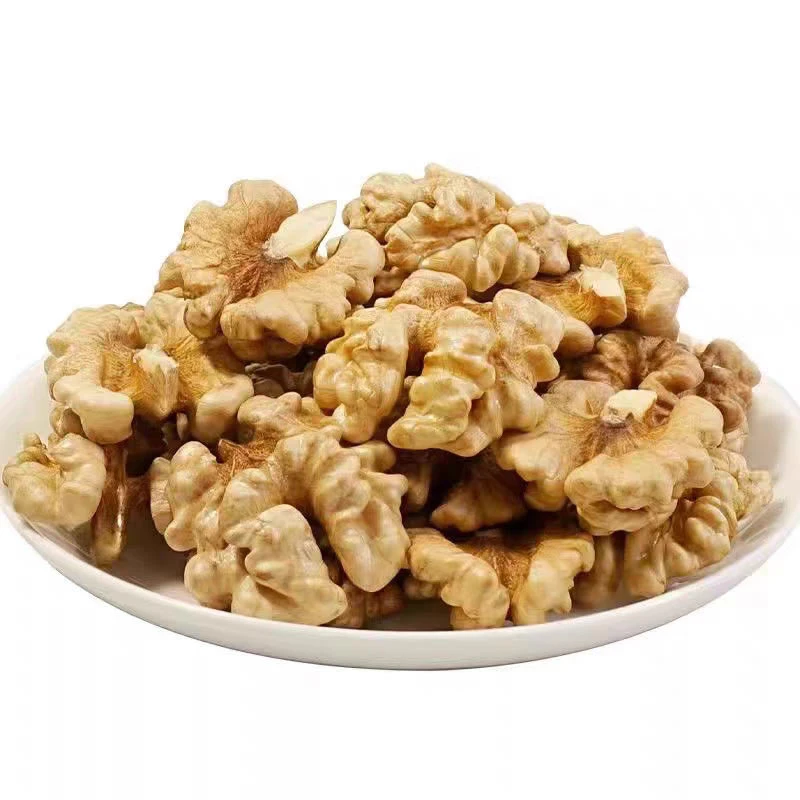
If you’re pricing peel walnut this season, here’s the straight story from the factory floor. I spent a week in ZANHUANG COUNTY, SHIJIAZHUANG CITY, HEBEI PROVINCE, watching the “Chinese professional stripped and drying pieces walnut kernel” line run full tilt—lots of stainless steel, lots of data, and, to be honest, fewer broken bits than I expected.
What’s trending right now
- Buyers want traceable kernels with EU-grade mycotoxin control, but not EU pricing.
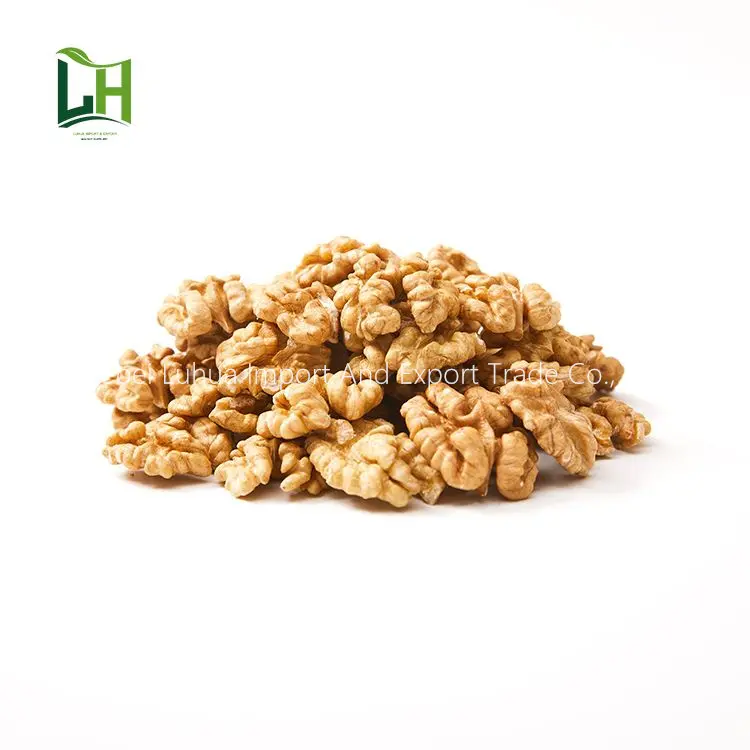
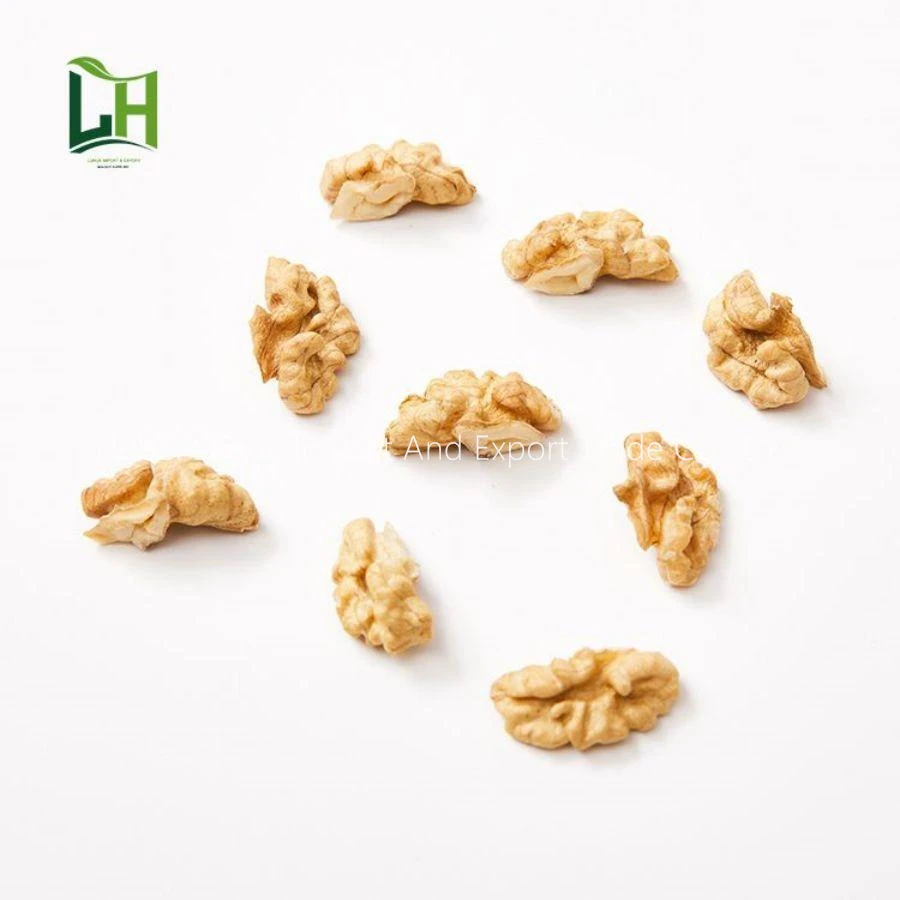
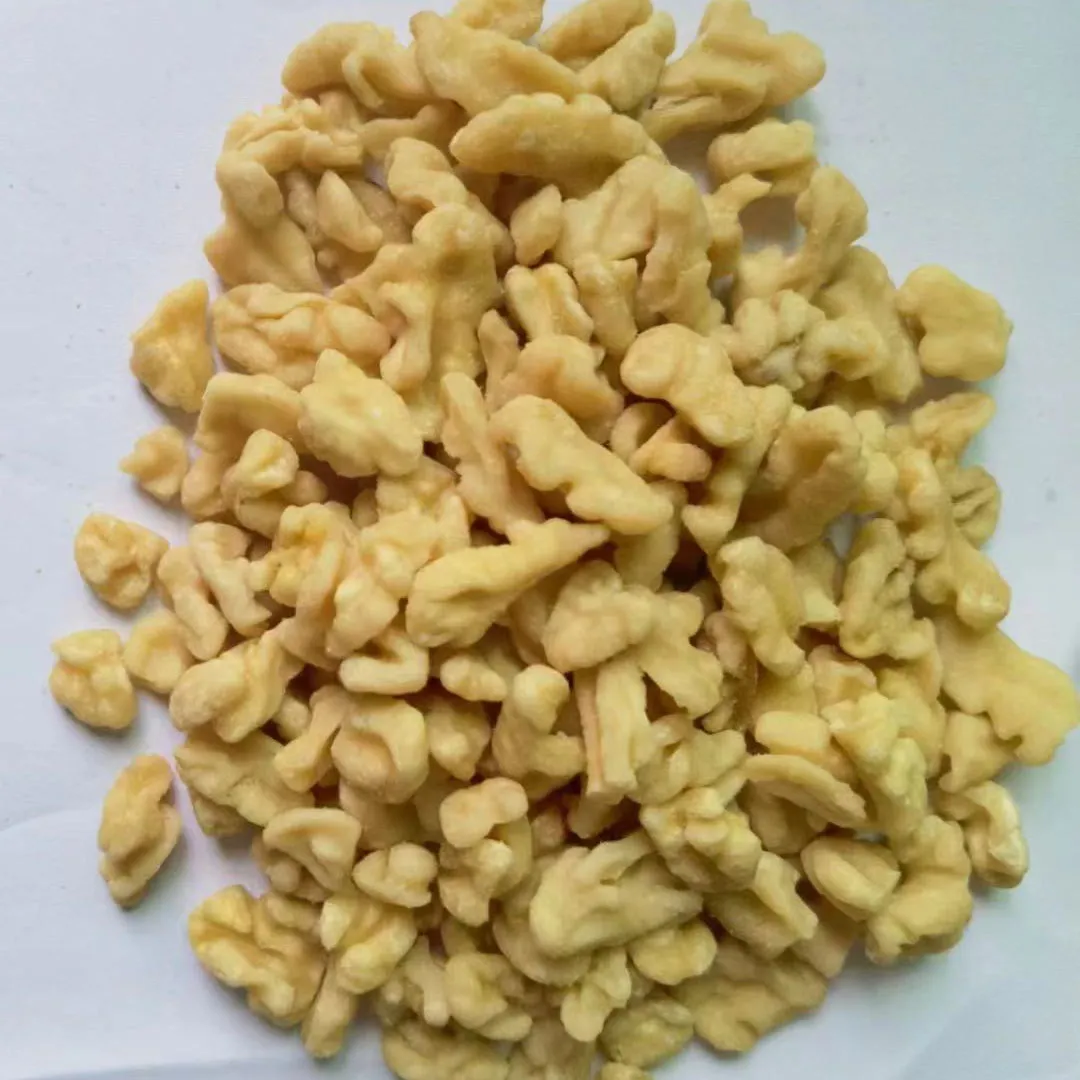
- Pieces—not halves—are quietly winning. Bakeries and ice cream plants say pieces balance cost, texture, and coverage.
- Energy-efficient low-temp drying is in; it preserves oil integrity and color (and your peroxide values stay happy).
Product snapshot
The factory—yes, a BRC-certified enterprise—runs professional stripping, low-temp drying, optical sorting, X‑ray, and metal detection. Many customers say the consistency surprised them; it seems that the line has been tuned for years.
| Spec | Typical value (≈/range) | Notes |
|---|---|---|
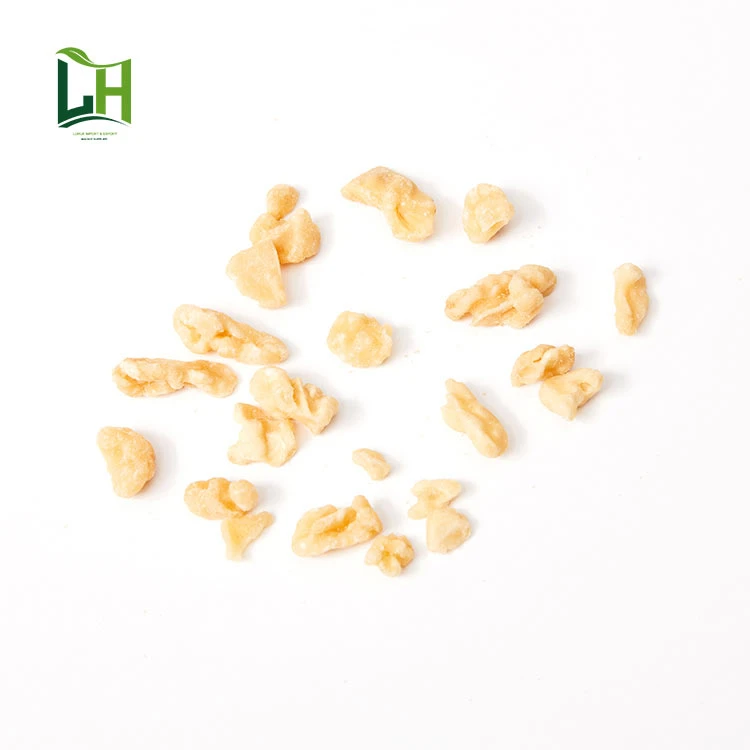
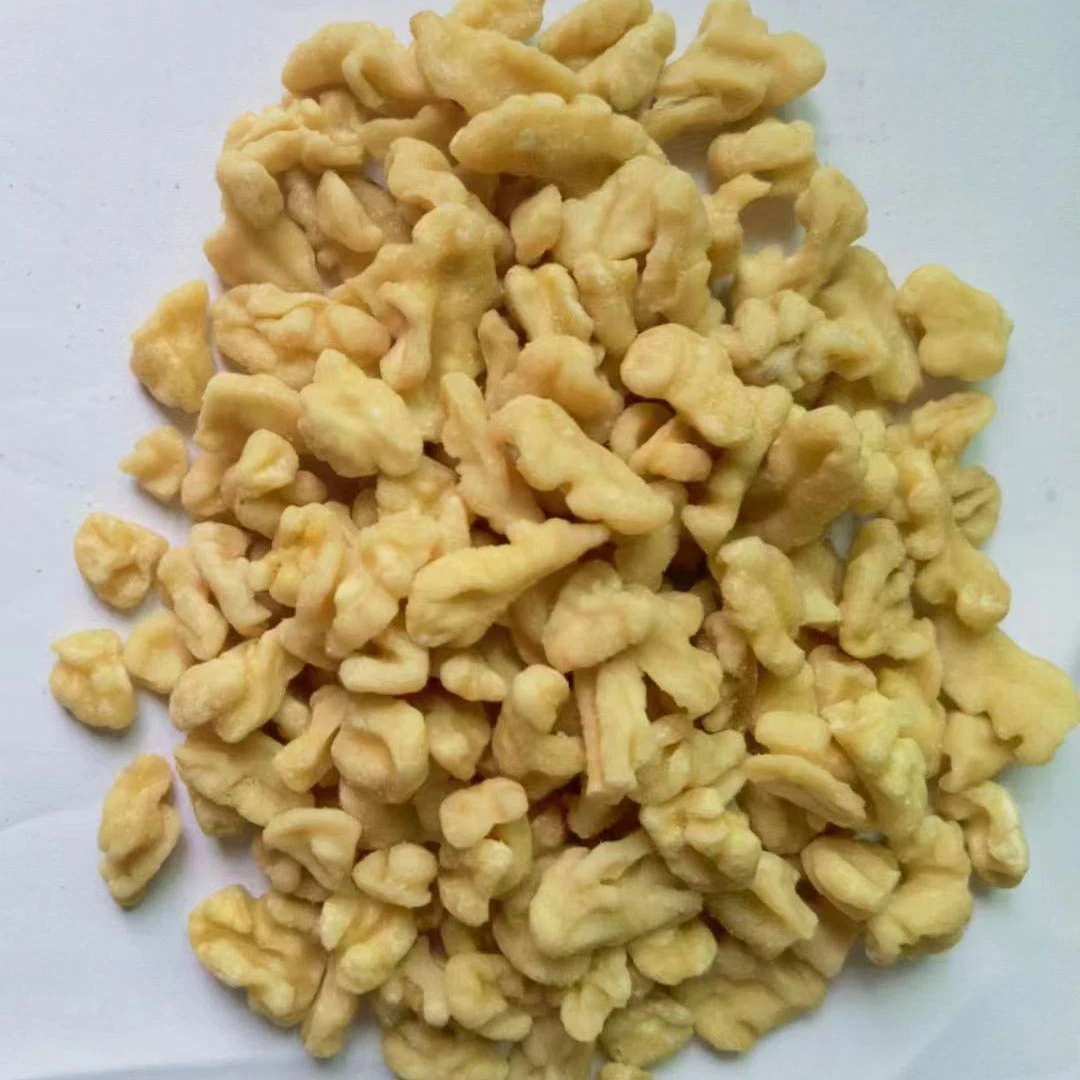
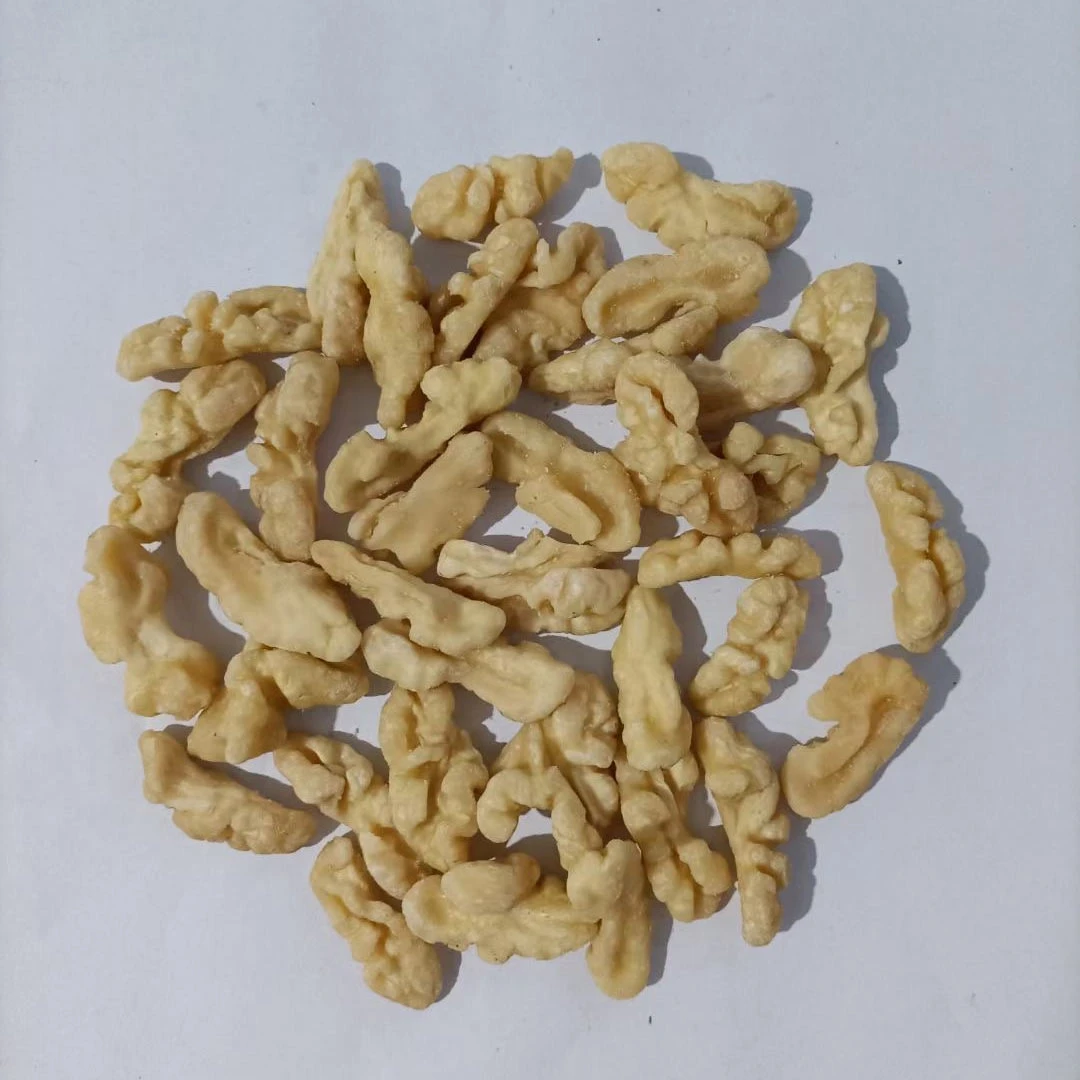
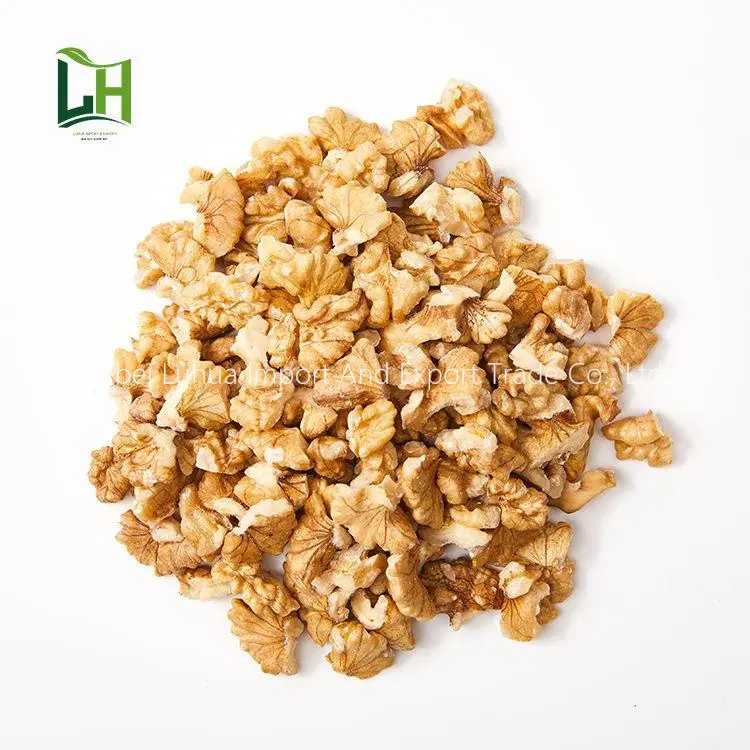
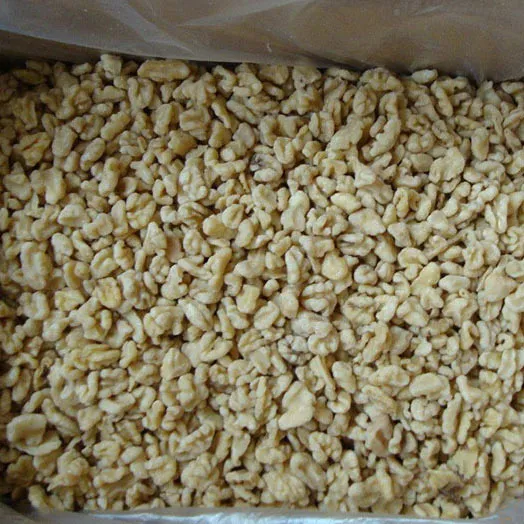
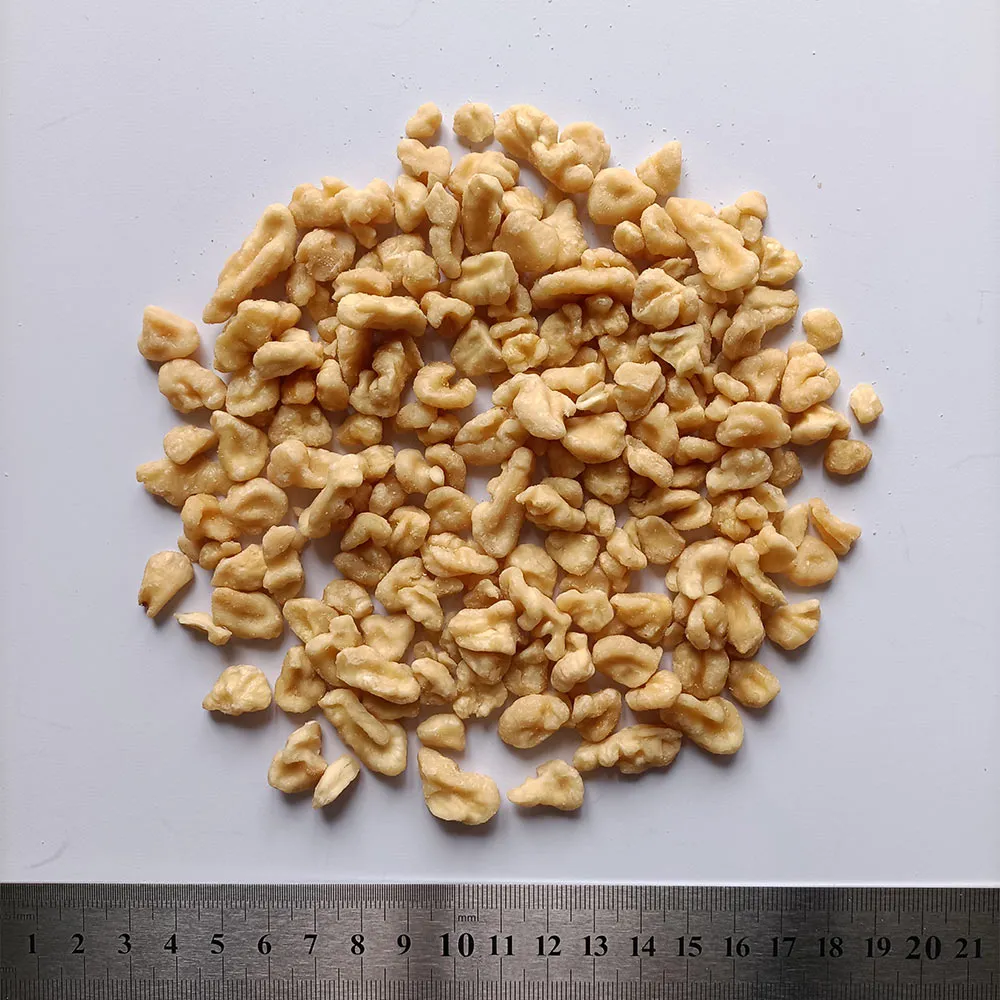
| Grade / Cut | Pieces 4–12 mm (≈80%), fines <5% | Other sizes on request |
| Moisture | ≤4.0% | Low-temp dried |
| Peroxide value | ≤0.5 meq O2/kg (typical 0.2) | Fresh-season intake helps |
| Aflatoxins (B1) | ≤5 µg/kg (tested batch ≈2) | Compliant with GB/EU limits |
| Metal detection | Fe 1.5 mm, SUS 2.0 mm | Plus X‑ray for dense foreigns |
| Shelf life | 12–18 months | Vacuum/N2, ≤10°C, dark |
| Certs | BRCGS, HACCP, ISO 22000 | Lot traceable |
Process flow (how the good stuff happens)
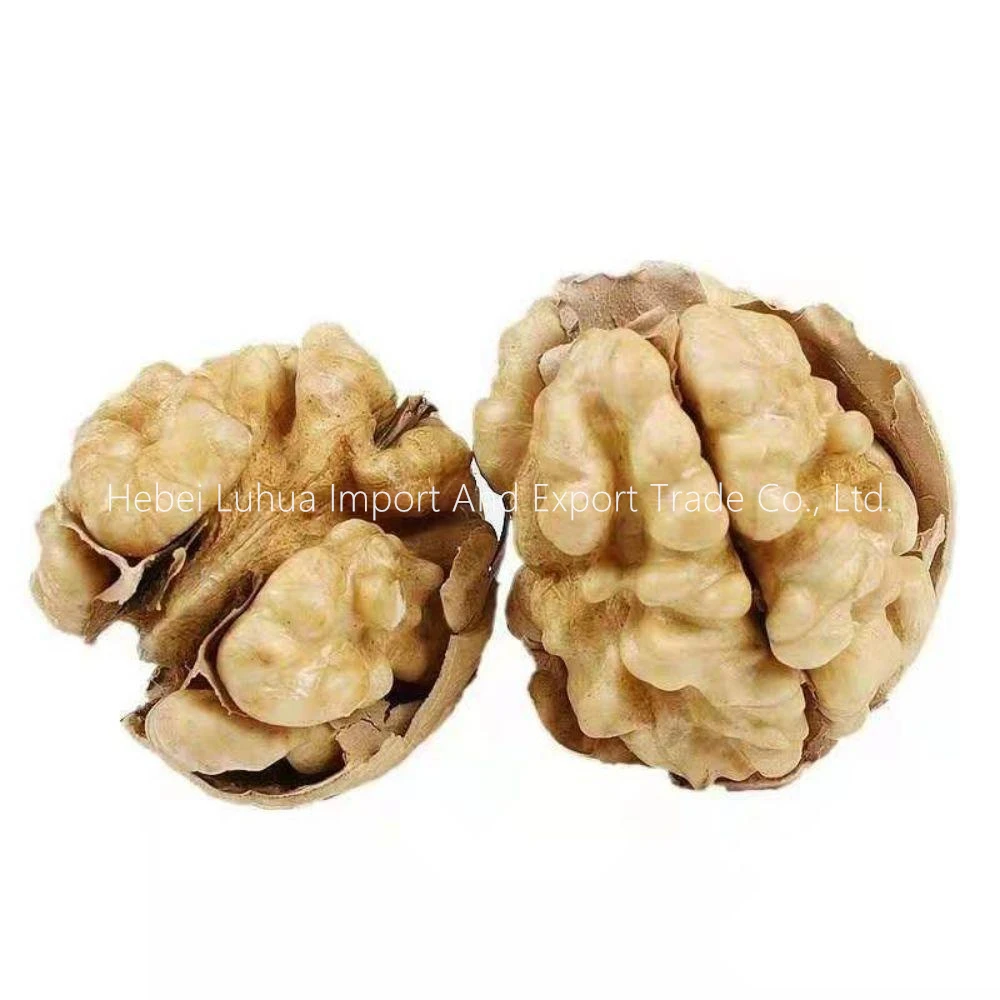
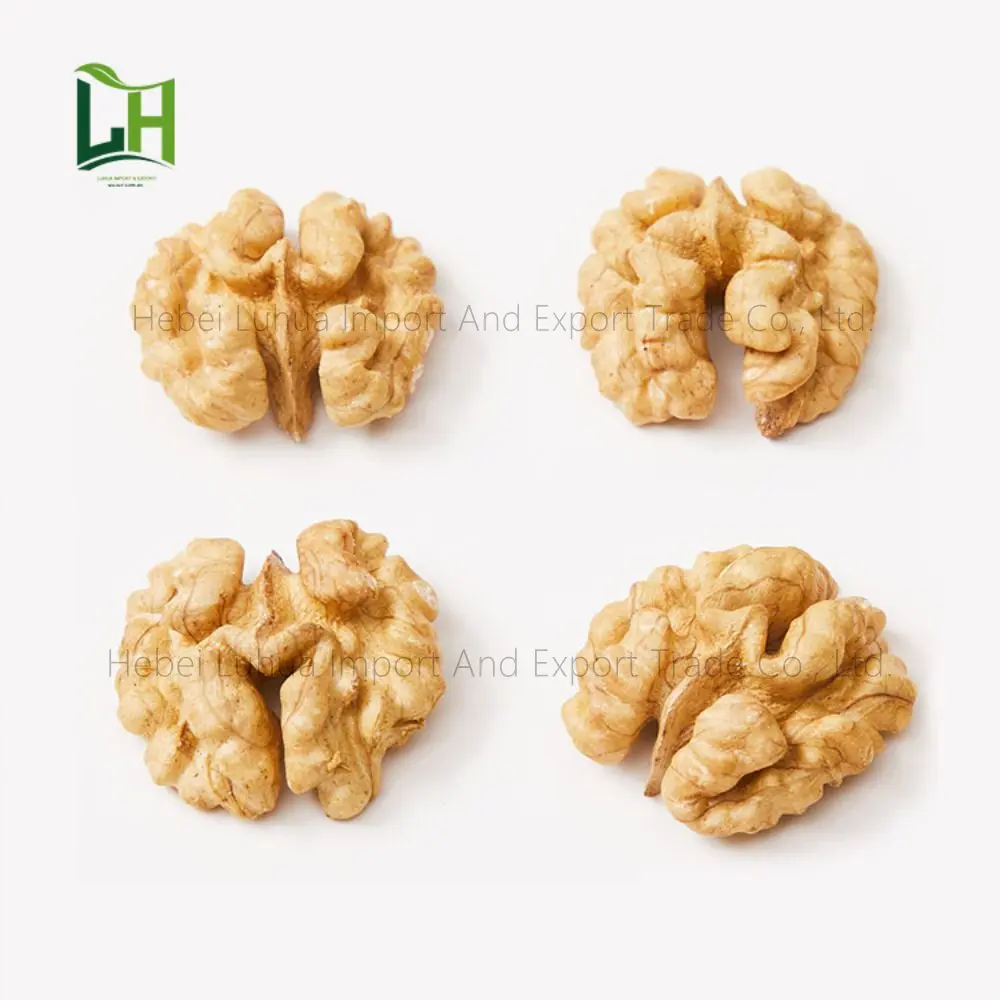
Raw material: Juglans regia from curated orchards around Zanhuang. Methods: gentle shelling → manual pre-trim → blanch-assisted skin removal for a clean “stripped” look → low-temp drying (≈45–55°C) to target moisture → optical sorters (color/shape) → X‑ray → metal detection → vacuum/N2 pack. Testing standards cover moisture, peroxide, free fatty acids, aflatoxins (HPLC), aerobic plate count, E. coli (ISO 16649-2). Real-world lab snapshot from a recent lot: moisture 3.1%, POV 0.12 meq O2/kg, aflatoxins total 3.2 µg/kg—solid numbers.
Applications
- Bakery: inclusions for brownies, biscotti, bread toppings.
- Dairy and frozen: ice cream variegates, yogurt mix-ins.
- Snack and cereal: clusters, granola, nutrition bars.
- Foodservice and OEM: sauces, pesto-style blends, meal kits.
Vendor comparison (what buyers quietly check)
| Vendor type | Certs | QC/Testing | Lead time | Customization |
|---|---|---|---|---|
| BRC factory (this) | BRCGS, ISO 22000 | In‑house + 3rd‑party; lot traceability | ≈7–15 days | Cut size, roast, pack, specs |
| Trading-only | Varies | Relies on supplier docs | ≈15–30 days | Limited, price-led |
| Small workshop | Local only | Basic moisture/sorting | Unpredictable | Minimal |
Customization
- Cut profile: 3–6 mm fines control, 6–12 mm bakery grade, or coarser.
- Roast level: raw, light roast, stabilized (around 1–2% moisture).
- Color sorting thresholds (L targets) to match SKU visuals.
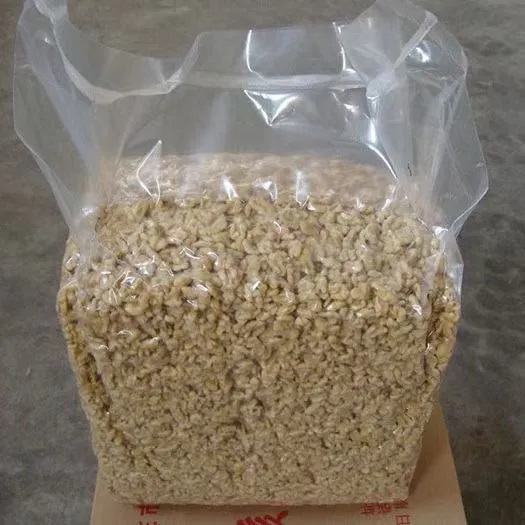
- Packaging: 10–12.5 kg vacuum bricks, N2 flush, private label cartons.
Case notes
Bakery, UAE: switched from mixed-origin pieces to these kernels; breakage in mixing dropped ≈18%, peroxide stayed under 0.25 meq O2/kg after 90 days ambient—flavor held up in butter-rich doughs.
EU ice cream brand: needed aflatoxin headroom. Factory ran tighter optical reject settings and double screening; COA came in at total aflatoxins 3.0 µg/kg, giving comfortable compliance margin.
Buyer checklist (quick)
- Ask for last three COAs and real moisture curves post-drying.
- Confirm X‑ray and metal detector test cards per shift.
- Lock storage plan: ≤10°C, out of light; rotate monthly. That’s how your peel walnut keeps its snap.
Factory visits are welcomed—always a good sign. If you care about consistent peel walnut for bakery or dairy, this line in Hebei is worth a look, actually.
Authoritative references
- BRCGS Global Standard for Food Safety, Issue 9. https://www.brcgs.com
- GB 2761-2023 National Food Safety Standard—Maximum Levels of Mycotoxins in Foods. National Health Commission of the PRC.
- Codex CXS 193-1995 General Standard for Contaminants and Toxins in Food and Feed. Codex Alimentarius.
Post time:Oct . 17, 2025 14:00