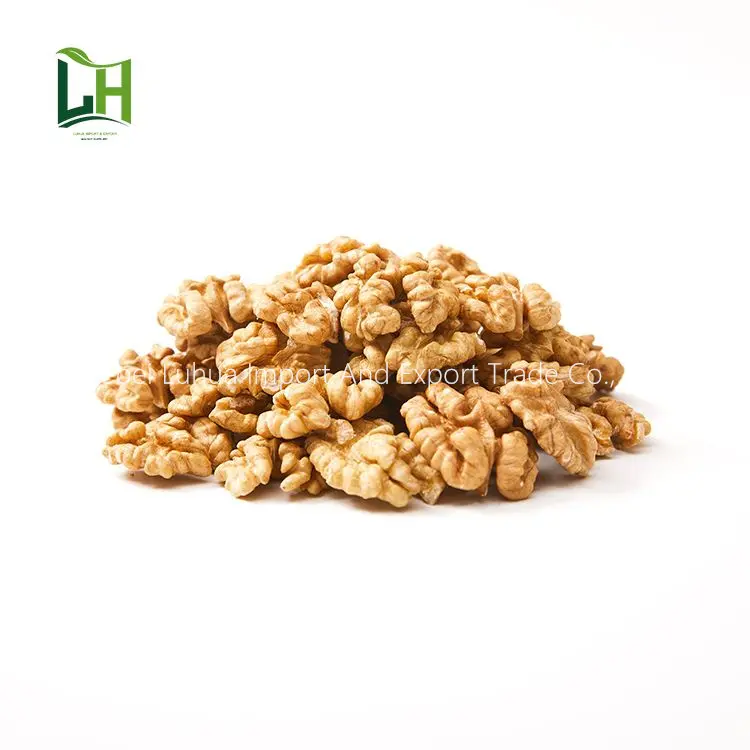
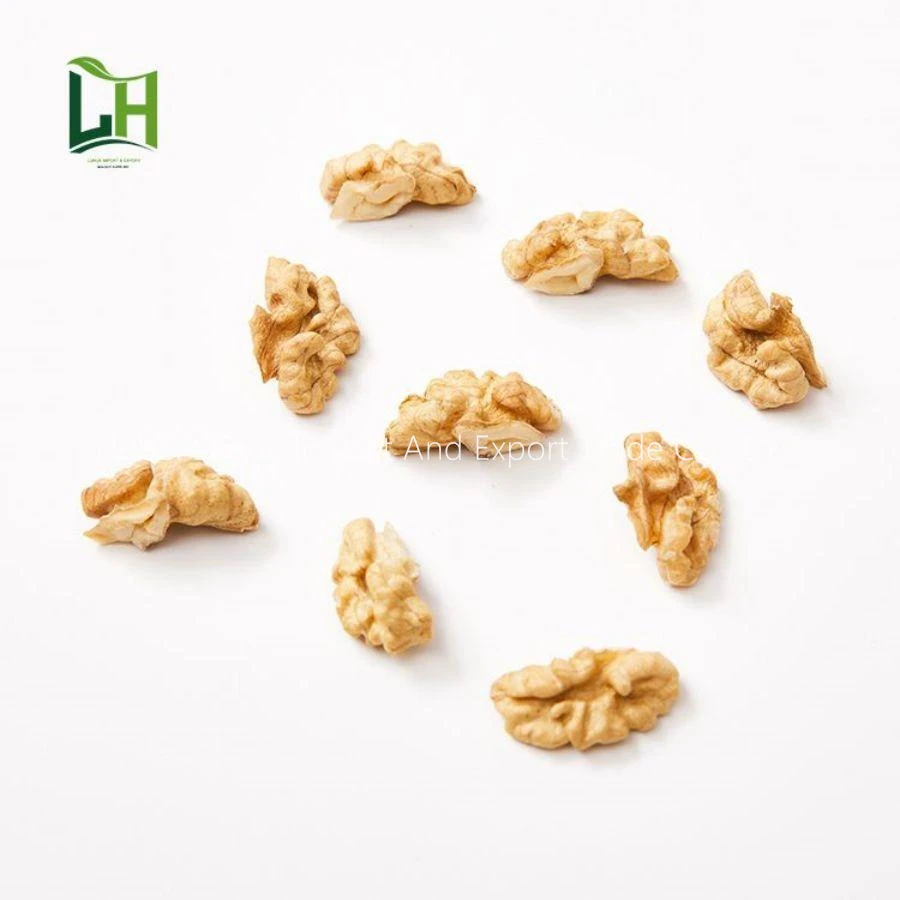
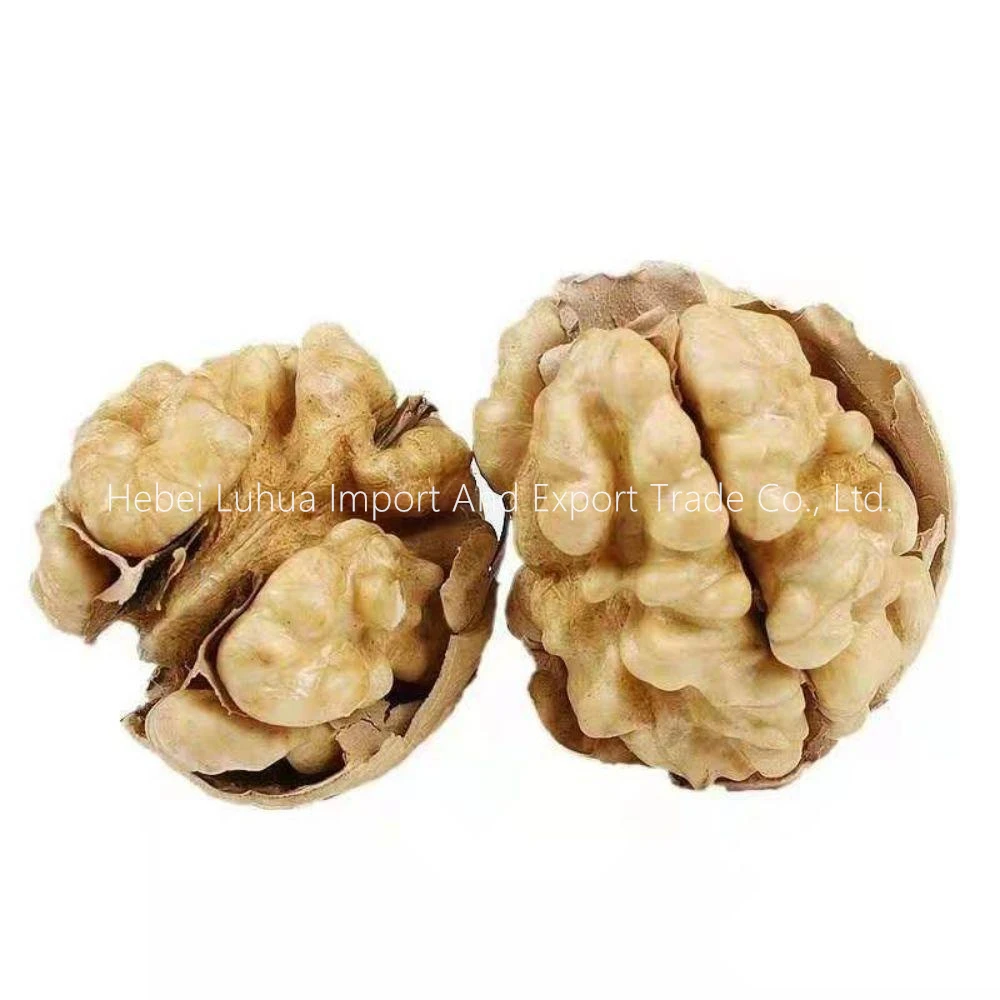
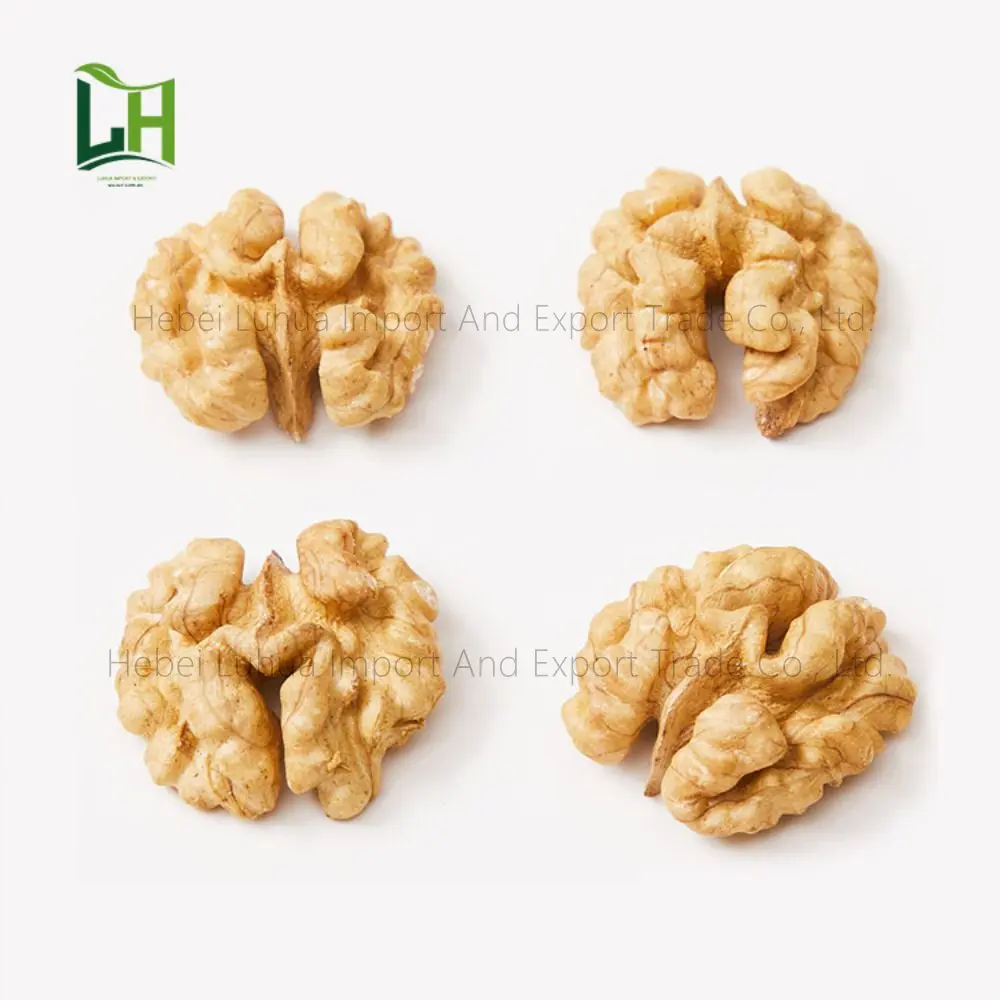
Walnuts for Sale: A Nutshell from the Industrial Equipment Perspective
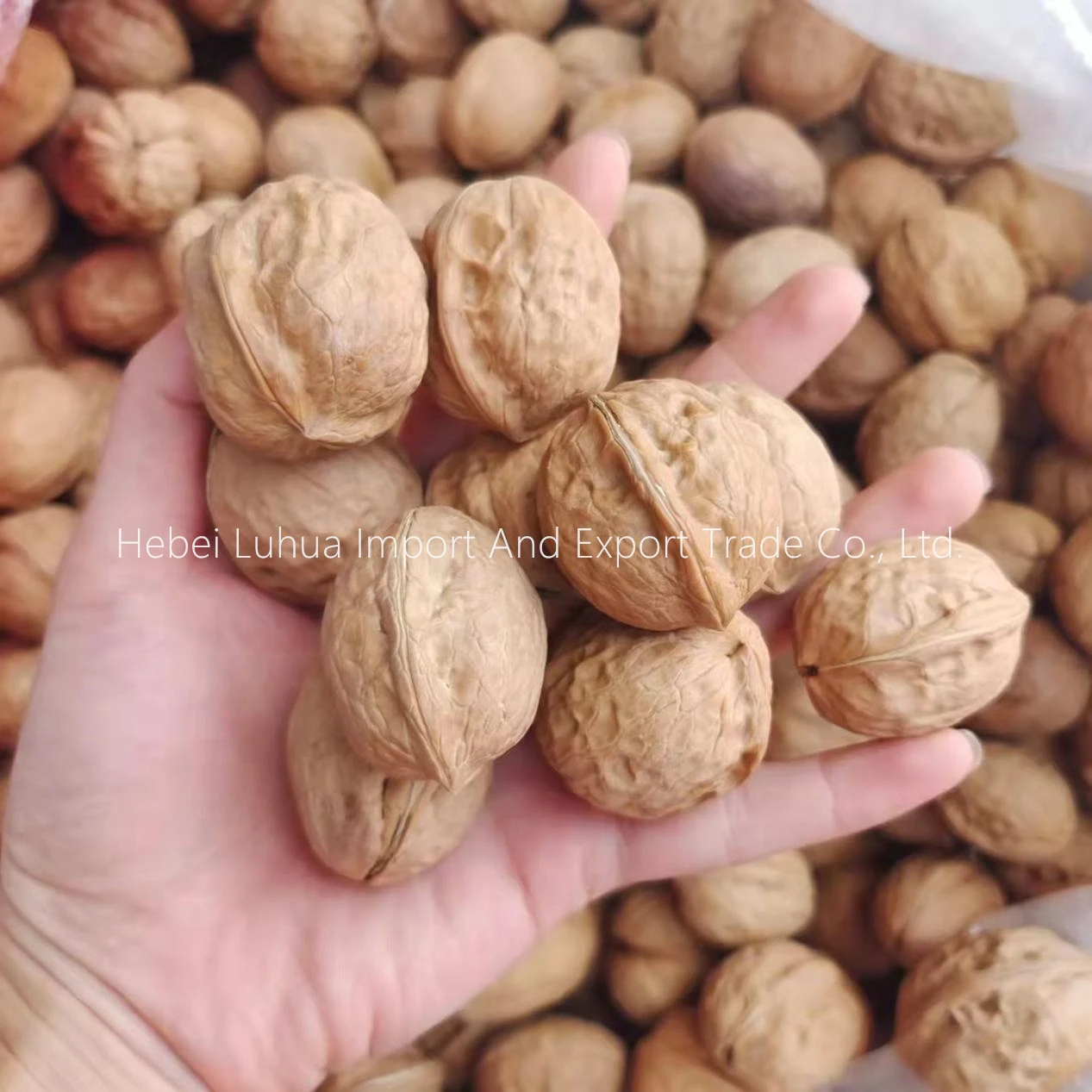
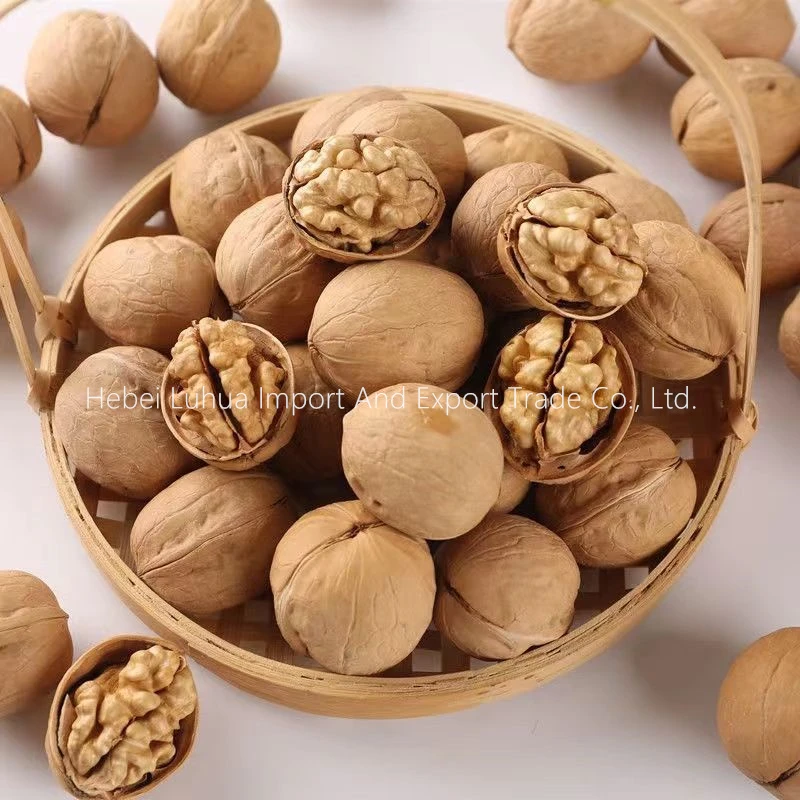
After many years working amidst the clatter of heavy machinery and the pungent scent of raw materials, it’s a bit of a shift to talk about something as humble yet fascinating as walnuts. Oddly enough, these nuts have a place in my experience, especially when sourcing materials or products that blend natural qualities with strict industrial quality standards. So, when I was recently asked about walnuts for sale, I figured it’s worth sharing some insights that go beyond the usual grocery aisle chatter.
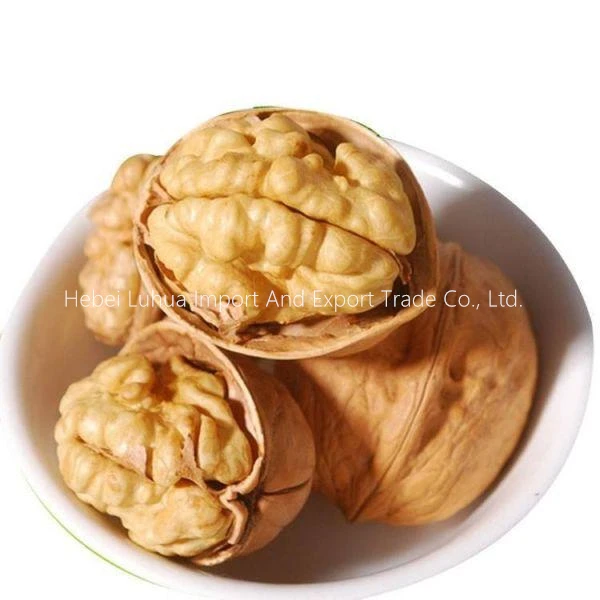
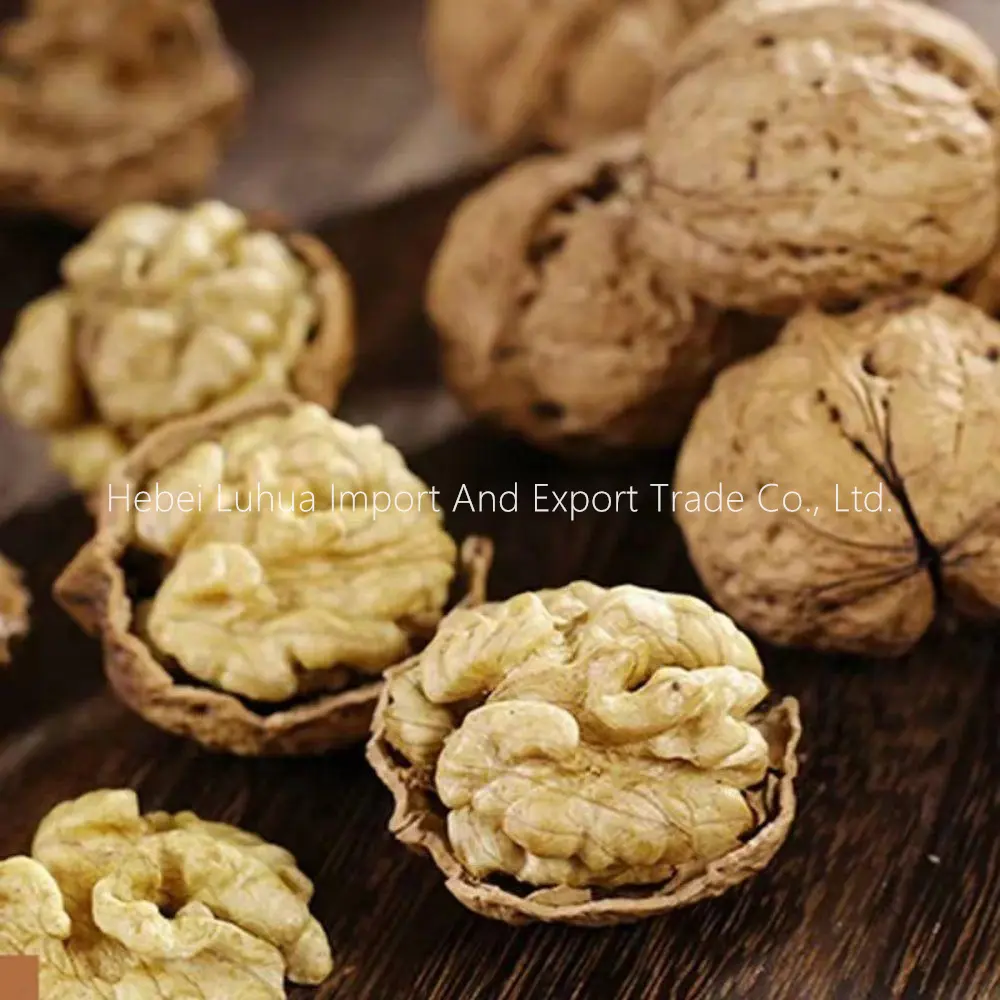
You know, walnuts aren’t just snacks; they’re a product of nature’s own careful “manufacturing” — grown under specific climatic conditions, harvested with precision, and sorted to meet both food safety and customer expectations. From the standpoint of someone who’s navigated quality control and supplier vetting for years, understanding the product specs and vendor reliability is key. Let's dive in…
Walnut Product Specifications: What to Look For
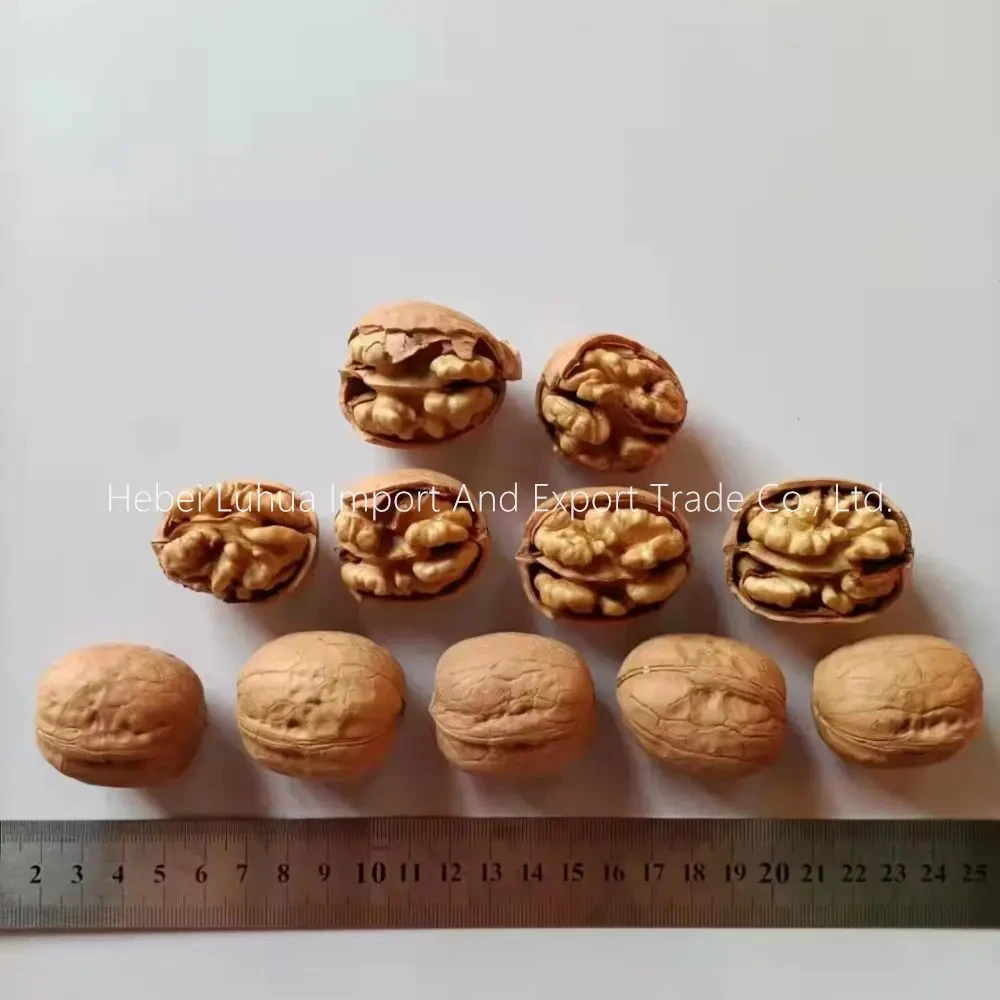
| Specification | Details |
|---|---|
| Variety | English Walnut (Juglans regia) |
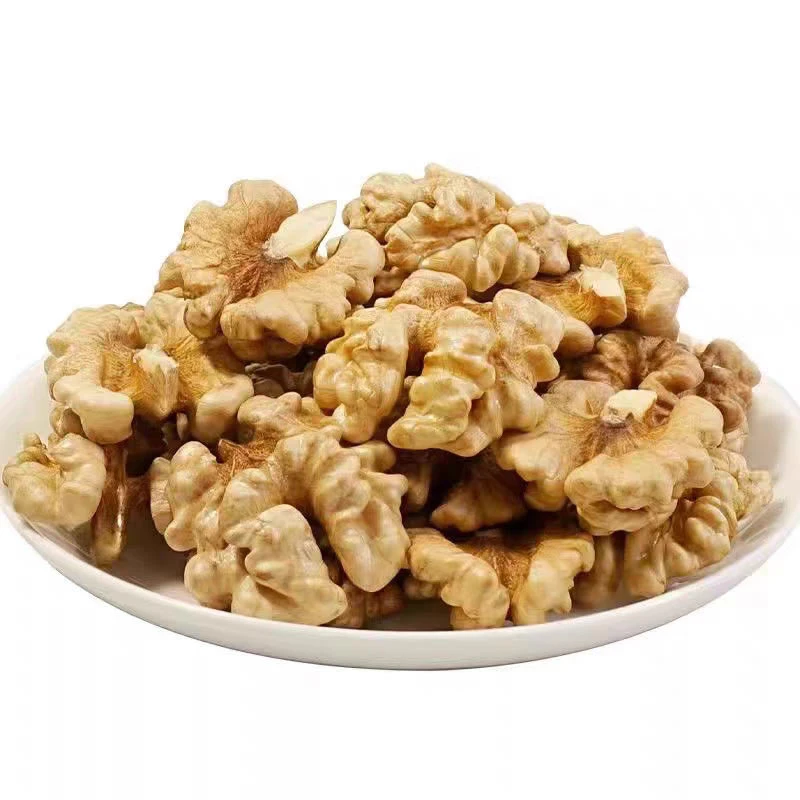
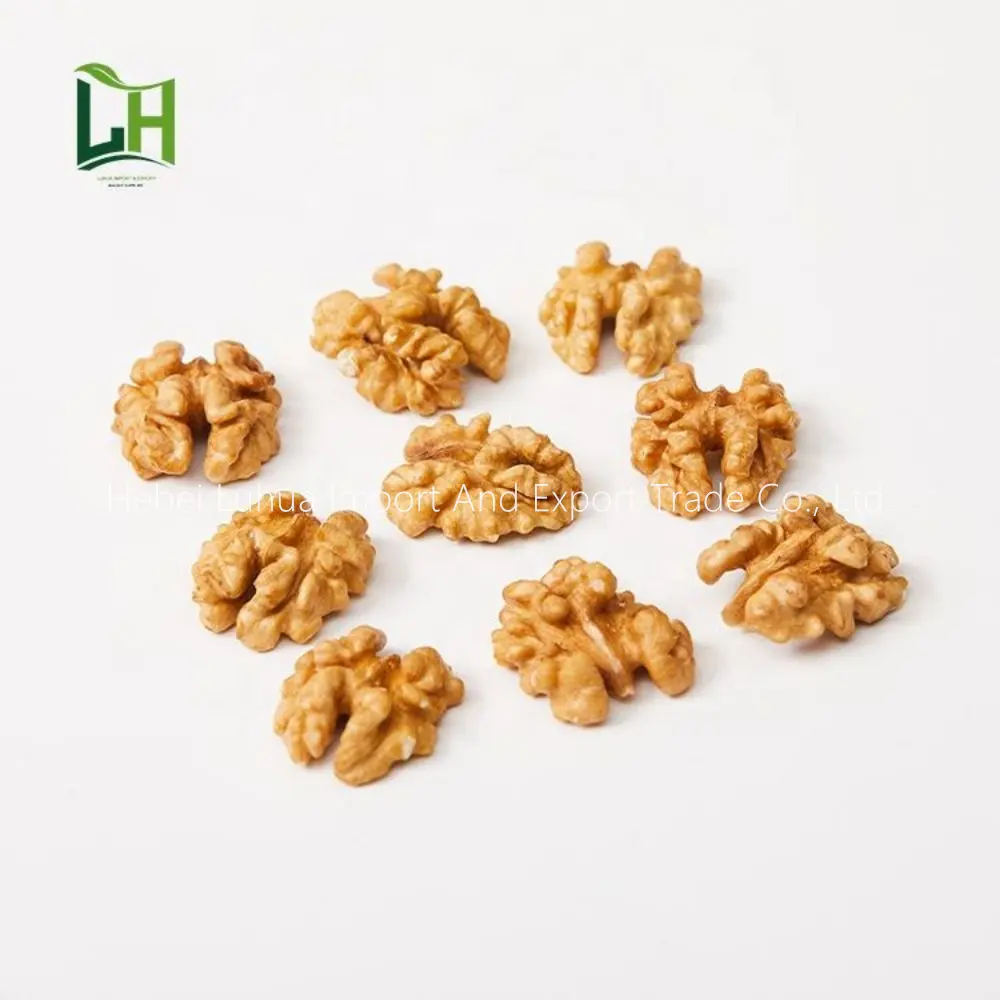
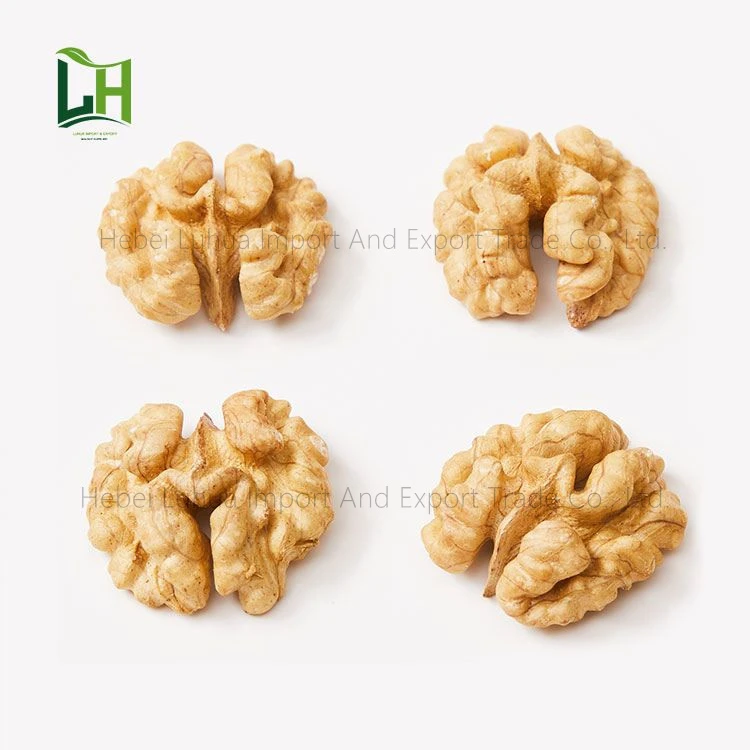
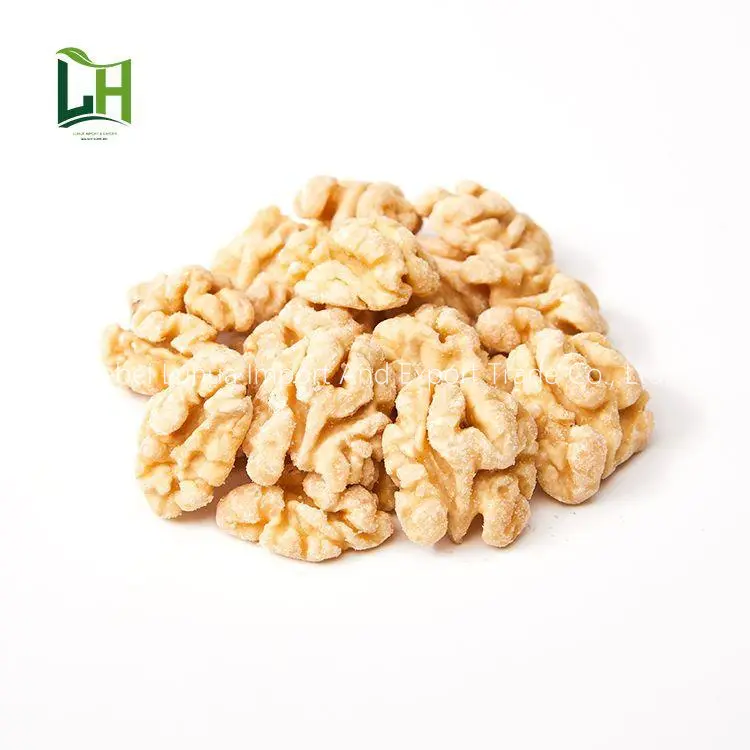
| Kernel Color | Light Cream to Pale Brown |
| Moisture Content | 4-6% |
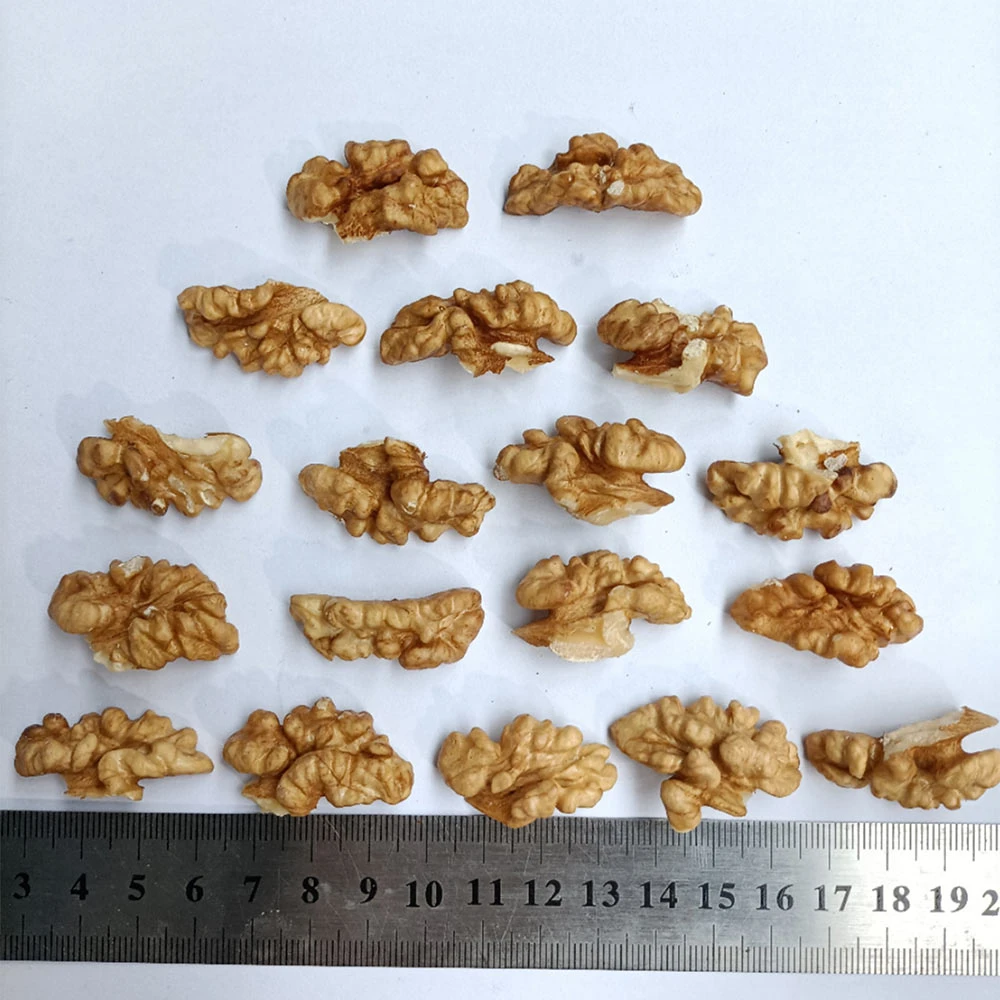
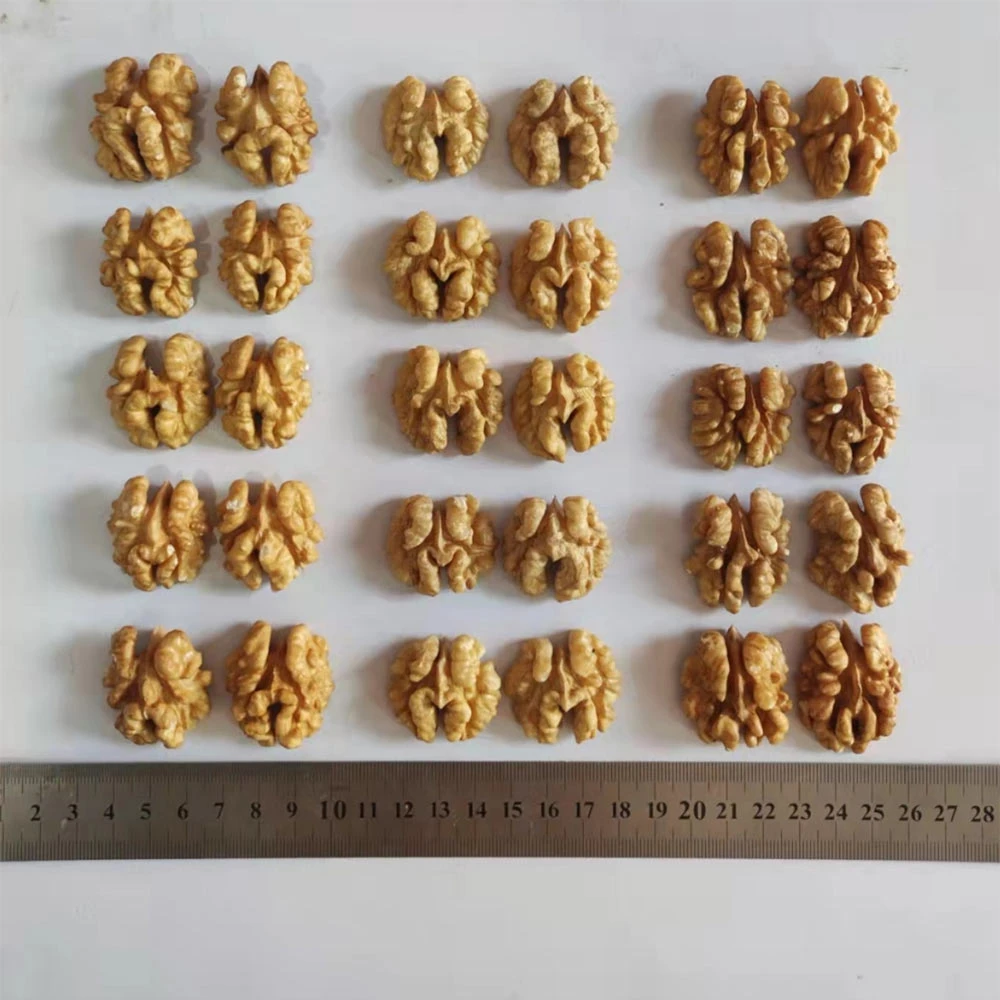
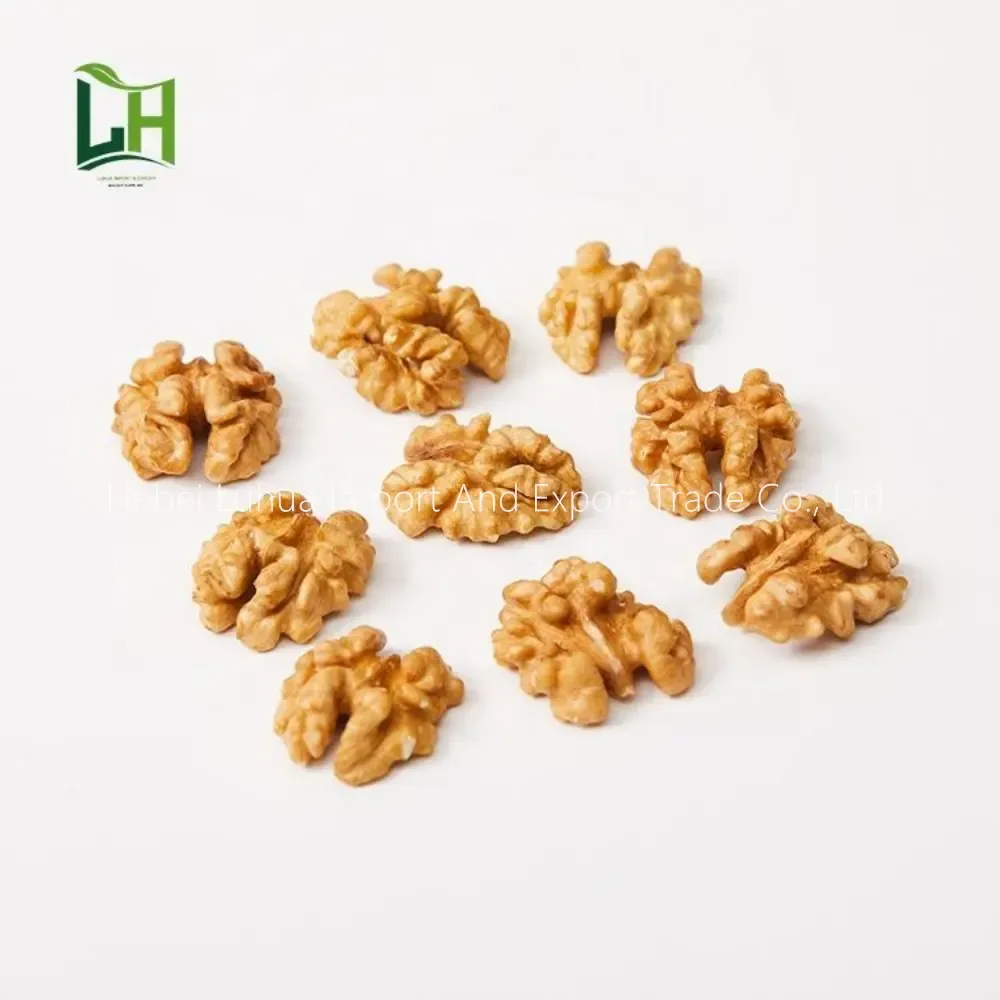
| Shelled Walnut Size | 20-24 mm average diameter |
| Harvest Season | September to November |
| Packaging | Vacuum-sealed & Food-grade Kraft Bags |
| Certifications | ISO, HACCP, Organic Options |
From a quality control lens, the moisture content is crucial — it affects shelf life, firmness, and ultimately the consumer experience. You don’t want walnuts that are too damp or dried to a crisp, or you risk flavor and texture loss. The harvest season usually means a narrow window, so availability fluctuates, which frankly can make or break contract reliability in industrial food supply chains.
How Vendors Stack Up in the Walnut Market
| Vendor | Price per Ton (USD) | Quality Certifications | Lead Time (Weeks) | Minimum Order |
|---|---|---|---|---|
| Lu Hua Walnut | $2,400 | ISO, HACCP, Organic | 3–4 | 1 Ton |
| Global Nut Co. | $2,350 | ISO, FSC | 4–5 | 1.5 Tons |
| NutriRoots | $2,500 | Organic, HACCP | 2–3 | 0.5 Ton |
From what I’ve seen, walnuts for sale are best sourced from vendors that don’t just meet certifications but visibly invest in traceability and handling standards. Lu Hua Walnut, for instance, balances price with quality certifications like ISO and HACCP, which frankly gives me confidence when specifying suppliers for clients.
A small story — a food processor I worked with once switched vendors mid-season and saw an uptick in kernel breakage rates, which caused logistic headaches and customer complaints. When they reverted to a reputable vendor with clear specs, things smoothed out quickly. It's a reminder that even in something as “simple” as walnuts, the right partner counts.
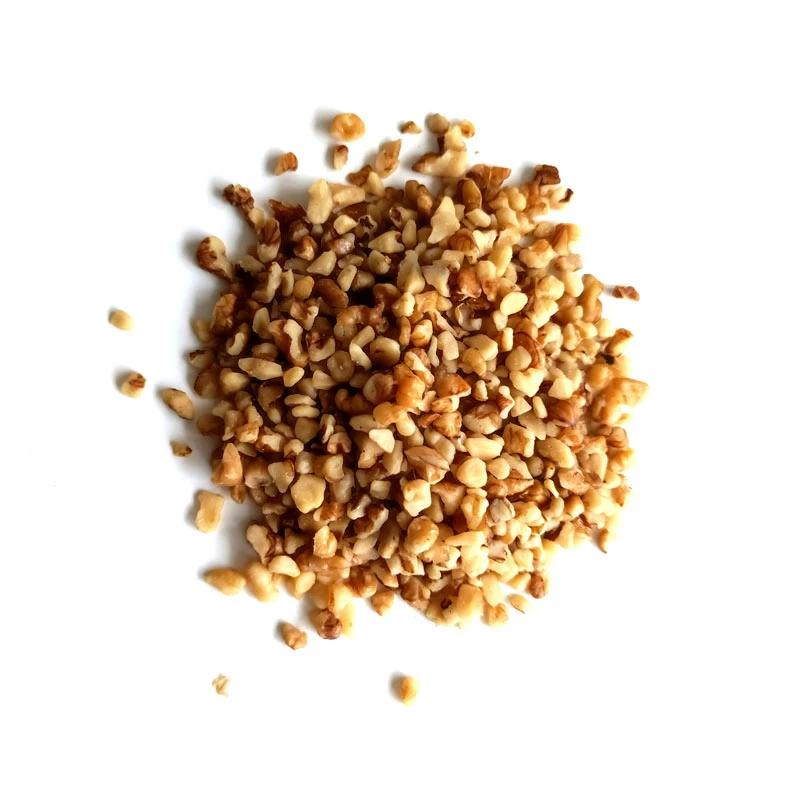
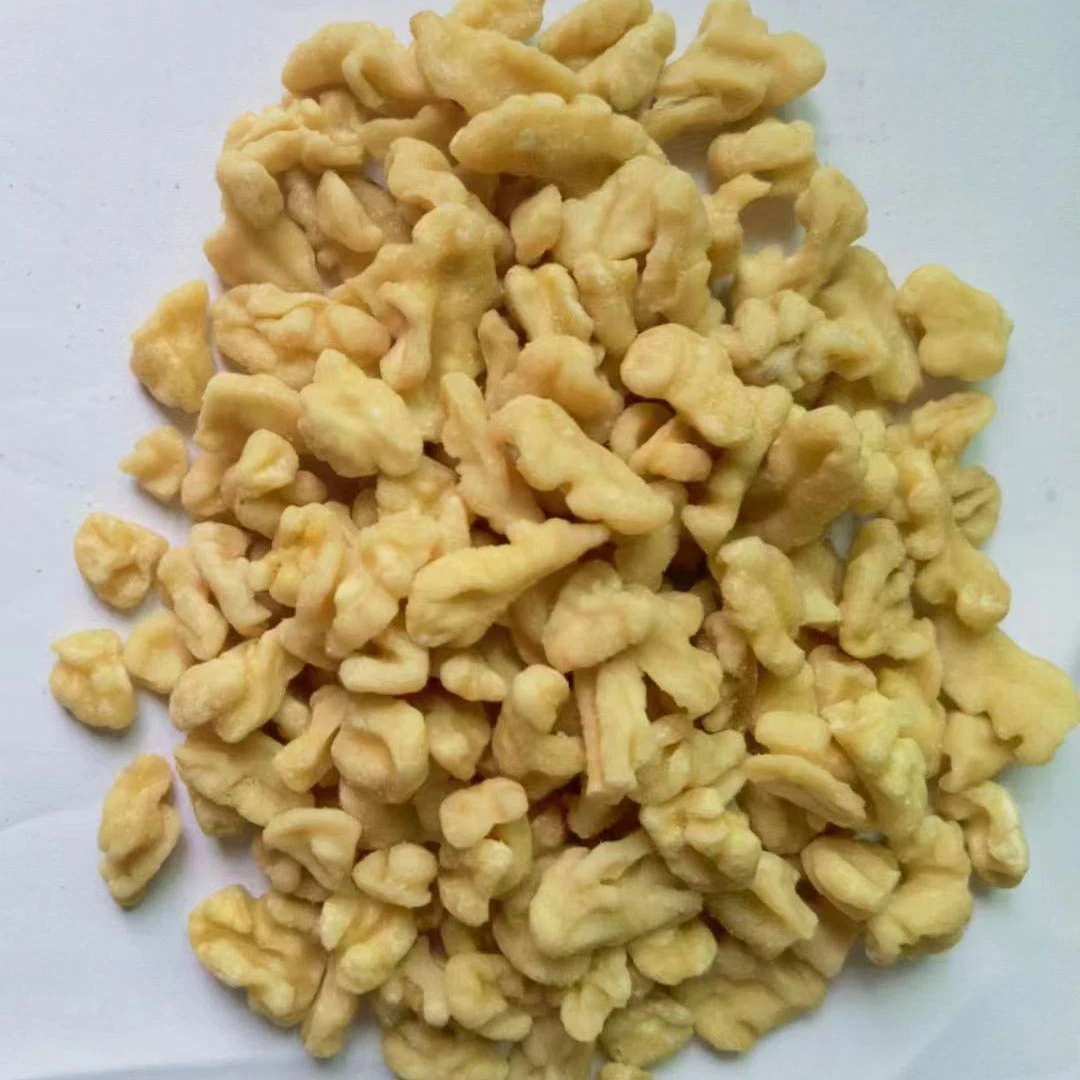
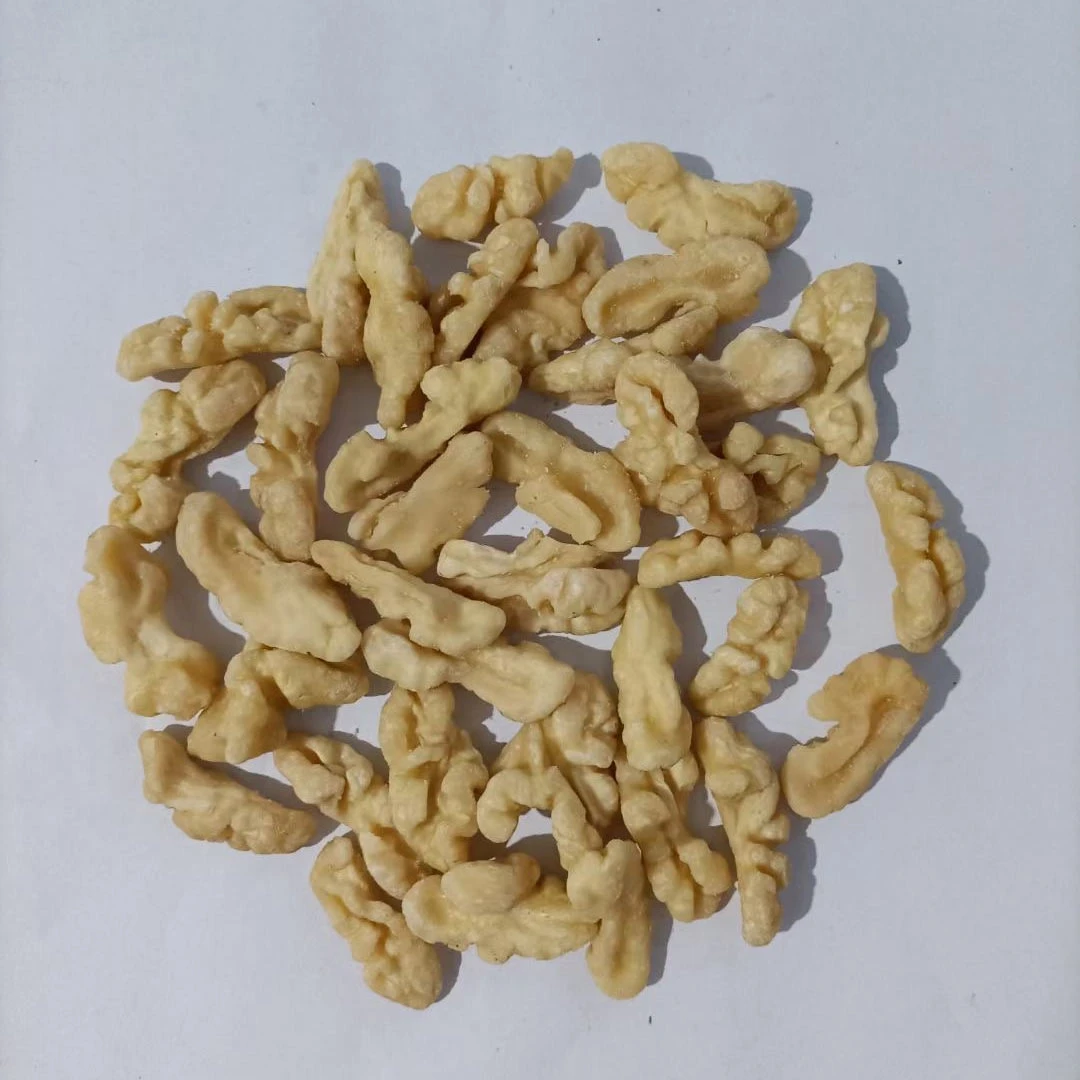
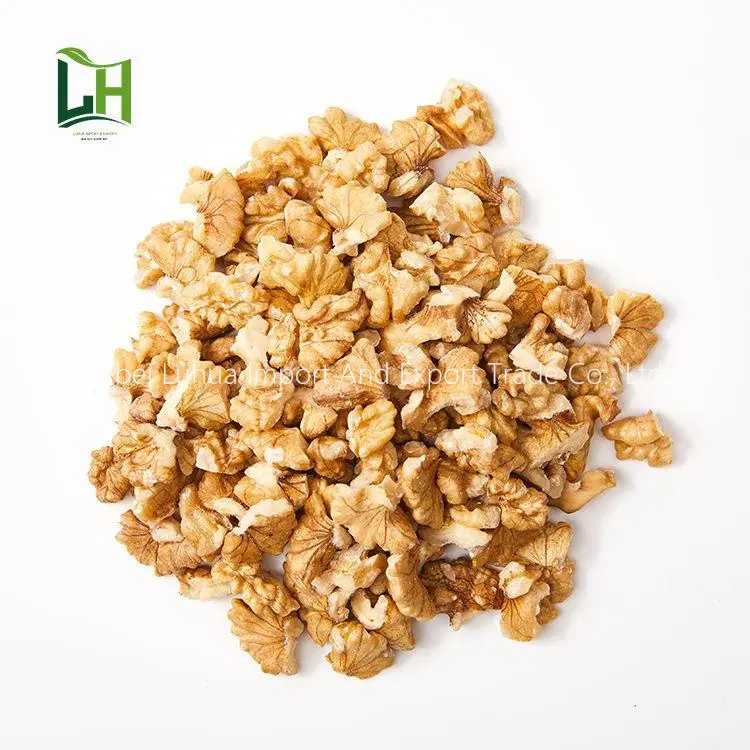
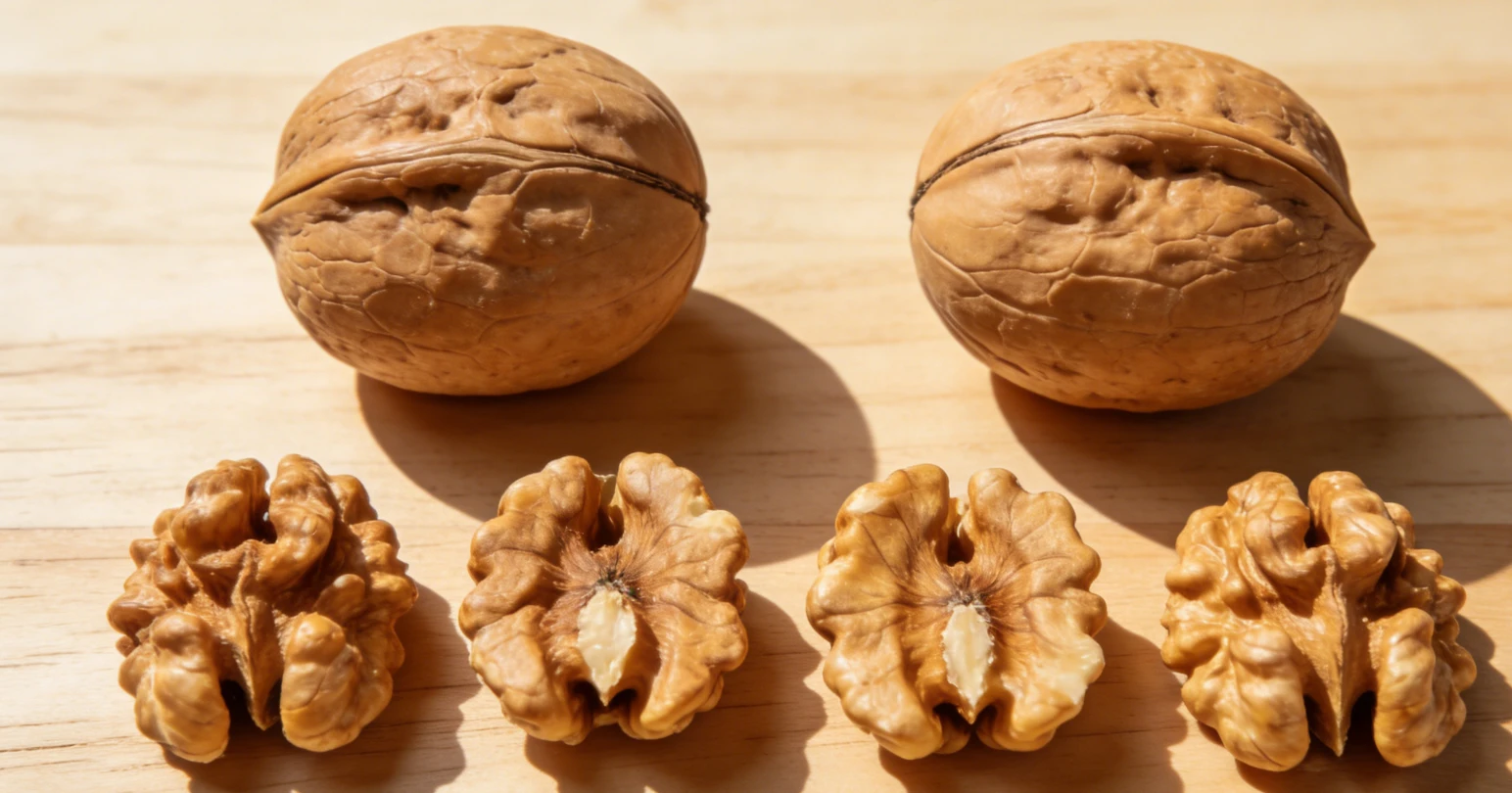
If you’re wondering about customization — yes, many suppliers offer grade sorting (large halves vs. pieces), organic certification, or even custom packaging to meet unique distribution requirements. It’s a niche that doesn't just rest on the nut itself but the whole ecosystem around it.
In real terms, if you’re considering bulk walnut purchase — whether for industrial food use, bakeries, or snack manufacturers — I’d say vet your vendors thoroughly. Check those specs personally if you can. And don’t underestimate the value of a vendor who can adapt and respond quickly; lead times do matter.
So, yeah, it feels like walnuts are more “industrial” than their casual image suggests — behind that shell lies a lot of process, quality care, and yes, a bit of art.
Remember, the nuts might be small, but the supply chain and quality considerations certainly aren’t.
References:
1. International Nut and Dried Fruit Council - Walnut Market Overview, 2023
2. Lu Hua Walnut Company – Product & Quality Certifications Information, 2024
3. Food Safety Authority – HACCP Guidelines for Nut Processing Industries
Post time:Jan . 02, 2026 07:00