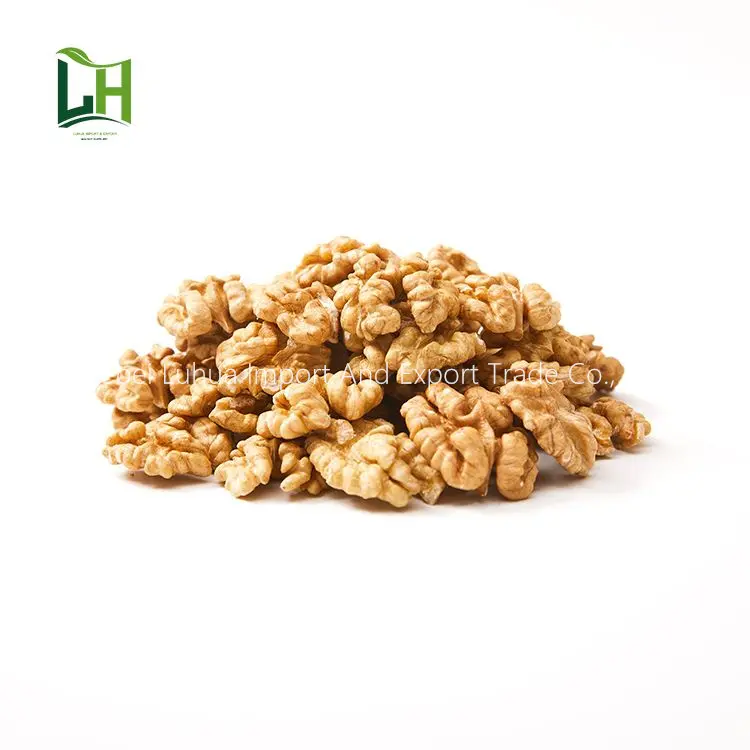
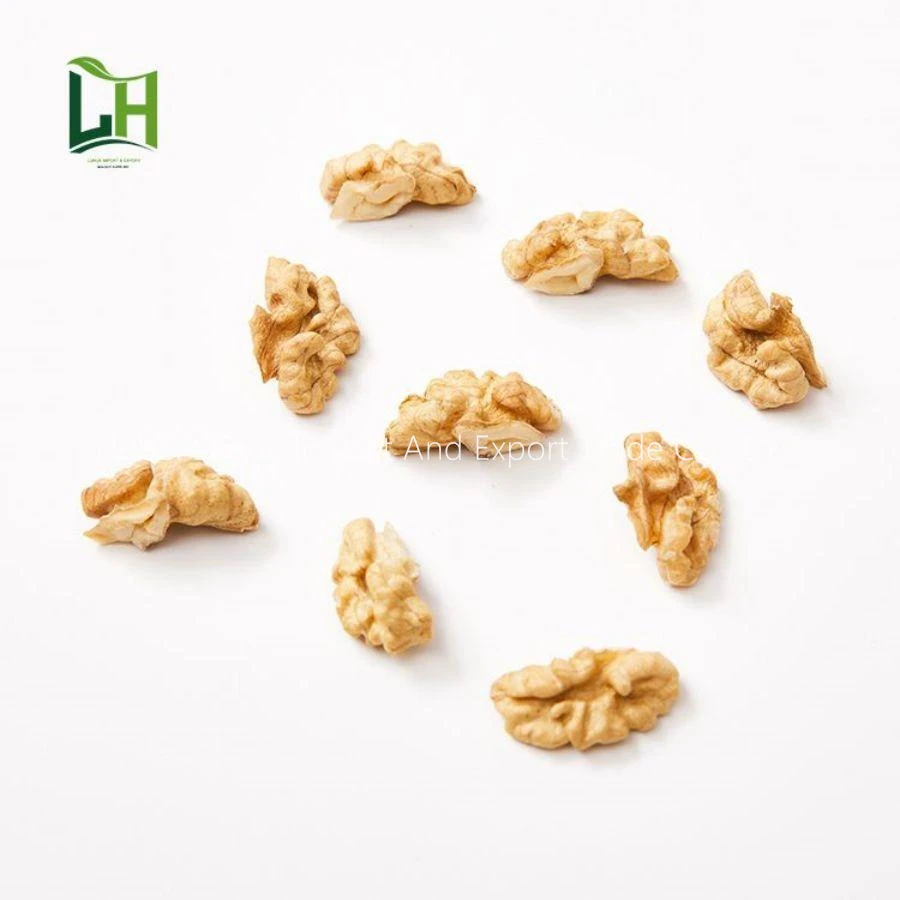
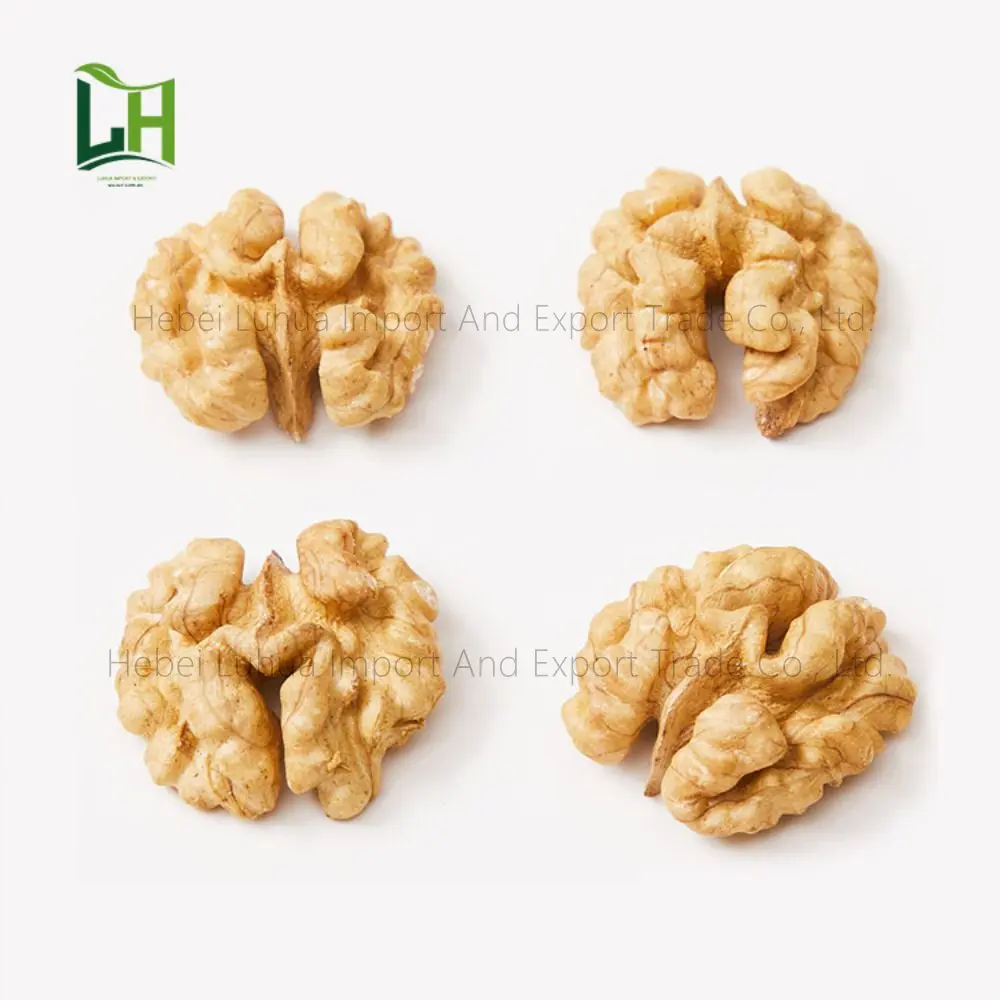
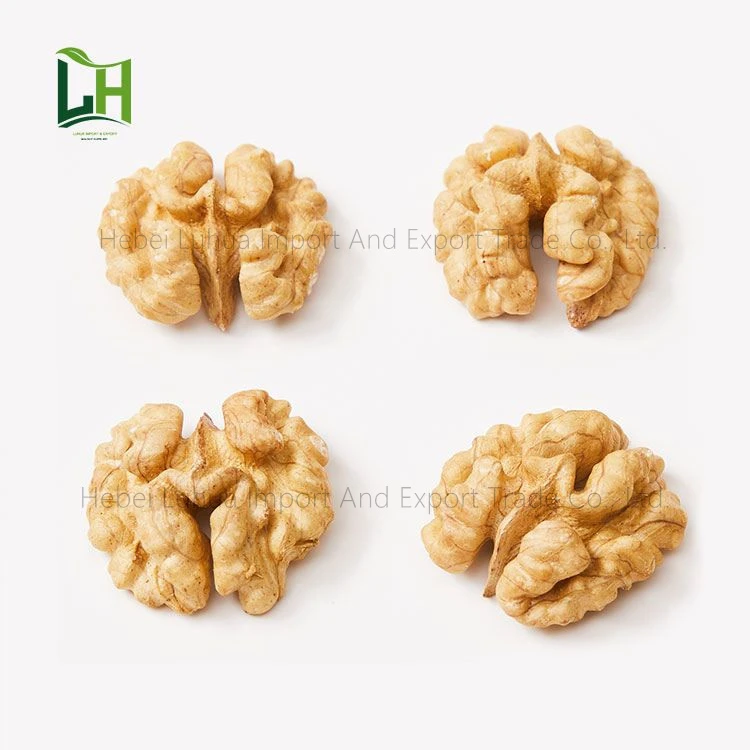
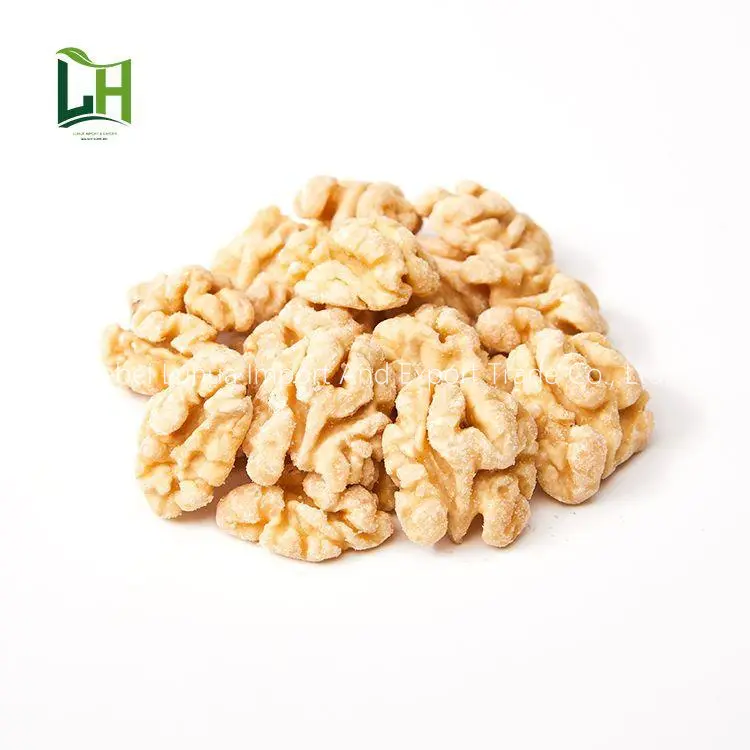
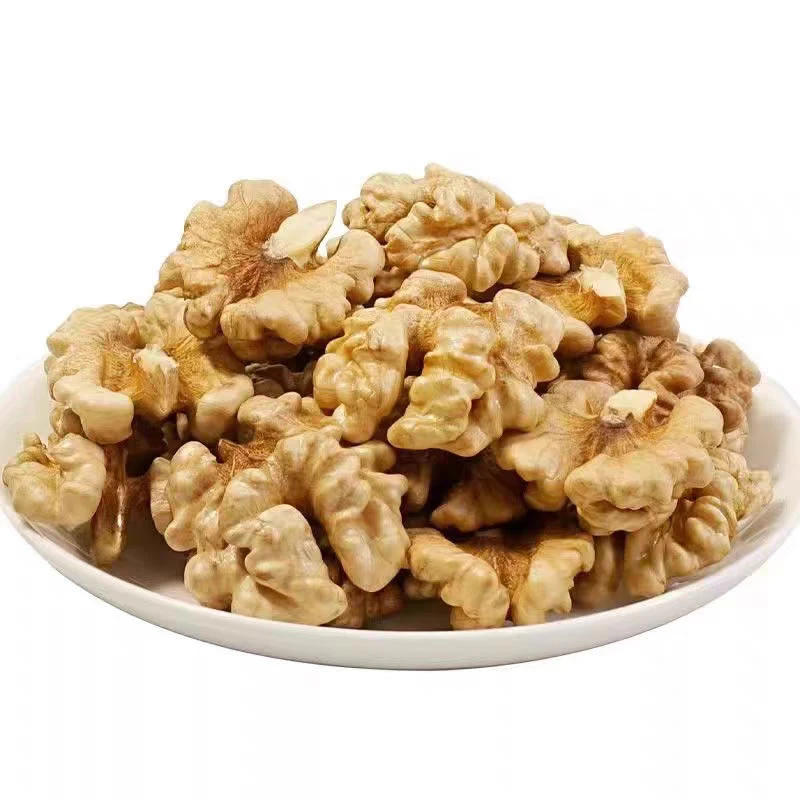
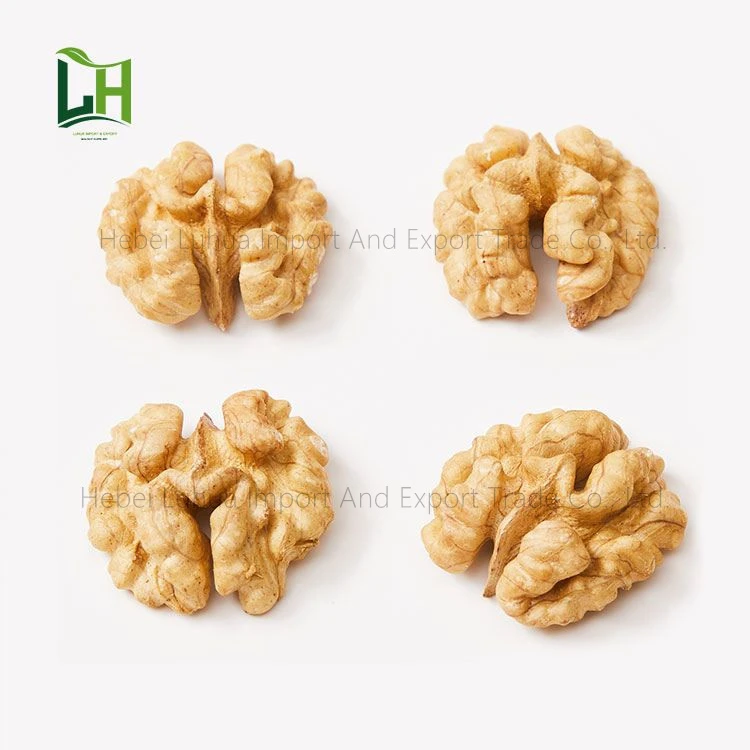
Understanding the Price of shelled walnuts
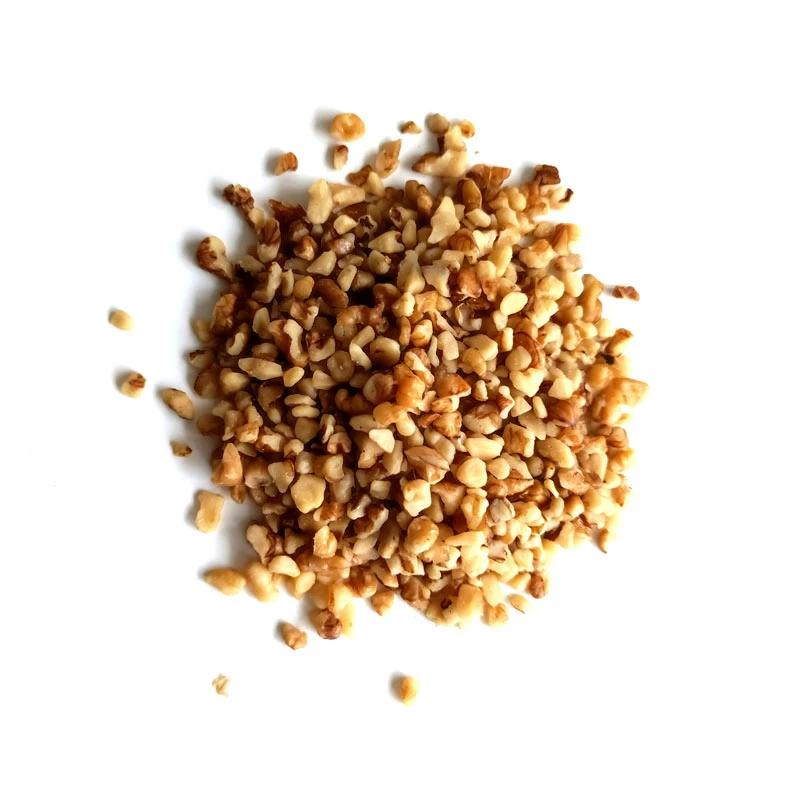
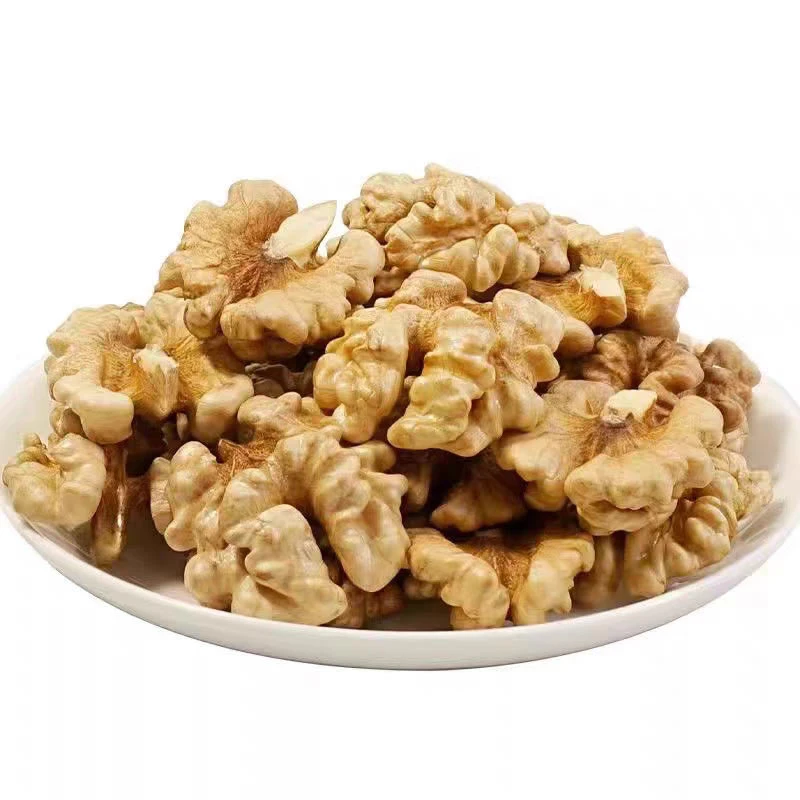
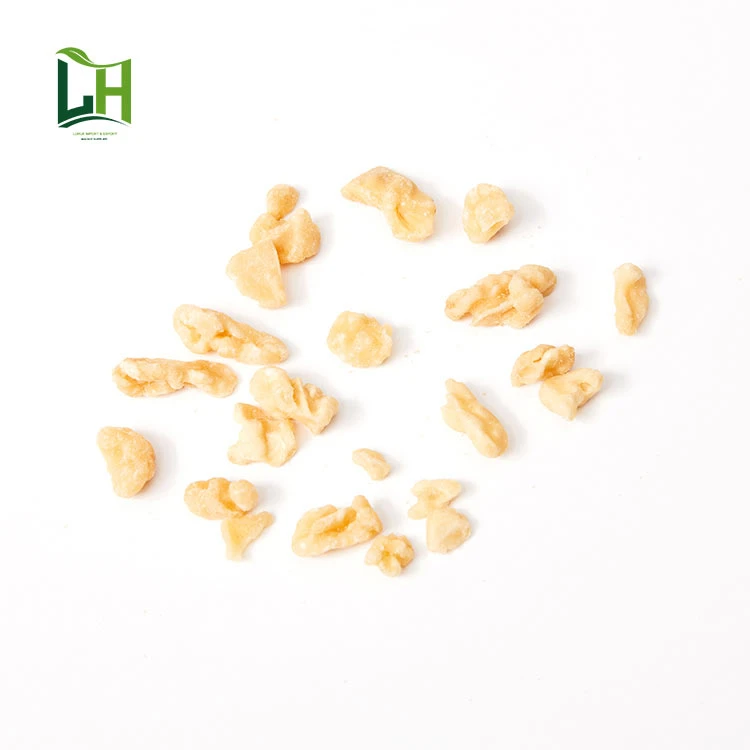
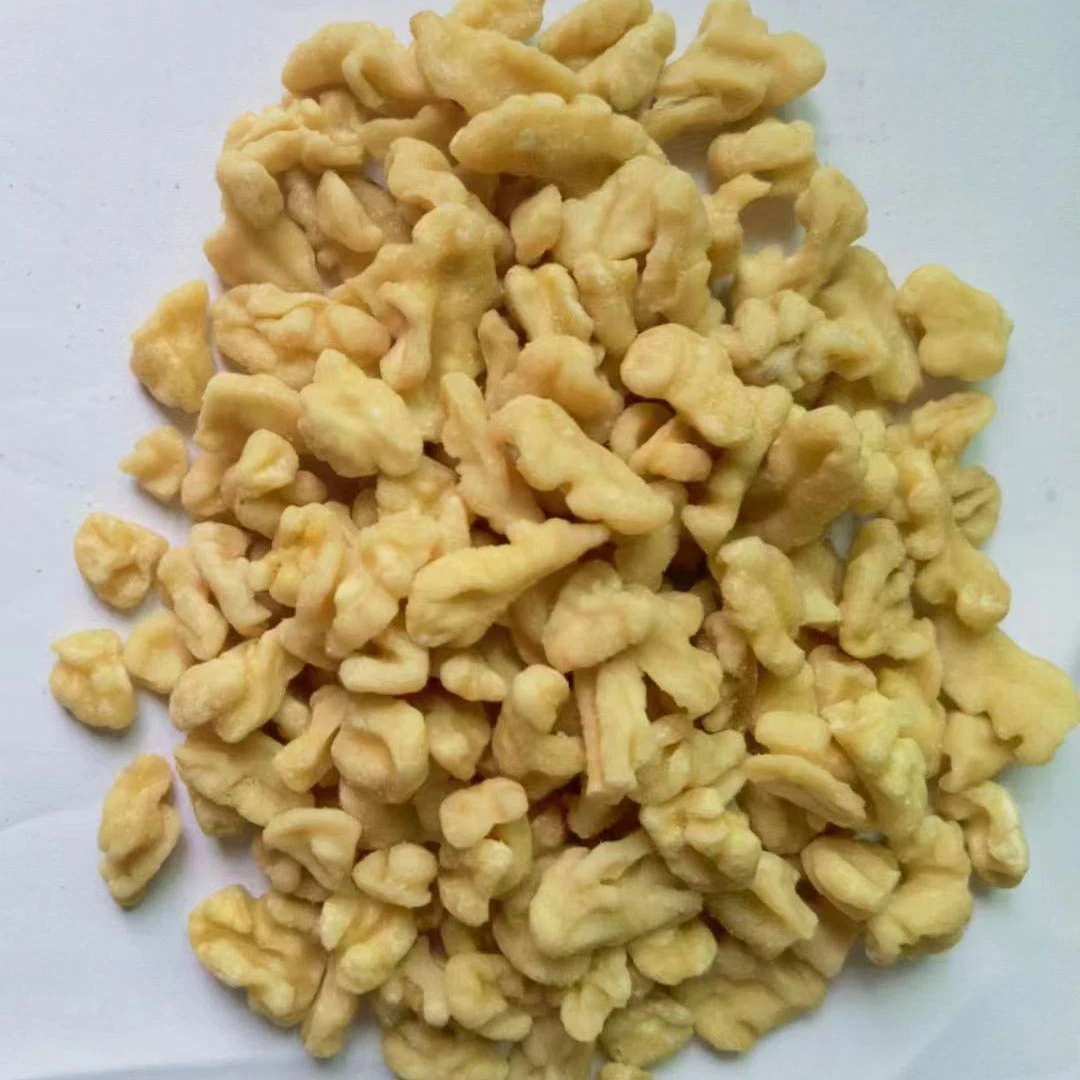
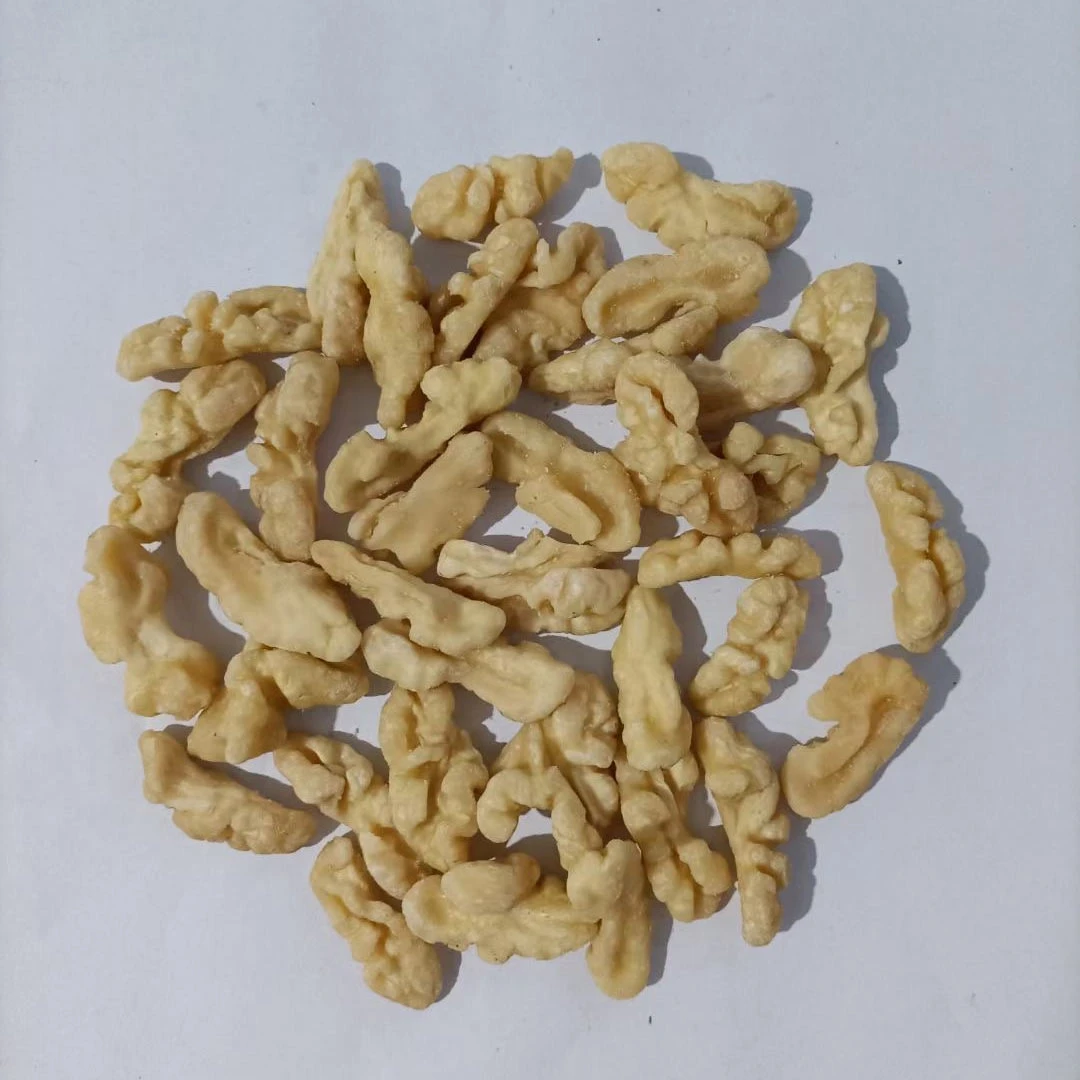
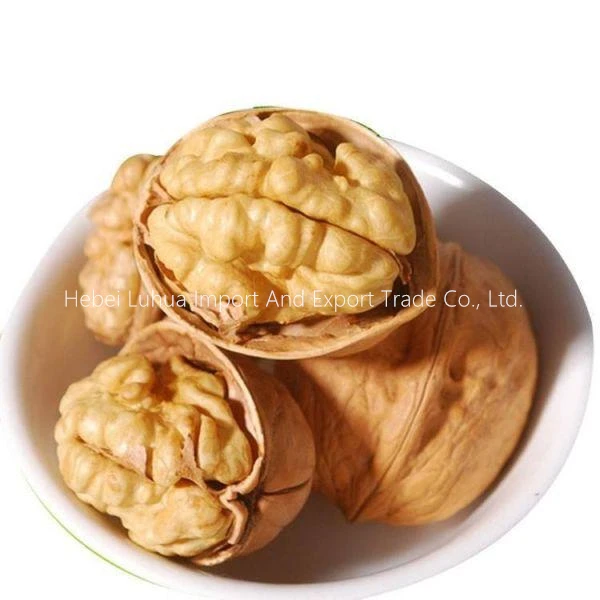
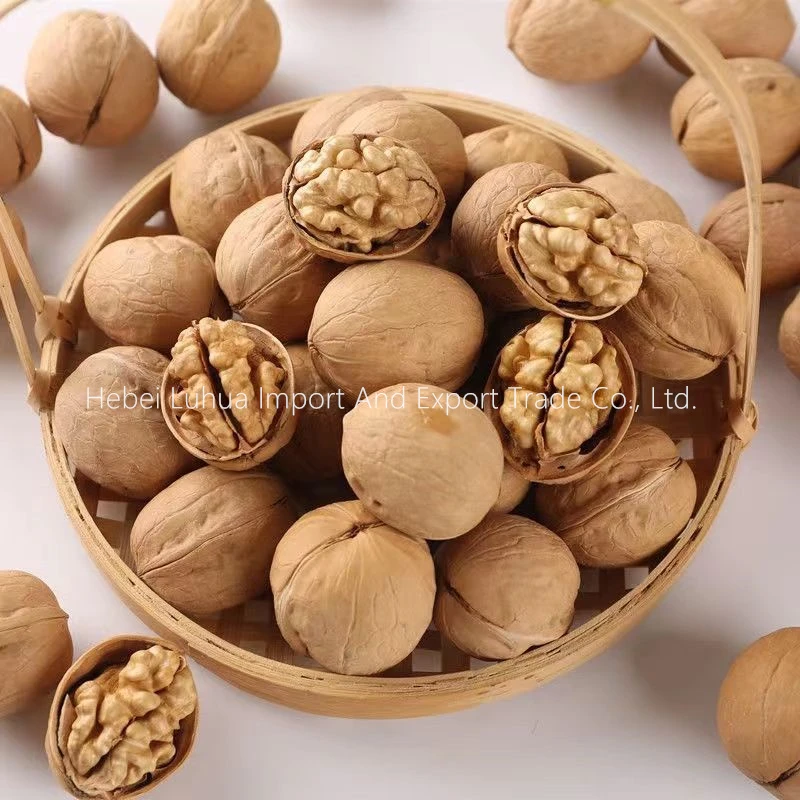
Having worked in the industrial equipment sector for quite a few years, I’ve grown to appreciate the nuances behind product pricing, even in sectors like food and agriculture. Shelled walnuts, oddly enough, are a great example of how a straightforward commodity can have layers of pricing complexity behind it. In real terms, people often overlook what goes into that small walnut kernel on store shelves or bulk orders.
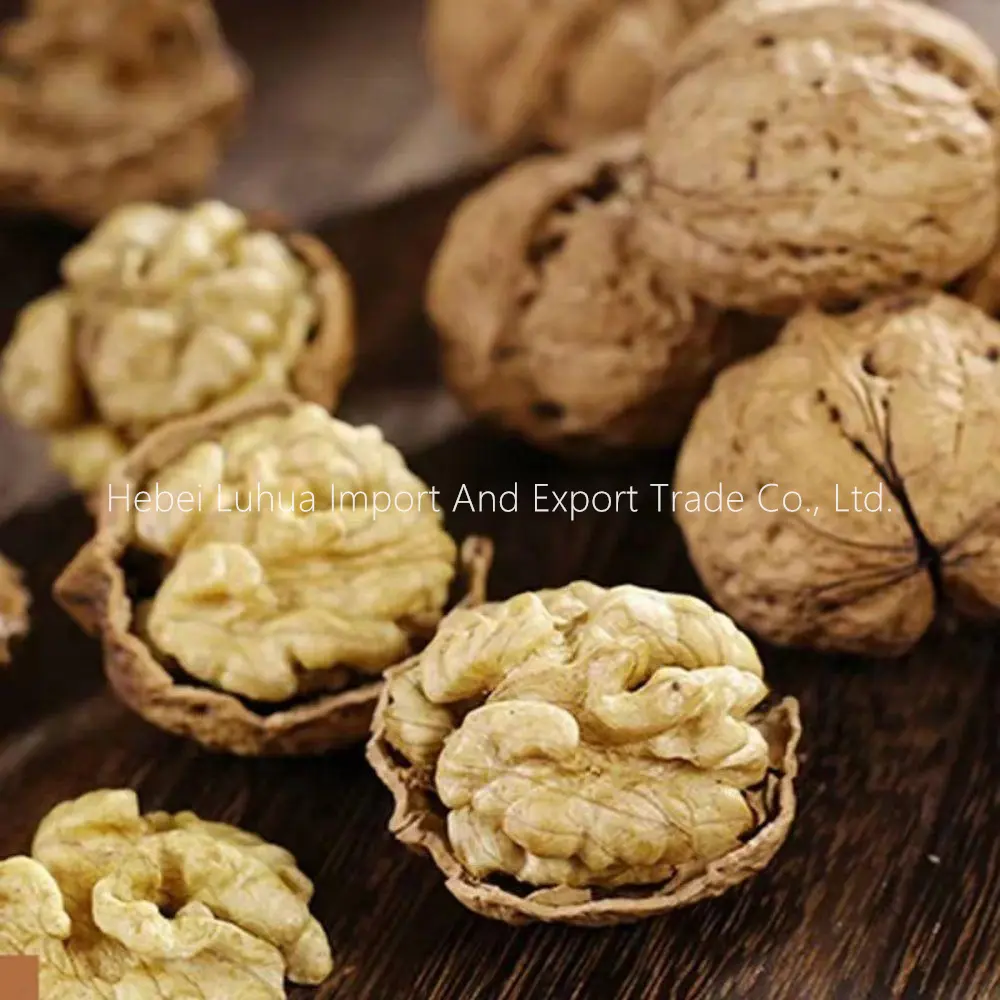
Frankly, you might assume walnut prices are just about supply and demand, but there’s quite a bit more. The cost of harvesting, shelling, sorting, and packaging all add up. Then comes quality control—shell integrity, kernel color, moisture content—and the market’s taste for grade or size. I suppose you could say it’s similar to any industrial material: specs matter, and customers know it.
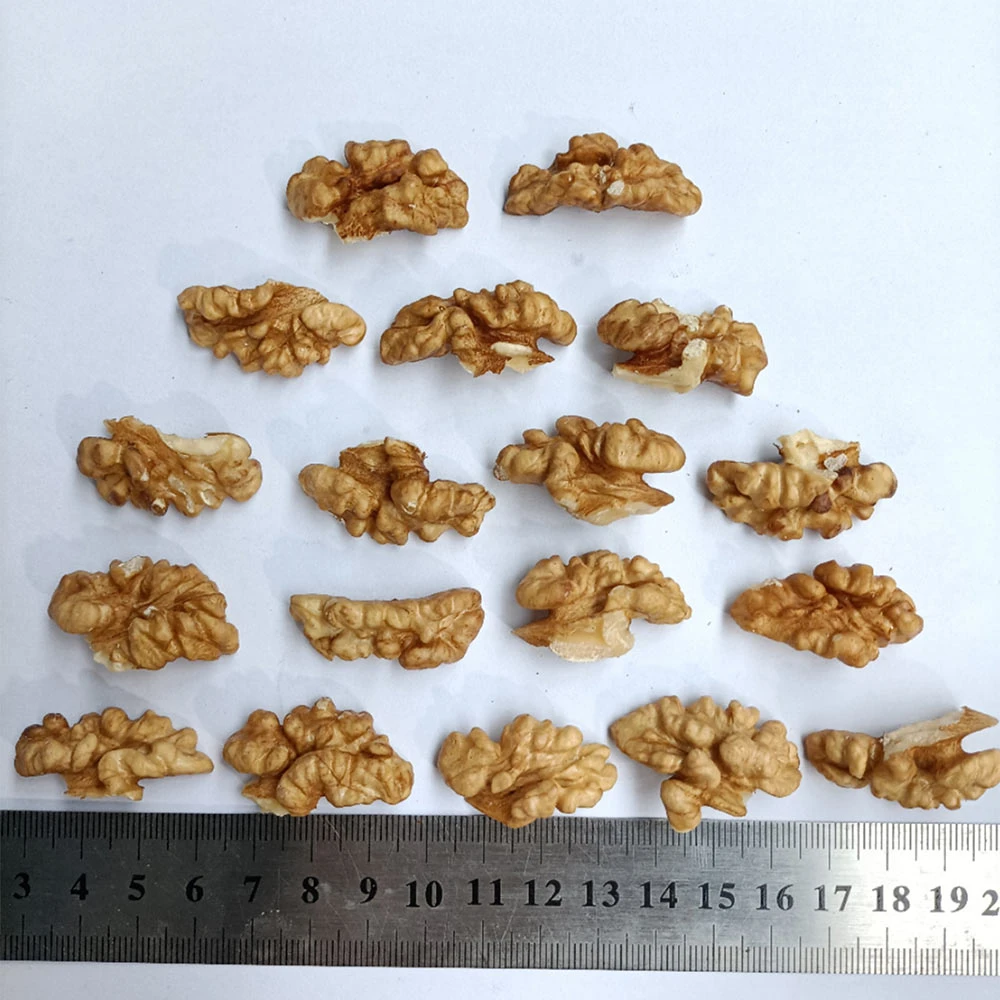
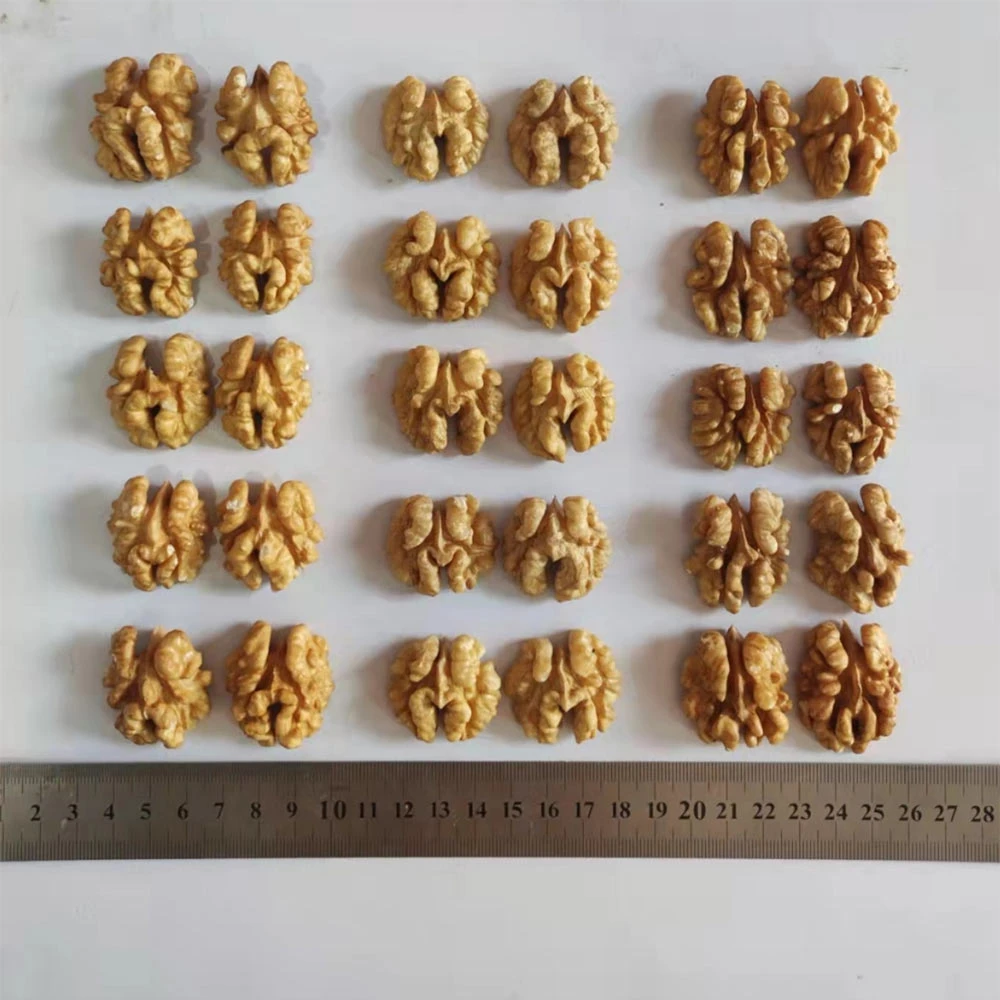
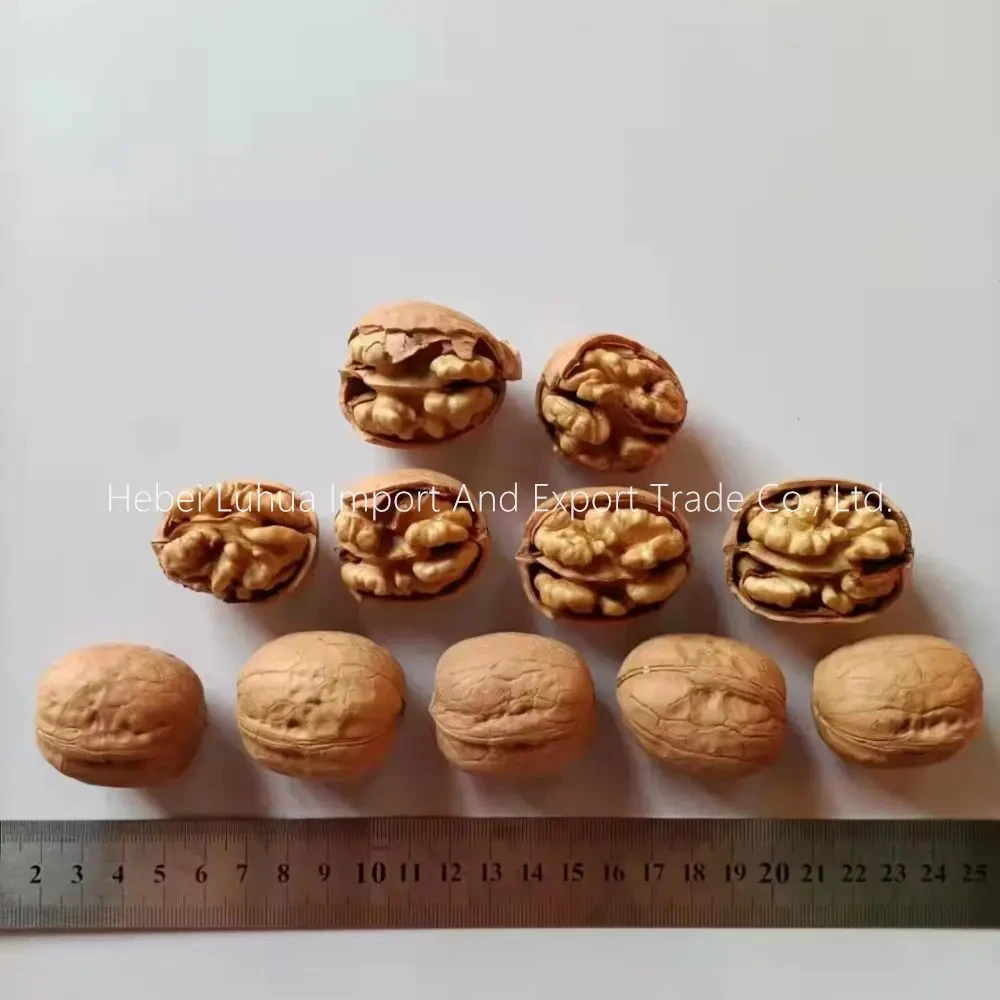
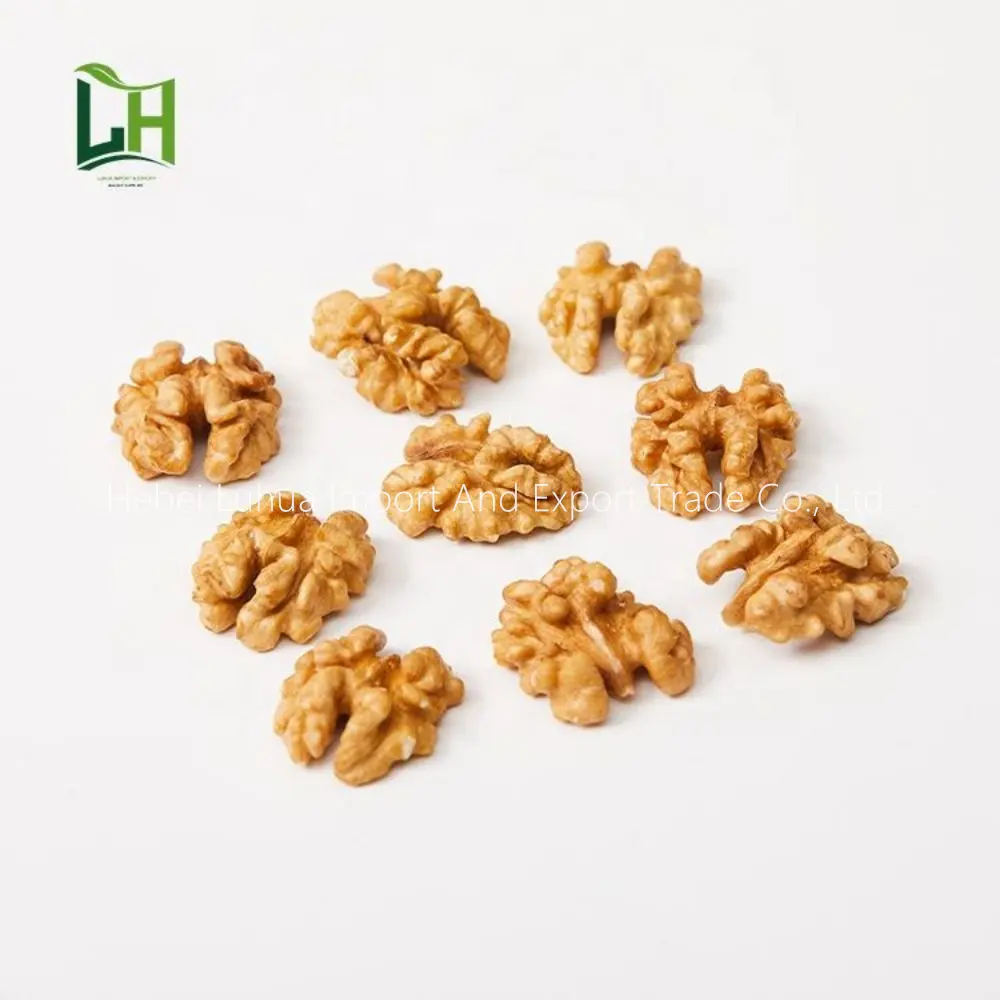
Here’s a quick rundown of typical shelled walnut specifications you might encounter. These are the sorts of details that influence deciding between multiple suppliers, or tinkering with your own sourcing strategies:
| Specification | Typical Range | Notes |
|---|---|---|
| Kernel Size | 18-28 mm | Varies by cultivar and grade |
| Moisture Content | 5-8% | Critical for shelf life |
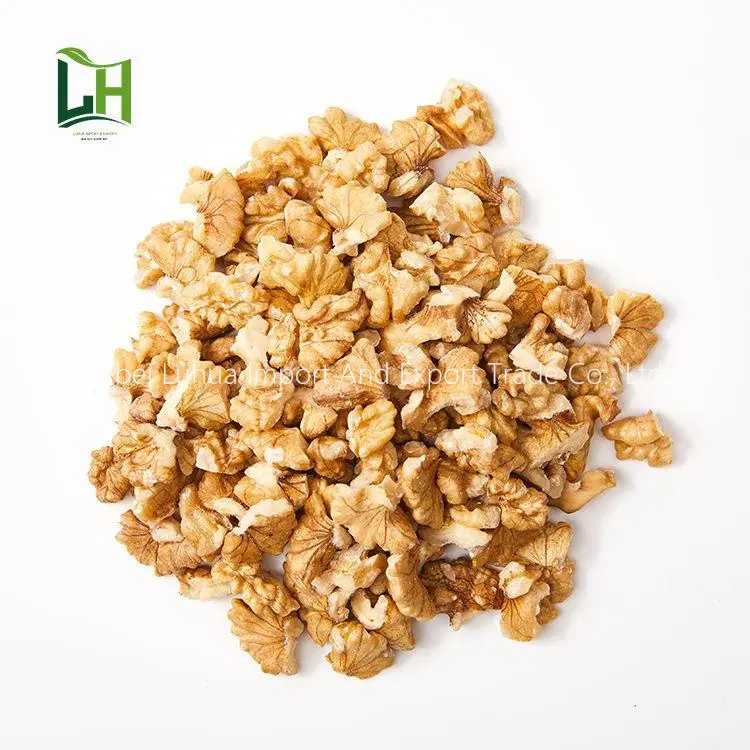
| Broken Kernel Percentage | <10% | Impacts grading and price |
| Color Grade | Light to Medium Brown | Preference varies by market |
Now, across the years, the price per kilogram fluctuates — sometimes subtly, other times sharply. It depends on a variety of factors: weather impacts harvest yields dramatically, transportation costs are ever so volatile, and tariffs or export restrictions can pop up overnight. Then there’s the actual equipment used to shell walnuts. Believe it or not, the technology, maintenance, and efficiency of shelling machines feed back into the cost of product, an angle most outsiders don’t consider.
When I first got involved in industrial procurement for walnut suppliers, there was this one typical situation: a buyer wanted the “lowest price.” But we knew from experience, that cheapest kernels often meant higher broken percentages, or worse, pockets of high moisture that could ruin entire batches. It’s kind of like buying cheap machine parts — sometimes you save money upfront but lose more in the long run.
Speaking of vendors, I’ve come across a few noteworthy ones in terms of pricing fairness, quality, and consistency. This comparison might help if you’re evaluating options or trying to understand the market better:
| Vendor A | Vendor B | Vendor C | |
|---|---|---|---|
| Price (USD/kg) | 4.50 | 4.75 | 4.60 |
| Average Broken % | 9% | 6% | 11% |
| Packaging Options | Bulk, 5 kg bags | Bulk, Retail | Bulk Only |
| Certifications | Organic, ISO | ISO only | None |
| Lead Time | 2 weeks | 1 week | 3 weeks |
One customer story I liked was from a mid-sized bakery who needed consistent walnut quality for a new product line. They switched to a supplier offering slightly higher prices but much better broken kernel percentages and stable supply. That decision raised their end product’s quality and, frankly, their customer satisfaction. It all circles back to value, rather than just cost per kilogram.
At the end of the day, the price of shelled walnuts is part art, part science — influenced by market trends but anchored by tangible product specs and operational realities. It feels like an ecosystem on its own.
In conclusion, if you’re after quality and long-term reliability, don’t just chase the lowest number. Look deeper at specs and vendor consistency. And if you want to explore credible suppliers, I recommend checking out shelled walnuts from trusted producers. Price is never the whole story.
References:
- Industry walnut procurement reports (2023)
- Technical grading standards from USDA and international benchmarks
- Customer case studies and vendor audits 2021–2023
Post time:Jan . 03, 2026 10:20