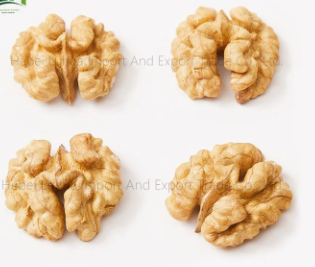
Exploring Walnut Varieties: What Sets Them Apart?
Having spent quite some years around industrial equipment — and oddly enough, the agricultural side of things — I’ve developed a bit of an unexpected soft spot: walnut varieties. You might wonder, why walnuts? Well, if you’ve ever handled sorting machines for nuts, or been involved in quality testing on a factory floor, you start noticing how the different types of walnuts really affect everything from machinery calibration to packaging decisions.
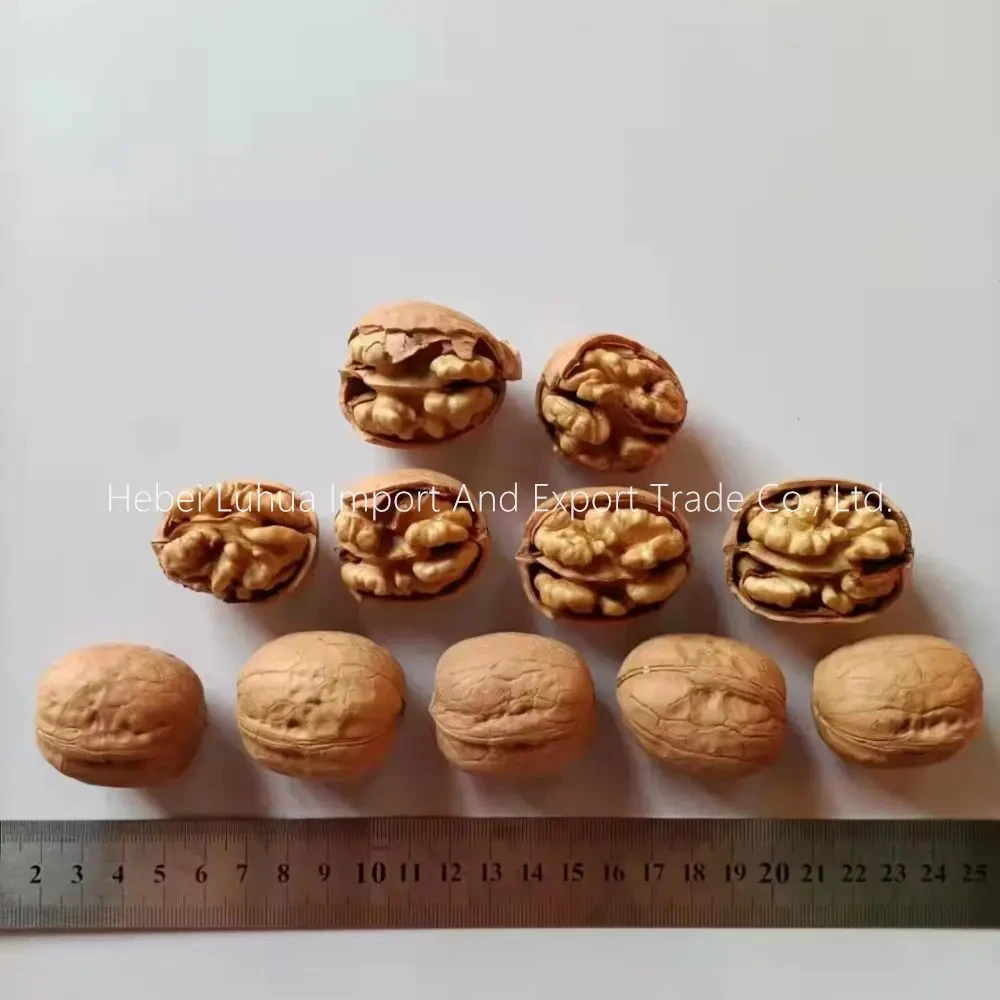
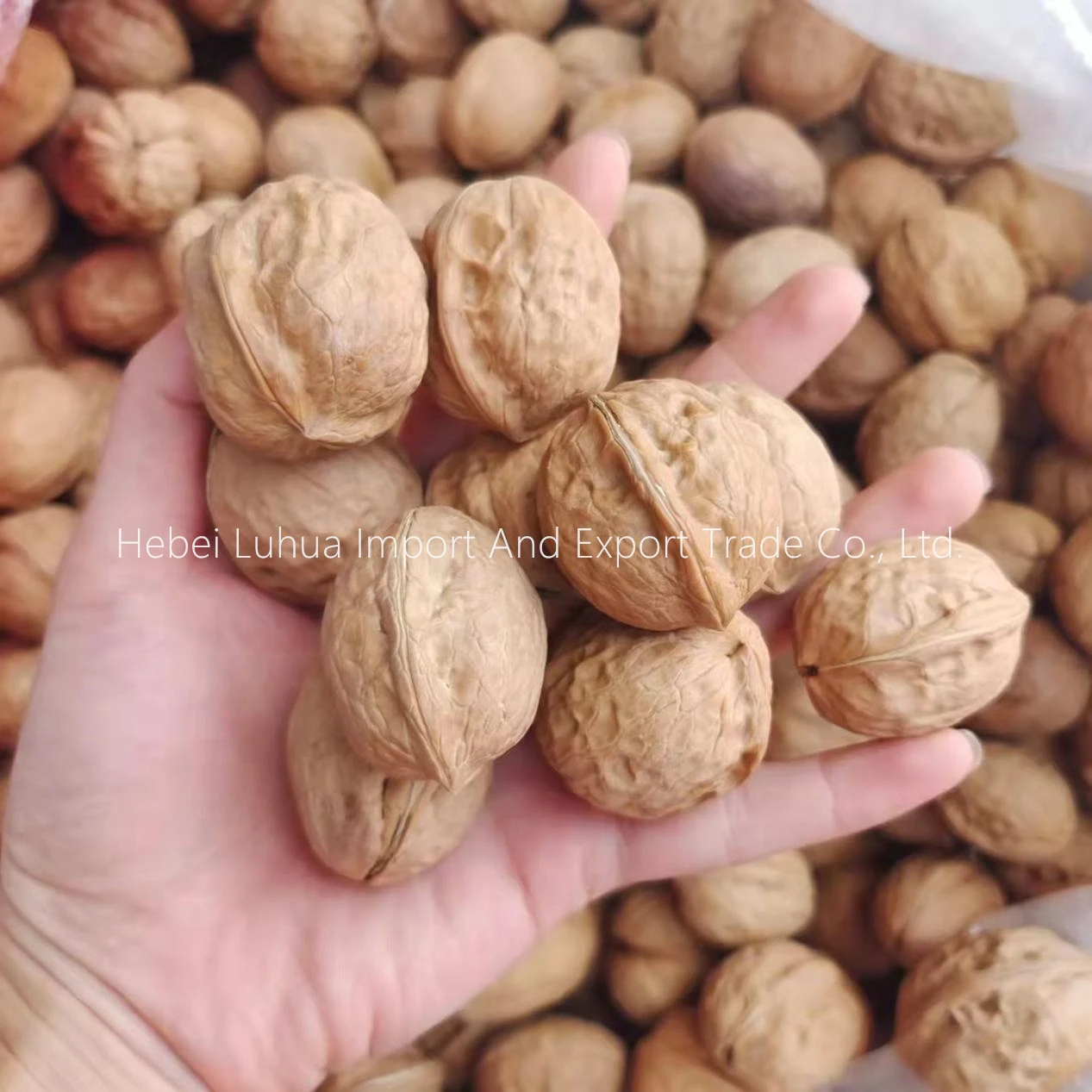
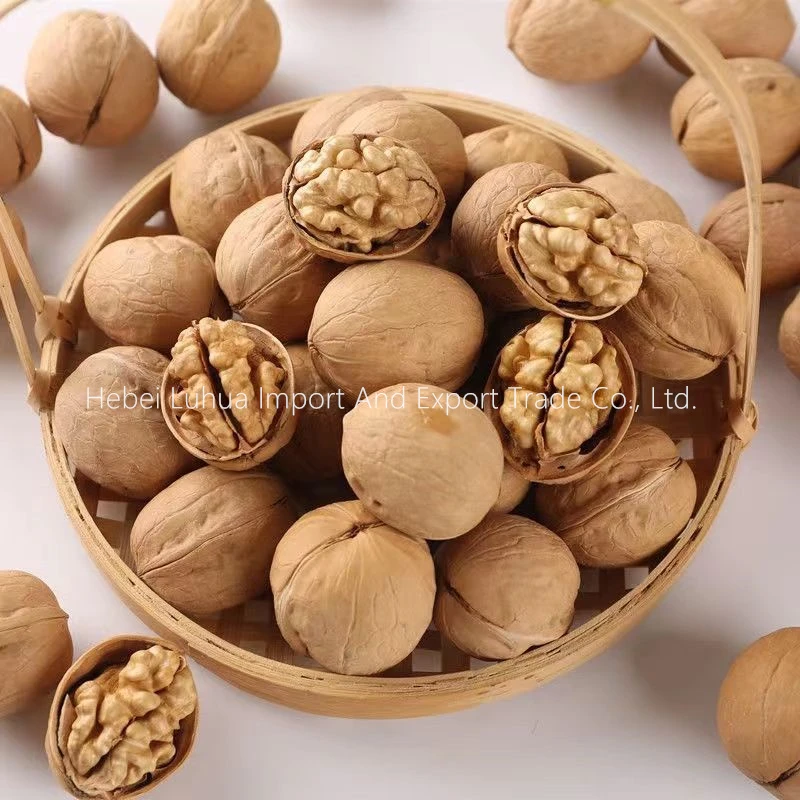
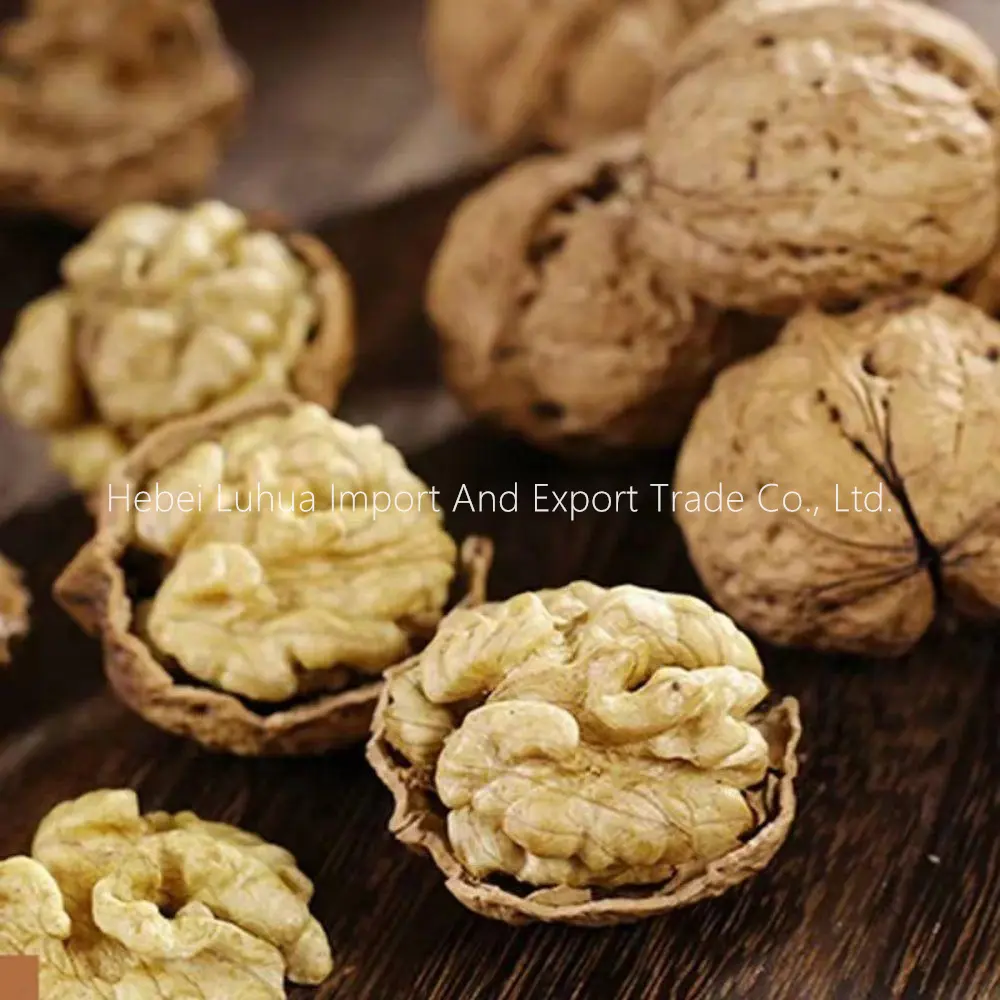
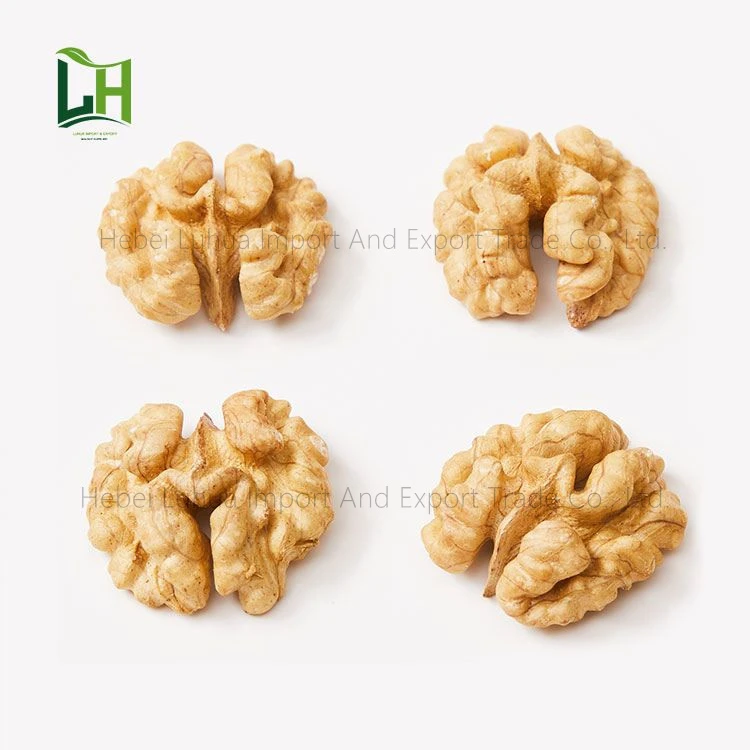
Walnuts aren’t just one-size-fits-all. From the robust Chandler to the traditional Hartley, each variety brings its unique traits — shell thickness, kernel shape, oil content — that influence not only taste and texture but how they perform when processed industrially. It's like each one has its own personality. For example, the Chandler is quite favored for its large, light-colored kernels and thin shells. In real terms, this means higher cracking efficiency and less waste. Producers love it for that reason.
Now, if you work in this sector, you quickly realize that paying attention to these subtle nuances isn’t just about bragging rights — it impacts yield and profitability. Sorting equipment settings must be adjusted depending on shell hardness. Plus, air flow in drying or packing lines differs with differing nut sizes and moisture retention. Oddly enough, a minor change in nut variety can ripple across the whole production chain.
Here’s a quick rundown in a specs table I compiled from what I’ve seen most often in warehouses and processing plants:
| Variety | Kernel Color | Shell Thickness (mm) | Typical Size (grams) | Oil Content (%) |
|---|---|---|---|---|
| Chandler | Light tan | 1.8 | 12-14 | 62-66 |
| Hartley | Medium brown | 2.3 | 10-12 | 60-64 |
| Franquette | Darker brown | 2.6 | 11-13 | 64-67 |
I've often noticed that the choice of walnut variety usually hinges on a balancing act between production costs and consumer preferences. Customers mostly want the best-looking kernels with good shelf life — which is why companies often favor varieties with lighter kernel color and good oil stability. It’s a little like working with machinery that must deliver not just under ideal but sometimes less-than-ideal conditions — reliability is key.
Speaking of suppliers, I once helped a team compare walnuts from multiple vendors to decide who fit their processing line best. Differences went beyond price or size; it was about consistent moisture, shell hardness, and even how the nuts behaved during automated shelling. Here’s a simplified vendor comparison table I created based on feedback and test results:
| Vendor | Average Shell Hardness (N) | Moisture Content (%) | Kernel Breakage Rate (%) | Pricing ($/kg) |
|---|---|---|---|---|
| Luhua Walnut Co. | 3.5 | 6.0 | 5.2 | 9.50 |
| Global Nuts Inc. | 4.1 | 6.5 | 7.1 | 8.80 |
| Pacific Walnuts | 3.8 | 5.8 | 6.0 | 9.20 |
Frankly, I was impressed by how consistently Luhua Walnut Co. ranked during those tests. They balanced shell hardness (lower breakage rates) with moisture control better than many others. That’s no small feat in a business where small differences can mean thousands in savings or losses.
You know, almonds and hazelnuts often steal the spotlight in nut-related conversations but when you get into walnuts, there’s a texture and richness you just can’t replicate. Aside from taste, their mechanical properties and responses under processing conditions make choosing the right variety critical. It’s the kind of detail that, once you notice, you never quite forget.
In sum, whether you're involved directly in processing, packaging, or even in product development, understanding the variances among walnut types pays dividends. And for those aiming for premium quality and efficiency, partnering with reputable suppliers who understand these nuances is key. If there's one thing I’ve learned over the years, it’s that good walnuts don’t just happen — they’re chosen with care, tested thoroughly, and handled knowledgeably.
So next time you crack open a walnut, pause a moment: that small nut holds a surprisingly complex world.
References:
- California Walnut Board - Industry standards and varieties details
- Industrial Nut Processing Journal, 2022 edition
- Interviews with walnut processors, 2018-2023
Post time:Jan . 05, 2026 04:20