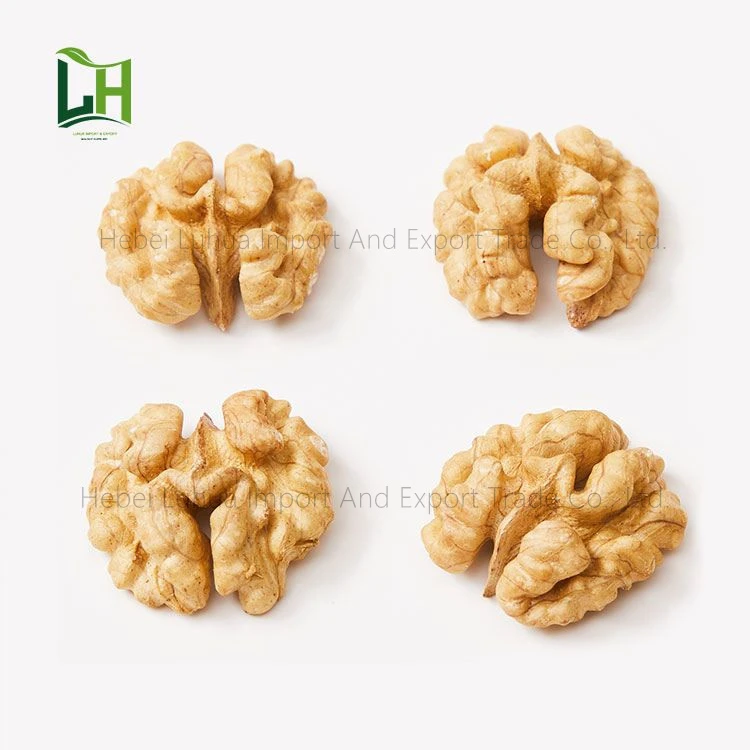
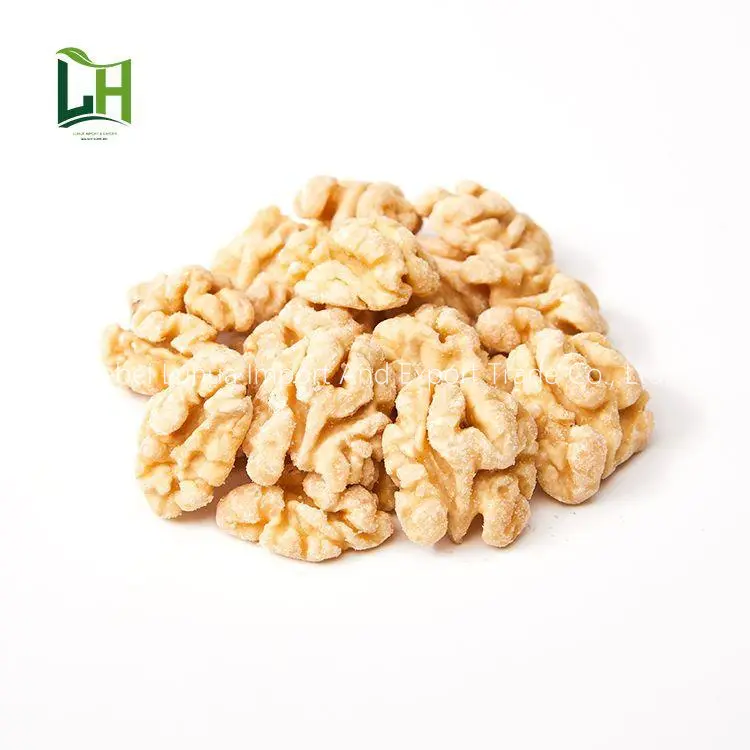
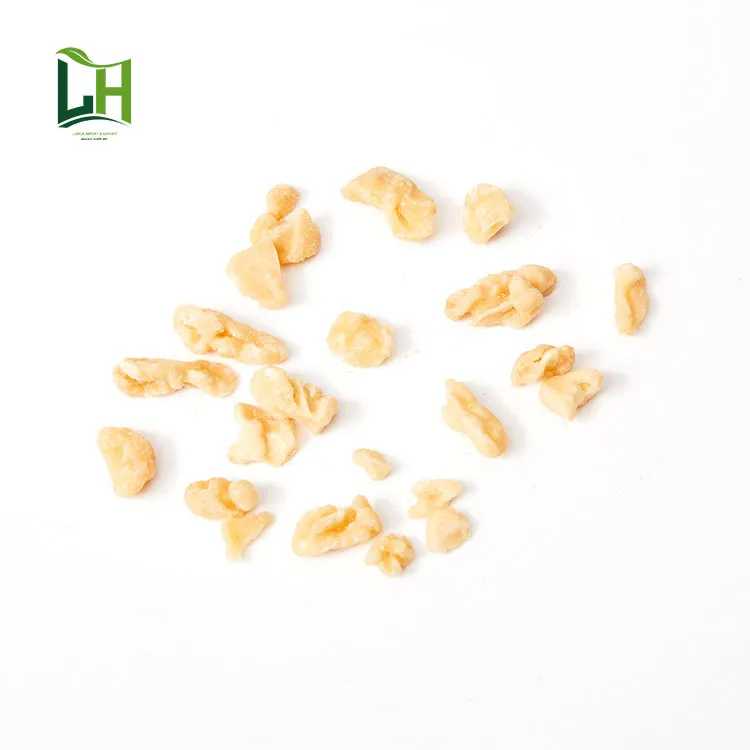
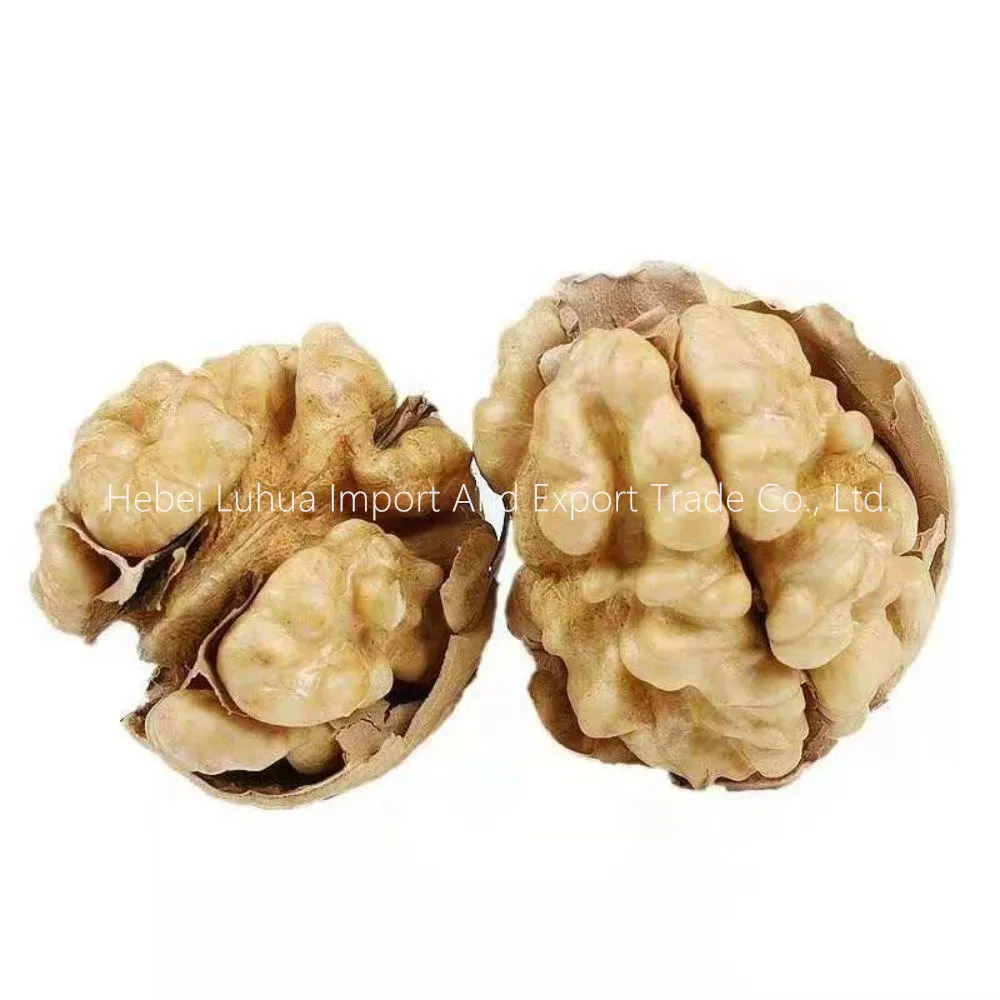
Walnut Varieties is a key solution in the industry, specifically within food production, snack manufacturing, and raw material sourcing sectors. This article explores how https://www.luhuawalnut.com supports professionals with durable, high-performance products, and explains why this product is an ideal choice for businesses in these sectors.
Table of Contents
- Walnut Varieties Overview
- Benefits & Use Cases of Walnut Varieties
- Cost, Maintenance & User Experience
- Sustainability & Market Trends
Walnut Varieties Overview
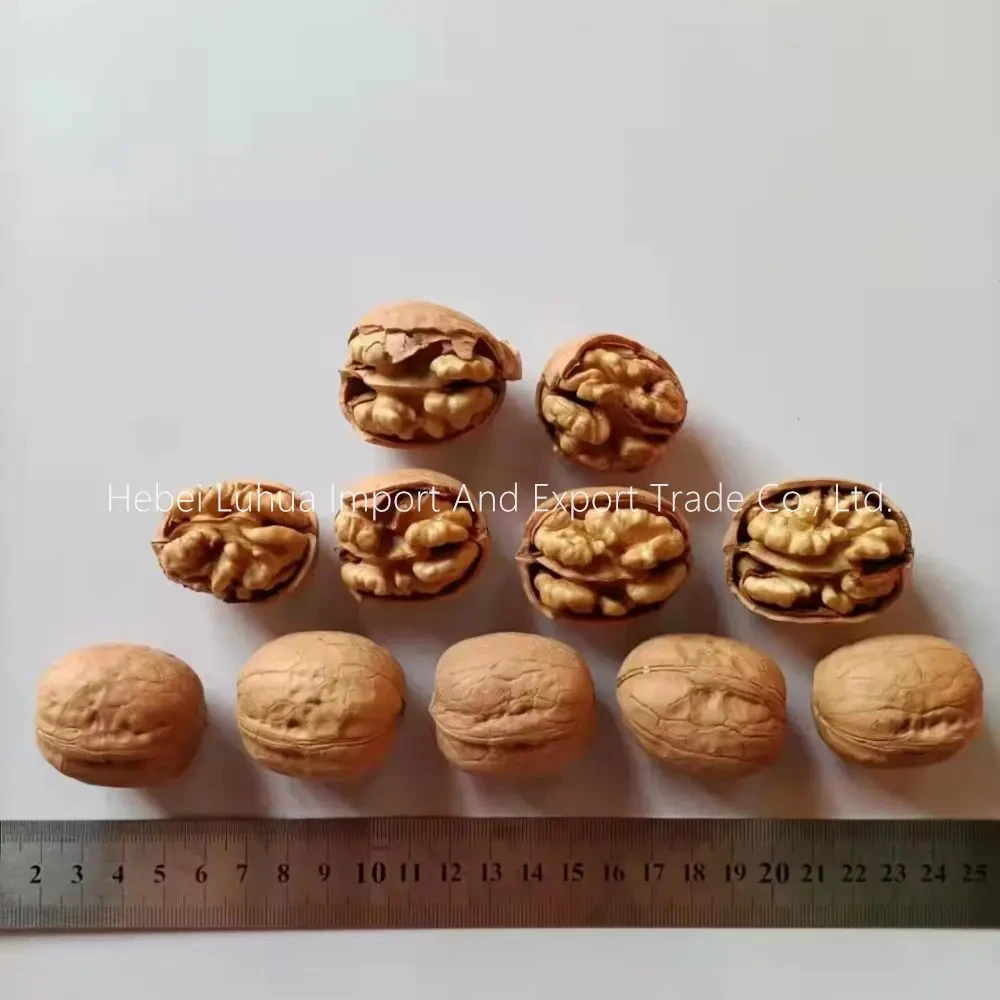
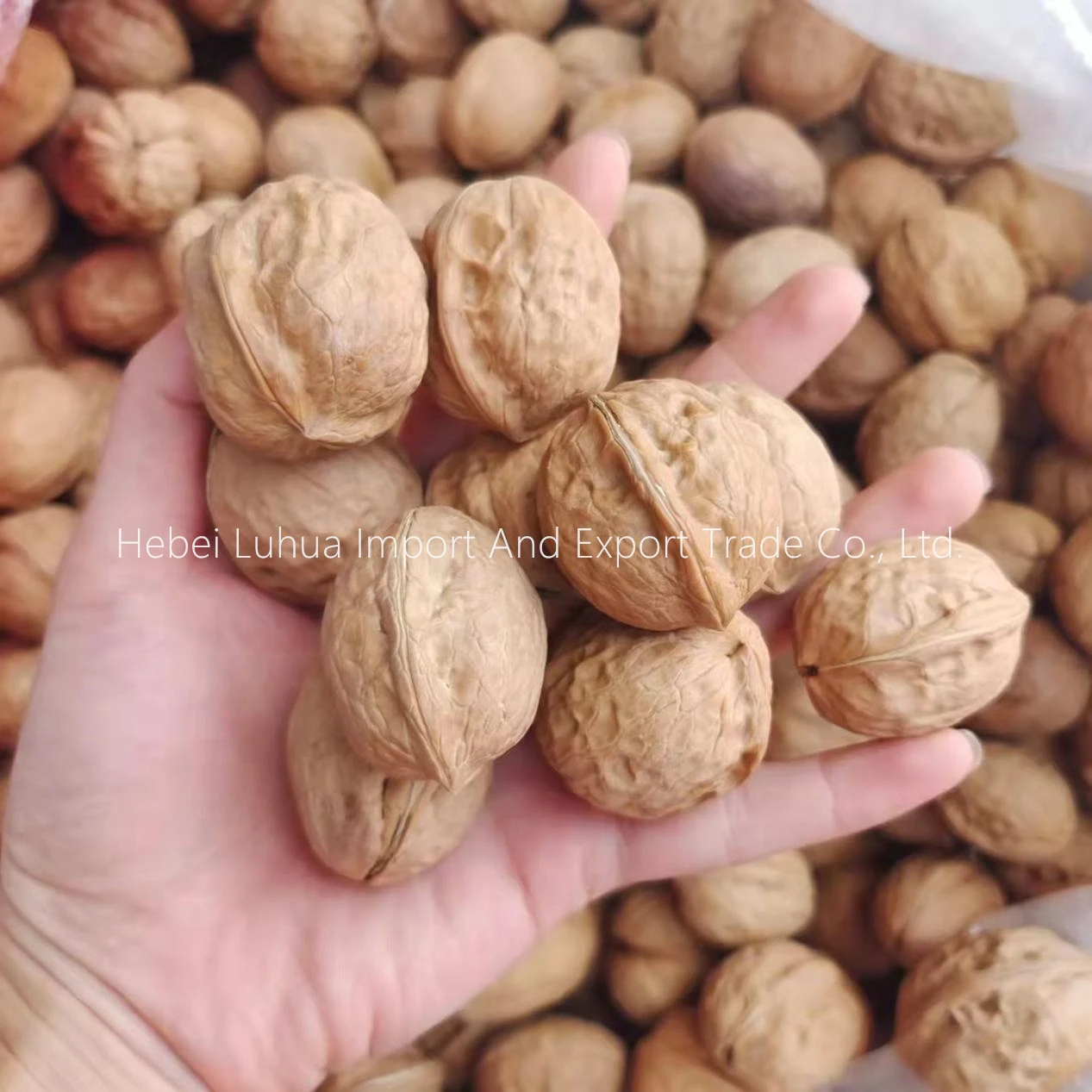
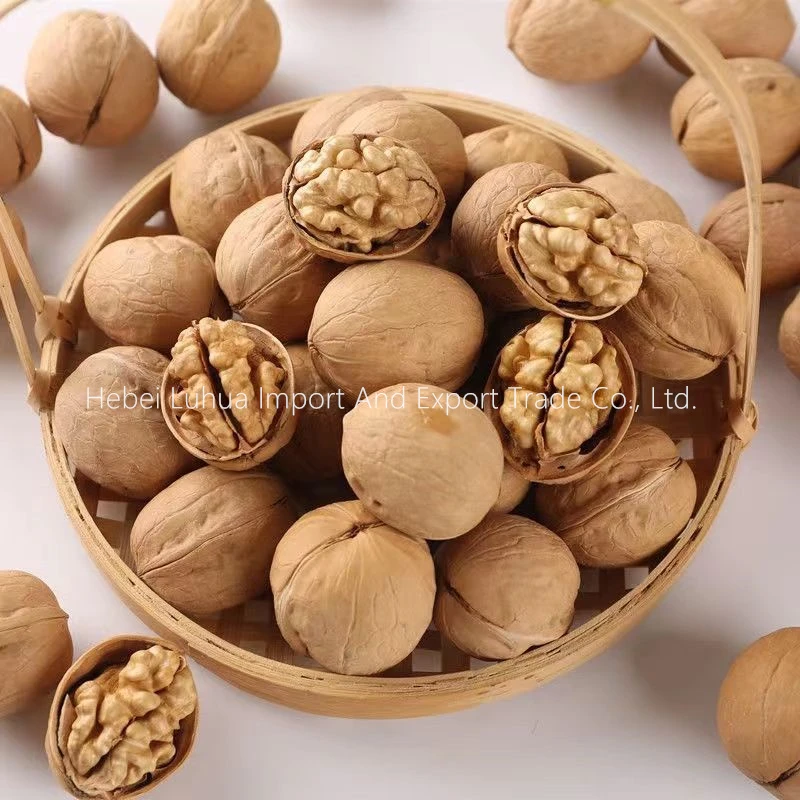
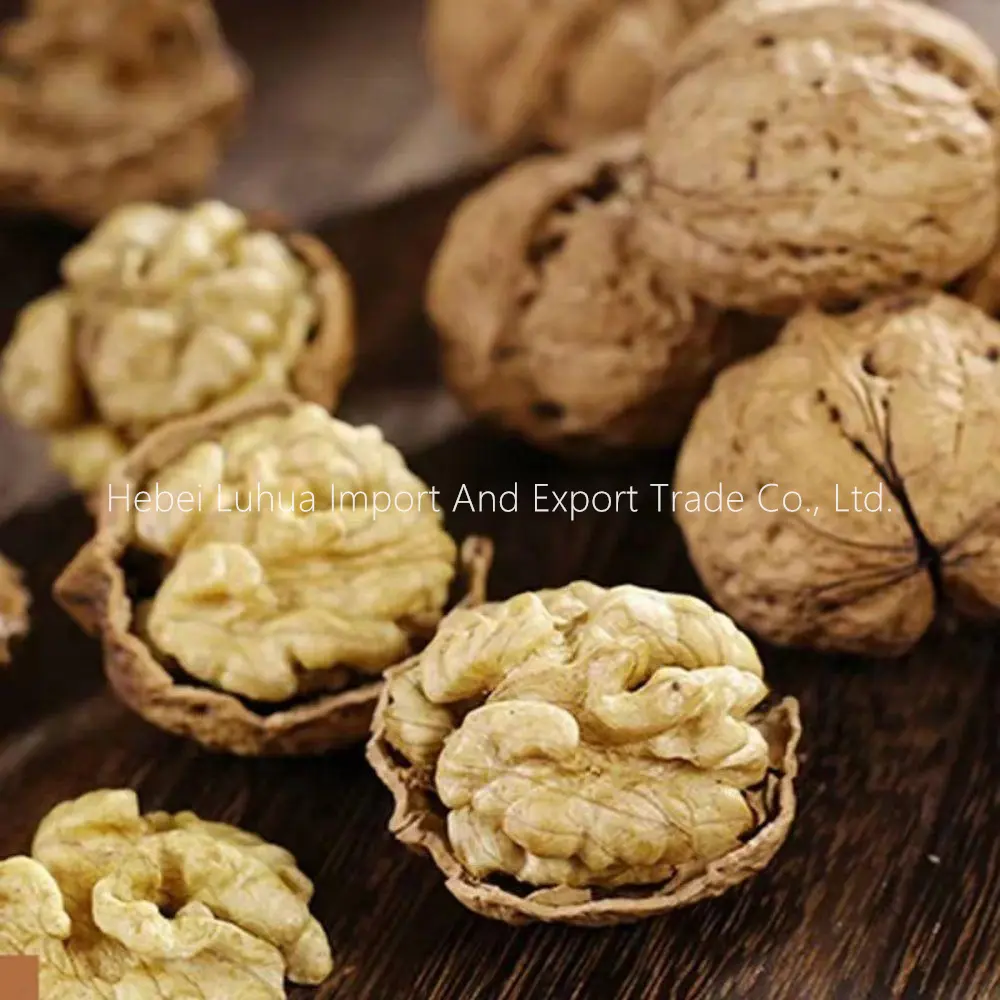
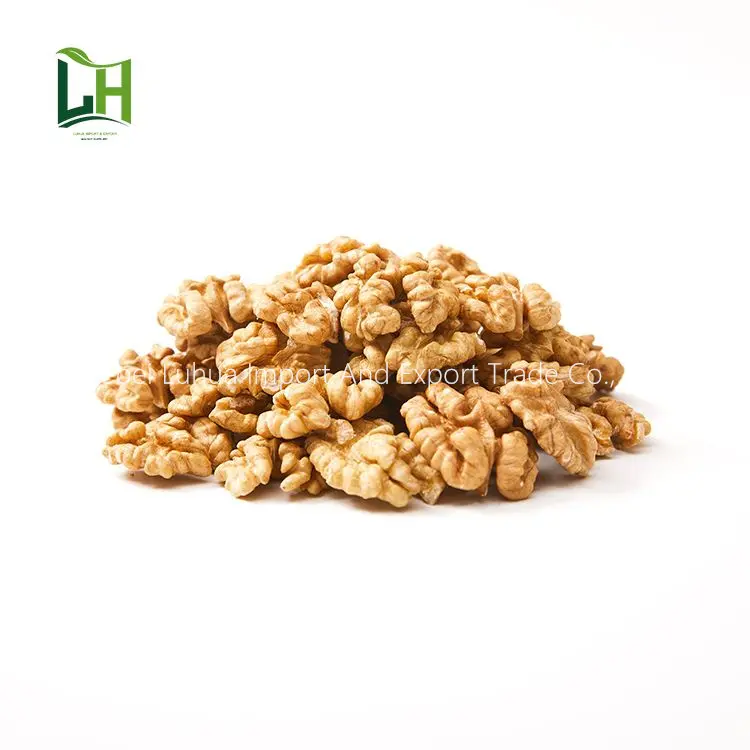
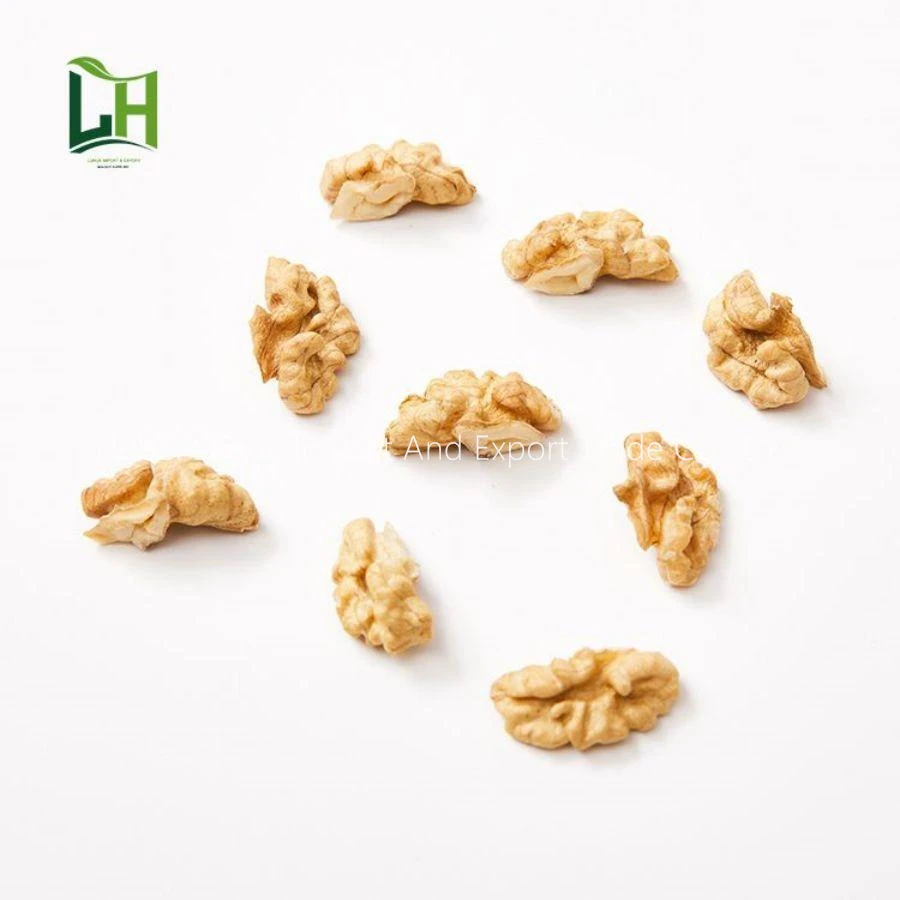
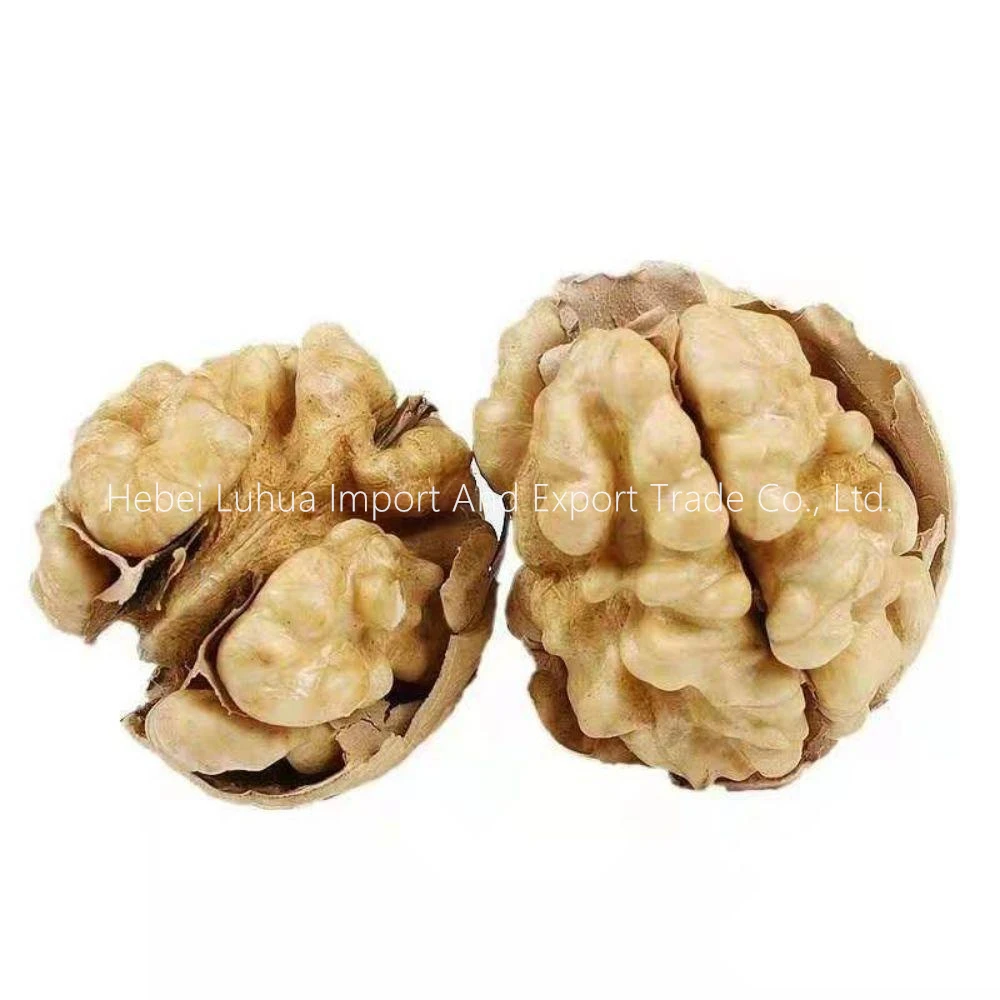
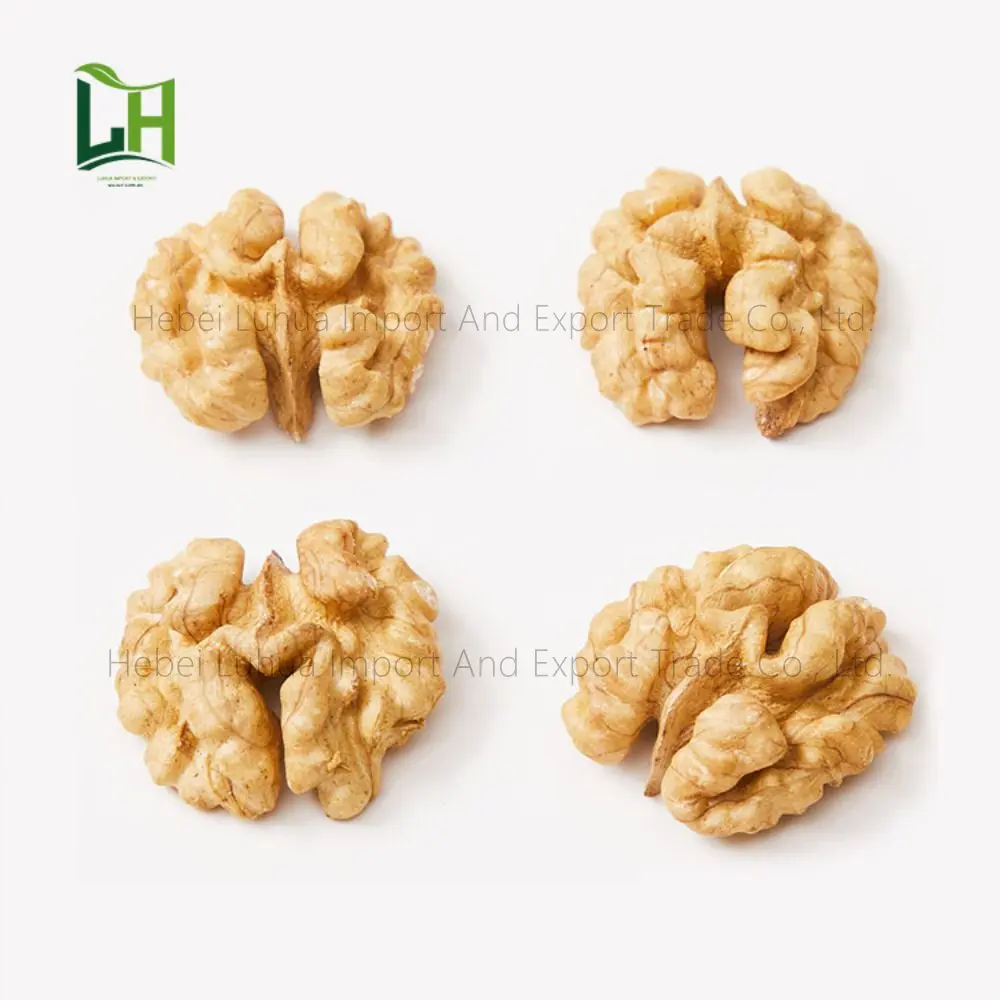
When people hear "Walnut Varieties," they often think about a handful of common types like English or black walnuts. But the reality, especially from a B2B perspective, is far richer. Walnut varieties refer to the distinct cultivars of walnuts that differ in terms of size, shell thickness, kernel quality, flavor, and even oil content. For professionals sourcing these nuts for mass production, these subtle differences can translate into big impacts on product quality and processing efficiencies.
For example, Lu Hua Walnut provides a diverse range of walnut types, carefully harvested and tested to ensure consistency. They prioritize key specs like kernel fill rate (which often ranges from 40-50%), moisture content (kept consistently below 6%), and shell integrity, which are critical for high-volume manufacturing environments. Oddly enough, many buyers underestimate how much these specs affect downstream processes, but anyone in procurement quickly learns that not all walnuts are created equal.
- Walnut varieties encompass cultivars like Chandler, Hartley, and Howard – each suited to different market needs.
- Typical specs include moisture content, kernel weight, and shell hardness, impacting shelf life and processing.
| Variety | Kernel Size (g) | Shell Thickness (mm) | Typical Oil Content (%) | Region |
|---|---|---|---|---|
| Chandler | 12-14 | 2.5 | 63-65 | California, China |
| Hartley | 11-13 | 3.0 | 62-64 | California, Xinjiang |
| Howard | 10-12 | 2.7 | 64-66 | China (Shaanxi) |
Benefits & Use Cases of Walnut Varieties
The practical advantages of choosing the right walnut variety extend far beyond flavor. In industrial applications — think snack producers, bakery ingredient suppliers, and oil manufacturers — the input quality directly influences everything from the efficiency of processing lines to the taste and texture of final goods.
Many companies rely on Lu Hua Walnut’s diverse offerings because each variety caters to particular needs: some varieties offer easier shell removal, reducing manual labor or mechanical wear, while others have superior kernel-to-shell ratios — which frankly affects yield and profit margins more than some realize. Additionally, the consistent oil content in select varieties lends itself perfectly to cold-pressed oils and cosmetic-grade walnut oils, a niche but growing market segment.
- Used extensively in food manufacturing, including confectionery and bakery products.
- Chosen for superior drying features and longer shelf life in supply chains.
Cost, Maintenance & User Experience
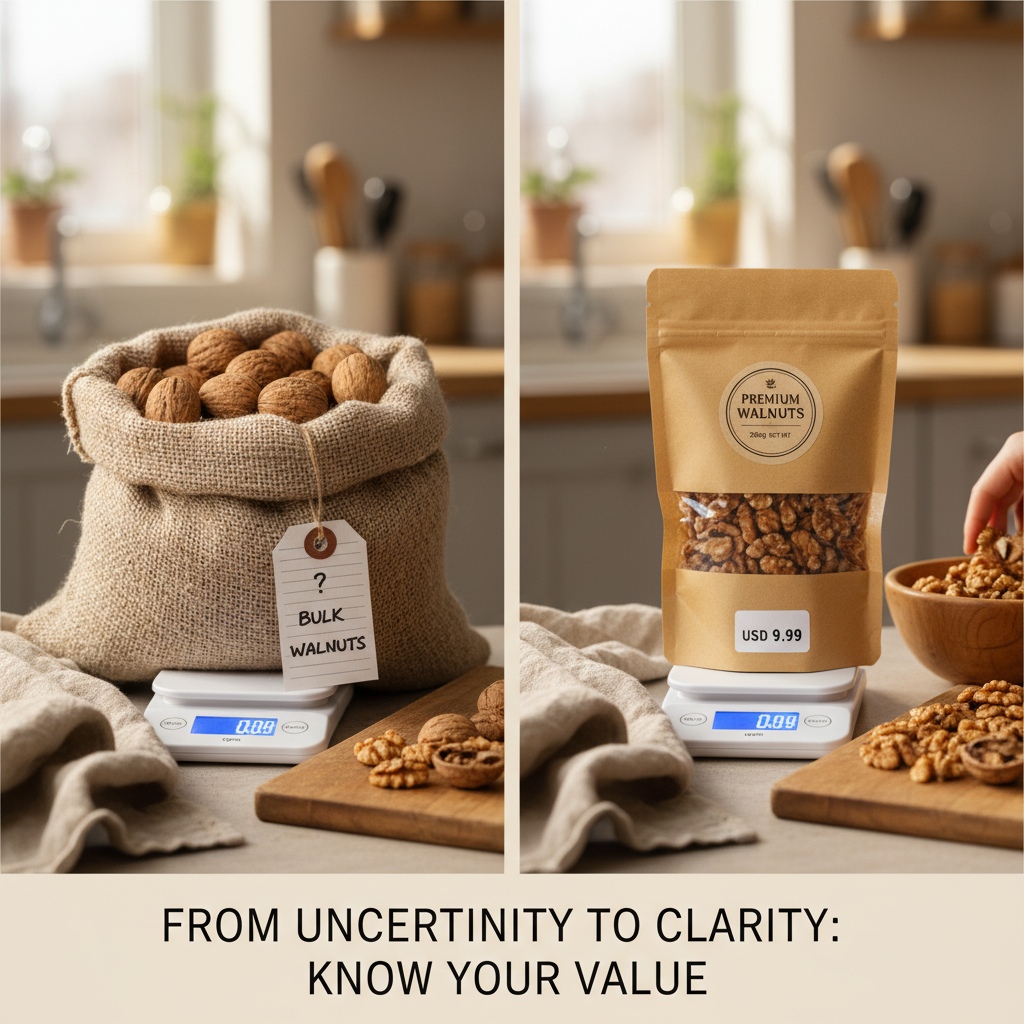
At first glance, walnut varieties might seem like a straightforward commodity. Yet, from a B2B buyer's standpoint, it’s about total cost of ownership, not just upfront price. Durability in storage (resistance to mold or brittleness), uniformity in kernel size for ease of packaging, and reliability in supply all feed into solid ROI.
Feedback from many Lu Hua Walnut customers highlights reduced breakage rates and fewer complaints about inconsistent product — little things that, when scaled up, literally save thousands. There’s also the somewhat unexpected bonus of the vendor’s customer support and quality assurance processes — not all suppliers offer those guarantees in today’s market. I’ve noticed that companies new to walnut sourcing often undervalue this aspect until they face raw material inconsistencies.
- Moderate upfront costs offset by lower waste and processing downtime.
- Consistent moisture levels ensure longer storage life in warehouses.
Sustainability & Market Trends
Like many agricultural products, walnut varieties are increasingly affected by sustainability considerations. Industry regulations now require traceability and adherence to environmental best practices, something Lu Hua Walnut has embraced thoroughly. Transparency in growing practices and certification programs bolster buyer confidence and align with growing consumer demand for responsibly sourced nuts.
Oddly enough, global trends show growing demand for walnuts not just as snacks but as health supplements and plant-based ingredients — a market projected to expand by over 5% CAGR in the next five years. This pushes vendors to innovate varietal selection, optimizing for longer shelf life and higher nutritional profiles. Sustainability isn’t a mere buzzword here; it’s about ensuring that supply meets demand without depleting natural resources.
- Focus on eco-friendly cultivation reduces carbon footprint.
- Adoption of international quality and safety standards (e.g., HACCP, ISO).
| Vendor | Product Range | Quality Certifications | Sustainability Initiatives | Customer Support |
|---|---|---|---|---|
| Lu Hua Walnut | Wide (Chandler, Hartley, Howard) | HACCP, ISO 22000 | Sustainable farming certifications, carbon footprint tracking | Dedicated B2B account managers, 24/7 support |
| Competitor A | Limited (mainly Chandler) | ISO 9001 | Basic compliance | Email support only |
| Competitor B | Moderate variety | HACCP | Limited sustainability efforts | Phone timed support |
Frequently Asked Questions about Walnut Varieties
- What is Walnut Varieties and how does it work?
- Walnut Varieties refer to specific cultivars of walnuts, each with unique qualities like size, flavor, and shell thickness. They work by offering different raw material characteristics that suit various production needs, whether that’s for direct consumption, oil extraction, or further processing.
- What are the main benefits of using Walnut Varieties in industrial applications?
- The main benefits include improved product quality, processing efficiency, and better yield. Durability and consistent kernel sizes help reduce waste and labor costs, ultimately boosting profitability.
- How does Walnut Varieties compare to traditional alternatives?
- Compared to generic or mixed walnut batches, specific Walnut Varieties offer enhanced uniformity, better nutritional profiles, and tailored oil content. These features mean less downtime and better final product consistency.
- What industries can benefit most from Walnut Varieties implementation?
- Food processing, confectionery, bakery, oil extraction, and cosmetic industries benefit the most. Many companies have reported success stories in product quality improvements after switching to specialized walnut cultivars.
Conclusion on Walnut Varieties from China
To wrap things up, Walnut Varieties are more than just a raw ingredient – they’re a strategic asset for businesses aiming to optimize quality and efficiency in nut-based products. Lu Hua Walnut's commitment to quality, sustainability, and customer service makes their offerings ideal for businesses looking to scale reliably. Curious to see how these varieties can fit your operations? You might want to visit our website: https://www.luhuawalnut.com.
- Recap the value of Walnut Varieties – efficient, sustainable, and tailored to your industry goals.
- - Visit our website: https://www.luhuawalnut.com
Post time:Jan . 06, 2026 07:00