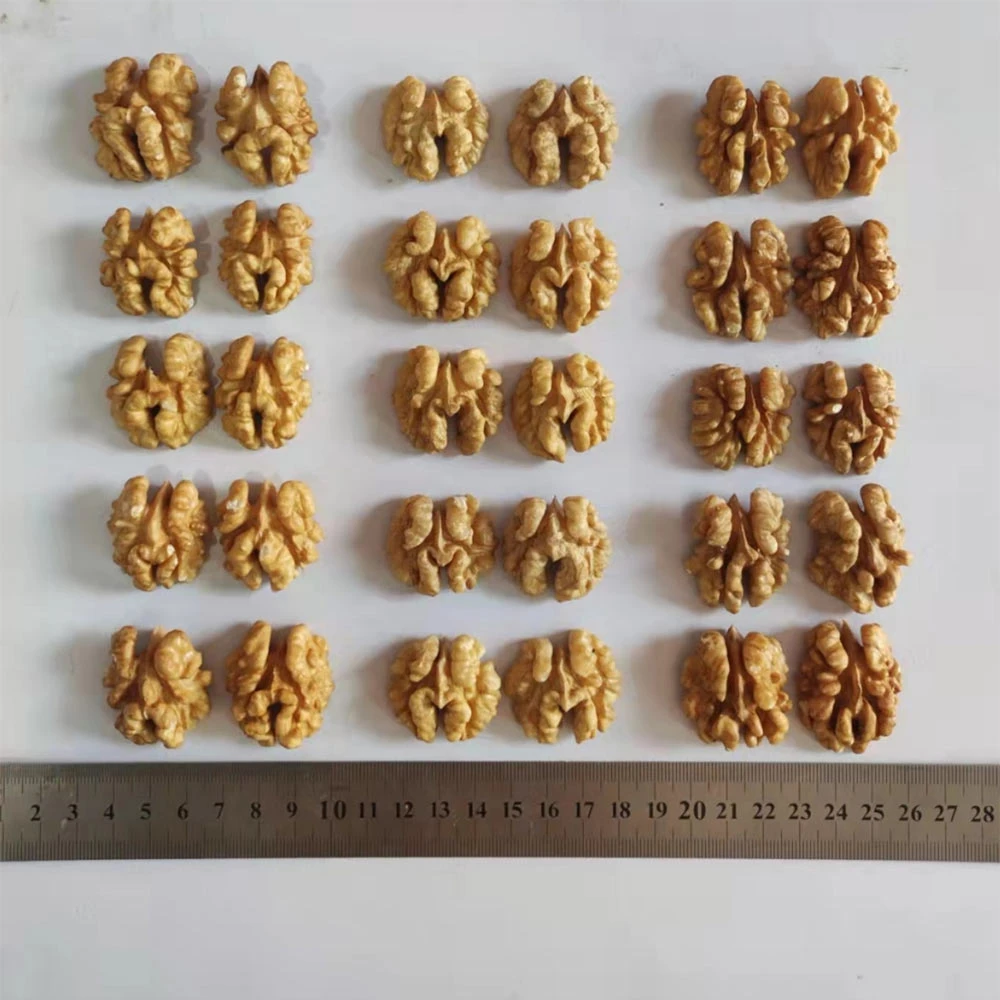
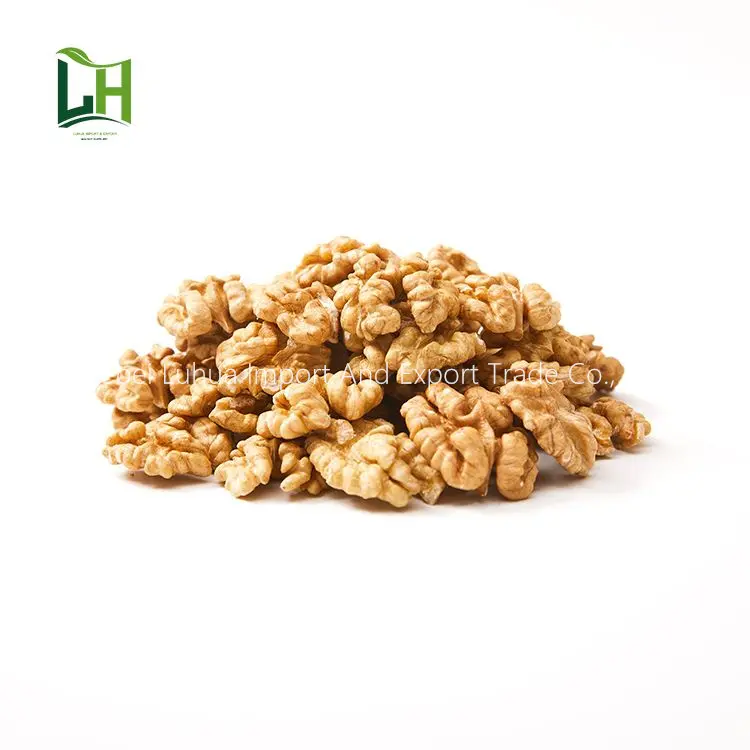
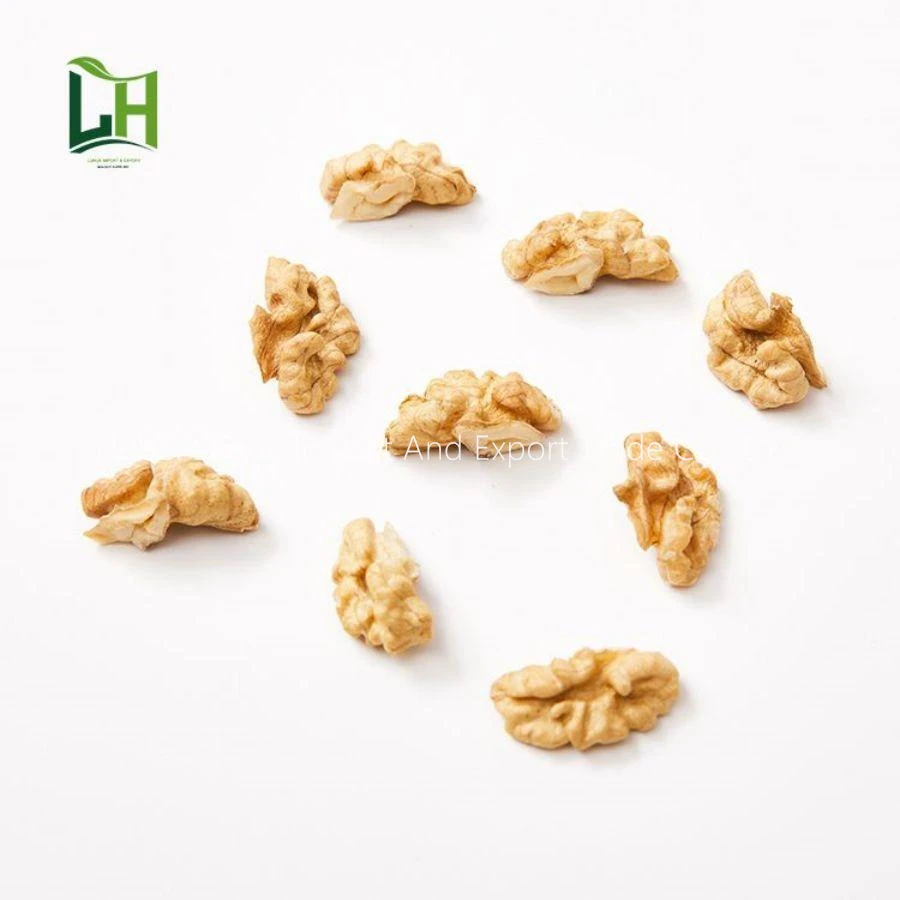
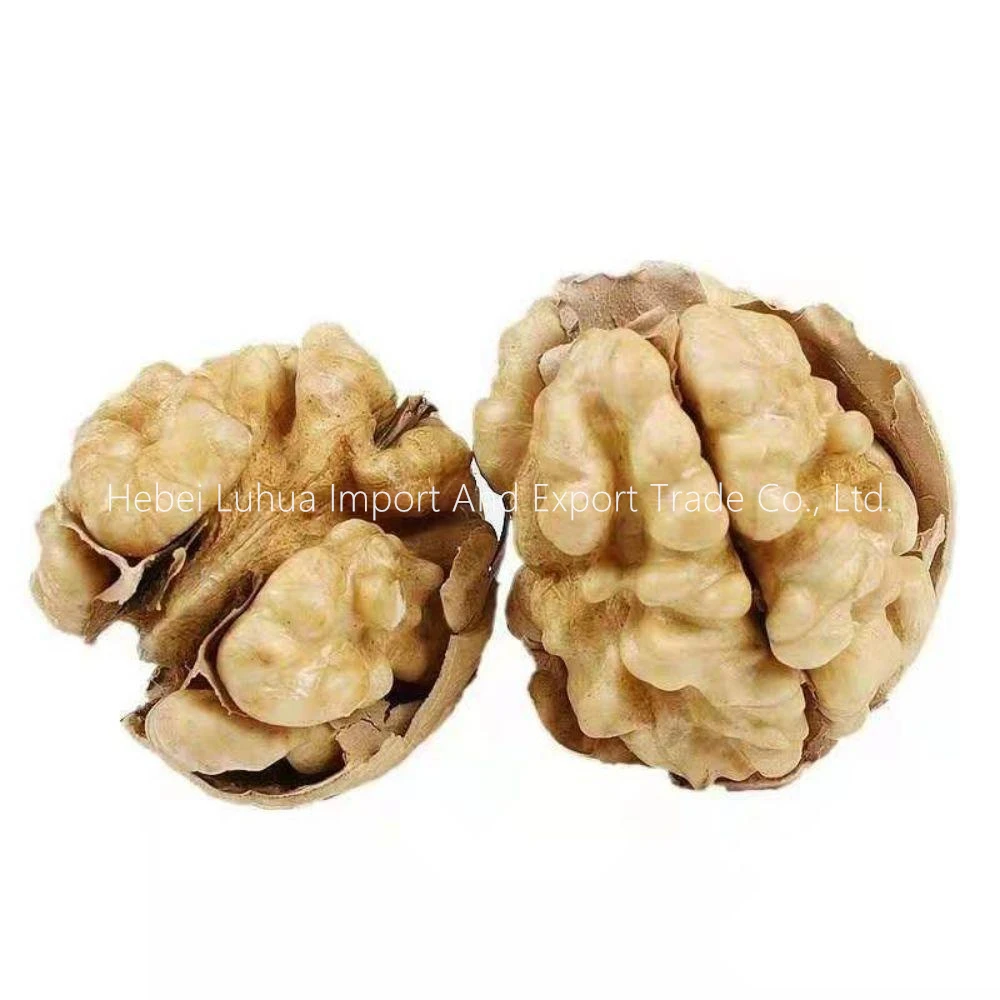
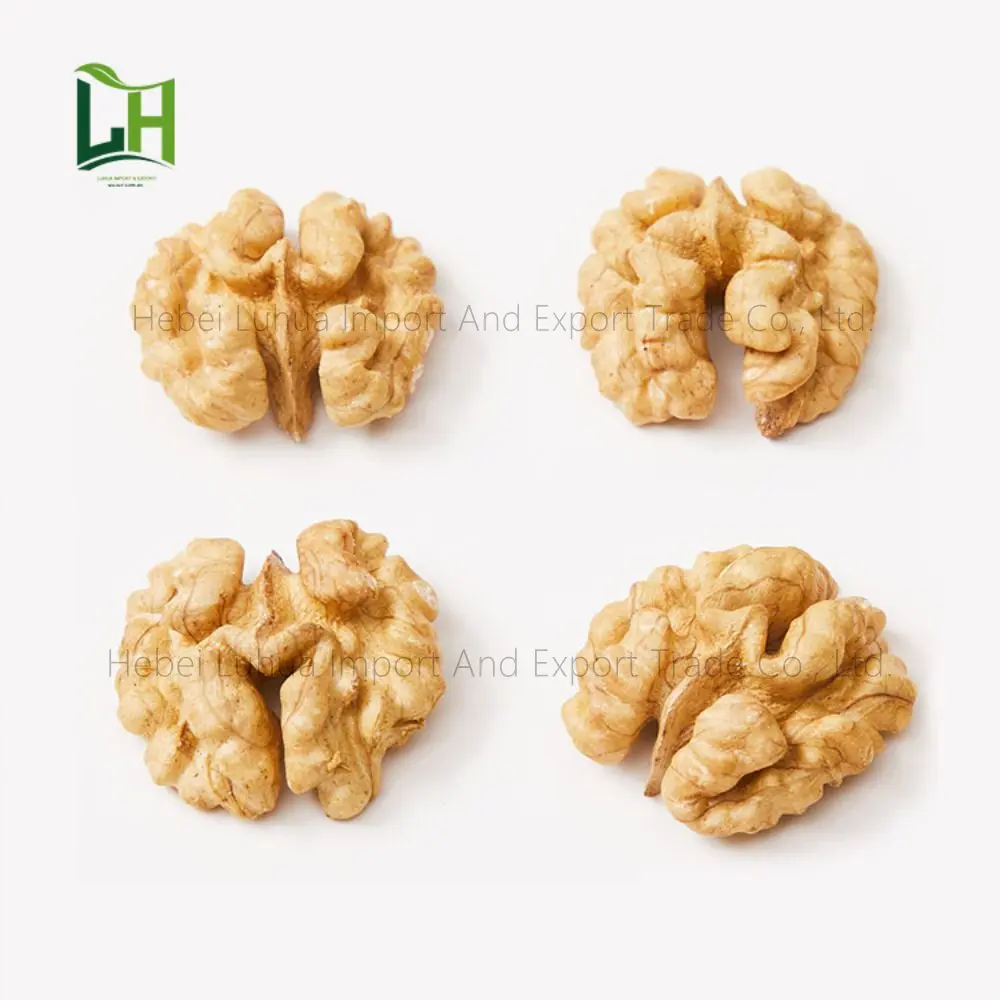
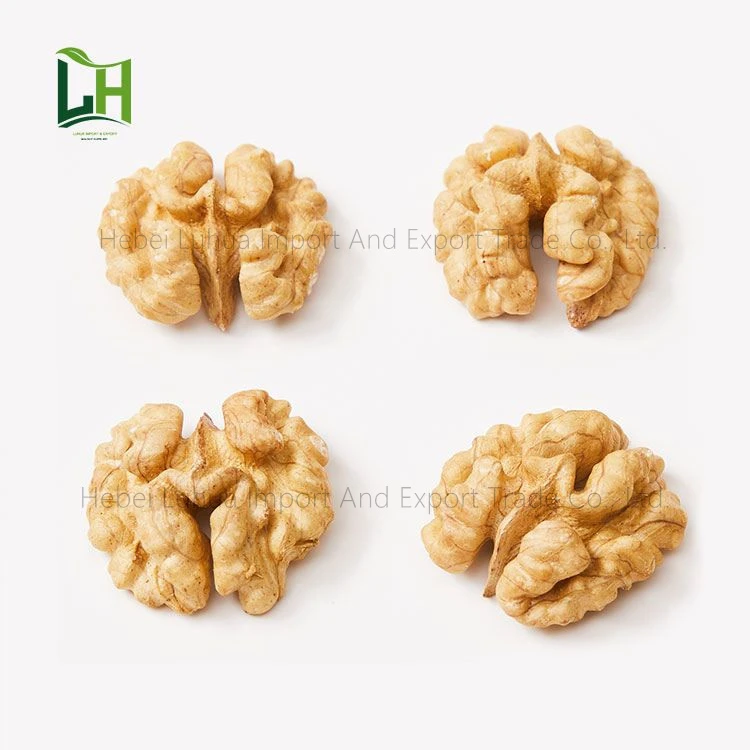
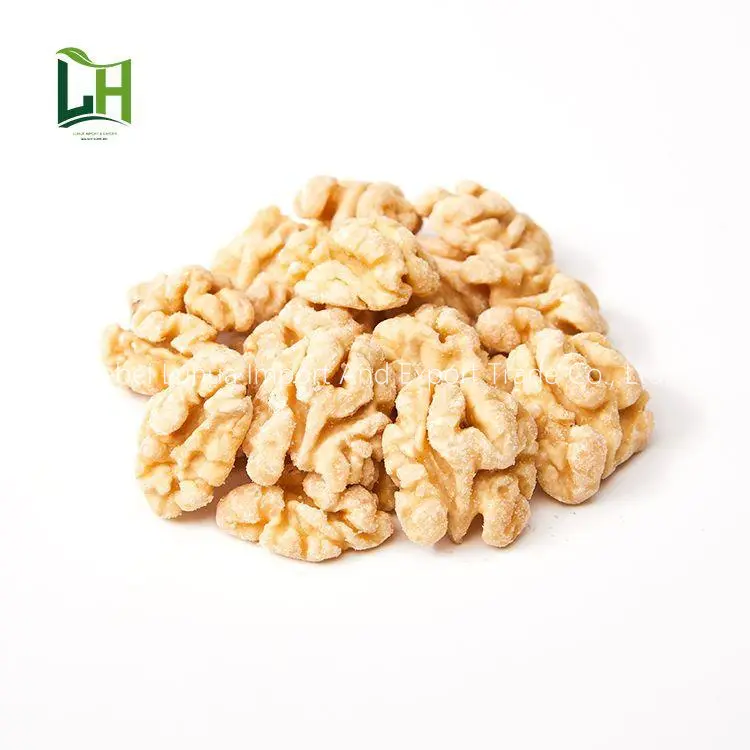
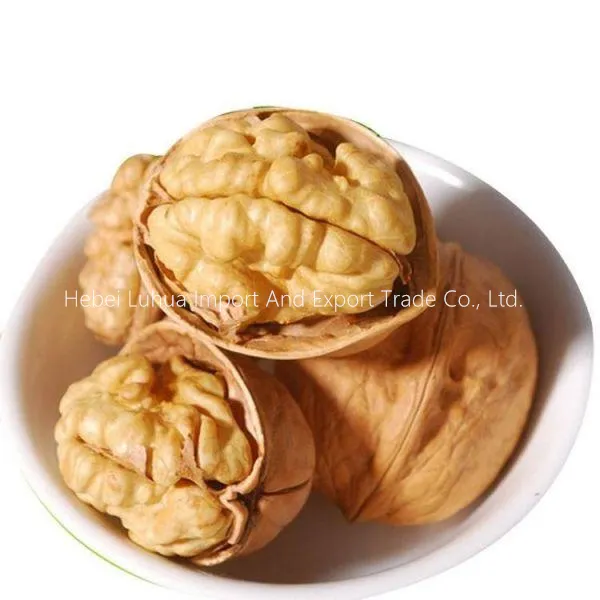
Walnut kernel color is one of the most critical quality indicators in the global nut trade. From “extra light” to “amber,” color grading directly affects price, consumer preference, and processing applications. But what exactly controls this color variation? And more importantly, how can producers and suppliers prevent unwanted darkening?
This guide explains the science, processing factors, and practical strategies behind walnut kernel color control.
What Determines the Color of Walnut Kernels?
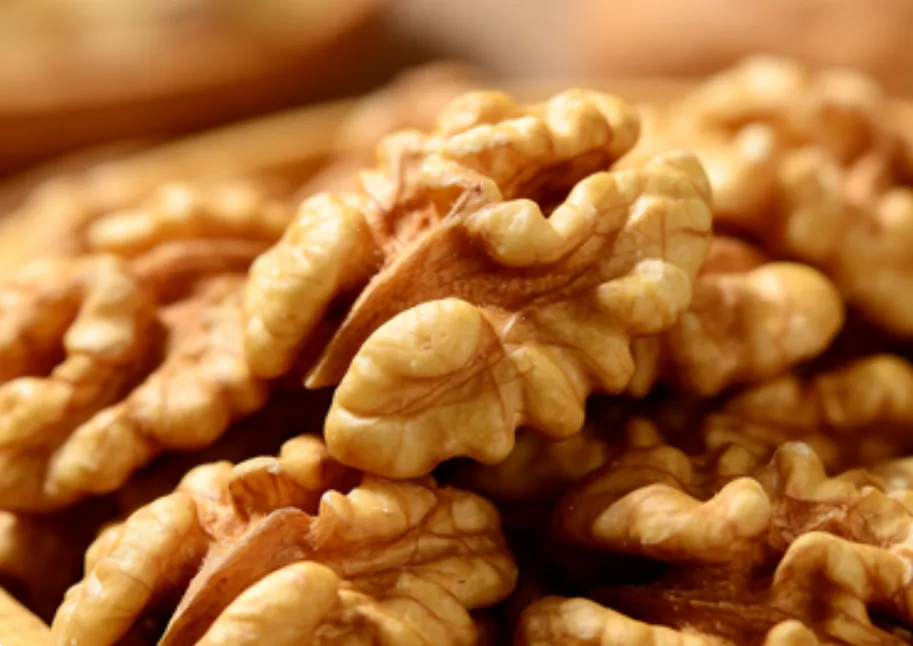
Walnut kernel color is not random—it is the result of a combination of genetic, environmental, and post-harvest factors.
1. Walnut Variety (Genetic Factor)
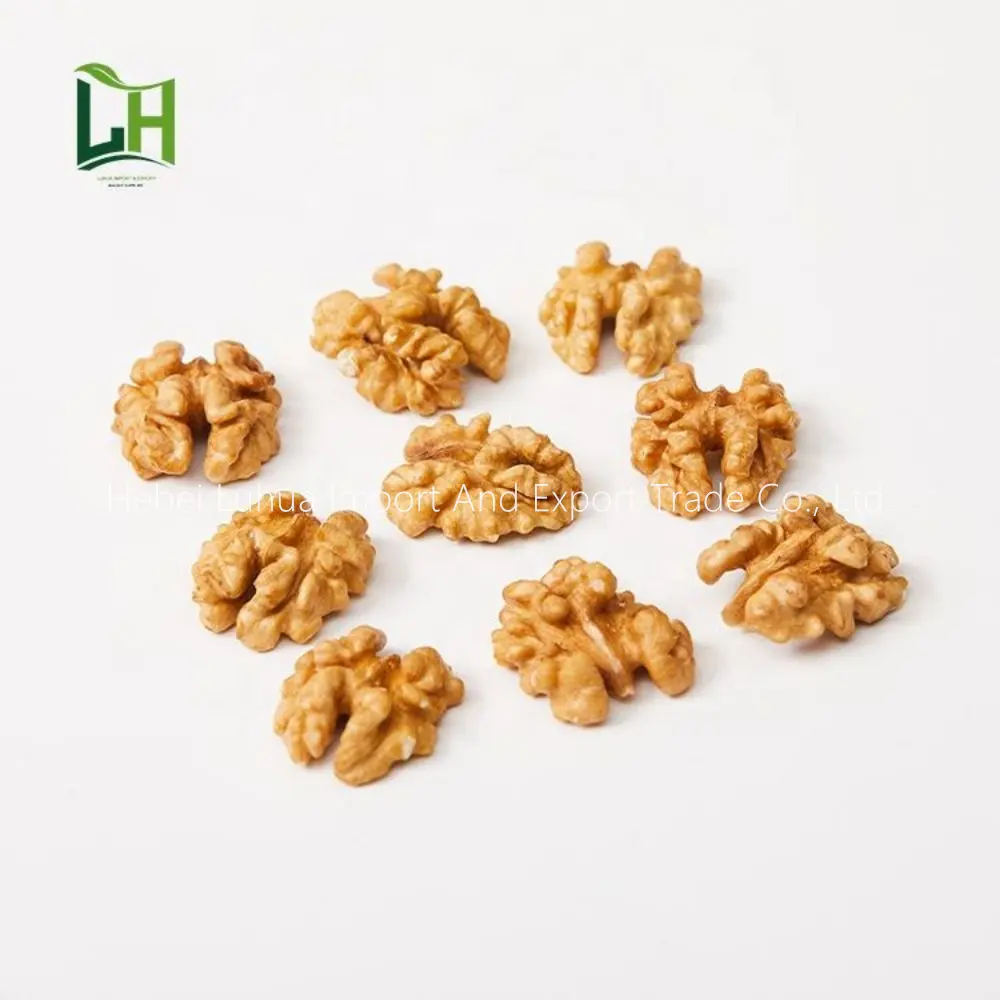
Different walnut cultivars naturally produce kernels with different shades. Some varieties are bred specifically for lighter kernels, which are more desirable in premium markets.
For example:
- “Chandler” walnuts are known for lighter kernels
- Other varieties may produce naturally darker or more amber tones
Choosing the right cultivar is the first step in achieving consistent color quality.
2. Growing Conditions and Climate
Environmental factors such as sunlight, temperature, and soil conditions significantly influence kernel appearance.
- High temperatures can accelerate biochemical reactions
- Excess sunlight can promote oxidation of phenolic compounds
- Regional climate differences lead to color variation between batches
These factors affect pigment development even before harvest.
3. Maturity and Harvest Timing
Timing is crucial. As walnuts mature, chemical changes occur inside the kernel:
- Pigments develop as ripening progresses
- Lipid oxidation increases with maturity
- Kernel brightness (L-value) decreases over time
Late harvesting often results in darker kernels because the nut remains longer in contact with staining compounds.
4. Influence of the Green Husk (Pericarp)
The outer green husk contains natural staining compounds such as:
- Juglone
- Tannins
If not removed quickly after harvest, these substances penetrate the shell and stain the kernel, causing darkening.
This is one of the most common causes of uneven or dark kernel color.
5. Oxidation Reactions
Oxidation is the primary chemical reason behind walnut darkening.
Walnuts are rich in unsaturated fatty acids, which are highly prone to oxidation when exposed to:
- Oxygen
- Light
- Heat
- Moisture
Additionally:
- Phenolic compounds oxidize and turn brown
- Pellicle (skin) darkens over time
This is why even fresh, light kernels gradually darken if not properly stored.
6. Post-Harvest Handling and Processing
Processing steps significantly influence final kernel color:
- Delayed hulling increases browning risk
- High drying temperatures can “cook” kernels
- Mechanical damage can cause discoloration
- Improper shelling can bruise kernels
Even small inefficiencies in processing can lead to visible color defects.
How to Prevent Walnut Kernel Darkening
Preventing darkening is far more effective than trying to reverse it. Here are proven strategies used in the industry.
1. Harvest at the Right Time
- Harvest walnuts promptly when mature
- Avoid leaving nuts on the ground too long
- Minimize time between harvesting and processing
Late harvesting allows staining compounds more time to penetrate kernels.
2. Rapid Removal of the Green Husk
- Remove the pericarp immediately after harvest
- Wash nuts thoroughly to eliminate juglone and tannins
- Avoid prolonged contact with husk residues
This step alone can dramatically improve kernel color.
3. Control Drying Conditions
Drying is a critical stage:
- Maintain moderate drying temperatures (avoid overheating)
- Ensure even airflow
- Reduce moisture to safe levels (~8%)
Excess heat accelerates browning reactions and damages kernel quality.
4. Minimize Exposure to Light and Oxygen
- Store walnuts away from direct sunlight
- Use shaded or dark environments
- Limit air exposure during storage
Sunlight and oxygen trigger oxidation of tannins, leading to browning.
5. Maintain Proper Storage Conditions
Ideal storage parameters include:
- Temperature: -5°C to 10°C
- Humidity: below 50%
- Good ventilation
For higher quality preservation:
- Use vacuum packaging
- Store kernels in refrigeration or freezing conditions
Proper storage slows oxidation and maintains color stability.
6. Avoid Chemical Bleaching
Some processors attempt to artificially lighten kernels, but:
- Chemical bleaching affects safety and quality
- It reduces product credibility
- It is not considered natural or premium
The best approach is prevention—not correction.
7. Optimize Processing and Handling
- Use gentle shelling techniques
- Avoid kernel bruising
- Standardize sorting and grading
Mechanical damage can create dark spots even if oxidation is controlled.
Does Darker Color Mean Lower Quality?
Not necessarily.
While lighter kernels are preferred in premium markets, darker kernels:
- Often retain similar nutritional value
- Contain comparable levels of healthy fats and antioxidants
- Are widely used in baking, oil extraction, and processed foods
However, color still strongly influences market price and consumer perception.
Conclusion
Walnut kernel color is shaped by a complex interaction of genetics, environment, harvesting practices, and storage conditions. Among all factors, oxidation and post-harvest handling play the most decisive roles.
To achieve light, high-value kernels:
- Choose the right variety
- Harvest at the optimal time
- Remove husks quickly
- Control drying and storage conditions
- Minimize exposure to oxygen, heat, and light
Ultimately, preventing kernel darkening is about controlling the entire supply chain—from orchard to packaging. By implementing these strategies, producers can consistently deliver premium-quality walnut kernels that meet global market standards.
FAQs
1. Why do walnut kernels turn dark after harvest?
Because of oxidation and exposure to staining compounds like juglone and tannins, especially if husks are not removed quickly.
2. Can dark walnuts be made light again?
No natural method can reverse darkening. Prevention is the only effective solution.
3. Are darker walnut kernels safe to eat?
Yes, they are generally safe and nutritious, though they may have slightly different flavor profiles.
4. What is the best storage method for walnut kernels?
Cool, dry, dark storage with low oxygen exposure—preferably vacuum-packed or refrigerated.
5. Why are light walnut kernels more expensive?
They are visually more appealing and indicate better handling, making them more desirable in premium markets.
Post time:Apr . 23, 2026 09:45