Understanding Walnuts Cost: A Comprehensive Guide
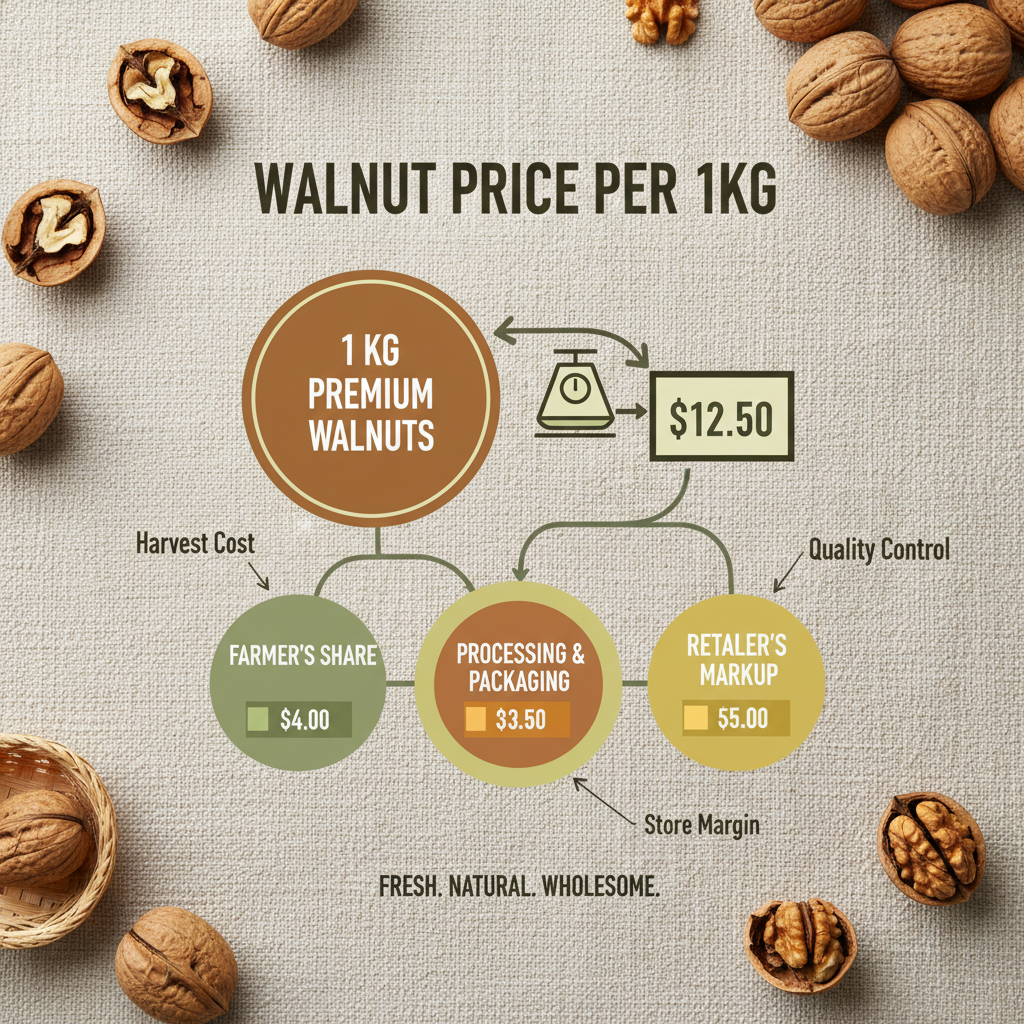
Are you curious about walnuts cost? The price of walnuts can fluctuate depending on various factors, including origin, quality, quantity purchased, and market demand. This article breaks down the key elements influencing walnut pricing, provides current cost estimates, and helps you understand where to source high-quality walnuts at competitive prices. We’ll explore different walnut types and their associated costs, offering insights for both personal consumption and bulk purchasing. Understanding these factors is crucial for making informed decisions, whether you're a health-conscious consumer or a business in the food industry.
Factors Influencing Walnuts Cost
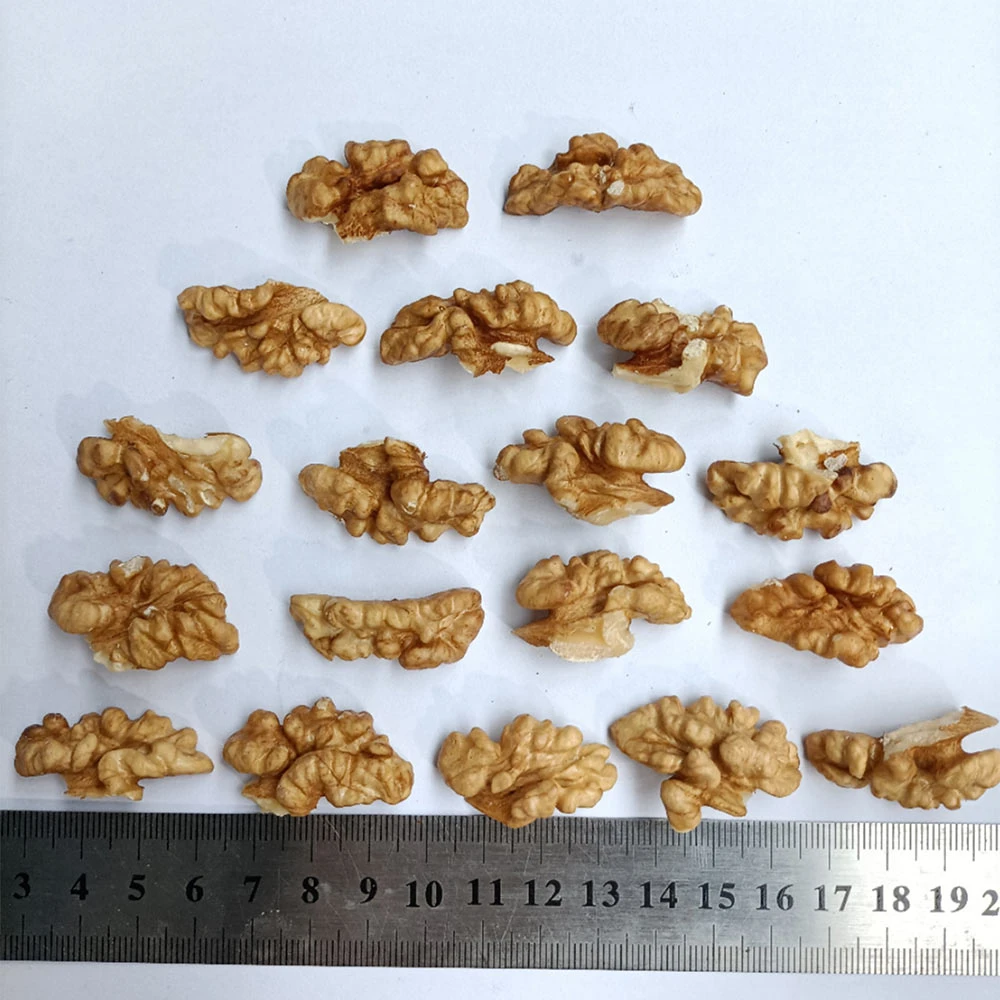
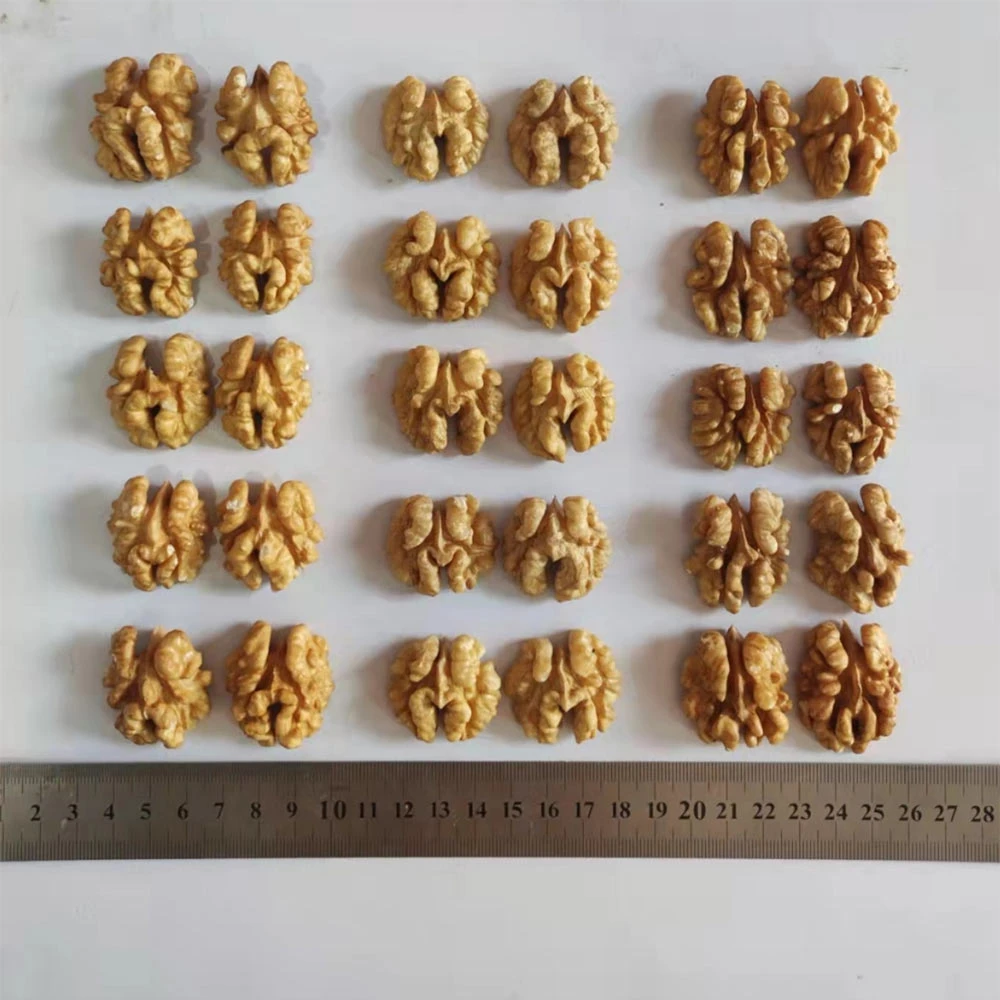
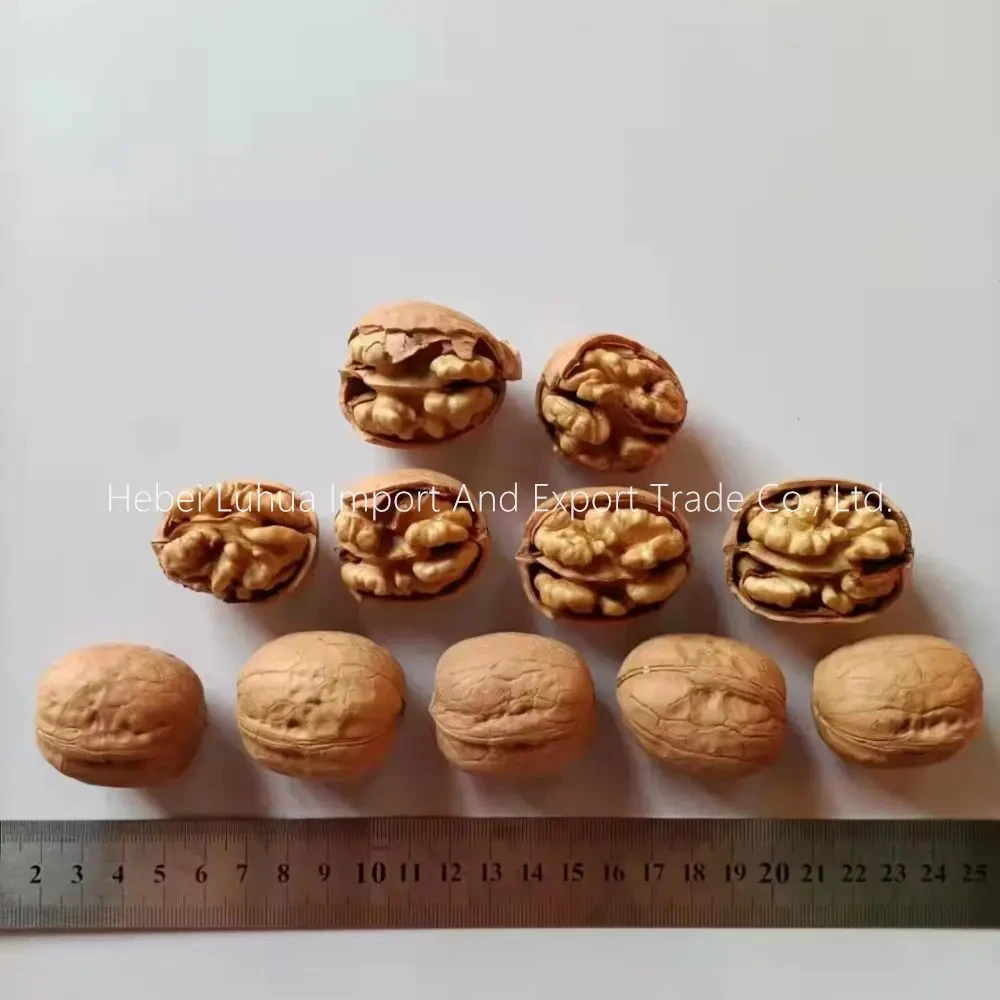
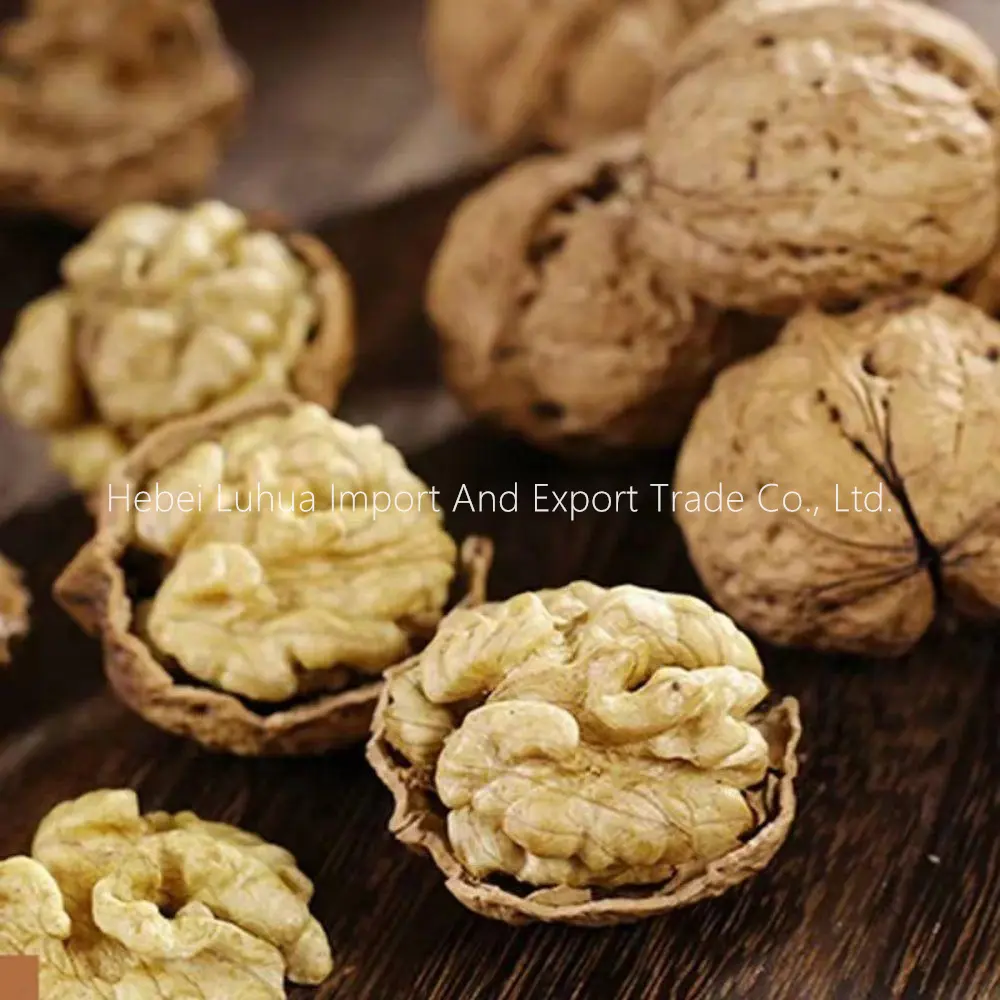
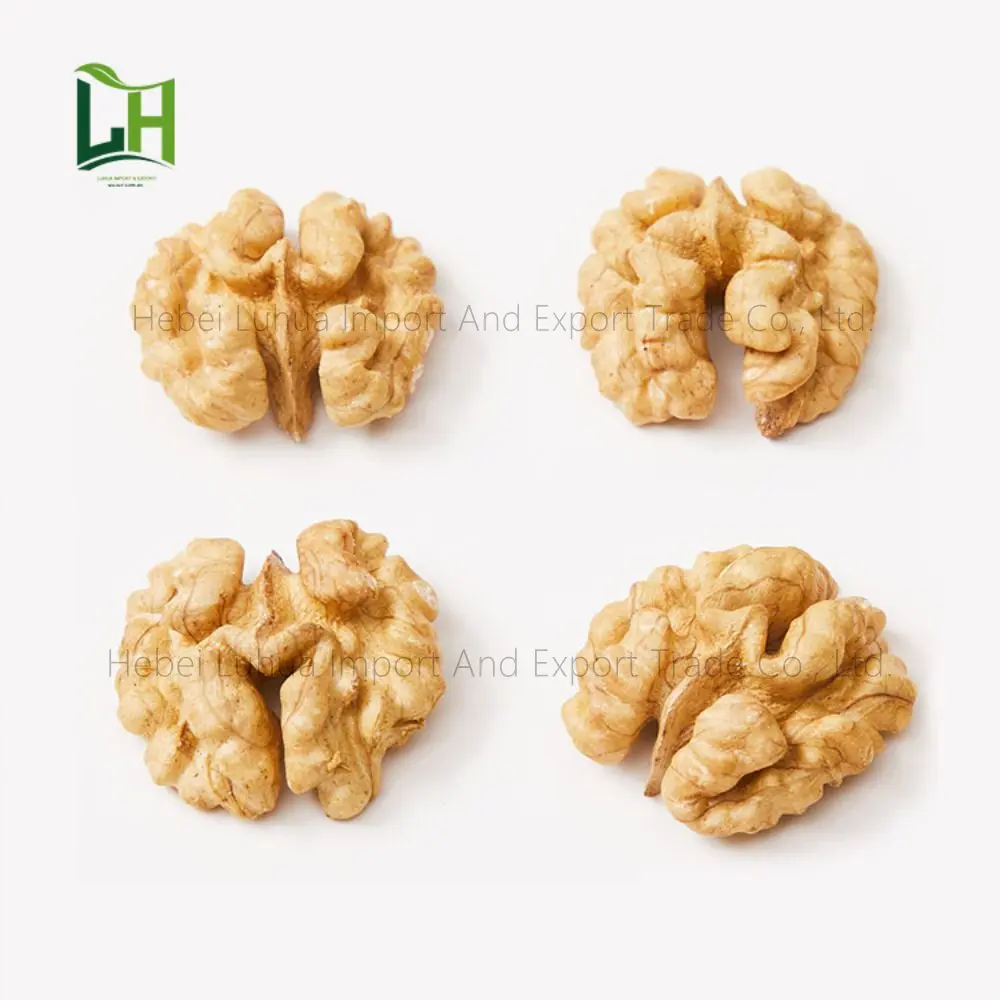
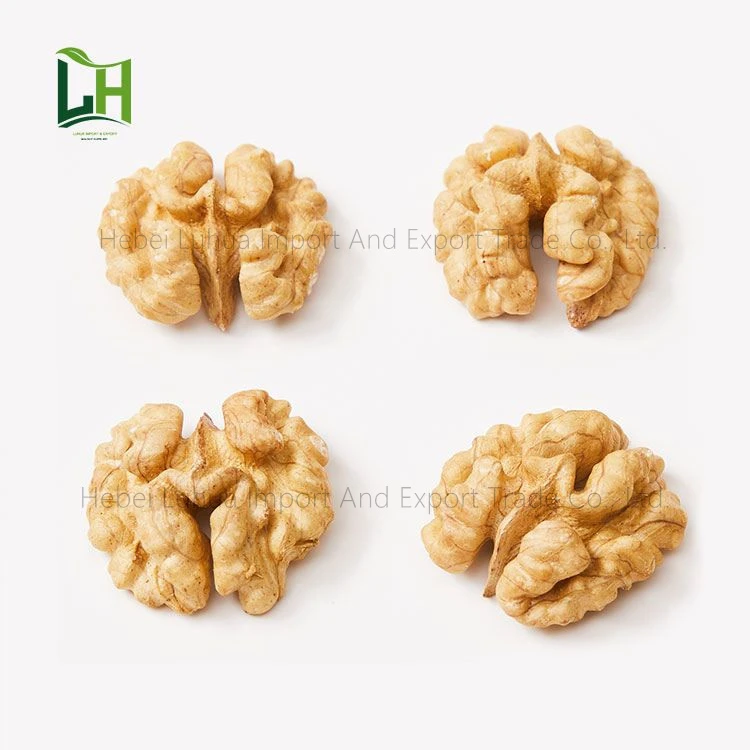
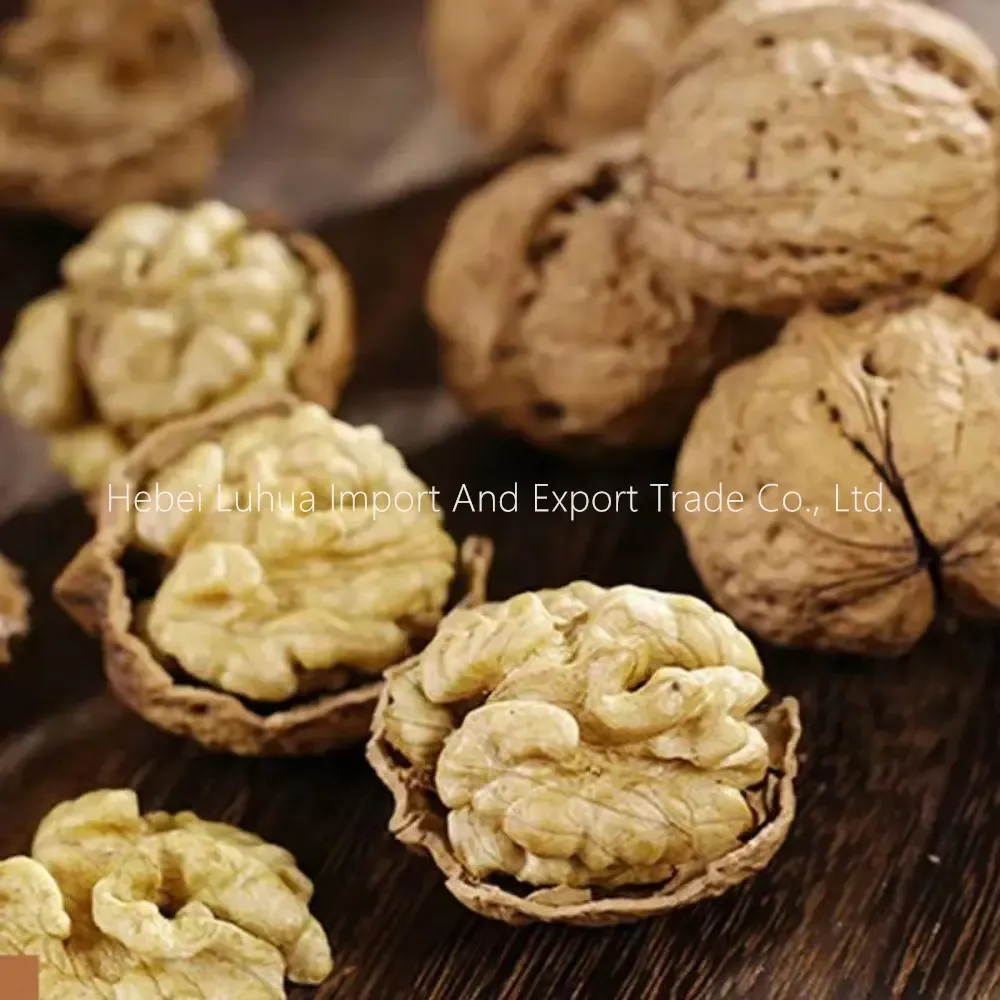
Several factors contribute to the overall walnuts cost. The origin of the walnuts plays a significant role; California walnuts, being a major producer, often have different pricing compared to walnuts from Chile or Turkey. Quality grading, based on size, color, and freedom from defects, also impacts the price. Larger, lighter-colored, and defect-free walnuts command higher prices. Quantity purchased is another key determinant—bulk purchases generally benefit from lower per-unit costs. Finally, seasonal availability and global market demand influence pricing dynamics. Weather patterns affecting harvests, import/export regulations, and economic conditions all contribute to fluctuations.
Key Highlights: Origin, quality, quantity purchased, seasonal availability, and global market demand are the primary drivers of walnut pricing.
Walnut Types and Their Costs
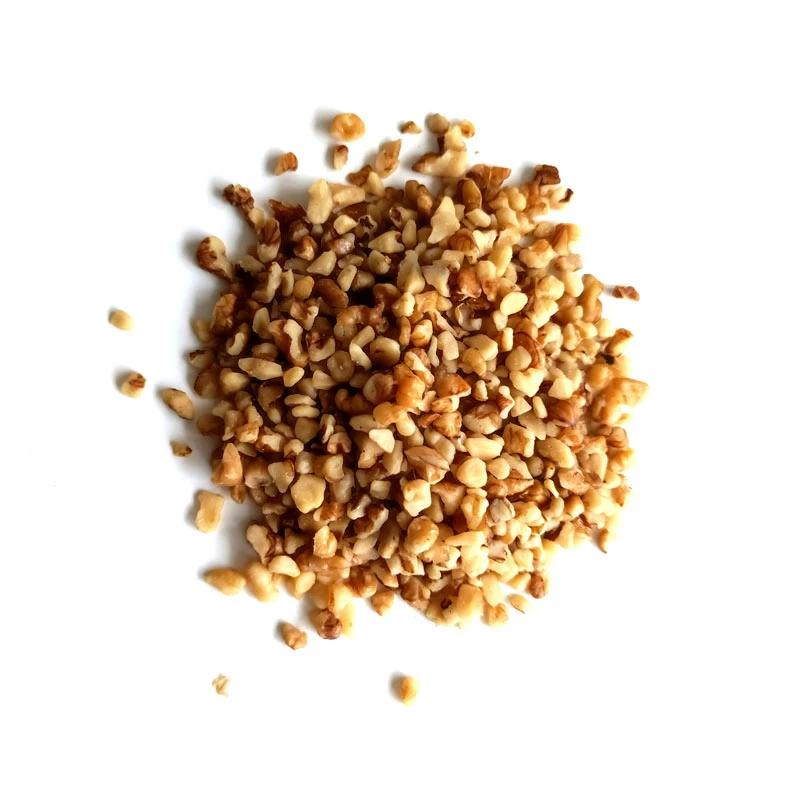
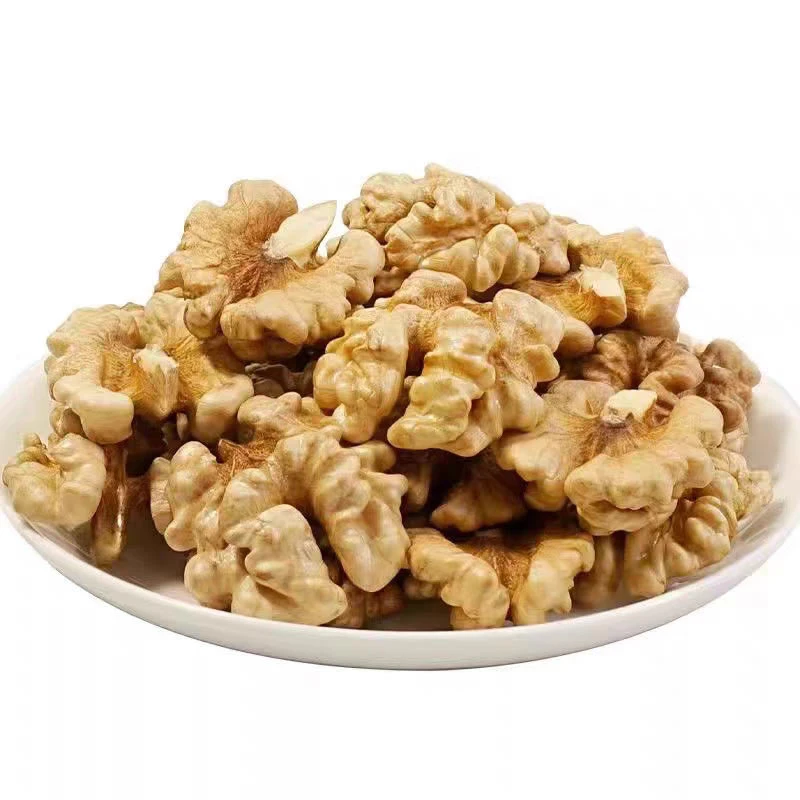
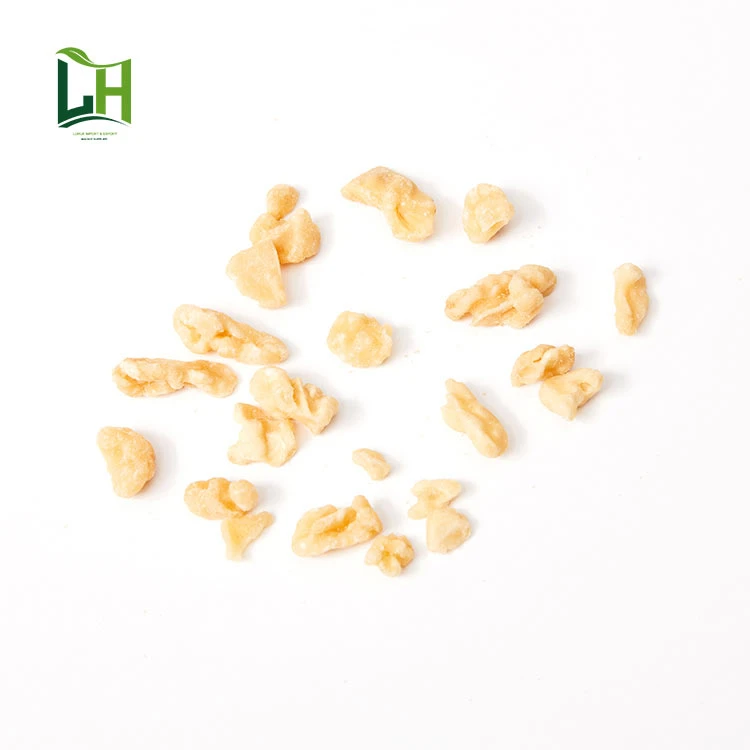
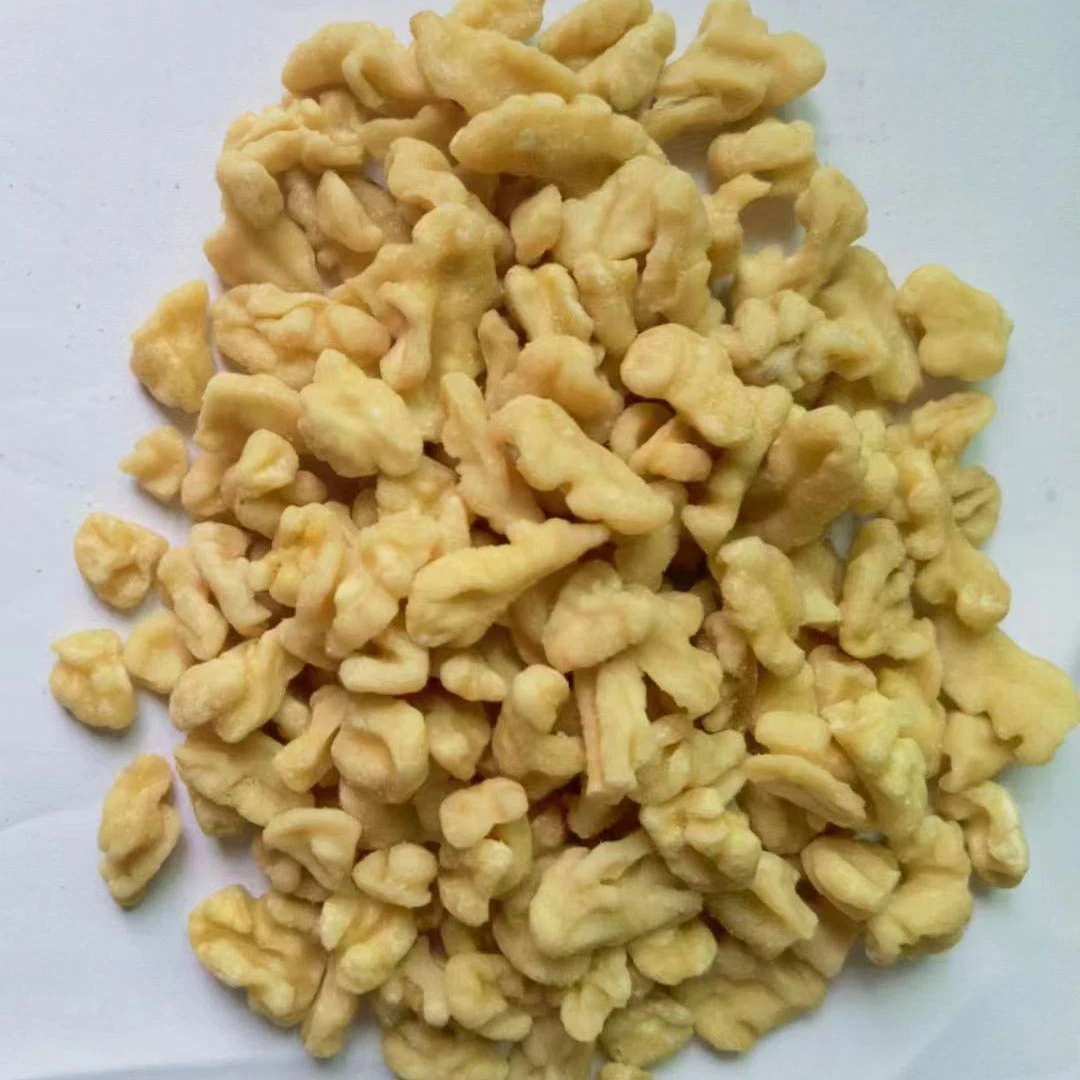
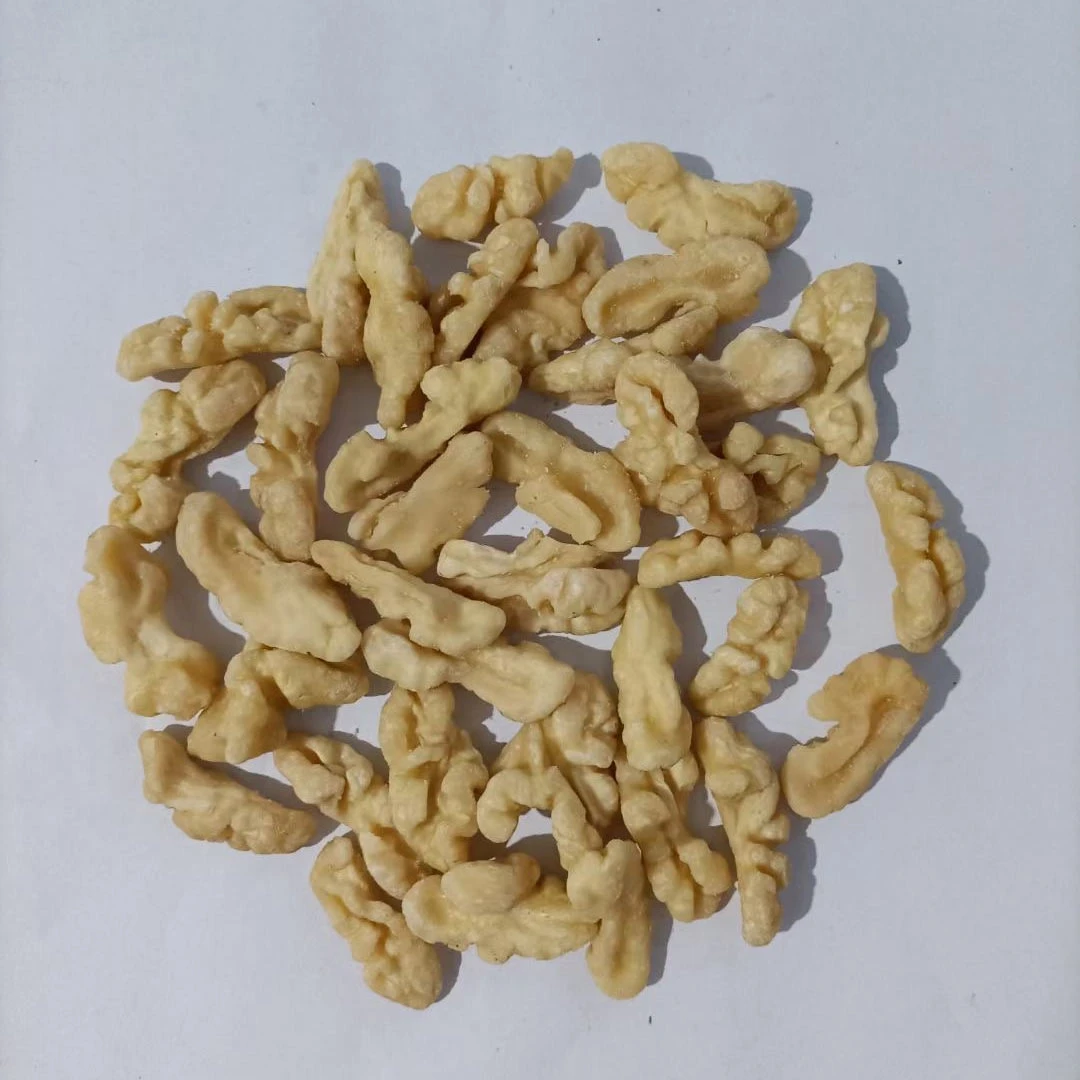
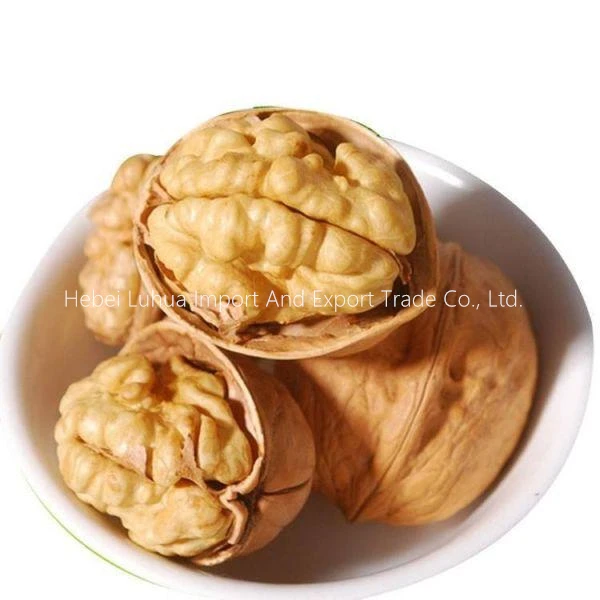
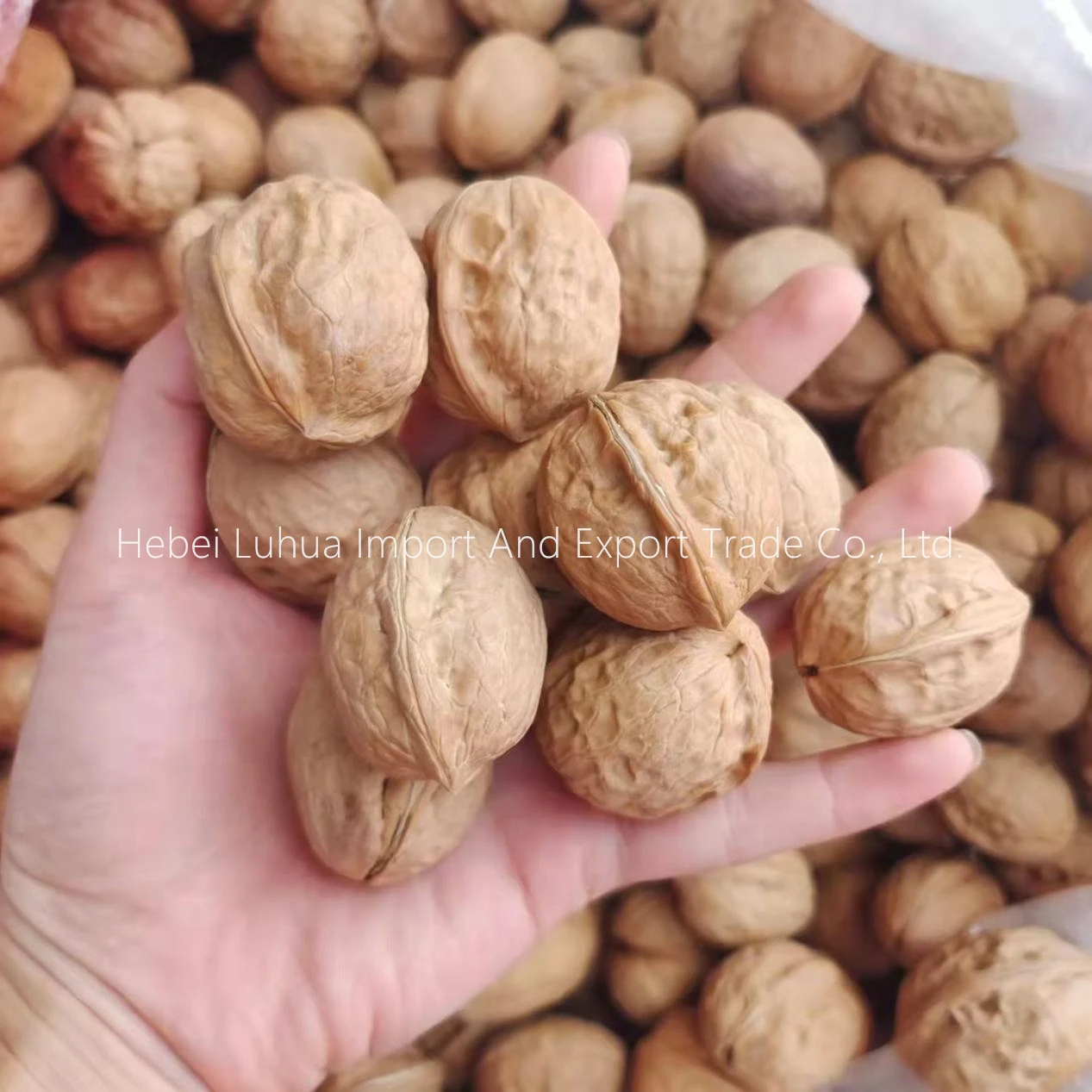
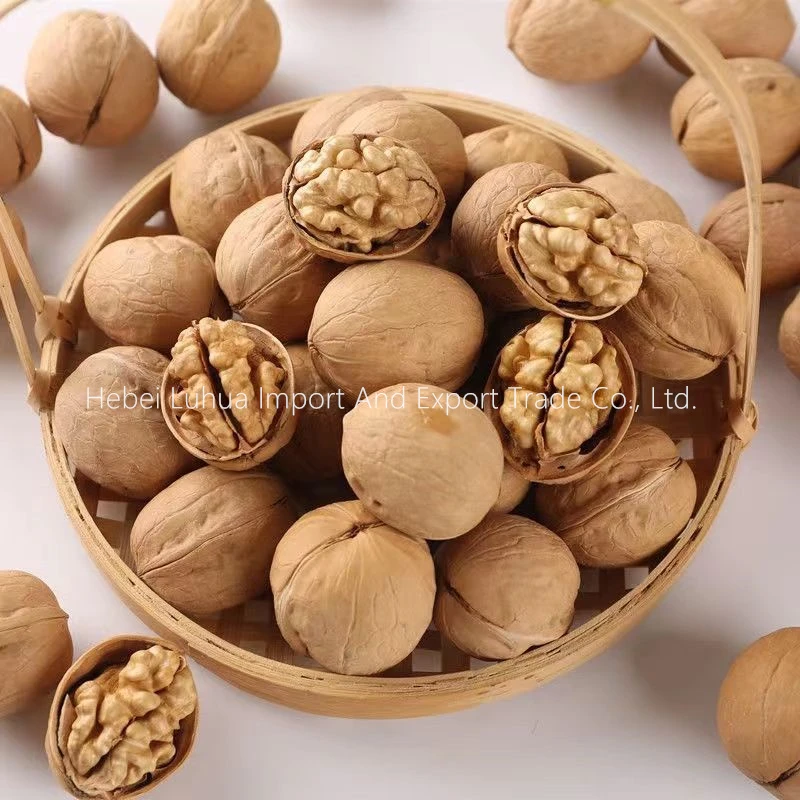
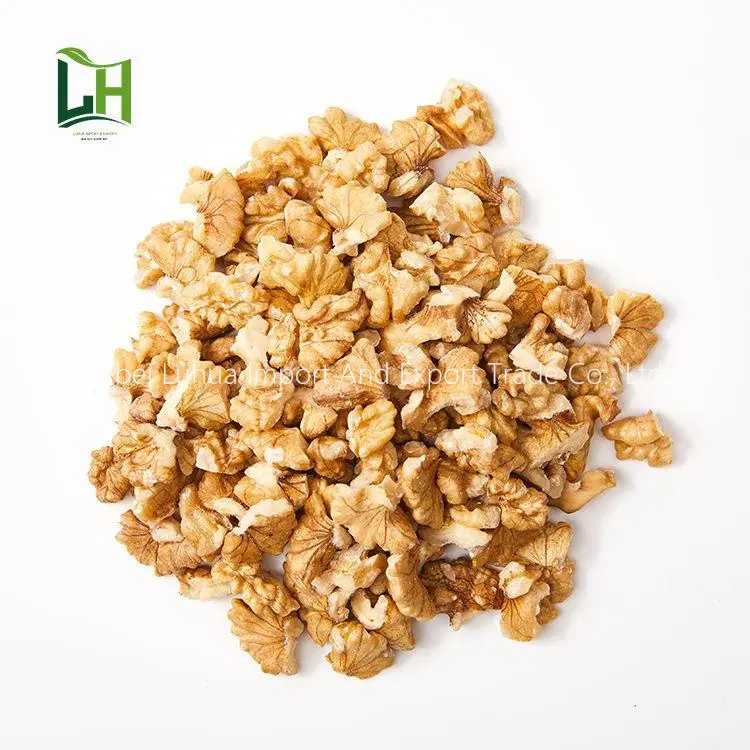
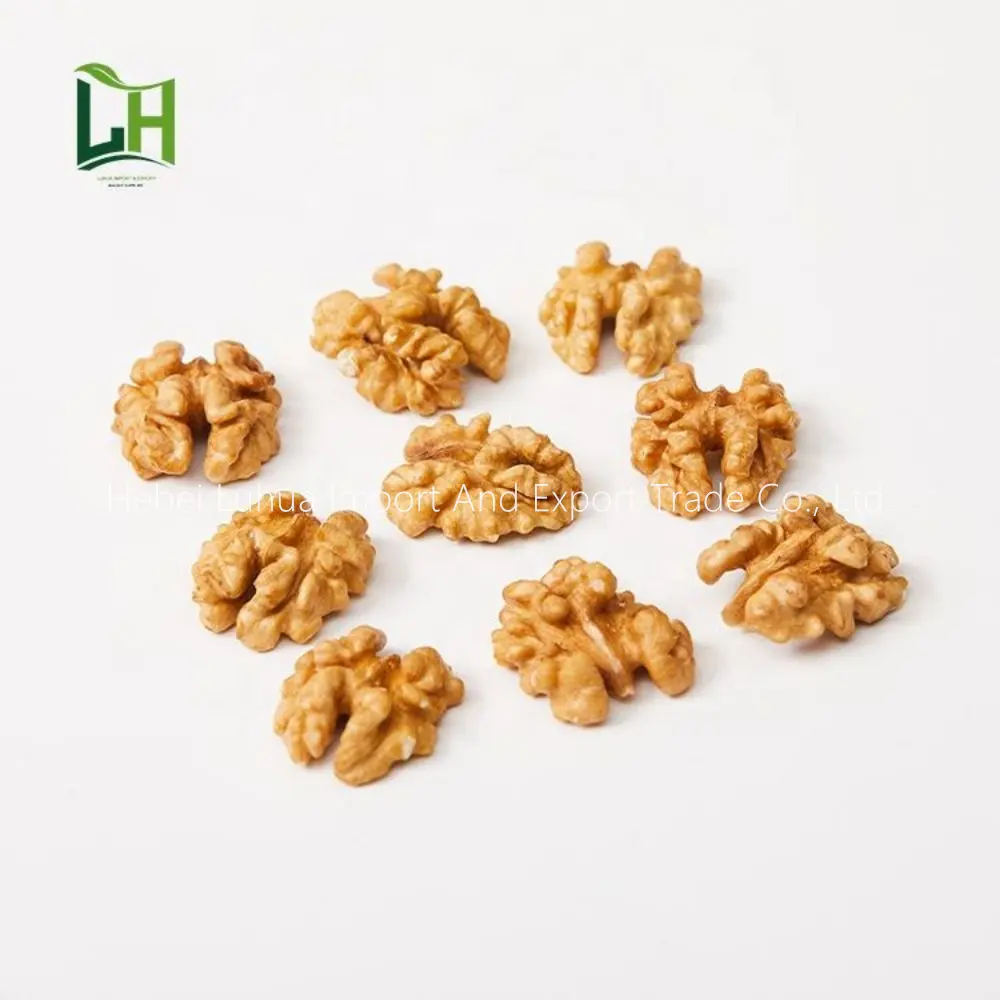
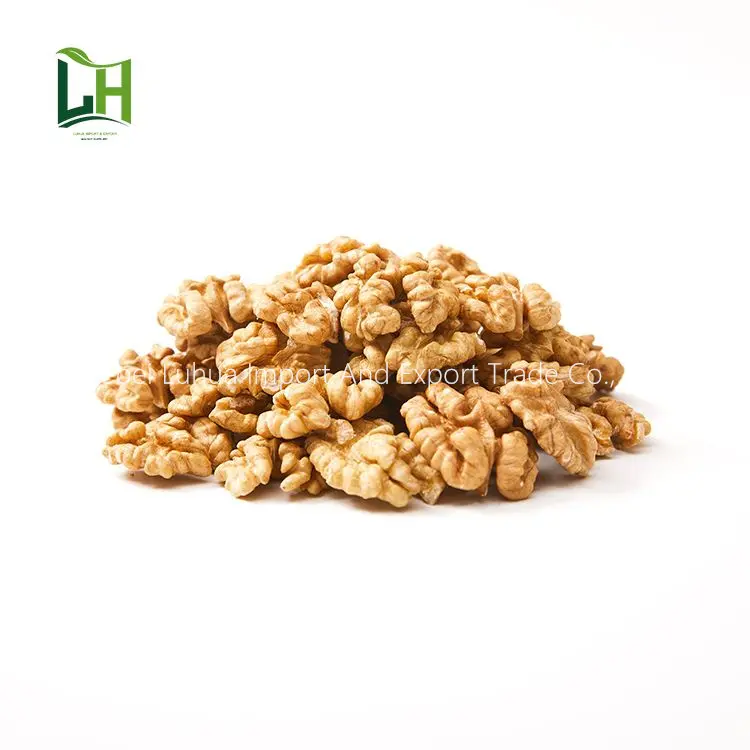
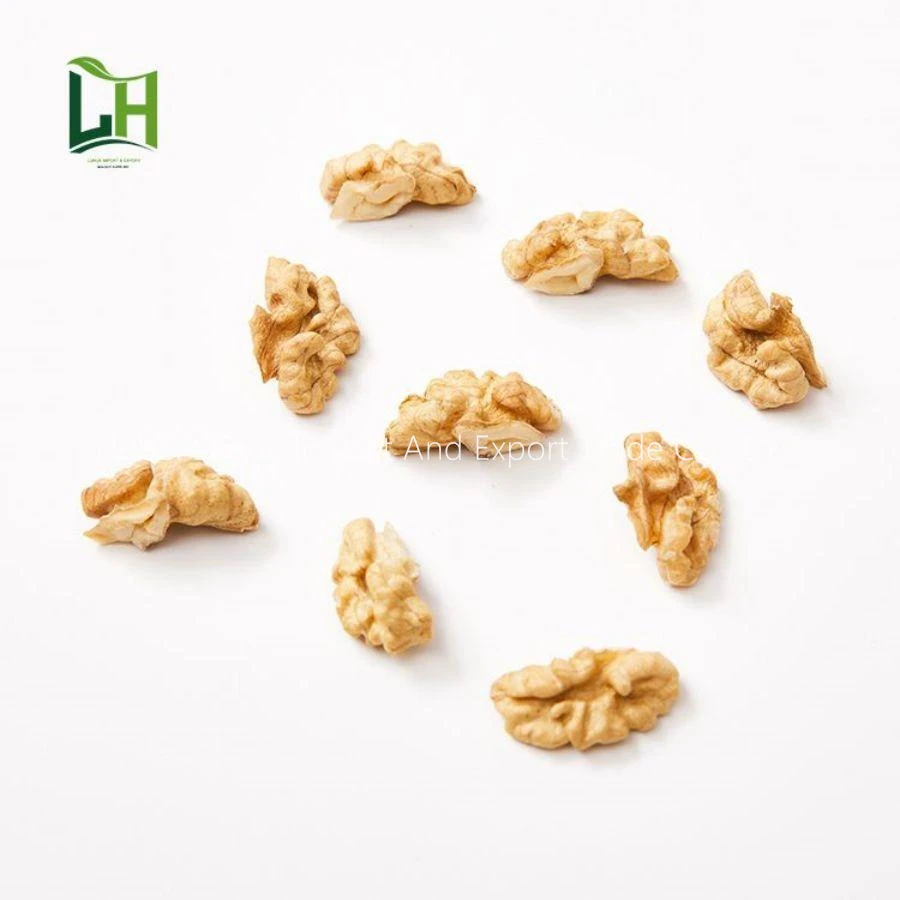
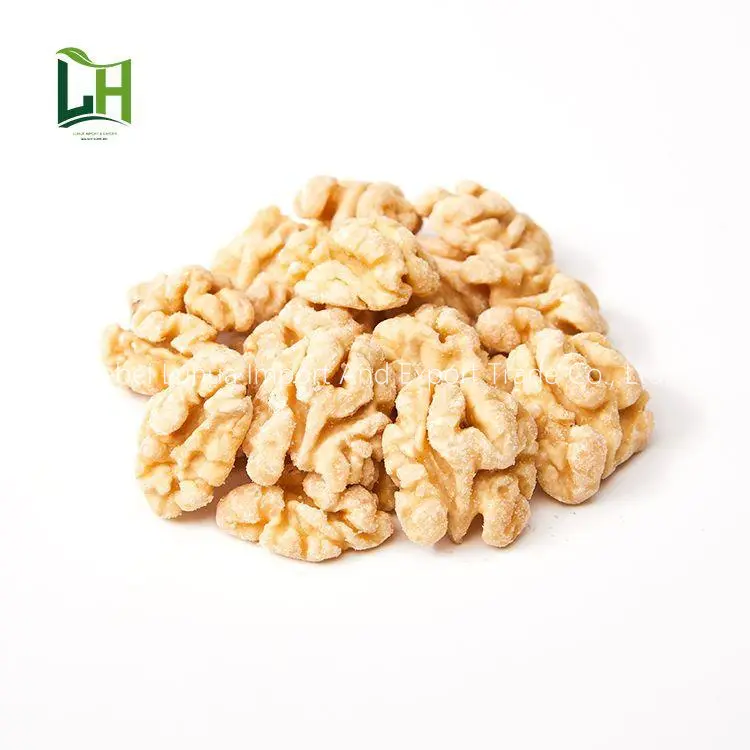
Different walnut varieties also impact the walnuts cost. Chandler walnuts are widely popular and typically fall within a certain price range, while other varieties like Serr or Howard may have different valuations based on their specific characteristics and niche markets. Organic walnuts usually command a premium due to the higher production costs associated with organic farming practices. Furthermore, processed walnuts – such as shelled, chopped, or roasted – will generally be more expensive than in-shell walnuts due to the added labor and processing costs.
Walnut Variety Cost Breakdown:
• Chandler Walnuts: Standard price point, widely available.
• Serr Walnuts: May have a slightly higher price due to specific characteristics.
• Organic Walnuts: Premium pricing due to organic certification.
• Processed Walnuts: Higher cost due to shelling, chopping, or roasting.
Current Walnuts Cost Estimates (2024)
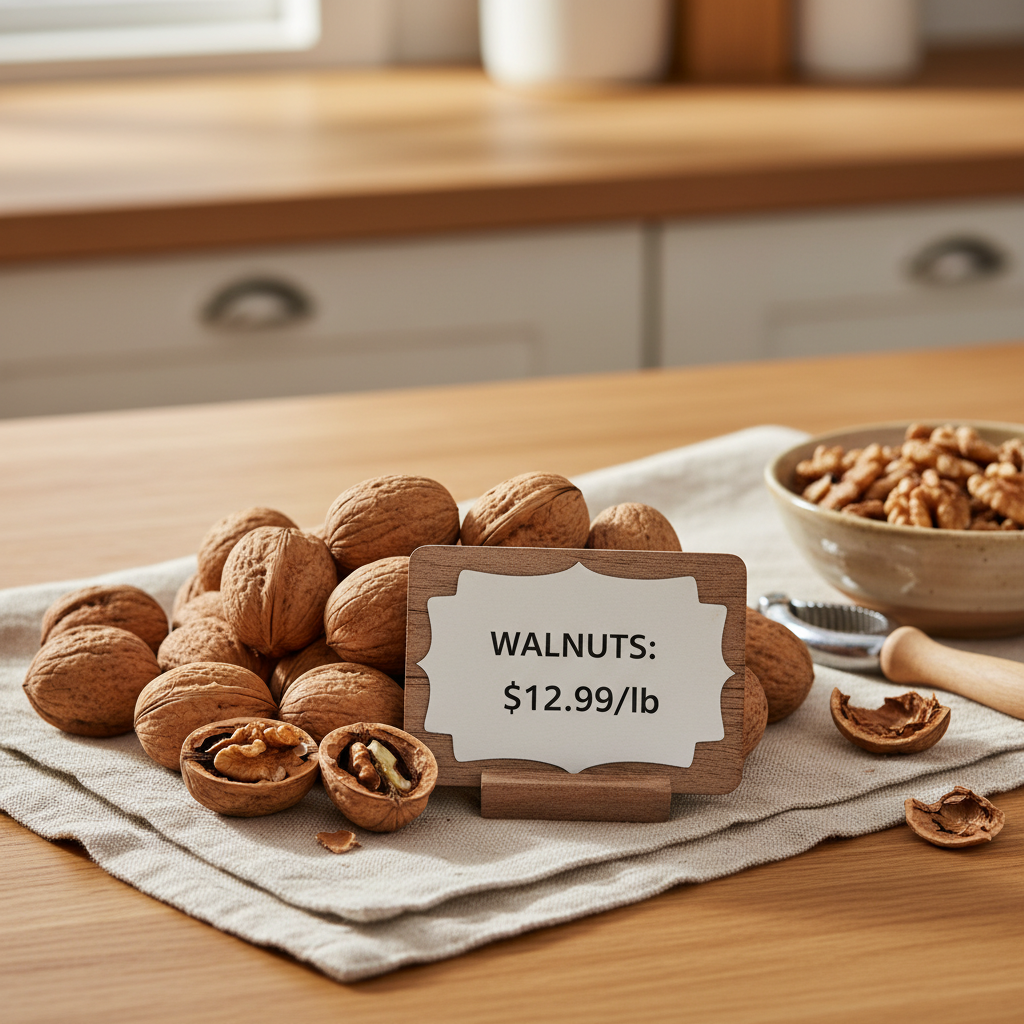
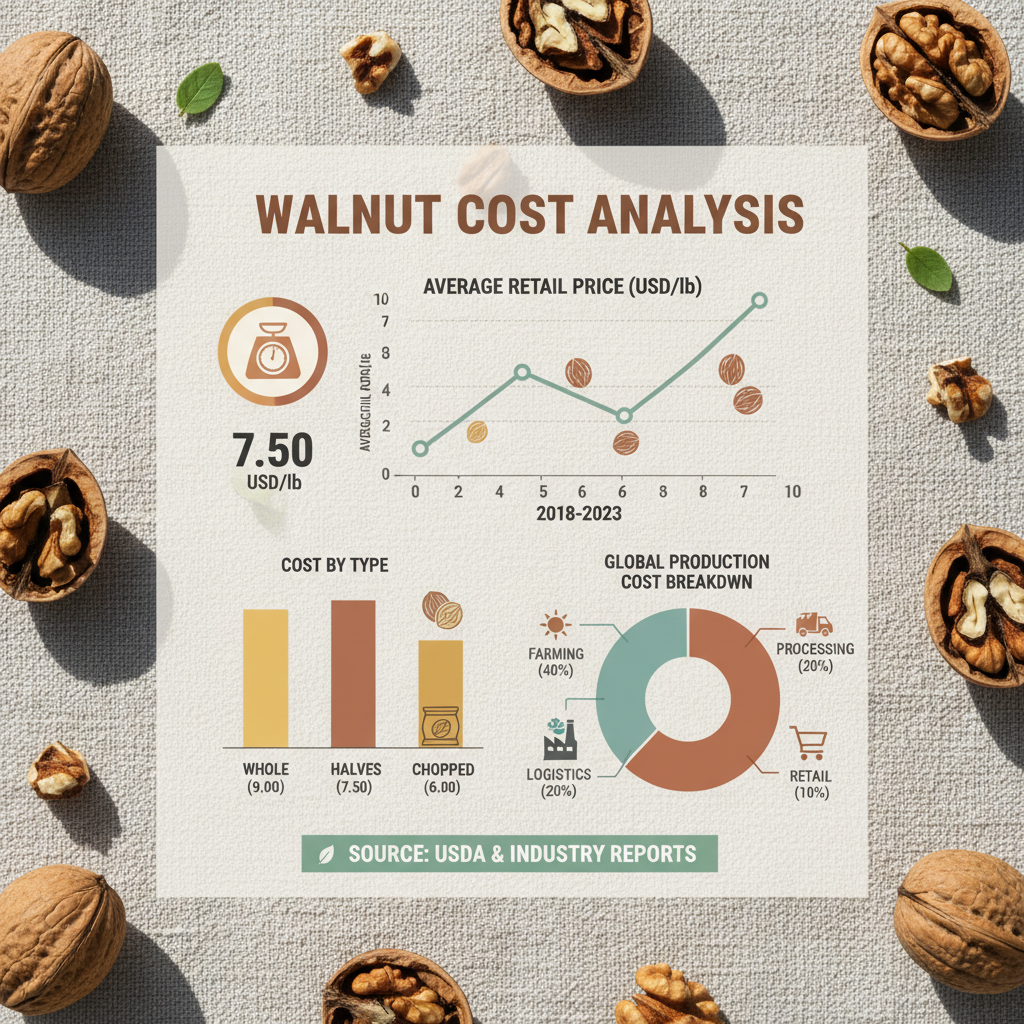
As of late 2024, here's a general estimate of walnuts cost. Please note these are approximate and can change:
Comparing Walnut Prices: Retail vs. Wholesale
When considering walnuts cost, it's important to compare retail and wholesale pricing. Retail purchases, typically made in smaller quantities at grocery stores, generally have a higher per-unit cost. Wholesale suppliers, like Luhua Walnut, offer significantly lower prices for bulk orders. Wholesale is ideal for businesses (food manufacturers, bakeries, etc.) or individuals needing large quantities for long-term storage or specific projects.
Sourcing Walnuts from Luhua Walnut
Luhua Walnut is a trusted supplier of high-quality walnuts, offering competitive pricing and reliable sourcing. We provide a variety of walnut products, including in-shell, shelled, organic, and processed walnuts, to meet diverse customer needs. We’re committed to providing consistent quality and efficient shipping. We directly source from reliable farms, ensuring freshness and superior taste.
Conclusion: Making Informed Choices About Walnuts Cost
Understanding the factors influencing walnuts cost is essential for consumers and businesses alike. By considering origin, quality, quantity, and sourcing options, you can make informed decisions and secure the best possible value. Luhua Walnut offers a reliable and cost-effective solution for all your walnut needs.
Frequently Asked Questions (FAQs)
What is the best way to store walnuts to maintain freshness?
To maintain freshness, store walnuts in an airtight container in a cool, dark, and dry place. Refrigeration or freezing can significantly extend their shelf life. In-shell walnuts generally stay fresh longer than shelled walnuts. Avoid exposing walnuts to direct sunlight or moisture, as this can cause them to become rancid. Proper storage is crucial for preserving their flavor and nutritional value. If you notice an off-odor or taste, it's best to discard them.
How can I tell if walnuts have gone bad?
Walnuts can go bad due to rancidity, caused by oxidation of the oils within the nut. Signs of spoilage include a bitter or unpleasant odor, a stale or off taste, and a change in texture. Visually, the walnuts may appear shriveled or discolored. If you suspect a walnut has gone bad, it's best to discard it rather than consume it. Smelling and tasting a small piece can help you determine if it's still good.
Are there any health benefits to eating walnuts?
Yes, walnuts are incredibly nutritious and offer numerous health benefits. They are rich in omega-3 fatty acids, antioxidants, vitamins, and minerals. Regular walnut consumption has been linked to improved heart health, brain function, and reduced risk of certain cancers. They also contribute to healthy weight management and may help regulate blood sugar levels. Incorporating walnuts into your diet is a simple and delicious way to boost your overall well-being.
What is the typical shelf life of shelled walnuts?
Shelled walnuts typically have a shelf life of around 6-9 months when stored properly in an airtight container in a cool, dark, and dry place. Refrigeration can extend this to 12-18 months, and freezing can preserve them for up to two years. However, it's always best to check for signs of rancidity (off-odor or taste) before consuming them, regardless of the storage method.
Post time:Mar . 31, 2026 02:45