Chinese dried red dates, commonly known as jujube, have been a staple in Asian cuisine and traditional wellness practices for centuries. Valued for their natural sweetness, rich nutritional profile, and versatility, these fruits are widely used in snacks, herbal teas, desserts, and even savory dishes. However, not all dried red dates are the same. Understanding the different types and their unique characteristics can help buyers, wholesalers, and consumers make informed choices.
What Are Chinese Dried Red Dates?
Chinese dried red dates come from the jujube tree (Ziziphus jujuba), primarily cultivated in northern regions of China such as Xinjiang, Hebei, and Shandong. Once harvested, the fresh fruit is dried naturally or through controlled processes to enhance shelf life and concentrate sweetness.
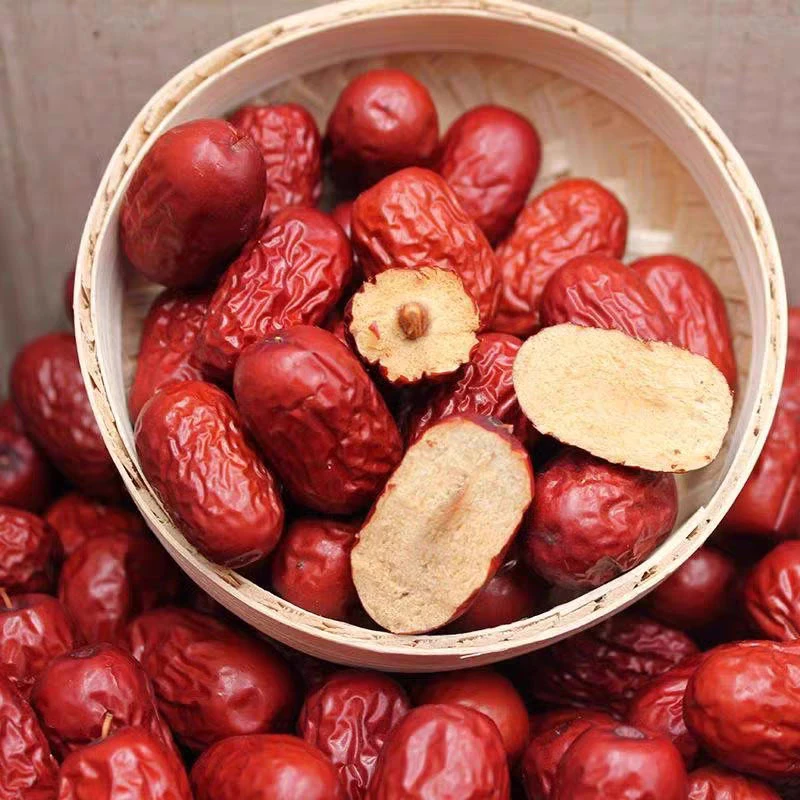
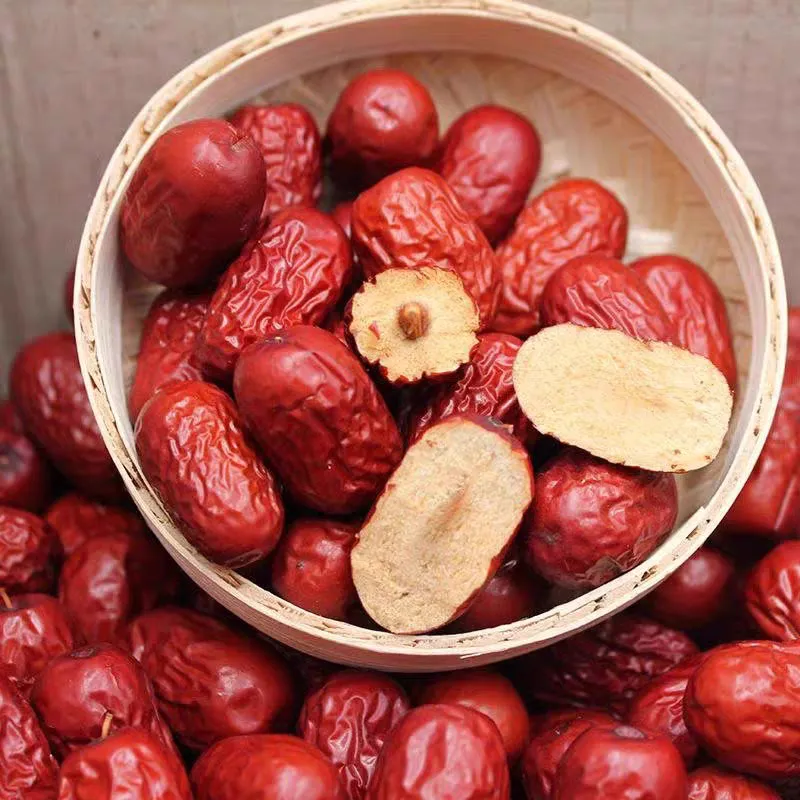
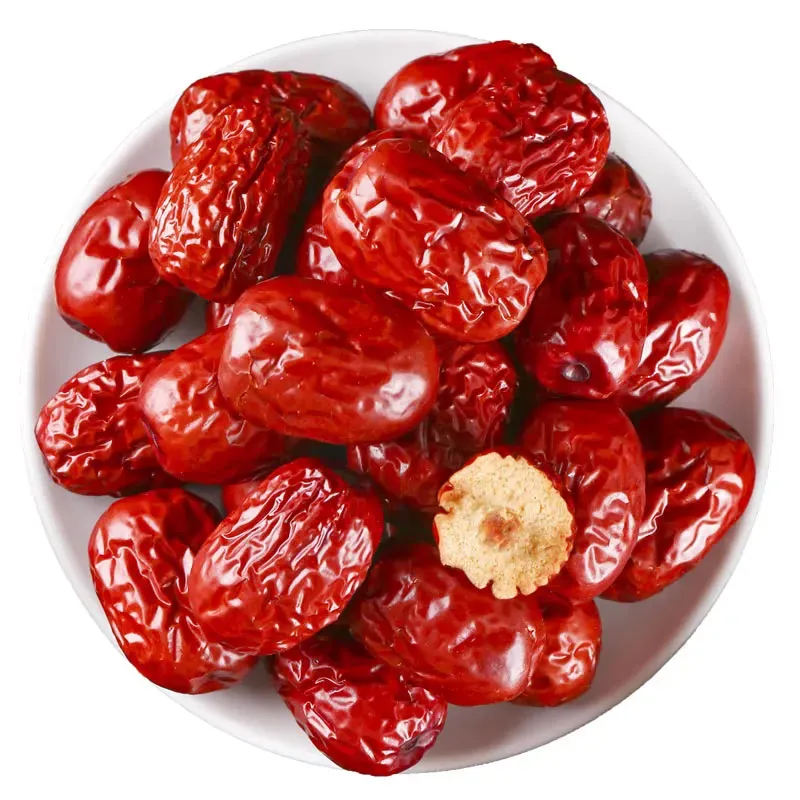
Dried red dates typically have a wrinkled reddish-brown skin, chewy texture, and a flavor profile that ranges from mildly sweet to caramel-like richness. They are often compared to dates but are less sticky and more delicate in taste.
Common Types of Chinese Dried Red Dates
1. Xinjiang Red Dates
Xinjiang is one of the most famous producing regions for high-quality dried red dates. These dates are known for their:
Large size and plump shape
Thin skin and thick flesh
High natural sugar content
Soft and chewy texture
Xinjiang red dates are often considered premium-grade products, widely used for direct consumption, gifting, and export markets.
2. Hetian Jujube
Hetian jujube, a specialty from Xinjiang, is often regarded as one of the best varieties available. Its key characteristics include:
Uniform size and smooth appearance
Deep red color after drying
Dense flesh with minimal fiber
Strong natural sweetness
Due to its superior quality, Hetian jujube is commonly used in high-end health products and traditional tonics.
3. Ruoqiang Red Dates (Grey Dates)
Ruoqiang red dates, also called grey dates, have a unique appearance and flavor:
Smaller size compared to Xinjiang dates
Slightly greyish or darker outer skin
Crisp texture when fresh, becoming chewy after drying
Balanced sweetness with a subtle tang
These are particularly popular for snacking and are often marketed as a specialty variety due to their distinctive taste.
4. Hebei Red Dates
Hebei province produces another widely consumed type of dried red date. Compared to Xinjiang varieties, Hebei dates typically have:
Medium size and firmer texture
Thicker skin
Slightly lower sugar content
More fibrous flesh
They are commonly used in cooking, especially in soups, porridges, and herbal teas where structure and durability during boiling are important.
5. Shandong Red Dates
Shandong red dates are known for their:
- Smaller size
- Darker color
- Strong, slightly earthy flavor
- Firm texture
These dates are often processed into slices, powders, or paste for use in the food manufacturing industry.
Classification by Size and Grade of Chinese Dried Red Dates
In addition to regional differences, Chinese dried red dates are also classified based on size and grading standards. Common categories include:
Jumbo (Super Large): Premium quality, mostly for gifting and export
Large: Ideal for direct consumption and retail
Medium: Widely used in cooking and food processing
Small: Often used for industrial purposes such as date paste or powder
Size grading is important in international trade, as it directly affects pricing and target market positioning.
Seeded vs Seedless Red Dates
Another important distinction is whether the dates contain seeds:
- Seeded red dates: Traditional form, often used in cooking and herbal preparations
- Seedless red dates: Processed for convenience, ideal for snacks and baking
Seedless varieties are increasingly popular in modern food applications due to ease of use and consumer preference.
Moisture Content and Texture Differences
Dried red dates can also vary based on moisture content:
- Fully dried dates: Low moisture, long shelf life, firmer texture
- Semi-dried (soft) dates: Higher moisture, softer and juicier, shorter shelf life
Soft dried dates are often preferred for direct consumption, while fully dried ones are better suited for storage and bulk export.
Flavor Profiles and Culinary Uses
Different types of Chinese dried red dates offer varying flavor intensities:
- High-sugar varieties (e.g., Xinjiang, Hetian): Ideal for snacking and desserts
- Balanced flavor types (e.g., Ruoqiang): Suitable for both snacks and cooking
- Mild or fibrous types (e.g., Hebei, Shandong): Best for soups, teas, and medicinal use
Common culinary applications include:
- Herbal teas with goji berries and ginger
- Sweet soups and porridge
- Baked goods like cakes and bread
- Traditional Chinese tonics
Their versatility makes them a valuable ingredient across multiple food categories.
Nutritional Characteristics
Chinese dried red dates are not only flavorful but also nutrient-dense. They are known to contain:
- Natural sugars for quick energy
- Dietary fiber for digestion
- Vitamins such as vitamin C (in smaller amounts after drying)
- Minerals like potassium and iron
Because of these properties, they are often included in health-focused diets and traditional wellness recipes.
How to Choose the Right Type
Selecting the right type of dried red dates depends on your intended use:
- For retail or gifting: Choose large, uniform Xinjiang or Hetian dates
- For cooking: Hebei or medium-grade dates offer better cost efficiency
- For processing: Smaller or Shandong dates are ideal for industrial use
- For snacking: Soft, high-sugar varieties provide the best experience
Buyers should also consider factors like moisture level, packaging, and origin certification when sourcing.
Storage and Shelf Life
Proper storage is essential to maintain quality:
- Keep in a cool, dry place
- Use airtight packaging to prevent moisture absorption
- Refrigeration is recommended for soft dried dates
Shelf life can range from several months to over a year depending on moisture content and storage conditions.
Conclusion
Chinese dried red dates come in a wide range of varieties, each with distinct characteristics shaped by region, processing methods, and grading standards. From premium Xinjiang and Hetian jujubes to more economical Hebei and Shandong types, understanding these differences is key to making the right selection for consumption, retail, or industrial use.
As global demand for natural and functional foods continues to rise, dried red dates are becoming increasingly popular beyond traditional markets. By choosing the right type based on quality, flavor, and application, businesses and consumers alike can fully benefit from this versatile and nutritious fruit.
FAQs About Chinese Dried Red Dates
1. Which type of Chinese dried red date is the sweetest?
Xinjiang and Hetian red dates are generally the sweetest due to their high natural sugar content.
2. Are smaller red dates lower in quality?
Not necessarily. Smaller dates are often used for processing, while larger ones are preferred for direct consumption.
3. What is the difference between soft and dried red dates?
Soft dates have higher moisture and a juicier texture, while fully dried dates are firmer and have a longer shelf life.
4. Can dried red dates be eaten directly?
Yes, most varieties—especially soft and premium ones—are suitable for direct consumption.
5. How do I identify high-quality dried red dates?
Look for uniform size, rich color, minimal skin damage, and a naturally sweet aroma.
Post time:Apr . 22, 2026 15:41