Understanding the Walnut Price Landscape: A Comprehensive Guide
The demand for walnuts is consistently high, driven by their nutritional benefits and culinary versatility. However, navigating the walnut price market can be complex, influenced by factors ranging from harvest yields to global trade dynamics. This article provides a deep dive into the forces that shape walnut pricing, helping you understand current trends and make informed decisions. We’ll cover key cost elements, regional variations, and considerations for both consumers and businesses.
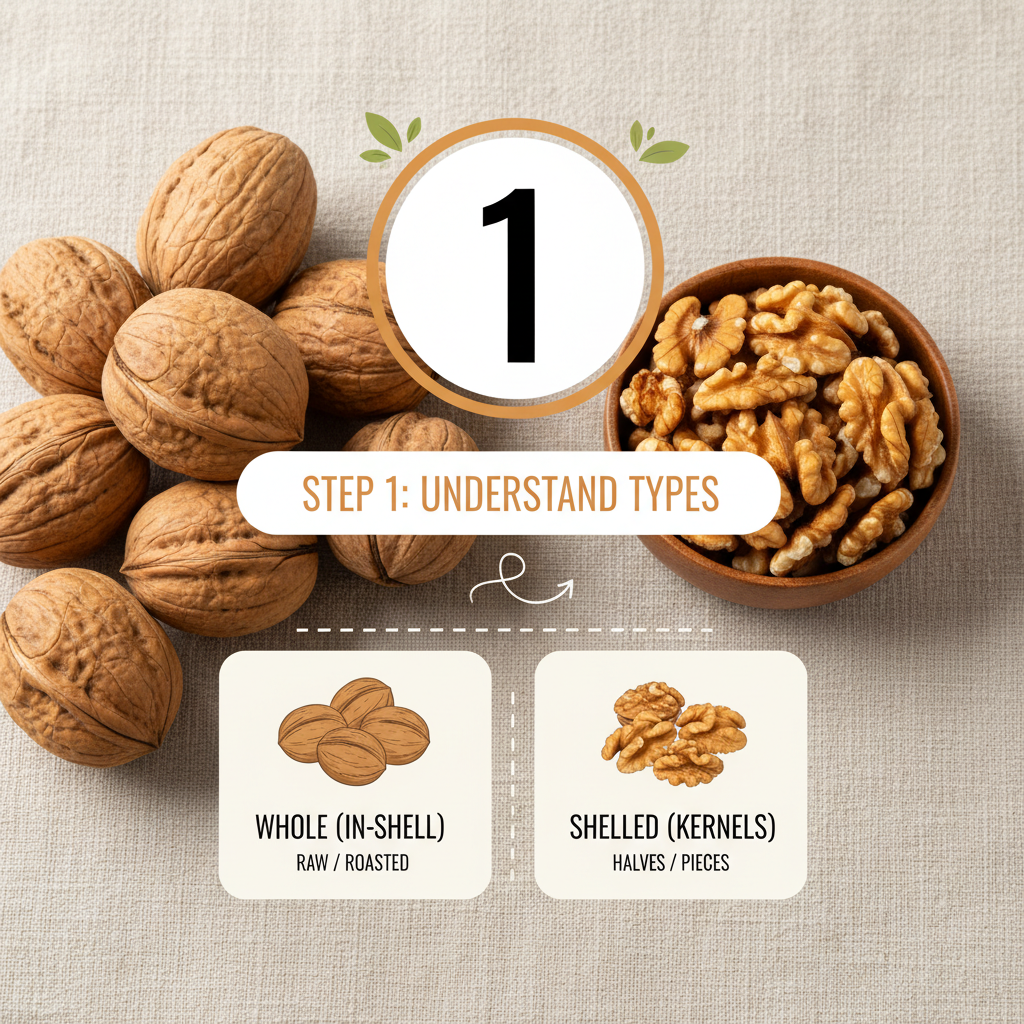
Factors Influencing Walnut Price
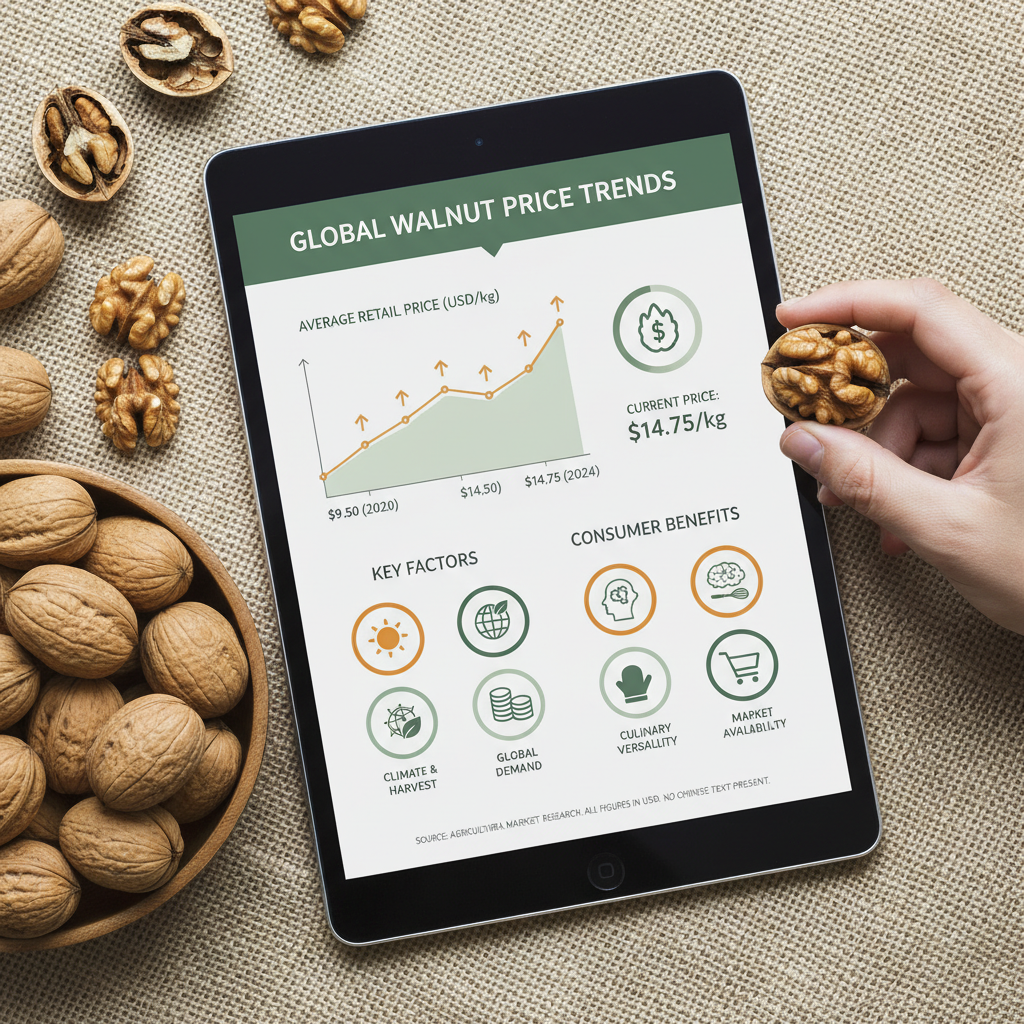
Several key elements contribute to fluctuations in the walnut price. Harvest conditions are paramount; a bountiful harvest typically leads to lower prices, while droughts or frosts can significantly drive up costs due to reduced supply. Global demand, particularly from emerging markets, also plays a critical role. Furthermore, production costs – including farming, processing, and transportation – are directly reflected in the final price. Exchange rate fluctuations between major trading currencies (like the US dollar) can add another layer of complexity. Finally, storage and handling costs also contribute to the overall cost.
Key Highlights: Harvest yields, global demand, production costs, exchange rates, and storage all play a significant role in determining walnut prices.
Walnut Price: A Regional Comparison
The walnut price can vary considerably depending on the region. California, as the world’s largest producer, significantly influences the global market. However, prices in Europe, China, and other producing regions can differ due to transportation costs, import duties, and local market conditions. Generally, prices tend to be higher in regions further from the main production hubs.
Regional Price Factors:
• Transportation costs
• Import duties and taxes
• Local supply and demand
• Currency exchange rates
Current Walnut Price Trends (2023-2024)
As of late 2023 and early 2024, the walnut price has been experiencing some volatility. Early forecasts indicated a slightly lower yield for the California crop, initially pushing prices upwards. However, as the harvest progressed, yields proved more resilient than expected, moderating price increases. Demand from key export markets remains strong, but global economic uncertainties are creating some downward pressure.
Luhuawalnut: Your Trusted Walnut Supplier
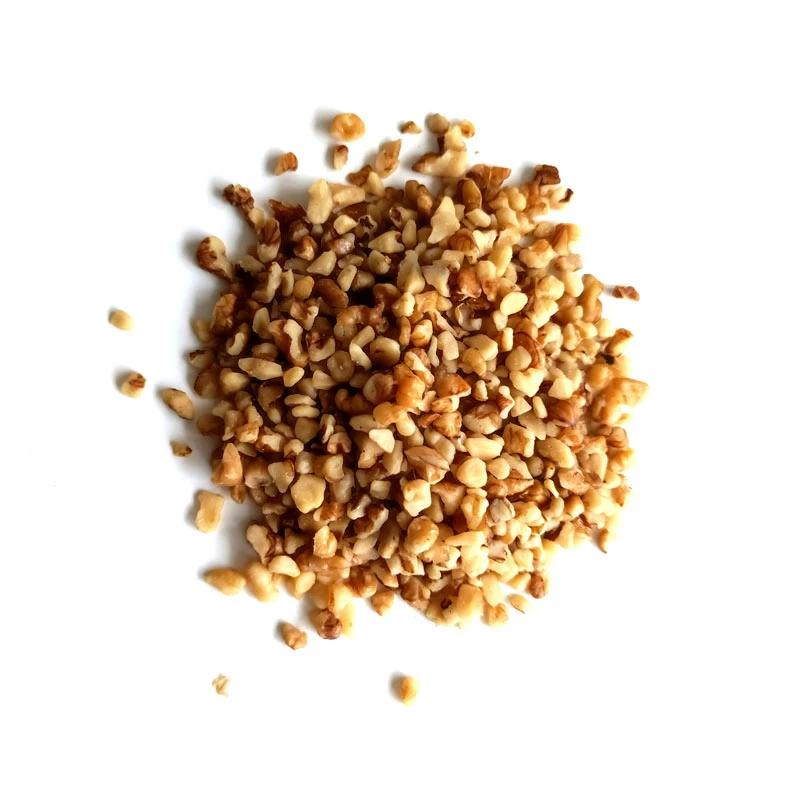
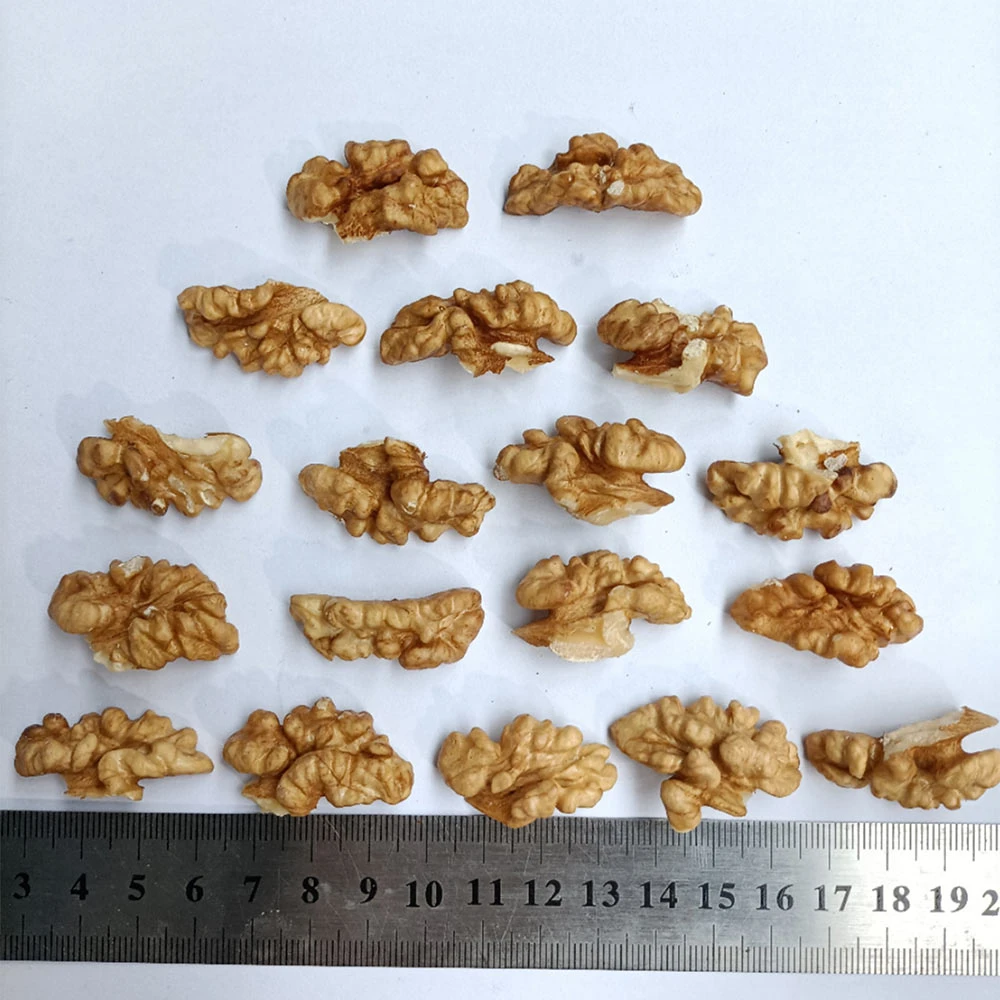
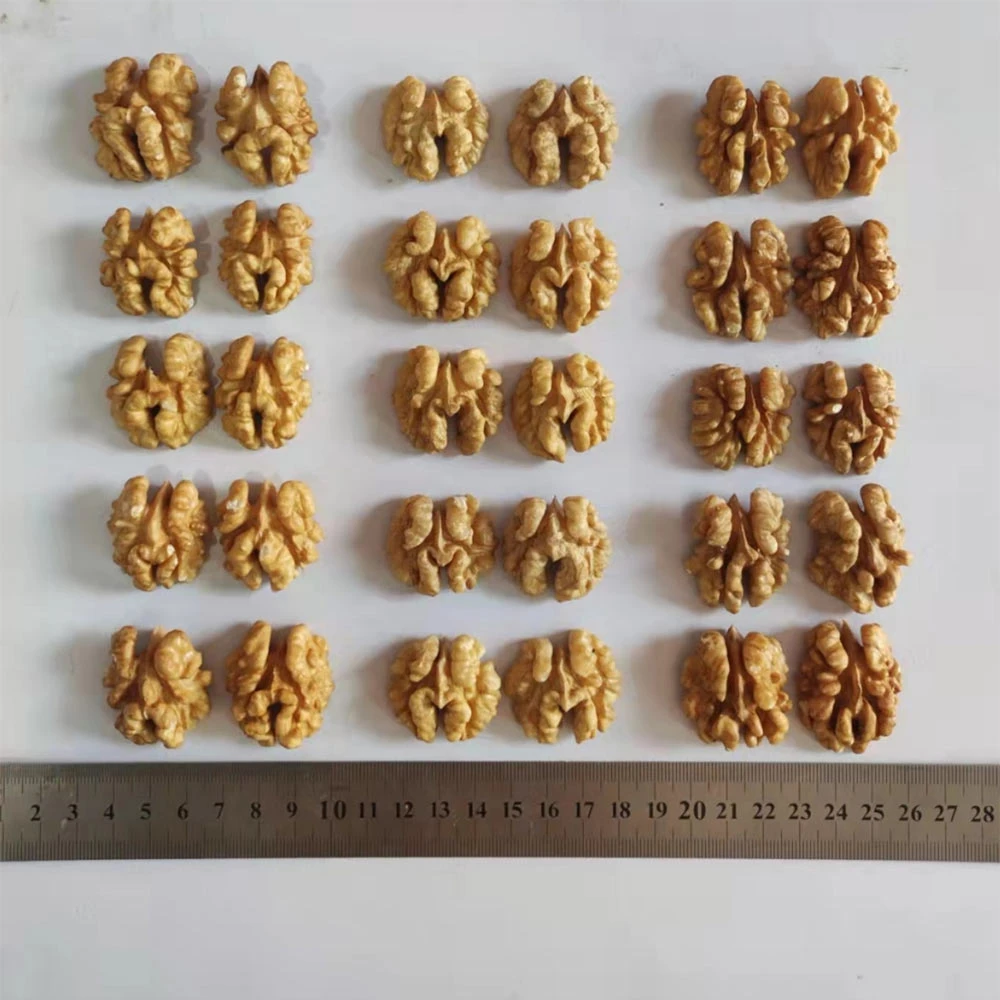
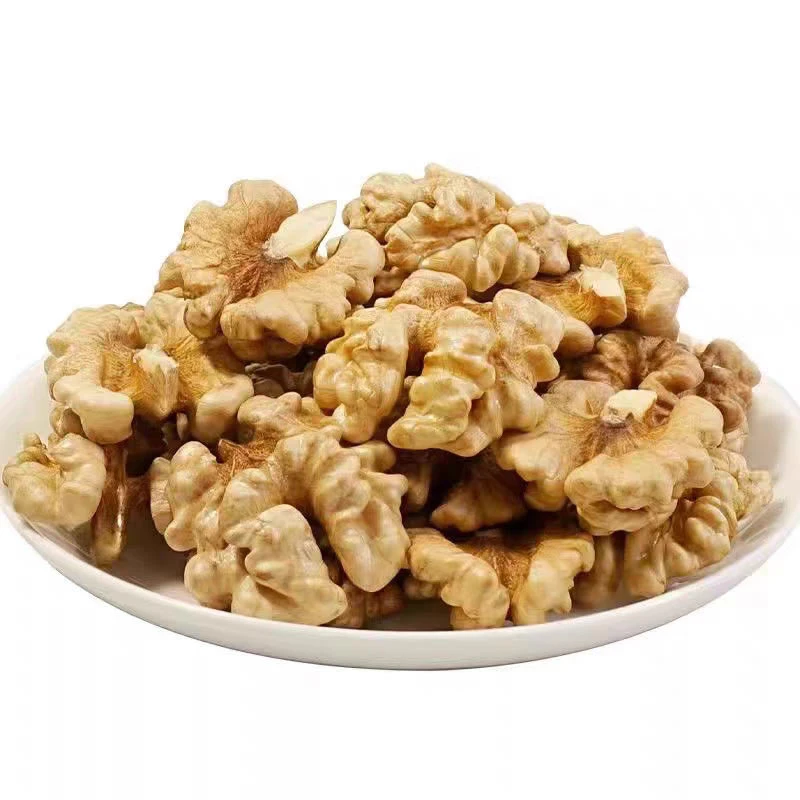
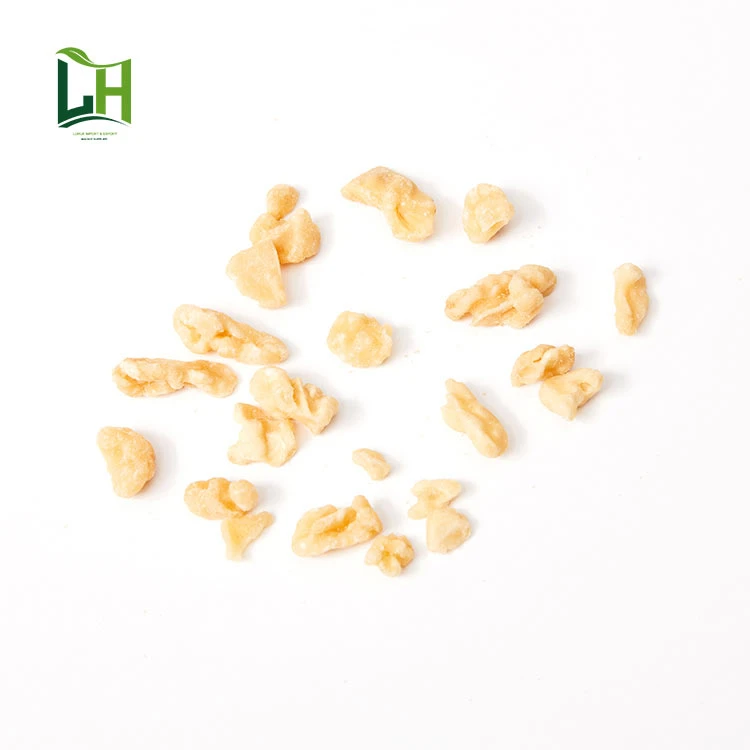
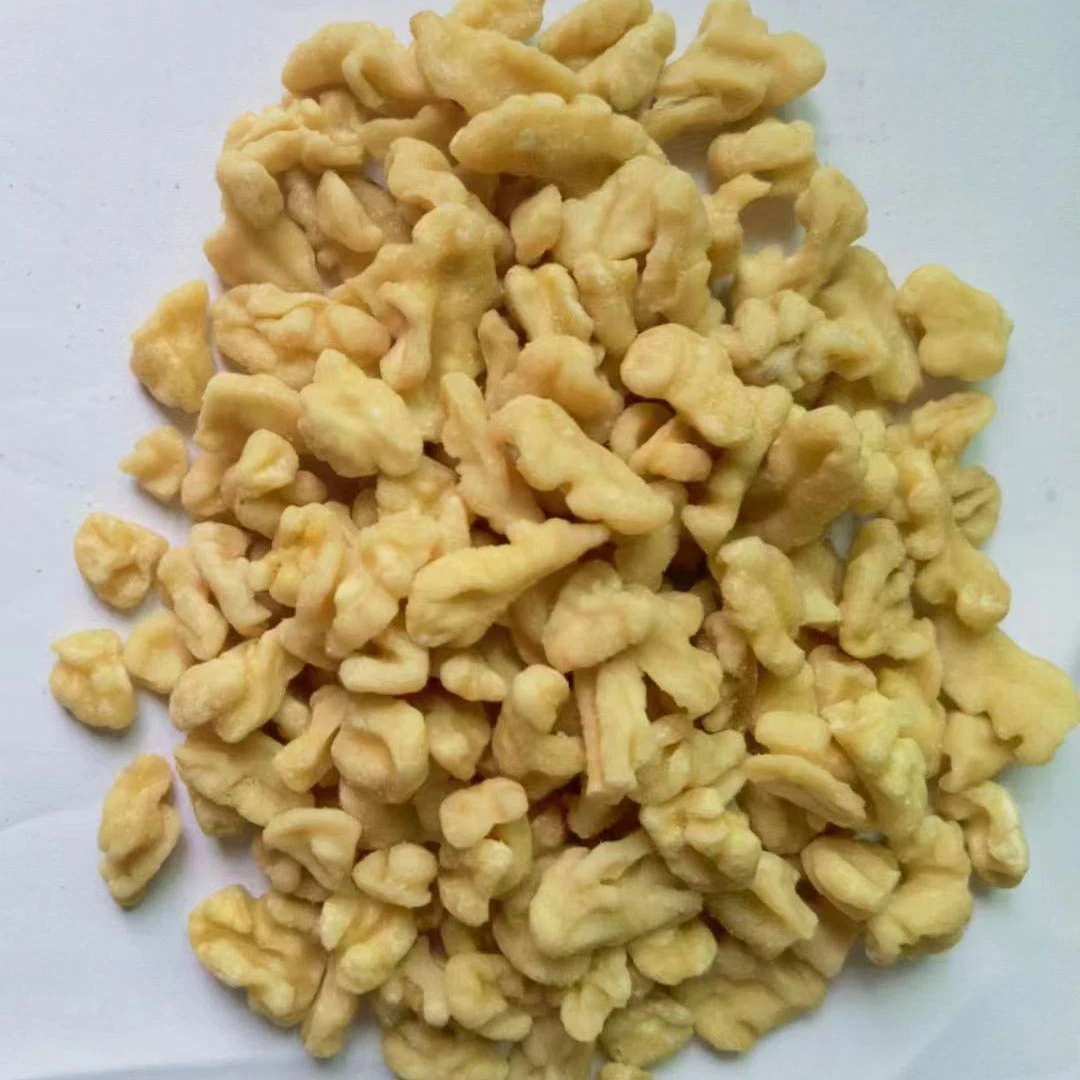
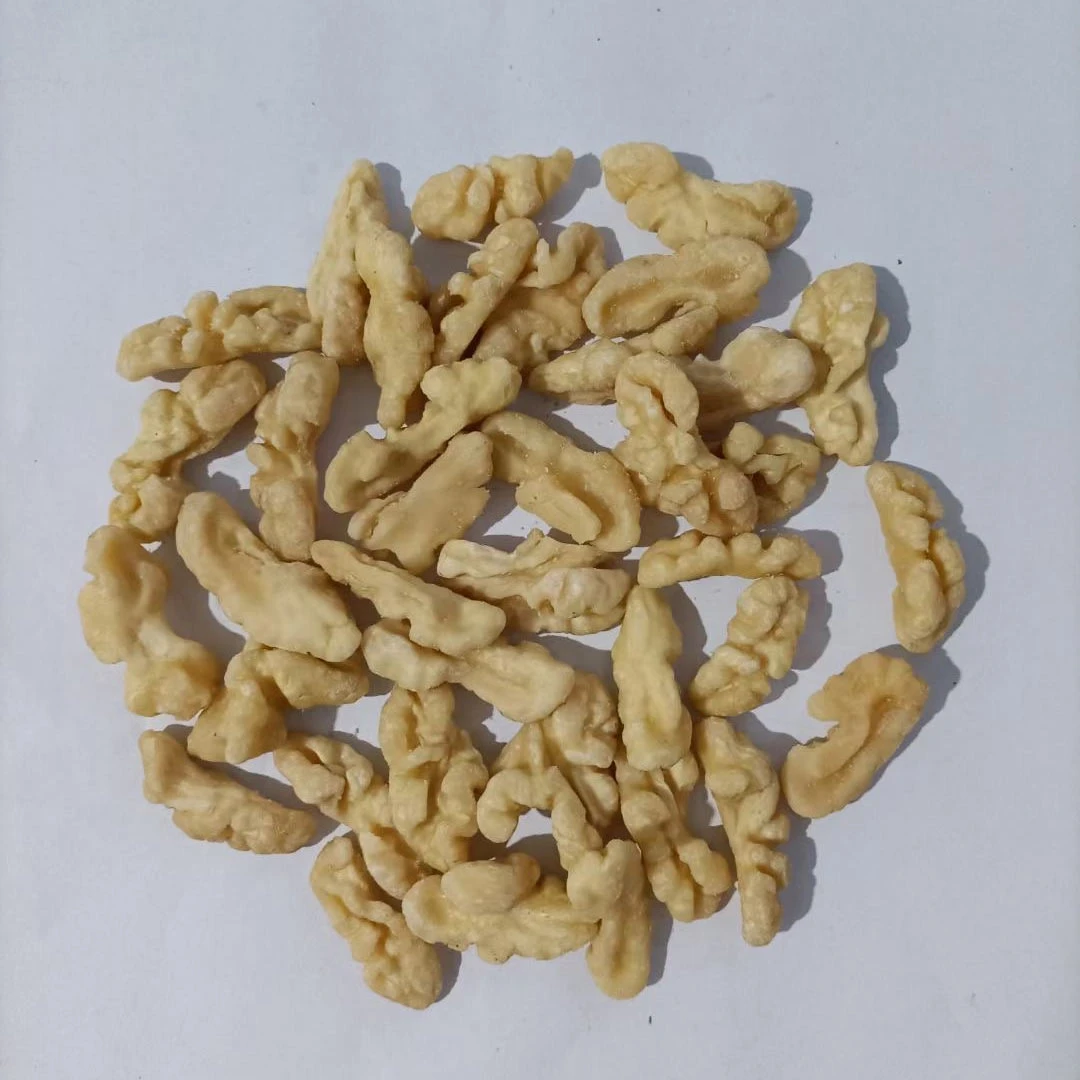
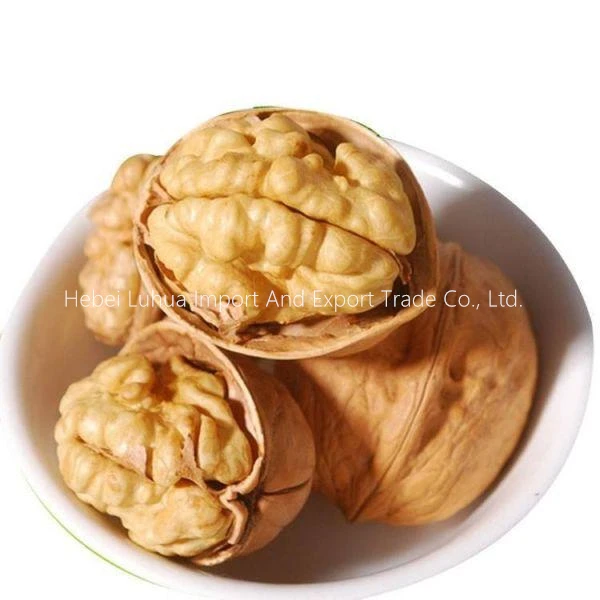
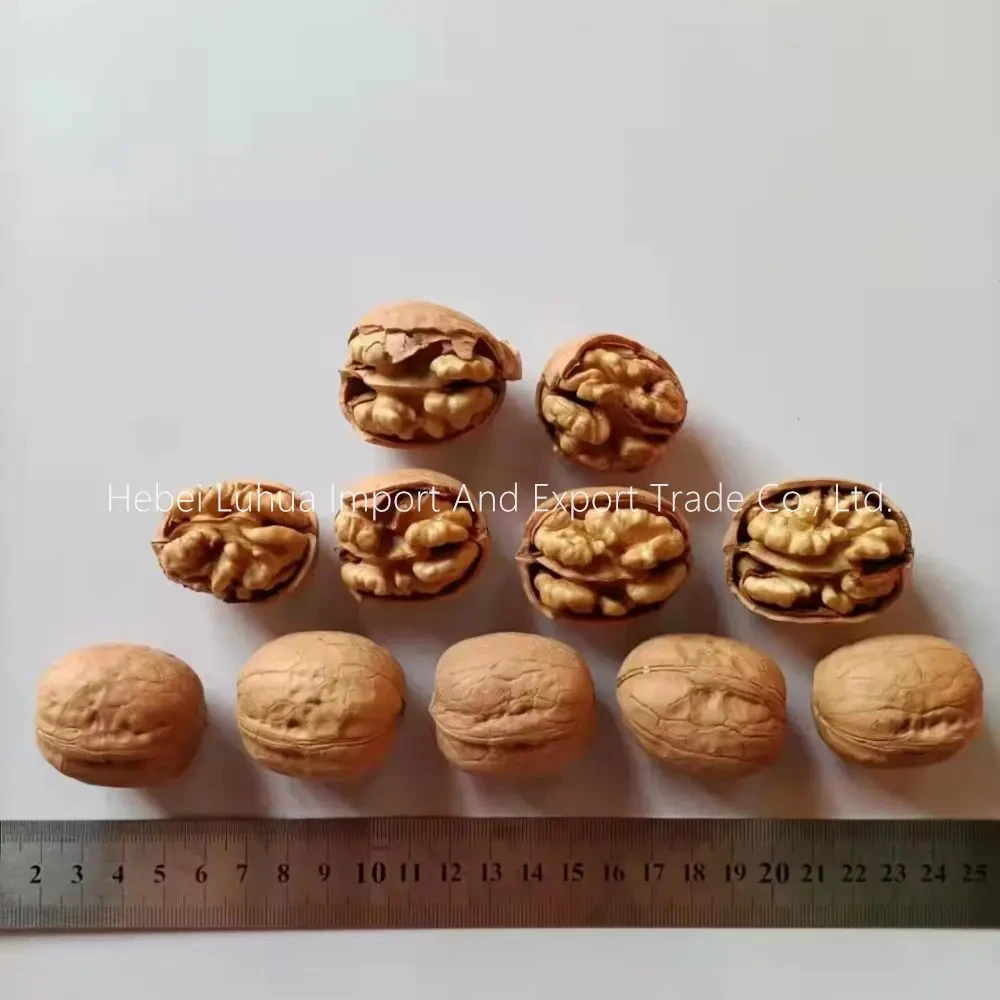
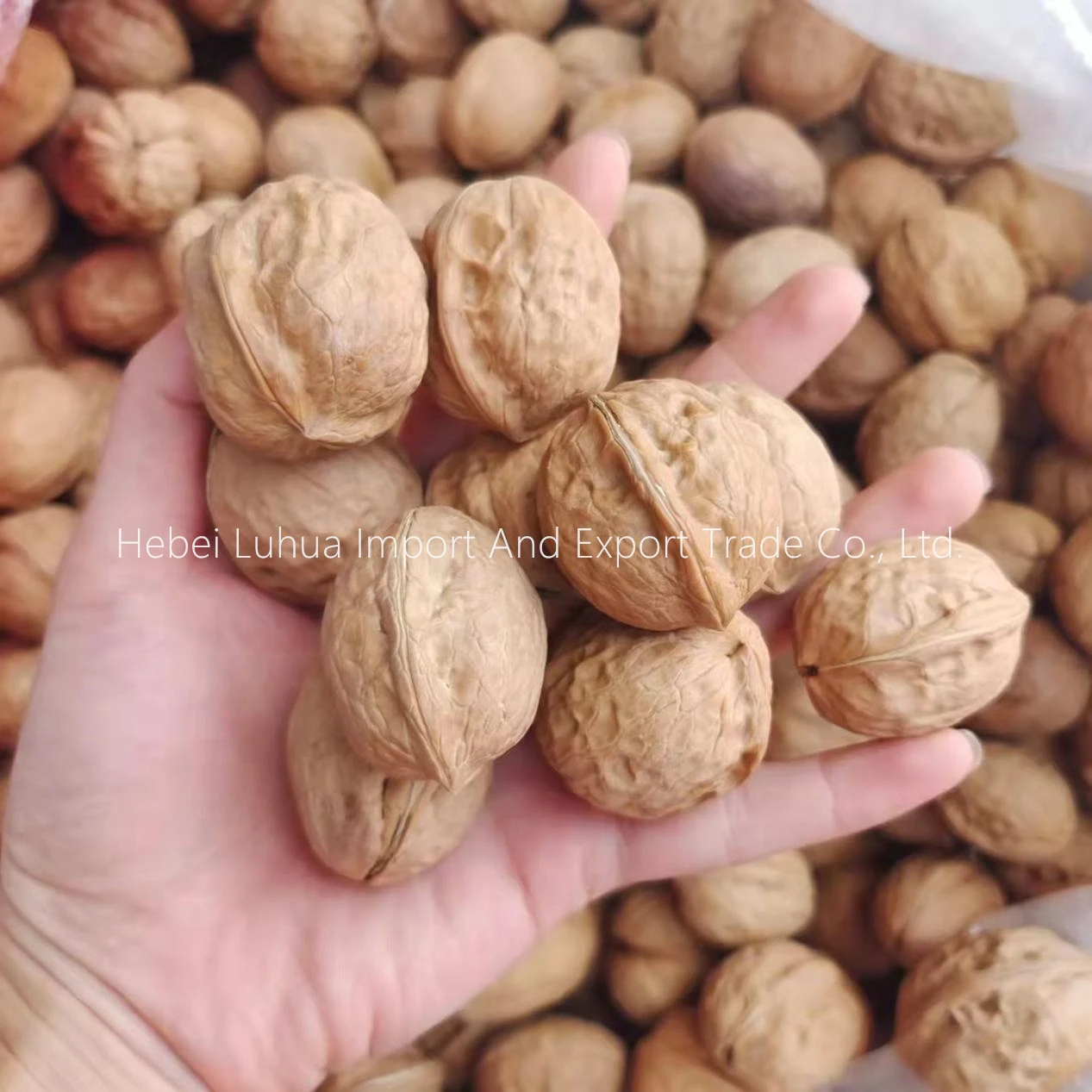
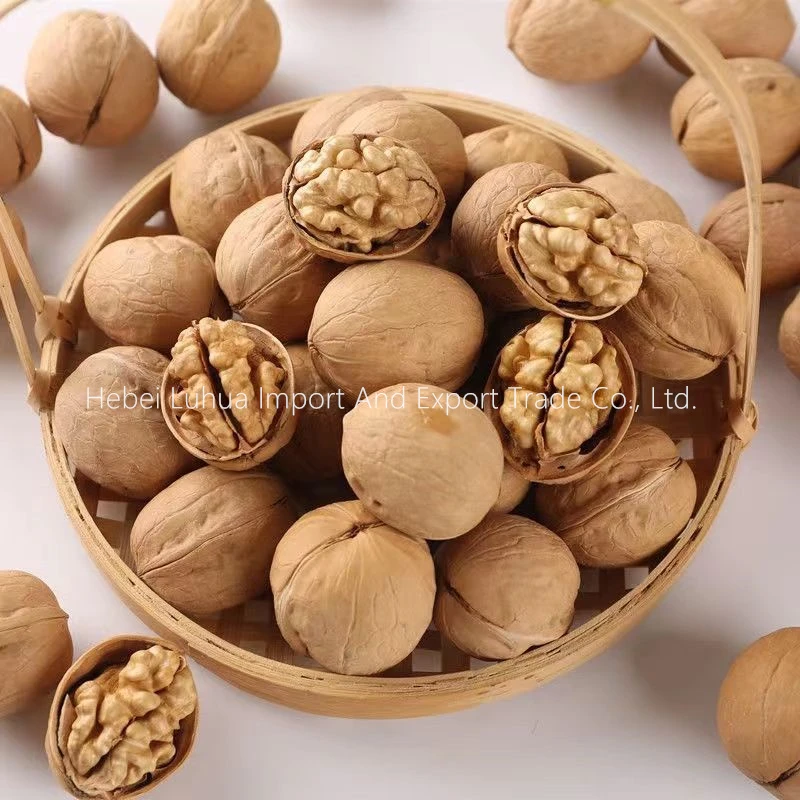
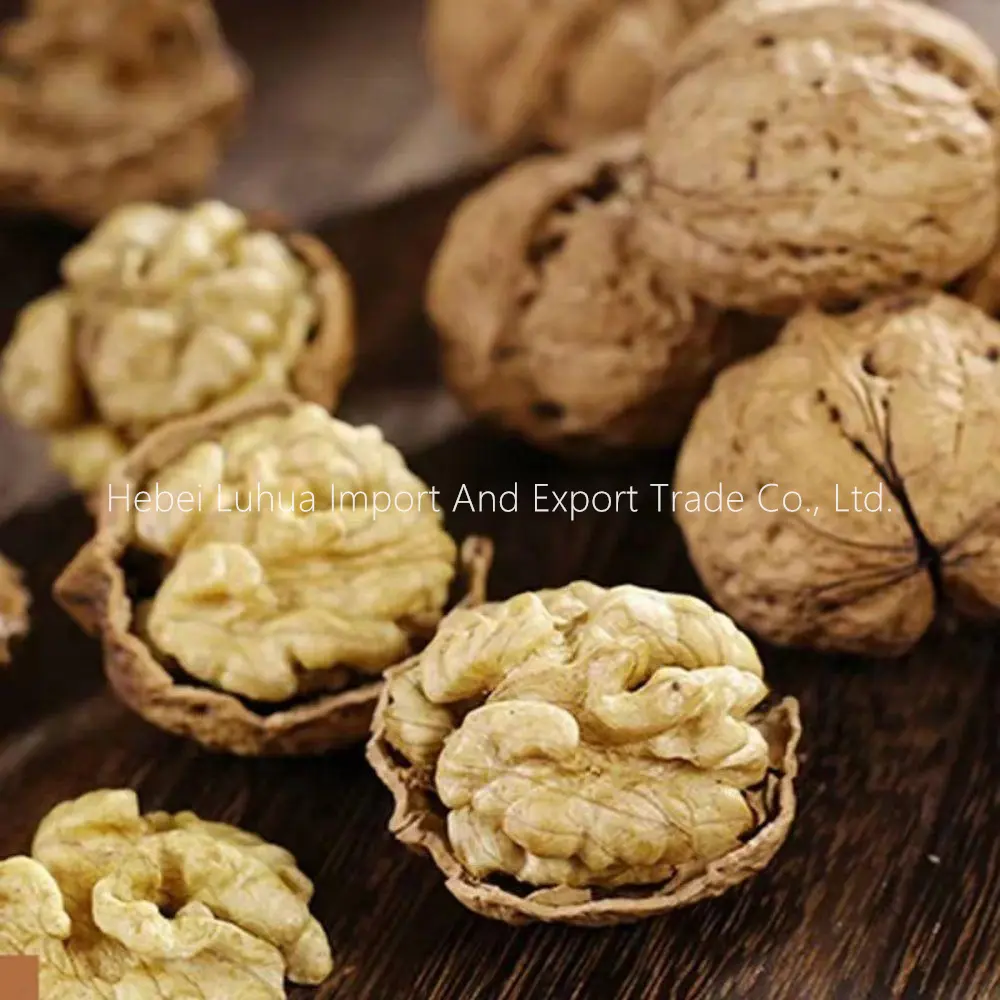
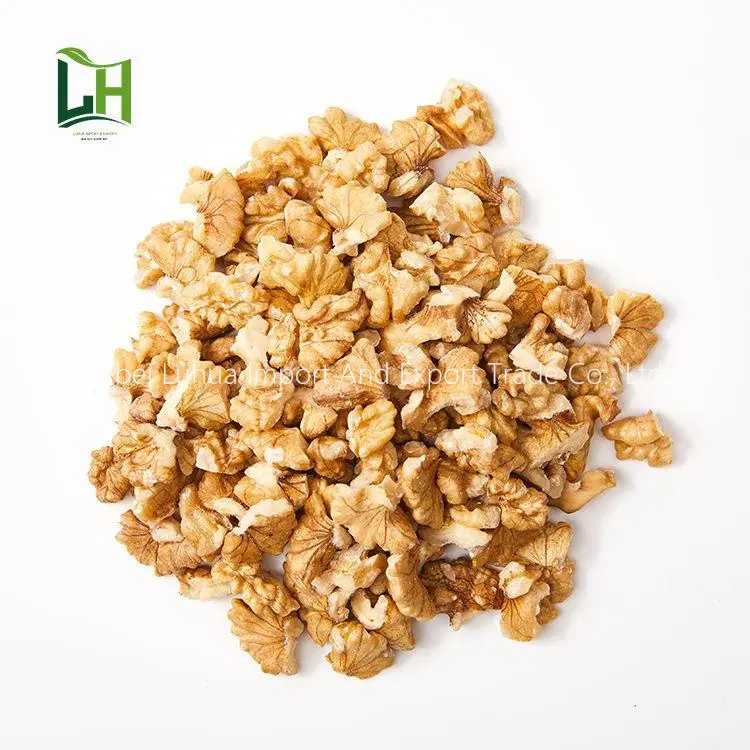
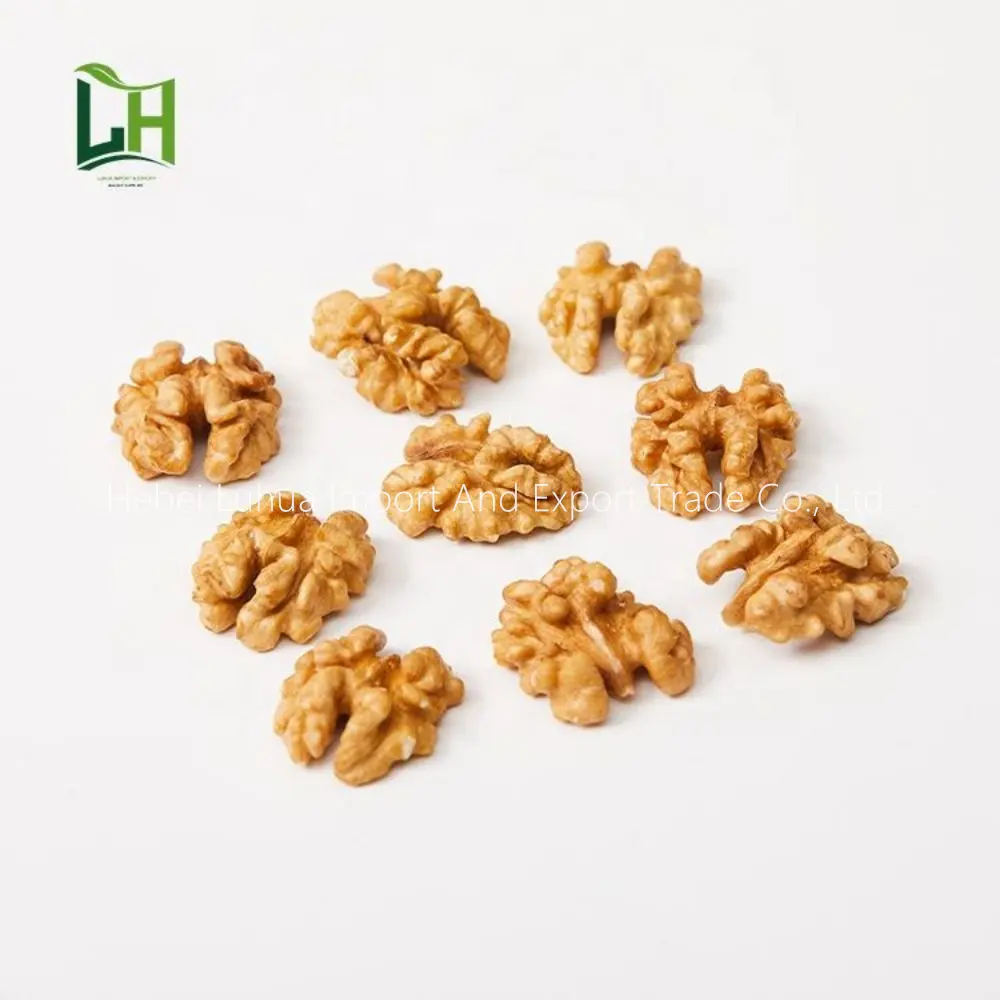
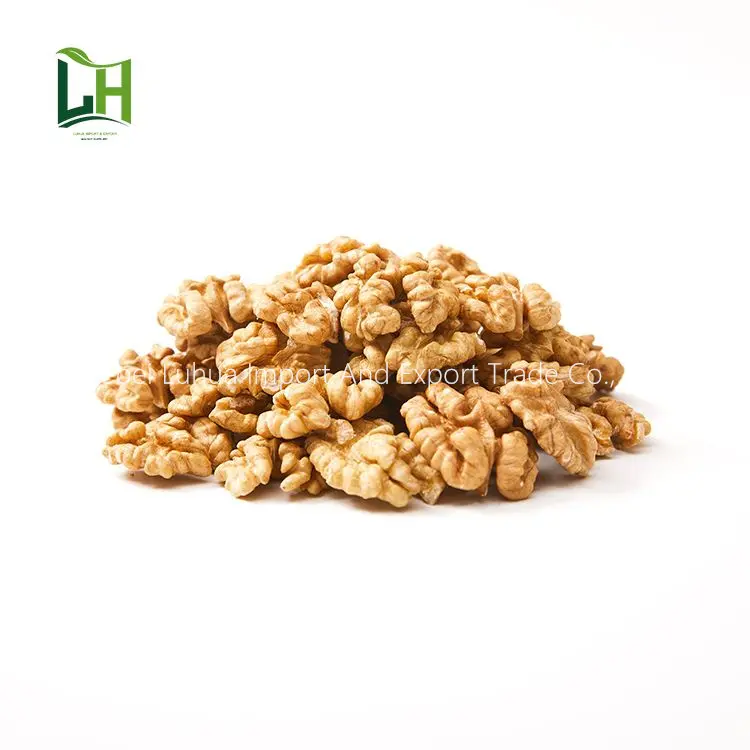
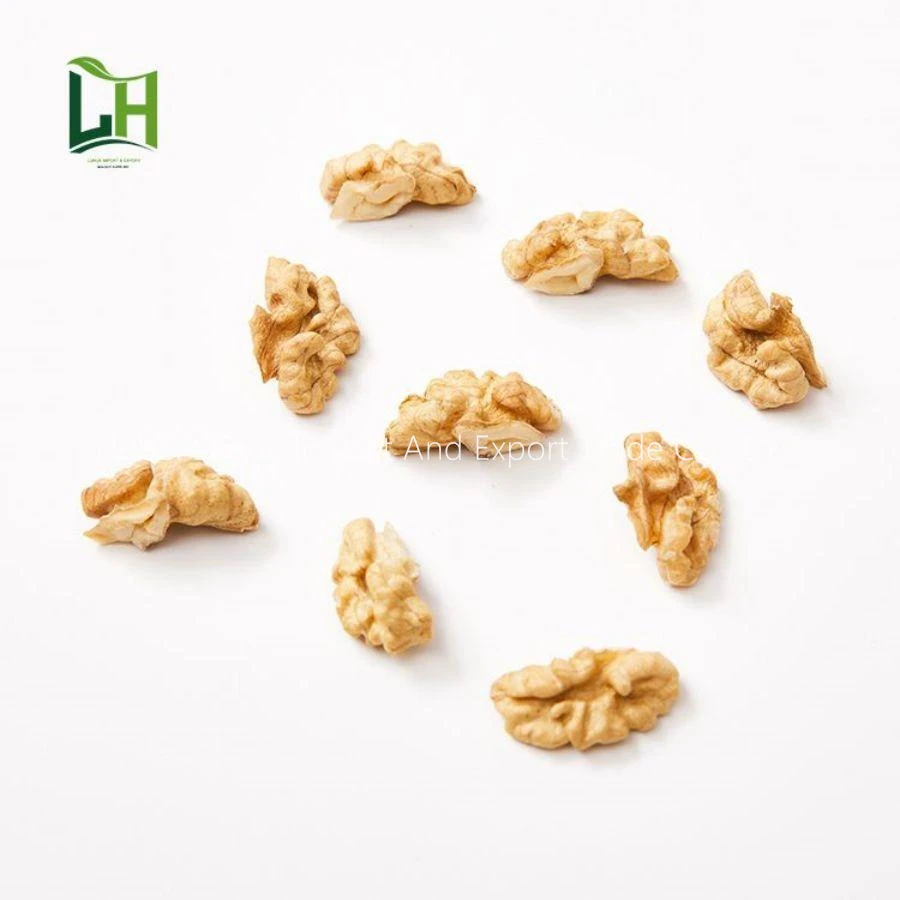
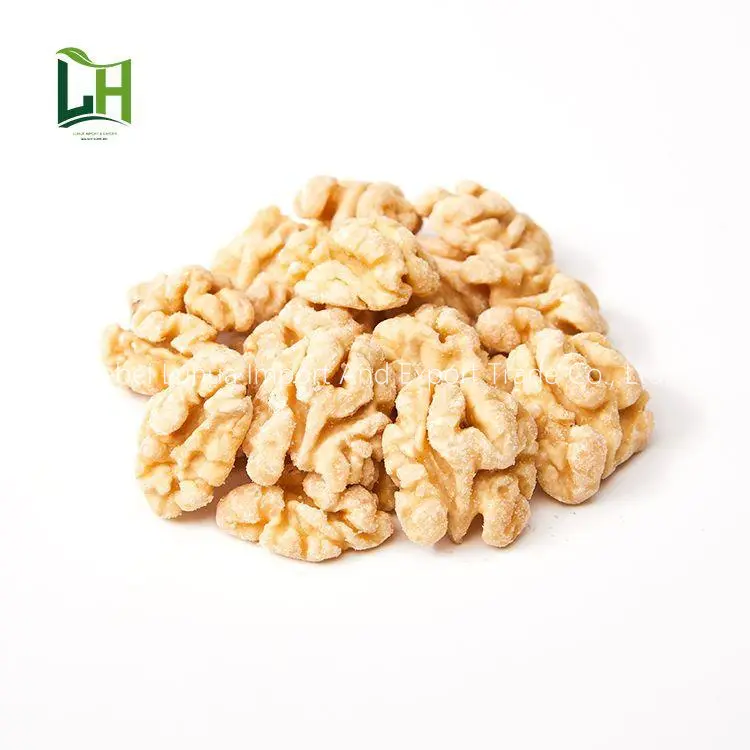
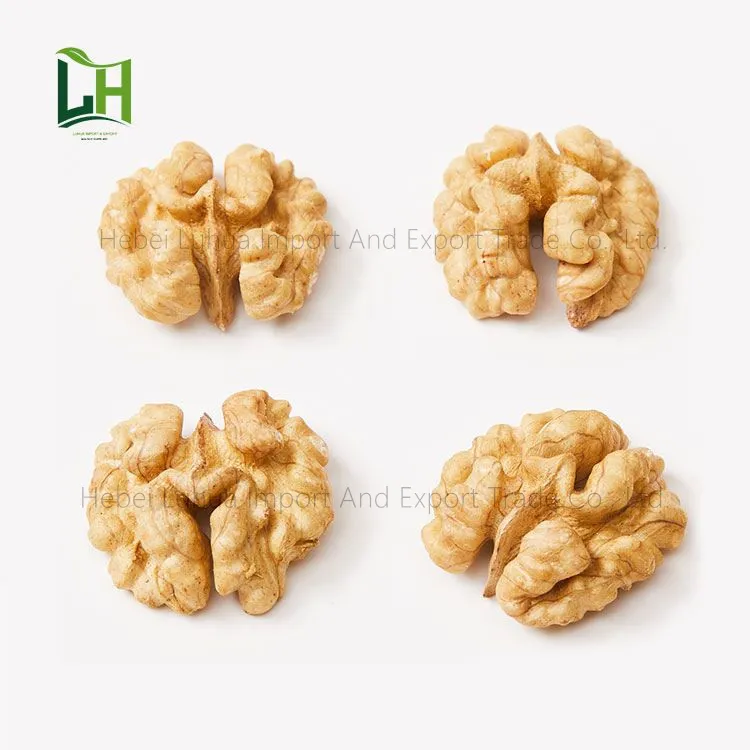
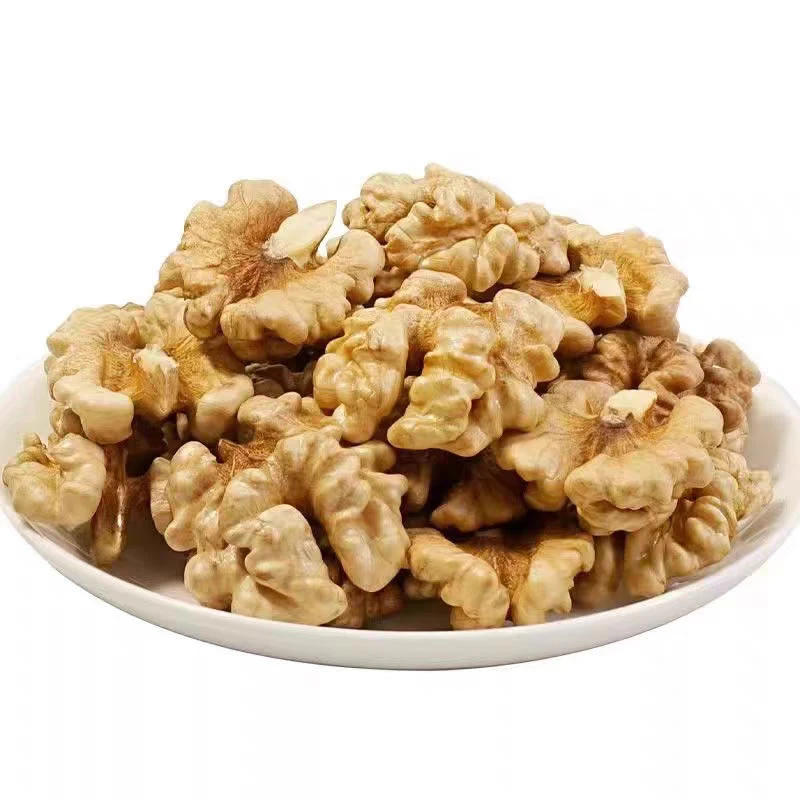
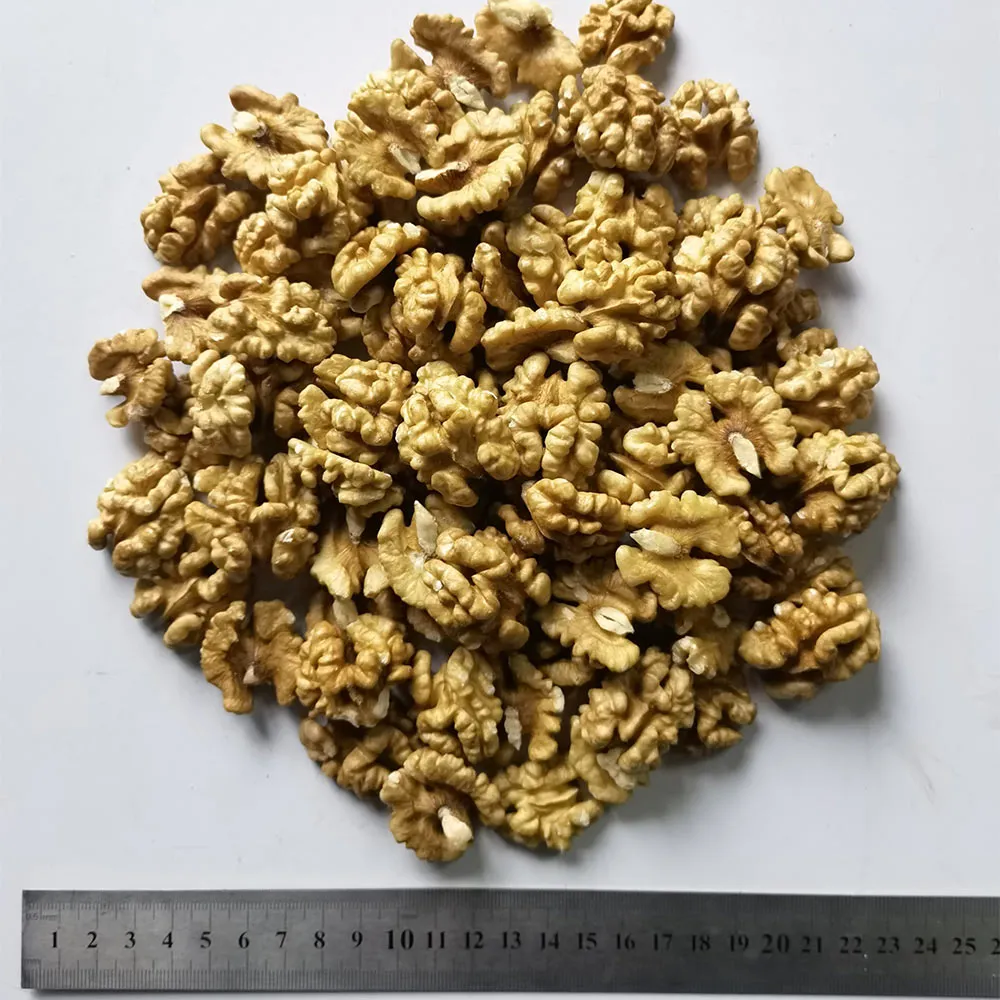
At Luhuawalnut, we provide high-quality walnuts at competitive prices. We work directly with growers to ensure consistent supply and quality. We offer a variety of walnut products, including in-shell, shelled halves, and pieces, catering to diverse customer needs. We’re committed to transparency and provide accurate pricing information to help you make informed purchasing decisions. We pride ourselves on efficient logistics and reliable delivery, making us a preferred partner for businesses and individuals alike.
Factors to Consider When Buying Walnuts
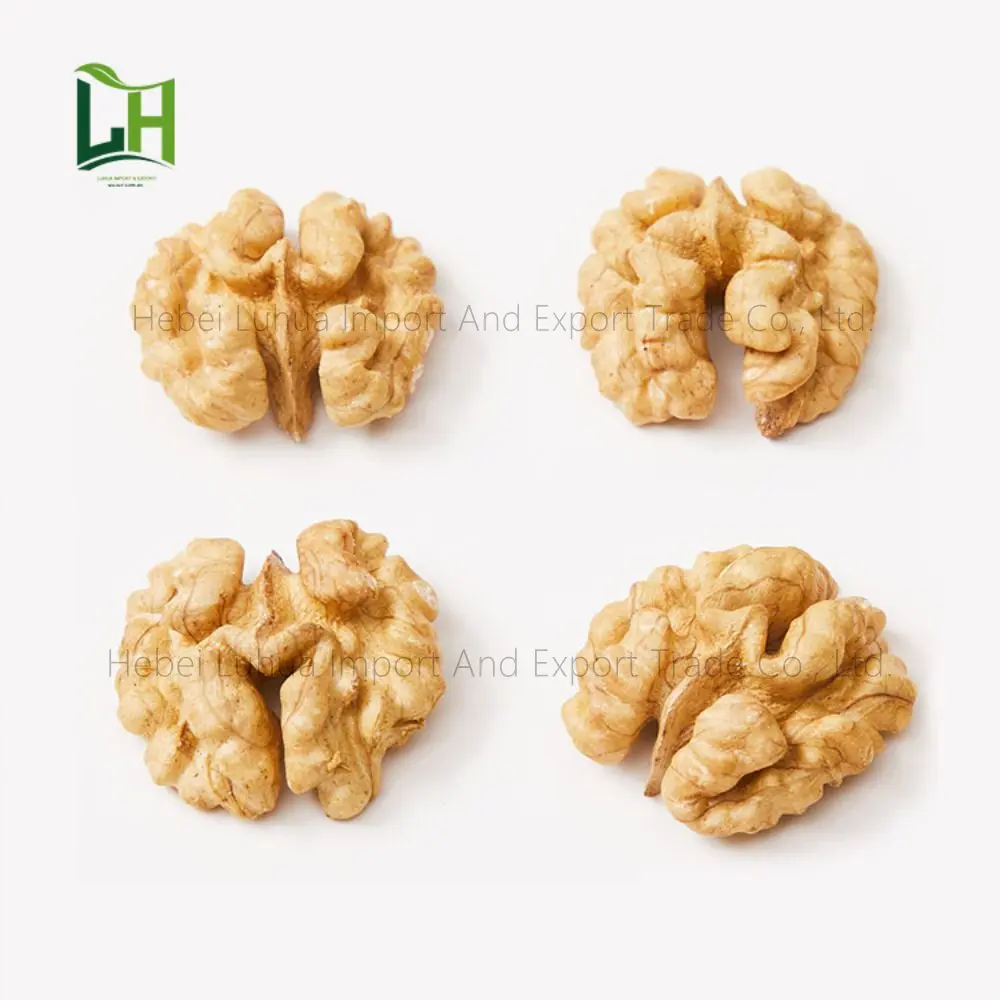
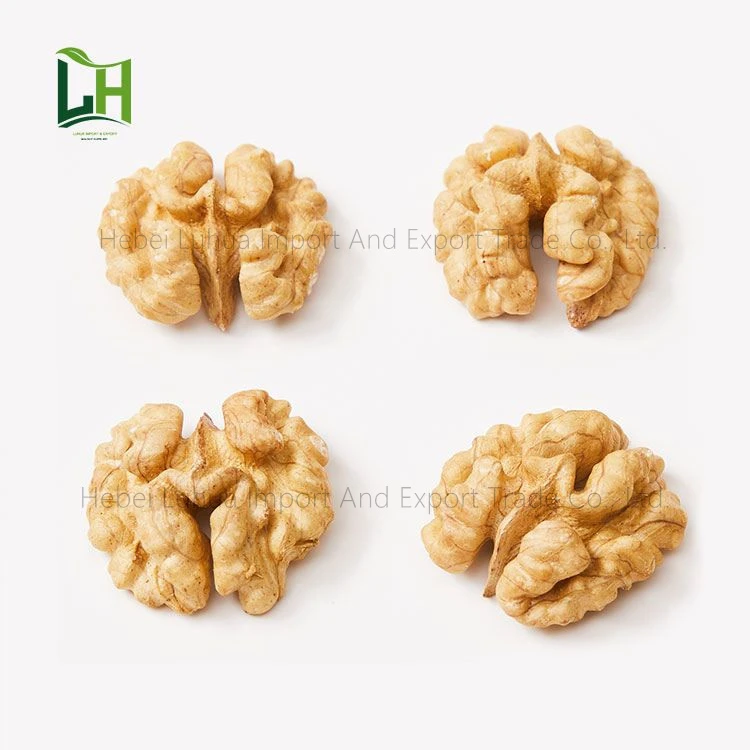
When purchasing walnuts, consider your intended use. For baking or snacking, shelled walnuts might be preferable. For longer-term storage or certain culinary applications, in-shell walnuts offer extended shelf life. Also, evaluate the quality of the walnuts – look for plump, evenly colored kernels with minimal blemishes. When sourcing from a supplier, inquire about their quality control processes and certifications to ensure you’re receiving a premium product. Finally, consider the quantity you need to optimize your purchase and potentially benefit from bulk discounts.
Conclusion: Navigating the Walnut Market with Confidence
Understanding the factors influencing walnut price is crucial for making informed decisions. By staying informed about market trends, regional variations, and quality considerations, you can secure the best value for your needs. Luhuawalnut is dedicated to providing premium walnuts and expert guidance, ensuring a smooth and satisfactory purchasing experience.
Frequently Asked Questions (FAQs)
What causes sudden spikes in walnut prices?
Sudden spikes in walnut prices are typically caused by unforeseen events impacting supply. These can include severe weather conditions like frost or drought in major growing regions, impacting the harvest yield. Unexpected increases in demand from key export markets can also drive prices upwards. Geopolitical events or disruptions to supply chains, such as transportation issues, can further exacerbate price volatility. Monitoring weather patterns, global economic indicators, and trade news is crucial for anticipating potential price fluctuations.
How does the quality of walnuts affect the price?
Higher quality walnuts, characterized by plump, evenly colored kernels, minimal blemishes, and a fresh taste, command a premium price. Walnuts with broken kernels, discoloration, or signs of mold are typically sold at lower prices. The size and weight of the walnut halves also influence the price, with larger halves generally being more valuable. Processors carefully grade walnuts based on these quality characteristics, and prices are adjusted accordingly.
Are organic walnuts more expensive than conventional walnuts?
Yes, organic walnuts generally command a higher price than conventionally grown walnuts. This is due to the more rigorous farming practices required for organic certification, including the avoidance of synthetic pesticides and fertilizers. Organic walnut production typically yields lower volumes, further contributing to higher costs. Consumers are often willing to pay a premium for organic walnuts due to their perceived health and environmental benefits.
What is the best way to store walnuts to maintain their quality and price value?
To maintain the quality and price value of walnuts, proper storage is crucial. Store walnuts in an airtight container in a cool, dark, and dry place. Refrigeration or freezing can significantly extend their shelf life. Avoid exposure to direct sunlight, heat, and moisture, as these can cause the walnuts to become rancid. In-shell walnuts generally have a longer shelf life than shelled walnuts.
Post time:Mar . 09, 2026 02:45