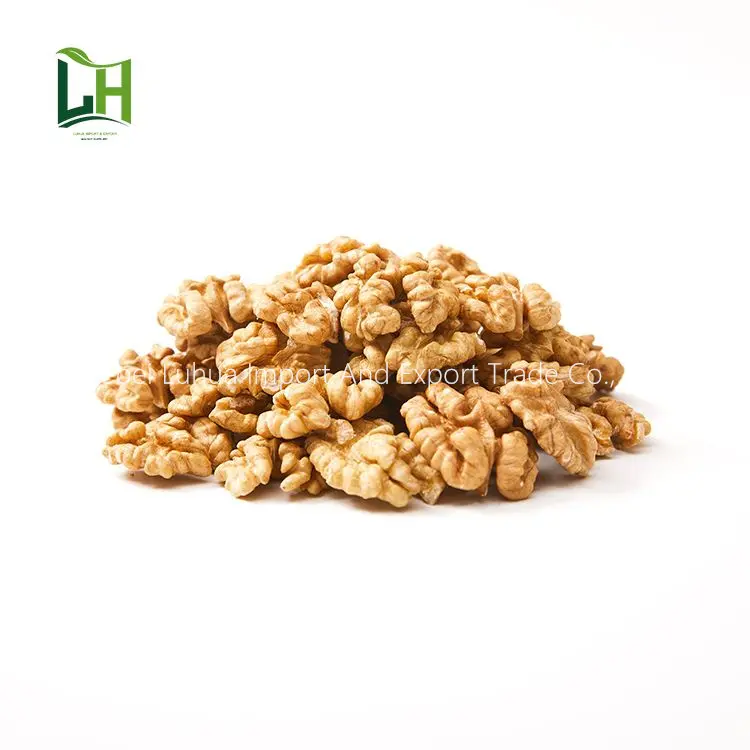
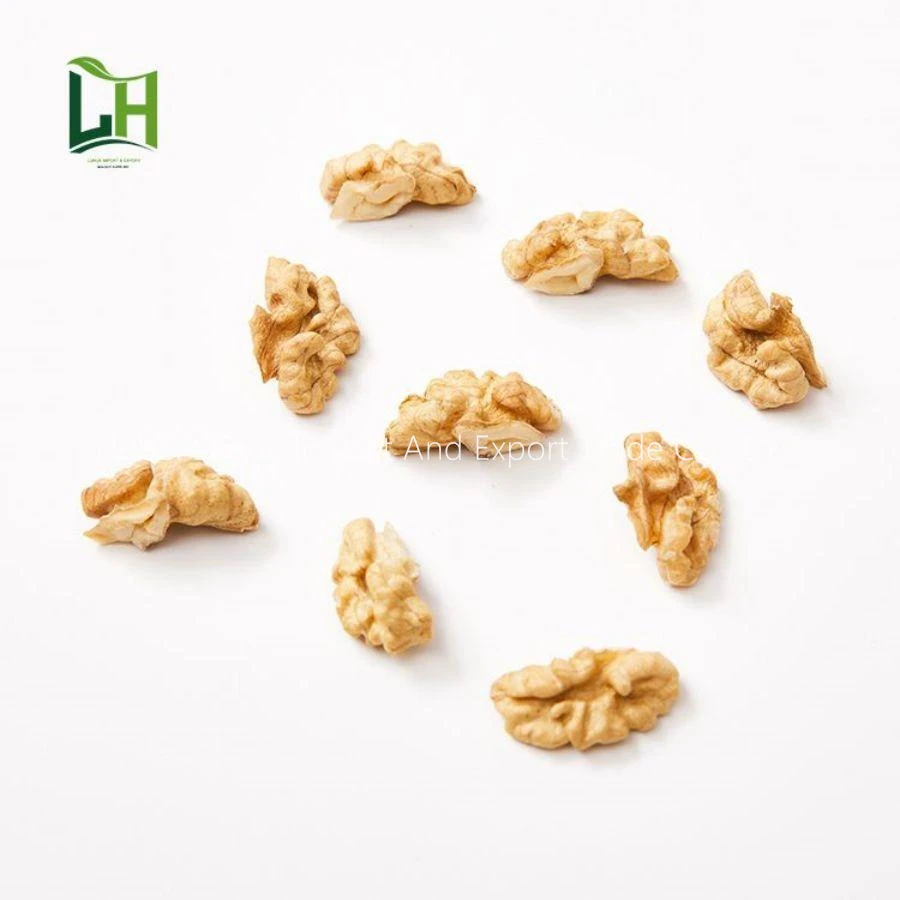
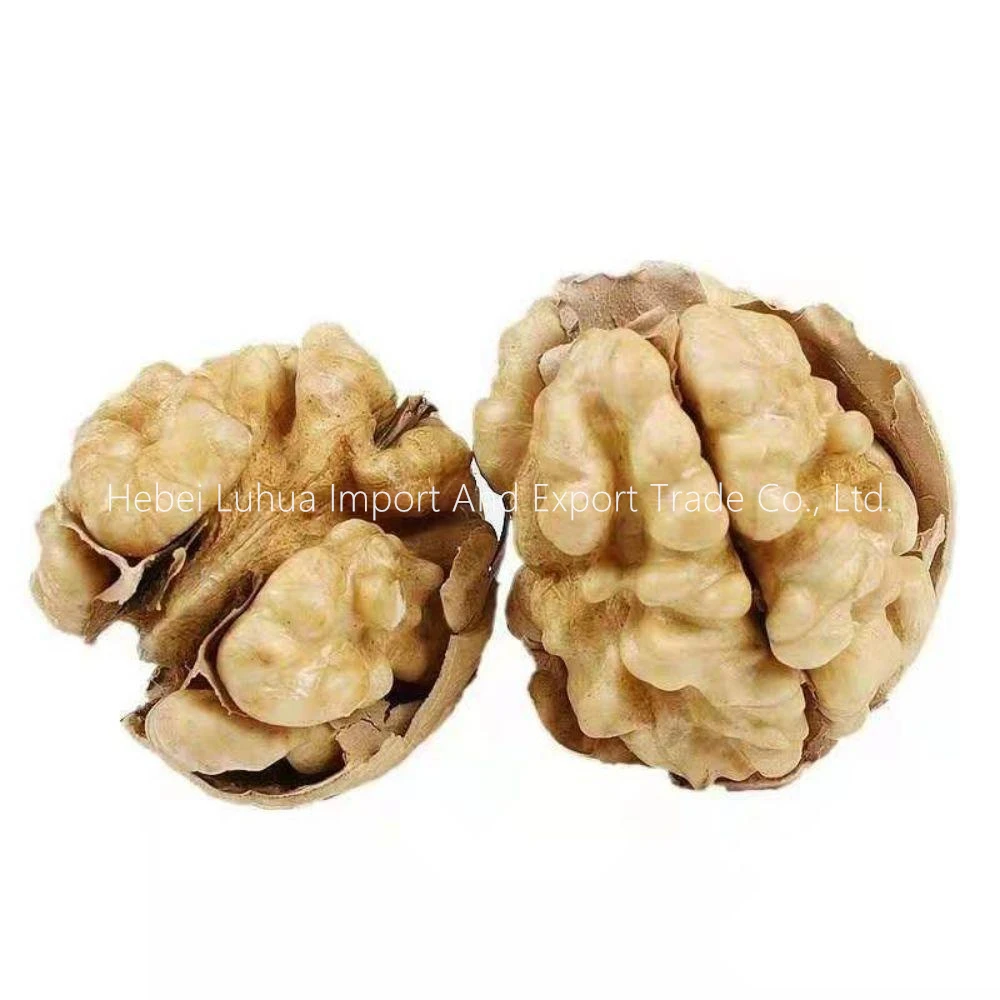
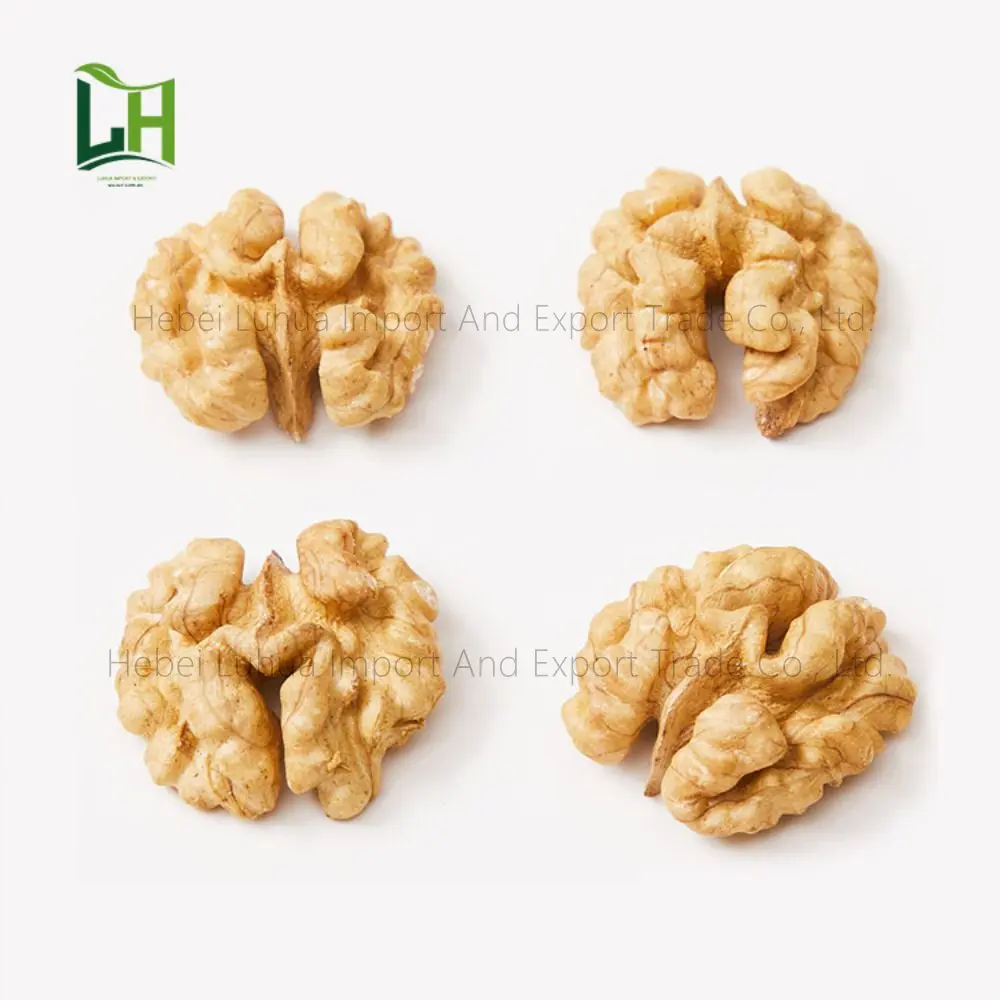
What’s the Big Deal About Cracking a Walnut?
If you've ever stared down a walnut and wondered how to open it efficiently, you’re not alone. But beyond the kitchen counter curiosity, cracking a walnut represents a surprisingly rich topic with global significance. Why? Because this small act highlights the intimate intersection of design, force, precision, and sustainability in industries ranging from food processing to biomaterials research. Understanding how to crack a walnut well — literally and metaphorically — reveals insights that ripple through agricultural sectors, manufacturing, and even humanitarian aid.
Globally, walnuts are a prize crop worth billions, with the United States, China, and Iran leading in production according to recent FAO statistics. But unlocking their value isn’t just about brute force; it requires finesse, innovation, and technology. So, a basic task like cracking nuts is at once an ancient craft and a modern engineering challenge that affects everything from supply chain efficiency to food waste reduction.
Cracking a Walnut in the World Today: Why It Matters
Worldwide, walnut consumption has surged by roughly 4% annually over the past decade (source: International Nut & Dried Fruit Council). This growth demands better techniques for cracking walnuts that reduce damage to kernels while increasing output. Especially in large-scale processing plants, damaged nuts can mean massive financial losses and increased environmental burden.
Yet, it's not only industrialists who face challenges. Smallholder farmers and post-harvest processors in regions like Central Asia and the Mediterranean rely on manual methods that often waste significant portions of the nut. Balancing tradition with modern efficiency remains a tricky puzzle. So, cracking a walnut becomes a case study in scaling solutions without losing the artisan’s touch — an echo of many development challenges in agriculture worldwide.
Defining Cracking a Walnut: What Does It Entail?
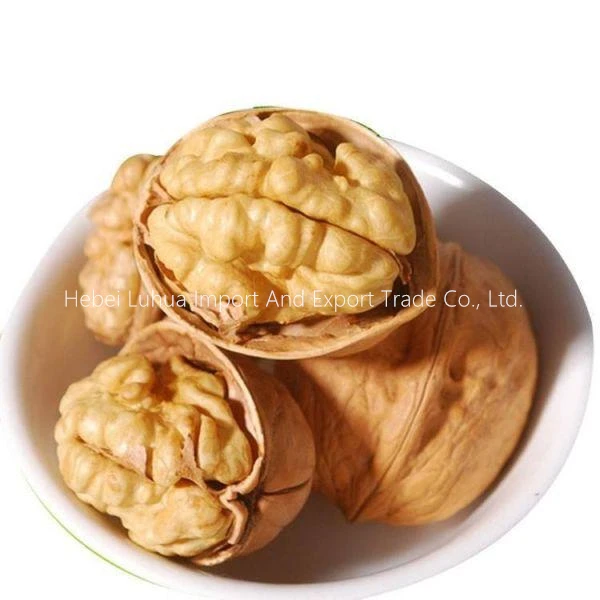
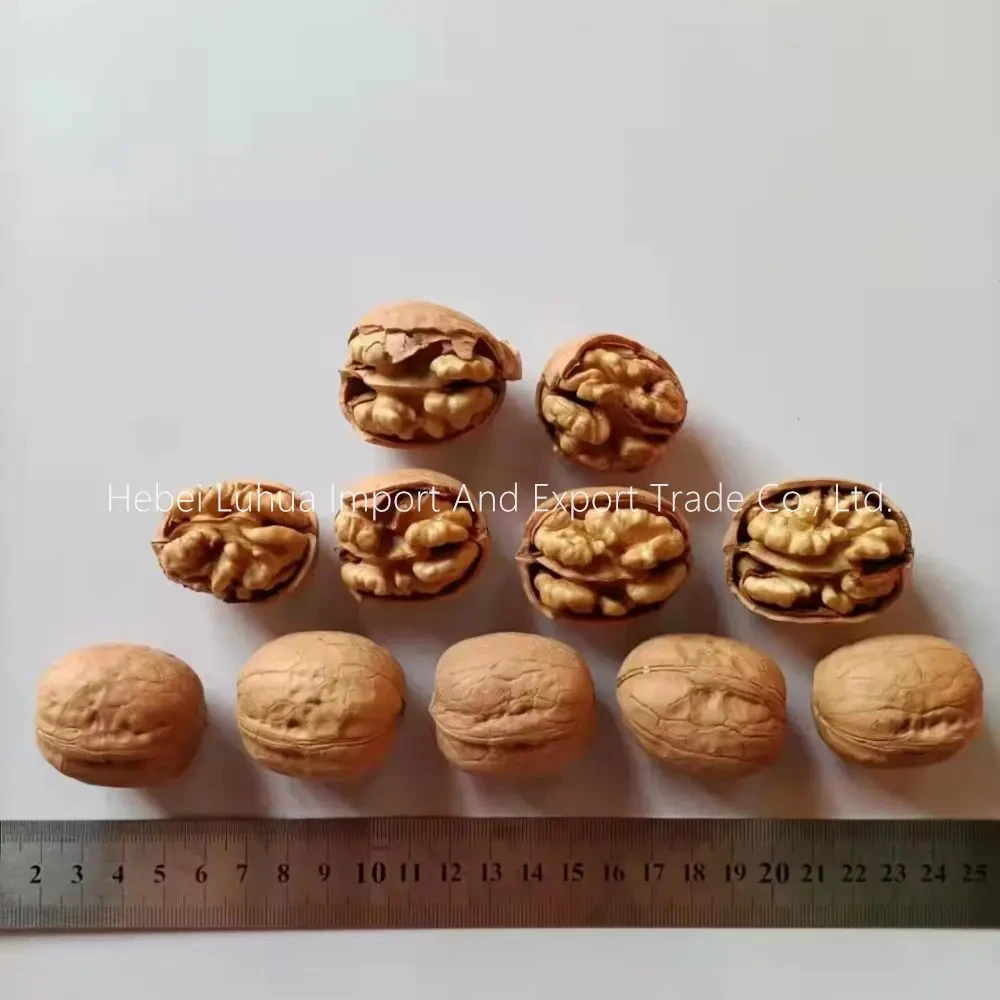
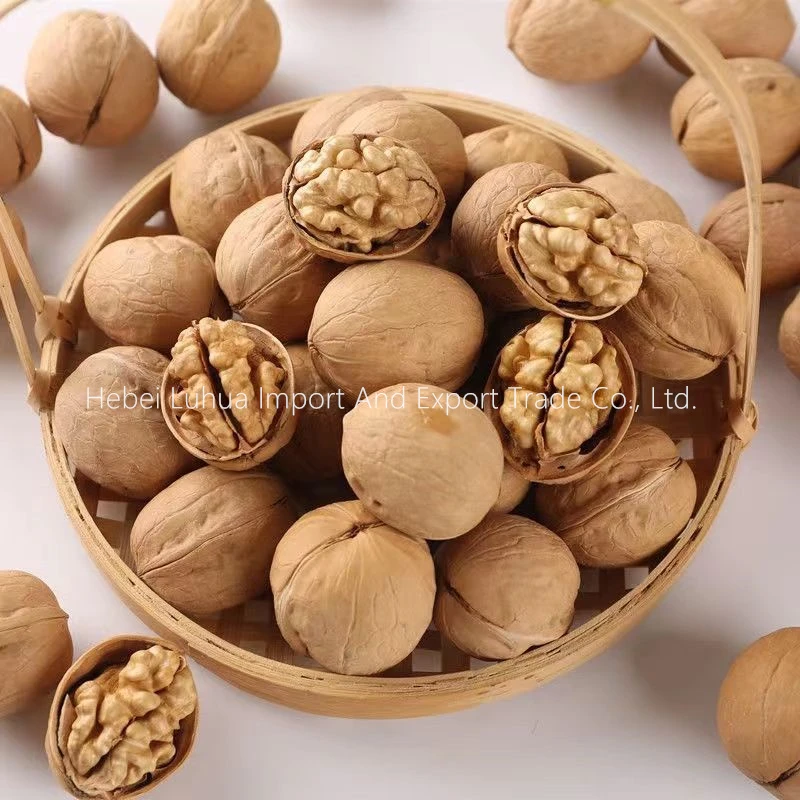
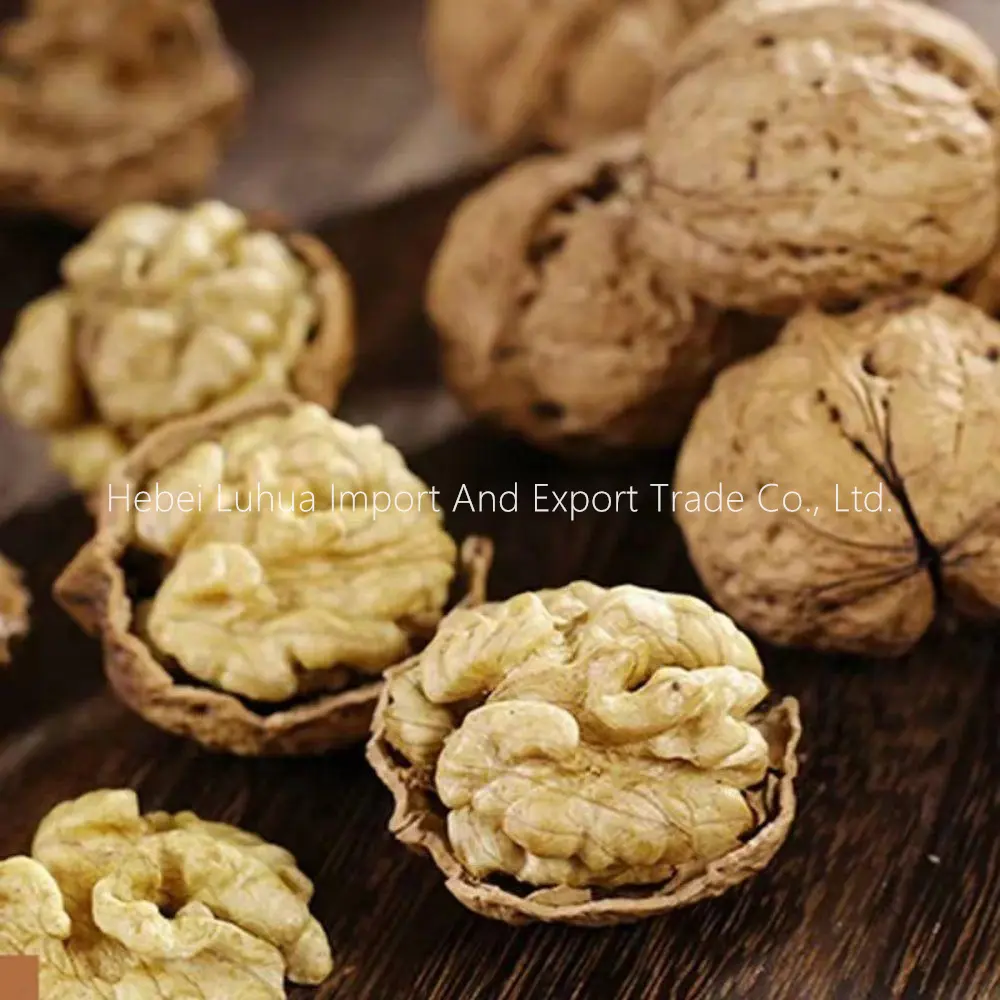
Put simply, cracking a walnut is the controlled application of pressure to break the shell without destroying the valuable kernel inside. This requires understanding the walnut’s anatomy — a hard, corrugated shell encasing a delicate seed — and precisely balancing force, angle, and speed. It’s more than brute force; it’s almost an art.
In practical terms, cracking walnuts involves varied tools and methods: from traditional handheld nutcrackers to automated industrial machines. These technologies impact industries such as food manufacturing, where shelled walnuts become ingredients for confectionery, bakery, and health foods. Additionally, cracking technology informs packaging design, kernel quality control, and even environmental waste management, because shells are often repurposed.
Core Components of Effective Walnut Cracking
1. Pressure Control
The trickiest part is applying enough pressure to break the shell but not the kernel. Many machines use adjustable pressure settings to accommodate different walnut varieties and moisture levels.
2. Shell Thickness and Structure
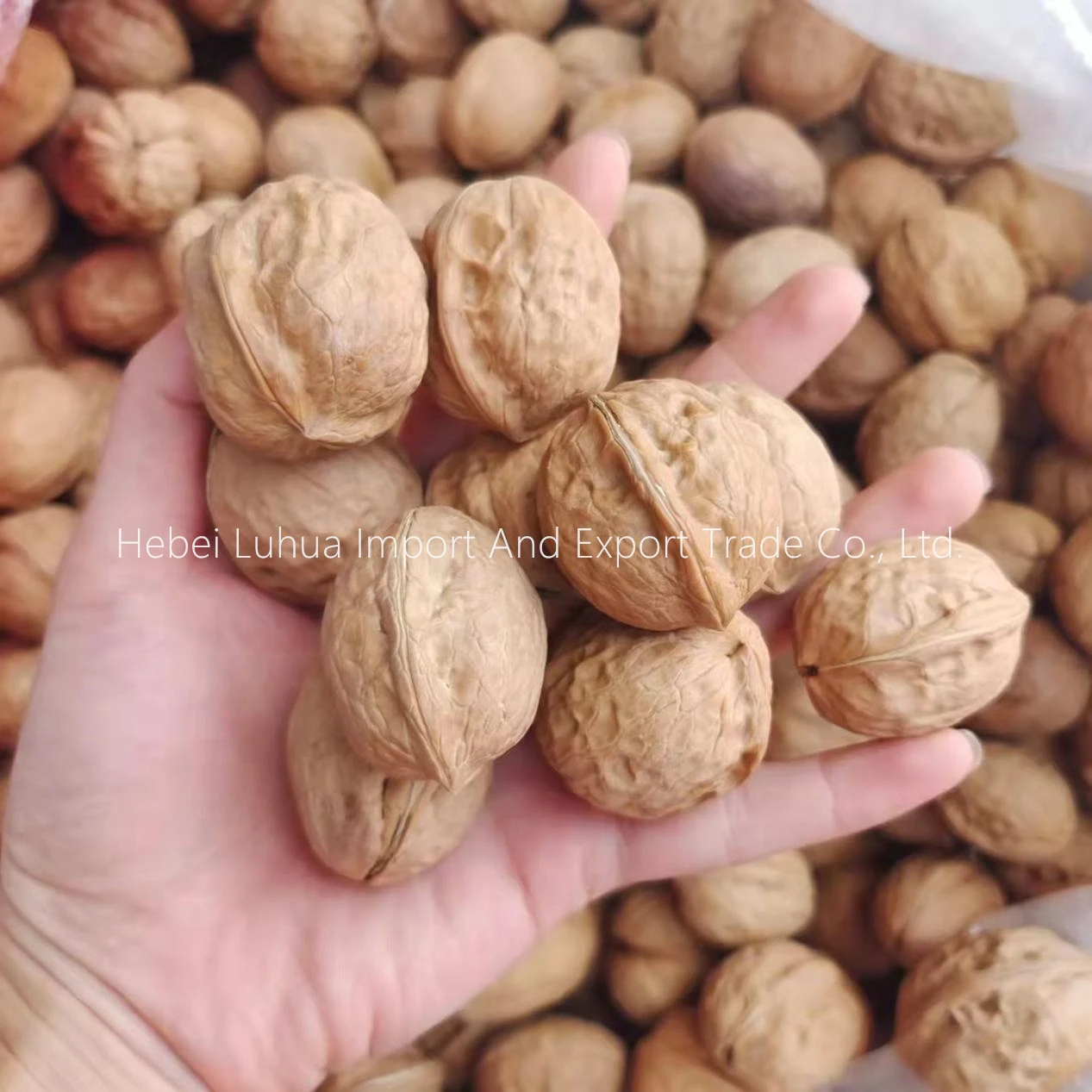
Walnut shells vary by geography and climate. Understanding these variations helps in tuning cracking techniques for maximum efficiency.
3. Speed and Throughput
Industrial operations focus not just on cracking success but how many nuts can be processed per hour with minimal damage.
4. Cost Efficiency
Machines and manual tools alike must balance upfront costs with durability, maintenance, and energy consumption.
5. Sustainability
Shells are often recycled into biofuel or mulch, making cracking an entry point for waste reduction in agriculture.
A Quick Takeaway:
Cracking a walnut is deceptively simple yet encapsulates complex engineering and ecological considerations that ripple through global food systems.
How Cracking a Walnut Is Changing Industries Worldwide
From Californian orchards to Persian farms, the methods for cracking a walnut are evolving alongside regional demands and technology. In the food industry, companies are investing in CNC-controlled shellers that improve cracking precision by 15–20%, reducing kernel breakage significantly. Meanwhile, in humanitarian aid contexts, small-scale cracking devices powered by solar energy have helped increase local farmers' incomes by allowing efficient kernel extraction without electricity.
Take the example of a family cooperative in Iran, where introducing affordable cracking devices dramatically raised productivity. Previously, workers used stones or manual pliers, resulting in up to 30% loss of kernels. Now, with mechanized cracking, they have improved yield and better product quality, opening new export opportunities.
Advantages and Long-Term Value of Smart Cracking
- Economic Gains: Reduced waste and increased throughput lead to better margins.
- Social Impact: Safer working conditions and improved livelihoods.
- Environmental Benefits: Reuse of shells cut down landfill and generate bioenergy.
- Product Consistency: Uniform cracking leads to higher consumer satisfaction.
Product Specification Table: Typical Walnut Cracker Performance
| Feature | Value | Notes |
|---|---|---|
| Cracking Pressure Range | 300-600 N | Adjustable by species |
| Throughput | Up to 1200 nuts/hour | Dependent on machine type |
| Kernel Damage Rate | Benchmark for efficiency | |
| Power Source | Electric / Manual / Solar | Varies by model |
| Shell Waste Recyclability | >90% | Often composted or biofuel feedstock |
Vendor Comparison: Walnut Cracking Machines
| Vendor | Model | Capacity | Price (USD) | Unique Feature |
|---|---|---|---|---|
| NutCrack Pro | NC-500 | 1000 nuts/hr | $4500 | Adjustable pressure and speed |
| GreenShell Tech | EcoCrack S10 | 850 nuts/hr | $3900 | Solar powered option |
| ShellMaster | SM-1000 | 1200 nuts/hr | $5700 | High throughput + hull separation |
Innovation and Future Trends in Walnut Cracking
Looking ahead, the walnut cracking sector is quietly embracing automation, AI, and eco-friendly materials. Smart machines now use sensors to detect shell cracks in real time and adjust force on the fly, which minimizes kernel damage and human oversight. Some prototypes incorporate robotic arms for sorting cracked shells and kernels, blending agriculture with Industry 4.0 principles.
Even greener approaches pop up — bio-based lubricants, energy-efficient motors, and full solar energy integration promise to reduce carbon footprints. Plus, with rising consumer interest in sustainable practices, transparency and traceability of walnut processing from farm to fork become priority. It feels like a small world revolution brewing inside a walnut shell.
Challenges in Cracking a Walnut and How to Overcome Them
Not everything is cracked open yet. Key obstacles include the diversity of walnut varieties, variable moisture content, and small-scale operators’ lack of affordable technology. Breakage rates can remain stubbornly high, wasting valuable product, and many manual methods risk injury or inefficiency.
Experts suggest hybrid approaches: combining manual skill with mechanized assistance or incorporating low-cost force sensors to optimize cracking. Training programs for farmers and processors also boost adoption of new methods. Frankly, it takes a fine balance between honoring tradition and embracing innovation.
Frequently Asked Questions About Cracking a Walnut
Q1: What’s the best way to crack a walnut without damaging the kernel?
A1: The key is applying controlled pressure just enough to break the shell while avoiding crushing the kernel. Using adjustable mechanical crackers or manually pressing at the shell’s weakest points helps minimize damage.
Q2: How do industrial walnut crackers differ from manual nutcrackers?
A2: Industrial machines offer automated, high-throughput cracking with precise pressure control and shell separation, while manual tools rely on simple leverage and user skill. Industry machines reduce waste and speed up processing.
Q3: Can cracked walnut shells be reused?
A3: Absolutely. Shells are often repurposed as mulch, biofuel, or in composite materials. Recycling shells reduces environmental waste and adds value to the walnut supply chain.
Q4: Are there eco-friendly walnut cracking solutions?
A4: Yes, solar-powered machines and low-energy models are emerging. These solutions reduce carbon footprints and allow cracking in off-grid areas, often benefiting smallholder farmers.
Q5: How can I improve cracking efficiency at a small processing facility?
A5: Invest in adjustable pressure-cracking machines, train staff in proper handling, and implement quality control measures to monitor kernel damage and throughput rates regularly.
Wrapping It Up: Why Unlocking the Walnut Matters
Cracking a walnut might seem humble, but it symbolizes an intricate dance of tradition, technology, and sustainability. It’s about getting the most out of nature’s bounty while minimizing waste and maximizing benefit. The journey from the hard shell to the nutty kernel captures global challenges — and solutions — that ripple through economies and ecosystems.
So next time you crack a walnut, remember: you're part of a broader story about efficient harvesting, smart engineering, and a quiet revolution in agricultural processing.
Interested in diving deeper? Visit us at cracking a walnut for more insights and equipment options.
References
Post time:Dec . 13, 2025 15:30