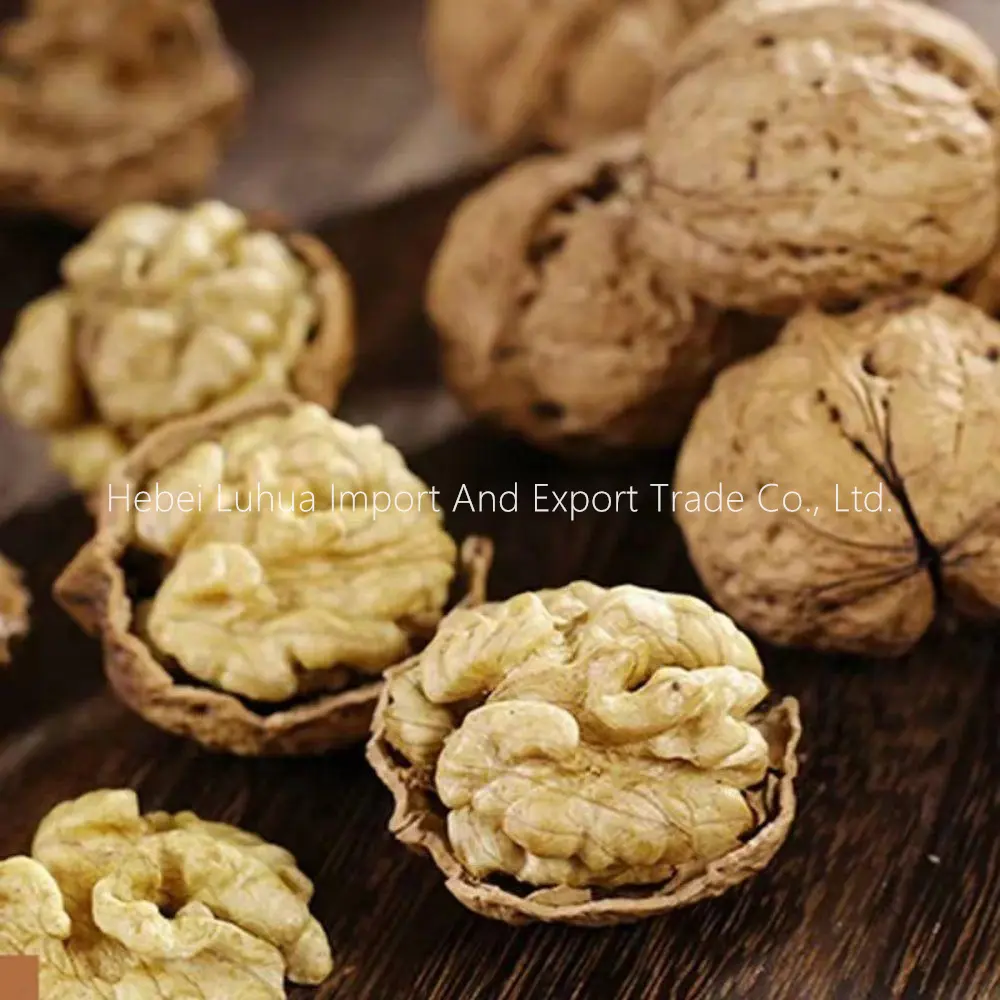
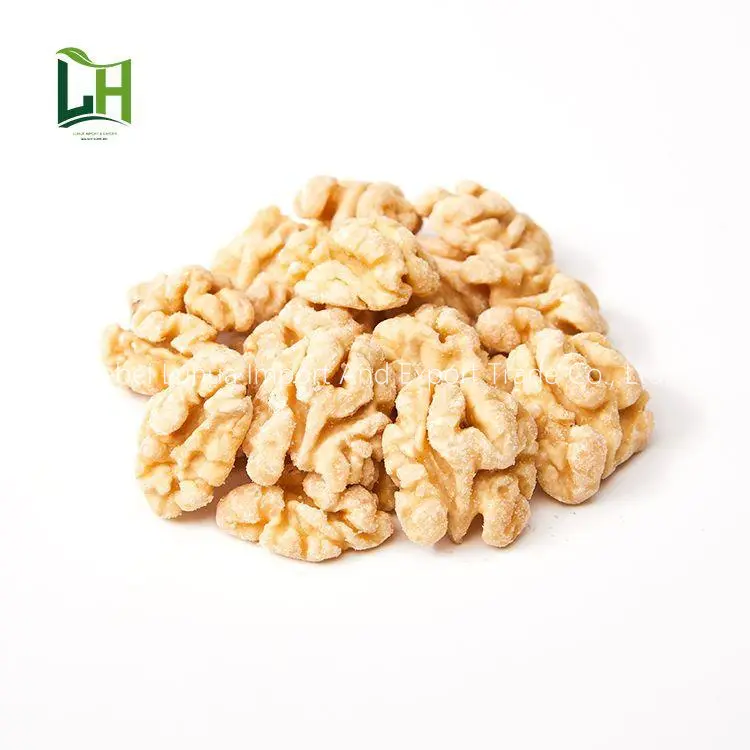
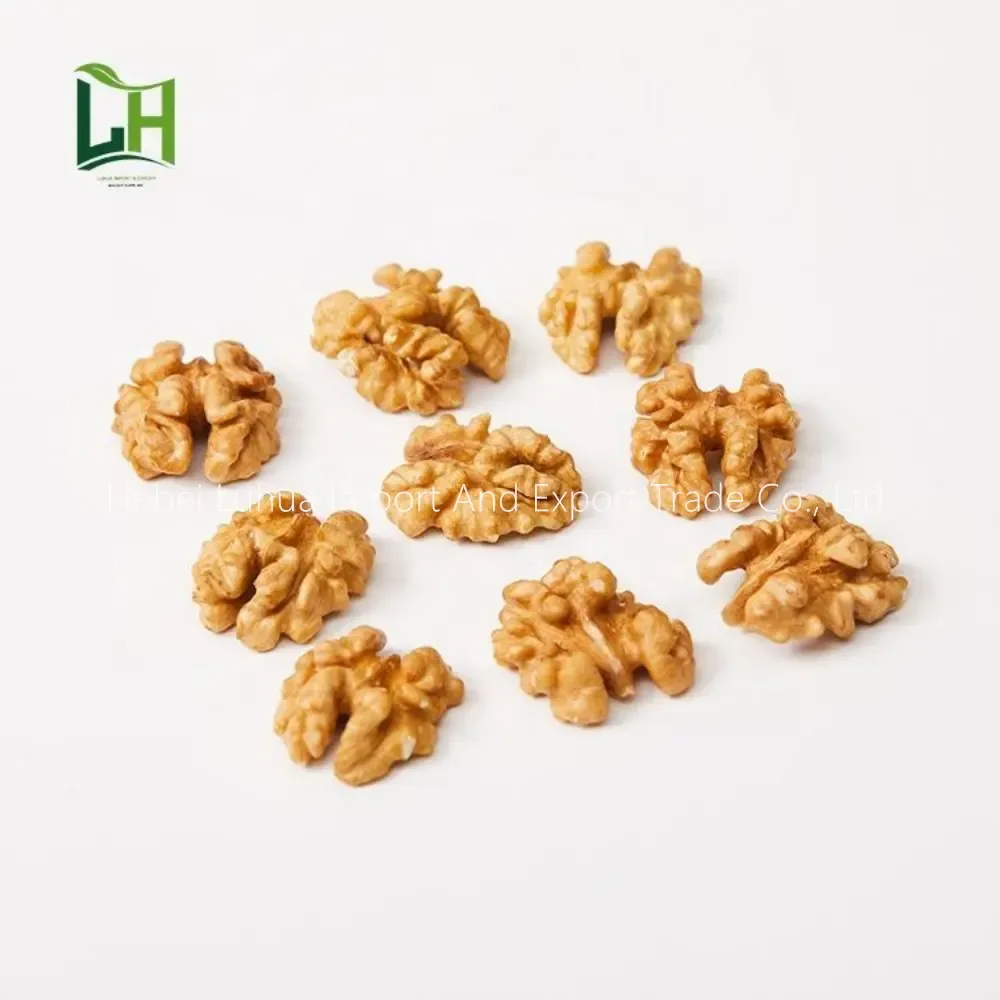
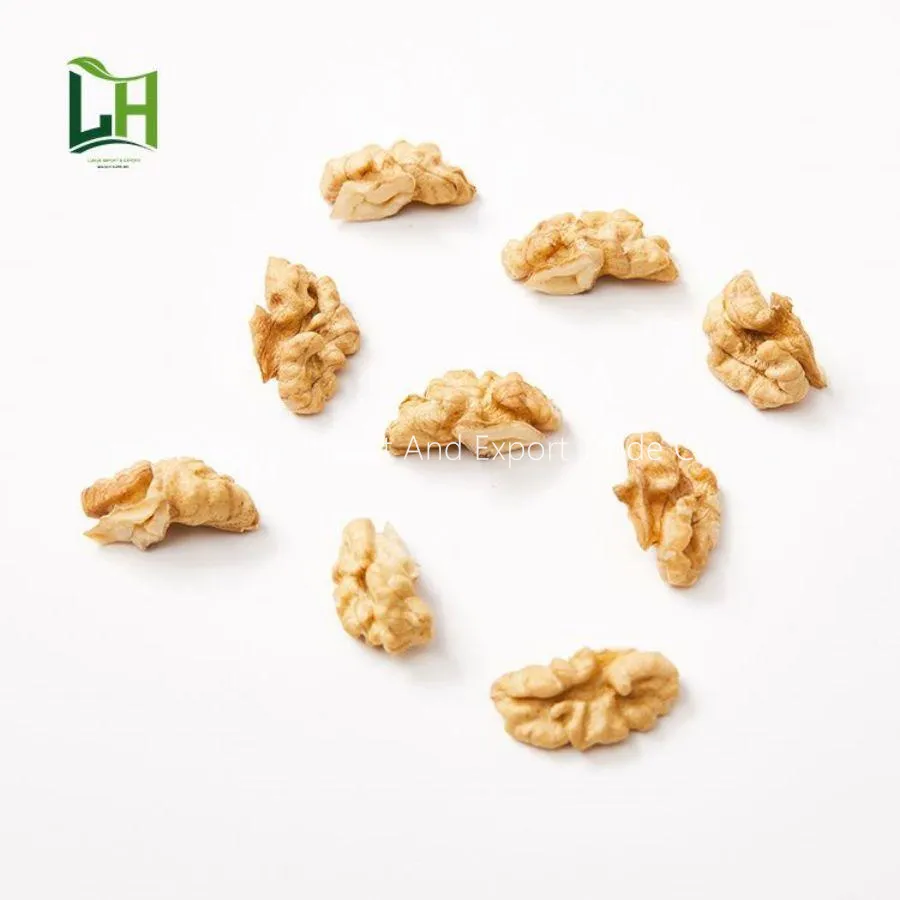
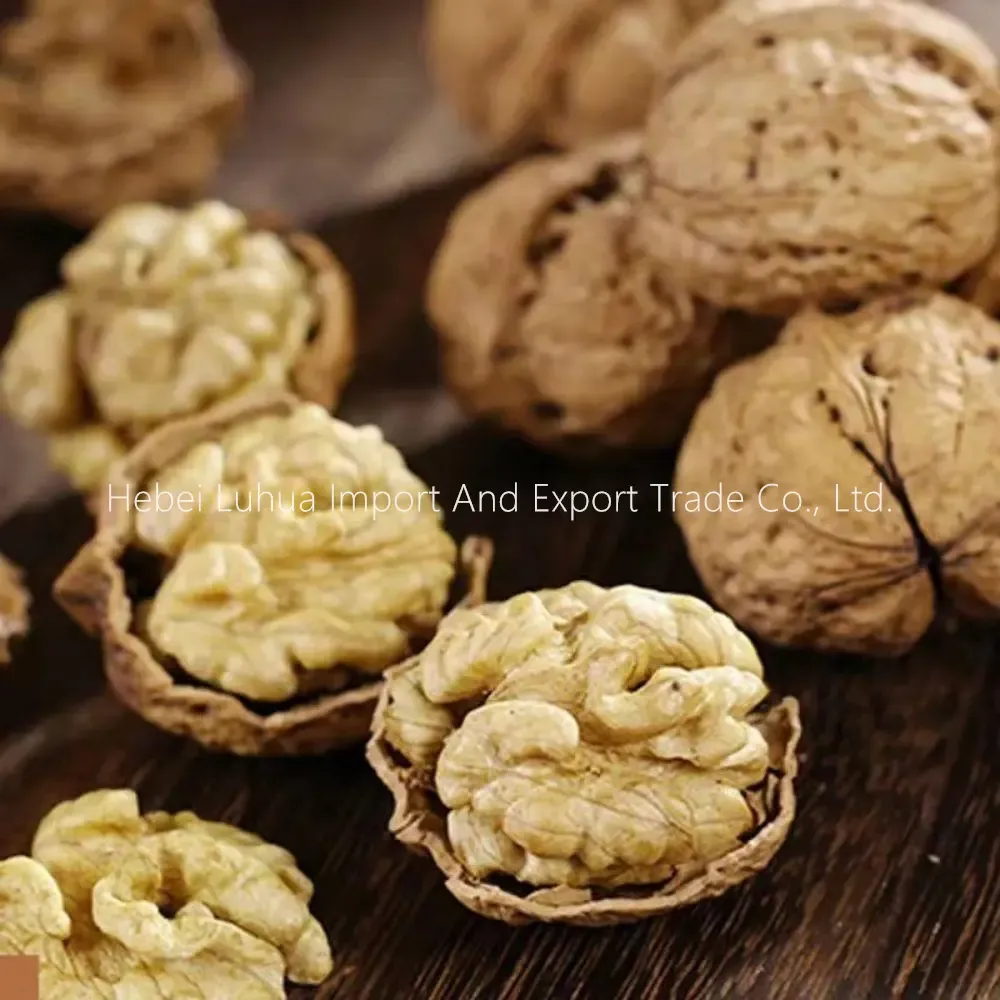
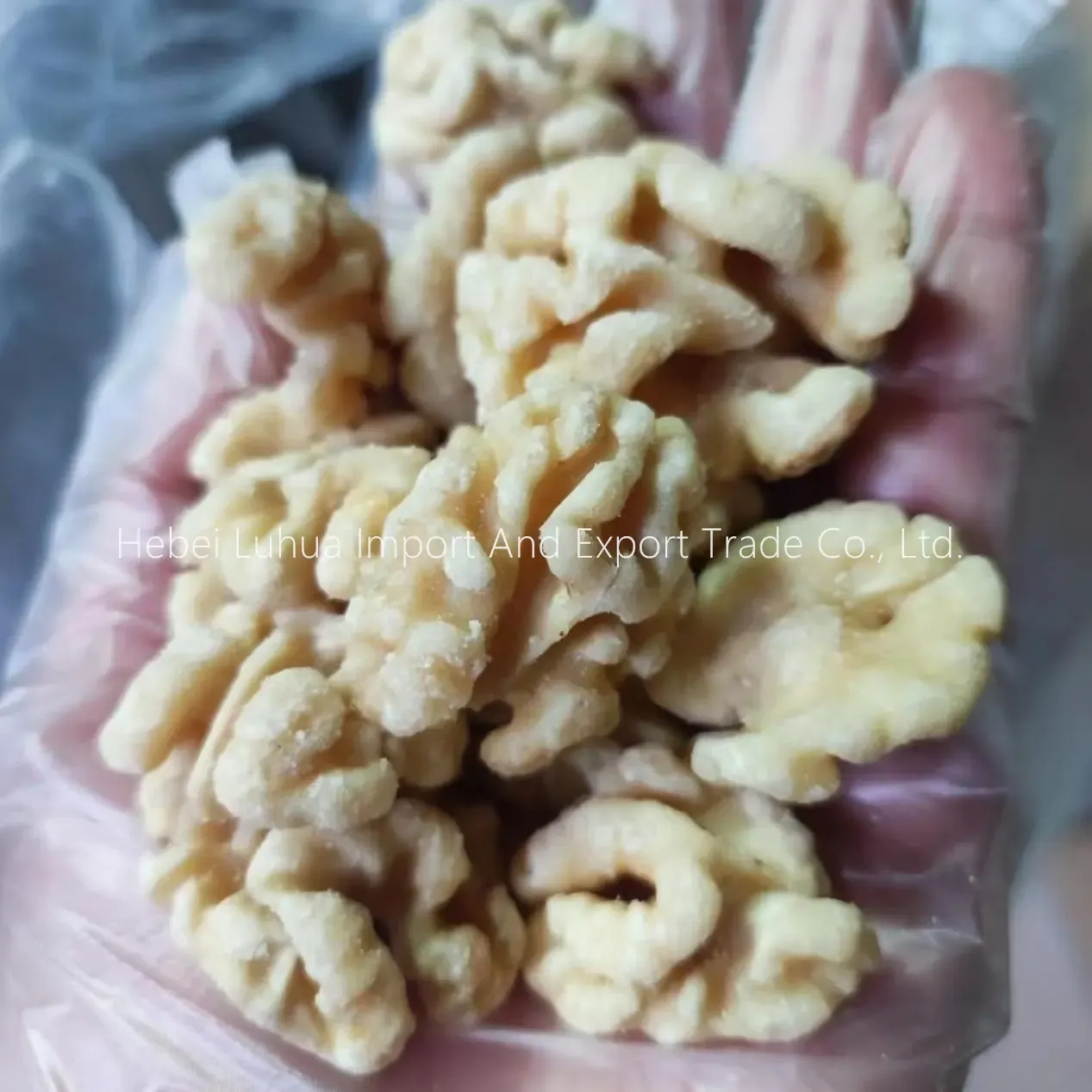
Walnuts are one of the most popular and versatile nuts in the world, celebrated for their rich flavor, crunchy texture, and impressive nutritional profile. They are used in baking, cooking, snacking, and even in making walnut oil. While all walnuts share similar health benefits, different types of walnuts have unique characteristics, tastes, and culinary uses. Among these, Chinese walnuts have gained recognition for their high quality and distinctive flavor. Understanding the varieties can help you choose the right walnut for your recipes, snacks, or health needs.
English Walnuts (Juglans regia)
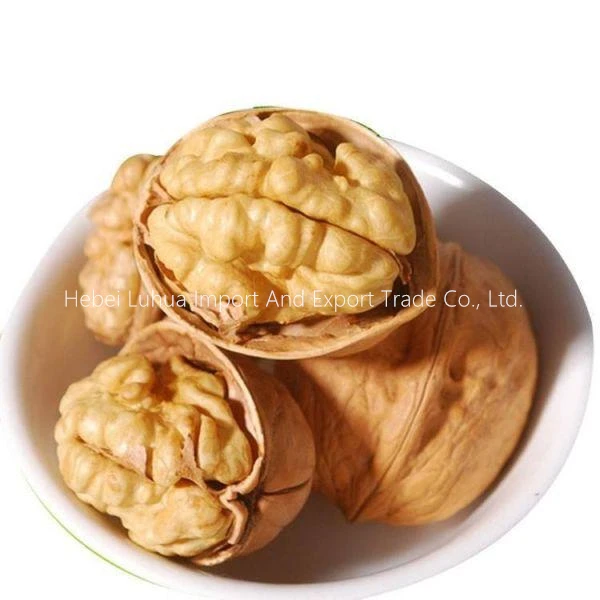
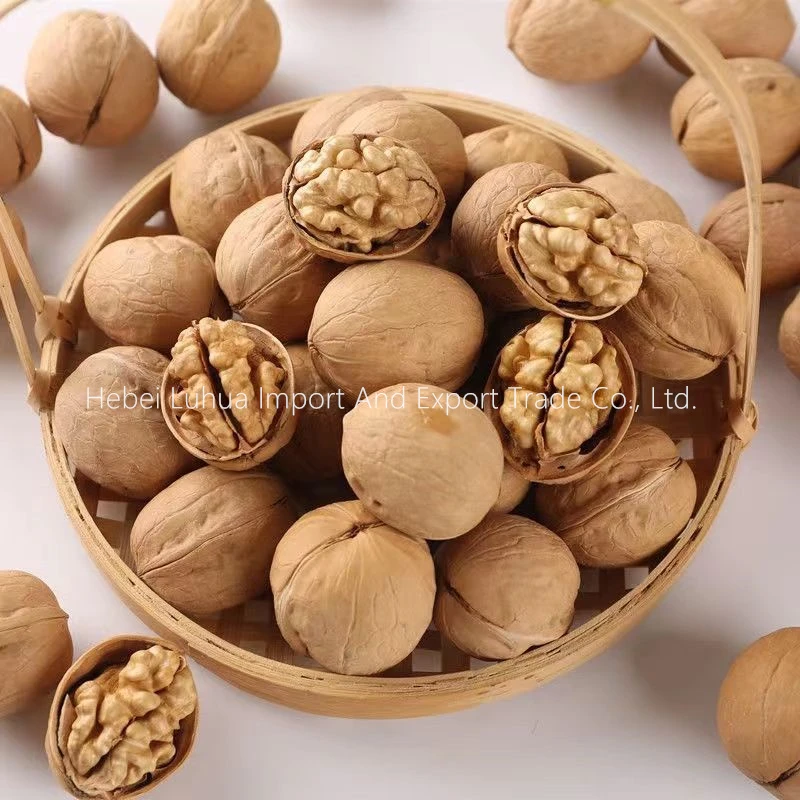
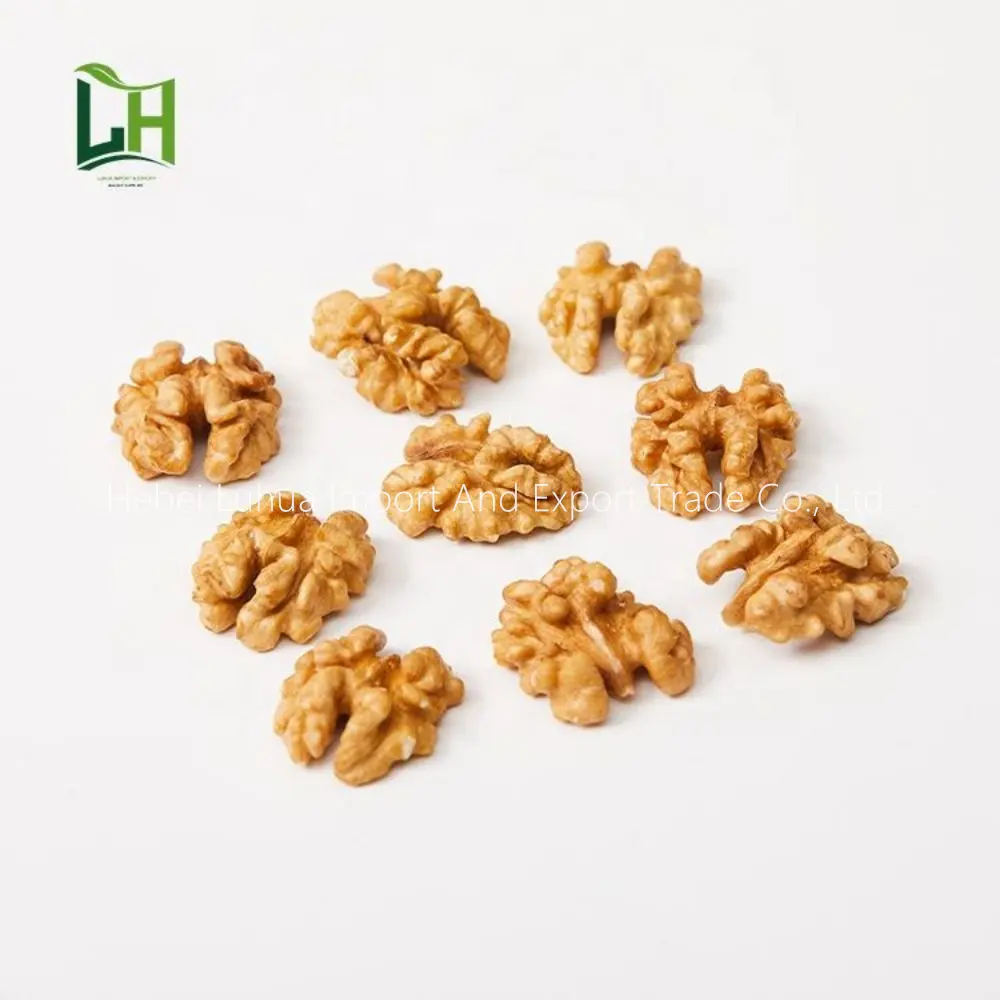
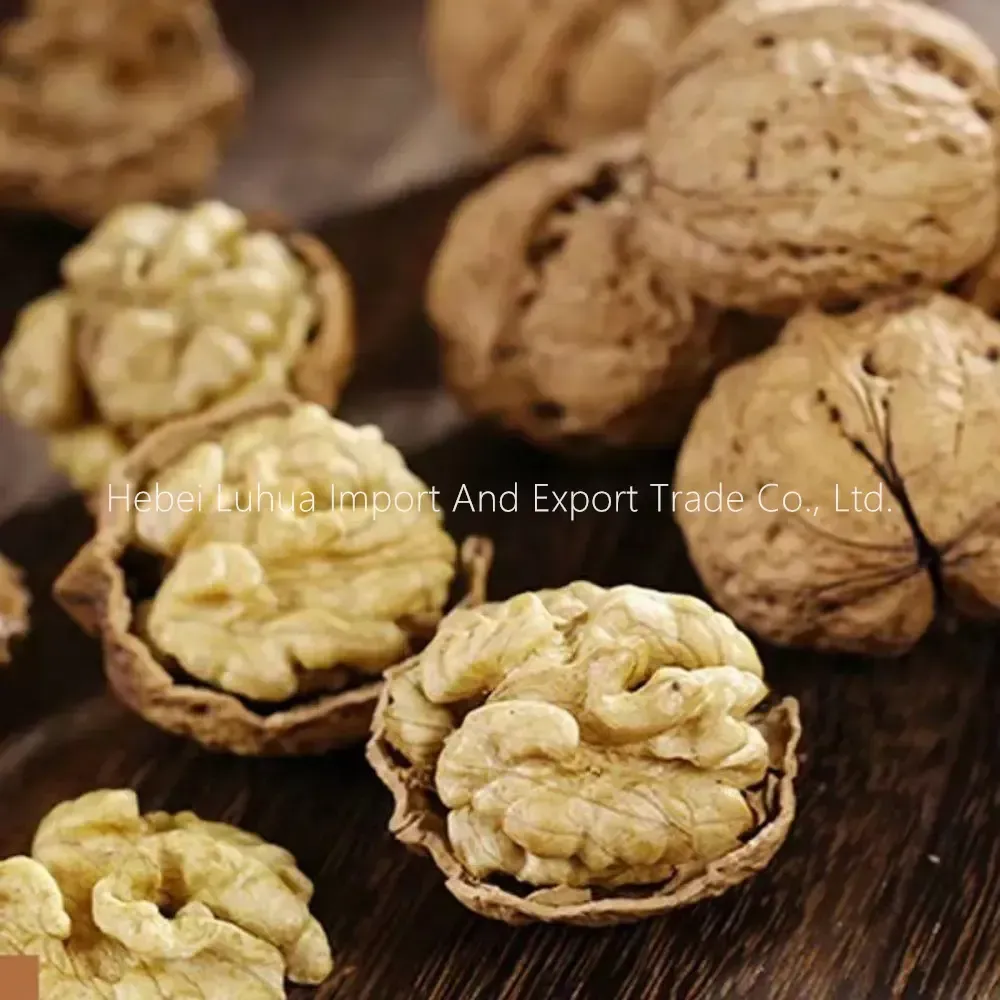
English walnuts, also known as Persian walnuts, are the most widely cultivated variety worldwide. They have a thin shell that is easy to crack, making them perfect for snacking and cooking. The kernels are large, light-colored, and slightly sweet, which makes them ideal for baking, desserts, and salads.
These walnuts are native to Central Asia but are now extensively grown in the United States, China, and Iran. Chinese English walnuts are particularly prized for their large, uniform kernels and mild, buttery flavor, making them a favorite for baking and walnut oil production. They are rich in omega-3 fatty acids, antioxidants, and essential vitamins, contributing to heart health and overall wellness.
Black Walnuts (Juglans nigra)
Black walnuts are native to North America and are known for their strong, earthy flavor and dark-colored shells. Unlike English walnuts, black walnuts have a much harder shell that requires specialized tools to crack. The kernels are bolder and more robust in taste, giving baked goods and savory dishes a distinctive nutty flavor.
Black walnuts are often used in ice cream, brownies, cookies, and specialty cakes. Their strong flavor pairs well with chocolate and caramel, adding depth to desserts. Nutritionally, black walnuts are high in protein, fiber, and polyunsaturated fats, offering numerous health benefits.
White Walnuts
White walnuts, also called butternuts, are less common than English or black walnuts. They have a softer shell and a buttery, slightly sweet flavor that makes them excellent for snacking and desserts. The texture of white walnuts is softer and creamier than other varieties, allowing them to blend easily into sauces, spreads, and baked goods.
Although less commercially popular, white walnuts are valued for their rich nutritional content, including vitamin E, magnesium, and antioxidants. They are an excellent alternative for people seeking a milder walnut flavor in recipes.
Red Walnuts
Red walnuts are a unique variety developed from English walnuts but with a striking reddish-brown kernel. They are relatively rare and mainly grown for gourmet culinary use and ornamental appeal. Red walnuts have a sweet, mild flavor and are often used in salads, desserts, and specialty dishes where their vibrant color adds visual interest.
Besides their aesthetic value, red walnuts contain high levels of antioxidants, which help reduce inflammation and support heart health.
Chinese Walnuts
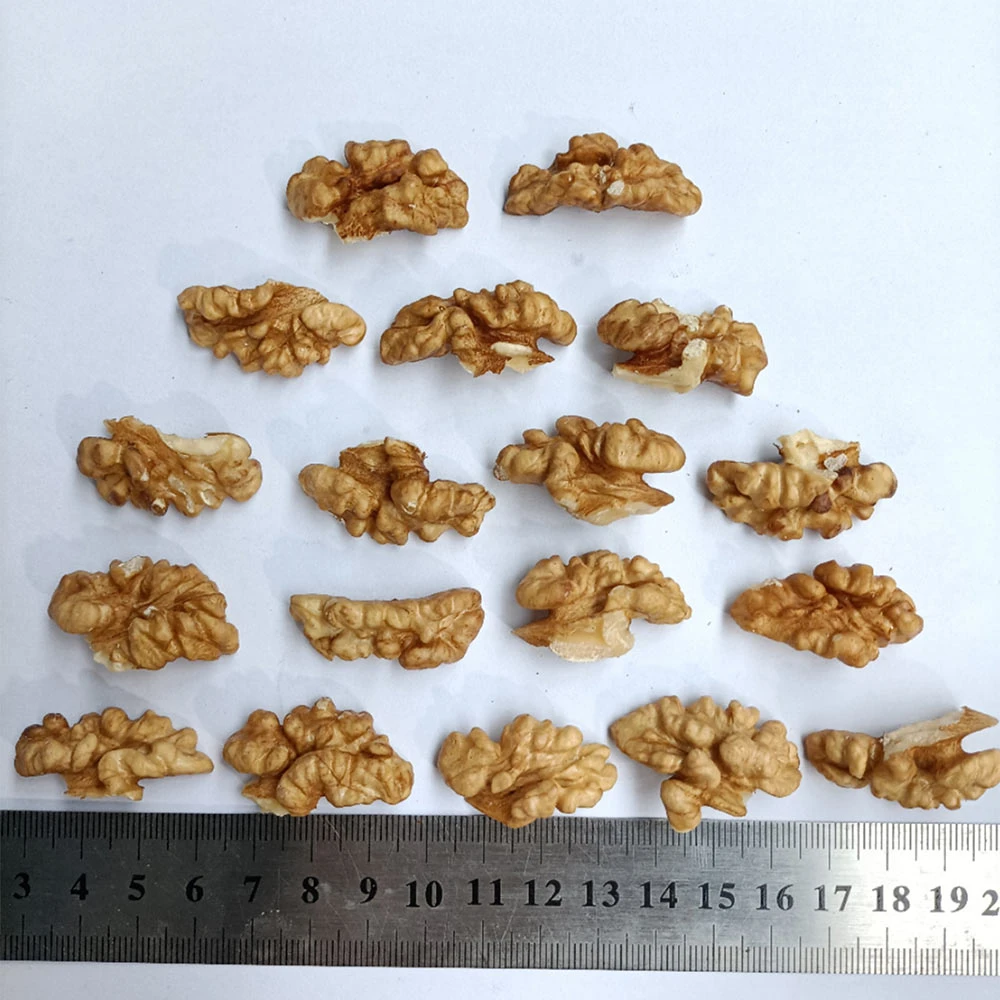
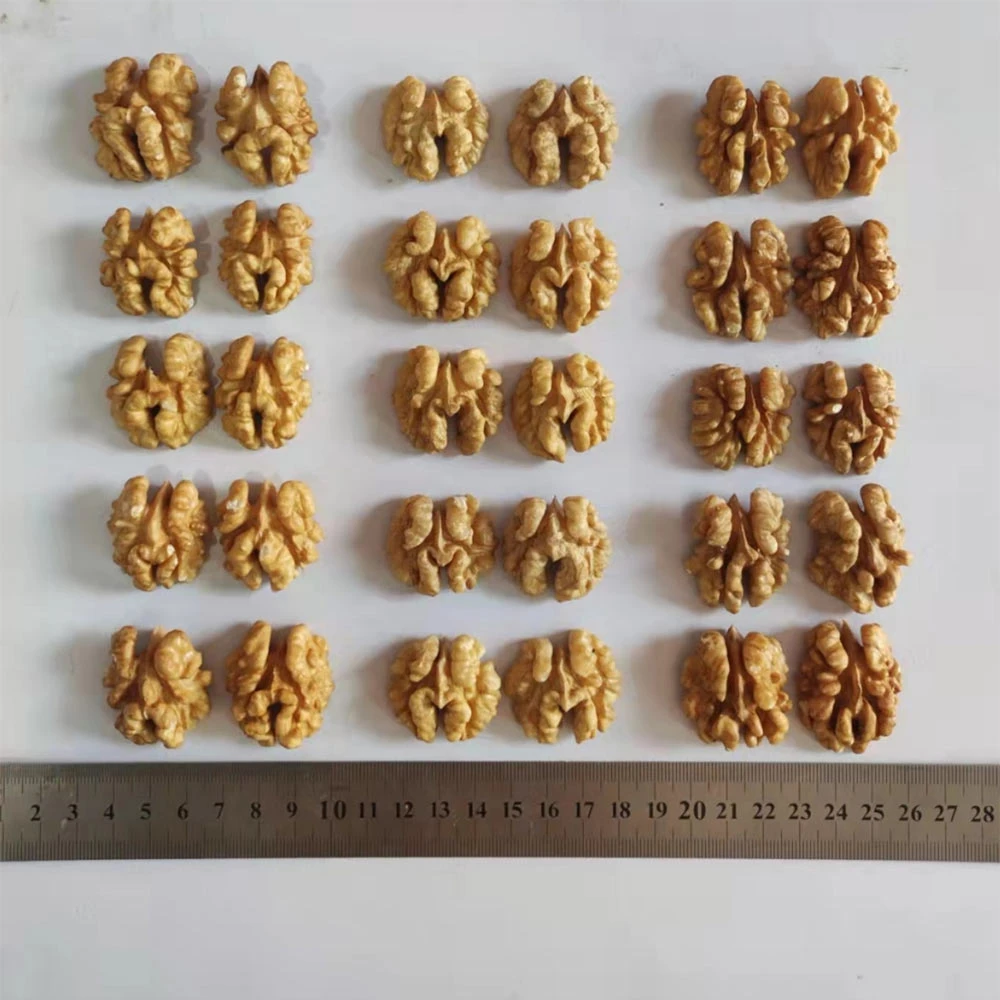
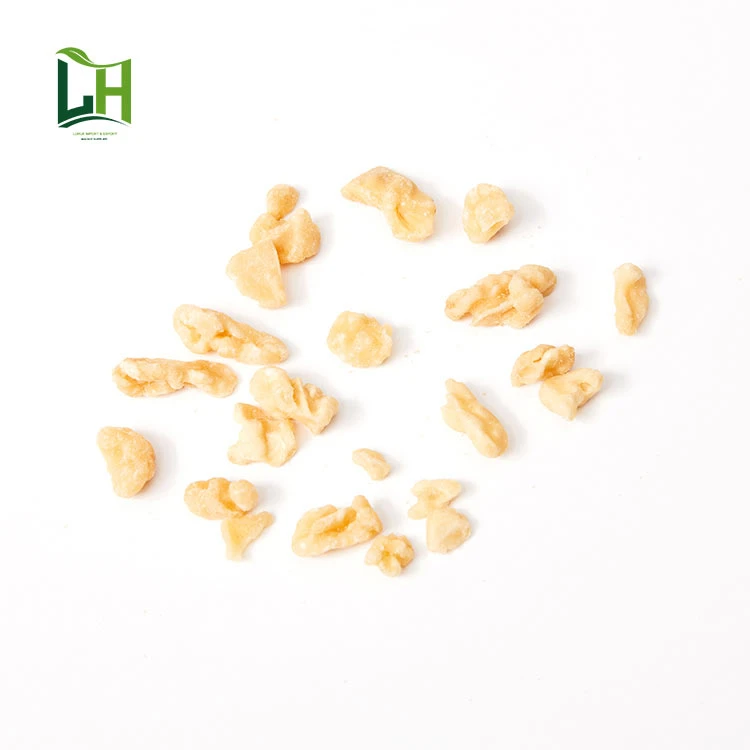
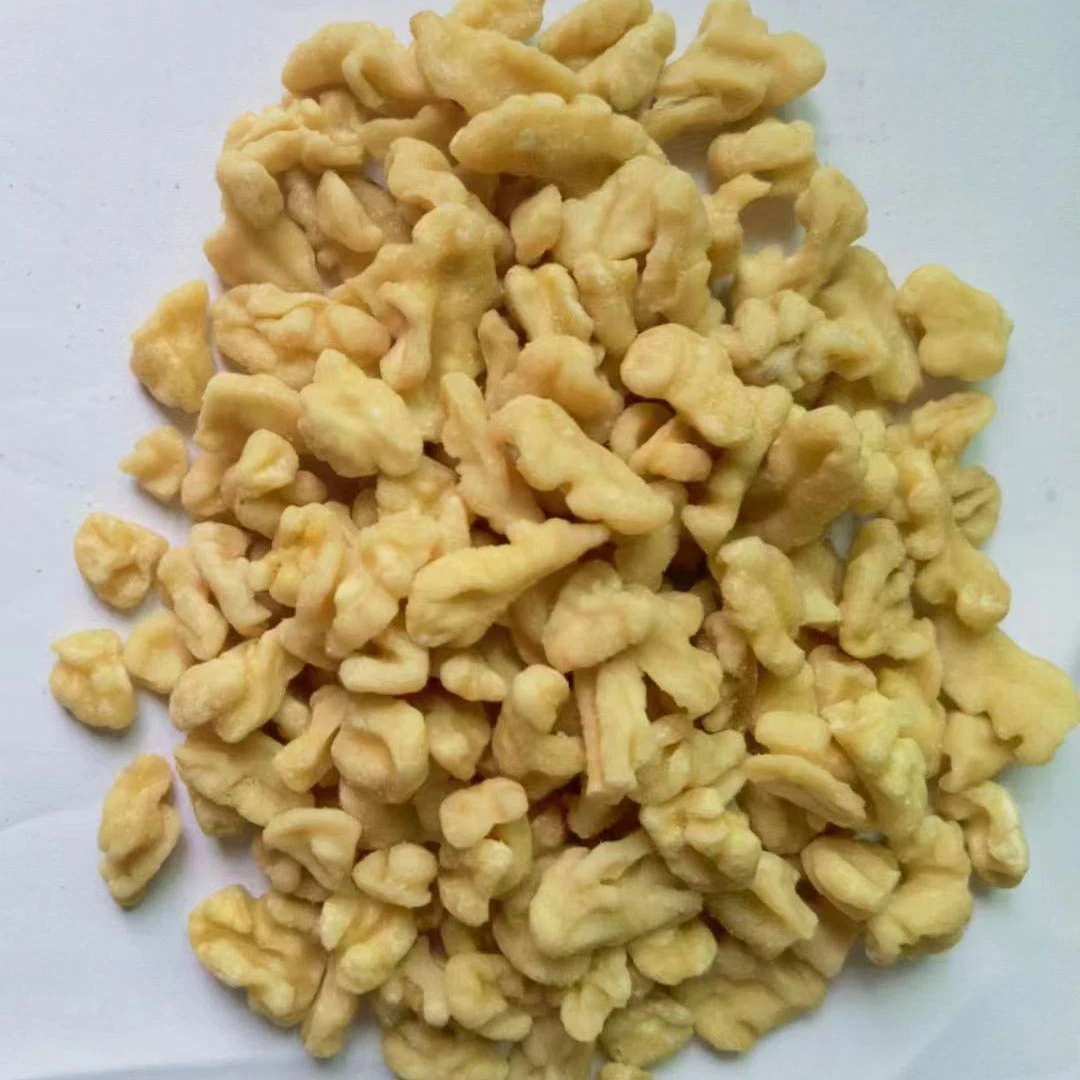
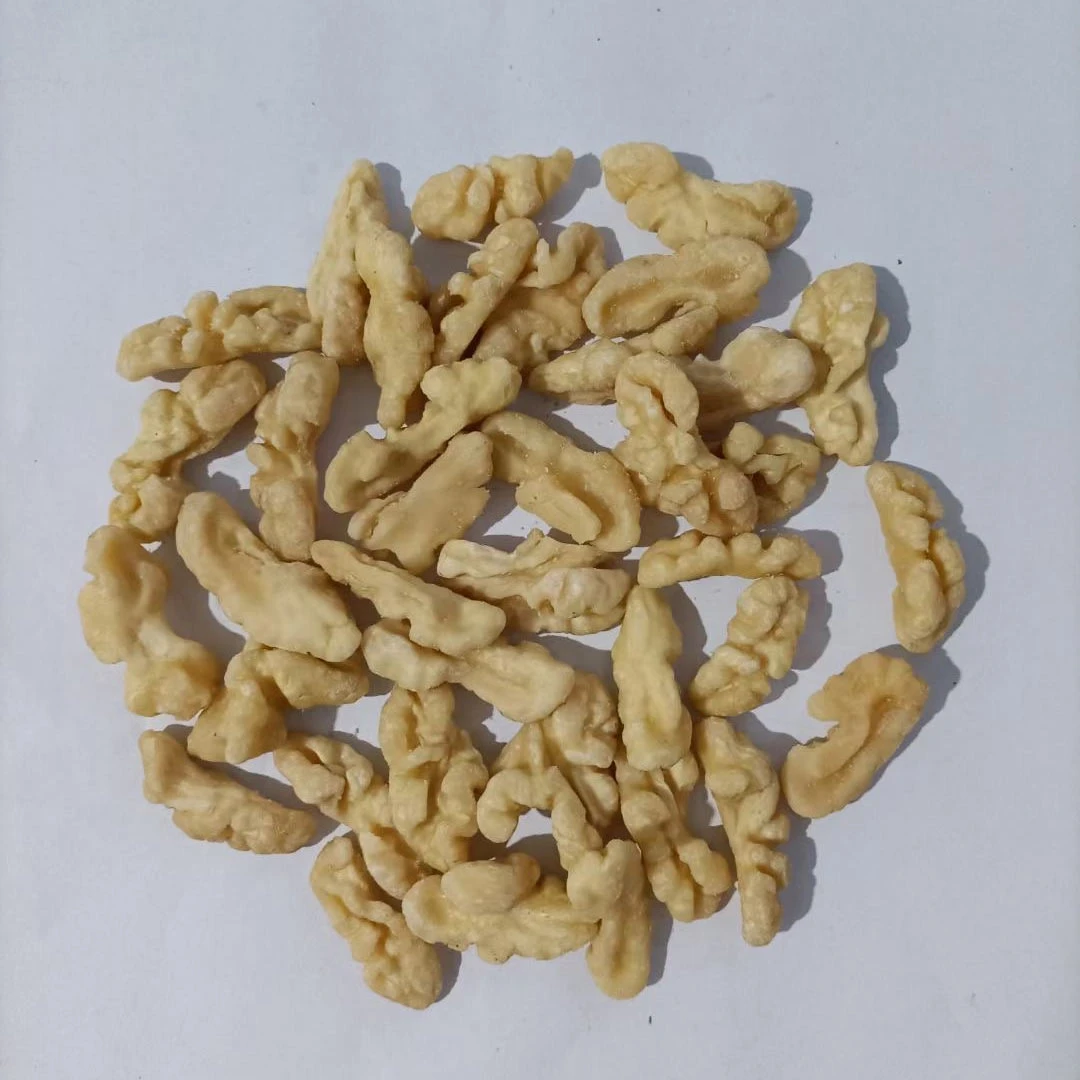
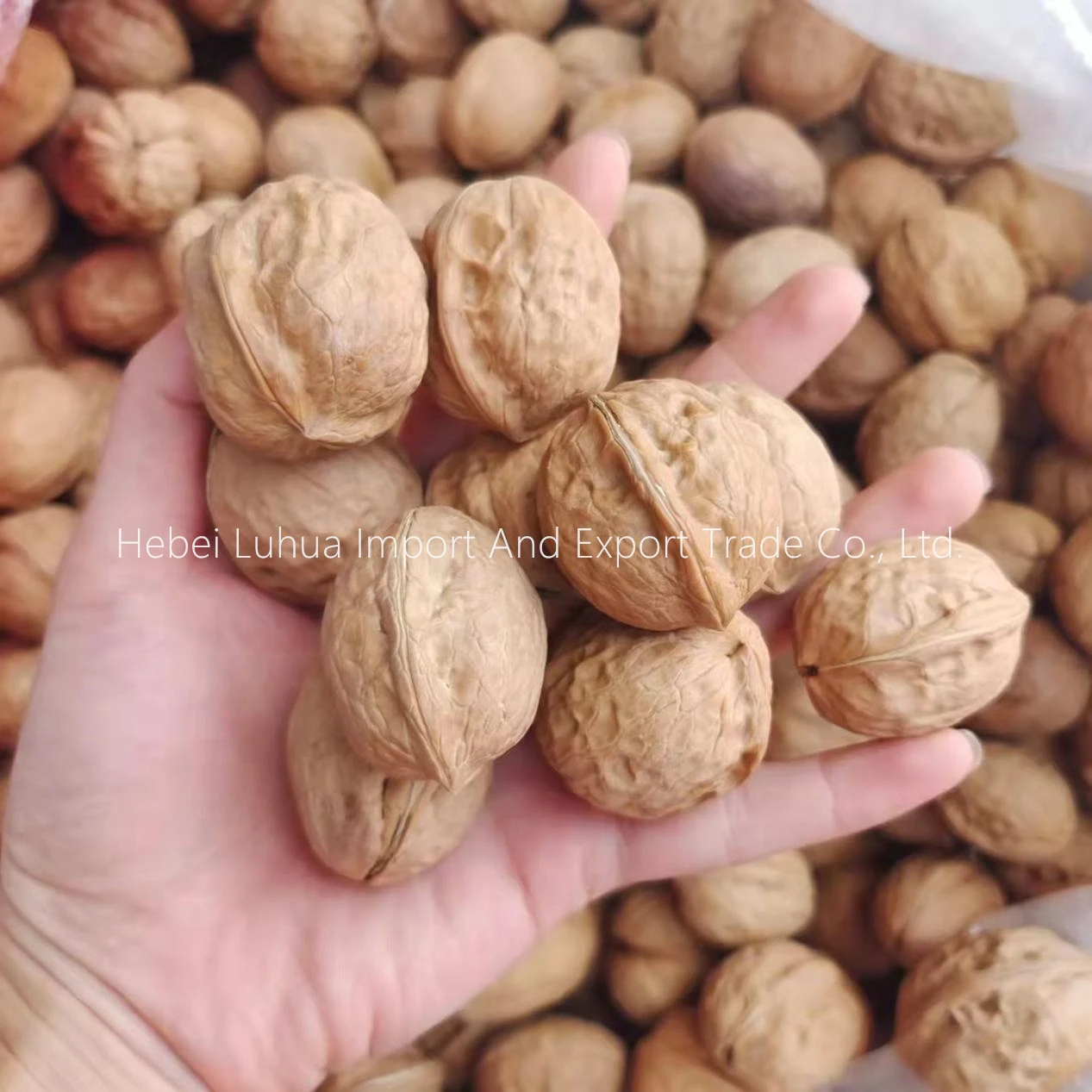
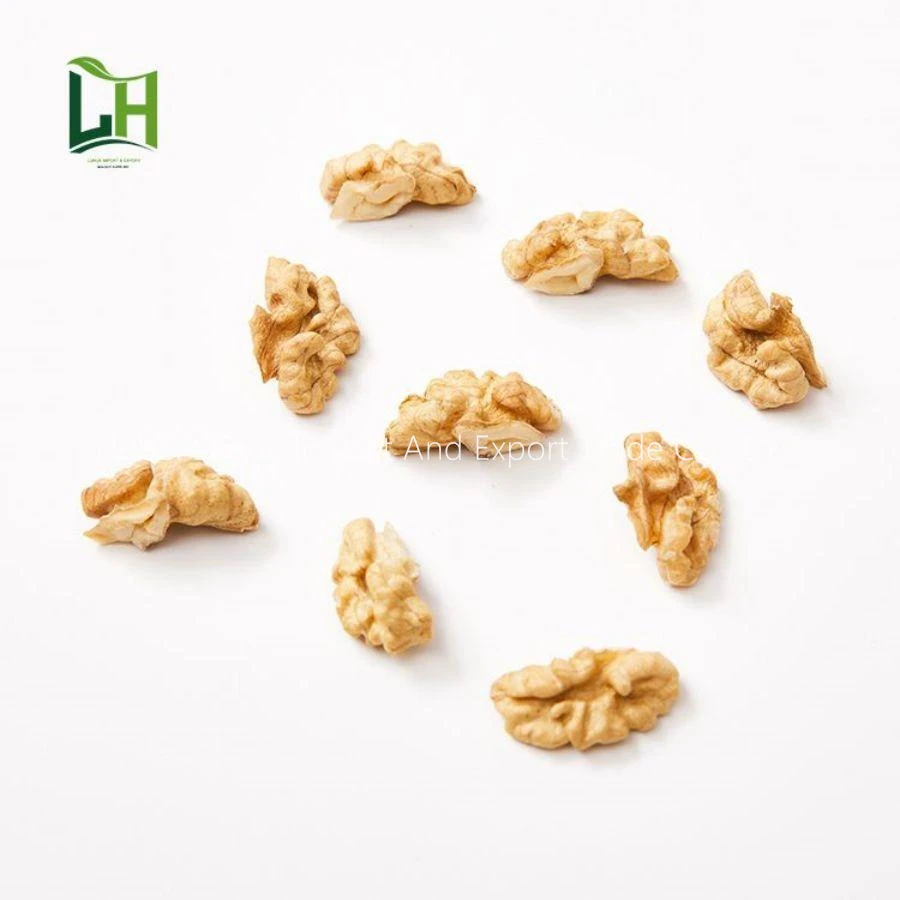
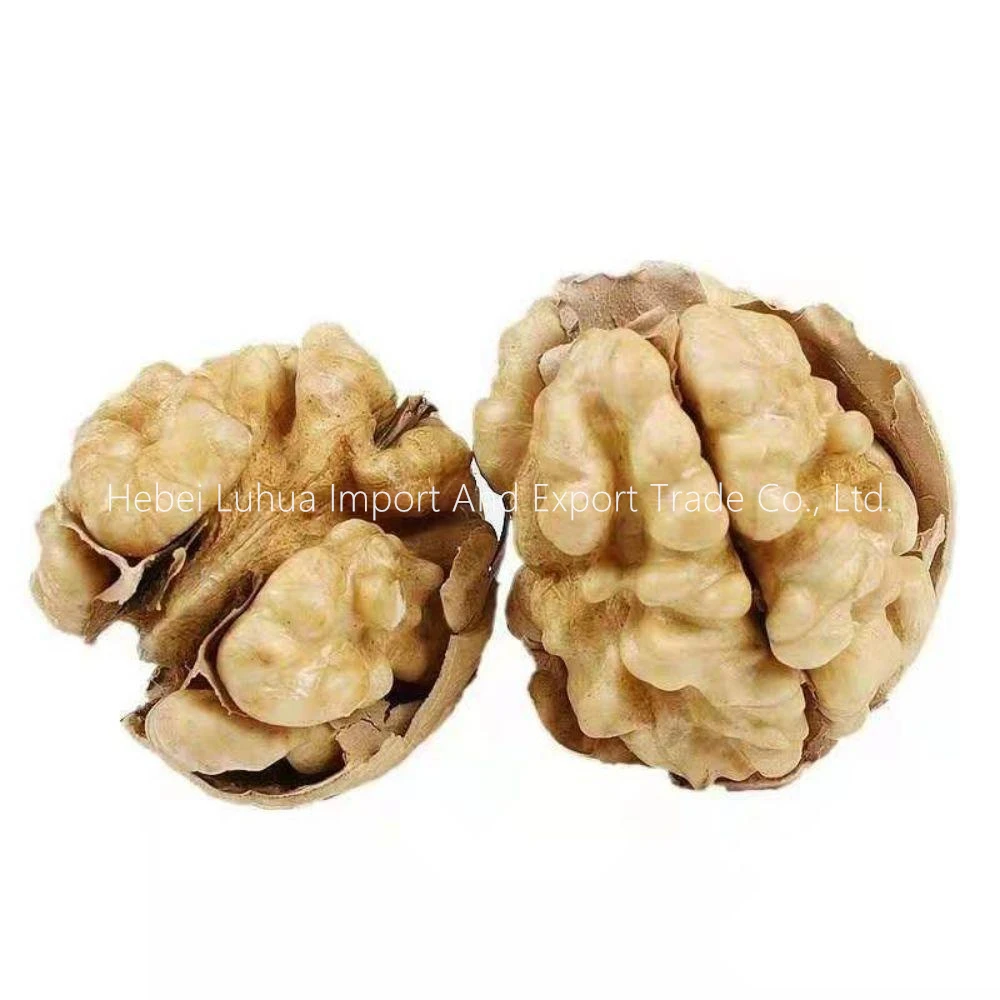
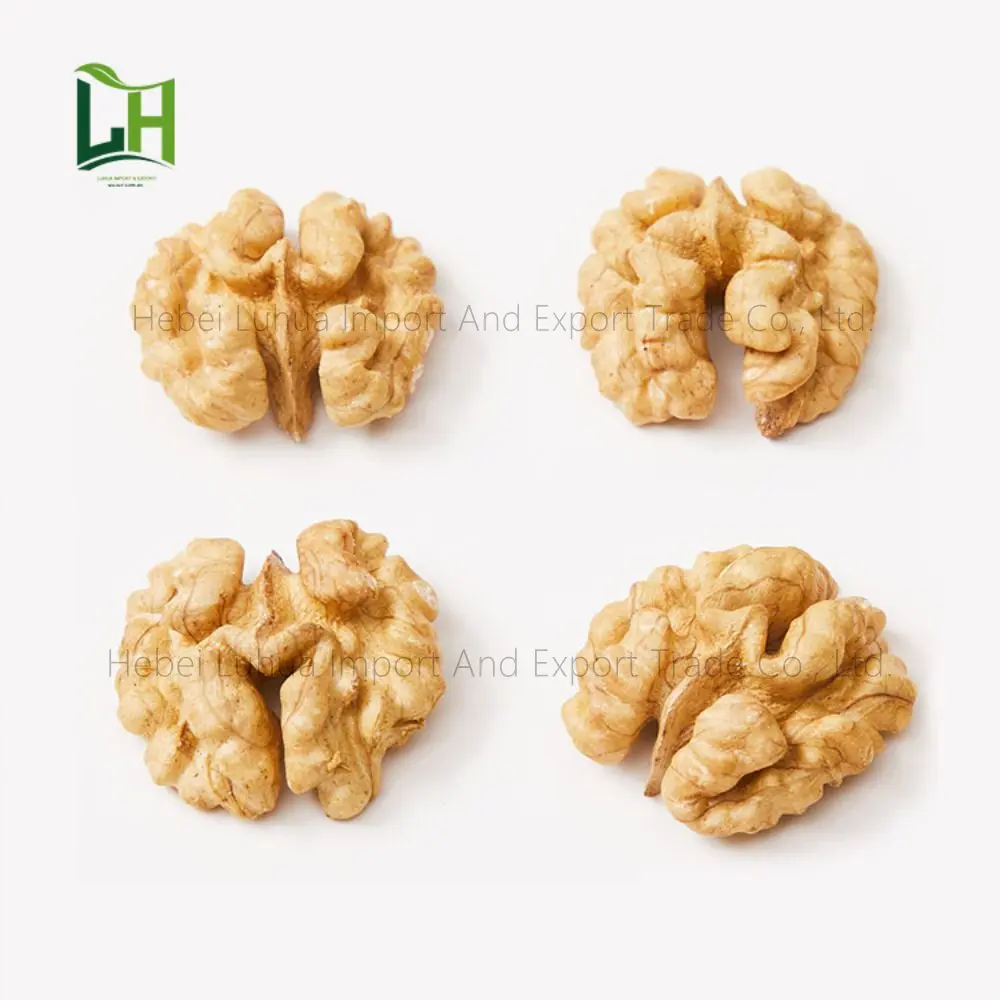
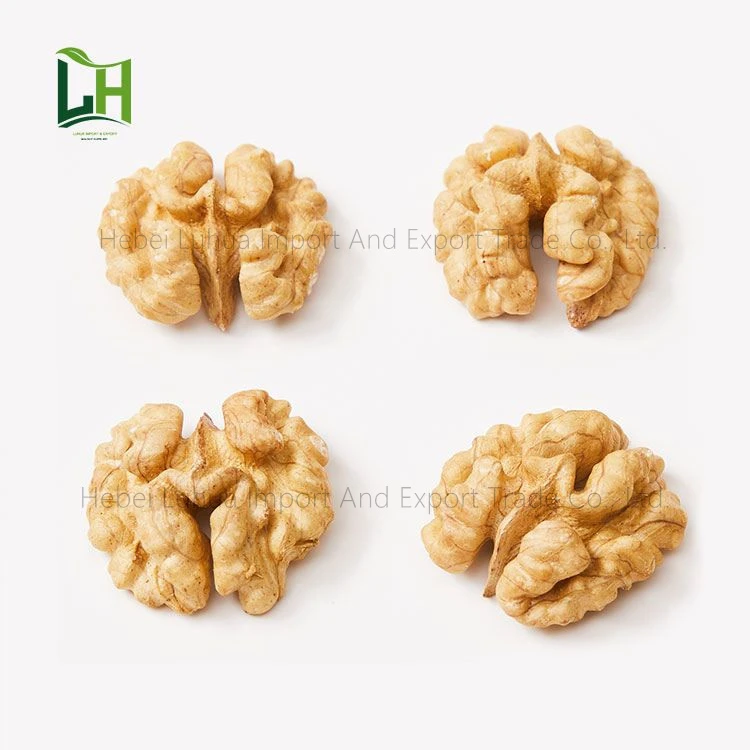
Chinese walnuts are grown in various regions across China, including Yunnan, Hebei, and Xinjiang. Known for their large, high-quality kernels and light, slightly sweet flavor, Chinese walnuts are widely used in baking, cooking, and as nutritious snacks. They are often exported globally due to their uniform shape, easy-to-crack shells, and consistent taste.
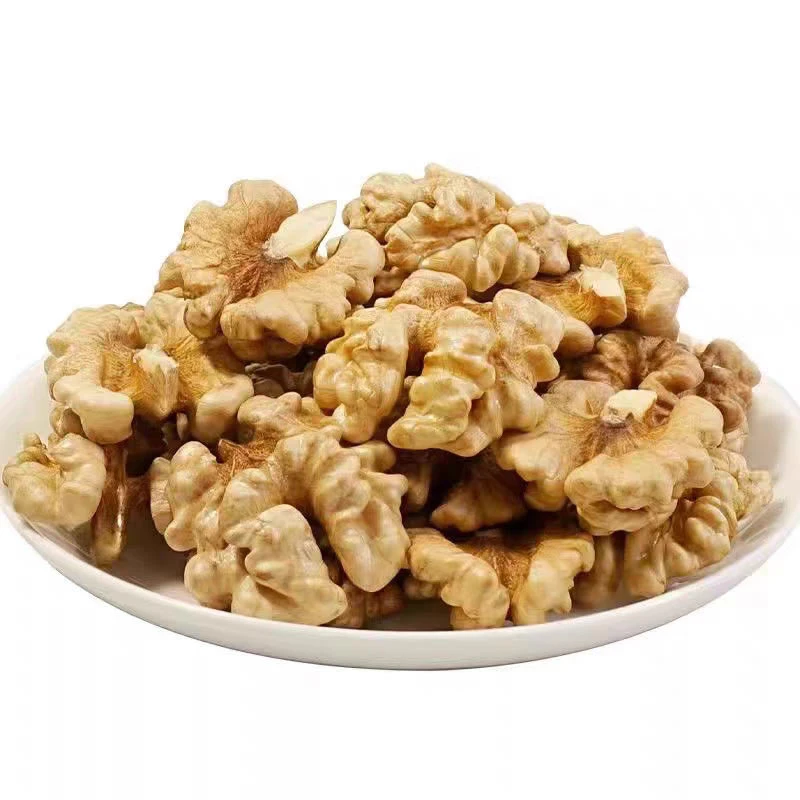
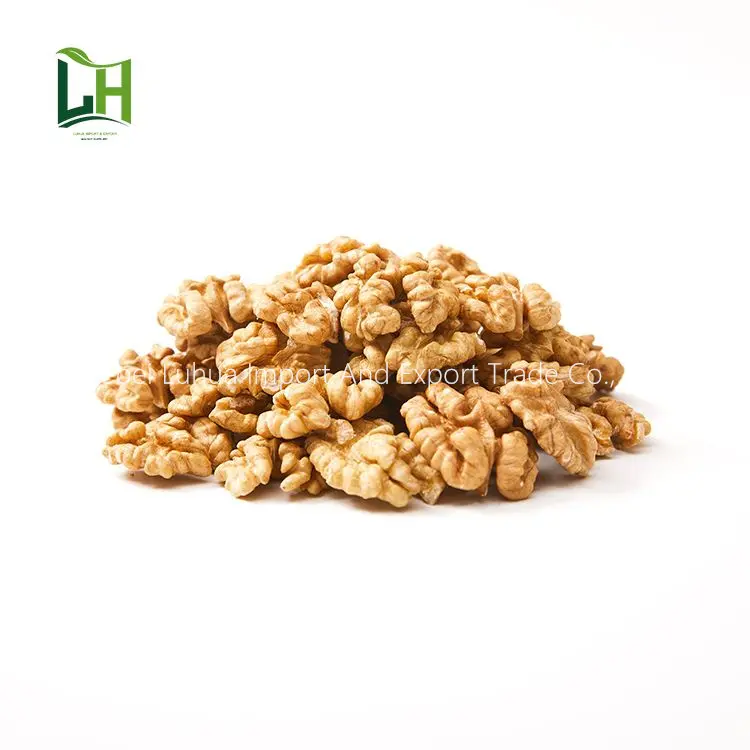
Chinese walnuts can be eaten raw, roasted, or incorporated into desserts, salads, and granola. They are also used to produce walnut oil and walnut-based spreads. Nutritionally, Chinese walnuts are rich in healthy fats, protein, and antioxidants, making them a heart-healthy option for everyday consumption.
Heartnuts
Heartnuts are a special type of Japanese walnut recognized by their heart-shaped kernels. They are small but flavorful, with a mild, buttery taste. Heartnuts are often eaten raw or lightly roasted and are perfect for snacking or adding to delicate desserts. Their unique shape and smooth texture make them popular in Japanese cuisine.
Choosing the Right Walnut for Your Needs
When selecting walnuts, consider flavor, size, and intended use. English walnuts are best for general-purpose baking, black walnuts suit strong-flavored desserts, and Chinese walnuts provide high-quality kernels ideal for both culinary and snacking purposes. Storing walnuts properly in airtight containers, and preferably in a cool, dry place or refrigerator, ensures freshness and flavor.
Health Benefits of Different Walnut Types
Regardless of type, walnuts are packed with nutrition. They are a great source of omega-3 fatty acids, antioxidants, protein, and fiber. Regular consumption of walnuts has been linked to improved heart health, brain function, and reduced inflammation. Incorporating different types of walnuts—including Chinese walnuts—into your diet provides both flavor diversity and comprehensive nutrient benefits.
Culinary Uses of Walnuts
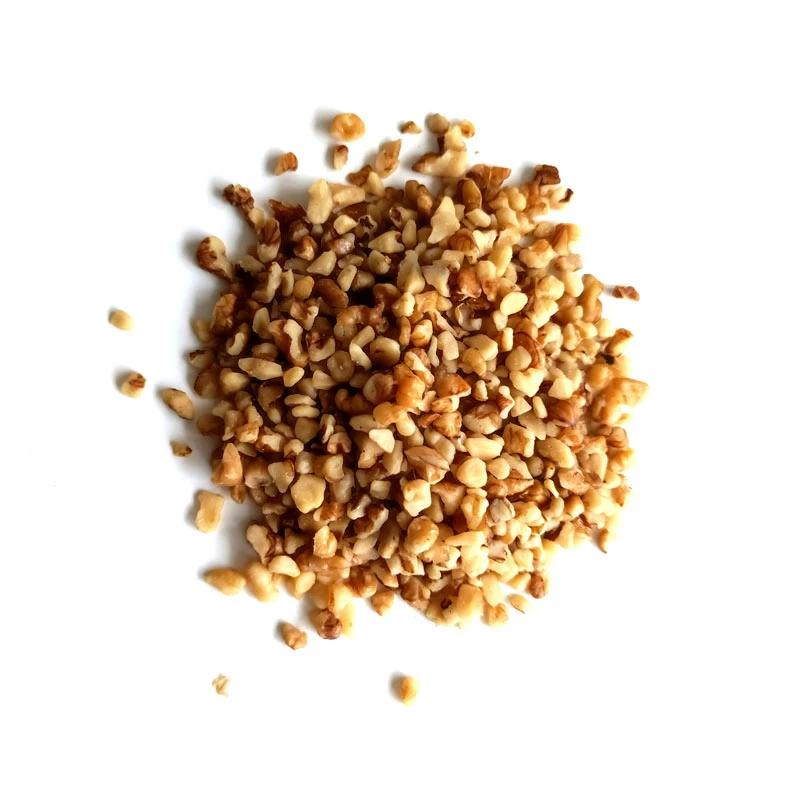
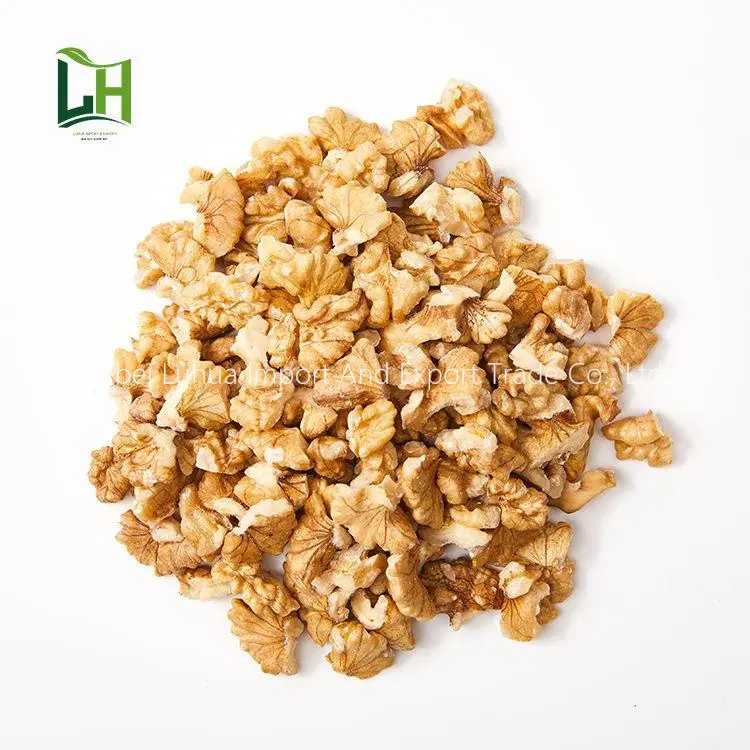
Walnuts can be enjoyed in countless ways. Chopped or ground, they enhance baked goods, granola, and desserts. Toasted walnut kernels add crunch to salads, pasta, and roasted vegetables. Walnut oil can be drizzled over dishes for a nutty aroma, while walnut butter provides a healthy alternative to conventional spreads. Each type of walnut brings its own unique flavor, allowing chefs and home cooks to experiment with taste, texture, and presentation.
Conclusion
Walnuts are not only delicious but highly nutritious, with each type offering unique flavors, textures, and culinary applications. Chinese walnuts, English walnuts, black walnuts, red walnuts, heartnuts, and white walnuts all bring value to the kitchen, whether used for baking, cooking, or healthy snacking. Incorporating a variety of walnuts into your diet ensures variety, enhanced flavor, and a wealth of health benefits, making these nuts a valuable addition to any kitchen.
Post time:Feb . 10, 2026 17:50