What Are Juglans Nigra Medicinal Uses and Why They Matter Globally
Juglans nigra, commonly known as black walnut, isn’t just prized for its rich wood or tasty nuts. Its medicinal uses have long fascinated herbalists, scientists, and indigenous cultures alike. Understanding juglans nigra medicinal uses is a small but promising window into how natural compounds from tree bark, leaves, and husks can impact modern health care, especially in a world seeking sustainable, plant-based remedies.
Globally, people are turning toward traditional and alternative medicine methods. The World Health Organization estimates around 80% of the world population relies on plant-based medicine for primary healthcare — that’s huge. Black walnut fits into this larger story because its bioactive compounds hold potential antimicrobial, antifungal, and anti-inflammatory powers, demonstrated both in folk medicine and emerging scientific studies.
In simple terms, tapping into these medicinal uses could mean better natural health products, affordable treatments in underserved regions, and maybe even new drugs down the line. Let’s explore what makes juglans nigra more than just a tree.
Introduction: The Global Context of Juglans Nigra Medicinal Uses
In today’s health and wellness landscape, natural remedies are more than trendy — they’re essential. According to the UN Food and Agriculture Organization, forestry products including medicinal plants contribute billions annually to local economies in developing countries. Black walnut’s medicinal uses play a role here, especially in North America and parts of Europe where the tree is native and wild-crafted sustainably.
But there’s a problem. Modern pharmaceuticals often come with costs, side effects, and environmental tolls that many can’t afford or tolerate. That’s why researchers and entrepreneurs are revisiting old remedies like black walnut extract. They’re trying to address fungal infections resistant to common drugs, skin conditions needing gentle treatments, or simply offering affordable local options to communities that lack regular medicine access.
So the rising interest in juglans nigra medicinal uses is not just nostalgic: it’s practical and urgent in a diversifying global healthcare economy.
Defining Juglans Nigra Medicinal Uses
What exactly does this phrase mean? At its core, juglans nigra medicinal uses refer to health applications derived from various parts of the black walnut tree. This might be extracts from the hull (the green outer shell), bark, leaves, or nuts that are known or researched to have health benefits.
Traditionally, indigenous peoples used black walnut hulls for treating parasites, skin ailments, and even respiratory problems. Today, these uses are supported by lab tests showing juglone and tannins in the tree have antimicrobial and antioxidant properties. In real terms, what this means is that companies and healthcare practitioners might harness these compounds in creams, supplements, tinctures, or teas to support various health goals — from soothing minor inflammations to combating fungal infections.
Key Components of Juglans Nigra Medicinal Uses
1. Antimicrobial Properties
Juglone, the standout chemical in black walnut hulls, is famous for its ability to inhibit bacteria and fungi growth. This makes it valuable for both topical uses and potentially oral health. The challenge remains in balancing efficacy with safety, but many natural health brands are exploring this.
2. Anti-inflammatory Effects
Inflammation is at the root of many chronic illnesses. Juglans nigra compounds show promise in reducing inflammation markers, which could help skin disorders like eczema or support joint health.
3. Antioxidants
Rich in tannins and polyphenols, black walnut products help scavenge free radicals — those pesky molecules that cause oxidative stress linked to aging and disease progression.
4. Nutritional Support
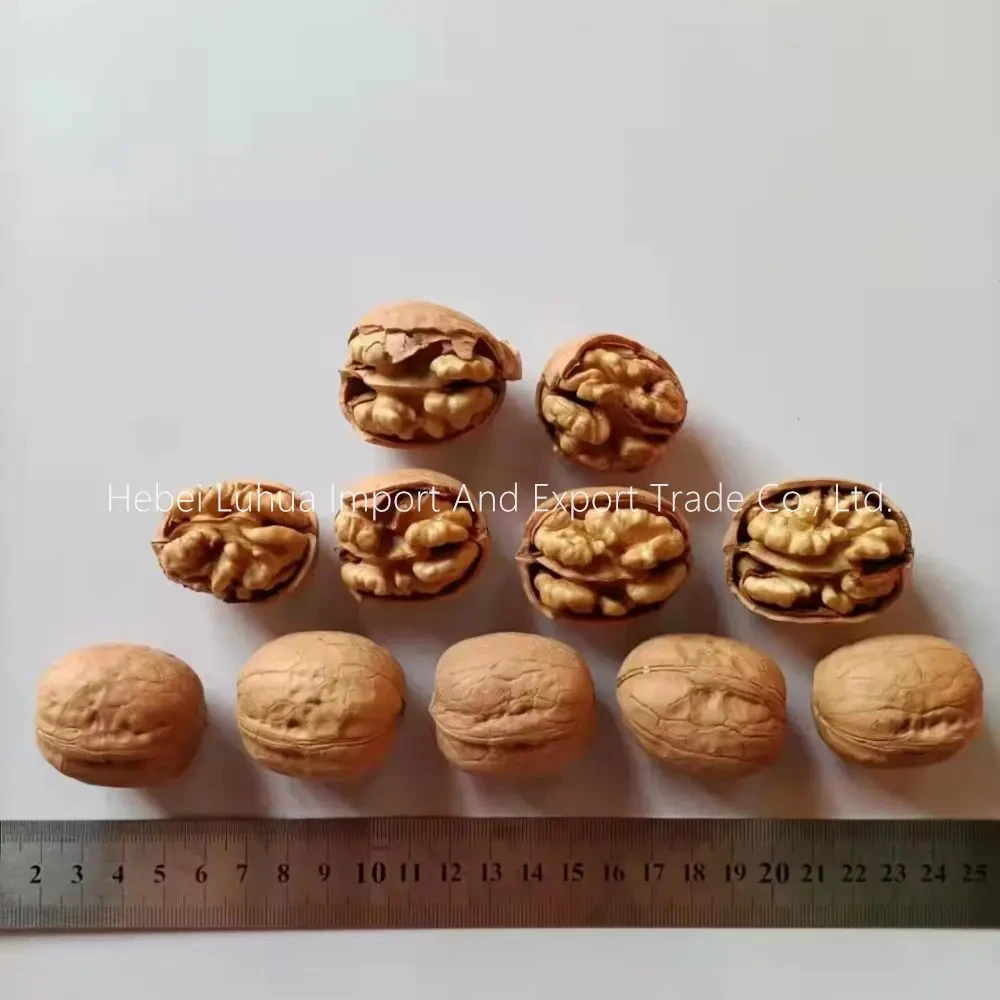
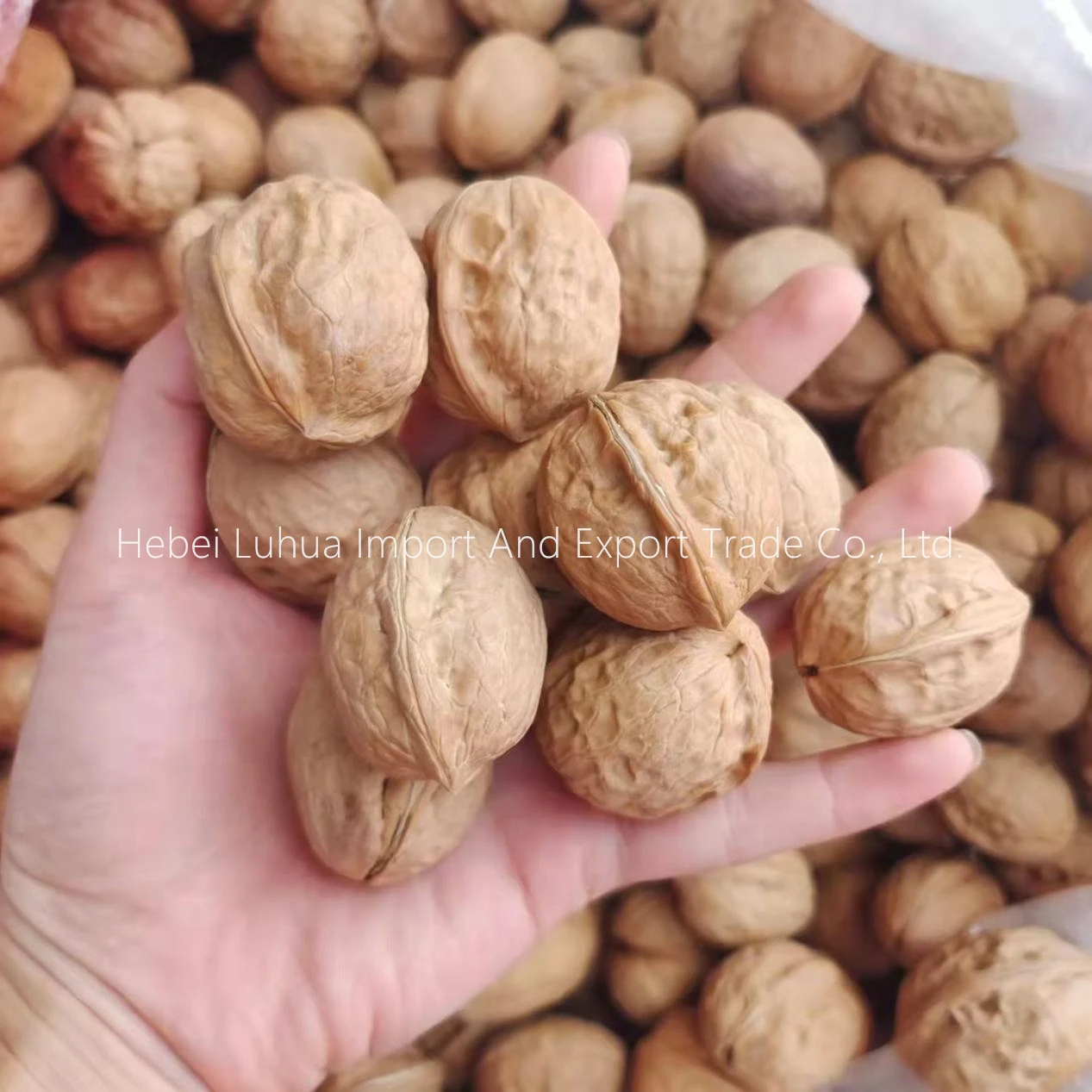
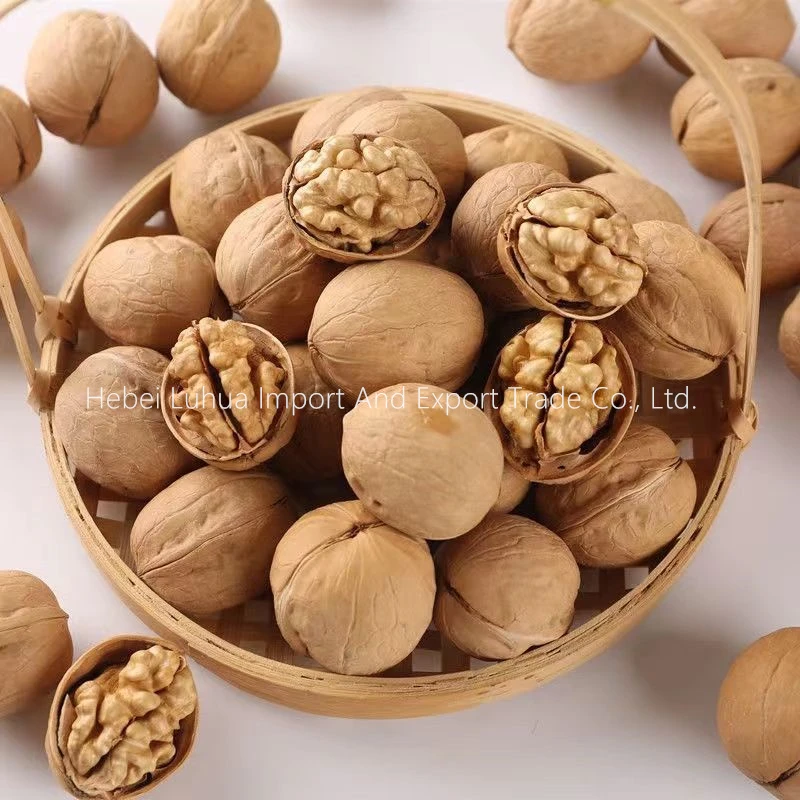
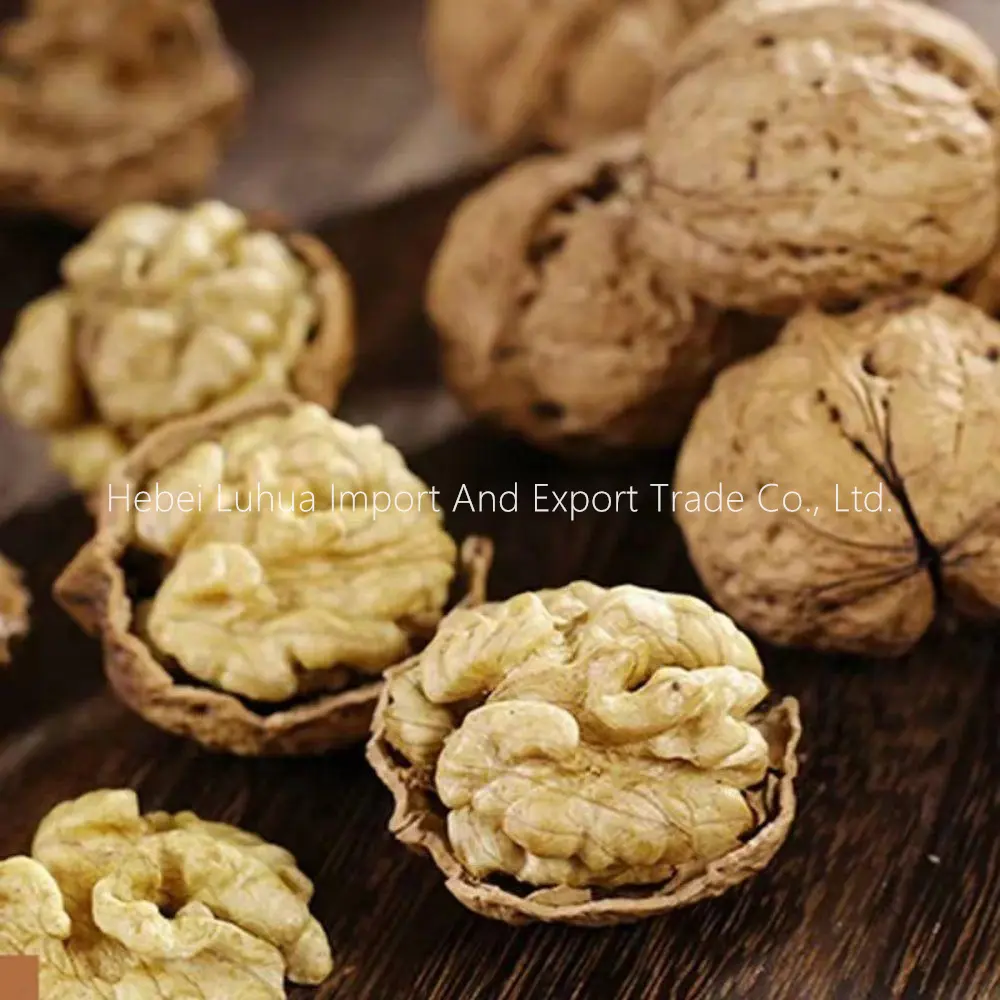
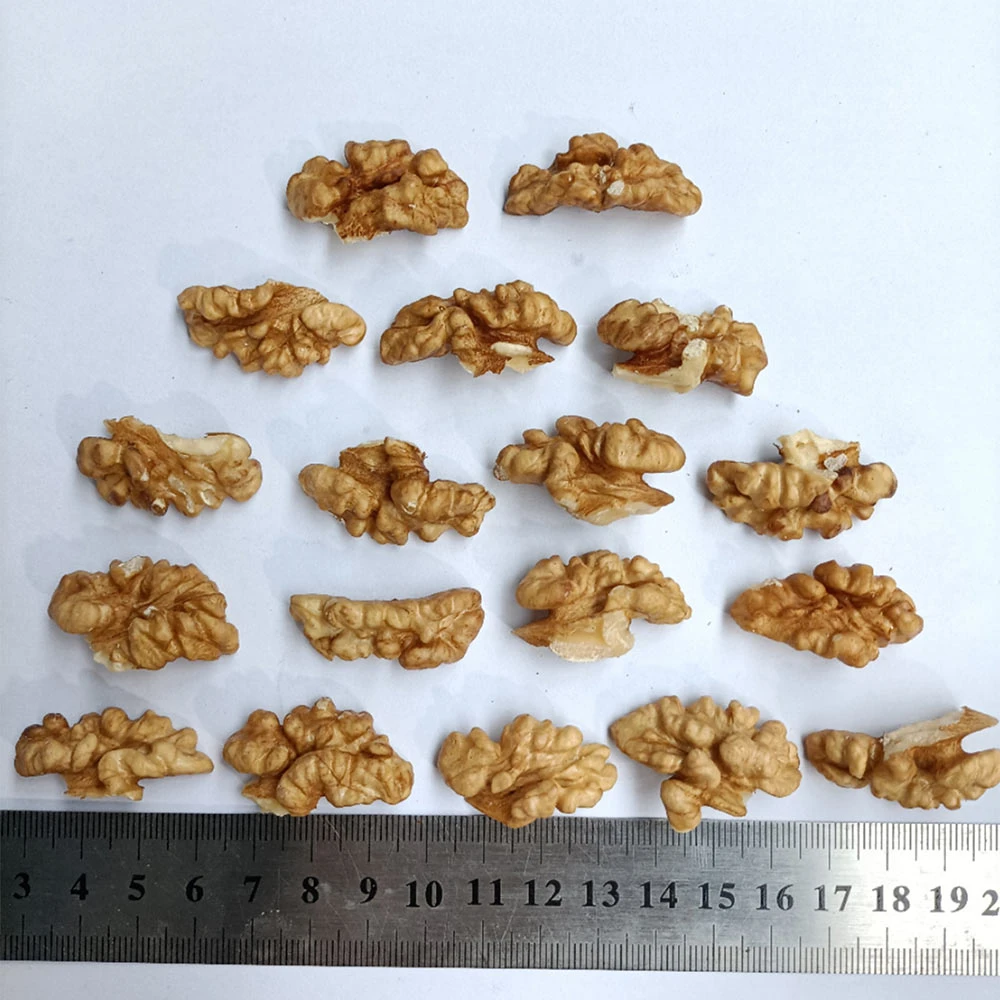
The nuts themselves boast omega-3 fats, vitamins, and minerals, complementing medicinal uses with dietary benefits.
Mini takeaway: These components combined create a versatile medicinal profile that can be tailored to various health products or homemade remedies.
Global Applications & Use Cases
- North America: Black walnut hull tinctures are popular in herbal apothecaries across the US and Canada, often recommended for skin health and parasite cleansing.
- Europe: Interest in plant-based antifungals has brought juglans nigra extracts into formulations targeting athlete’s foot and nail fungus.
- Developing countries: Where synthetic medicines are scarce or costly, black walnut-based natural medicines offer affordable relief options.
For example, in post-disaster scenarios where sterile pharmaceuticals may be limited, practitioners deployed herbal-based treatments including black walnut extracts to manage infections. Similarly, in remote areas of Appalachia, locals have long favored homemade black walnut remedies to treat minor wounds and support digestive health.
Advantages & Long-Term Value
Thinking beyond the immediate healing effects, juglans nigra medicinal uses hold several key advantages:
- Cost-effective: Black walnut trees are abundant in some regions, making raw materials accessible.
- Sustainability: Harvesting bark and hulls (without killing the tree) supports long-term ecological practices.
- Trust and tradition: Many people prefer remedies linked to cultural history over synthetic medicines.
- Less side effects: Plant-based compounds often have gentler profiles though that’s not guaranteed.
Emotionally, there’s something comforting about returning to nature’s pharmacy, especially as healthcare becomes more personalized and holistic. Logically, the rise in antimicrobial resistance highlights the urgency of exploring new natural agents like juglone.
Future Trends & Innovations
Innovation with juglans nigra medicinal uses is ongoing. Some exciting trends include:
- Nanotechnology: Formulating nano-emulsions to improve the absorption of juglone in topical medicines.
- Sustainability protocols: Developing ISO-guided sustainable harvesting and product certification to reassure eco-conscious consumers.
- Integrative therapies: Combining black walnut extracts with other plant medicines or pharmaceuticals to enhance efficacy.
- Digital traceability: Blockchain is increasingly used in the supply chain to certify authenticity and quality from wild harvest to shelf.
All these advances seek to boost the safety, potency, and credibility of juglans nigra-based products on the global market.
Challenges & Solutions
Let’s be real: sourcing consistent-quality black walnut materials is tricky. Variations in soil, climate, and harvest timing impact bioactive compound levels. Additionally, some people may suffer allergic reactions or side effects.
To address this, phytochemical standardization and rigorous testing protocols are becoming industry norms. Another challenge is regulatory approval in different countries — an ongoing puzzle requiring robust clinical trials to demonstrate safety and benefit.
Manufacturers are turning to controlled cultivation instead of wild collection and investing in quality-control labs to combat these issues. Collaboration between traditional knowledge holders and modern scientists also improves understanding of proper dose and usage.
Product Specification Table
| Specification | Details |
|---|---|
| Main Active Compound | Juglone (5-hydroxy-1,4-naphthoquinone) |
| Plant Part Used | Hulls, bark, leaves, nuts |
| Typical Extraction Method | Ethanol or water-based tincture |
| Common Uses | Antifungal cream, antiparasitic tonic, antioxidant supplement |
| Shelf life | 12 - 24 months (in sealed container) |
Vendor Comparison Table
| Vendor | Source Origin | Extraction Method | Certifications | Price per Liter |
|---|---|---|---|---|
| NatureHerbals | Appalachia, USA | Cold Ethanol Extraction | Organic, GMP | $120 |
| EuroBioExtracts | Bavaria, Germany | Water-Based Steam Distillation | ISO 9001, COSMOS Natural | $135 |
| EcoPlant Remedies | Ontario, Canada | CO2 Supercritical Extraction | USDA Organic, GMP | $150 |
Frequently Asked Questions About Juglans Nigra Medicinal Uses
1. What are the most common medicinal applications of black walnut?
Black walnut extracts are often used to treat fungal infections like athlete’s foot, help detoxify parasites, and soothe skin conditions such as eczema through their antimicrobial and anti-inflammatory effects.
2. Are juglans nigra-based remedies safe for everyday use?
When used as directed, these remedies are generally safe but can cause allergic reactions in sensitive individuals. It’s best to do a patch test for topical products and consult a healthcare professional before oral use.
3. How can I distinguish quality black walnut medicinal products?
Look for suppliers with transparent sourcing, standardized juglone levels, third-party testing, and certifications like GMP or organic labels. Reliable vendors provide these details openly.
4. Can black walnut extracts replace conventional medicines?
Not entirely. While beneficial for mild conditions and supportive care, severe infections or chronic diseases require professional medical treatment. Black walnut products complement but don’t replace modern drugs.
5. Where can I learn more about juglans nigra medicinal uses?
Aside from clinical studies, trusted sources like Wikipedia’s Juglans nigra page and WHO reports on traditional medicine provide credible information for deeper exploration.
Conclusion: Why Juglans Nigra Medicinal Uses Are Here to Stay
In a way, juglans nigra medicinal uses remind us that nature often holds untapped solutions right in our backyard — solutions that feel both ancient and innovative at once. From antimicrobial benefits to antioxidant support, black walnut’s healing capacity supports a growing demand for plant-based options worldwide.
If you’re curious to learn more about leveraging these medicinal uses sustainably and effectively, feel free to visit our platform for detailed resources and products: https://www.luhuawalnut.com. It’s a journey worth starting.
References:
1. "Juglans nigra." Wikipedia
2. WHO. "Traditional Medicine Strategy 2014-2023." who.int
3. FAO. "Contribution of Medicinal Plants to Development." fao.org
Post time:Dec . 13, 2025 17:45