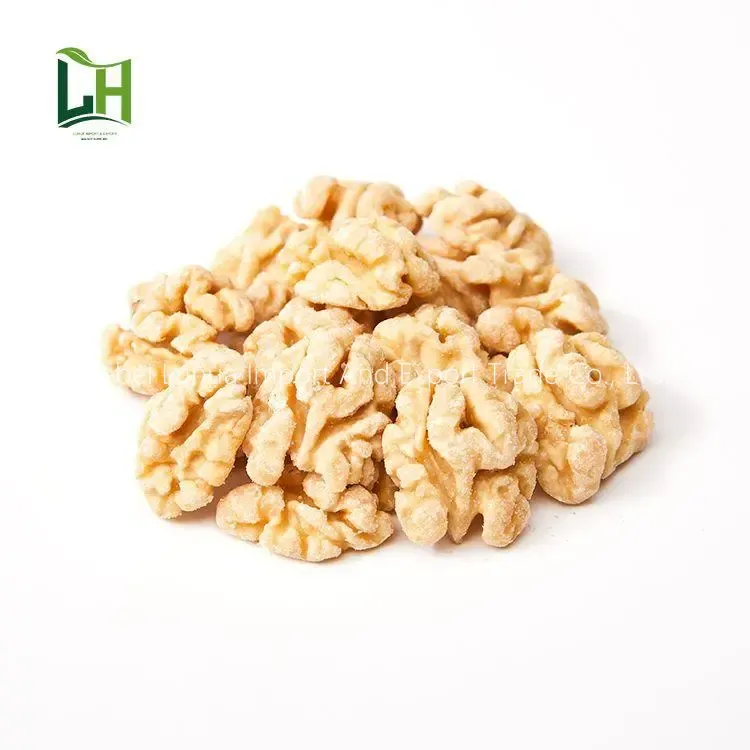
The Ultimate Guide to Buy Walnuts: Quality, Sourcing, and Nutrition
When you decide to buy walnuts, you aren't just purchasing a snack; you are investing in a powerhouse of nutrition. Walnuts are celebrated globally for their rich omega-3 fatty acids, antioxidants, and heart-healthy properties. However, with so many varieties and suppliers in the international market, finding the perfect balance of freshness, taste, and price can be challenging. Whether you are a wholesale buyer, a health-conscious consumer, or a food manufacturer, understanding the nuances of walnut grading and sourcing is key to ensuring you get the best value for your money.
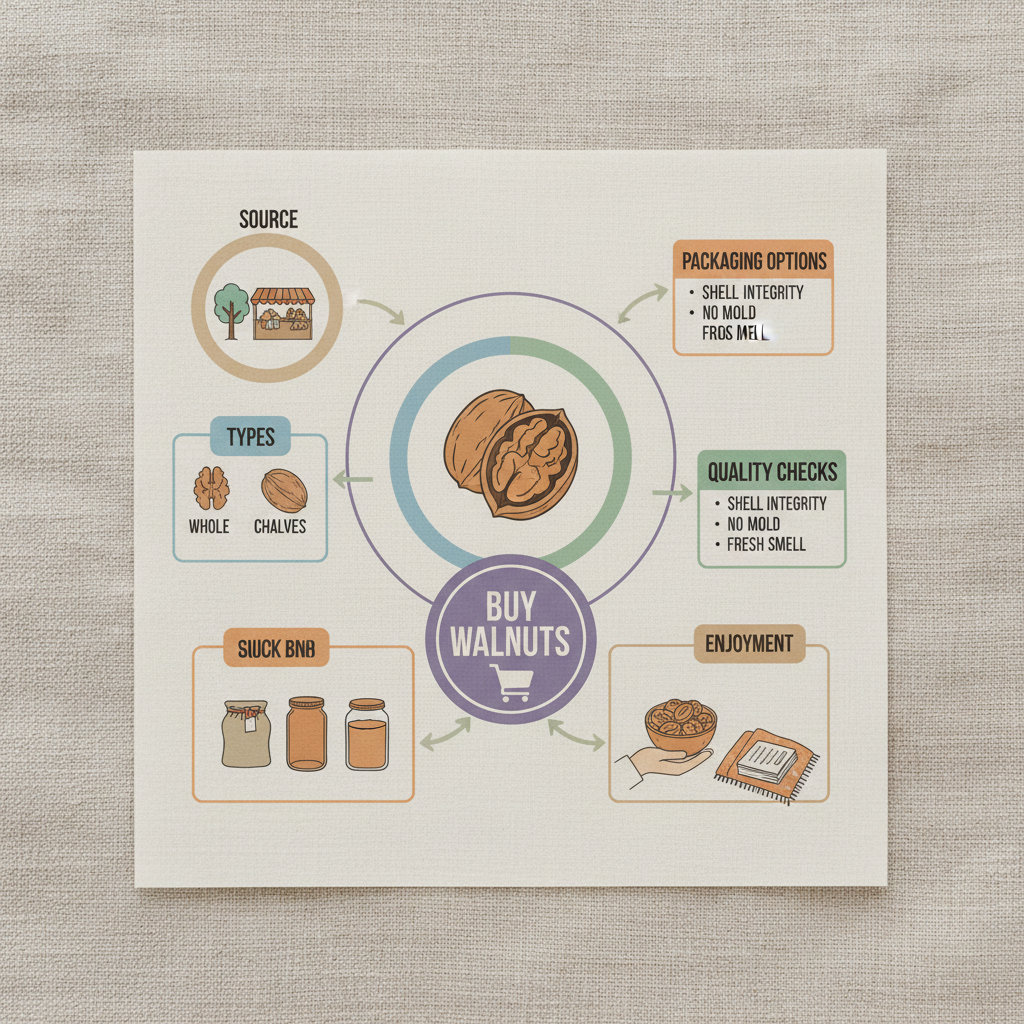
What to Consider When You Buy Walnuts in Bulk
Buying in bulk requires a more critical eye than buying a small bag at the grocery store. The most important factor is freshness. Because walnuts have a high oil content, they can go rancid if not stored or processed correctly. When you buy walnuts for commercial use, you must verify the harvest date and the storage conditions used by the supplier. Look for suppliers who utilize vacuum packaging or nitrogen-flushed bags to prevent oxidation. Additionally, check for certifications such as HACCP or ISO to ensure that the food safety standards are strictly maintained throughout the supply chain.
Expert Tip: Always request a sample before placing a large order. This allows you to test the color, texture, and taste to ensure the product meets your specific quality standards.
Comparing Walnut Grades: Finding the Right Fit
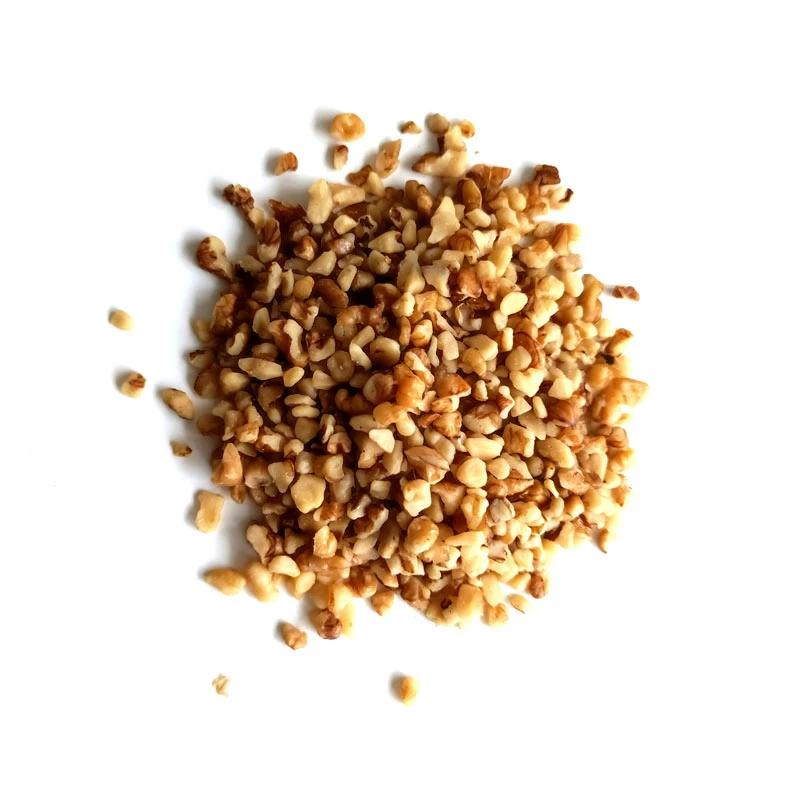
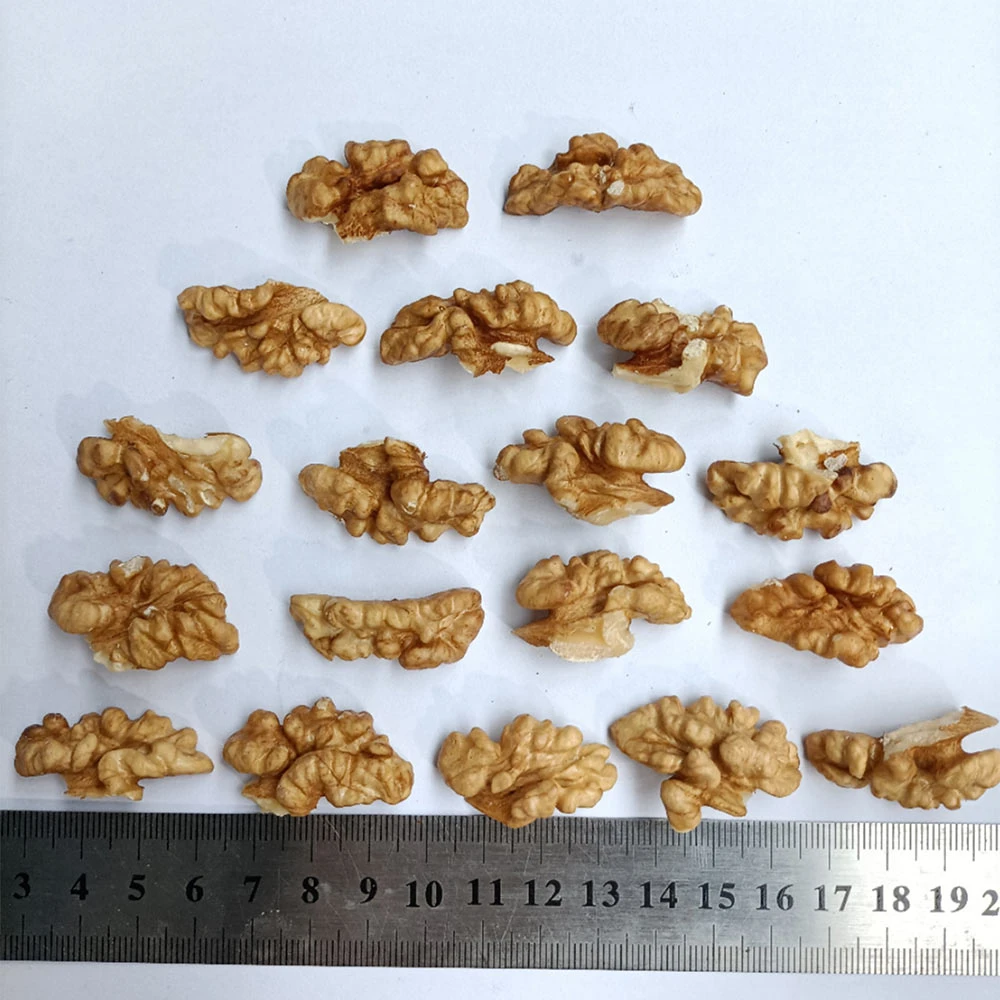
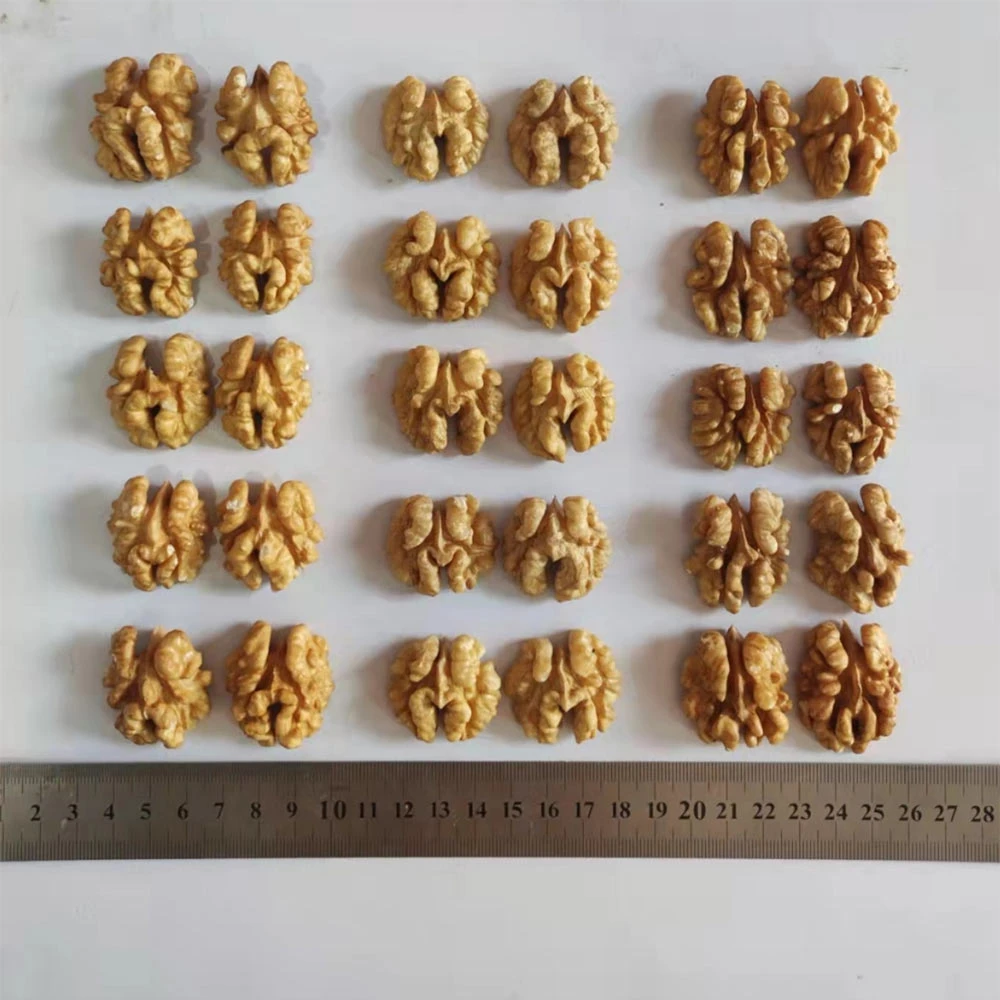
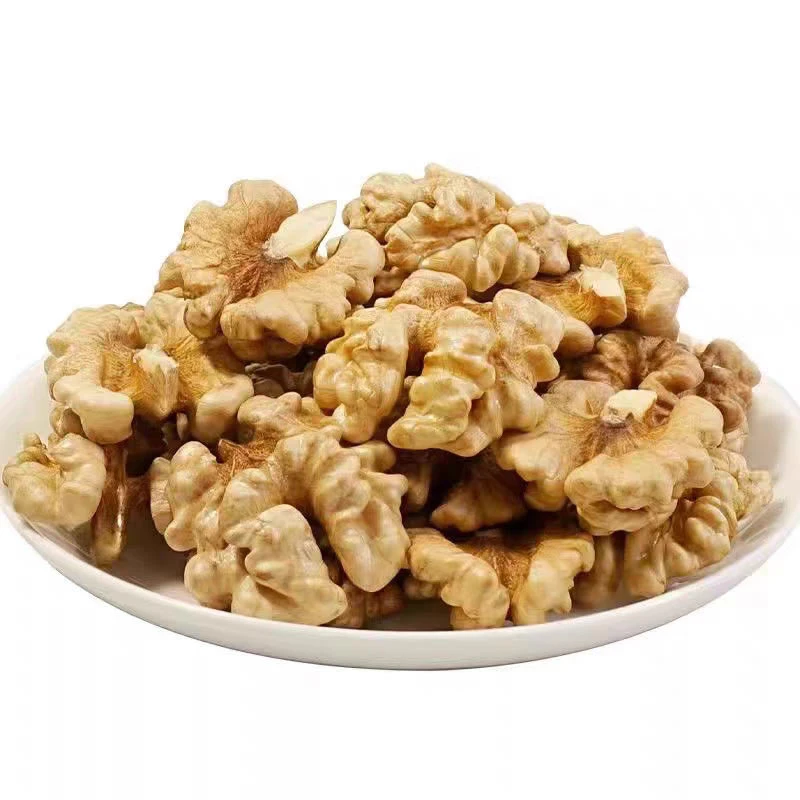
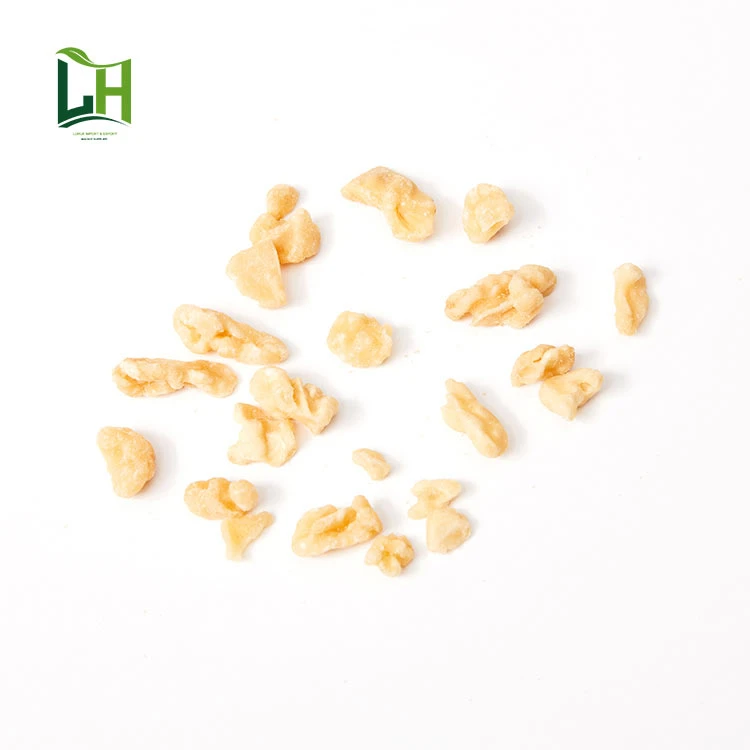
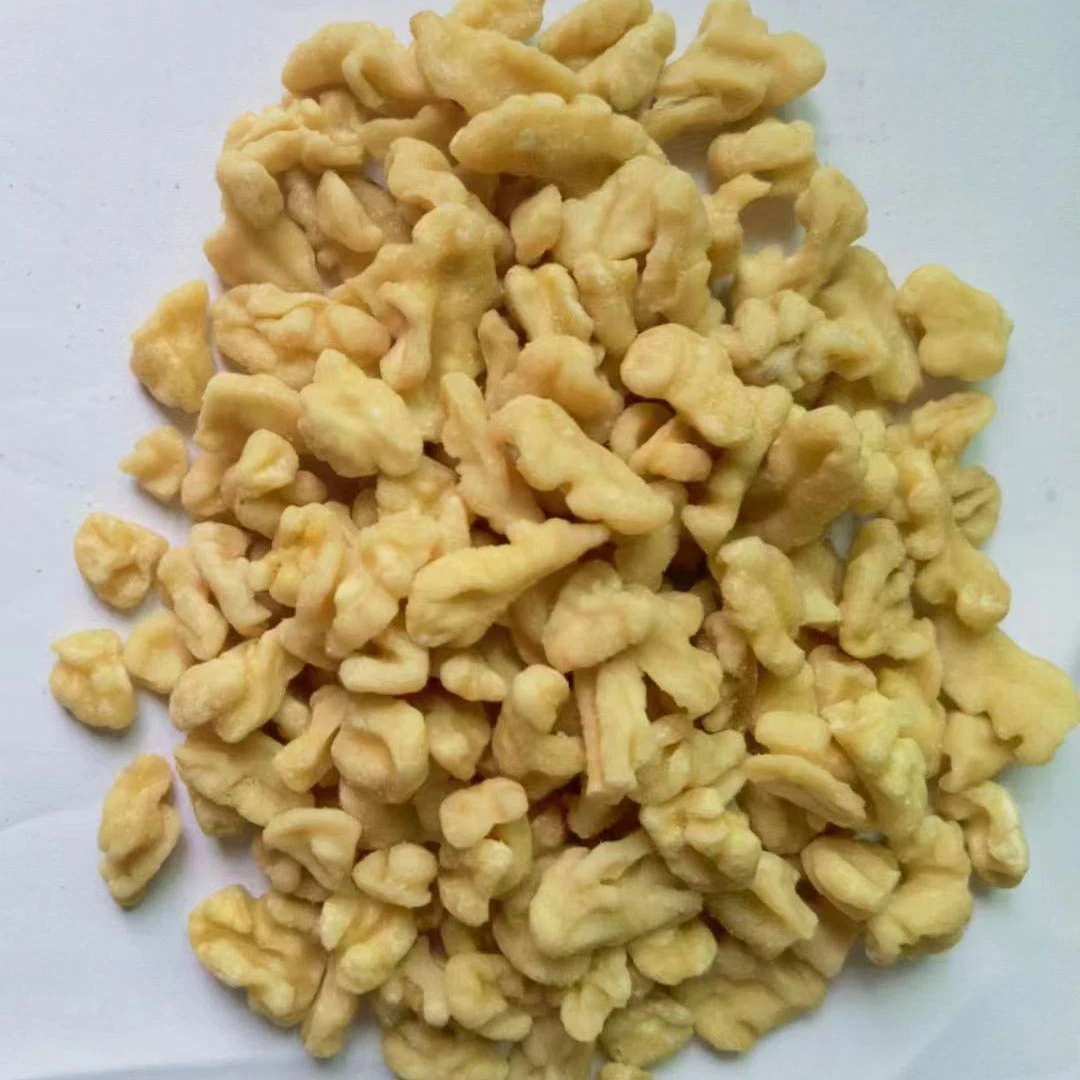
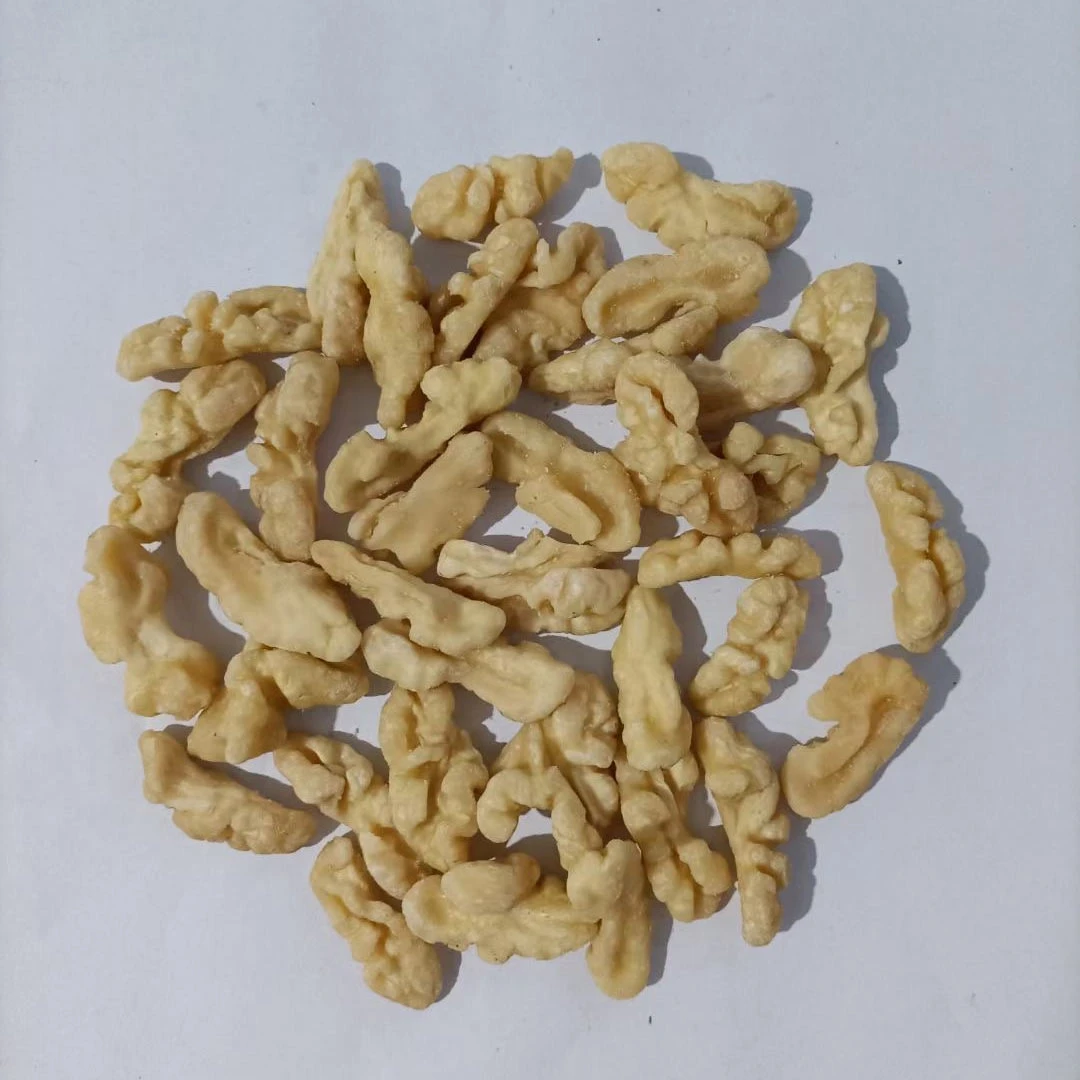
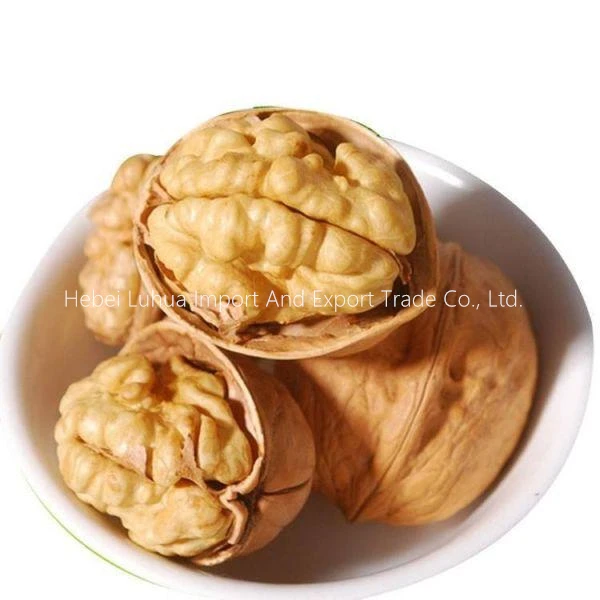
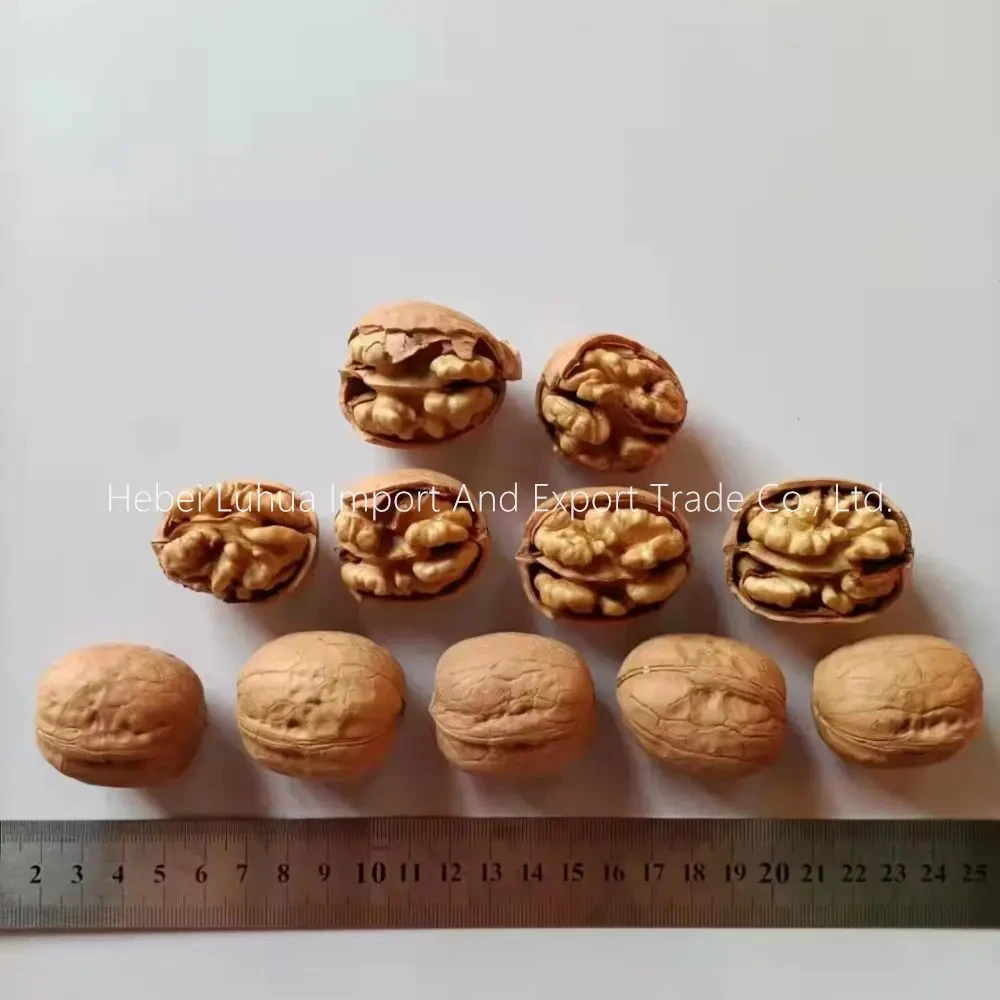
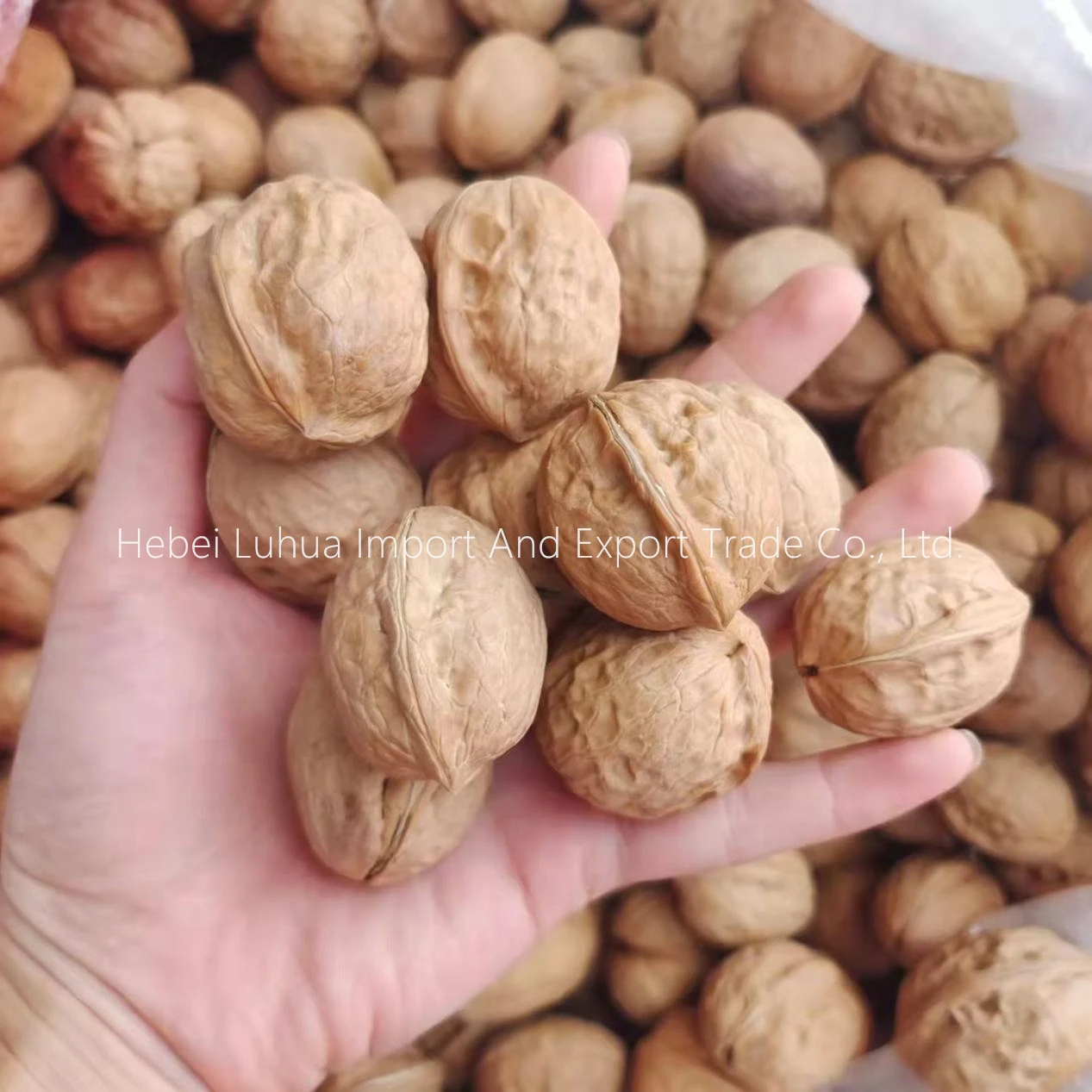
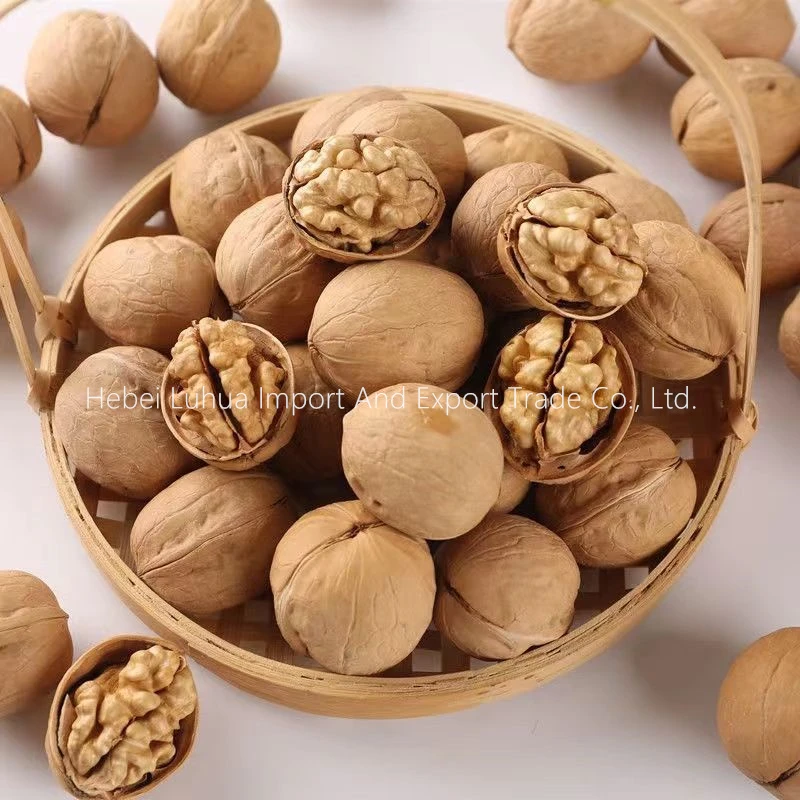
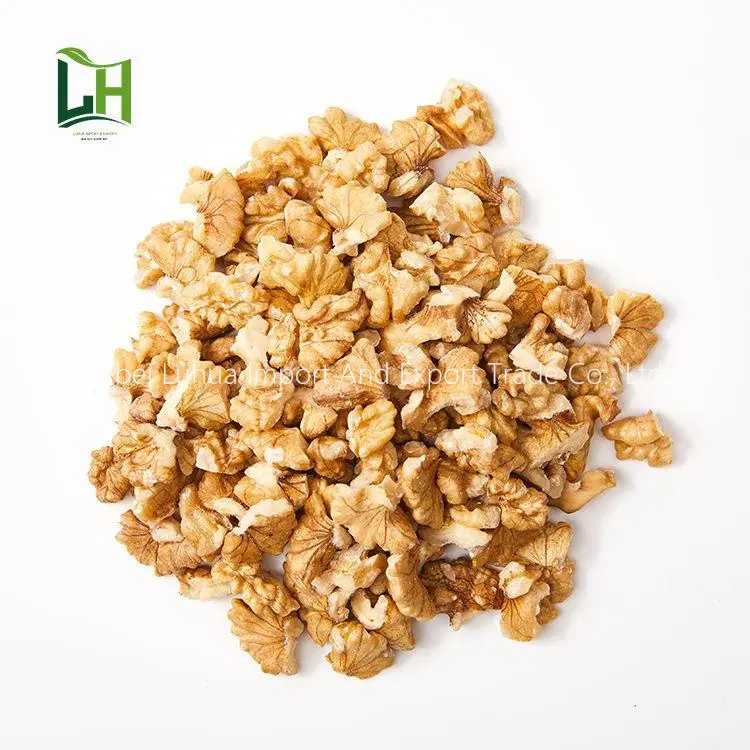
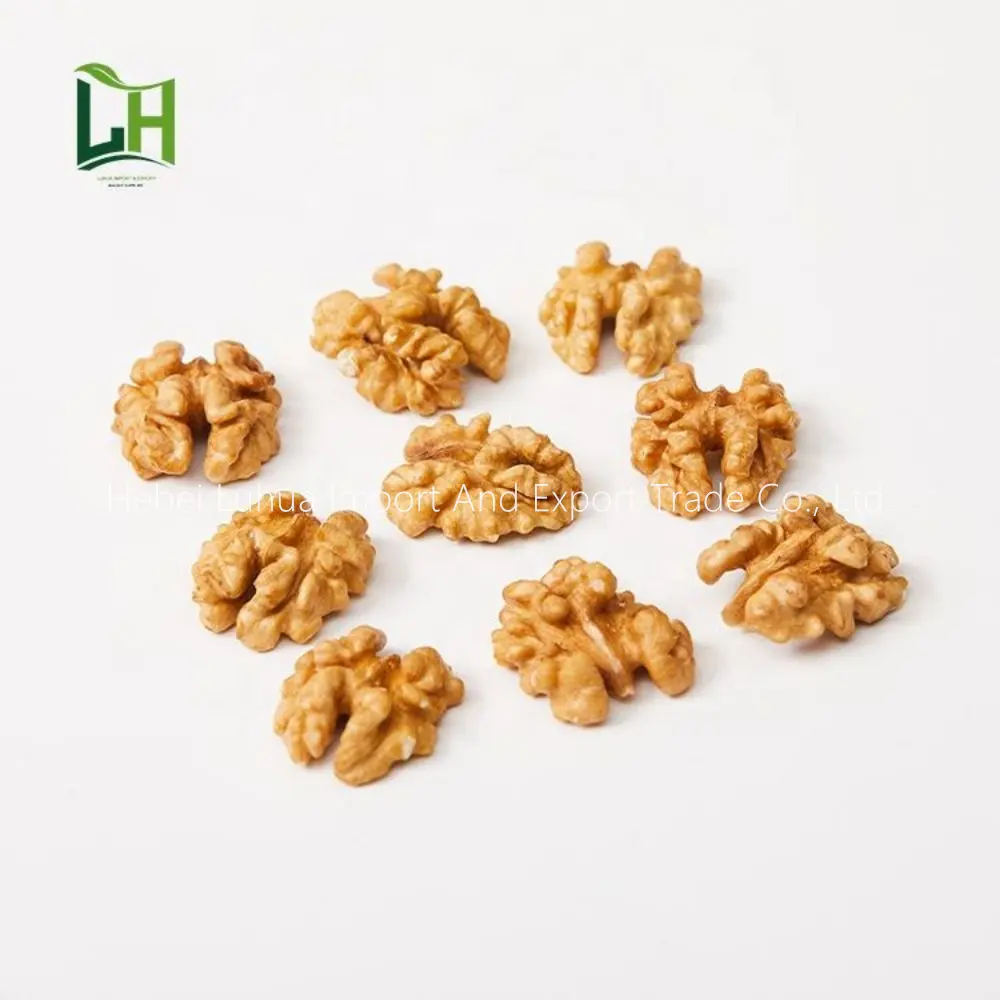
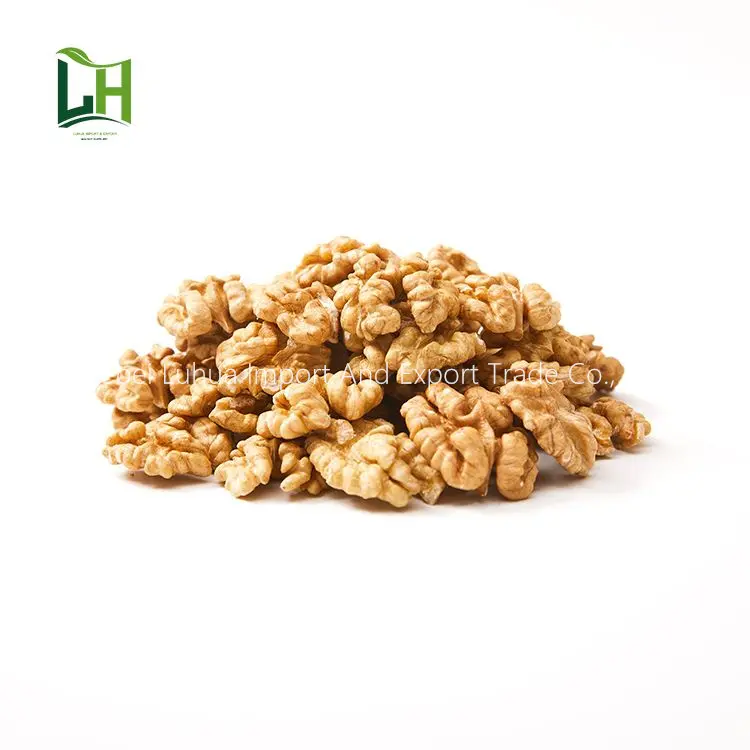
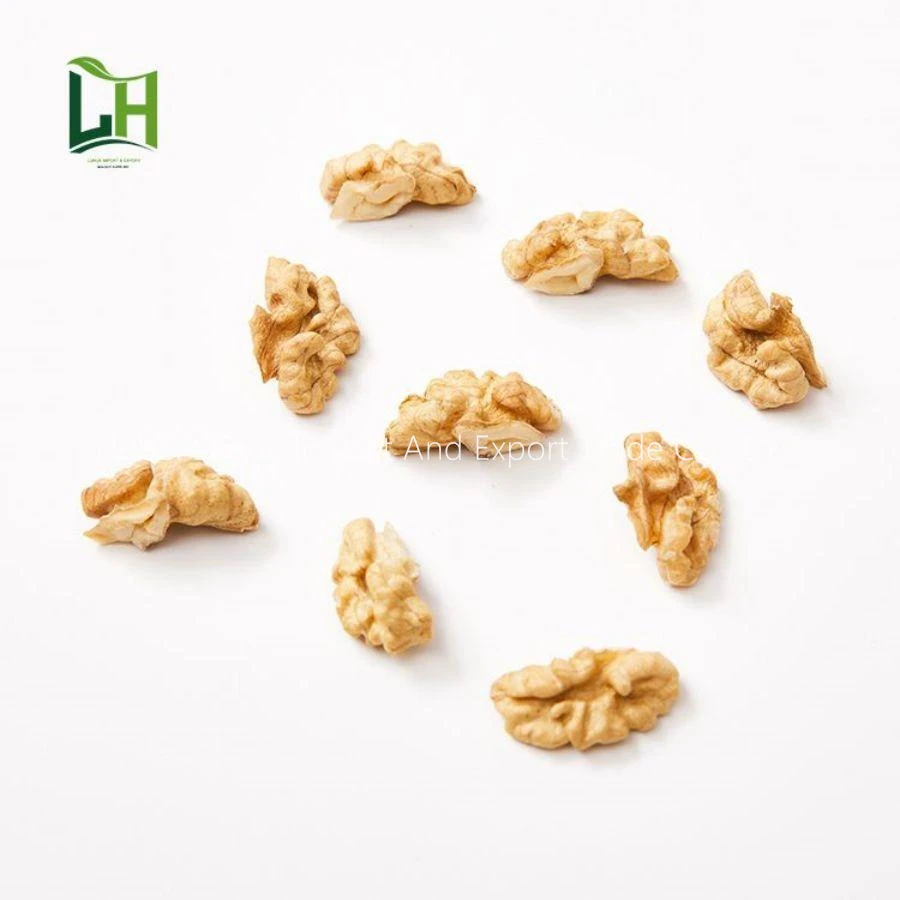
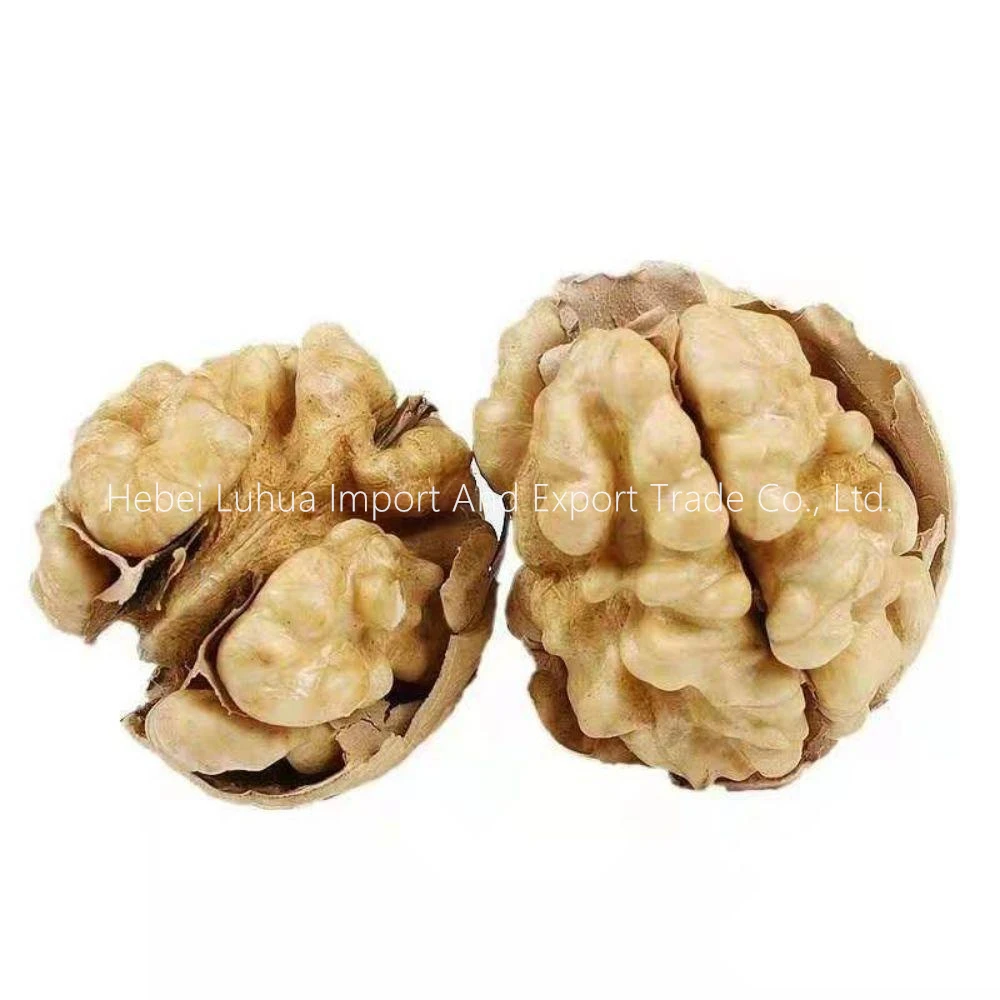
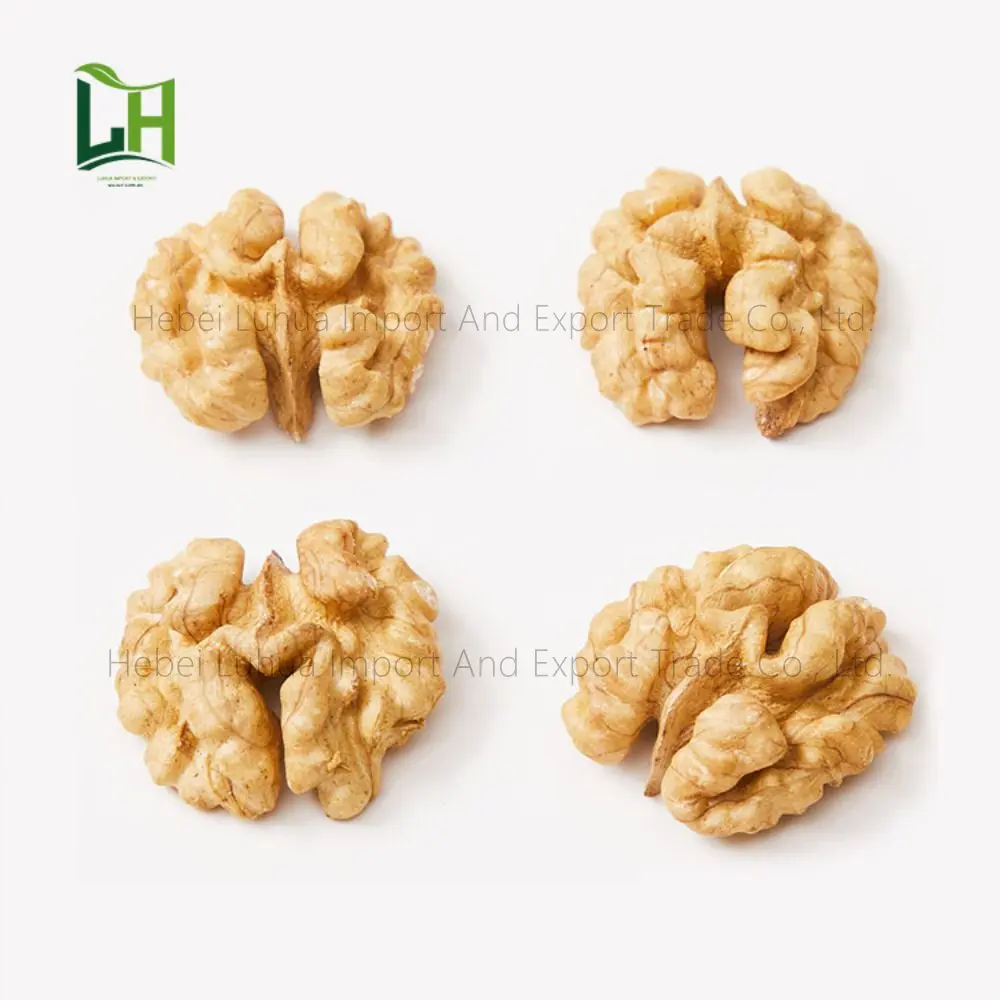
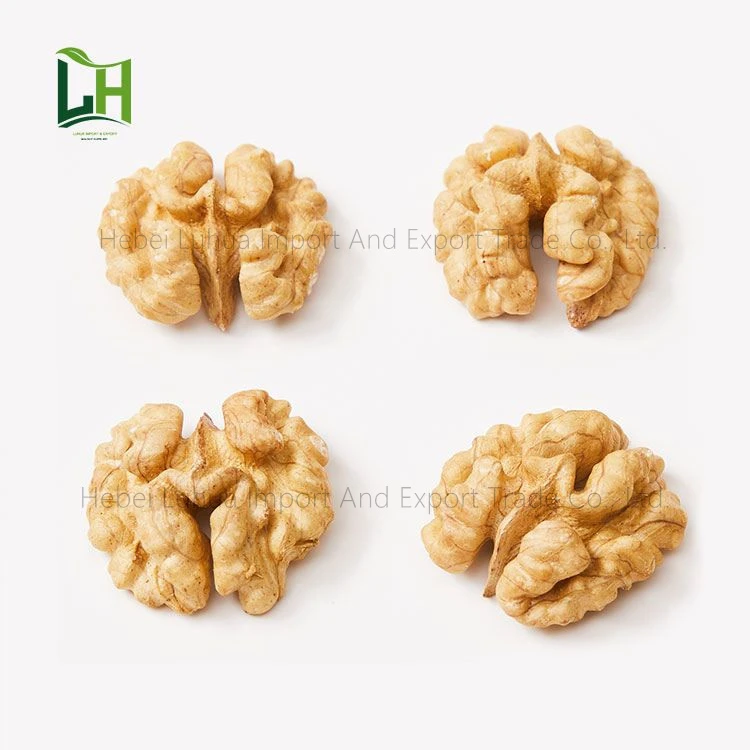
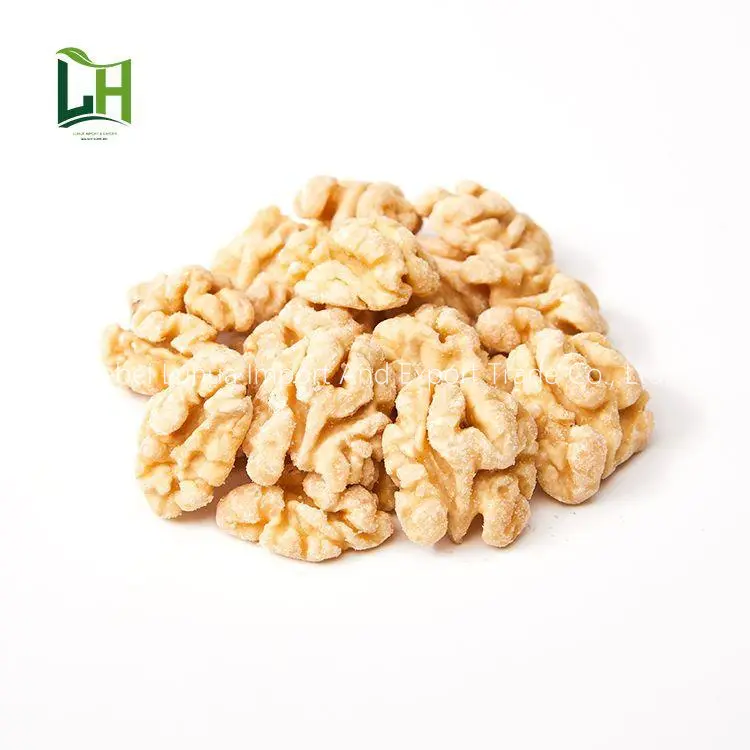
Not all walnuts are created equal. Depending on your end-use—whether it's for luxury confectionery or industrial baking—you will need a different grade. When you buy walnuts, you will often encounter terms like "halves," "pieces," or "inshell." Halves are the most visually appealing and command a premium price, while pieces are more cost-effective for blending into batters or salads. Understanding these distinctions helps in optimizing your procurement costs without sacrificing the quality of your final product.
Nutritional Benefits: Why You Should Buy Walnuts Daily
Incorporating walnuts into your daily diet offers profound health benefits. They are one of the best plant-based sources of Alpha-Linolenic Acid (ALA), a type of omega-3 fatty acid that supports brain function and reduces inflammation. When you buy walnuts, you are accessing a natural source of polyphenols, which help fight oxidative stress in the body. Regular consumption has been linked to improved cholesterol levels and a reduced risk of cardiovascular diseases. From enhancing memory to supporting weight management through satiety, walnuts are a versatile superfood for all ages.
Storage Tips to Maintain Quality After You Buy Walnuts
The journey doesn't end once you buy walnuts; proper storage is critical to preserving their nutritional value and taste. Because of their high unsaturated fat content, walnuts are sensitive to heat, light, and oxygen. To maximize shelf life, store them in airtight containers and keep them in a cool, dark place. For long-term storage, refrigeration or freezing is highly recommended. Refrigerated walnuts can stay fresh for several months, while frozen walnuts can maintain their quality for up to a year. Avoid storing them near strong-smelling foods, as walnuts can absorb odors easily.
Storage Summary:
• Pantry: Short-term (few weeks), cool and dry.
• Fridge: Mid-term (6 months), airtight container.
• Freezer: Long-term (1 year+), vacuum sealed.
Technical Product Specifications for Wholesale
For B2B clients, the technical specifications are the foundation of a successful partnership. When you buy walnuts from a professional exporter, you should expect a detailed specification sheet. This ensures consistency across shipments. Key metrics include the moisture content, which should be low to prevent mold, and the percentage of damaged or shriveled kernels. Below is a typical specification table for high-grade walnut kernels used in international trade.
Sustainable Sourcing and Ethical Trading
In the modern market, where you source your nuts is as important as what you buy. Ethical sourcing ensures that farmers are paid fairly and that the environment is protected through sustainable farming practices. When you choose to buy walnuts from transparent suppliers, you support a system that minimizes pesticide use and promotes biodiversity in walnut groves. Sustainable agriculture not only protects the planet but also results in a higher-quality nut, as healthy soil and ecosystems produce more nutrient-dense crops.
Conclusion: Smart Choices for Your Walnut Procurement
Deciding to buy walnuts is a commitment to health and quality. By focusing on the right grades, verifying technical specifications, and prioritizing sustainable sources, you can ensure that your investment yields the best possible results. Whether for personal health or commercial success, choosing a reliable partner like Lu Hua Walnut ensures that you receive premium, fresh, and ethically sourced products every time. Elevate your nutrition and your business by selecting only the finest walnuts available on the market.
Frequently Asked Questions (FAQs)
How can I tell if the walnuts I bought have gone bad?
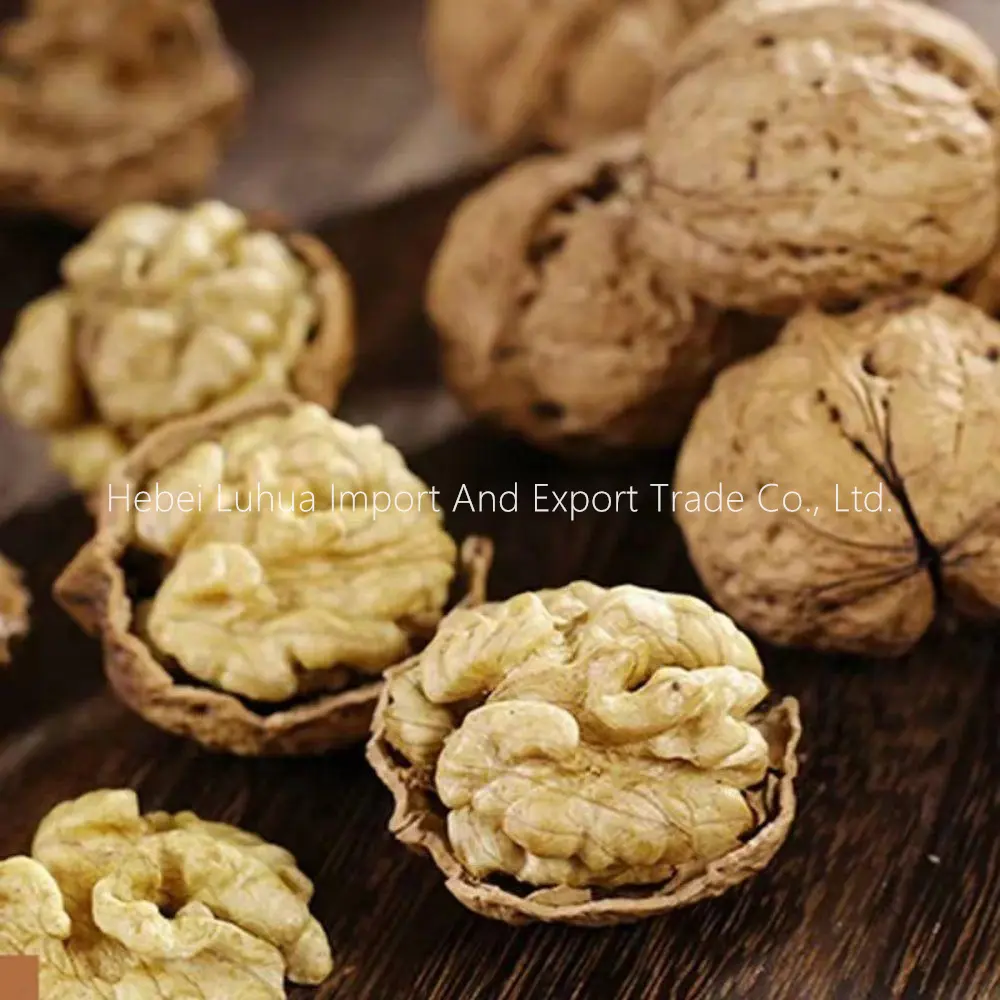
The most reliable way to tell if walnuts have gone rancid is through smell and taste. Fresh walnuts have a mild, slightly sweet, and buttery aroma. If they smell like paint thinner, varnish, or have a sharp, bitter "off" taste, the oils have oxidized, and they are no longer fresh. Visually, they should be creamy or light brown; very dark or shriveled kernels may indicate age or poor storage. If you suspect they are rancid, it is best to discard them as they lose their health benefits and can affect the flavor of your food.
What is the difference between organic and conventional walnuts?
Organic walnuts are grown without the use of synthetic pesticides, herbicides, or chemical fertilizers. Instead, organic farmers use natural methods like composting and biological pest control to maintain crop health. While both organic and conventional walnuts offer similar nutritional profiles in terms of omega-3s and vitamins, many consumers prefer organic options to avoid chemical residues and to support more environmentally friendly farming. When you buy walnuts, checking for certified organic labels is the best way to verify these claims.
Can I buy walnuts in bulk and still keep them fresh?
Absolutely, provided you use the correct storage techniques. The secret to keeping bulk walnuts fresh is limiting their exposure to the "three enemies": heat, light, and oxygen. We recommend dividing your bulk purchase into smaller, vacuum-sealed portions. Keep the portion you intend to use within the month in the refrigerator, and move the rest to the freezer. This prevents the need to constantly open and close a large container, which exposes the nuts to fresh oxygen every time. With these methods, bulk walnuts can remain high-quality for a year or more.
Why are some walnuts lighter in color than others?
The color of walnut kernels is primarily influenced by the variety of the tree and the processing method. "Extra Light" kernels are highly prized in the market because they are perceived as more aesthetically pleasing and often have a milder, creamier flavor. Darker kernels are not necessarily lower in nutrition, but they can sometimes indicate a different variety or a slightly longer exposure to air during processing. In the professional grading system used when you buy walnuts, color is a key benchmark for pricing and quality classification.
Post time:Apr . 09, 2026 02:45