Walnuts China: A Veteran’s Perspective on Quality and Industry Trends
Having spent more than two decades navigating the industrial equipment sector—and dipping a toe every now and then into agricultural supply chains—I've grown particularly interested in how certain products shape regional economies. Walnuts China is one of those sectors that feels both traditional and rapidly evolving simultaneously. It’s strange when you think about it—walnut production, especially in China, blends age-old farming techniques with more modern processing and export standards. That balance is, frankly, fascinating.
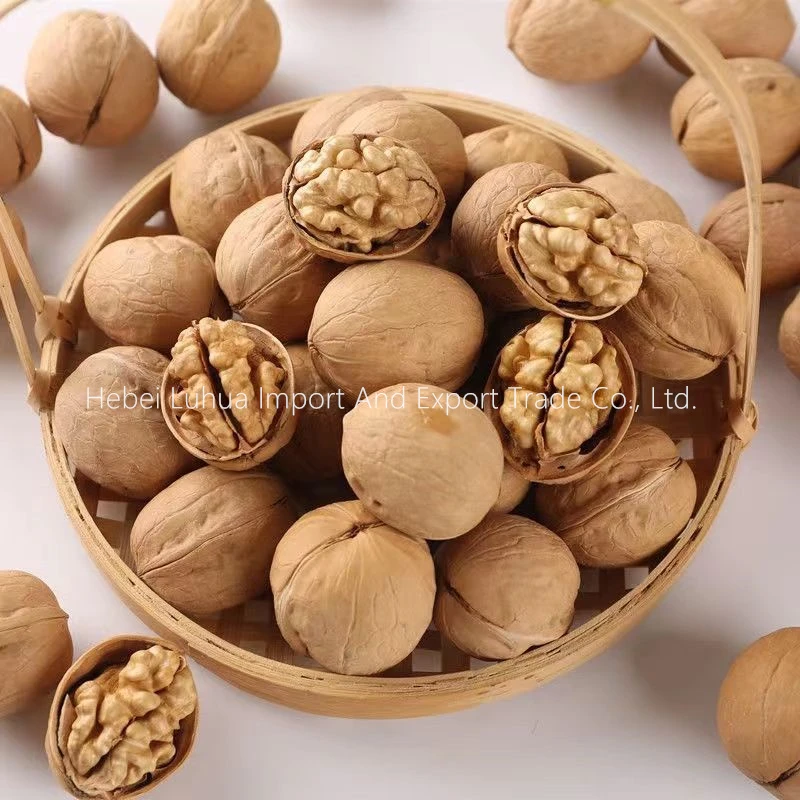
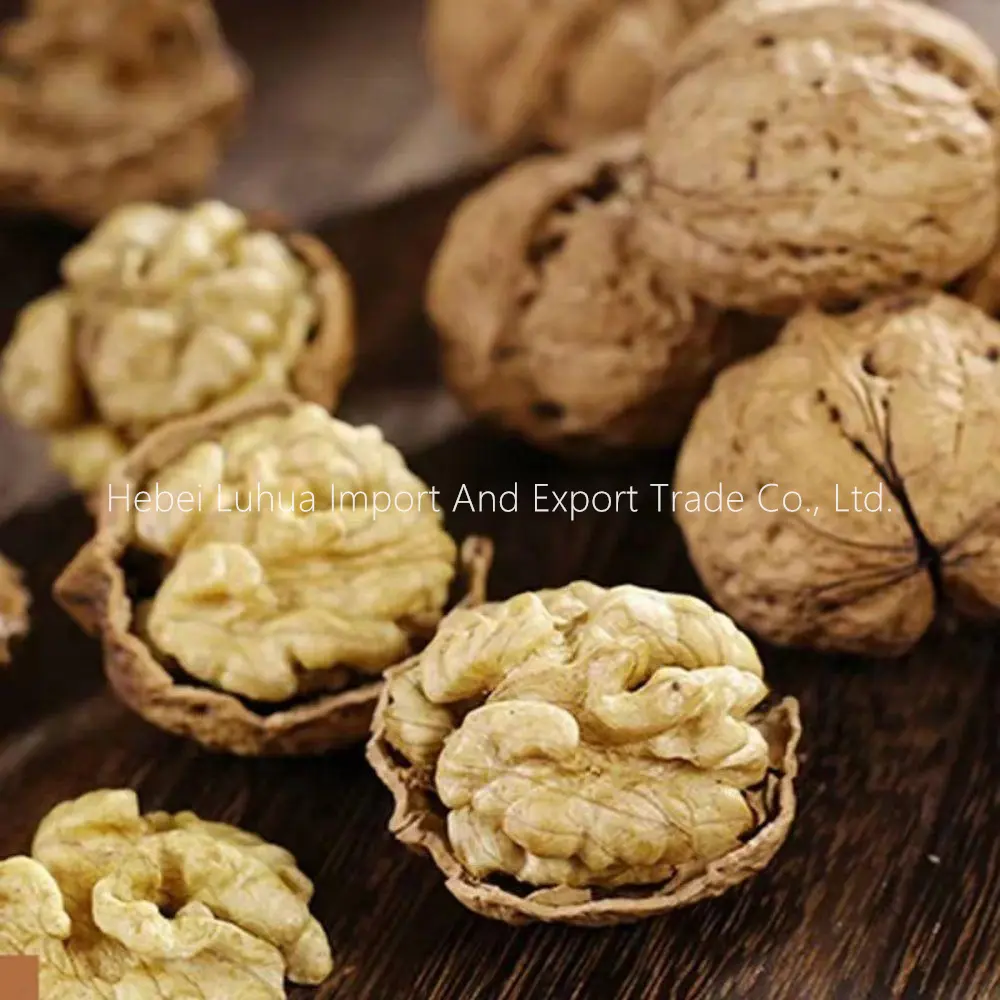
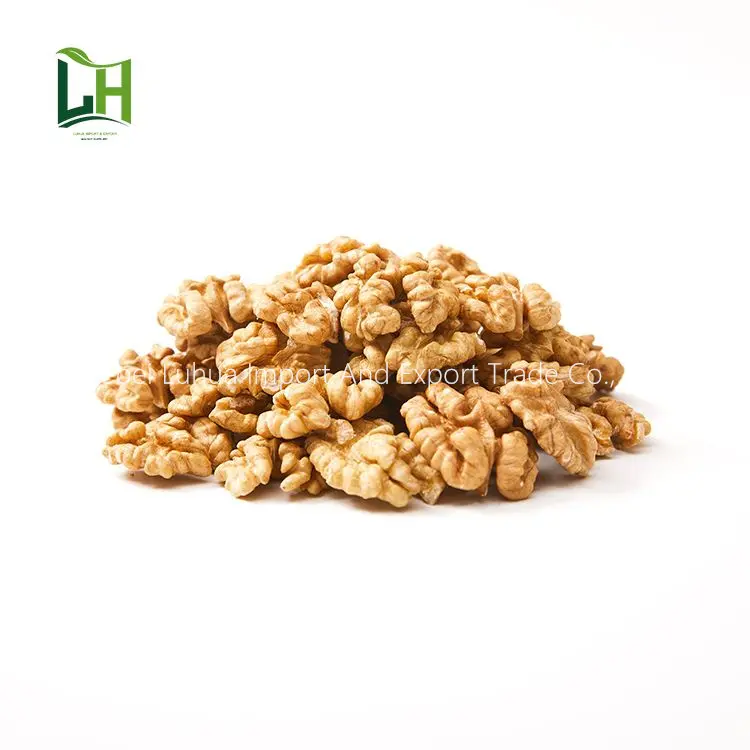
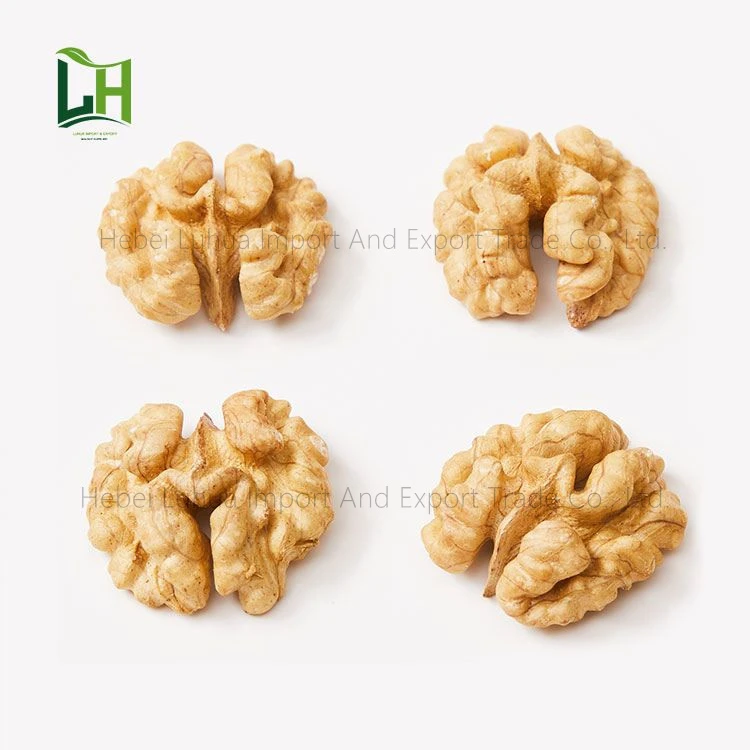
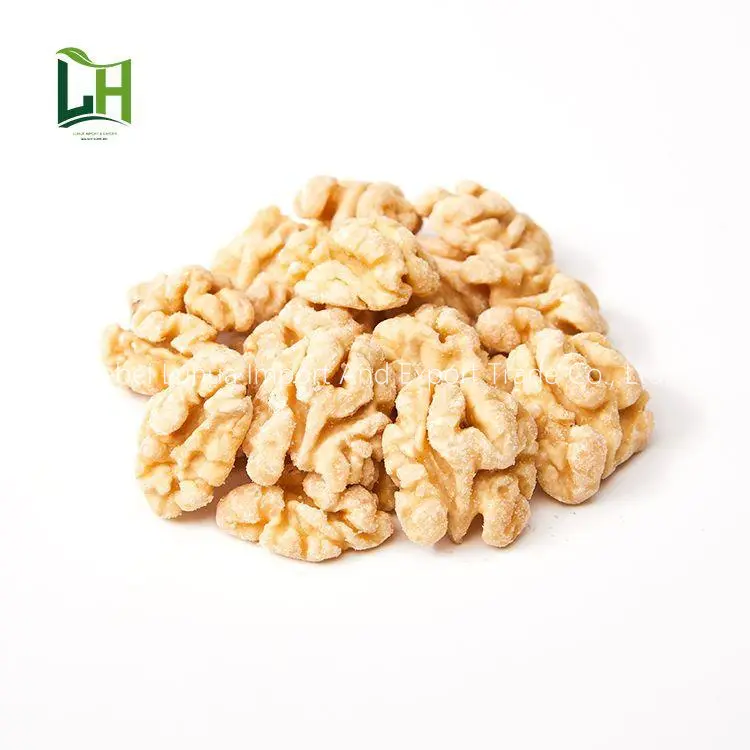
Chinese walnuts aren't just about snacks anymore—they form a significant part of export commodities and health-food markets worldwide. And if you ask me, quality consistency is the linchpin here. I remember visiting a mid-sized processing plant in Yunnan province a few years back; the attention to detail in sorting, drying, and shell removal was striking. It's one thing to grow excellent walnuts, another altogether to get them market-ready at scale.
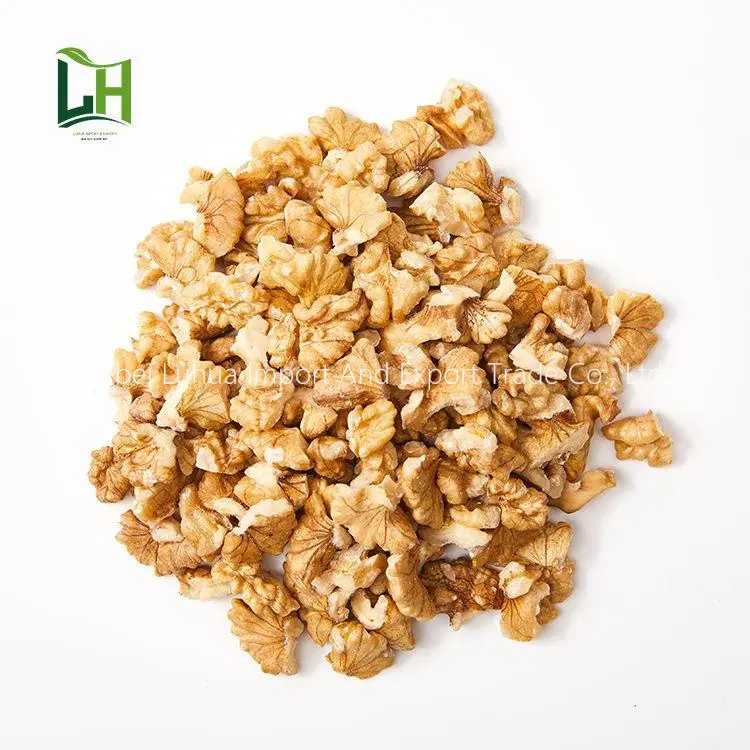
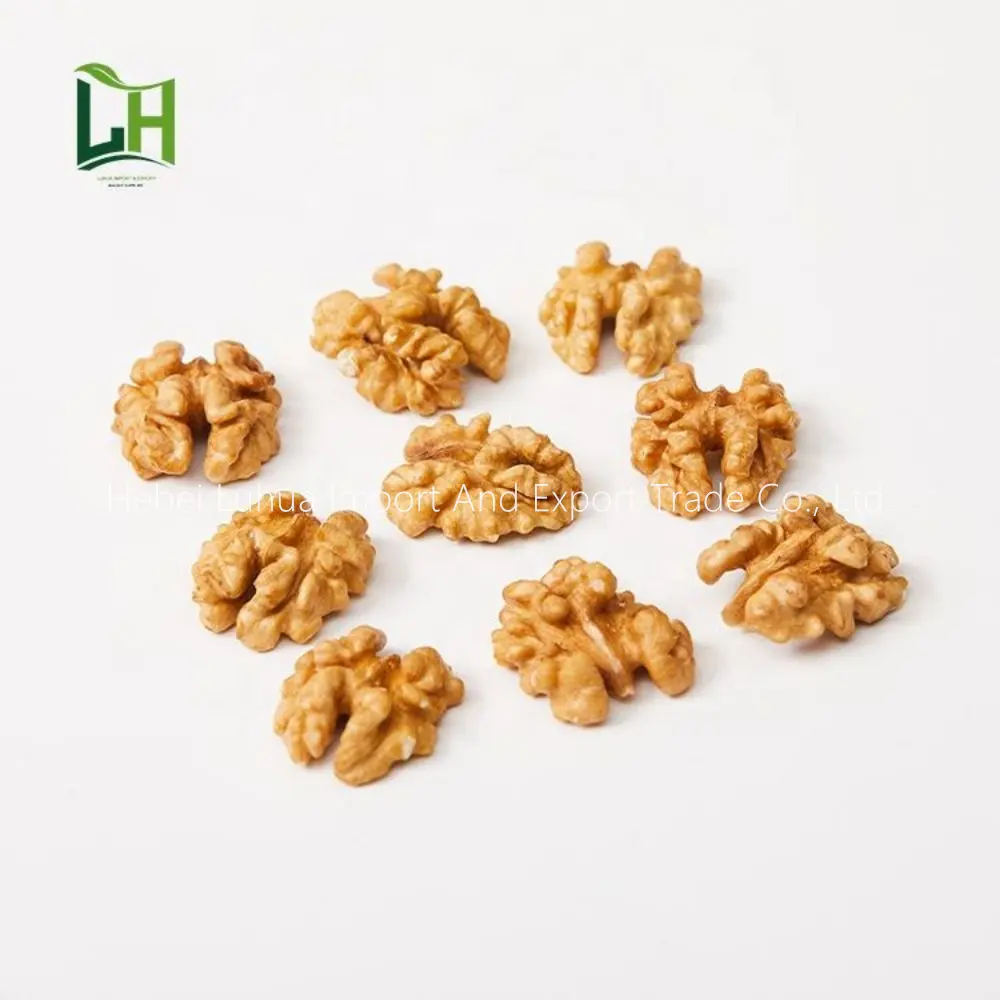
Product Specs: What You Need to Know about Chinese Walnuts
| Specification | Details |
|---|---|
| Origin Regions | Yunnan, Xinjiang, Hebei |
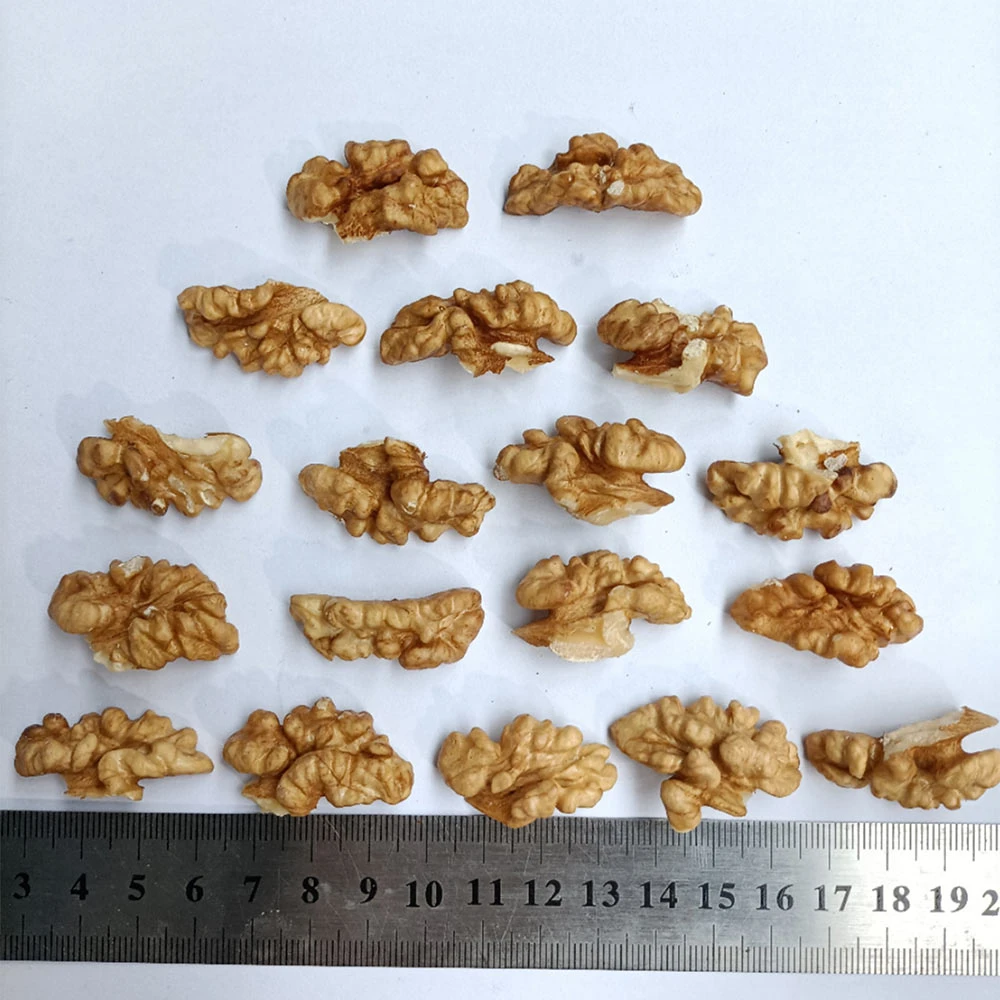
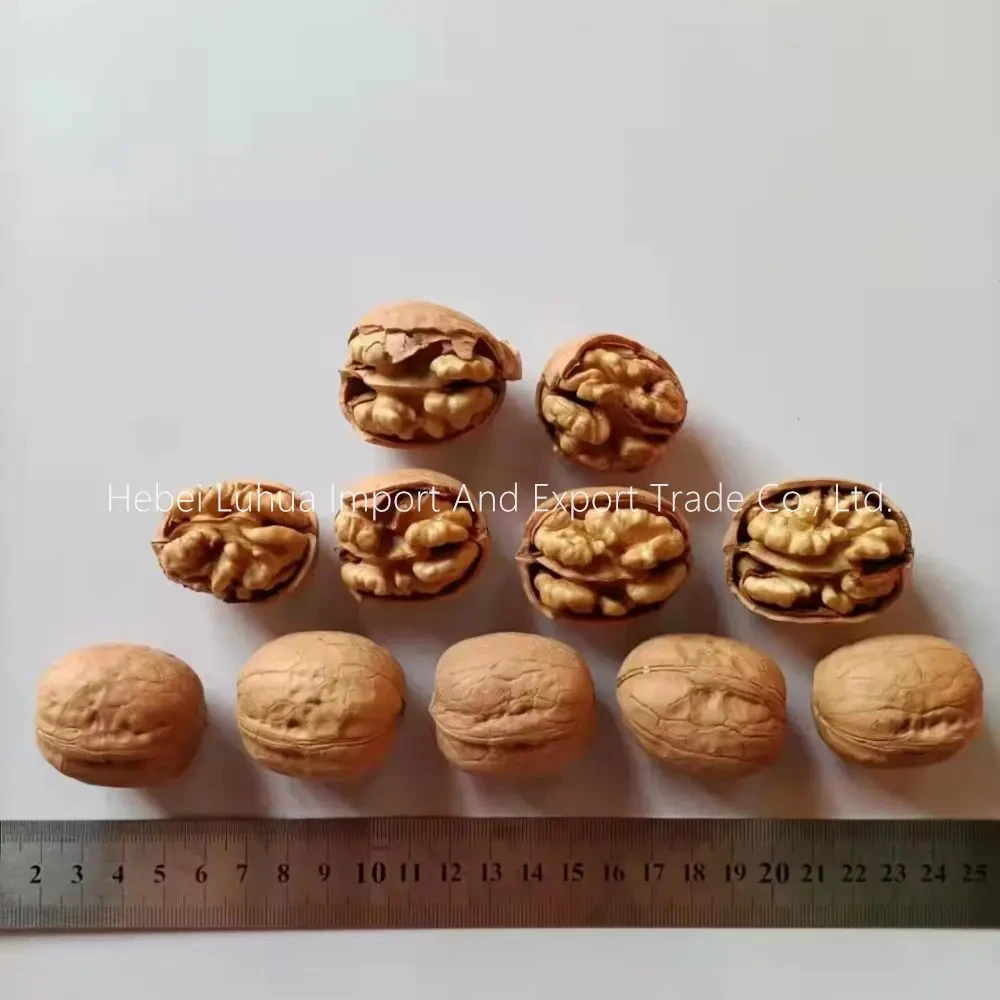
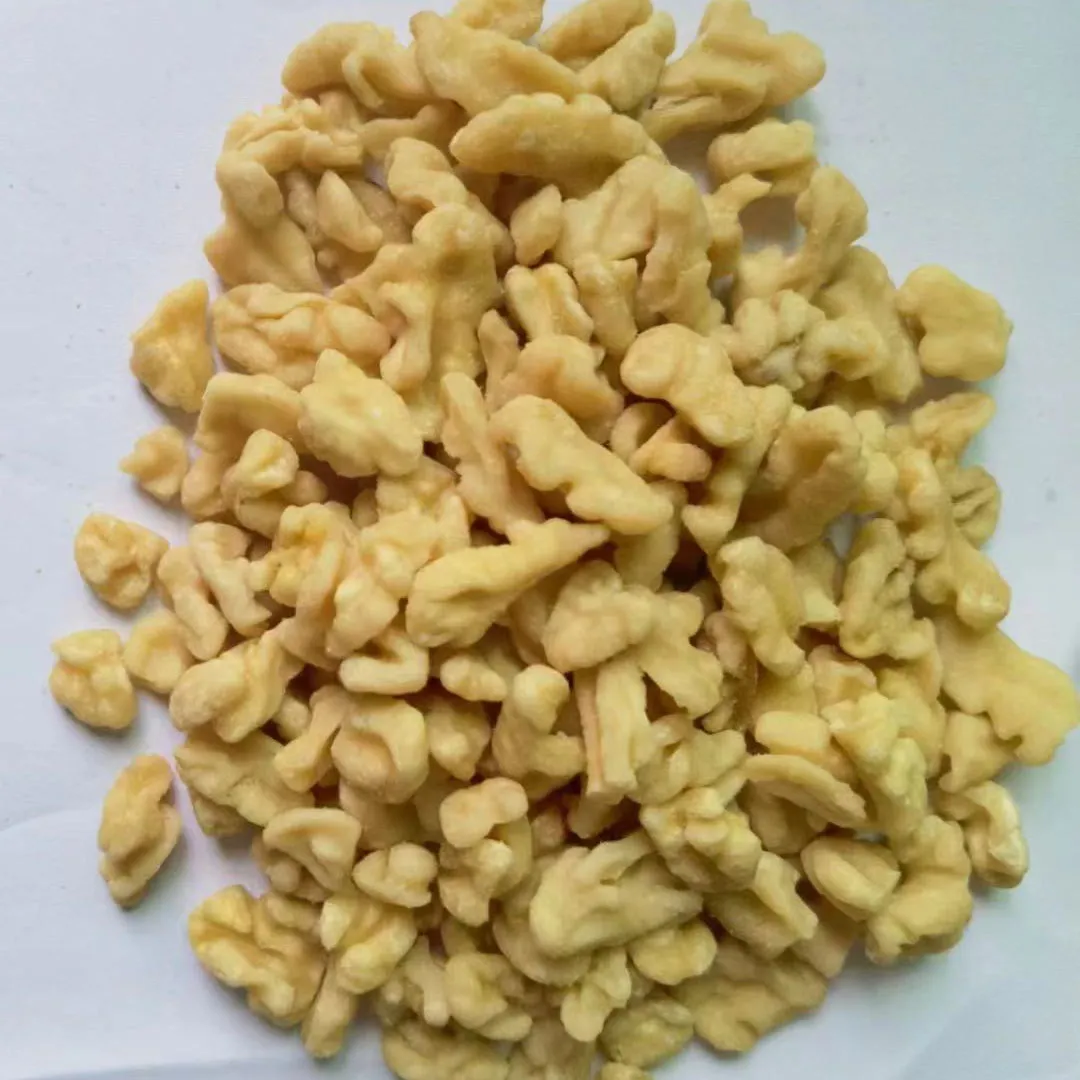
| Average Kernel Weight | 10-14 grams |
| Moisture Content | 5-7% |
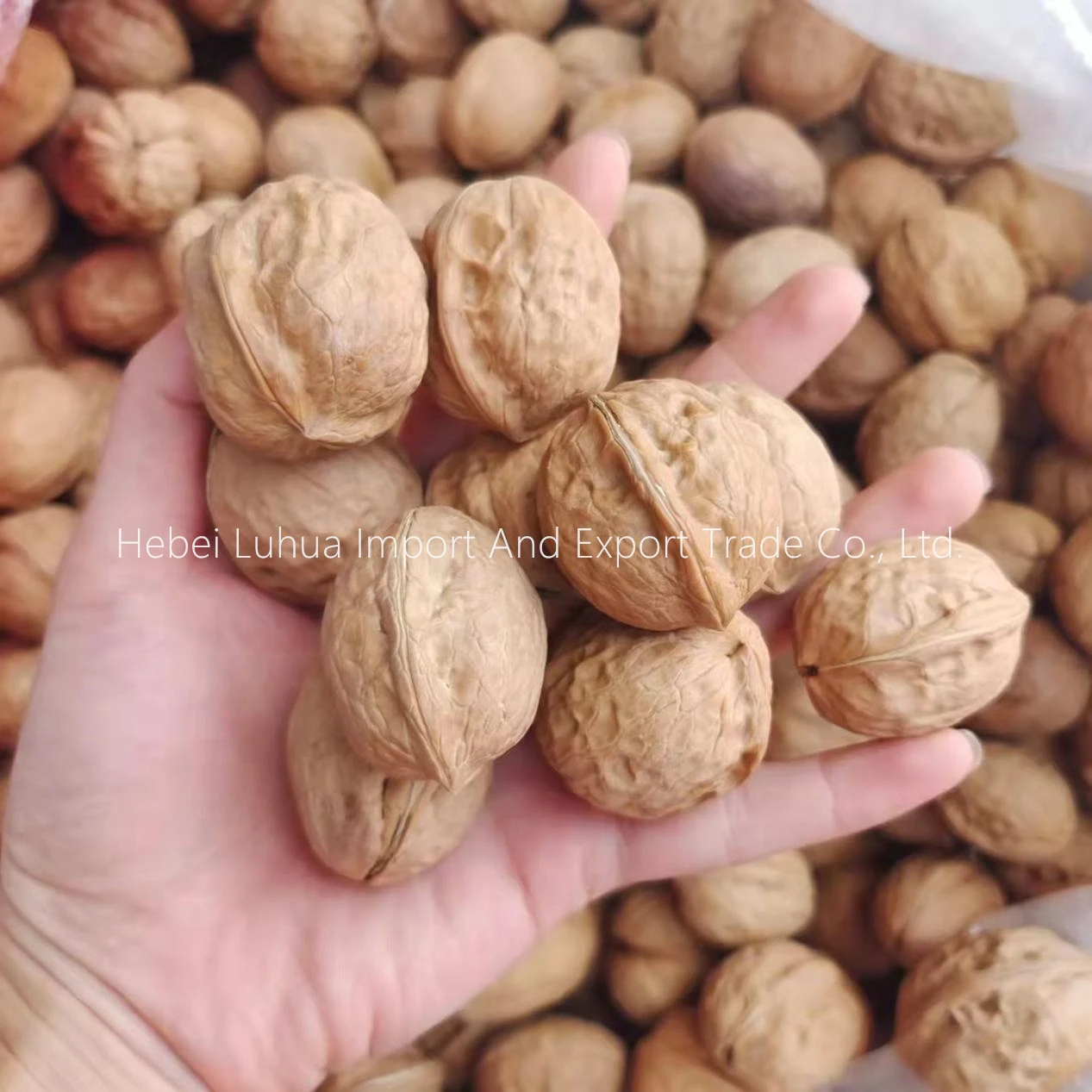
| Shell Hardness | Moderate to Hard |
| Color | Light Brown to Dark Brown |
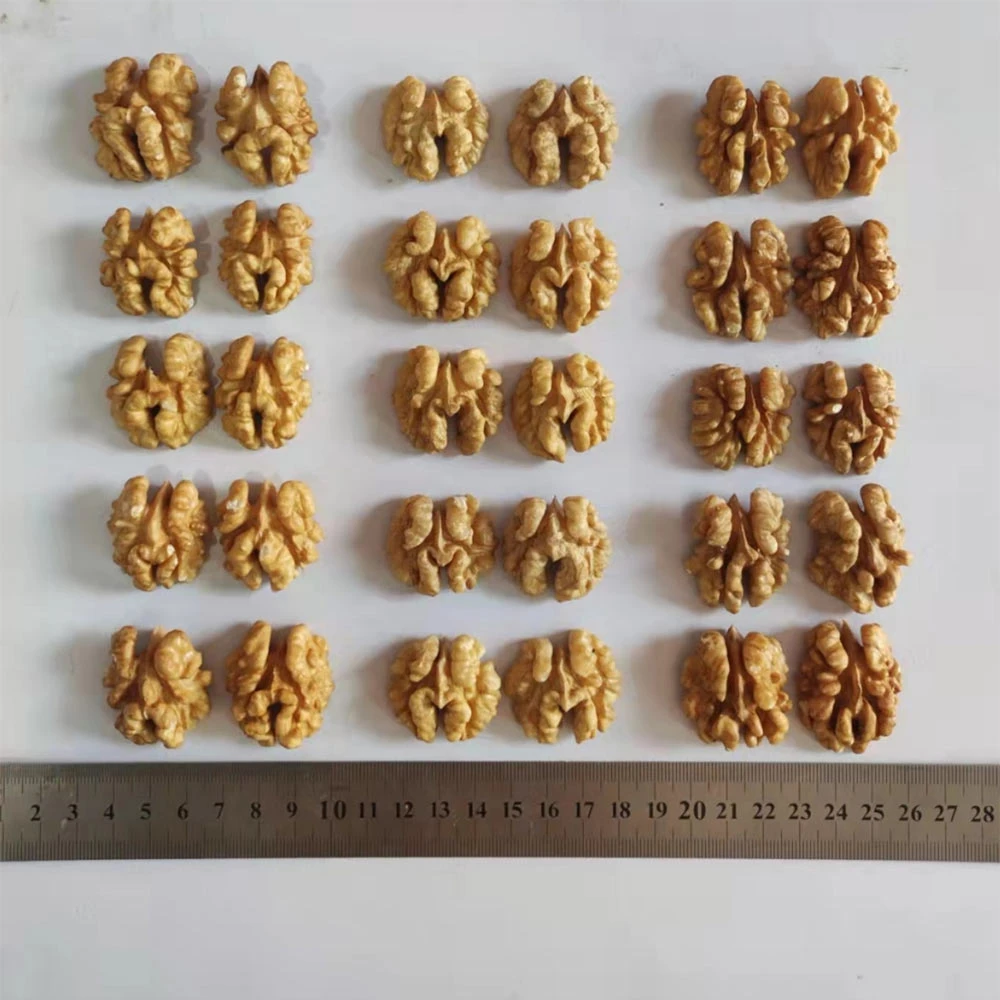
| Common Grades Available | Grade A, B, C (based on size and split integrity) |
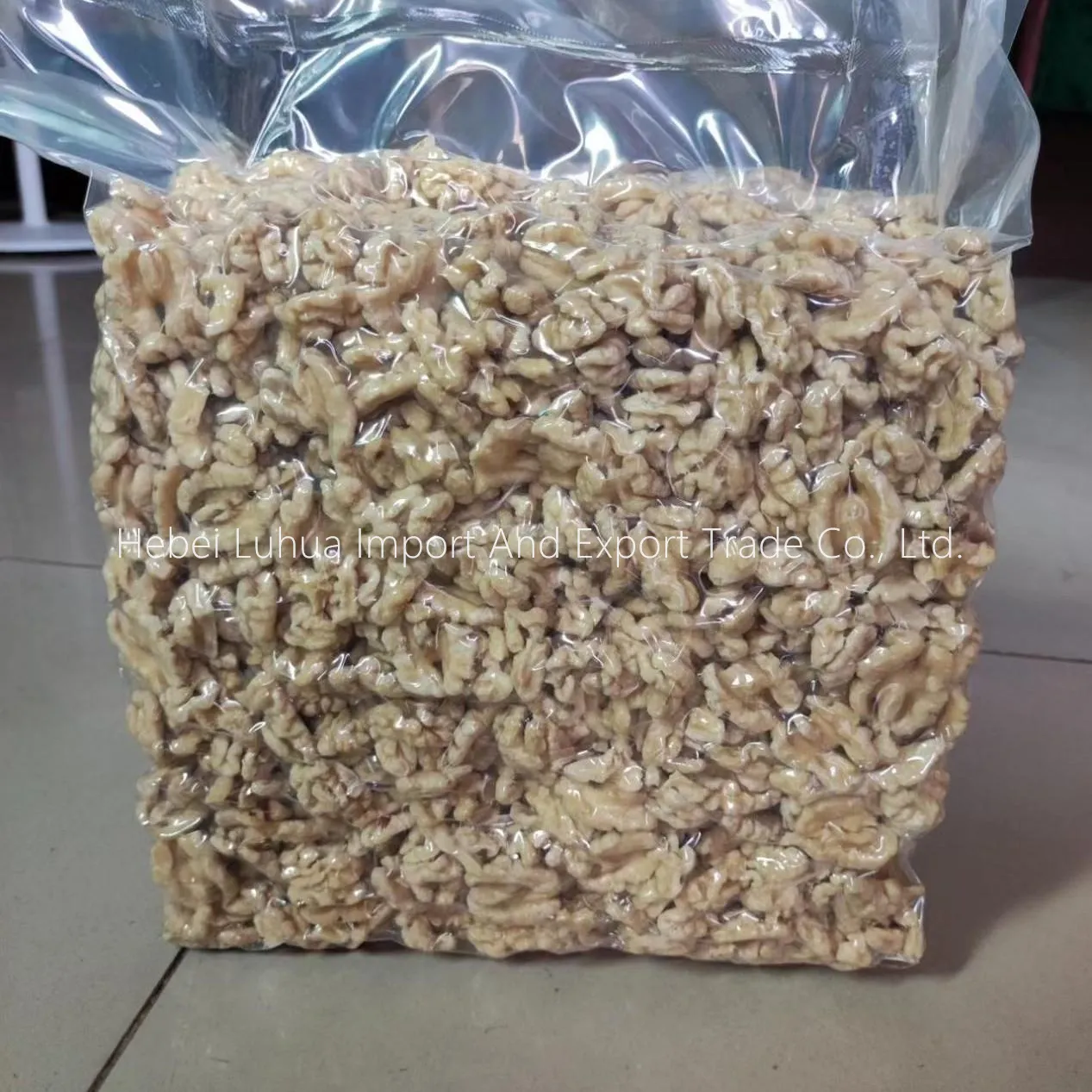
| Packaging | Vacuum-sealed, Jute Bags, Bulk Containers |
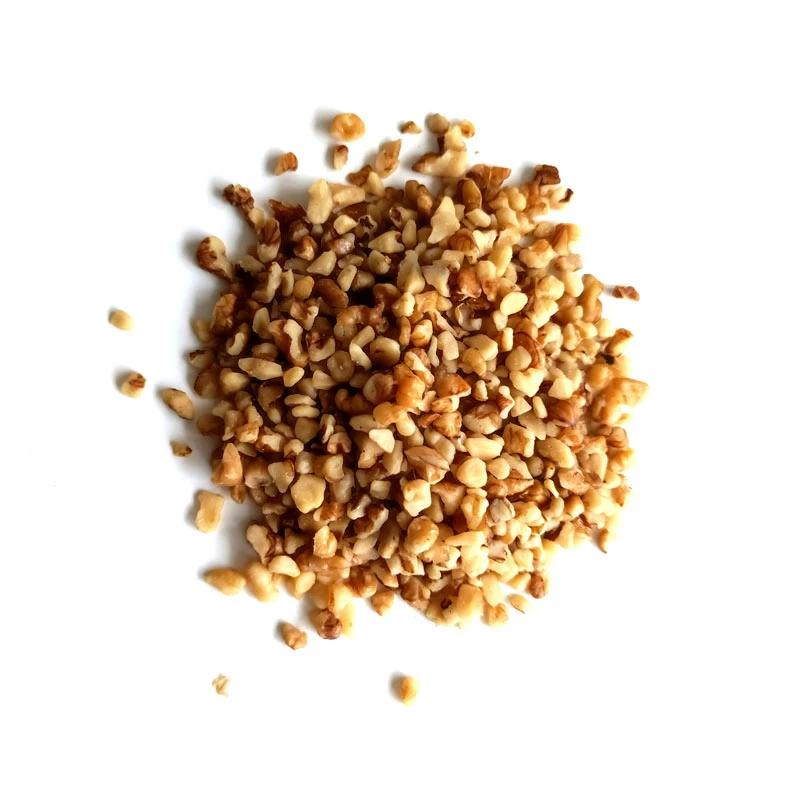
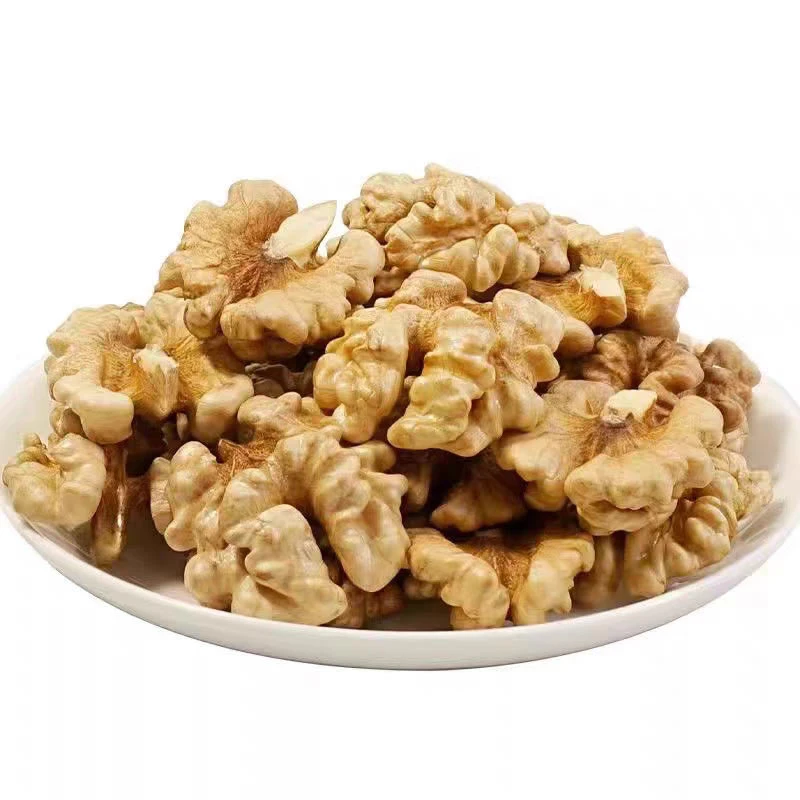
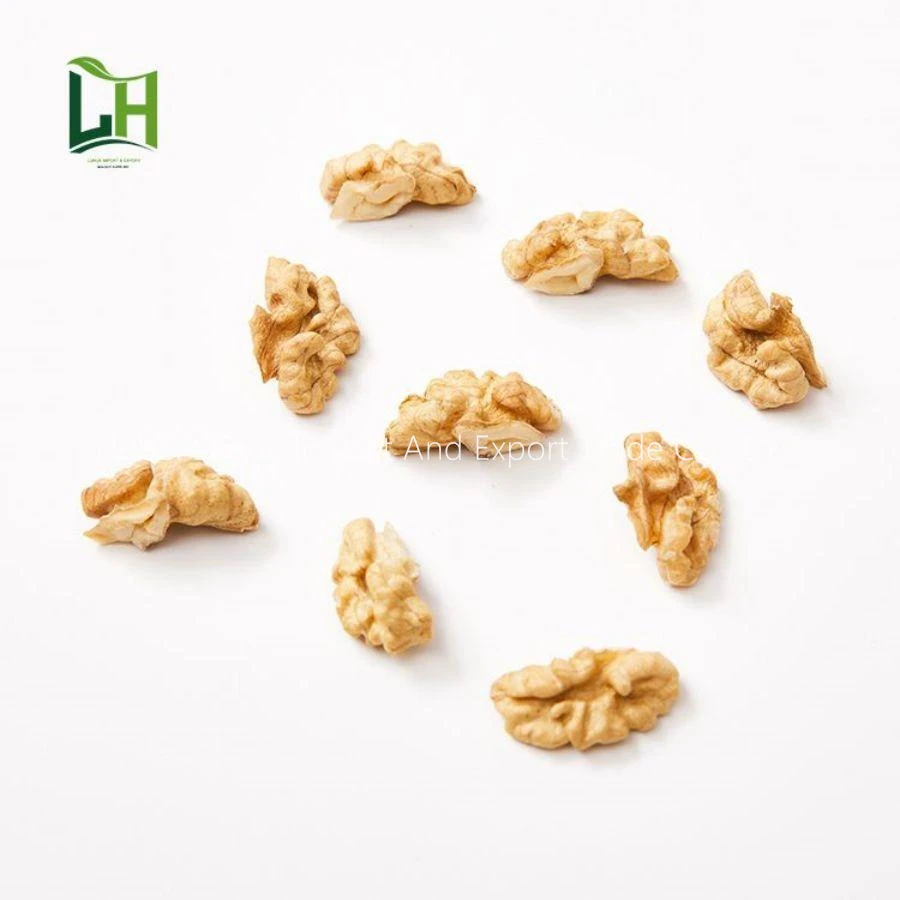
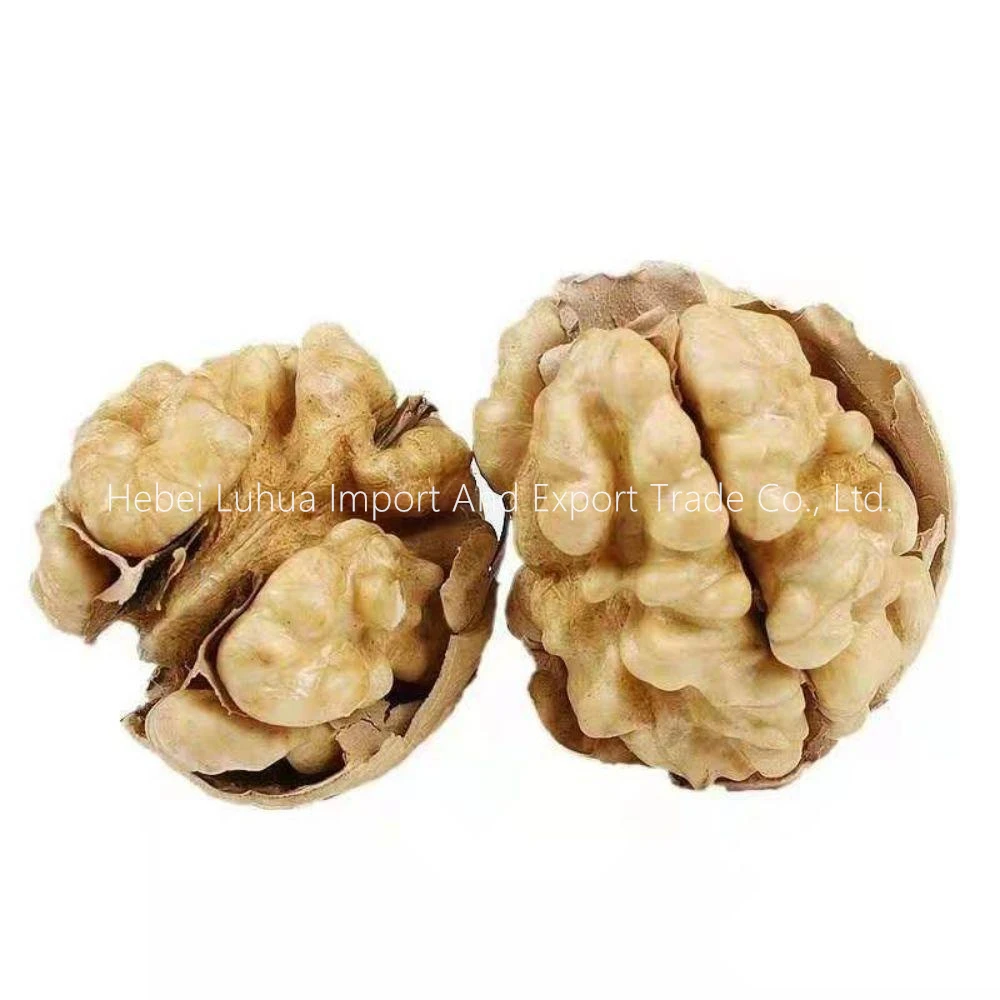
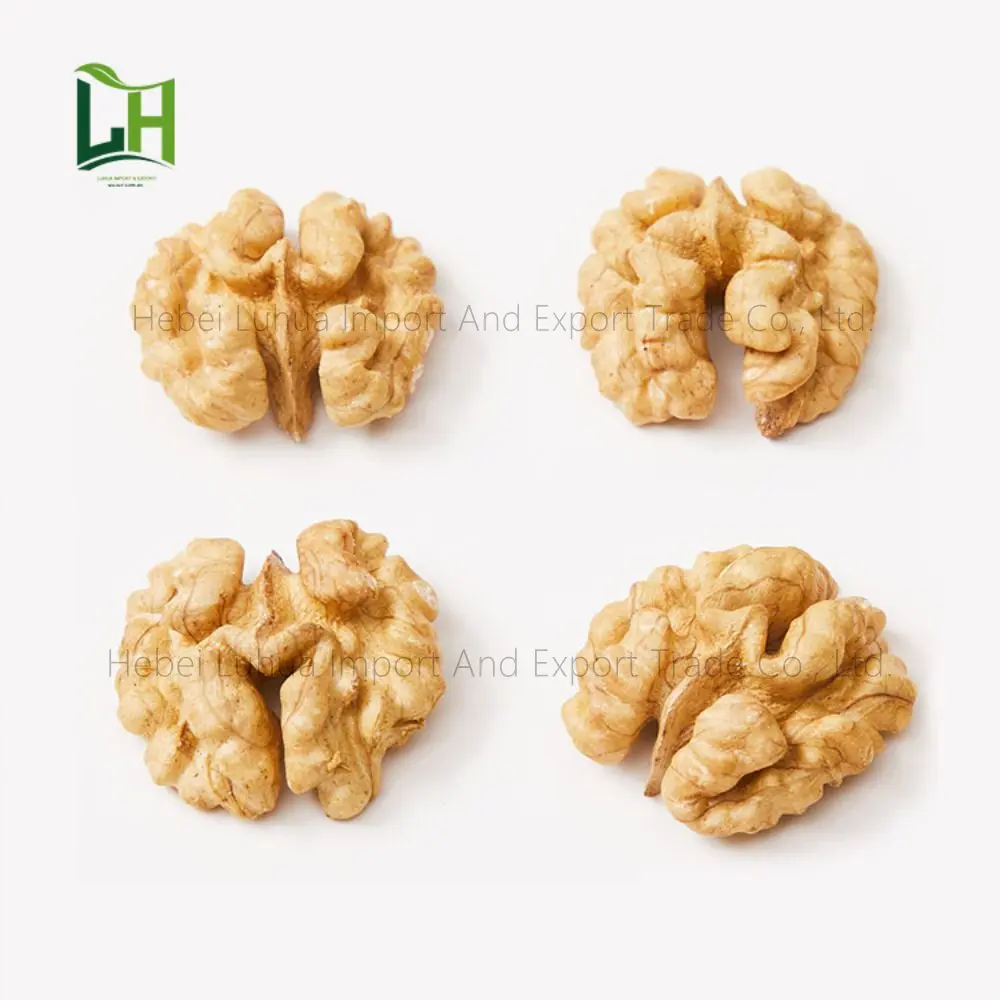
This spec sheet, honestly, only scratches the surface. While size and moisture matter (they affect shelling and shelf life dramatically), the post-harvest processes are where Chinese suppliers, particularly those who export, differentiate themselves. Some have invested in UV sanitizing tunnels or stringent sorting machines that reduce defects. It feels a little like comparing apples to apples—except in walnuts, the kernels and shells can vary greatly even within a kilogram.
A Quick Comparison of Chinese Walnut Vendors
| Vendor | Quality Control | Export Capacity | Customization Options | Price Competitiveness |
|---|---|---|---|---|
| Luhua Walnut | Strict laboratory testing, ISO certified | High (up to 500 metric tons/month) | Custom packaging and size grading | Mid to high range, with bulk discounts |
| Xinjiang Nut Corp | Good standard QC but less frequent testing | Medium (200-300 metric tons/month) | Limited customization | Competitive low-mid pricing |
| Hebei Harvest Ltd. | Basic quality checks, no ISO | Low (below 100 metric tons/month) | No customization | Low price but variable quality |
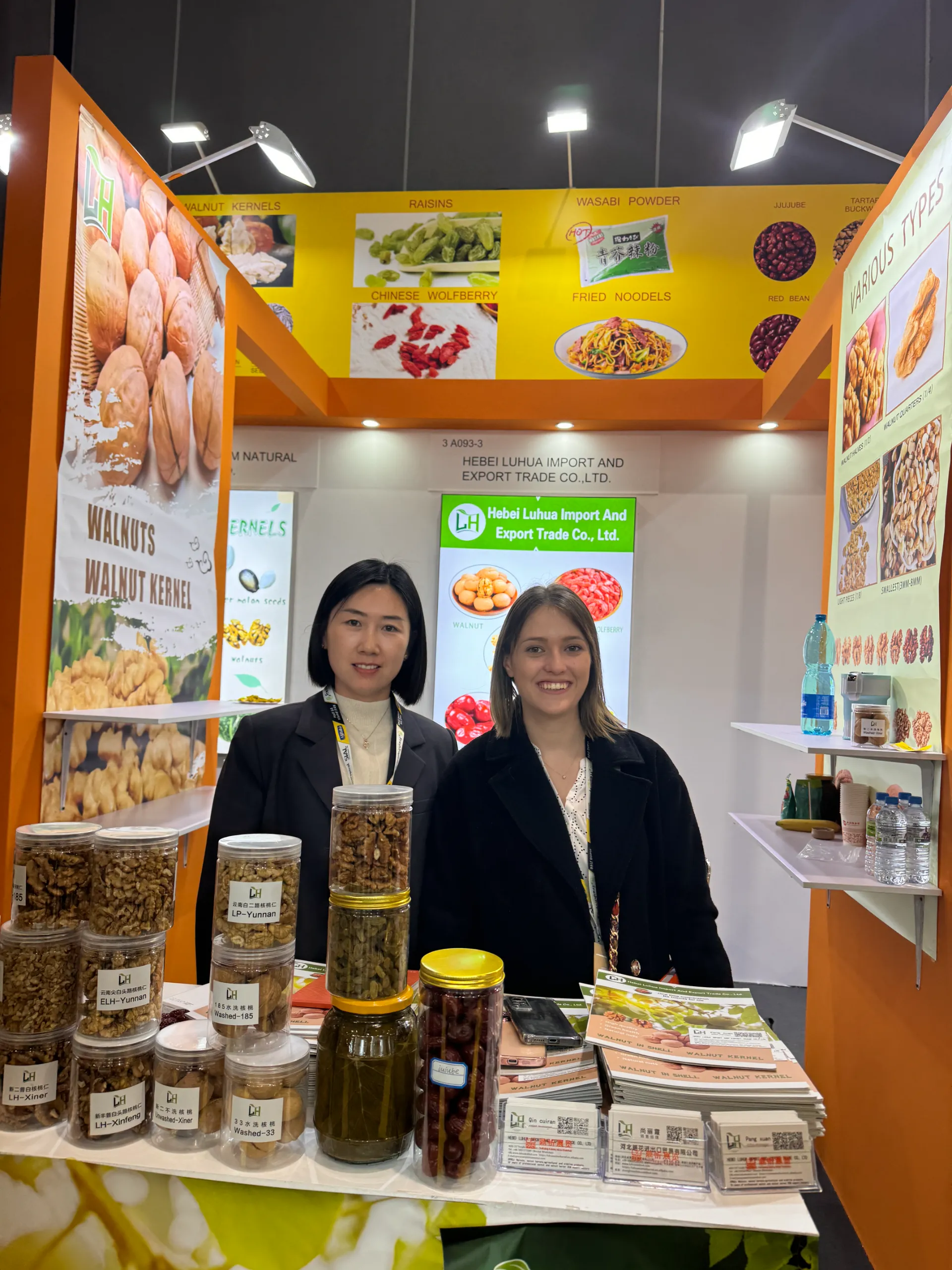
Incidentally, Luhua Walnut struck me as a stand-out due to their ISO certifications and scale, which matter a lot if you’re importing for high-volume retailers or looking to brand your walnut offerings. Their ability to tweak packaging and sorts also means they’re flexible—a definite plus in today's market where consumers increasingly want traceability and product integrity.
Now, some growers and suppliers also highlight sustainability practices. While not yet widespread, there’s “enough buzz” that I suspect more walnut producers in China will invest in eco-friendly farming methods — organic fertilizers, water-saving irrigation, et cetera. Oddly enough, walnuts seem poised at a crossroads: traditional growers pressed to modernize, yet mindful of heritage.
Just a small anecdote before wrapping: at a trade show last year, a European importer told me how their clients noticed a marked difference in taste and shelf life between Chinese walnuts and some other international sources. Quality control and harvesting times, he said, “make or break” the entire deal. That really stuck with me.
In real terms, if you’re weighing walnuts from China for your supply chain, knowing your vendor’s background and what specs truly matter can save you headaches and money down the line. Plus, it feels good to support producers who actually care about consistent quality.
So yeah—while it’s easy to overlook the humble walnut, especially when it’s some faraway supplier, there’s real expertise behind “Walnuts China.” As someone who’s seen the industry from multiple angles, I encourage a careful, informed approach. And a little curiosity never hurts either.
— From the field, with years of firsthand insight
References:
1. Industry reports on China walnut export, 2023.
2. Visit and interviews at Yunnan walnut processing plants, 2019.
3. European importers’ feedback, International Nut Trade Show, 2022.
Post time:Dec . 30, 2025 19:15