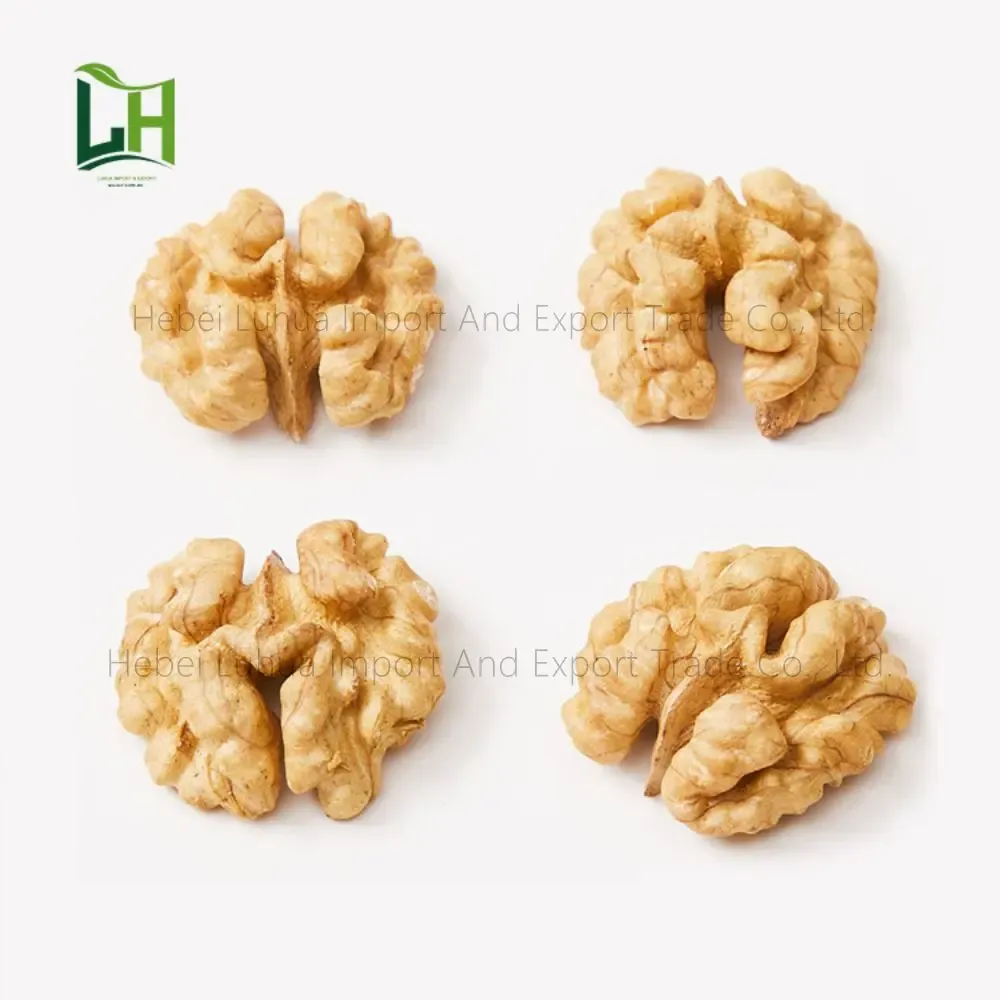
Walnuts and Memory: Unraveling the Brain-Boosting Nut
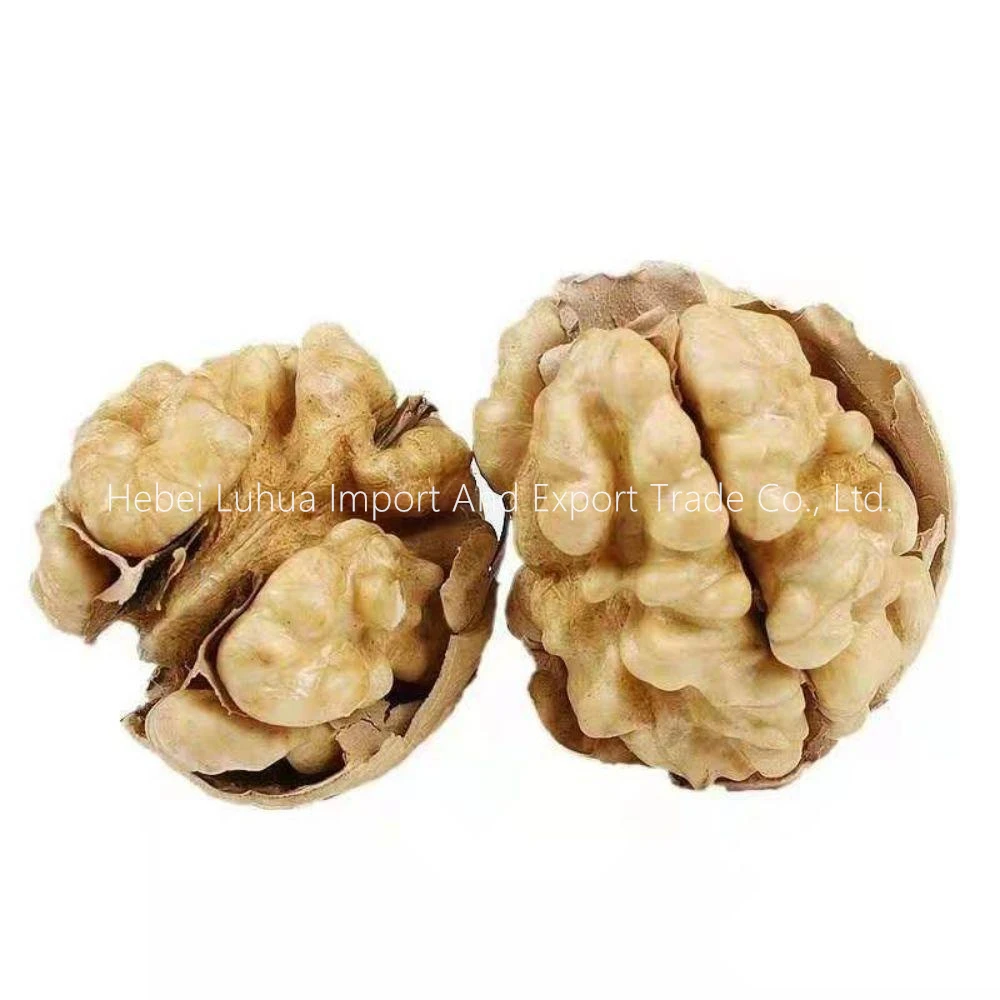
Ever wondered why walnuts—and not just any nut, but the wrinkly, brain-looking ones—are often linked with sharper memory? It’s not just a charming coincidence. Across the globe, the conversation about walnuts and memory continues to crack open fascinating insights into nutrition’s role in cognitive health. Frankly, understanding this relationship isn’t just for health buffs; it ties into aging populations, neurological research, and even food industries concerned with functional foods. As memory-related disorders rise, many of us are looking for natural ways to keep our brains sharp—or at least delay the decline—and walnuts seem to have quite the story to tell.Global Context: Why Walnuts Matter in Cognitive Health
According to the World Health Organization, dementia affects over 55 million people worldwide, expected to nearly triple by 2050. In this scenario, any accessible way to sustain memory takes on huge significance. Walnuts, rich in omega-3 fatty acids, antioxidants, and polyphenols, have become a subject of multiple scientific studies for their neuroprotective properties. The Food and Agriculture Organization notes that global walnut production has steadily increased over the past two decades, partly fueled by nutrition awareness. But beyond just a healthy snack, walnuts might serve a larger role in public health strategies addressing cognitive decline. The puzzle is complex, but the potential benefits? Intriguing enough to keep researchers—and us—cracking the issue.Defining Walnuts and Memory
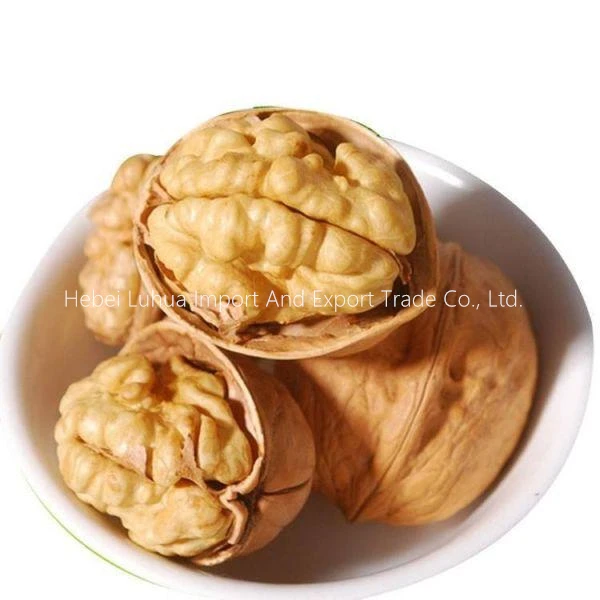
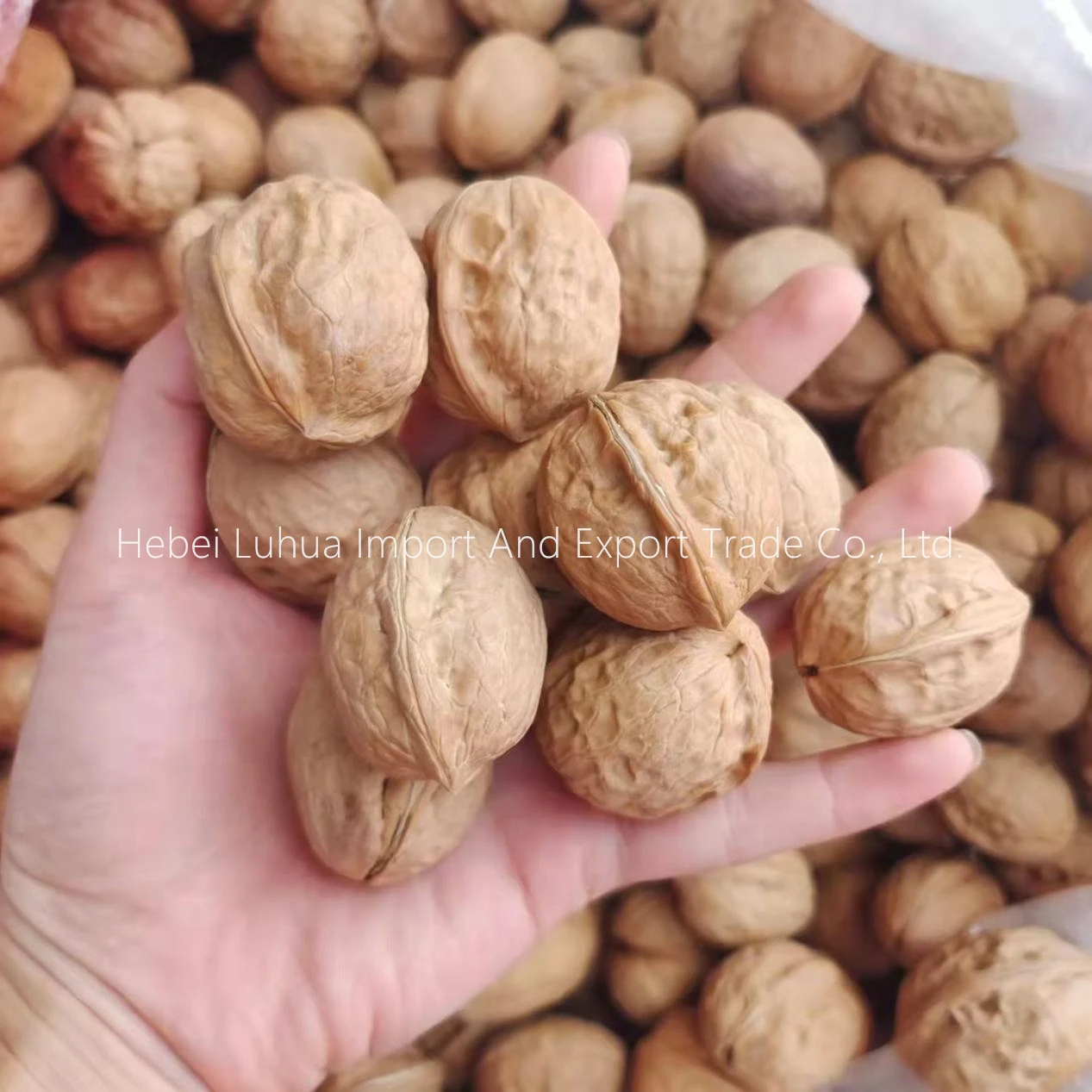
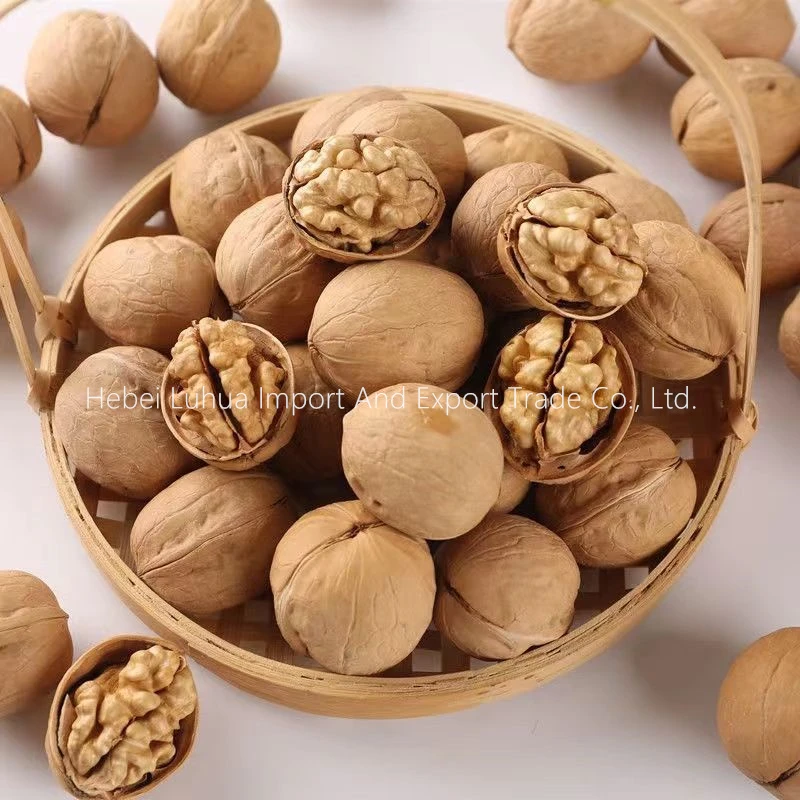
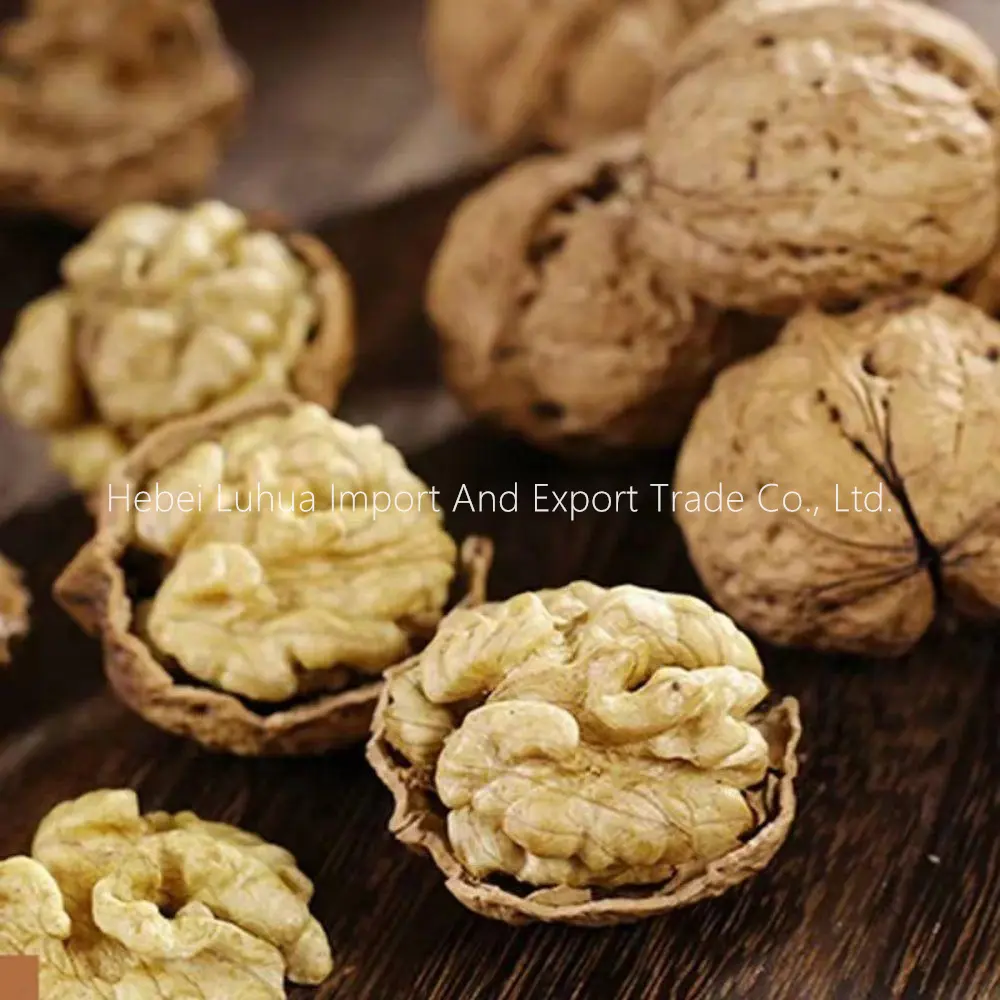
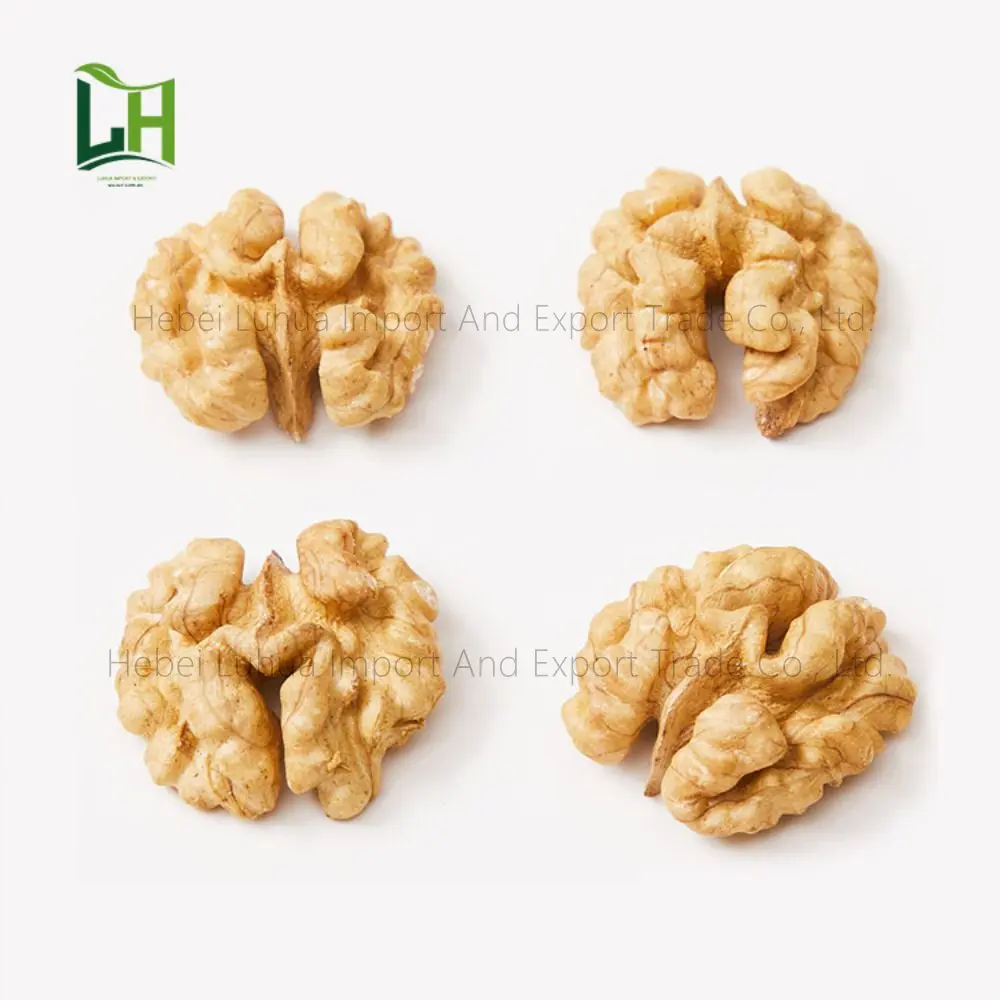
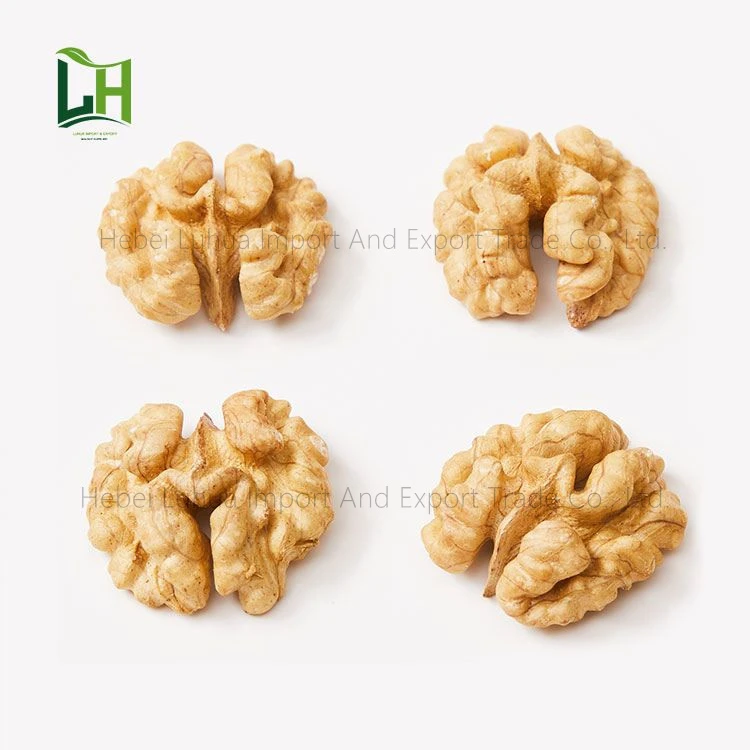
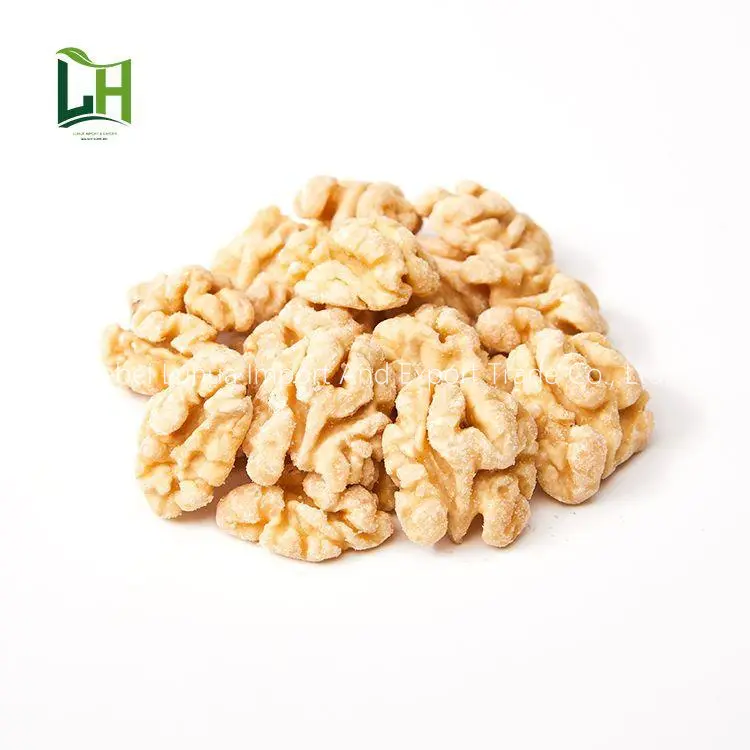
Simply put, walnuts are edible seeds of the Juglans genus tree, packed with nutrients like alpha-linolenic acid (a plant-based omega-3), vitamin E, and several antioxidants. "Memory," in our context, refers to the brain’s ability to encode, store, and retrieve information. Bridging walnuts and memory means we’re basically exploring how dietary components influence brain function—particularly neuroplasticity and oxidative stress mitigation—in day-to-day or clinical scenarios. This intersection lies at the heart of nutritional neuroscience: a field growing as fast as the tree itself.Key Components Linking Walnuts and Improved Memory
1. Omega-3 Fatty Acids
Omega-3s from walnuts, especially alpha-linolenic acid, support neuronal membrane fluidity and signal transmission, critical for efficient memory processing. Many studies point to their role in reducing inflammation, a key factor in cognitive decline.2. Antioxidants Reducing Oxidative Stress
The brain is especially vulnerable to oxidative damage. Walnuts are loaded with polyphenols and vitamin E, which act like tiny bodyguards defending neurons from daily wear and tear.3. Polyphenols and Brain-Derived Neurotrophic Factor (BDNF)
Polyphenols in walnuts appear to upregulate BDNF, a protein linked with learning and memory. Think of it as fertilizer for brain cells, promoting growth and resilience.4. Neuroprotective Effects in Aging
Regular walnut consumption has shown promising effects in animal and human trials—supporting memory retention in elderly populations. It’s not magic, but it’s surely something worth considering in dietary guidelines.Mini Takeaway:
Walnuts pack a unique combination of brain-friendly nutrients that work synergistically to support memory and protect against decline.Real-World Applications of Walnuts and Memory Research
You might ask, “Where does this knowledge go beyond lab tests?” Well, several countries use walnuts as part of dietary recommendations for aging or at-risk populations. For example:- Europe: Mediterranean diets rich in walnuts show lower incidence of cognitive disorders.
- USA: Clinical nutritionists often advise walnuts as a natural supplement for mild cognitive impairment.
- Asia: Increasing walnut imports reflect a growing awareness of nutrition and cognitive health.
Specification Table: Walnut Nutritional Highlights
| Nutrient | Amount per 100g | Role in Brain Health |
|---|---|---|
| Omega-3 (ALA) | 2.5 g | Supports neural membrane fluidity & reduces inflammation |
| Polyphenols | 15 mg (approx.) | Increases antioxidant capacity, promotes BDNF |
| Vitamin E | 0.7 mg | Protects neurons from oxidative damage |
| Magnesium | 158 mg | Supports synaptic plasticity and memory consolidation |
Comparing Leading Walnut Vendors for Brain Health Products
| Vendor | Origin | Quality Grade | Certifications | Specialization |
|---|---|---|---|---|
| Luhua Walnut Co. | China | Premium A+ | ISO 9001, Organic | Bulk & Brain-health specific packaging |
| California Nut Growers | USA | Premium | FDA, Organic | Single-origin and antioxidant-rich variants |
| Bella Nuts Ltd. | Turkey | A | GlobalG.A.P. | Affordable bulk & sustainable farming focused |
Advantages and Long-Term Value of Walnuts for Memory
The perks of adding walnuts to daily snacks sound kind of simple but play out deeply over time:- Cost Efficiency: Compared to synthetic supplements, walnuts provide a natural, affordable source of brain-supporting nutrients.
- Sustainability: Walnuts are a renewable crop with relatively low environmental impact compared to animal-based omega-3s.
- Social Impact: Supporting walnut farmers in developing regions promotes economic growth and community health.
- Emotional Wellbeing: Knowing you’re eating something that helps preserve memory can boost peace of mind—who wouldn’t want that?
- Innovation Trust: Food companies invest in research-backed products which increase consumer trust around “brain foods.”
Future Trends & Innovations Surrounding Walnuts and Memory
The world of food science isn’t standing still. New techniques like nano-encapsulation of walnut oil aim to improve absorption and prolong shelf life. Digital transformation in agriculture helps farmers optimize soil and tree health to produce higher-quality walnuts with more brain-boosting power. There's also a growing push for green energy-powered processing facilities and zero-waste supply chains. Regulatory frameworks encouraging functional foods will likely expand walnuts’ presence in medical nutrition therapy.Challenges and What Experts Suggest
One common critique is that walnut’s benefits, though promising, are often modest and rely on consistent consumption. Moreover, allergies and taste preferences limit widescale adoption. Some walnuts lose nutrients if improperly stored or processed — so sourcing high-quality nuts is crucial. Experts suggest integrating walnuts within a balanced diet rather than isolated supplements. They also recommend transparent labeling and robust clinical backing for products claiming cognitive benefits.FAQ: Common Questions About Walnuts and Memory
Q1: Can eating walnuts really improve memory in older adults?A1: Regular walnut consumption has been associated with better cognitive scores in many studies, especially in aging adults. While not a cure, they help protect brain cells and support memory retention over time.
Q2: How many walnuts should I eat daily for brain benefits?
A2: Roughly a handful (about 28 grams or 7 whole walnuts) daily is recommended to gain noticeable benefits without excess calories.
Q3: Are walnut extracts as effective as eating whole walnuts?
A3: Extracts provide concentrated doses of certain compounds but lack fiber and other synergistic nutrients found in whole nuts. Whole walnuts are generally preferred for holistic benefits.
Q4: Can walnut intake prevent dementia?
A4: No food alone can guarantee dementia prevention, but walnuts contribute to a brain-healthy lifestyle that may reduce risk factors.
Q5: Where can I find high-quality walnuts geared toward brain health?
A5: Vendors focusing on organic certification, freshness, and sustainable farming—like Luhua Walnut Co.—offer premium walnuts suitable for cognitive support.
Conclusion: Why Walnuts Are More Than Just a Snack
So, peeling back the layers of walnuts and memory reveals a blend of science, tradition, and hopeful potential. While not a silver bullet, walnuts offer an accessible, tasty way to nudge our brains toward better resilience. Especially in an aging world hungry for solutions, these little nuts might just hold big promise. If you’re curious about incorporating walnuts into your daily routine or sourcing quality products, do visit our website. Because your brain—and your taste buds—deserve a little extra care.Quick Takeaway:
The link between walnuts and memory is gradually turning from folklore into science-backed fact, woven with nutritional, emotional, and economic threads that make it a fascinating, evolving story.References:
Post time:Dec . 14, 2025 01:15