Understanding Raisin Nuts: A Global Perspective on Their Importance and Benefits
“Raisin nuts”—a term you might not hear every day, yet their role spans from culinary delights to large-scale food security strategies worldwide. Simply put, raisin nuts are dried fruits, particularly raisins, combined with various nuts like almonds, walnuts, or pistachios, creating a nutritious, shelf-stable snack that has won global appreciation. But why should we care about raisin nuts on an industrial or humanitarian scale? Well, they represent an intersection of nutrition, sustainability, and convenience that modern food industries and aid programs cannot ignore.
Introduction: Raisin Nuts in the Global Food Industry
Globally, the demand for healthy, natural snacks is skyrocketing. According to the Food and Agriculture Organization (FAO), global nut production grew by about 6% annually over the last decade, and raisins remain one of the top dried fruits consumed worldwide. Raisin nuts satisfy a growing appetite for nutrient-dense, minimally processed foods. However, as the population rises and supply chains strain, challenges such as shelf-life, product consistency, and sourcing sustainably become increasingly pressing.
It’s no coincidence that raisin nuts are emerging as a perfect answer to these challenges—offering portability, nutrition, and a relatively long shelf life, vital for retail markets and humanitarian aid alike.
What Are Raisin Nuts?
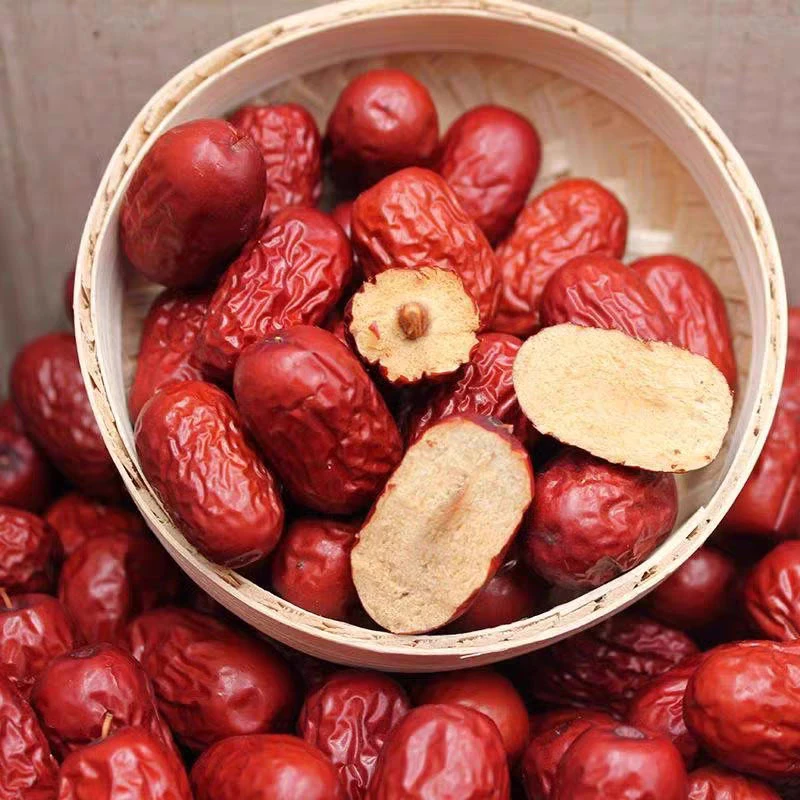
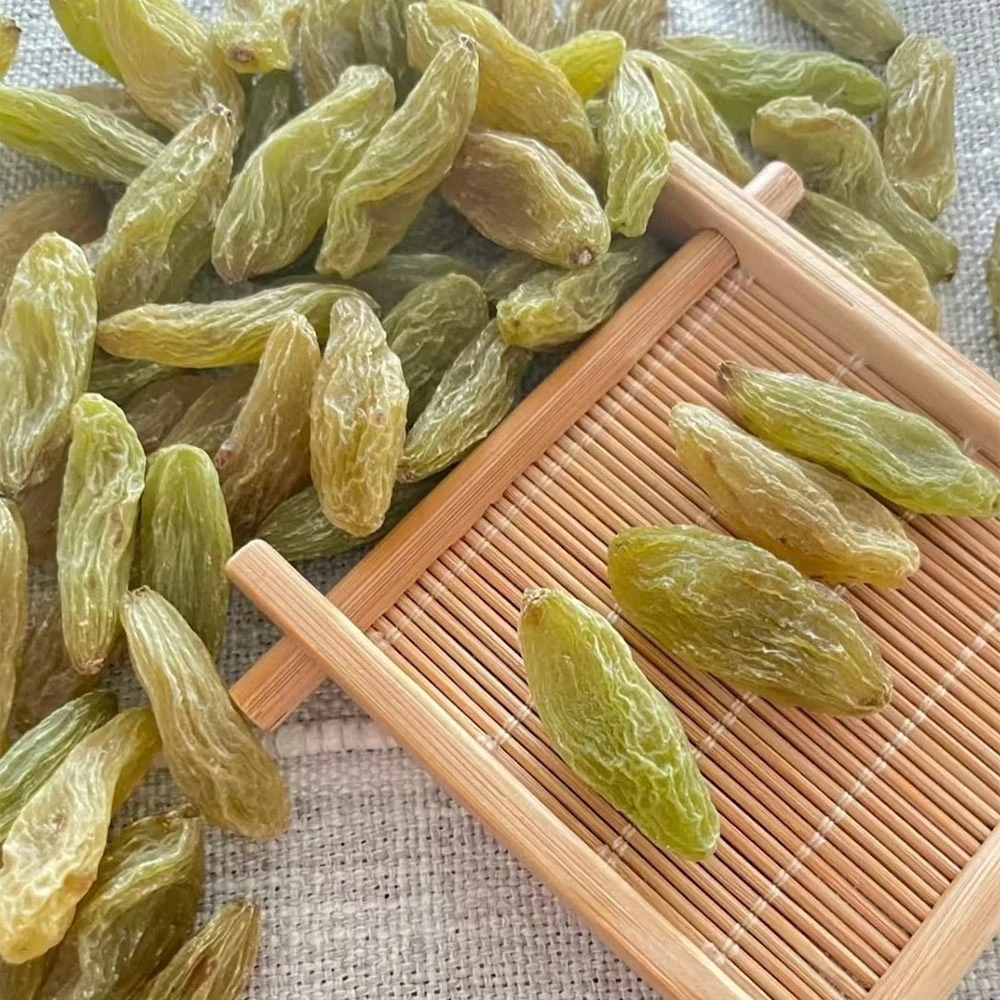
At its core, raisin nuts are simply a blend of dried grapes (raisins) with nuts. Raisins provide natural sweetness, fiber, and antioxidants, while nuts contribute protein, healthy fats, and minerals. This mixture is more than a snack; it’s a synergy of flavor and function. Modern food processing techniques ensure that these blends remain fresh, safe, and appealing for months, if not years, without refrigeration.
From emergency ration packs in disaster relief to gourmet trail mixes in premium stores, raisin nuts play a crucial role. They dovetail perfectly with the industry's increasing focus on plant-based, nutrient-dense foods that can bolster food security globally.
Core Components of Raisin Nuts
1. Nutritional Value
Raisin nuts combine fiber, vitamins (especially B-complex), antioxidants, protein, and healthy fats. This combo supports energy, cognitive function, and general well-being.
2. Shelf Life & Storage
Thanks to the low moisture content of dried fruits and nuts, raisin nuts typically last 6 to 12 months when stored correctly, without refrigeration—making them ideal for remote locations.
3. Scalability & Supply Chain
With nut and raisin growing regions spanning continents—California, Turkey, Iran for nuts; California, Turkey, Iran again for raisins—producers can scale blends fairly seamlessly, though climate change poses new risks.
4. Cost Efficiency
While nuts can be pricier, raisin nuts often strike a balance between cost and nutrition, especially when mass-produced. Optimized supply chains help keep prices competitive.
5. Versatility in Use
From snack bars and breakfast cereals to humanitarian food baskets, raisin nuts are adaptable. Food formulators love how these blends improve taste and texture naturally.
Product Specifications of Typical Raisin Nuts Blend
| Component | Typical Content | Notes |
|---|---|---|
| Raisins | 40-50% | Sun-dried, seedless varieties preferred |
| Almonds | 25-35% | Dry-roasted or raw |
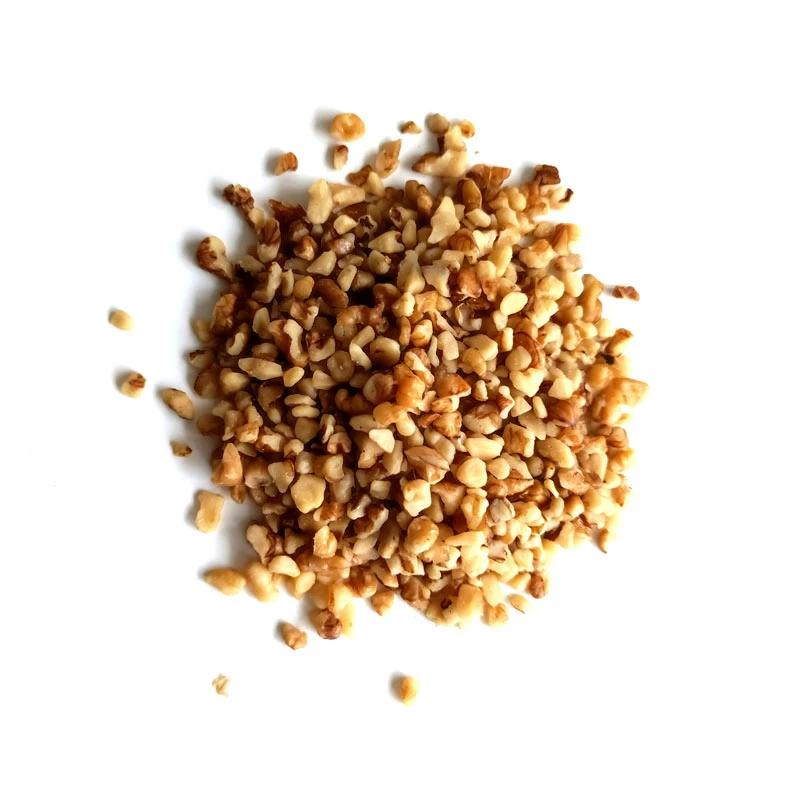
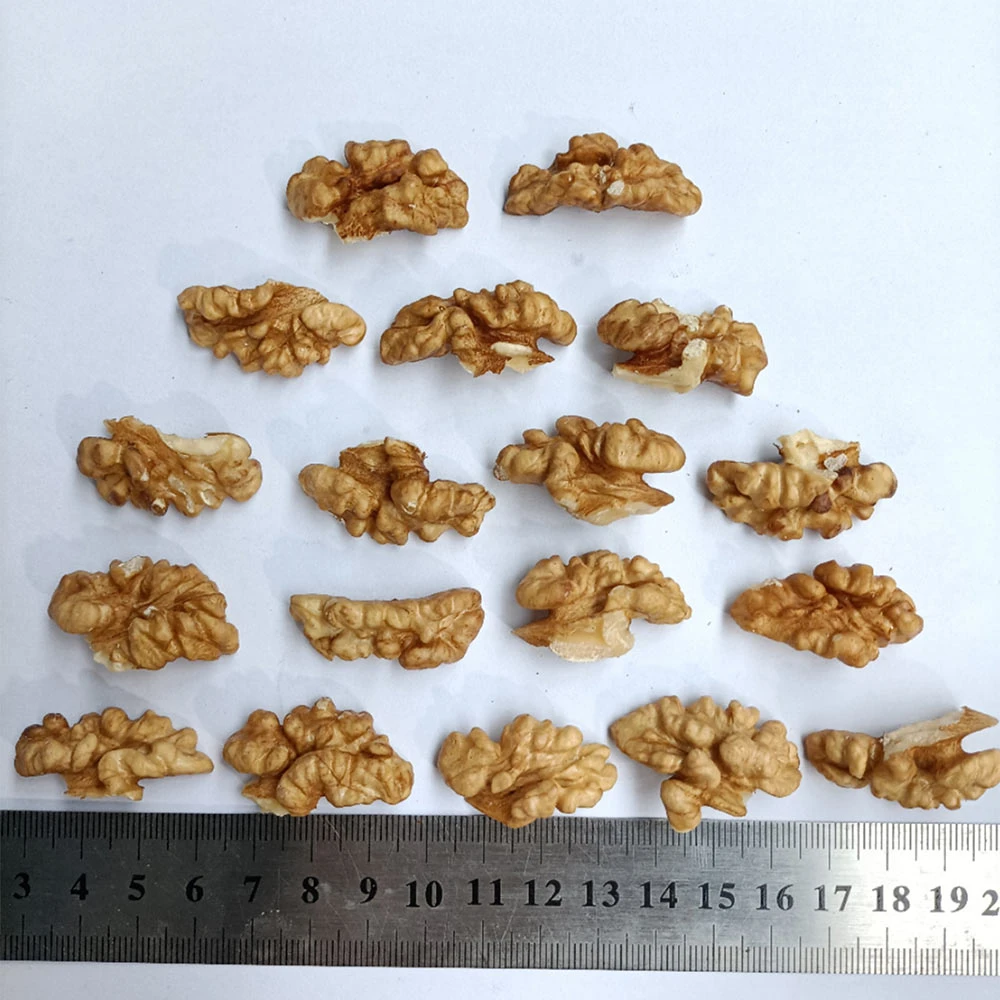
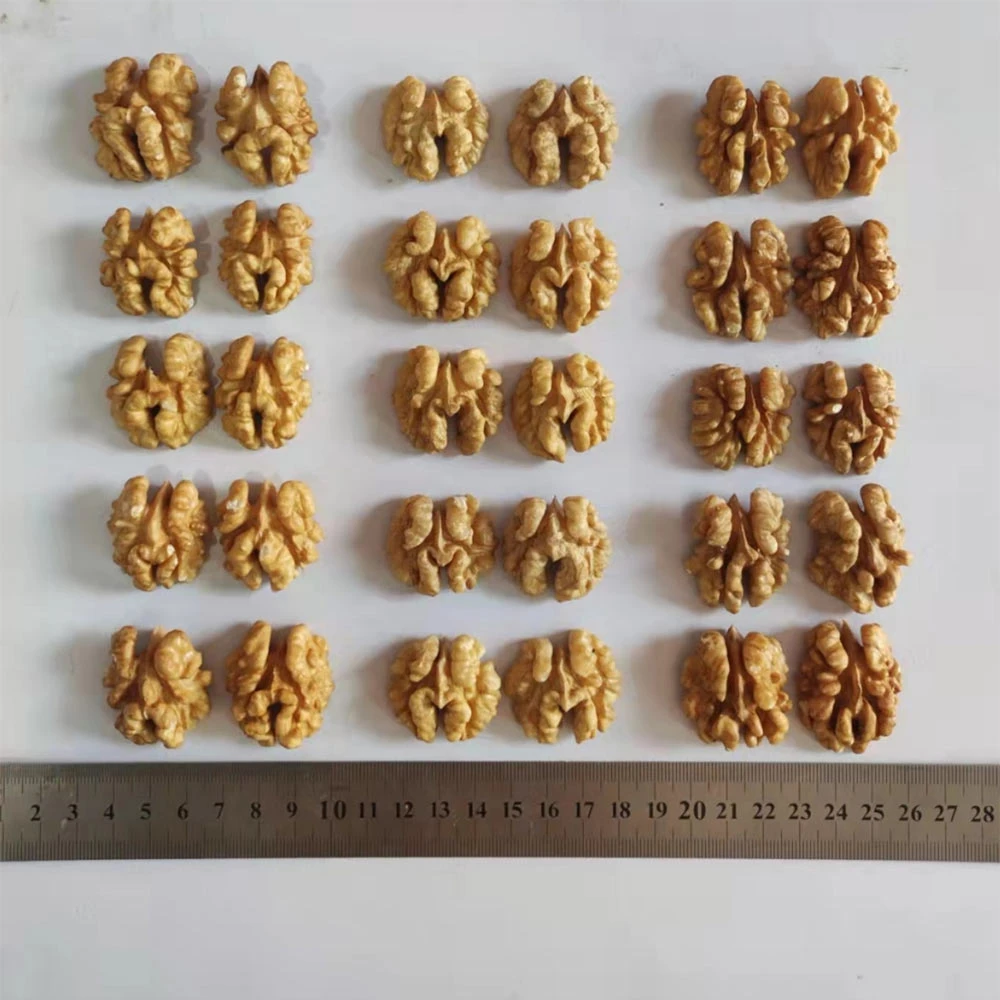
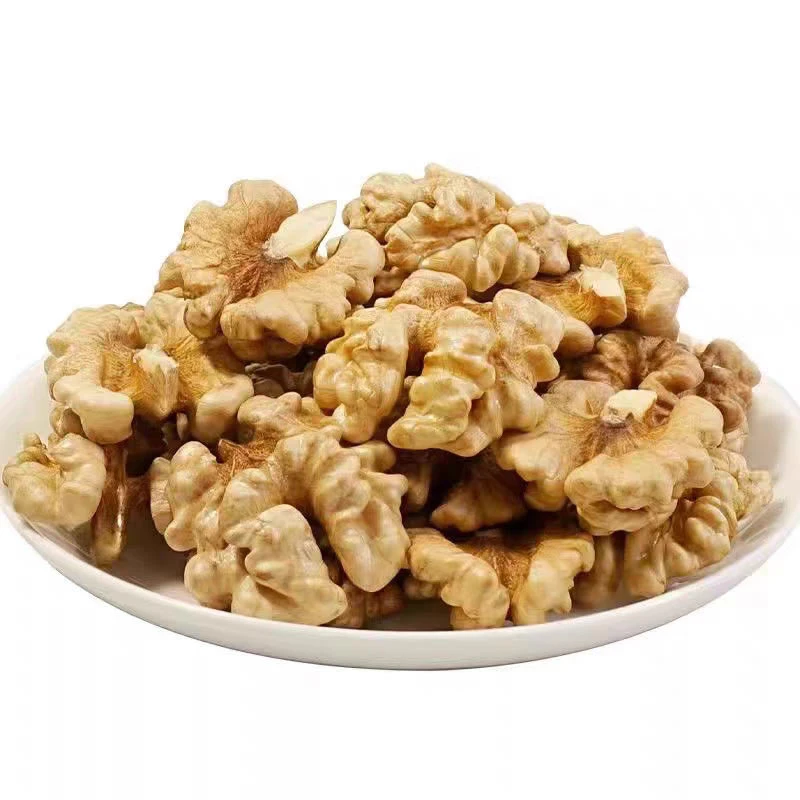
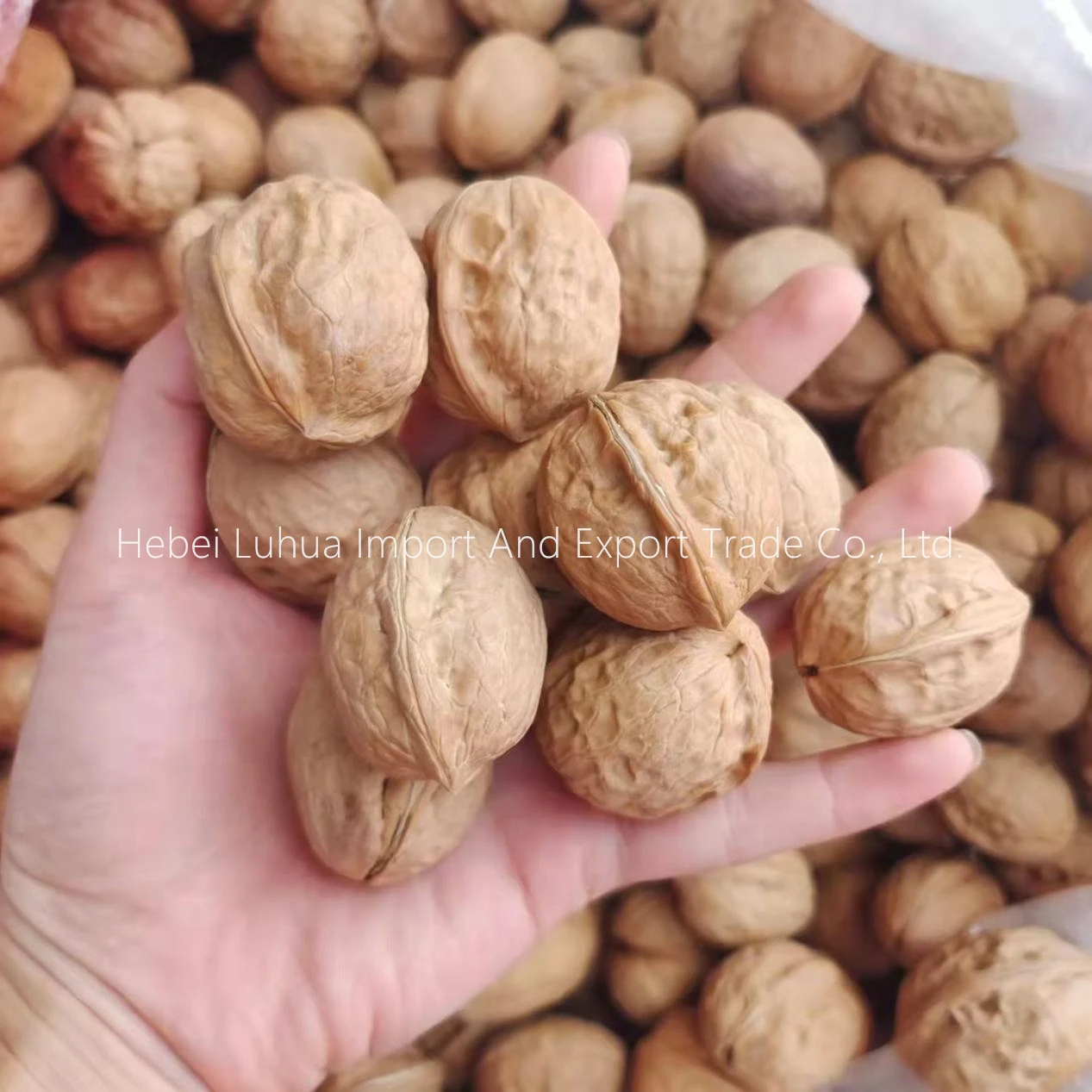
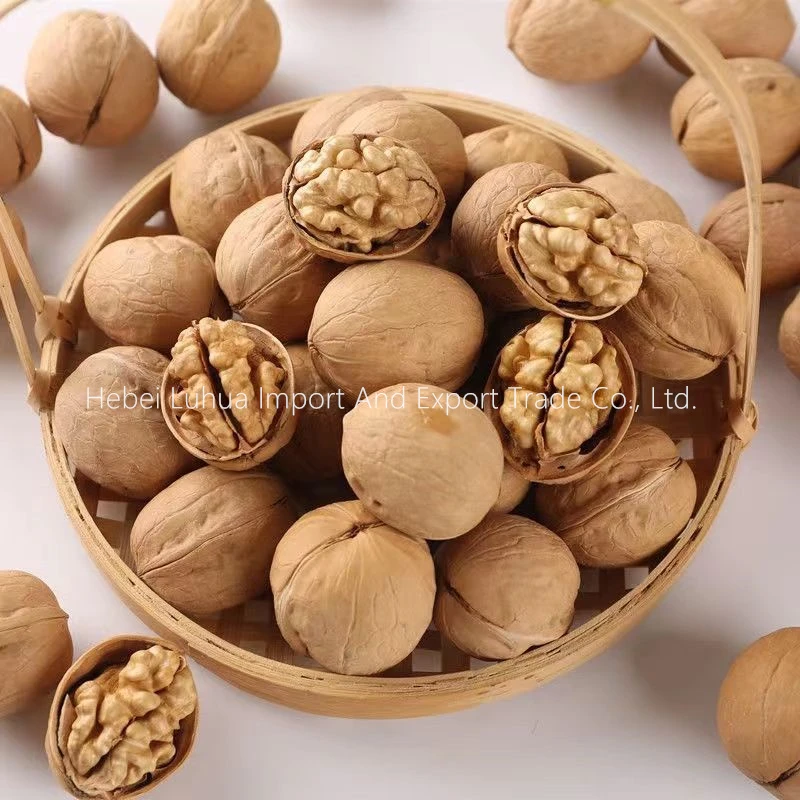
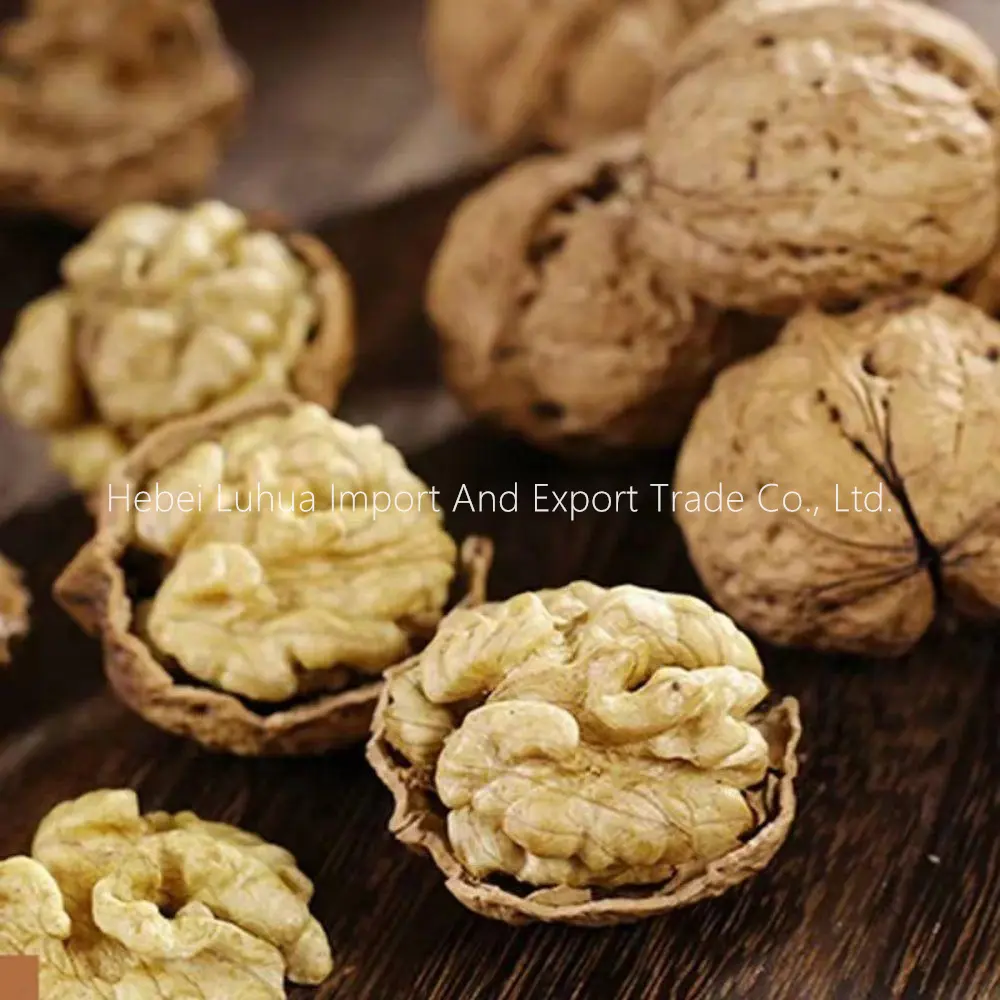
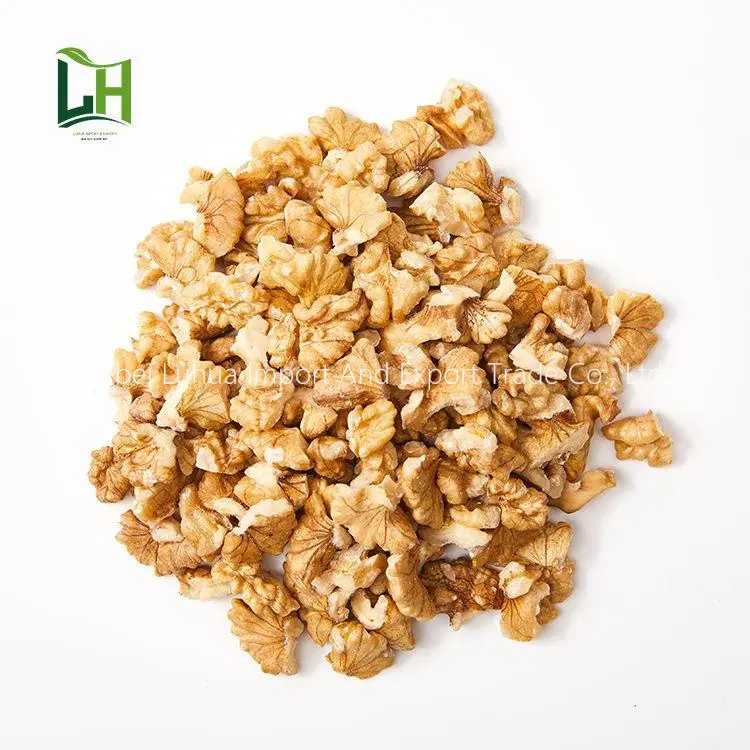
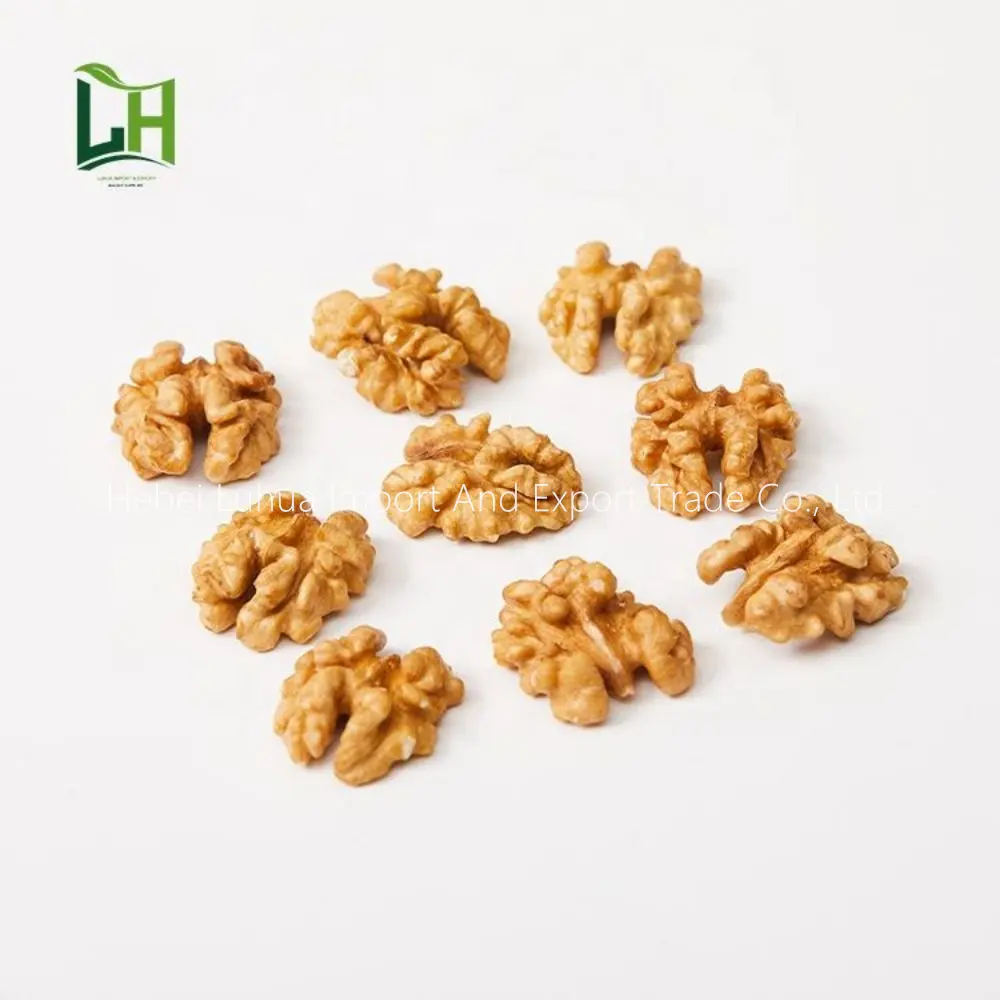
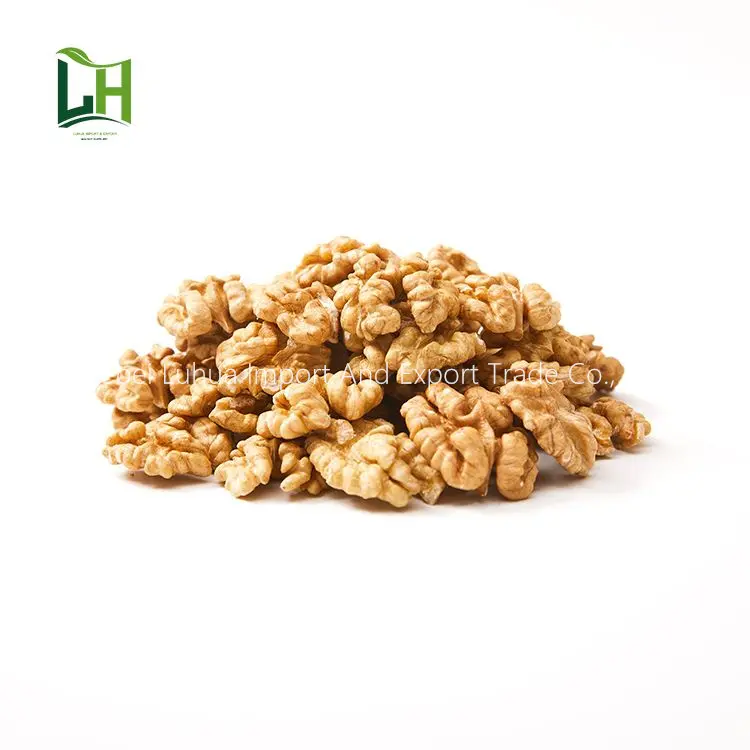
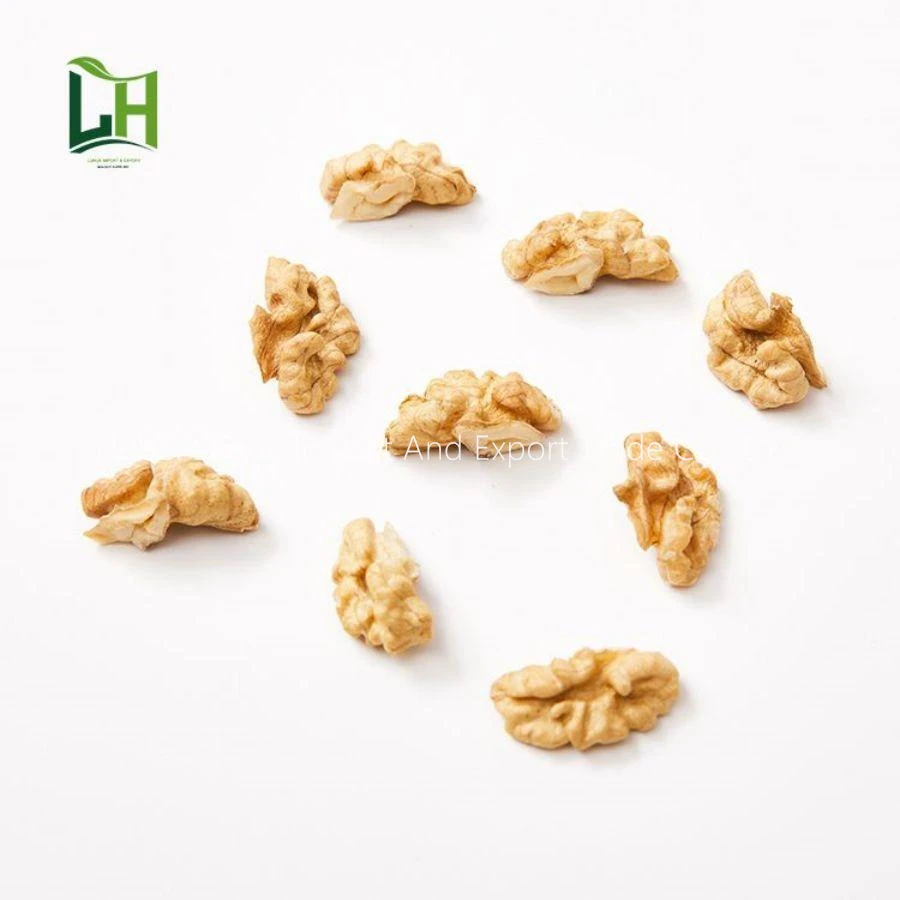
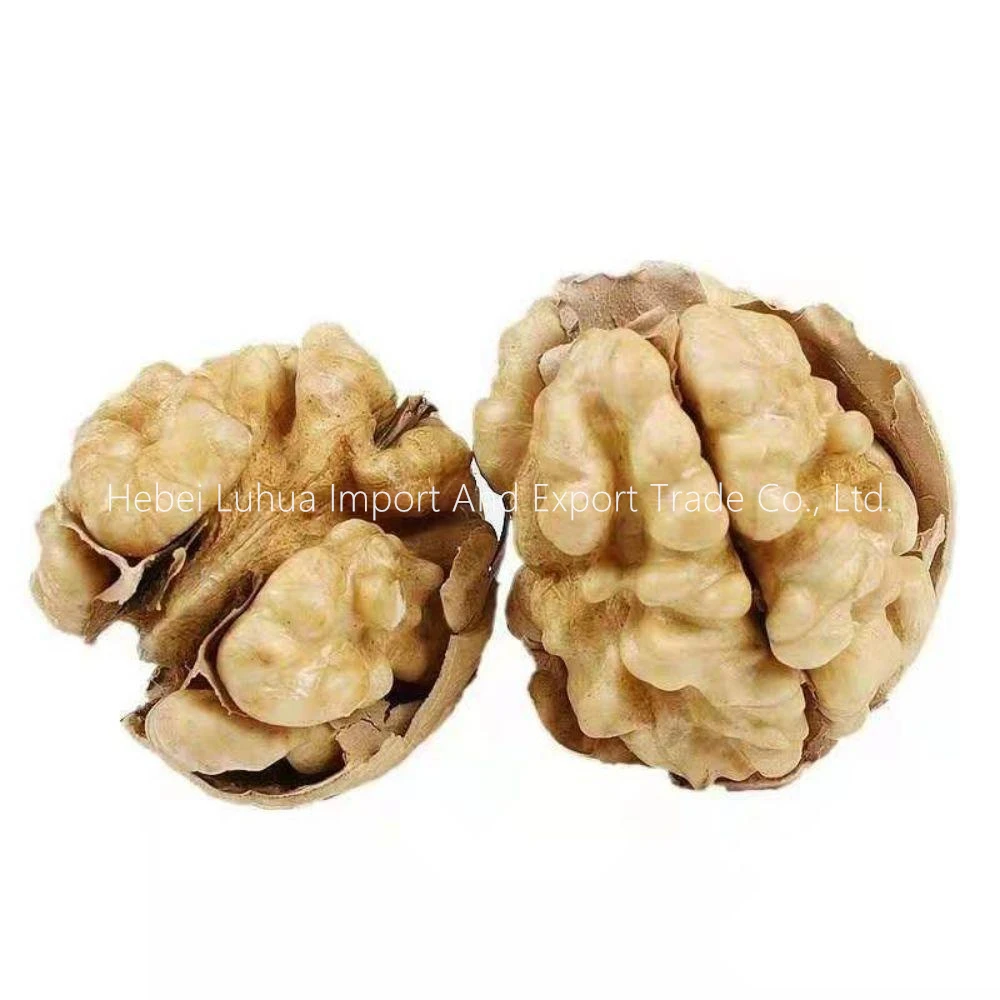
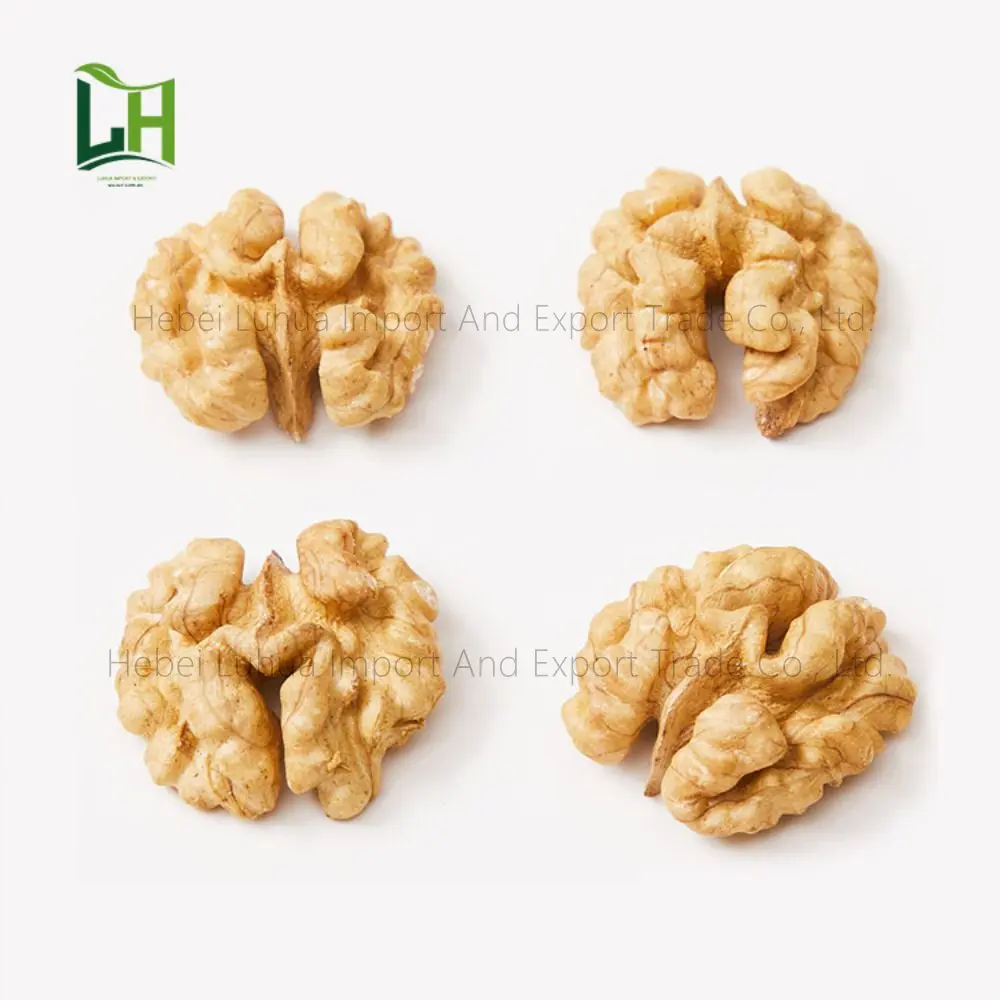
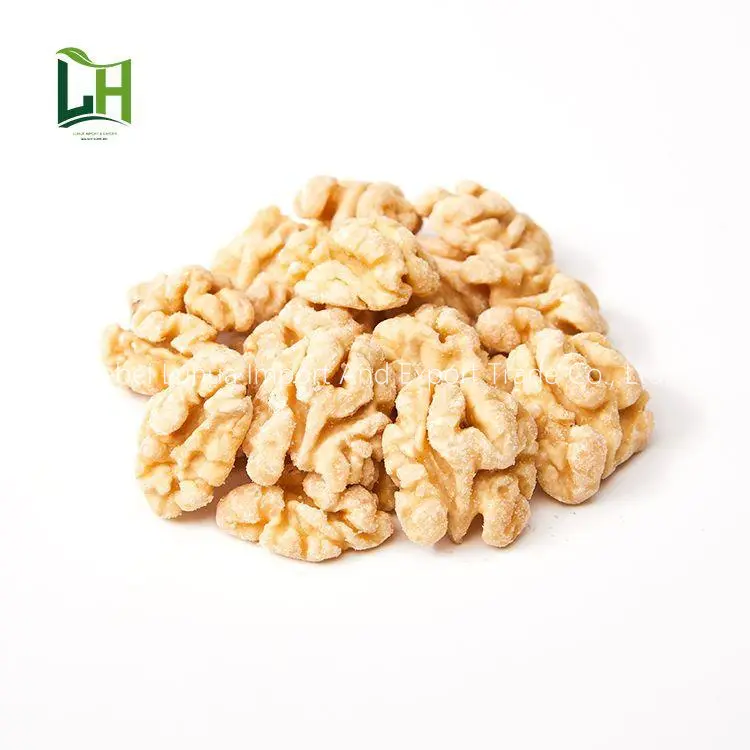
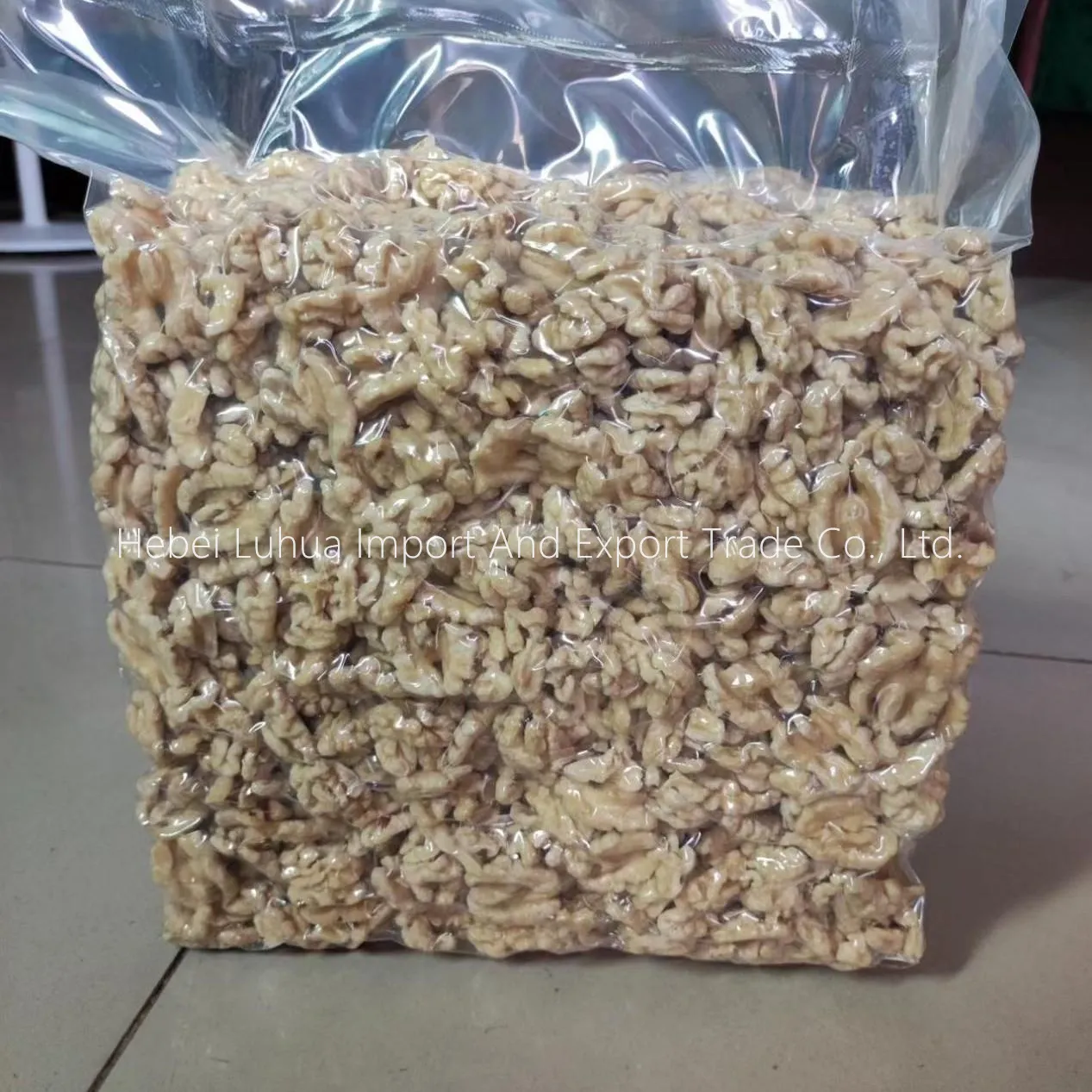
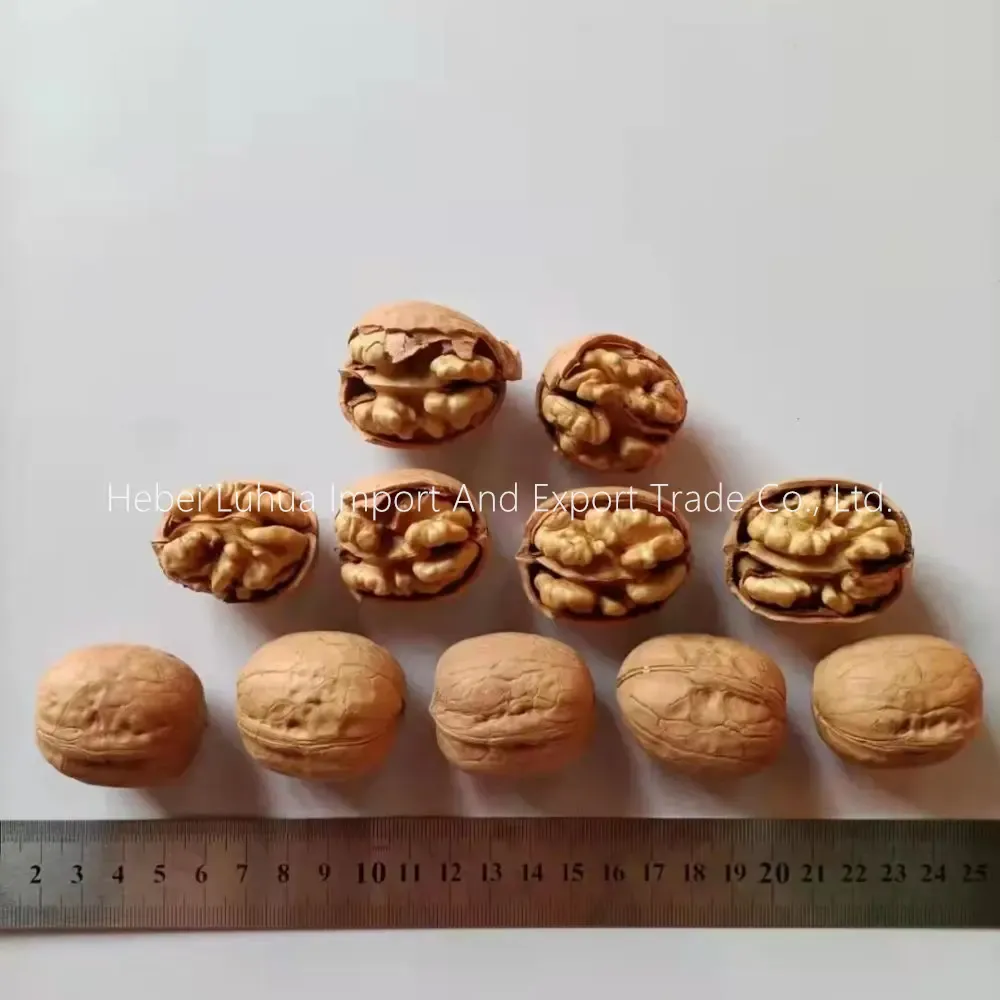
| Walnuts | 15-20% | Shelled and chopped |
| Optional additives | Up to 5% | Salt, cinnamon, or chocolate chips |
Global Applications & Use Cases
Raisin nuts play diverse roles in different sectors. In North America and Europe, health-conscious consumers purchase raisin nut blends as convenient snacks or baking ingredients, often enhanced with organic or fair-trade certifications.
Oddly enough, however, the humanitarian sector relies heavily on raisin nuts, too. Organizations like the World Food Programme and various NGOs include raisin nuts in emergency food kits. Their nutrient density and shelf stability save lives in refugee camps and disaster zones. In fact, they serve a hidden but vital role, far beyond supermarket shelves.
Meanwhile, industries such as outdoor recreation, military ration manufacturing, and school feeding programs incorporate raisin nuts regularly.
Comparison of Leading Raisin Nuts Vendors
| Vendor | Product Range | Sustainability | Price Range (per kg) |
|---|---|---|---|
| NutriBlend Co. | Classic, Organic, Spiced | Fair-trade certified, organic sourcing | $12–18 |
| Green Harvest Foods | Raw mixes, exotic nuts blend | Sustainable water use certified | $10–16 |
| Sun Valley Traders | Budget lines, premium assortments | Limited sustainability reports | $8–14 |
Why Raisin Nuts Are a Long-Term Value
Beyond the obvious — taste and nutrition — raisin nuts offer long-term economic and environmental benefits. Their non-perishable nature reduces food waste compared to fresh fruit or dairy snacks. This translates into fewer trips to stores, less packaging, and reduced carbon footprints. Socially, providing access to these nutrient-rich snacks in vulnerable communities promotes dignity and health, which frankly is priceless.
Looking Ahead: Future Trends In Raisin Nuts
Innovations are underway to enhance raisin nuts further, from incorporating seeds like chia and flax for omega-3 boosts, to experimenting with climate-resilient nut varieties. Digital traceability and blockchain tech promise transparency—so consumers can trust the origin of their raisin nuts. There’s also a big push towards sustainable packaging, compostable materials, and zero-waste manufacturing.
Challenges & Solutions
Despite all their benefits, raisin nuts face challenges: fluctuations in nut prices, concerns about aflatoxins, and supply chain fragility during climate crises. But progressive companies are adopting rigorous testing, supporting small-scale growers with training, and diversifying sourcing to address these issues. It feels like the industry understands that resilience goes hand-in-hand with sustainability.
FAQ: Common Questions About Raisin Nuts
- Q: Are raisin nuts a good option for people with allergies?
A: Since nuts are common allergens, people with nut allergies should avoid them. However, raisin-only mixes or nut-free fruit blends can be alternatives. - Q: How long do raisin nuts last once opened?
A: Generally, once opened, keeping them in airtight containers in a cool, dry place can maintain freshness for 2–3 weeks. - Q: Can raisin nuts be included in school lunch programs?
A: Yes, many schools incorporate raisin nuts for their nutritional benefits, but always consider allergy policies. - Q: Do raisin nuts require refrigeration?
A: No refrigeration is needed due to low moisture content, though cool storage prolongs shelf life. - Q: How can NGOs source raisin nuts for international aid?
A: NGOs typically partner with certified global suppliers or local distributors ensuring compliance with import regulations and quality standards.
Closing Thoughts
Raisin nuts are more than just a snack; they’re a versatile, sustainable, and global solution meeting challenges in nutrition and food security. Whether you’re an entrepreneur, policymaker, or consumer, understanding their value—nutritionally, economically, and socially—is key in today's interconnected world. For more insights or to explore quality raisin nuts blends, feel free to visit this site.
Mini takeaway: Raisin nuts uniquely blend taste, nutrition, and sustainability, making them essential in modern diets and humanitarian efforts alike.
References
Post time:Dec . 05, 2025 05:45