Understanding Unsweetened Raisins: A Global Perspective
Unsweetened raisins—those naturally dried grapes without any added sugars—are more than just a snack. Globally, they represent a key ingredient in sustainable food consumption, agriculture, and nutrition. Whether you’re a food manufacturer, nutritionist, or simply a curious consumer, understanding their origin, applications, and benefits opens doors to healthier choices and eco-friendly alternatives.
But why does it matter so much today? With increasing attention on sustainable food sources and functional snacks, unsweetened raisins fit into an international conversation on healthy diets and reducing processed sugar intake. They also intersect with industries from food manufacturing in California's Central Valley to humanitarian aid efforts distributing long-lasting food supplies worldwide.
Introduction: The Global Relevance of Unsweetened Raisins
The dried fruit market is expanding rapidly, pegged by the United Nations’ Food and Agriculture Organization (FAO) as a vital part of global nutrition strategy. As consumers pivot toward natural and minimally processed foods, unsweetened raisins gain traction for their high fiber, antioxidants, and vitamin content—without the extra sugars that many dried fruits sometimes carry.
In fact, according to FAO statistics, raisins constitute a significant portion of the dried fruit exports globally, with major producers such as the US, Turkey, and Iran supplying this increasingly health-conscious market. However, the challenge remains: how to meet rising demand while maintaining quality and low environmental impact.
What Exactly Are Unsweetened Raisins?
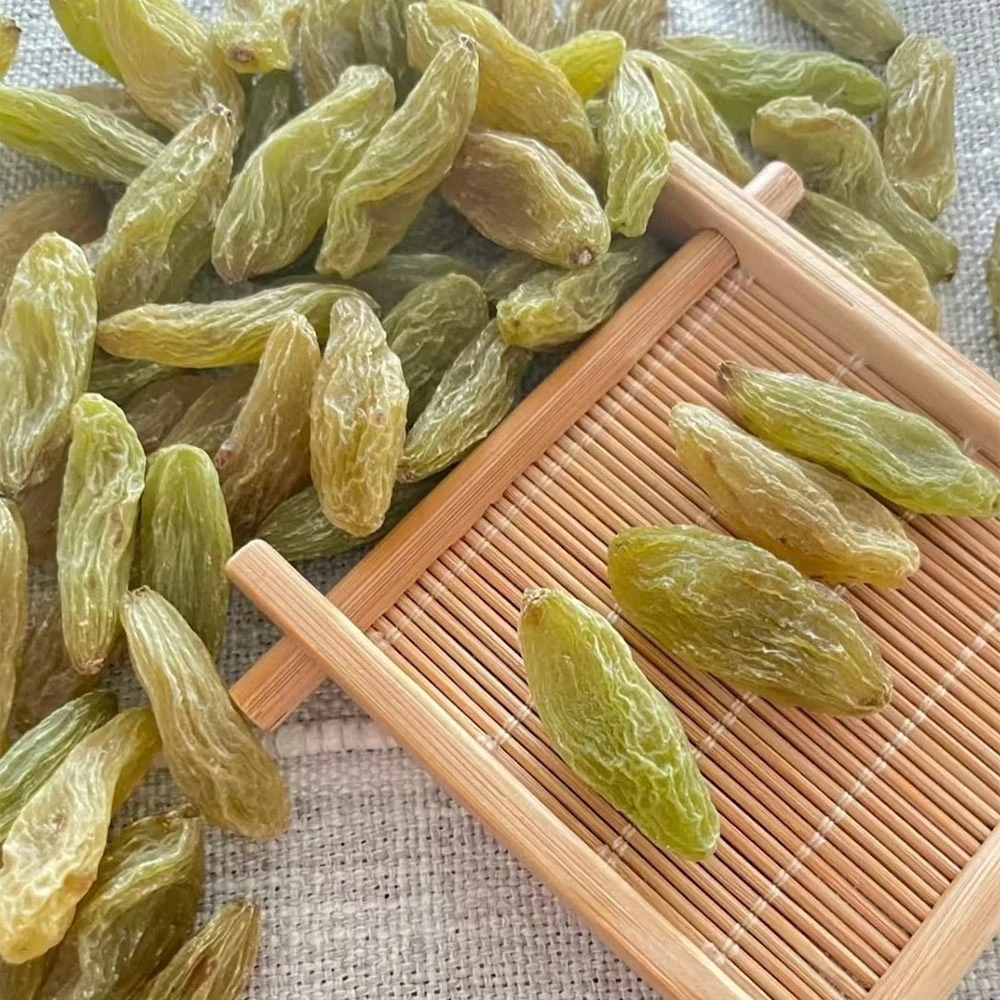
Simply put, unsweetened raisins are grapes dried without any added sugar, syrups, or preservatives. Sometimes referred to as “natural raisins,” these fruits retain their inherent sweetness derived from natural fructose, making them a wholesome snack or cooking ingredient.
In modern food industries, they’re preferred for manufacturing products that cater to clean-label movements—those seeking minimally processed ingredients with transparent sourcing. On a humanitarian level, they serve as durable, nutrient-dense components in food aid packages, valued for their long shelf life and natural energy.
Key Factors That Define Unsweetened Raisins
1. Natural Drying Process
Most unsweetened raisins are sun-dried or mechanically dried without coatings or additives. This method preserves more antioxidants and nutritional value compared to other drying techniques. The absence of added sugars makes them a healthier alternative.
2. Nutritional Profile
Although dried, these raisins retain essential vitamins, minerals, and fiber—contributing to digestive health and sustained energy. Unlike sweetened dried fruits, they don’t spike blood sugar levels as sharply, making them suitable for diabetic-friendly diets.
3. Shelf Life & Storage
Due to their low moisture content and natural preservation, unsweetened raisins can be stored for up to a year under proper conditions. This durability is key for both industry distribution and long-term humanitarian supplies.
4. Environmental Impact
Grape drying, especially traditional sun-drying, uses less energy compared to artificial drying methods. Plus, avoiding added sugars and chemicals aligns with eco-conscious food production, reducing carbon footprint.
Product Specifications Overview
| Specification | Description |
|---|---|
| Type | Natural, unsweetened sun-dried or mechanically dried raisins |
| Moisture Content | ~15-18% |
| Shelf Life | 12 months under cool, dry storage |
| Nutritional Benefits | Rich in fiber, antioxidants, potassium, vitamin B6 |
| Additives | None (no added sugar, sulfur, or preservatives) |
Mini Takeaway: Unsweetened raisins offer natural health perks and extended usability thanks to their preservation method—qualities that global producers and nutritionists find valuable.
Global Applications & Use Cases
Unsweetened raisins show up in surprising places, far beyond the family snack cupboard or bakery shelves.
- Food Manufacturing: Used in cereals, energy bars, and trail mixes for added natural sweetness and texture, especially in products targeting clean-label consumers.
- Humanitarian Aid: Organizations like the World Food Programme include raisins in relief packs—reliable energy sources that store well and are easily digestible.
- Health & Nutrition Sectors: Recommended by dietitians for diabetic or weight-conscious individuals because they provide fiber without added sugars.
- Export Markets: Major growing regions such as California, Turkey, Iran, and Chile ship unsweetened raisins worldwide, adapting to regional dietary customs.
For example, during post-disaster relief operations in Southeast Asia, unsweetened raisins became a small but vital part of emergency rations—providing quick calories and nutrients while avoiding sugar-related complications for vulnerable populations.
Vendor Comparison: Leading Unsweetened Raisin Suppliers
| Supplier | Origin | Organic Options | Average Price (per kg) | Certifications |
|---|---|---|---|---|
| California Raisin Coop | USA | Yes | $4.50 - $5.50 | USDA Organic, HACCP |
| SunDry Turkey | Turkey | Limited | $3.80 - $4.20 | ISO 22000, Global G.A.P. |
| Iran Dried Fruit Ltd. | Iran | No | $3.20 - $3.90 | HACCP, ISO 9001 |
Advantages & Long-Term Value of Unsweetened Raisins
From a practical perspective, unsweetened raisins stretch your buck and your time. Their longevity means less food waste—a critical consideration as the world fights to reduce food loss, with the UN estimating nearly one-third of food produced is wasted (1). Plus, their natural goodness supports better health outcomes. People who integrate natural dried fruits tend to report better satiety and fewer blood sugar crashes.
Emotionally, there’s something comforting in a simple, unprocessed fruit that has powered human diets for centuries. I often chat with bakers who swear by unsweetened raisins for that authentic chewy goodness without the guilt of additives—it feels honest, pure.
Future Trends & Innovations
Looking ahead, innovations like solar-powered drying facilities and digital traceability using blockchain are reshaping how raisin farms boost both sustainability and transparency. I suppose it’s odd but reassuring how ancient fruits meet cutting-edge tech.
Moreover, regulatory pushes towards cleaner labels and consumer demand for transparency are driving manufacturers to highlight “no sugar added” claims with clear certifications. This dovetails nicely with the rise of organic farming practices and zero-waste packaging initiatives.
Challenges & Solutions
Clearly, not everything is rosy (or raisiny). Moisture control during transport can be tricky—too humid, and the raisins risk molding; too dry, and they harden. Specialists in agricultural logistics keep innovating packaging materials and implementing real-time climate monitoring to temper these issues.
Another hurdle is consumer perception: some shoppers mistake unsweetened raisins for “less tasty” versions. Marketing efforts focused on education and recipe ideas with natural sweetness have been quite effective in overcoming these prejudices.
FAQ: Your Questions About Unsweetened Raisins
- Q: Are unsweetened raisins healthier than sweetened varieties?
- A: Generally yes. Unsweetened raisins contain no added sugars or preservatives, offering natural sweetness alongside fiber and antioxidants, which support stable blood sugar levels and better digestion.
- Q: How should I store unsweetened raisins for best freshness?
- A: Store them in an airtight container in a cool, dry place away from sunlight. Refrigeration can extend their shelf life by several months, especially in humid climates.
- Q: Can unsweetened raisins be used in baking without modifying recipes?
- A: Absolutely. Since they add natural sweetness and moisture, they often enhance baked goods. No need to add extra sugar unless desired.
- Q: Are unsweetened raisins suitable for diabetics?
- A: In moderation, yes. They have natural sugars but contain fiber which slows glucose absorption. Always consult a healthcare provider for personalized advice.
- Q: How can businesses ensure they source authentic unsweetened raisins?
- A: Look for suppliers with clear certification such as USDA Organic or ISO standards and verify ingredient lists. Sampling and lab testing for sugar content can further ensure authenticity.
Conclusion: The Sweet Truth About Unsweetened Raisins
In the end, unsweetened raisins offer a sweet spot where tradition meets modern needs: wholesome nutrition without artificial additives, sustainable production aligning with global health goals, and a versatile ingredient embraced worldwide. For anyone interested in natural foods or responsible sourcing, they’re worth a closer look.
If you want to explore them further or source high-quality products, please visit our website: https://www.luhuawalnut.com. Digging into unsweetened raisins reveals not just a fruit, but a story of nutrition, sustainability, and innovation.
Final thought: Sometimes the simplest natural ingredients pack the most punch—unsweetened raisins quietly lead the way.
1. FAO. Food Loss and Waste Facts. Food and Agriculture Organization of the United Nations. https://www.fao.org/food-loss-and-food-waste/en/
2. USDA Organic Standards. United States Department of Agriculture.
3. ISO 22000 Food Safety Management. International Organization for Standardization.
Post time:Dec . 04, 2025 09:40