Understanding Walnut Uses: A Versatile Industrial Gem
Having spent quite a few years in the industrial equipment sector, I’ve often come across components and materials that surprise you by how versatile they can be. Walnuts, oddly enough, are one of those items that you might initially overlook but quickly learn to appreciate—not just as a foodstuff but as a valuable raw material and product in their own right.
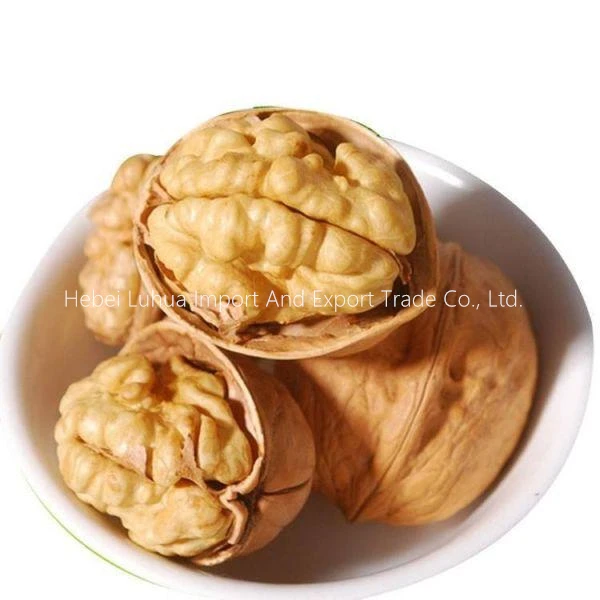
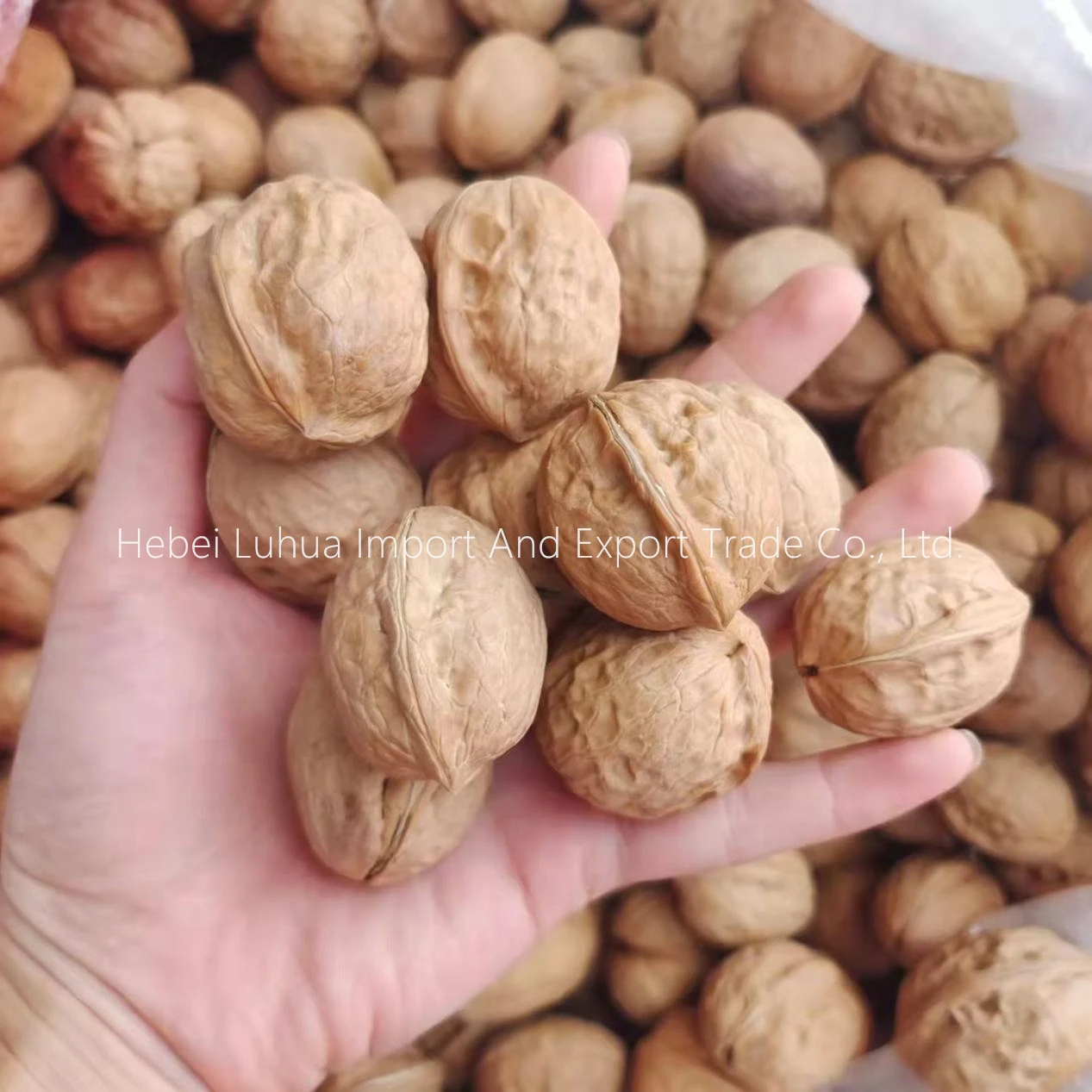
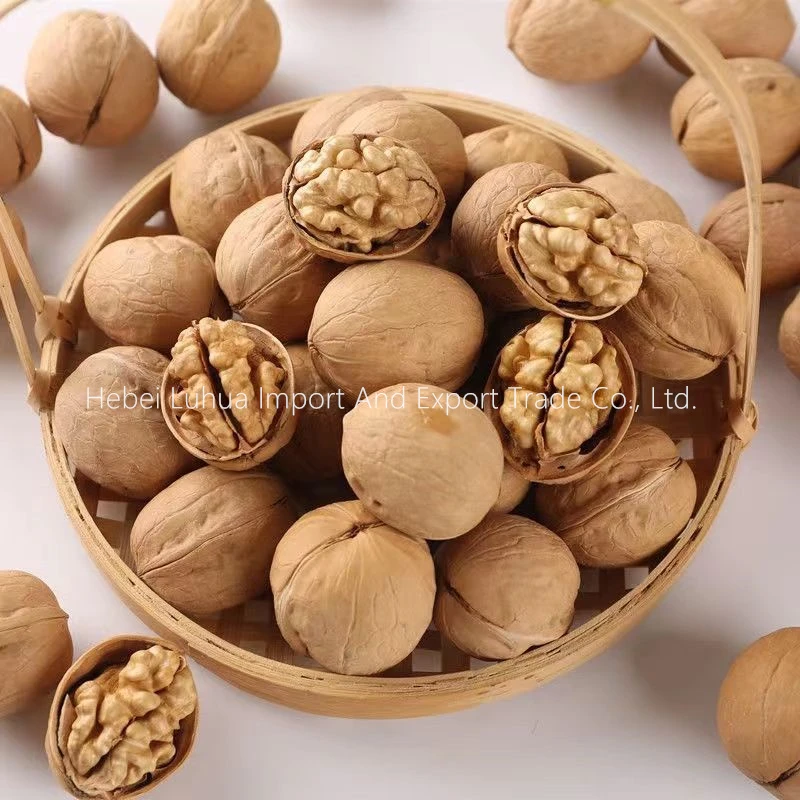
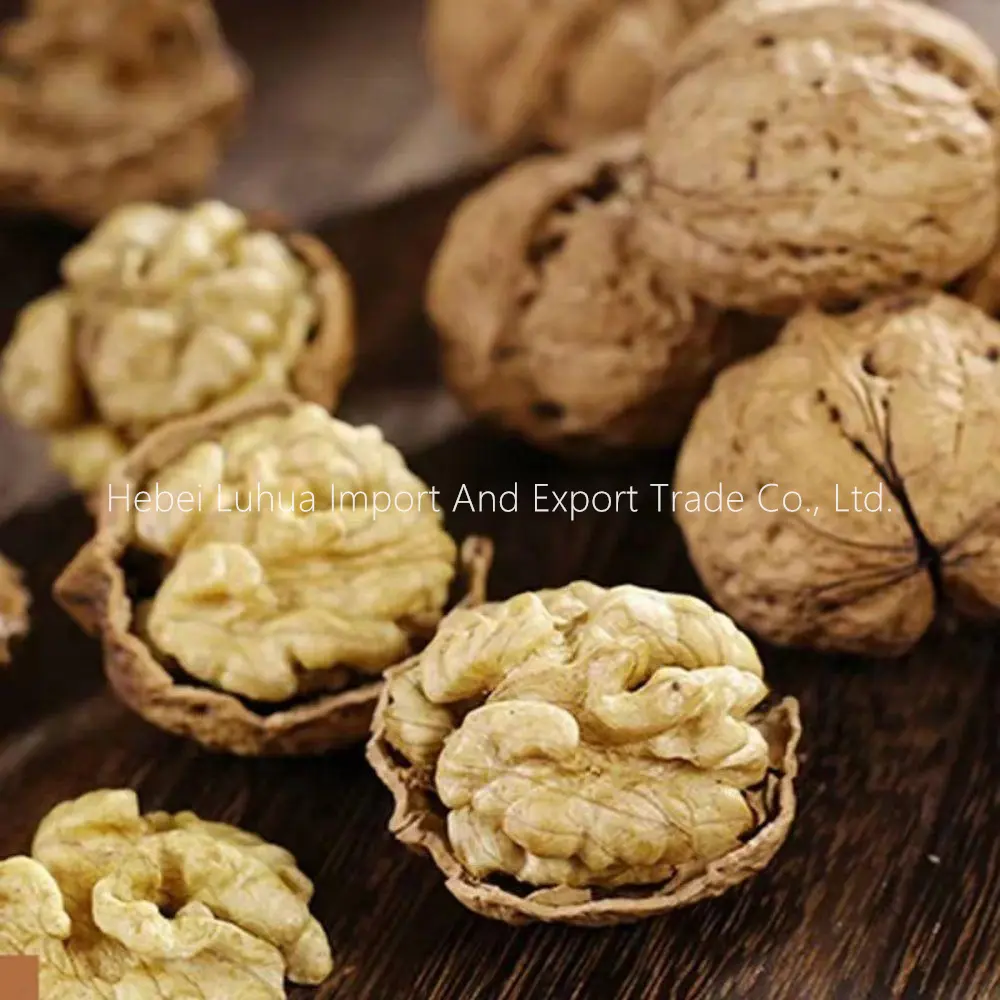
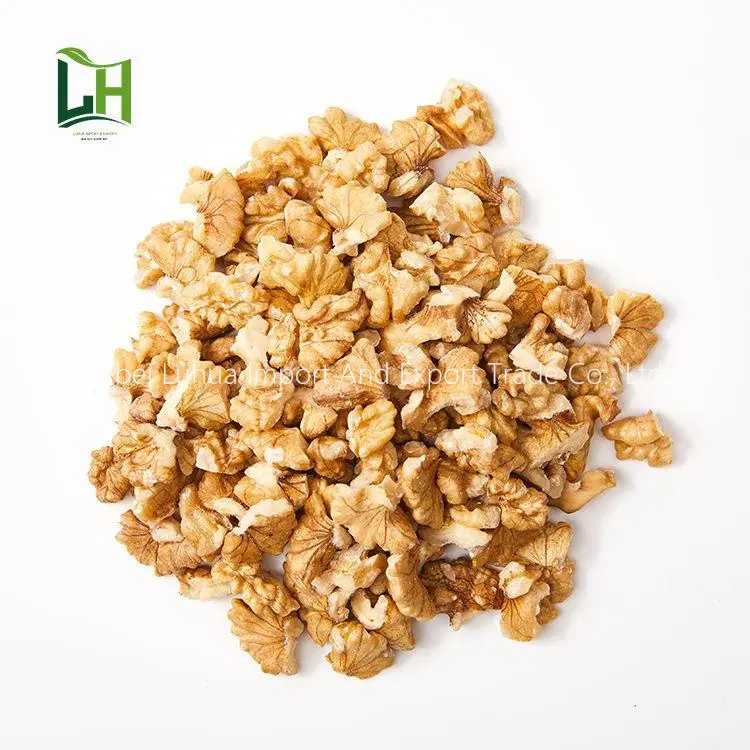
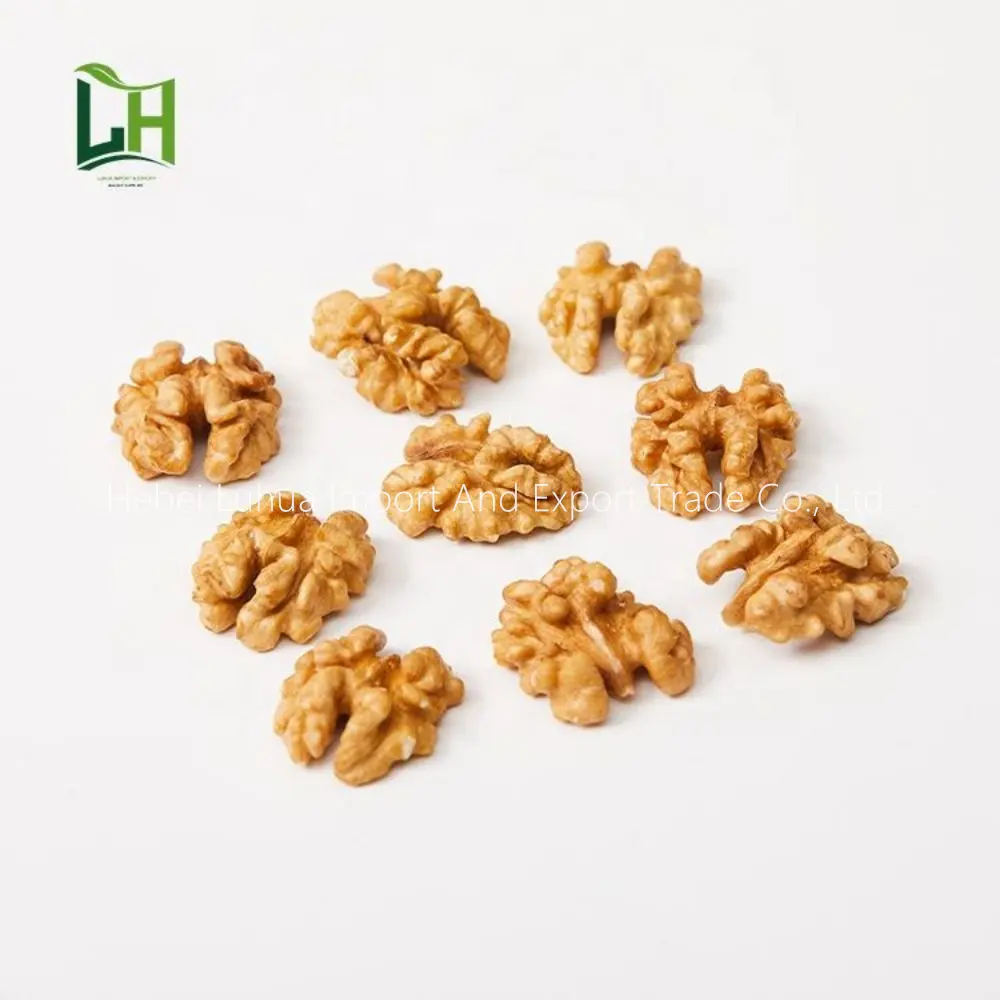
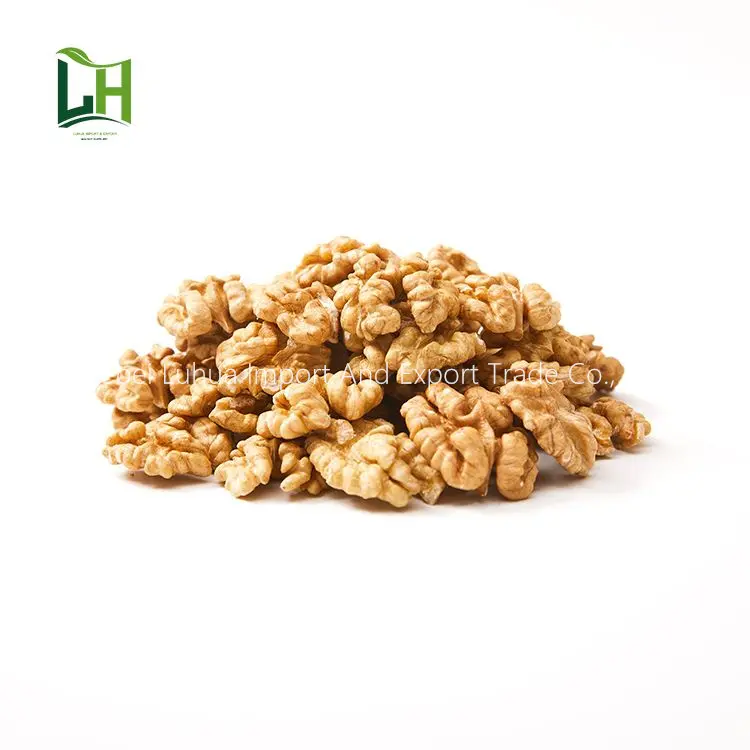
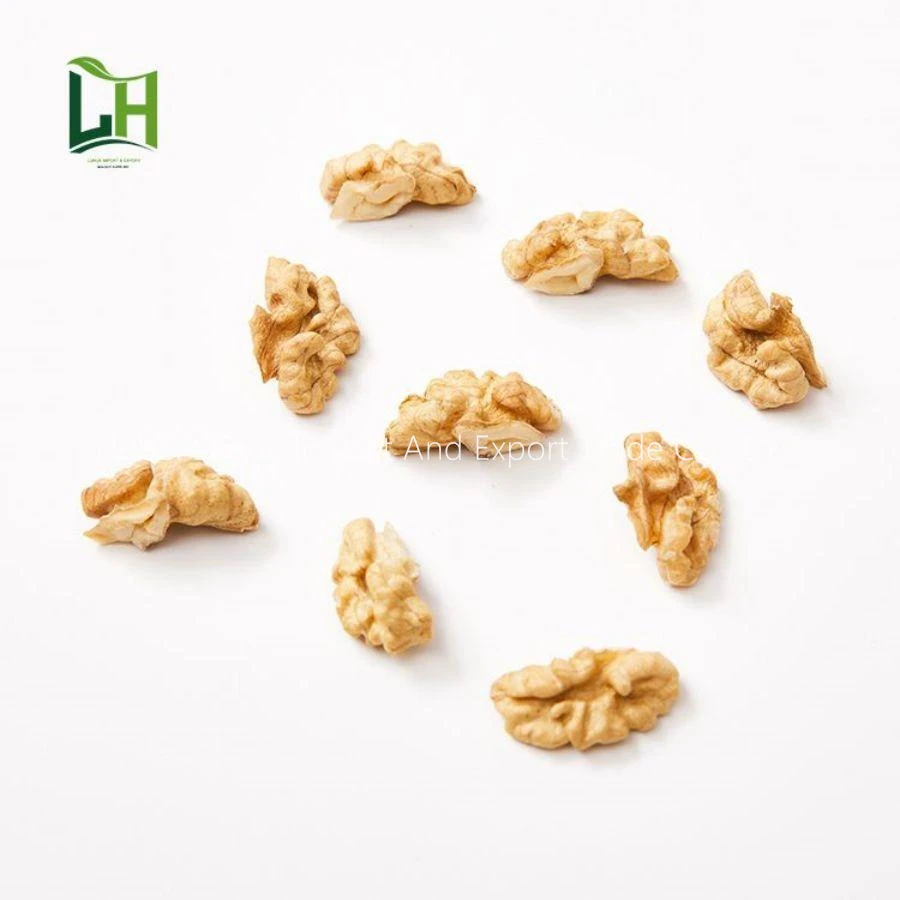
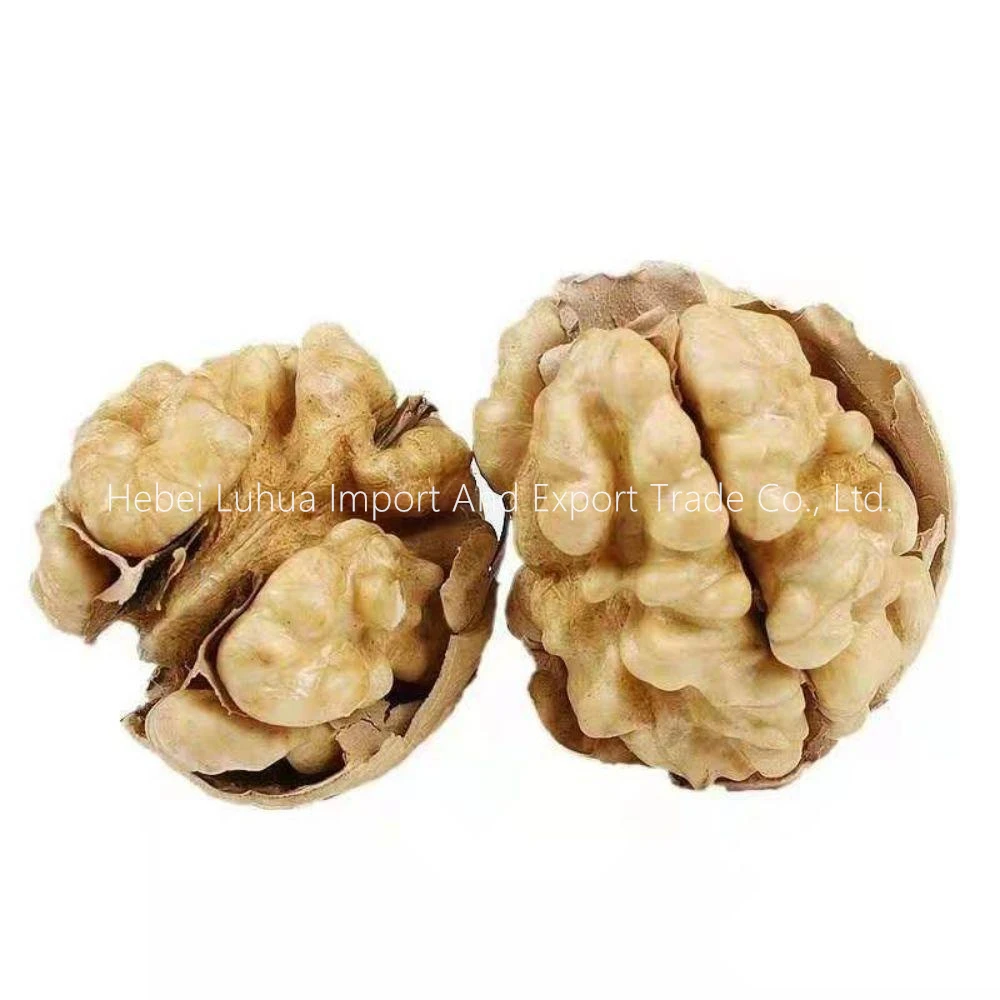
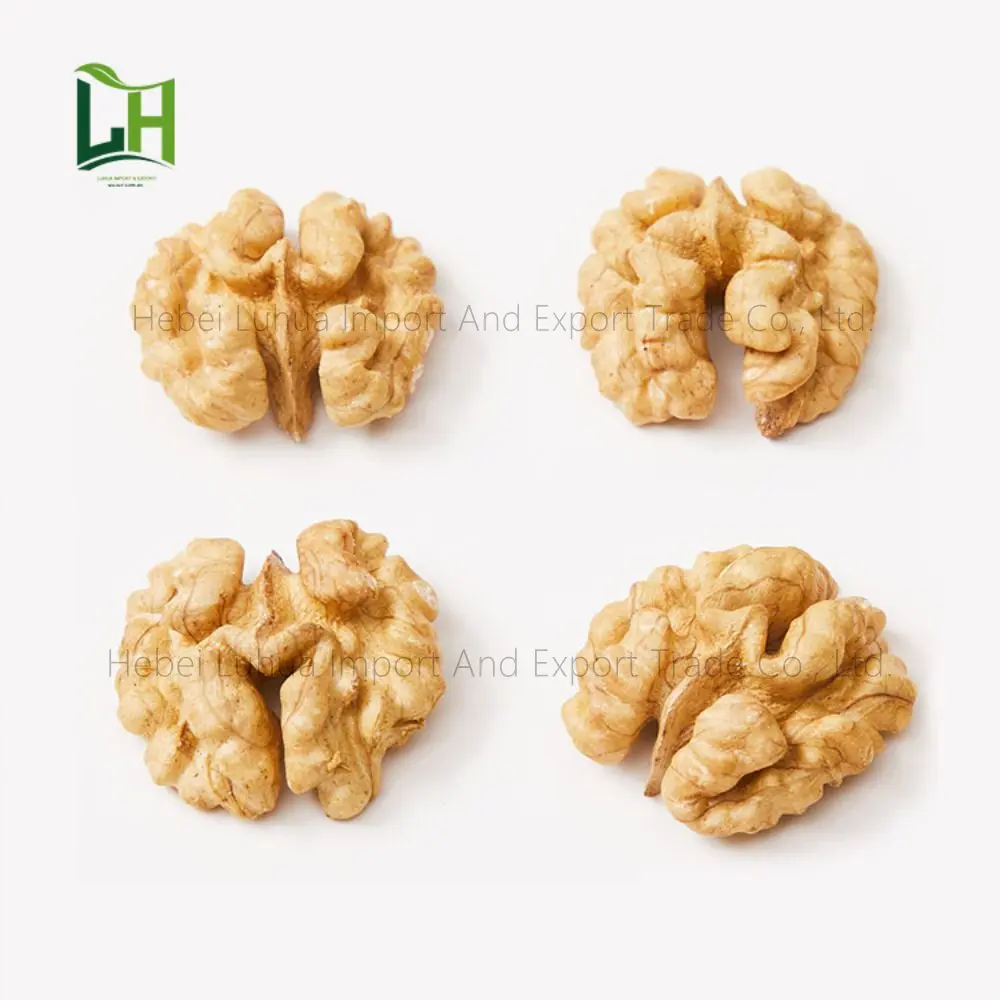
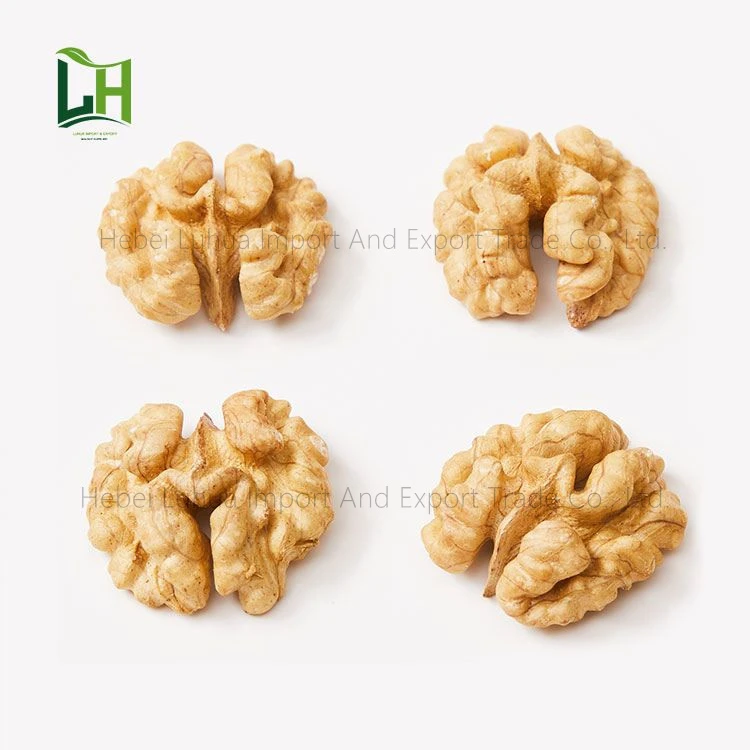
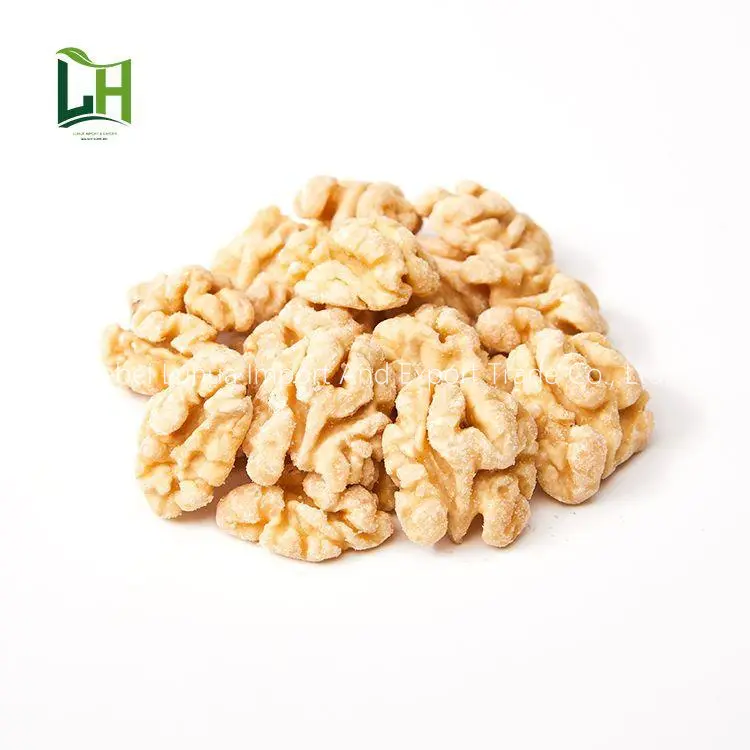
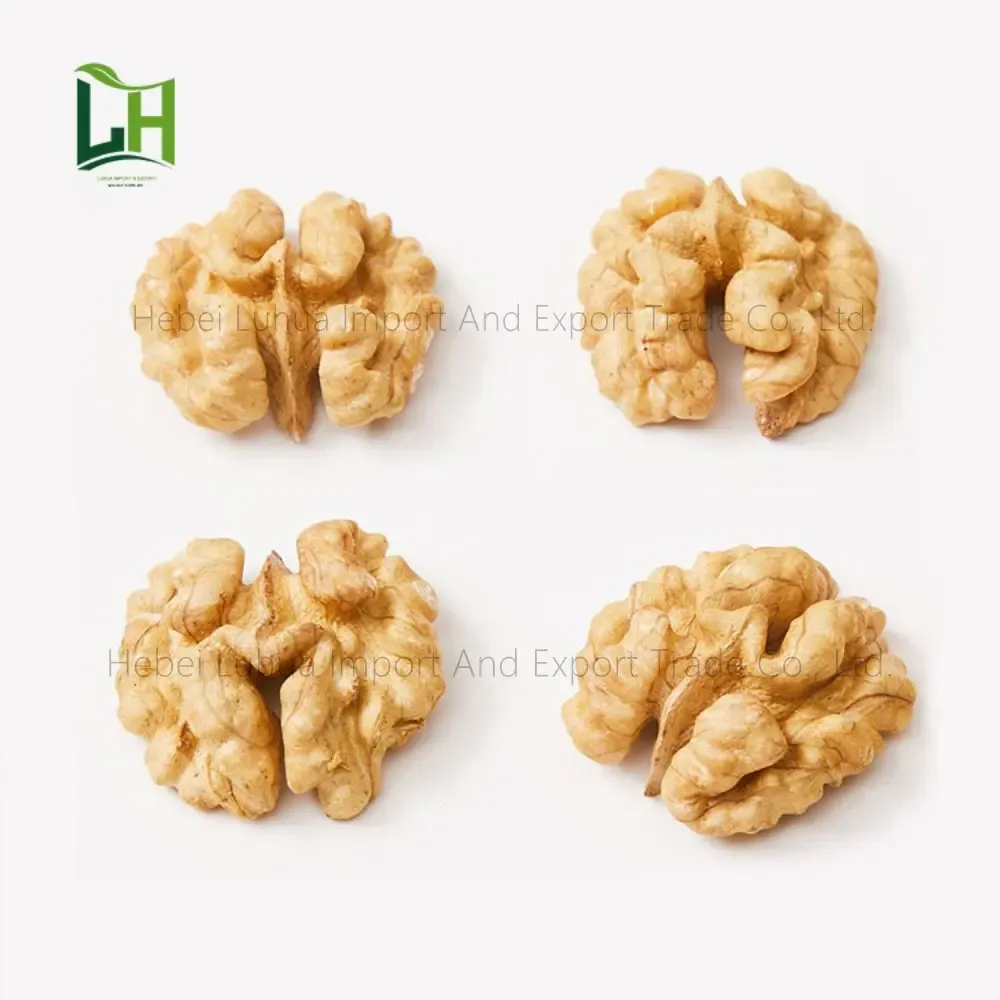
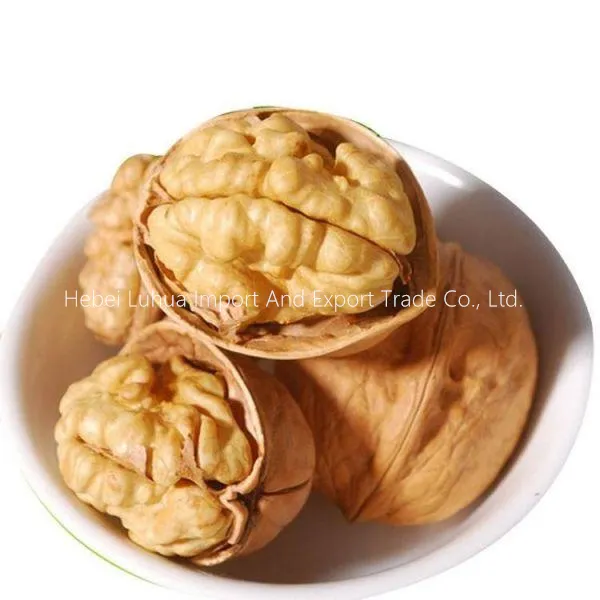
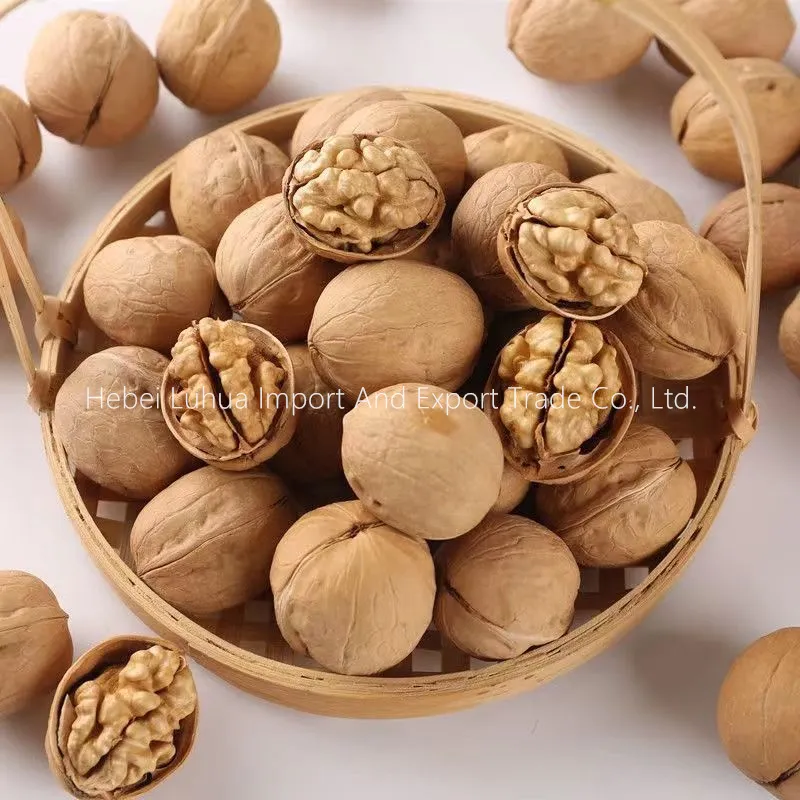
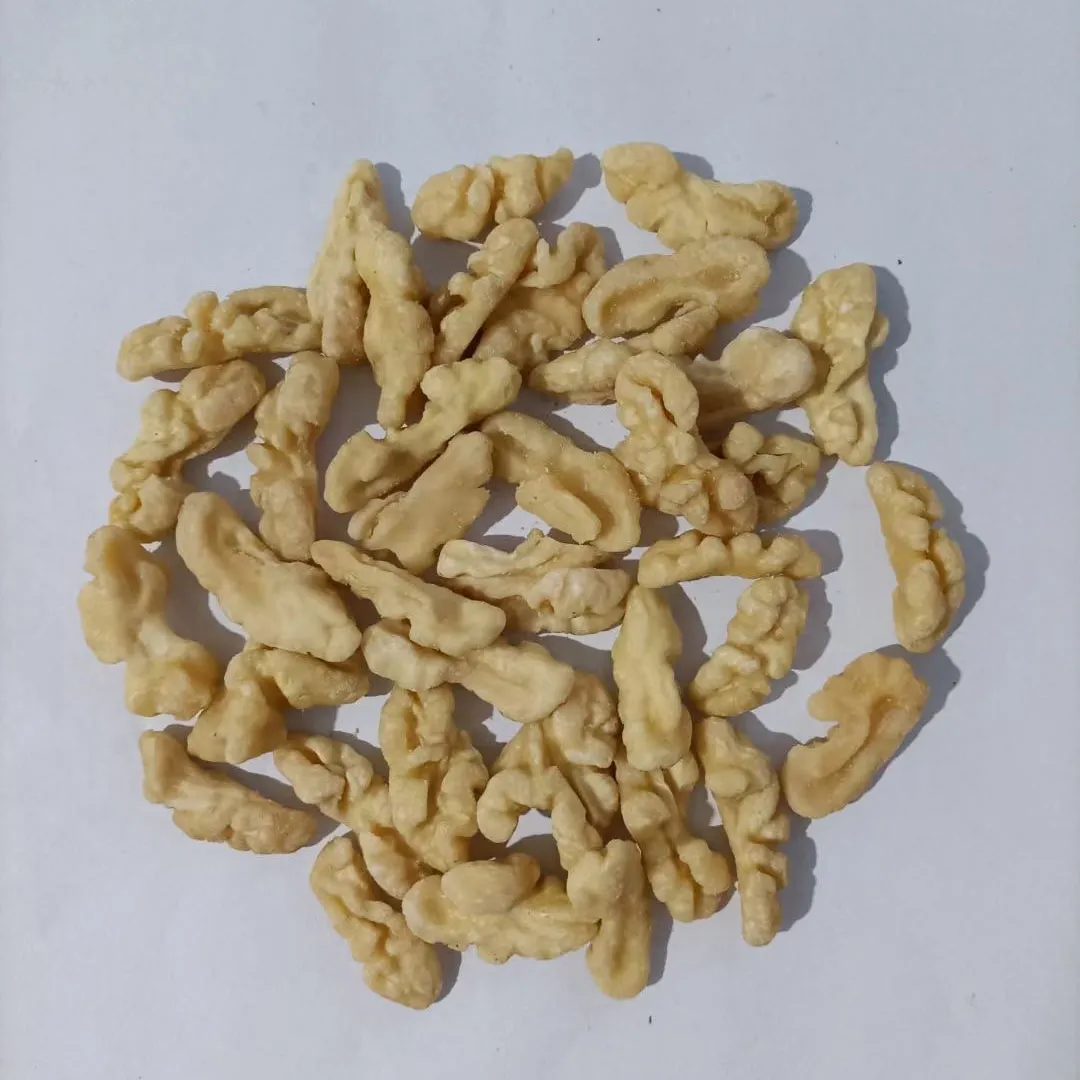
In real terms, the walnut is more than just a snack. Its hard shell, dense timber, and oil-rich kernels give it a range of applications that span agricultural, industrial, and even cosmetic uses. Frankly, I suppose some of the best walnut-related products come from China’s major producers, with companies focusing on quality, consistency, and supply reliability. But more on that later...
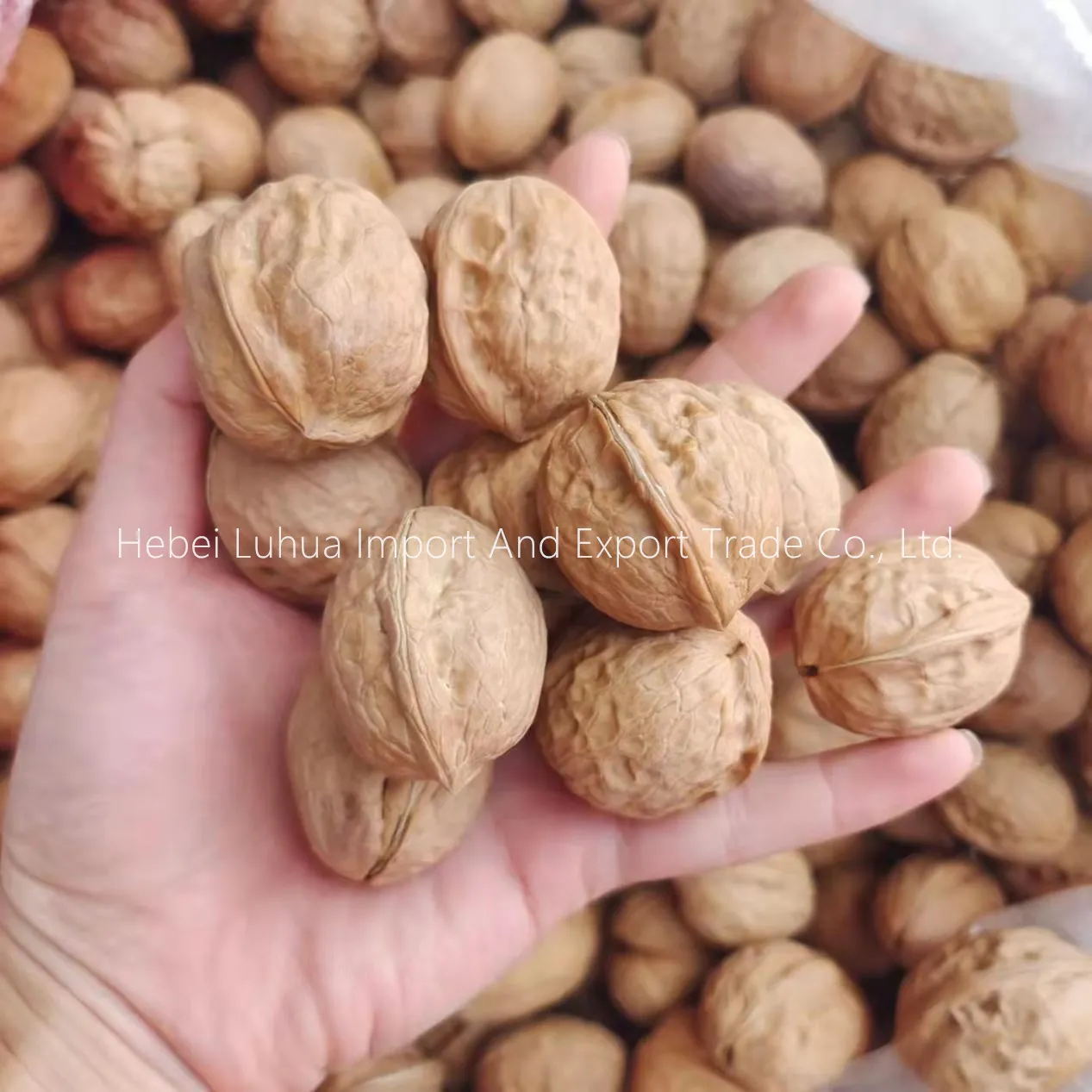
One thing I’ve noticed is that walnuts’ dense shells are incredibly useful for industrial abrasives or as eco-friendly filler materials in composite manufacturing. They’re naturally tough, which means they can replace synthetic materials in certain settings without compromising strength—which many engineers find compelling given the growing demand for sustainable industry solutions.
Walnut Product Specifications
| Specification | Detail |
|---|---|
| Shell Hardness | Approximately 7 on Mohs scale |
| Kernel Oil Content | 60-70% by weight |
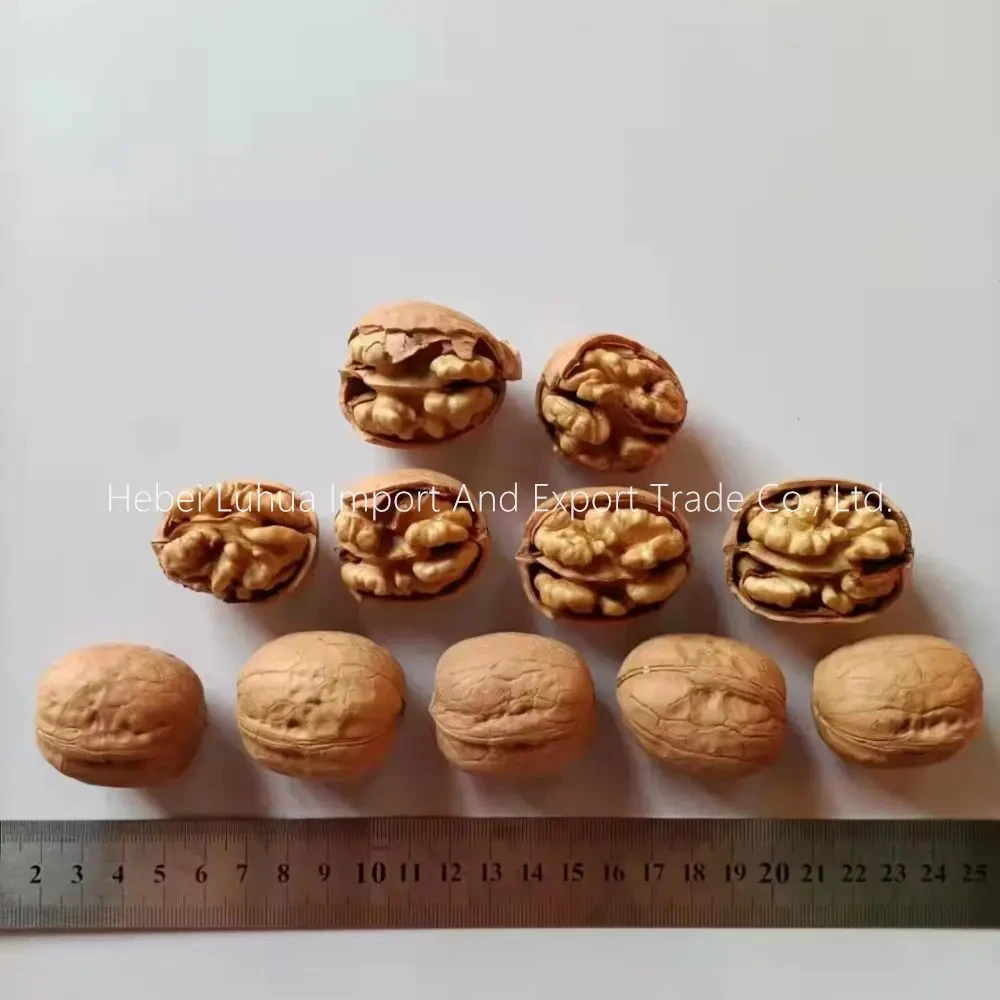
| Average Nut Size | 2.5 – 4 cm (diameter) |
| Moisture Content | 5-8% after drying |
| Typical Applications | Food, abrasives, composite fillers, cosmetics |
Now, if you’re sourcing walnuts for industrial purposes, it’s wise to consider not just the specs but also the vendor’s reputation and their ability to provide consistent batch quality. It’s something I learned the hard way during a project where fluctuating moisture content caused issues downstream in manufacturing. That experience really hammered home the need for reliability.
Vendor Comparison: Top Walnut Suppliers
| Vendor | Quality Control | Delivery Consistency | Customer Support | Pricing (per ton) |
|---|---|---|---|---|
| Lu Hua Walnut | Rigorous batch testing, ISO certified | High consistency, on-time delivery >95% | Responsive, technical guidance available | Competitive — $1,200 – $1,400 |
| GreenGrow Nuts | Moderate QC, organic focus | Occasional supply delays | Friendly support but less technical | Higher — $1,500+ |
| Natures Best Walnuts | Basic QC, local supplier | Variable delivery speed | Limited technical support | Low — $1,000 – $1,100 |
I recall one project where we used high-grade walnut shells as a natural abrasive medium for cleaning industrial equipment. The customer was genuinely impressed by how efficiently the shells cleaned without damaging sensitive surfaces – a small win for sustainable materials, and frankly, it felt good to suggest an eco-alternative that actually delivered on performance.
In terms of customization, producers like Lu Hua Walnut offer tailored walnut grades that match specific abrasiveness or kernel oil requirements. This kind of flexibility is quite rare, and it makes a big difference when your application demands precise material behavior.
To sum up, whether you’re in manufacturing, cosmetics, or even edibles, walnuts are kind of like the quiet all-rounder that can fill multiple roles with solid performance. It’s been fascinating to observe the industry evolve; the demand for natural, sustainable inputs has really pushed walnuts beyond the shell as just a food ingredient.
So next time you think about raw materials, maybe give walnuts a second look—you might be surprised how much they can do.
References:
- Industry reports on nut shell abrasives, 2023.
- ISO certification standards for agricultural products.
- Case studies from Lu Hua Walnut customer projects.
Post time:Jan . 05, 2026 10:35