The Fascinating World of Different Types of Walnuts: More Than Just a Nut
Walnuts may look like simple tree nuts, but explore a bit deeper, and you'll find a world rich in diversity and significance. Understanding the different type of walnuts available globally isn’t just about snacking smarter—it connects to agriculture, nutrition, economy, and even sustainability. Walnuts feature prominently not only in culinary traditions worldwide but also in industrial applications like oil production and environmental conservation. As awareness grows around plant-based foods and sustainable crops, knowing the variety, benefits, and challenges of walnut types becomes more relevant than ever.
Why Should We Care About Walnut Varieties Globally?
Global walnut production has seen a steady rise—according to the Food and Agriculture Organization (FAO), global walnut output has exceeded 1.2 million metric tons in recent years (1). Countries like China, the USA, Iran, and Turkey lead the market, but the diversity of walnut species and cultivars remains somewhat underappreciated. Each type has unique characteristics influencing taste, oil content, shell hardness, and harvest times, which impact how they're cultivated and used worldwide.
One challenge growers face is adapting walnut production to climate change and pests, which vary widely by region and walnut type. Plus, consumer demand for quality nuts with optimal nutritional profiles encourages farmers to explore different cultivars beyond the familiar English walnut.
Defining Different Types of Walnuts
At its core, the phrase different type of walnuts refers to the many species and cultivars within the Juglans genus. This genus includes several species but the most commercially significant are:
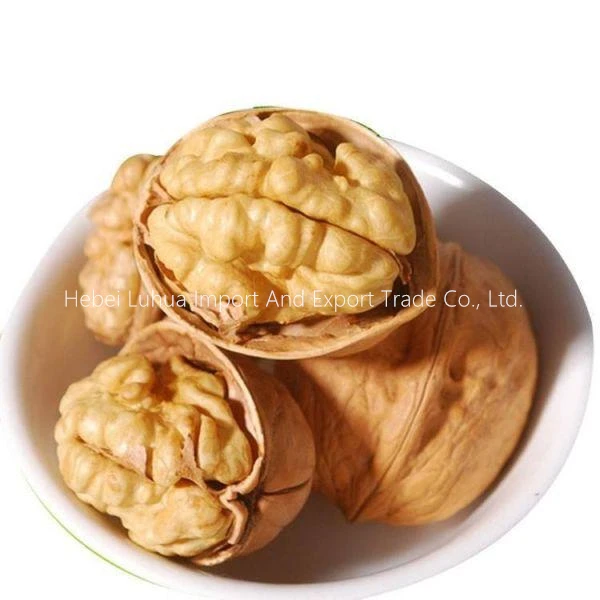
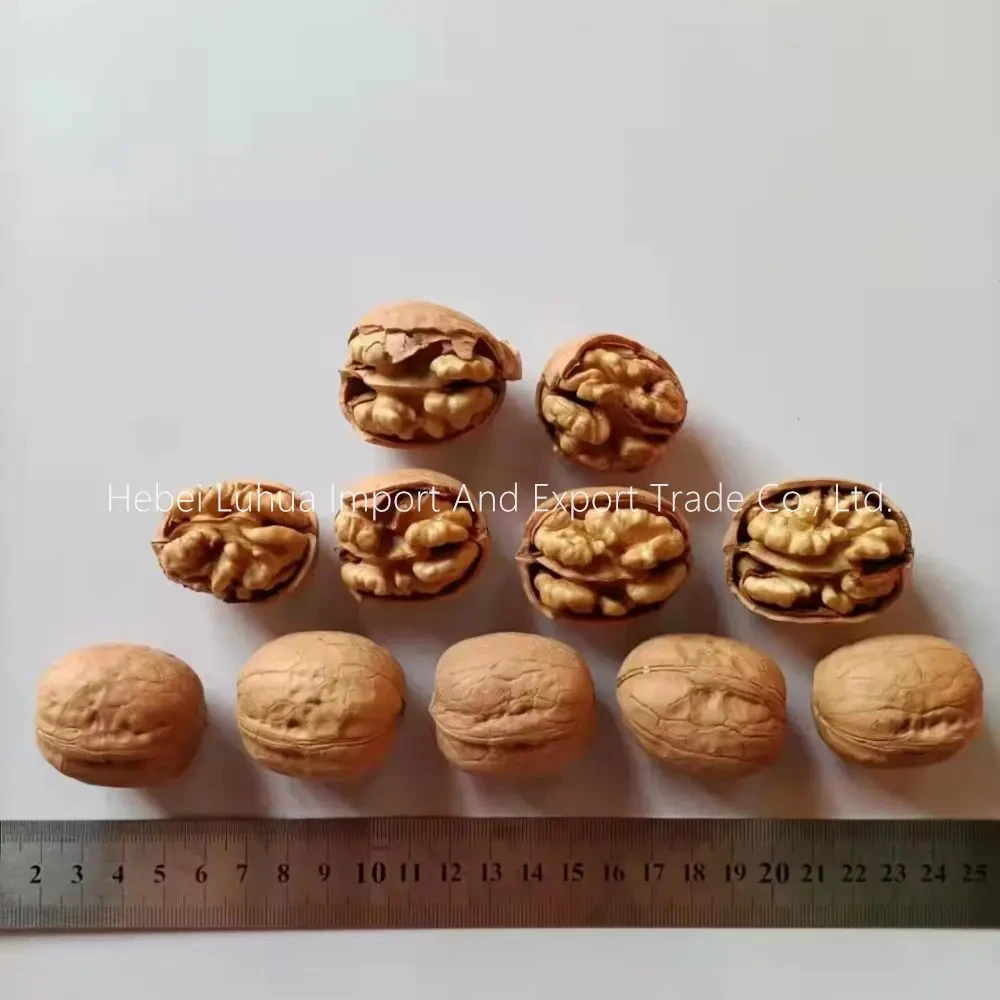
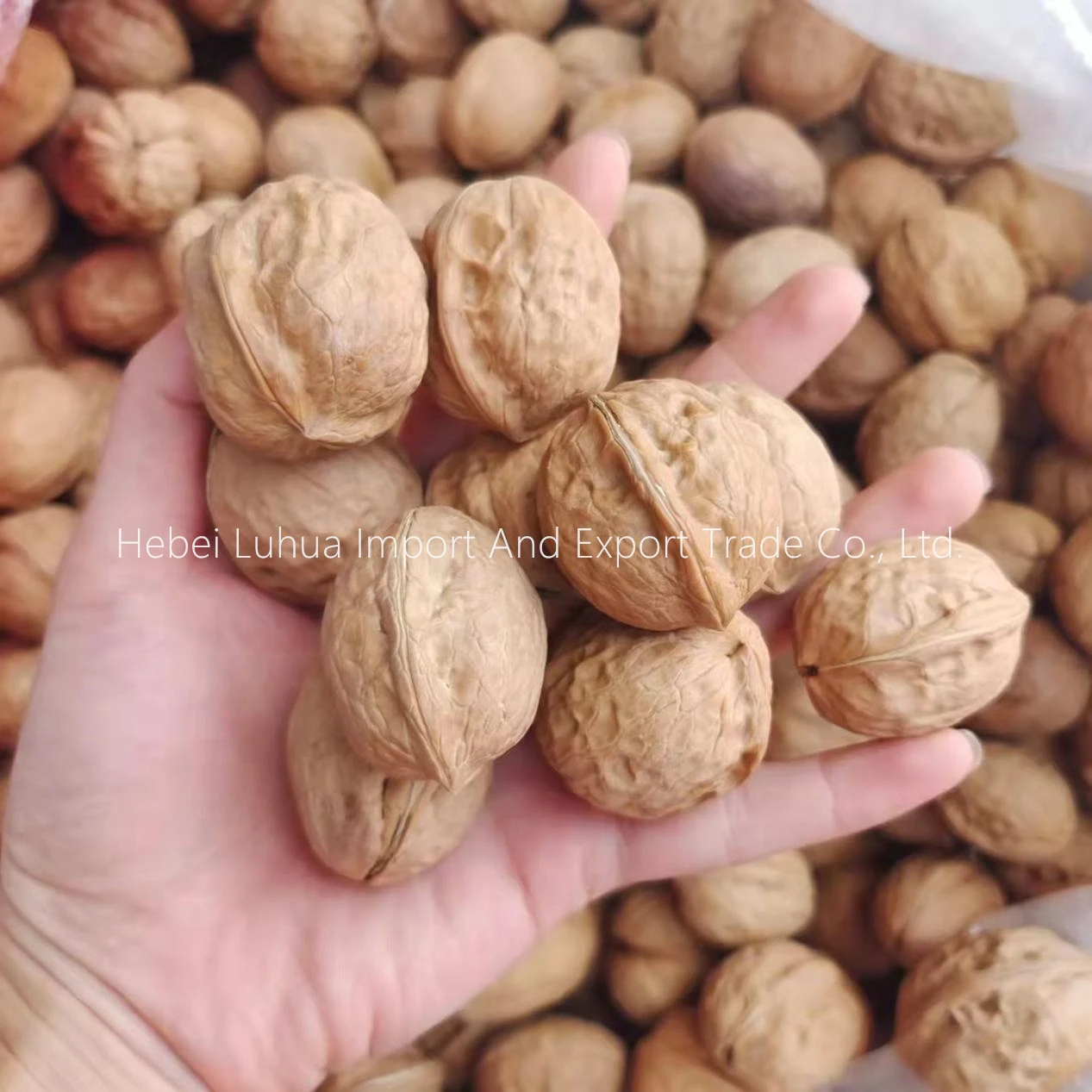
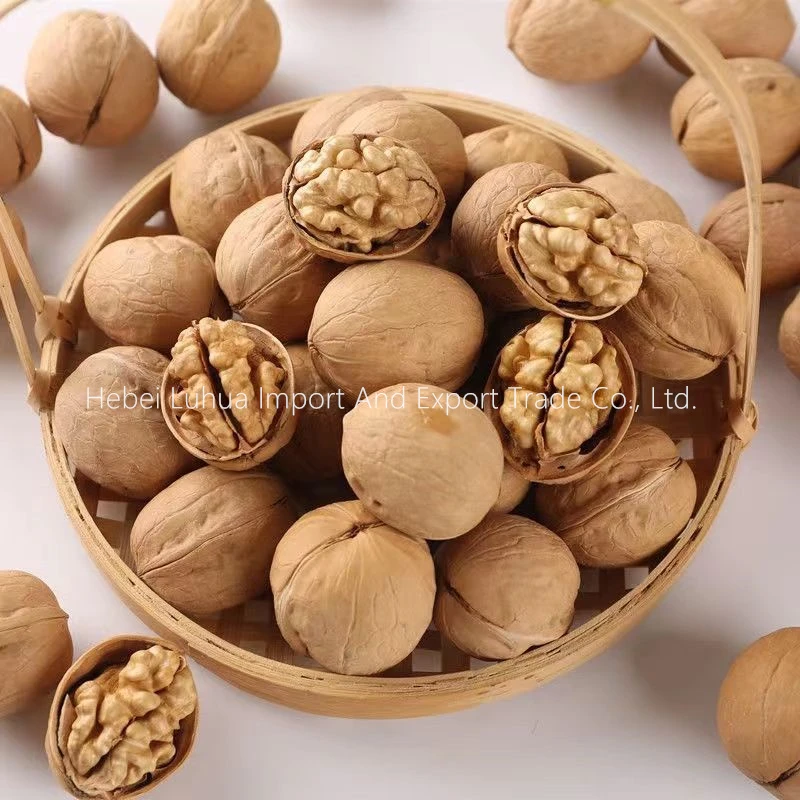
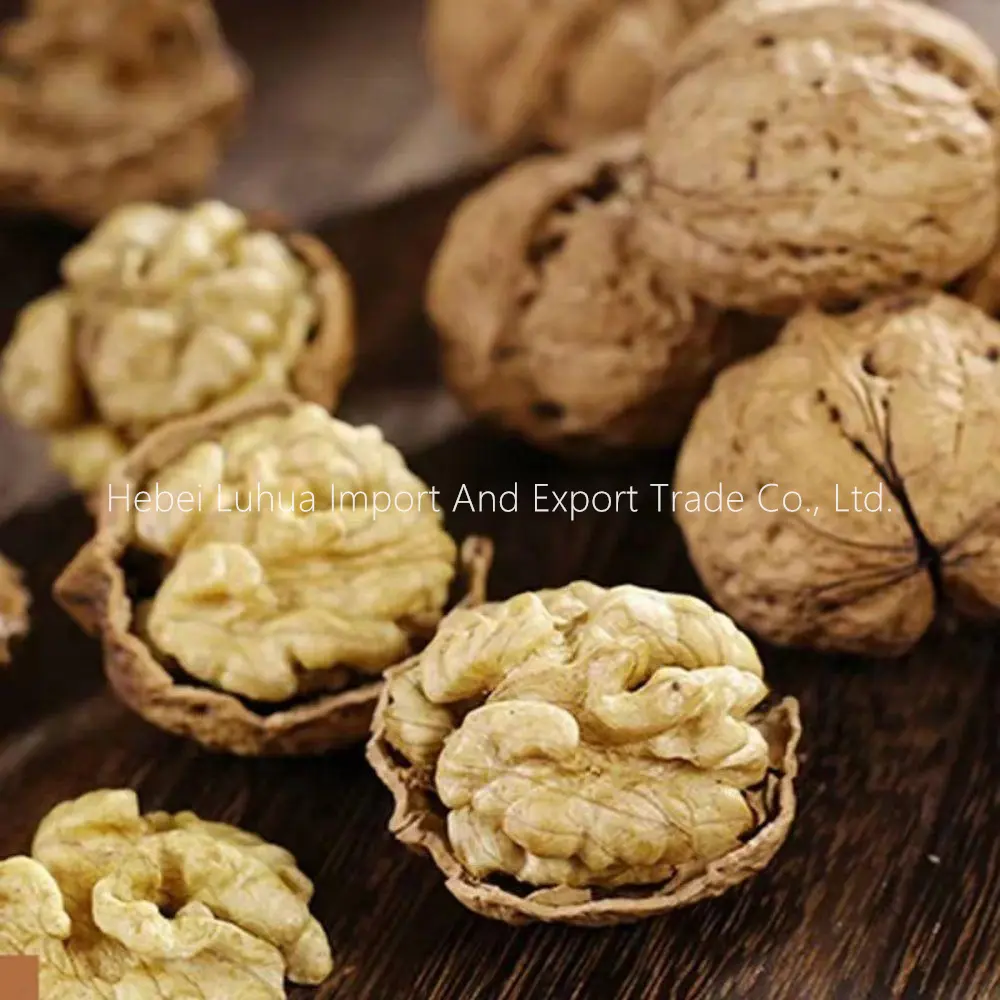
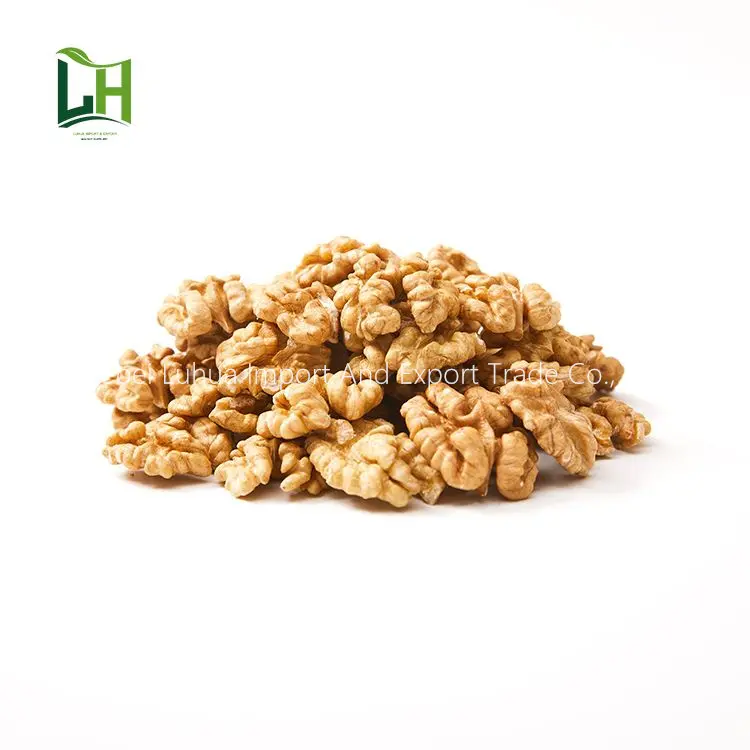
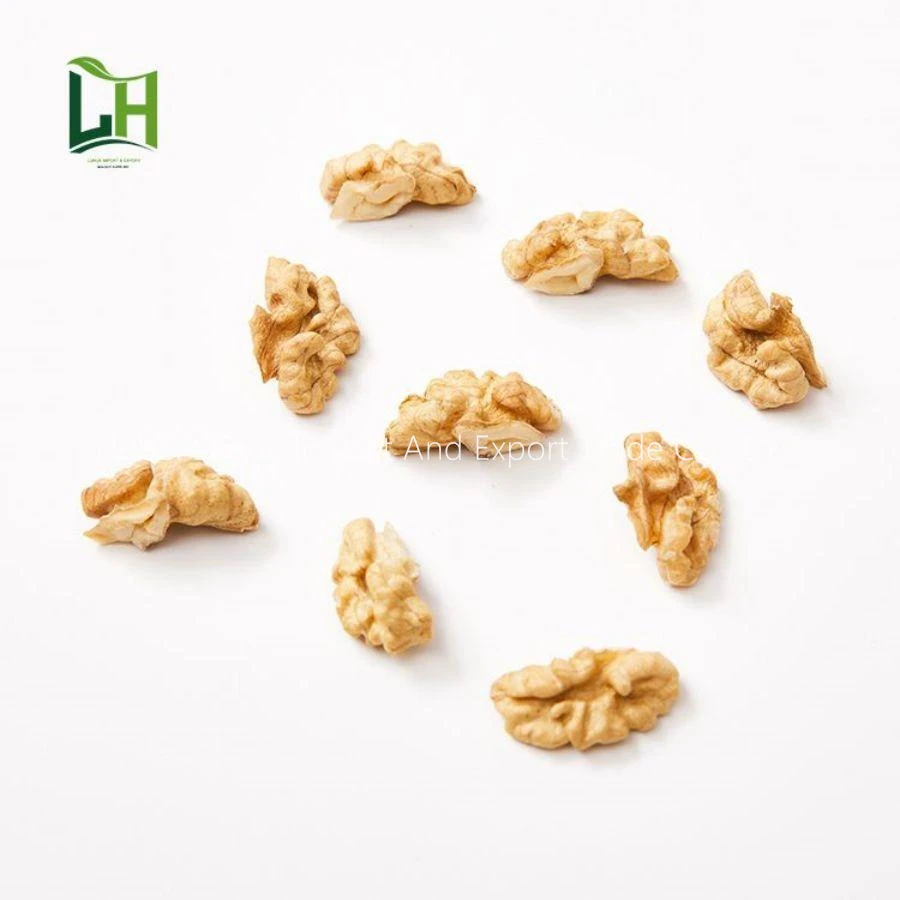
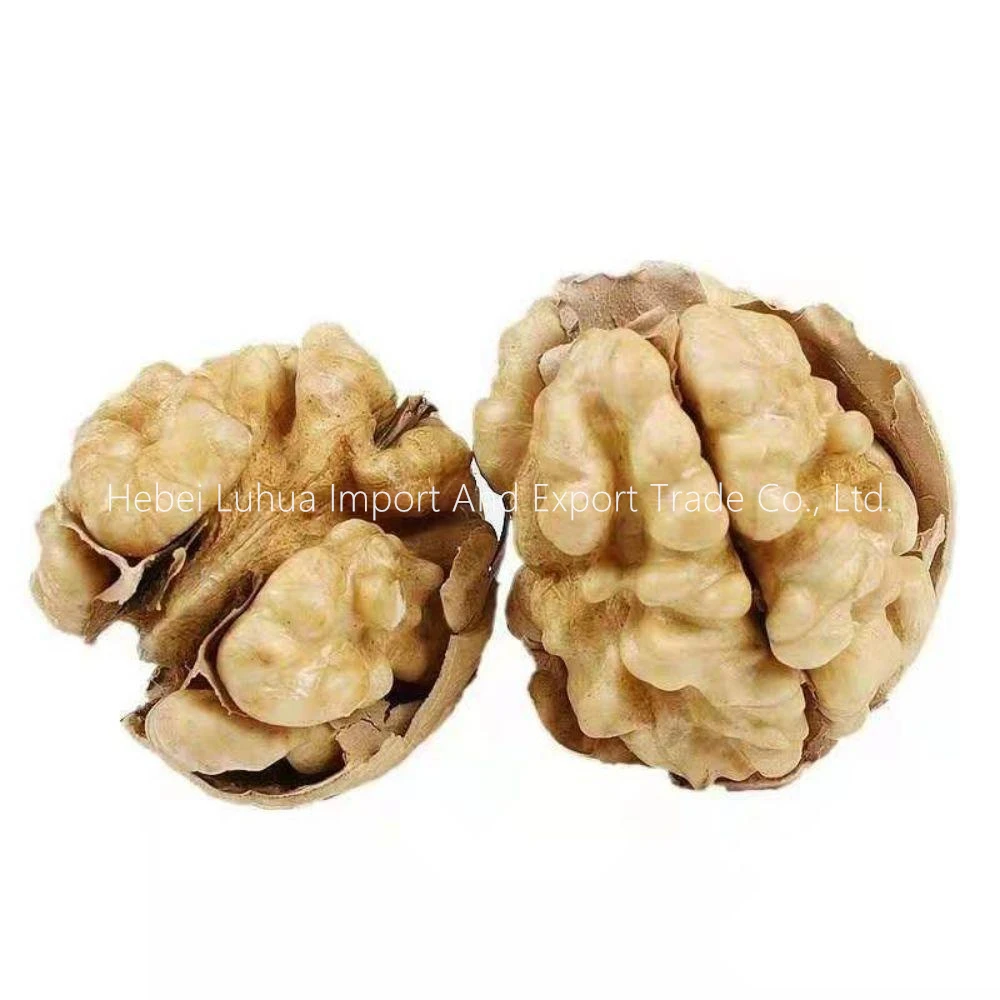
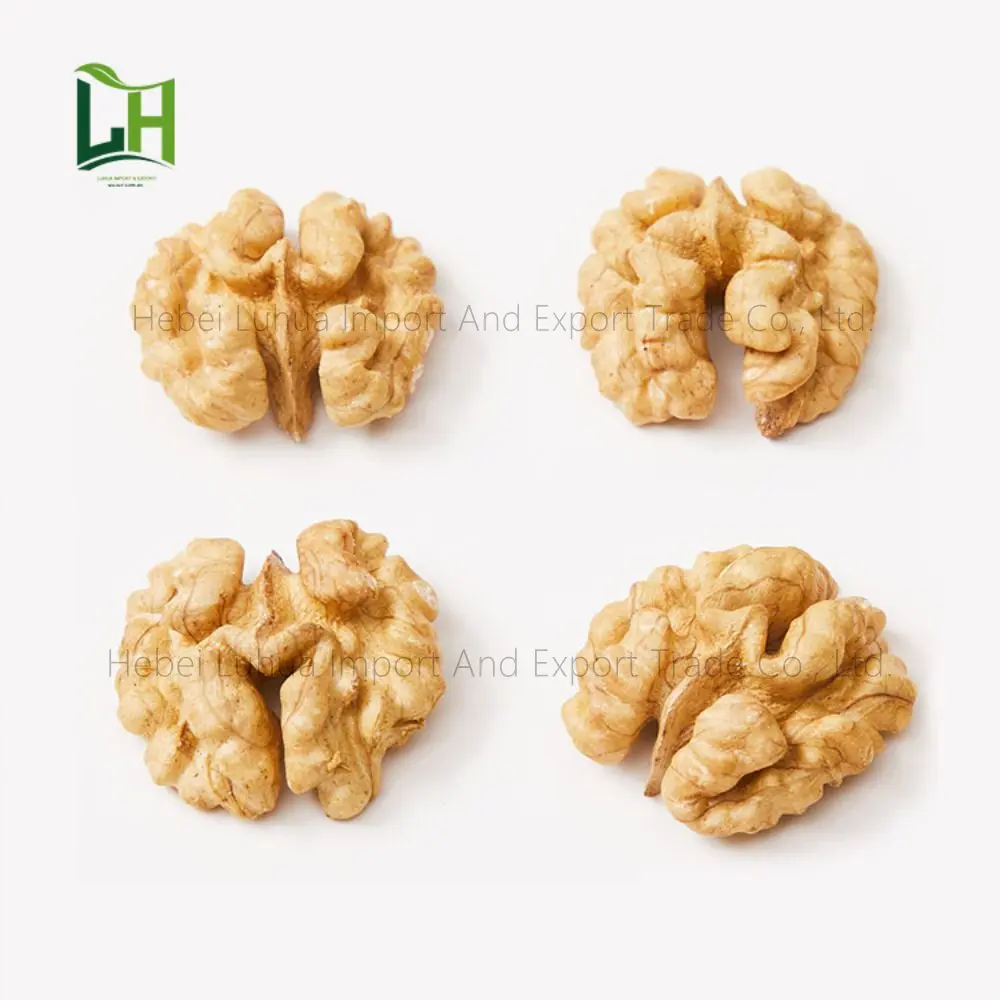
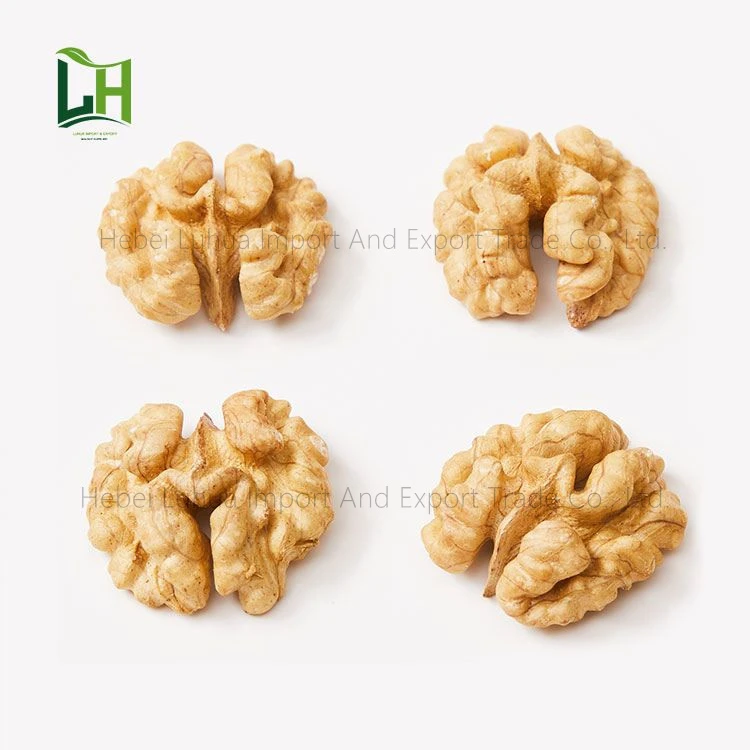
- English Walnut (Juglans regia): The most widely cultivated, prized for its mild flavor and thin shell.
- Black Walnut (Juglans nigra): Native to North America, known for its rich, bold taste and extremely hard shell.
- White Walnut or Butternut (Juglans cinerea): Less common but valued for certain culinary uses.
- Heartnut (Juglans ailantifolia var. cordiformis): A Japanese walnut species noted for its distinctive heart-shaped nuts.
Connecting walnut varieties to modern industry means recognizing that these nuts serve various markets: fresh consumption, nut oils, wood products, and even bioactive compounds in pharmaceuticals. For humanitarian nutrition programs, walnuts pack essential fatty acids and antioxidants, often filling nutritional gaps in vulnerable populations.
Key Factors in Walnut Types and Their Implications
1. Kernel Quality and Flavor Profile
The taste spectrum—from the mild, buttery English walnut to the earthy and robust black walnut—affects consumer preference, recipes, and food processing choices. Flavor also guides niche product development like walnut flours and pastes.
2. Shell Hardness and Ease of Processing
Soft shells reduce cracking costs, but thicker shells can protect against pests and mechanical damage, important for storage and transport. Black walnuts pose processing challenges due to their tough shells.
3. Climate and Geographic Suitability
Different walnuts thrive in varying climates, from the temperate zones preferred by English walnuts to the harsher areas for black walnuts. This affects growers’ decisions and global trade patterns.
4. Nutritional Composition
Variations in omega-3 content, antioxidants, and proteins influence market value. For example, English walnuts typically have higher alpha-linolenic acid levels, a plant-based omega-3 fatty acid.
5. Tree Growth Characteristics
Growth speed, canopy shape, and root system impact orchard management and yield predictability—crucial for large-scale agriculture.
Specifications of Popular Walnut Types
| Walnut Type | Shell Hardness | Average Oil Content (%) | Typical Kernel Flavor | Preferred Climate |
|---|---|---|---|---|
| English Walnut | Soft to Medium | 60-65% | Mild, buttery | Temperate, Mediterranean |
| Black Walnut | Very Hard | 55-58% | Robust, earthy | Temperate, Eastern North America |
| Heartnut | Medium | 60% | Sweet, mild | Cool temperate (Japan) |
How Different Types of Walnuts Are Used Worldwide
Walnuts find applications far beyond your typical grocery store shelf. In the US and Europe, English walnuts dominate fresh snack markets and desserts. In parts of Asia, walnuts also figure prominently in traditional medicine and cosmetic oils. Black walnuts, though harder to crack, are popular in artisanal baking, liqueurs, and culinary delicacies that value bold flavor.
Industrially, walnut shells serve as an eco-friendly abrasive in cleaning and personal care, while walnut oil enjoys a niche as a salad oil and skincare ingredient. Regions with surplus production export nuts globally, supporting rural economies and trade networks.
In post-disaster nutrition programs, especially where protein sources are scarce, walnuts provide a dense, nutritious option. They also appear in school feeding schemes across developing countries thanks to their micronutrients profile.
For a more in-depth look at nut varieties, check out this page on different type of walnuts.
Weighing the Advantages & Long-Term Value of Walnut Diversity
- Cost Efficiency: Selecting the right walnut type for local conditions maximizes yield and lowers production costs.
- Sustainability: Some varieties thrive with fewer pesticides, supporting organic growing.
- Social Impact: Walnut farming supports millions of smallholders globally.
- Health Benefits: Diverse walnut types provide essential fatty acids linked to heart and brain health.
- Reliability: Cultivation diversity safeguards against climate volatility and pests.
Frankly, it’s remarkable how a tiny nut we often take for granted ties into such broad economic and ecological webs. For communities investing in walnuts, these factors build trust and dignity in farming careers while promoting innovation towards higher quality products.
Emerging Trends and Innovations in Walnut Cultivation
Exciting new breeding programs aim to combine disease resistance with superior nutrition and easier processing traits. Digital agriculture tools—like satellite monitoring and AI-powered orchard management—help optimize water use and pest control specifically tailored for different walnut types.
Environmental policies increasingly support walnut agroforestry, where walnut trees integrate with other crops to improve soil and biodiversity. Plus, there’s growing interest in extracting plant compounds from walnut shells for sustainable materials and green energy.
Common Challenges and Smart Solutions
Walnut farmers still grapple with issues like:
- Pest outbreaks worsened by climate change
- High cracking costs for hard-shell varieties
- Market price fluctuations depending on cultivar popularity
Experts suggest approaches like introducing mixed cultivar orchards, mechanized shelling machines designed for tougher walnuts, and creating stronger international markets for lesser-known walnut species to stabilize income and reduce risk.
FAQ: Frequently Asked Questions About Different Type of Walnuts
Q1: Which walnut type is easiest for home nutcrackers?
A1: English walnuts are usually your best bet at home—they have relatively thin shells that are easier to crack manually compared to black walnuts, which require special tools due to their toughness.
Q2: How long do different walnuts last when stored?
A2: Properly stored in cool, dry conditions, walnuts can last 6-12 months. English walnuts tend to have a longer shelf life due to their milder oil composition, while black walnuts’ robust flavor can sometimes cause earlier rancidity if not stored well.
Q3: Are black walnuts more nutritious than English walnuts?
A3: Both offer excellent nutrition, but black walnuts contain higher amounts of certain antioxidants. However, English walnuts generally have more omega-3 fatty acids.
Q4: Can walnut cultivation be sustainable?
A4: Absolutely. Many growers use integrated pest management and organic methods. Agroforestry systems with walnuts enhance soil and biodiversity, qualifying as sustainable agriculture.
Q5: How do I select the right walnut type for my region?
A5: Consider your climate, soil, and market demands. Consulting local agricultural extension services or walnut experts can tailor choices to your conditions for best results.
Conclusion: Why Different Types of Walnuts Matter More Than You Think
At the end of the day, walnuts are a delicious example of natural variation shaping agriculture, industry, and culture worldwide. Grasping the nuances of different walnut types empowers farmers, traders, chefs, and consumers alike. For anyone interested in nut varieties or sustainable crop diversification, diving into the world of walnuts is hugely rewarding. Check out more details and ongoing walnut projects at different type of walnuts.
| Vendor | Walnut Varieties Offered | Processing Capabilities | Sustainability Focus | Global Reach |
|---|---|---|---|---|
| Luhua Walnut Farms | English, Black, Heartnut | Cracking, Sorting, Oil Extraction | Organic and Agroforestry Certified | Asia, Europe, North America |
| Global Nut Traders Inc. | Primarily English Walnut | Bulk Packaging & Shipping | Fair Trade Initiatives | Worldwide |
| EcoNut Solutions | Specialty & Indigenous Walnuts | Cold-Press Oil & Shell Byproduct Recycling | Zero-Waste & Low Carbon Footprint | Selective Regional Markets |
Thank you for exploring the world of walnuts with me — it’s funny how even everyday foods can open doors to lessons in sustainability, culture, and science.
References
Post time:Dec . 13, 2025 21:10