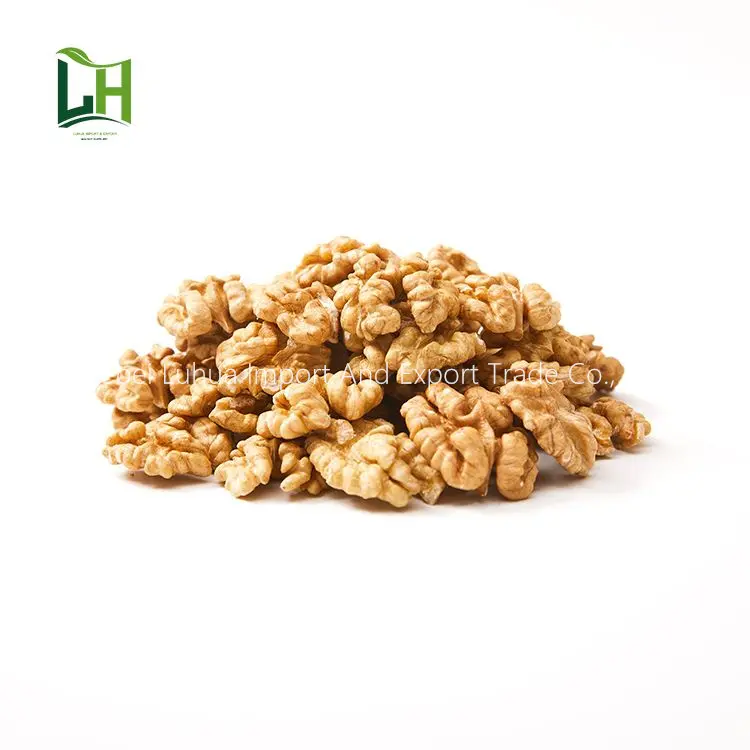
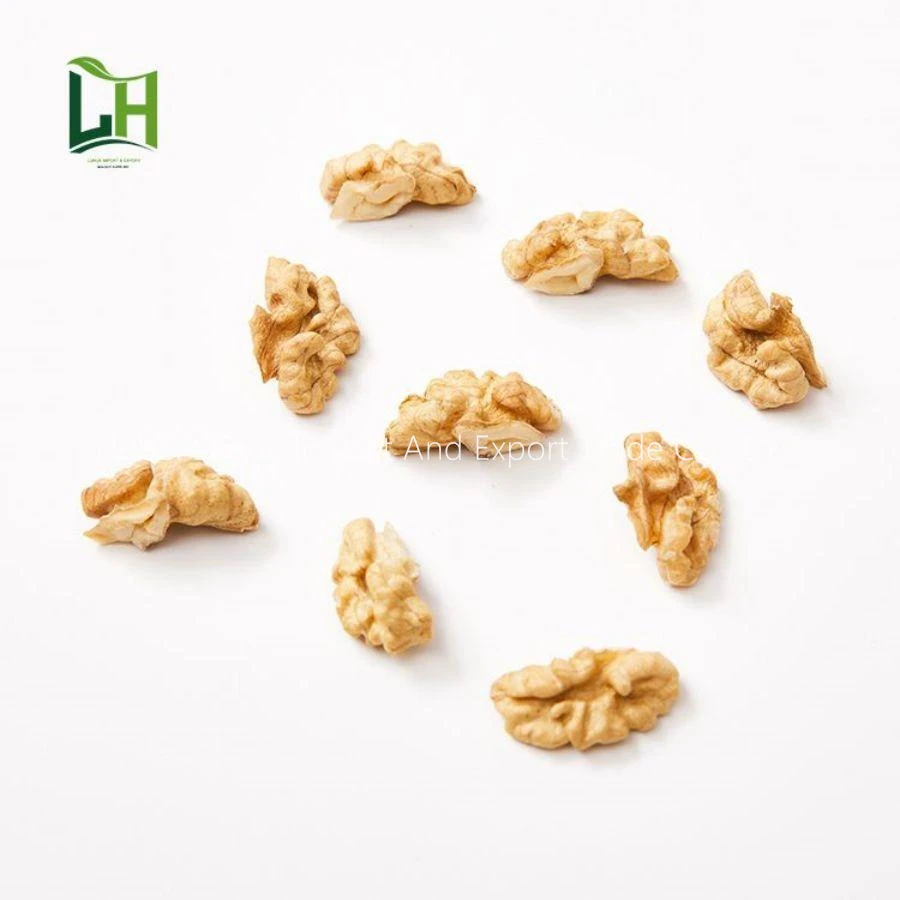
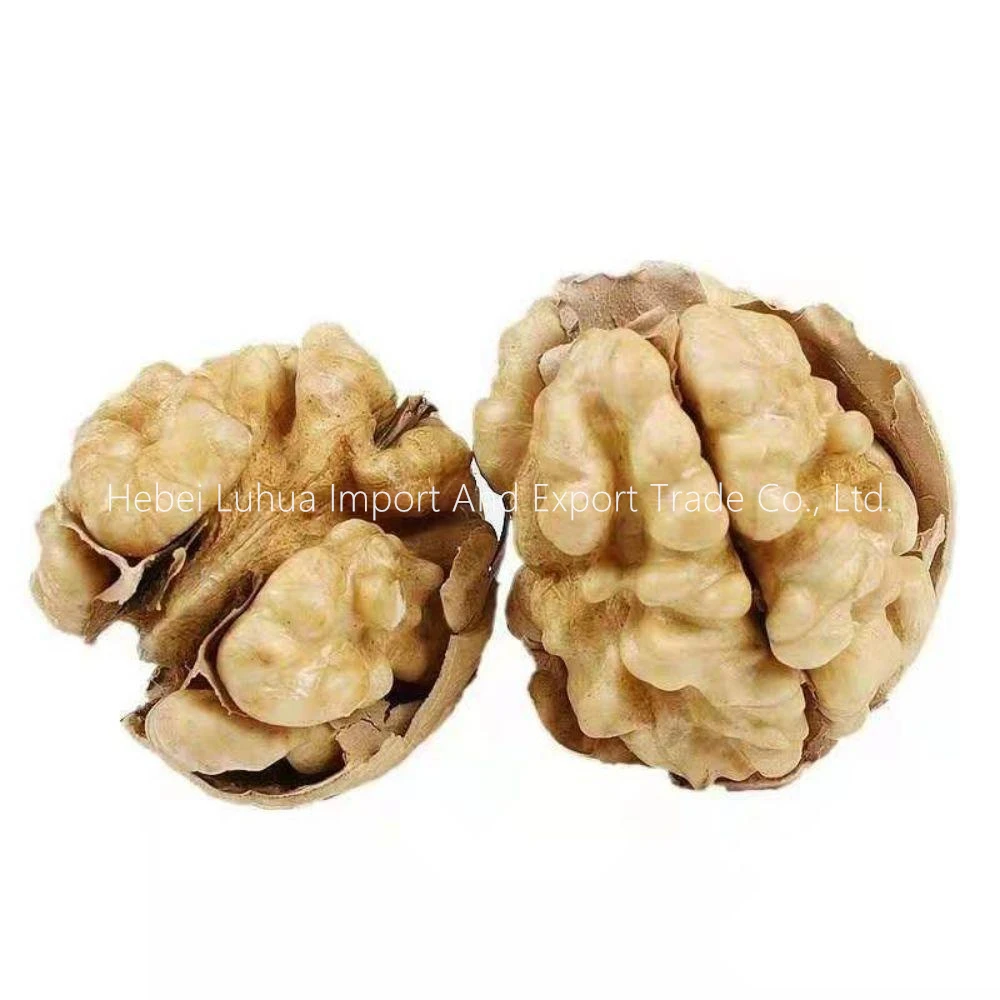
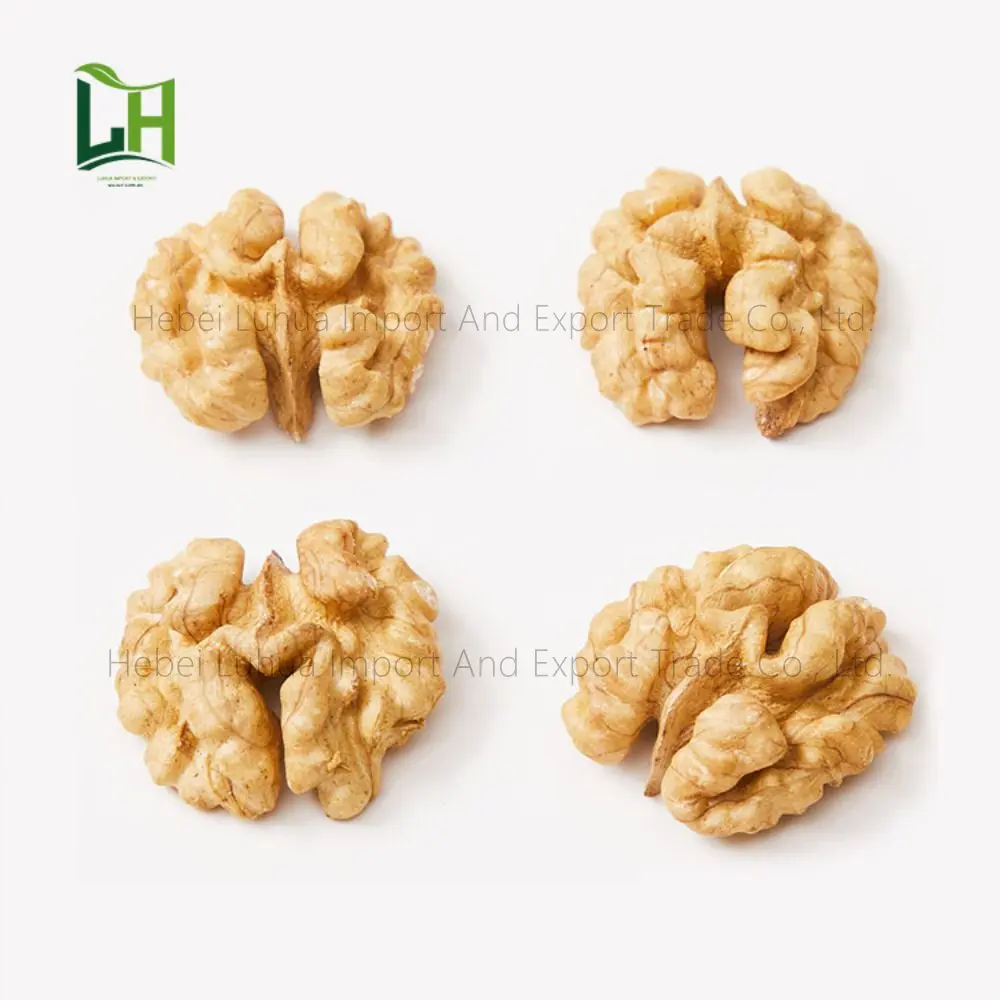
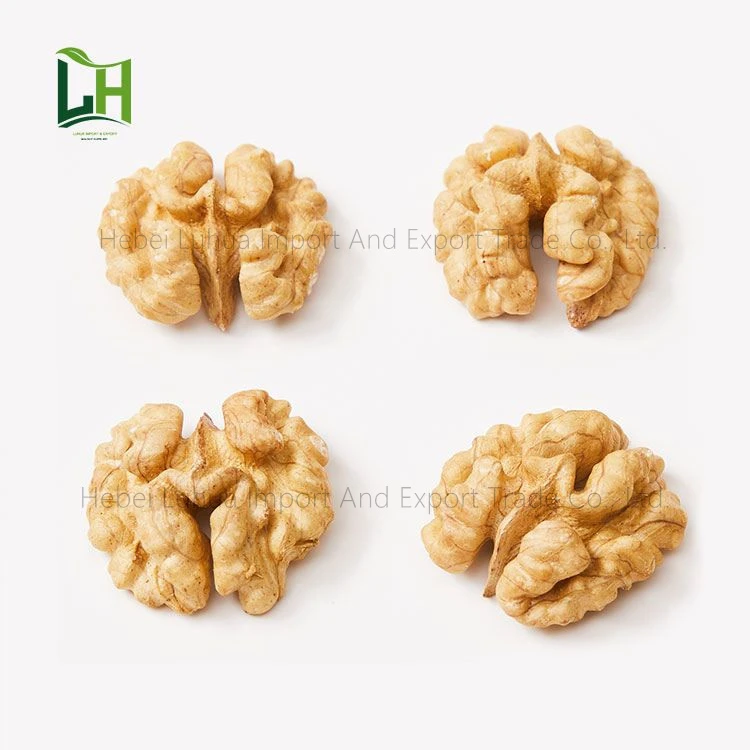
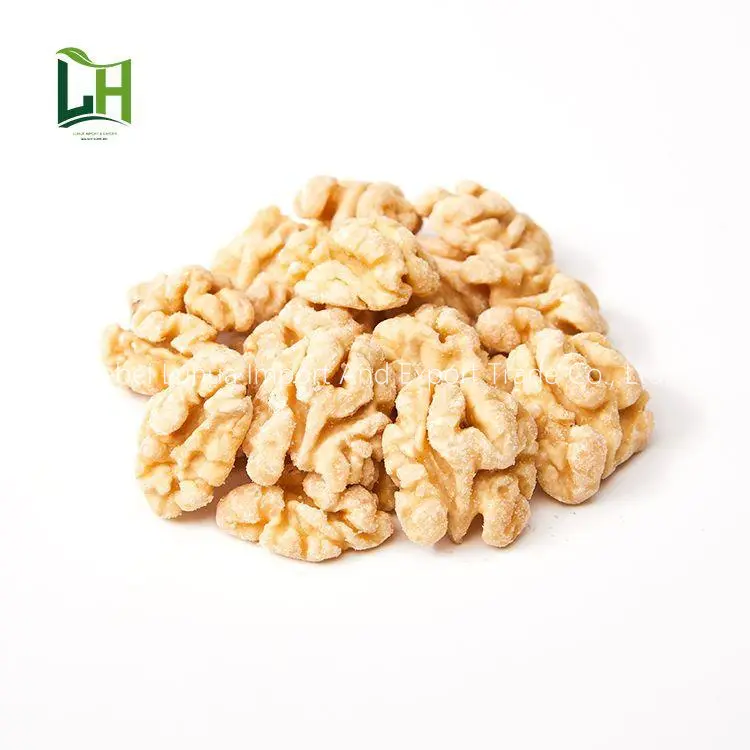
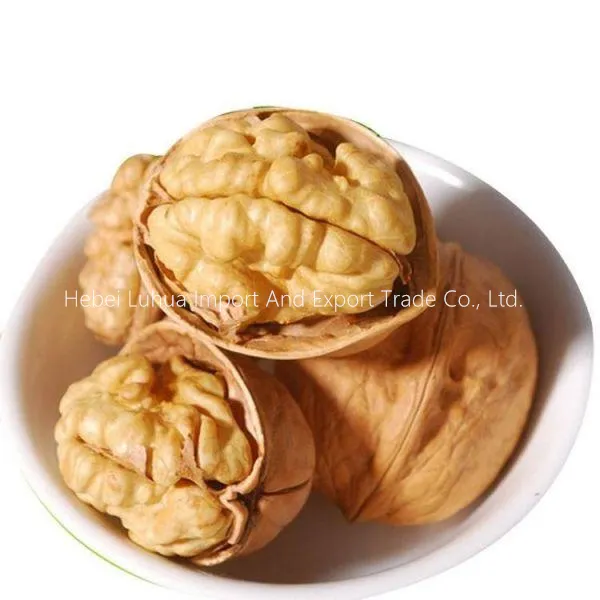
Whole Walnuts: A Cornerstone for Durable B2B Solutions
Whole Walnuts, frankly, aren’t what spring to mind when you think of industrial components. But that’s precisely why they’re becoming increasingly valuable – a surprisingly robust and cost-effective material for a surprisingly wide range of applications. We’re talking about specialized abrasives, filler materials, and even eco-friendly alternatives to some plastics. It’s a niche, absolutely, but it's one that’s seeing some real growth, particularly as companies look for sustainable and high-performance options.
Table of Contents
- Whole Walnuts: Beyond the Snack Pack
- Real-World Applications & Benefits
- Cost Analysis, Maintenance & the User Experience
- Sustainability & the Future of Walnut-Based Materials
Whole Walnuts: Beyond the Snack Pack
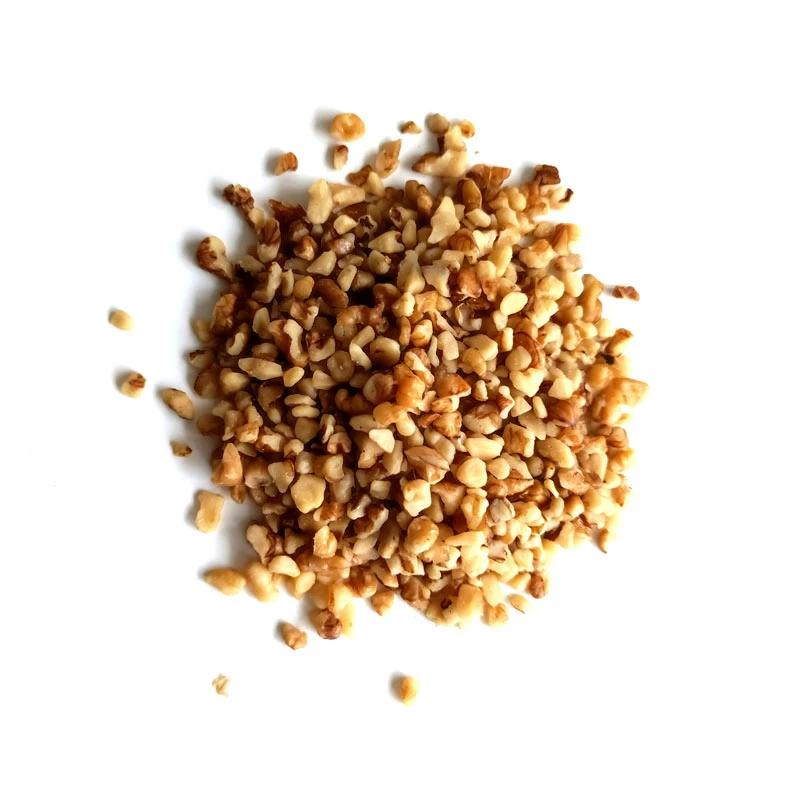
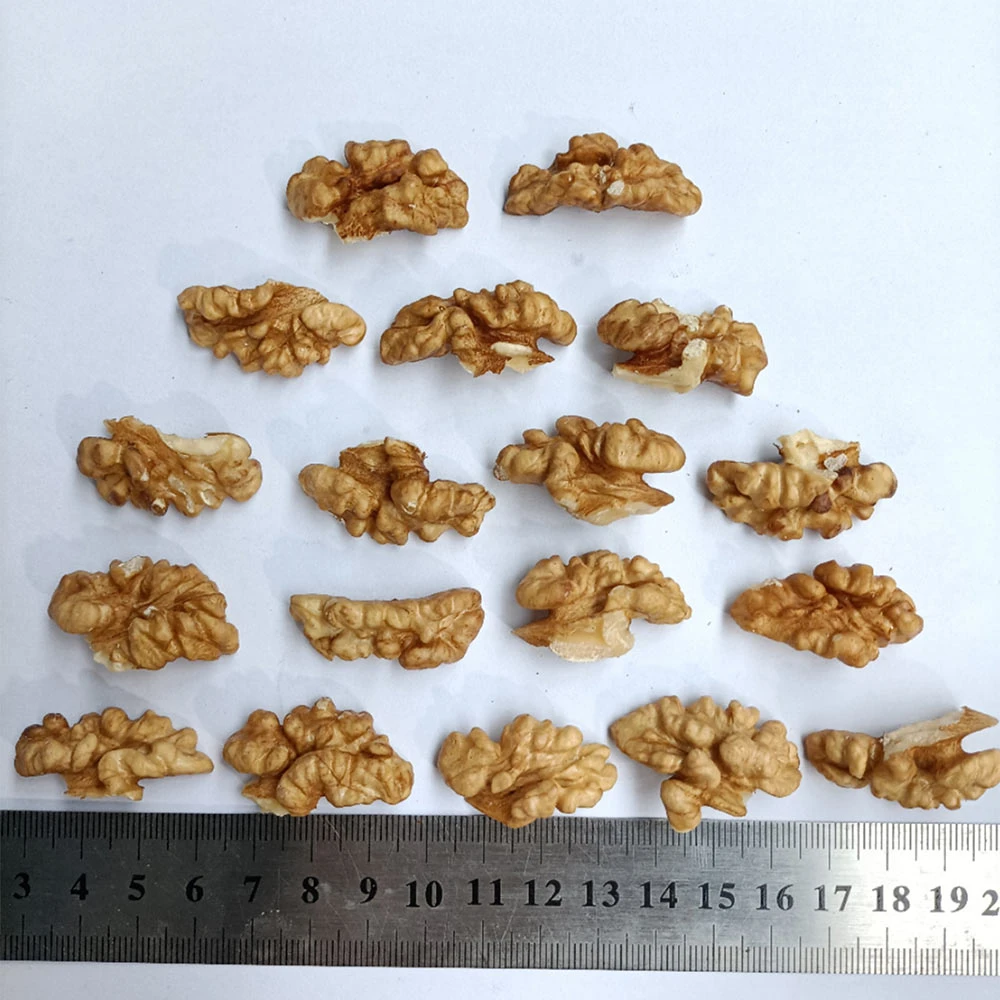
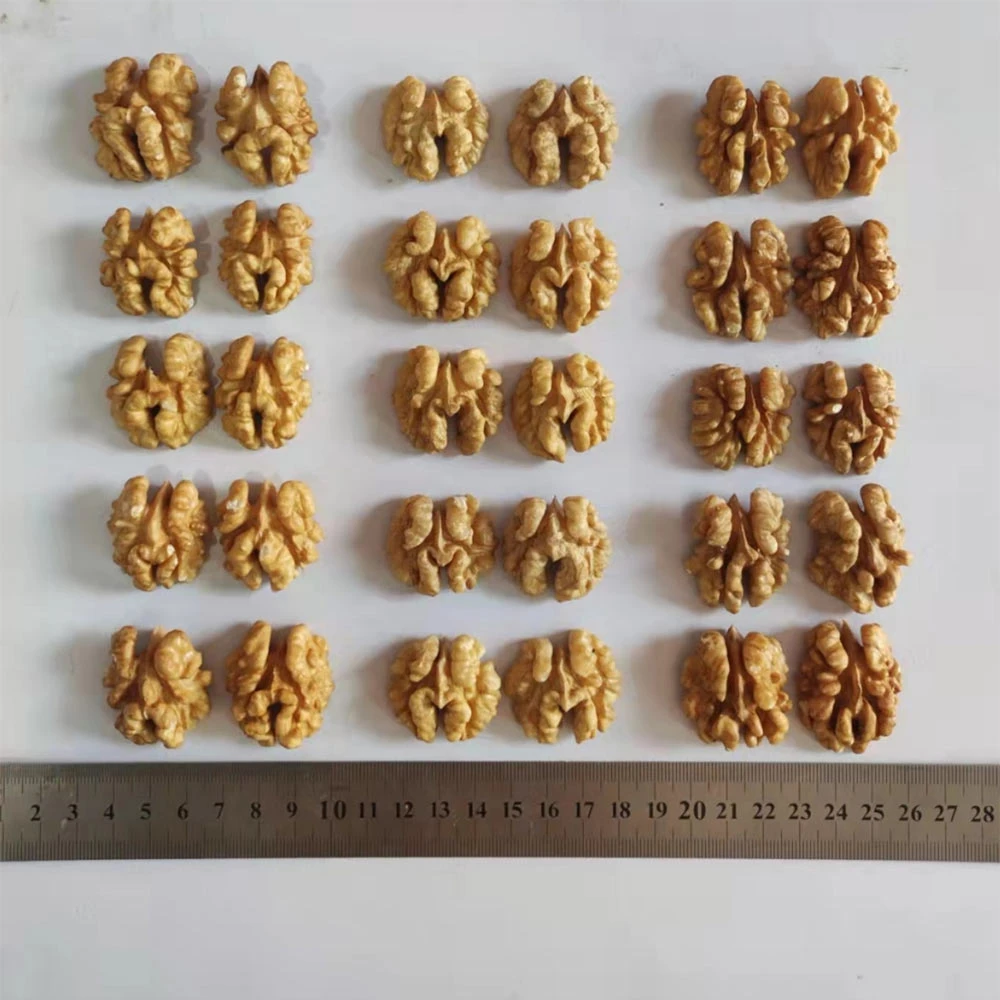
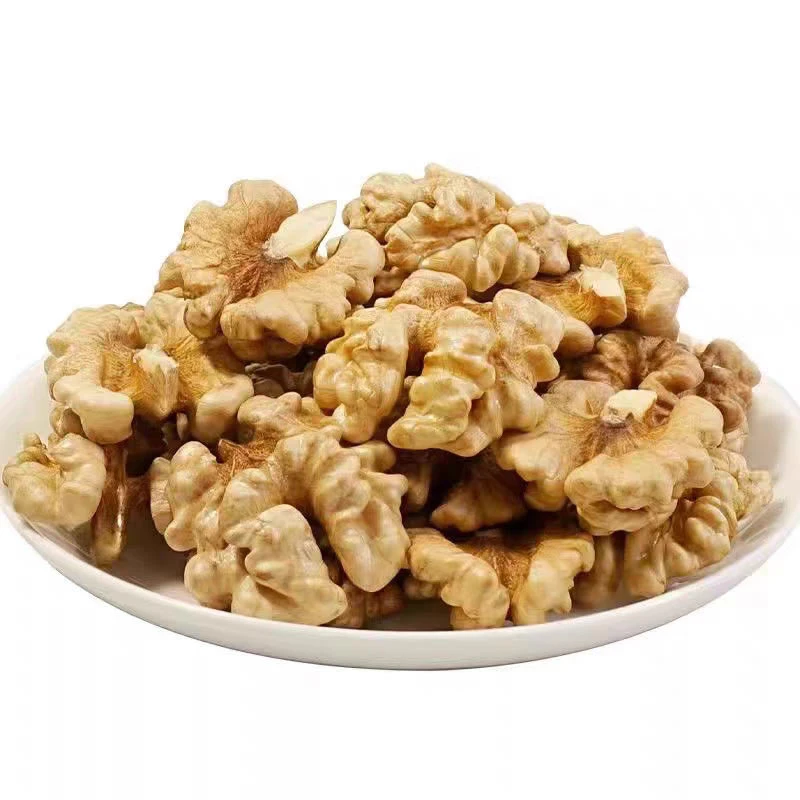
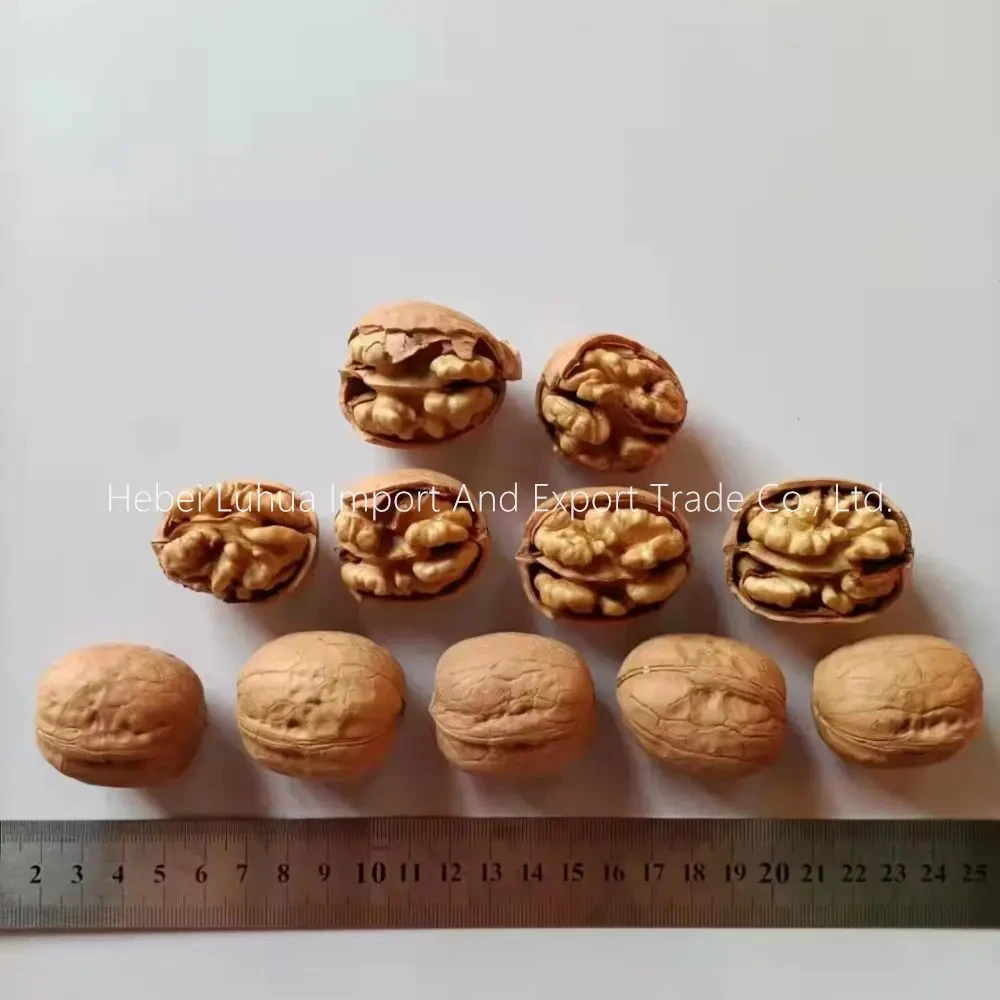
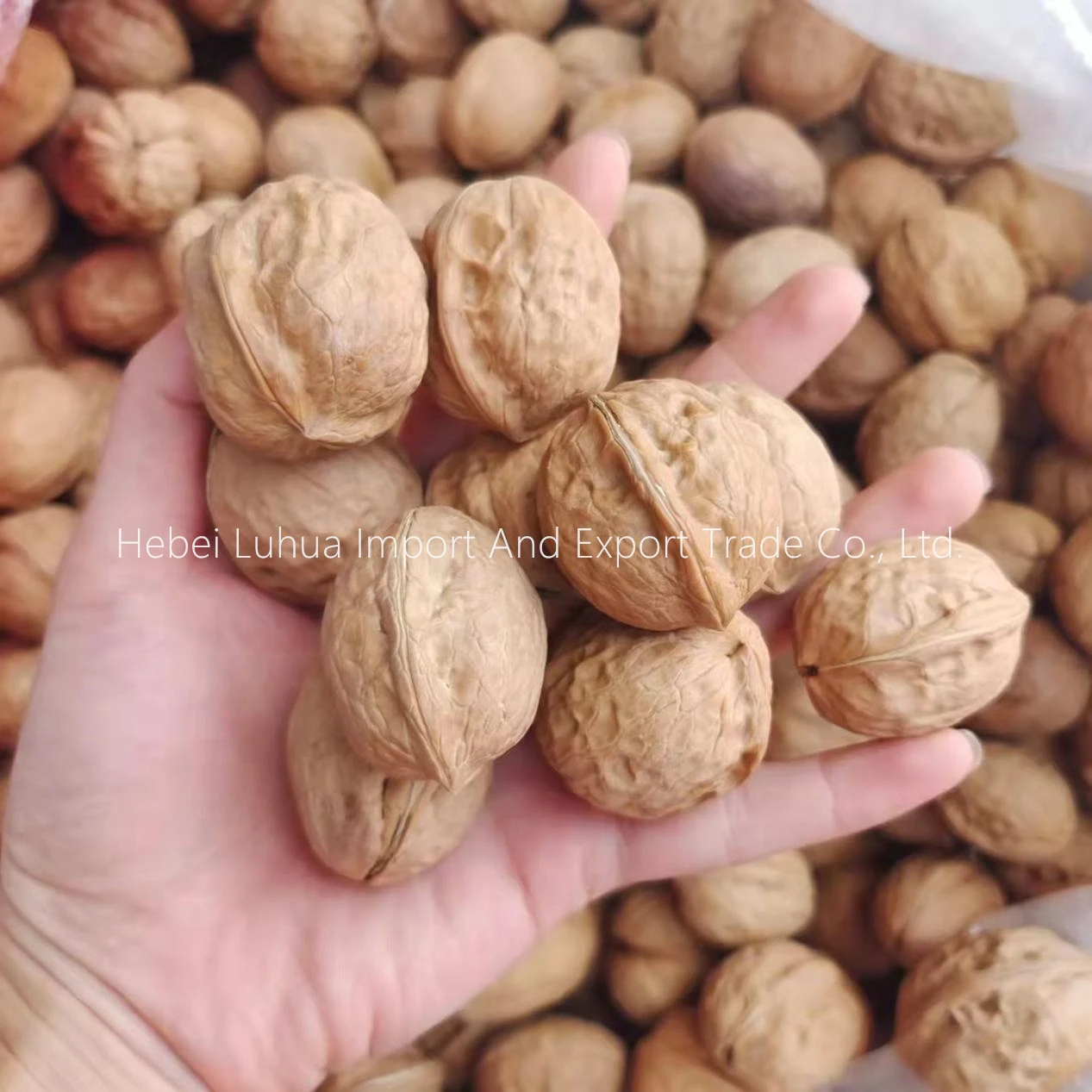
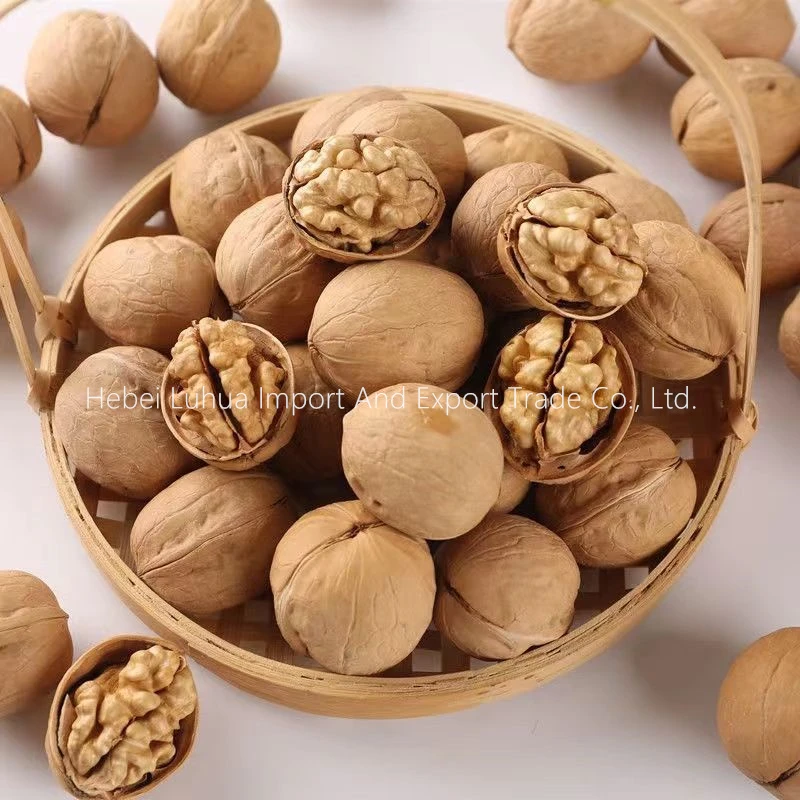
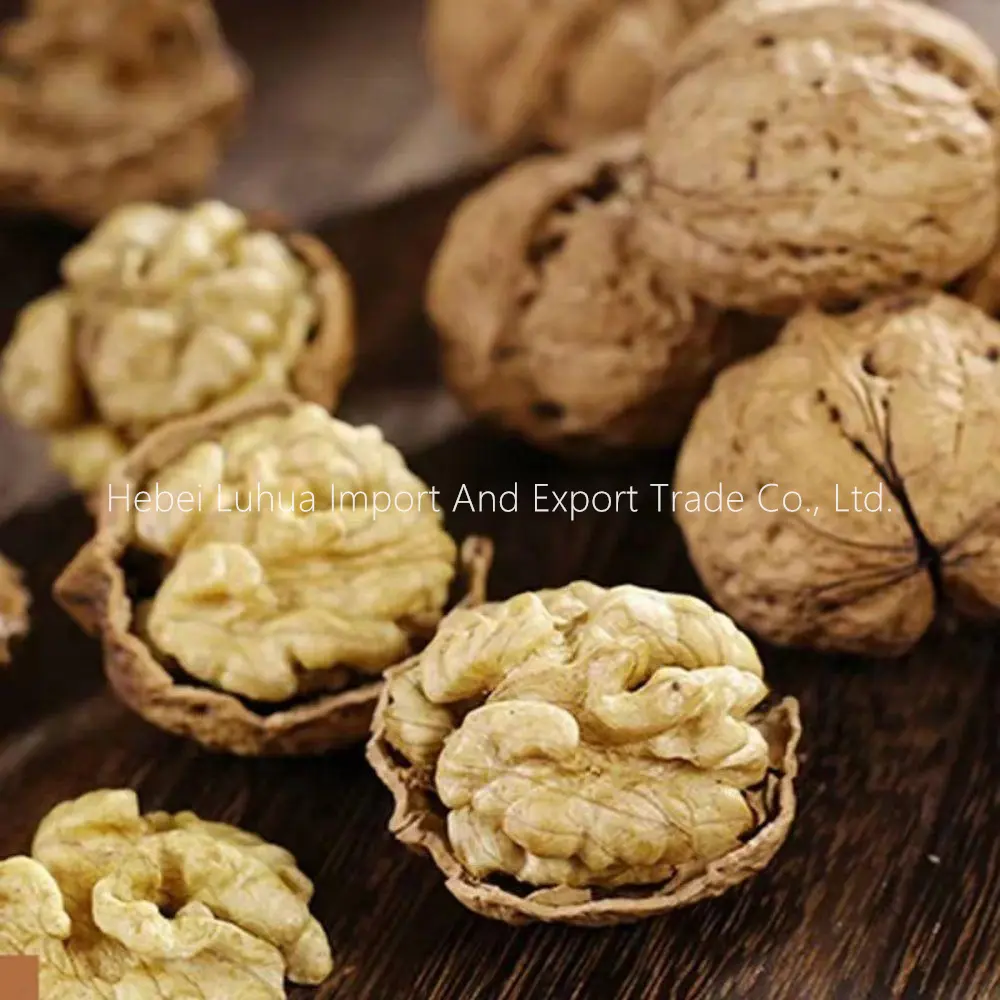
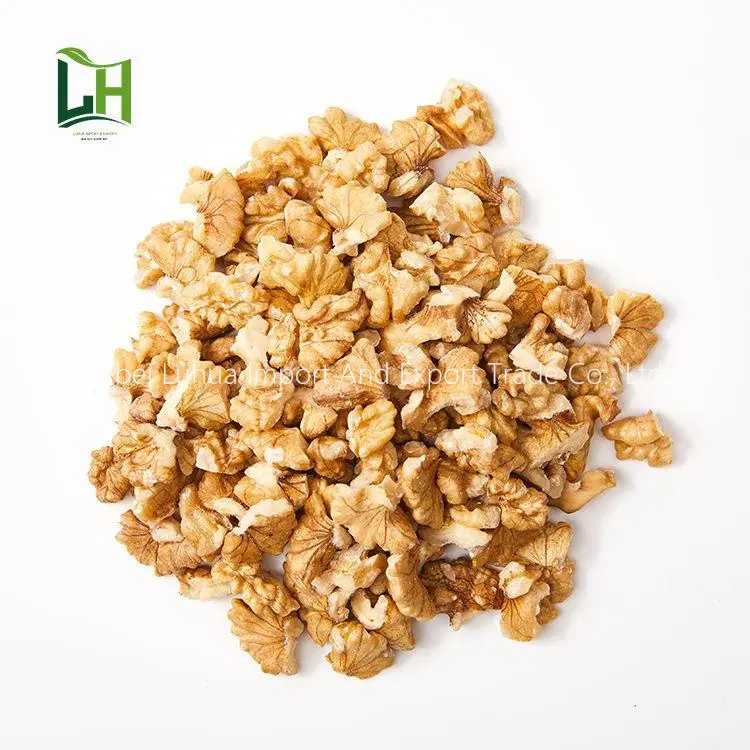
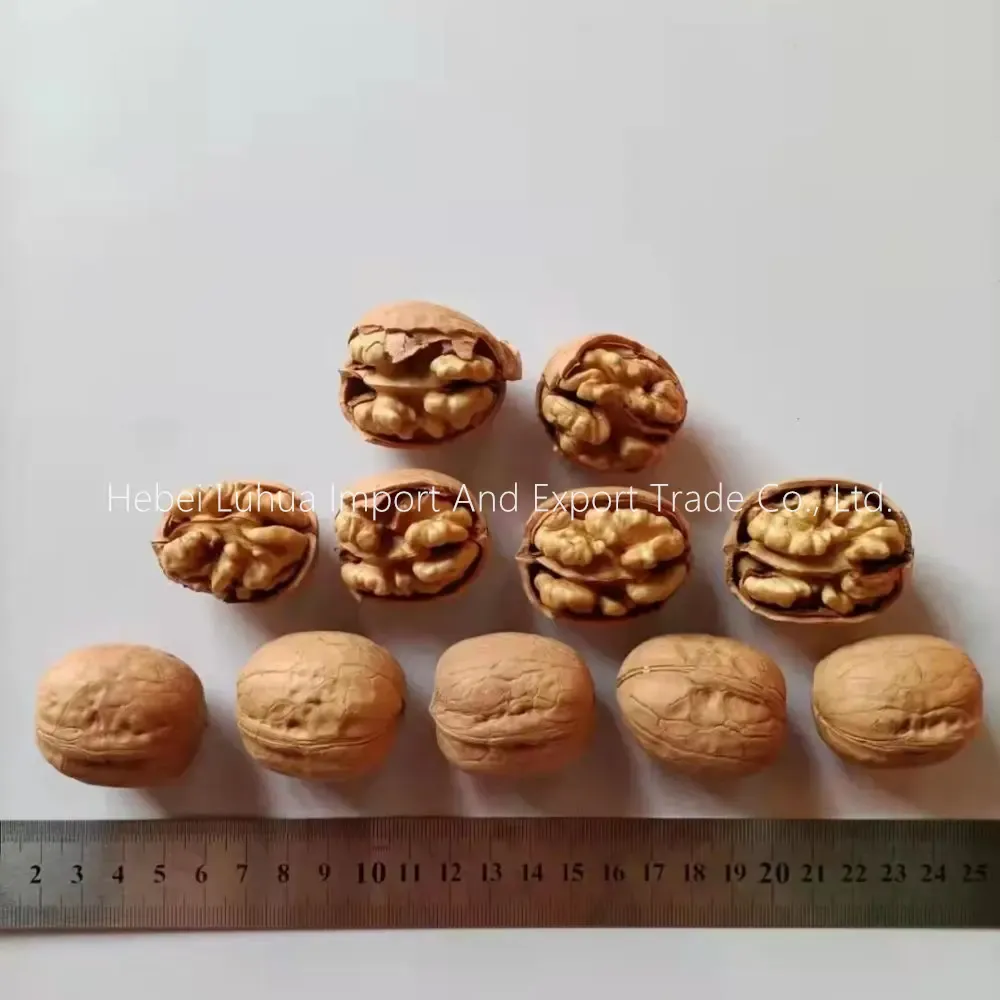
The walnuts we supply aren’t the ones you’d find in your trail mix. These are carefully selected, graded, and often pre-processed – cracked, shelled, and sometimes even partially ground – to meet very specific industrial requirements. It’s about the shell, really. It's remarkably hard, and that hardness, combined with a relatively low density, makes it ideal for applications needing abrasive qualities or lightweight filler. We offer a range of sizes and grades, from whole shell fragments to finely milled powder. I suppose the key is understanding the inherent properties; it’s a naturally occurring composite material.
| Specification | Value | Unit |
|---|---|---|
| Shell Hardness (Mohs Scale) | 6.5 - 7.0 | - |
| Density | 1.2 - 1.4 | g/cm³ |
| Moisture Content | ≤ 8% | - |
| Particle Size | Customizable | μm |
Real-World Applications & Benefits
You know, the applications are surprisingly diverse. We see a lot of use in abrasive blasting – a more eco-friendly alternative to traditional materials like silica sand. They’re also used as filler in composite materials, adding strength and reducing weight. Oddly enough, we've had some interesting inquiries from the cosmetics industry, using walnut shell powder for exfoliation, but our focus is really on the industrial side. The benefit isn’t just performance, it’s often the sustainability aspect – a renewable resource that’s biodegradable.
| Vendor | Product Quality | Price (per ton) | Lead Time |
|---|---|---|---|
| Luhuawalnut | High, Consistent | $800 - $1200 | 2-3 weeks |
| Global Shells Inc. | Variable | $700 - $1000 | 3-4 weeks |
| NutriCorp | Medium | $600 - $900 | 4-6 weeks |
Cost Analysis, Maintenance & the User Experience
The initial cost can sometimes be slightly higher than some traditional abrasives, but that’s often offset by lower disposal costs and reduced environmental impact. And honestly, the longevity is impressive. Many engineers tell me they find it outlasts other materials, leading to lower overall operating expenses. Maintenance? Minimal. Because it’s a natural product, there’s no risk of corrosion or chemical breakdown. We had a client, a metal fabrication shop, switch to our walnut shells for cleaning castings. They reported a 15% reduction in abrasive consumption over six months… it's the kind of feedback you like to hear.
Sustainability & the Future of Walnut-Based Materials
The push for sustainable materials isn’t going anywhere, and that’s driving a lot of interest in walnut shells. It’s a byproduct of the food industry, meaning we’re utilizing a resource that would otherwise be wasted. Regulations around abrasive blasting are also getting stricter, favoring eco-friendly alternatives. I think we’ll see more and more innovation in this space – new applications, improved processing techniques, and a wider adoption across various industries. It feels like we’re only scratching the surface of what’s possible.
Frequently Asked Questions about Whole Walnuts
- What is Whole Walnuts and how does it work?
- Whole Walnuts, in an industrial context, refers primarily to walnut shell – a naturally hard and abrasive material sourced as a byproduct of the food industry. Its effectiveness stems from its unique structure and hardness, making it suitable for various applications like abrasive blasting, polishing, and filler materials.
- What are the main benefits of using Whole Walnuts in industrial applications?
- The core benefits include its eco-friendliness (being a renewable resource), its biodegradability, its relatively low dust generation, and its ability to outperform some traditional abrasives in certain applications, leading to reduced costs and improved surface finishes.
- How does Whole Walnuts compare to traditional alternatives?
- Compared to materials like silica sand or plastic abrasives, Whole Walnuts offer a more sustainable and environmentally friendly solution. While silica can pose health risks and plastics contribute to pollution, walnut shells are biodegradable and less hazardous. Performance-wise, it often matches or exceeds traditional materials in specific applications.
- What industries can benefit most from Whole Walnuts implementation?
- Industries that see significant benefits include metal fabrication (cleaning and polishing), aerospace (surface preparation), automotive (paint stripping), and even cosmetics (natural exfoliation). Increasingly, companies prioritizing sustainable practices are actively seeking out walnut shell as an alternative.
Conclusion on Whole Walnuts from china
In short, don’t underestimate the humble walnut shell. It’s a surprisingly versatile and increasingly relevant material for a wide range of industrial applications. For durable, sustainable solutions, it's definitely worth considering. Visit our website: https://www.luhuawalnut.com
Post time:Jan . 25, 2026 02:15