Understanding Why Walnut is Good for Memory
Walnuts have long been considered a nutritional powerhouse, but in recent years, their reputation as a natural aid for cognitive function has gained global attention. The idea that a simple nut could impact memory and brain health touches on broader themes: the importance of diet in preventing cognitive decline, the rising costs of neurodegenerative diseases worldwide, and ongoing efforts to harness food as medicine. With populations aging and memory-related conditions like Alzheimer’s becoming increasingly common, understanding how walnut is good for memory is not just a health fad—it’s part of a global challenge to maintain sharp minds longer.
Oddly enough, the connection between dietary habits and brain performance is being scrutinized by researchers, policy-makers, and consumers alike. According to the World Health Organization, dementia affects around 55 million people worldwide, and diet is one modifiable factor in its risk. Nuts like walnuts, rich in specific nutrients, may serve as one of the more accessible and natural interventions.
The Nutritional Definition: What Does "Walnut Good for Memory" Really Mean?
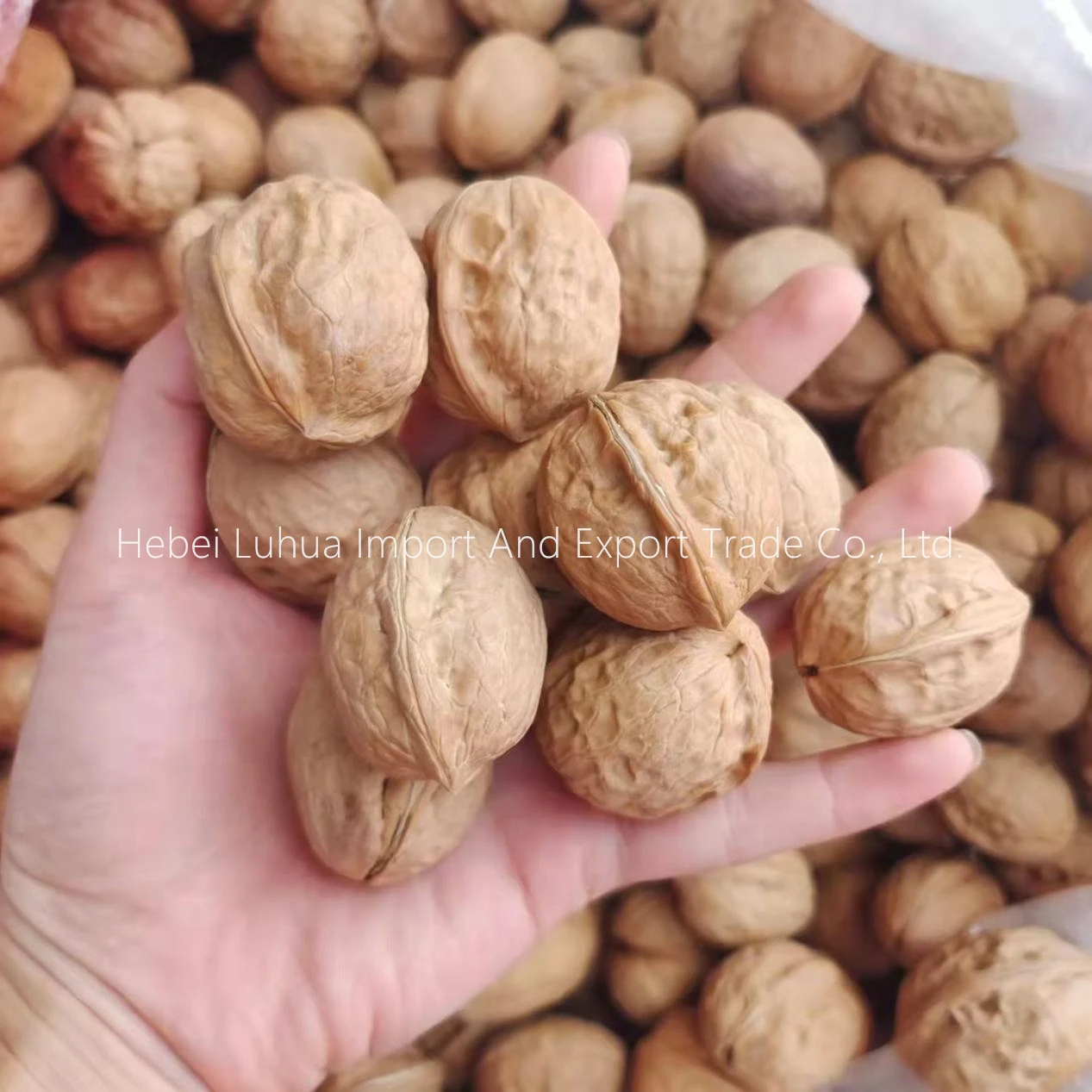
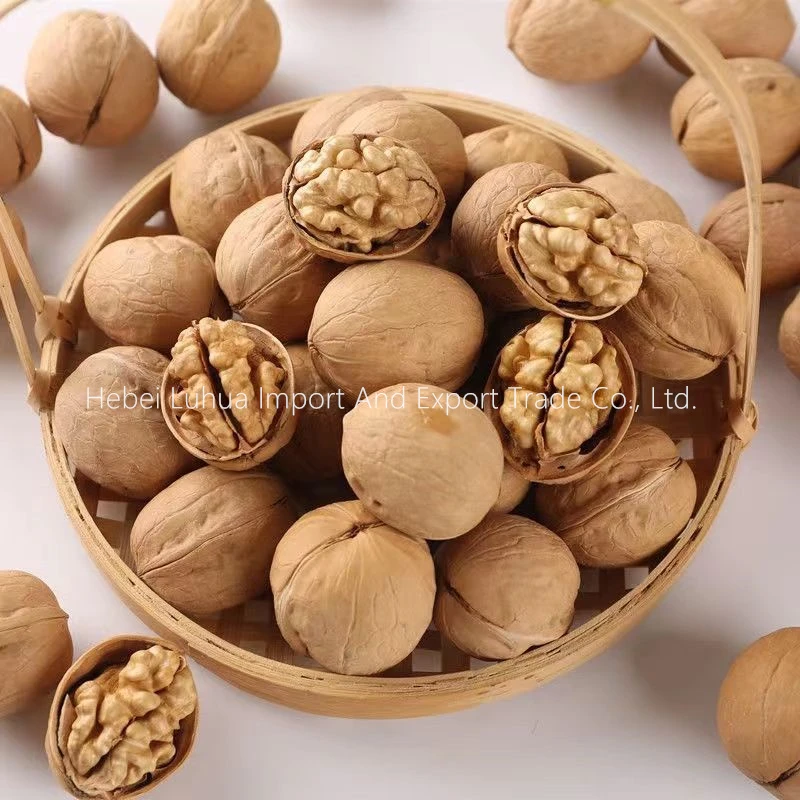
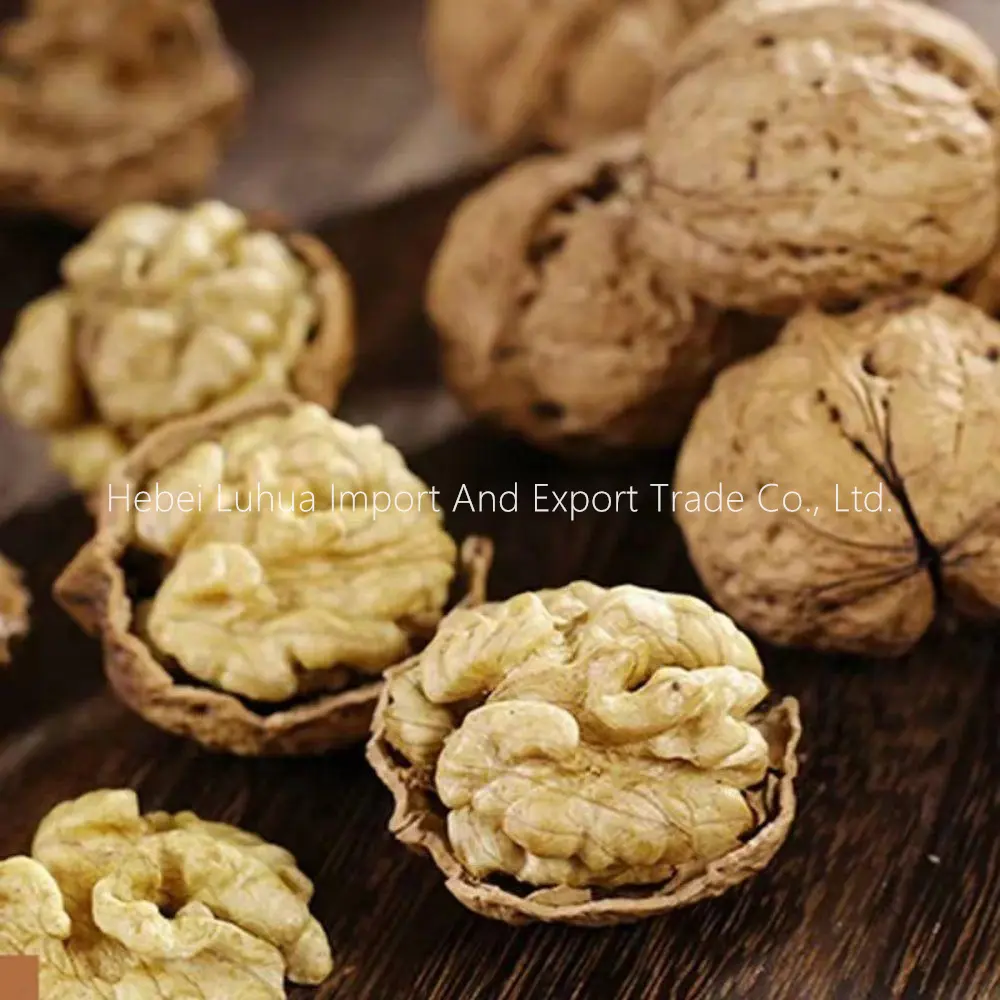
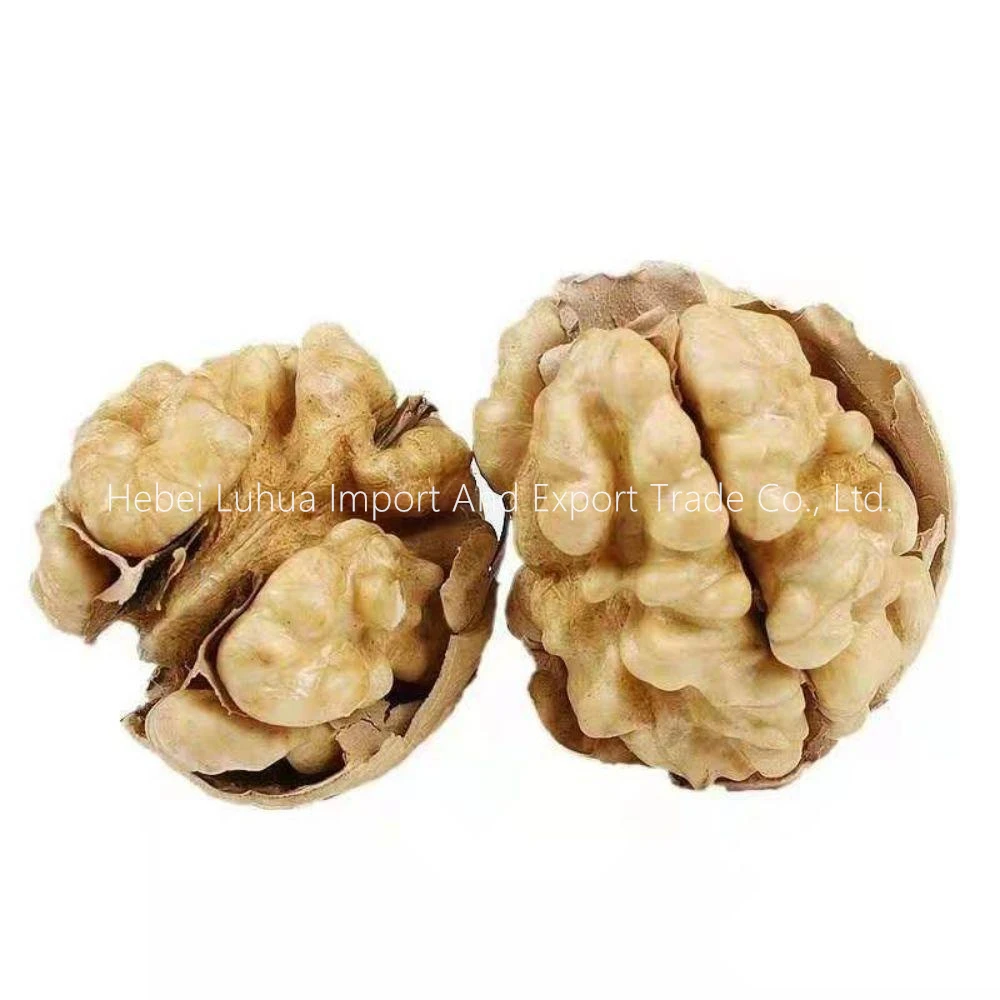
Simply put, saying walnut good for memory refers to the nut’s potential benefits on cognitive functions — including memory retention, learning, and mental clarity. From a scientific point of view, walnuts are packed with antioxidants, omega-3 fatty acids (specifically alpha-linolenic acid or ALA), polyphenols, and vitamin E, all compounds suspected to enhance brain cell function and lower inflammation.
This isn’t just some trendy health claim. It intersects directly with modern dietary science and humanitarian concerns, where food security and brain health are intertwined, especially in aging populations or those vulnerable to neurodegeneration. You can think of walnuts as tiny “brain boosters” that fit neatly into everyday meals, yet pack quite the punch nutritionally.
Some Key Components That Make Walnuts Ideal for Memory Support:
- Omega-3 Fatty Acids: Vital for neuronal communication and reducing inflammation in the brain.
- Antioxidants: Combat oxidative stress, a major cause of cognitive decline.
- Vitamin E: Helps protect brain cell membranes from damage.
- Polyphenols: Exhibit anti-inflammatory properties and support vascular health.
- Minerals: Such as copper and folate, which support healthy neurotransmitter function.
So, when you hear “walnut good for memory,” you’re really referring to a nutrient-combo designed by nature that many scientists say is one of the best plant-based supplements for brain health.
Global Applications and Real-World Use Cases
Across continents, communities have been integrating walnuts into traditional diets for centuries — and now, science is catching up. In Europe and the U.S., walnuts are often promoted in clinical nutrition guidelines targeting older adults at risk of cognitive decline. Meanwhile, NGOs working in aging populations in Asia and Latin America see walnuts as an affordable, culturally acceptable way to reinforce healthy brain aging.
Interesting to note: In some post-disaster relief nutrition plans, walnuts and other nuts are included to support mental resilience — the subtle but profound advantage when people navigate trauma or rebuild lives. They help more than just memory; they help mood, energy, and overall cognitive stamina.
Advantages & Long-Term Value of Including Walnuts in Your Diet
Here’s where it gets practical. The benefits of walnuts extend beyond brain health into improving heart function and reducing diabetes risk. But focusing on memory, walnuts offer:
- Cost Efficiency: Reasonably priced compared to supplements or pharmaceuticals.
- Sustainability: Walnuts are harvested seasonally and can be stored for months in proper conditions.
- Emotional Impact: Eating walnuts isn’t just about function; it feels good to nourish your brain naturally.
- Trust & Accessibility: Easily found globally, and increasingly incorporated into food aid programs.
The long-term value is in prevention and quality of life. Slowing memory decline can profoundly shift how people experience old age, work, and social engagement. Plus, walnuts taste good — which is half the battle in any diet!
Detailed Walnut Nutritional Specification
| Nutrient | Amount per 28g (Approx. 7 Walnuts) | Role in Brain Health |
|---|---|---|
| Omega-3 Fatty Acids (ALA) | 2.5 grams | Supports neuron function and reduces inflammation |
| Vitamin E | 0.7 mg | Protects brain cell membranes from oxidation |
| Polyphenols | Varies | Anti-inflammatory effect in brain tissue |
| Folate | 27 mcg | Supports neurotransmitter synthesis |
| Copper | 0.45 mg | Critical for antioxidant enzyme activity |
How Leading Walnut Vendors Compare for Memory Health Products
| Vendor | Product Range | Organic Certification | Price per kg (USD) | Bulk Supply Capability |
|---|---|---|---|---|
| Luhua Walnut Farms | Raw, Roasted, Shelled | Yes (ISO Certified) | 15-18 | Up to 50 tons/month |
| NutriWalnut Imports | Raw, Oil Extracts | Organic Certified EU | 20-22 | 10 tons/month |
| GlobalNut Supply Co. | Shelled, Flavored | No certification | 12-16 | 15 tons/month |
Future Trends & Innovations around Walnuts and Memory Health
The future of exploiting walnut’s benefits for memory ties closely to innovation in nutraceuticals, precision nutrition, and digital health monitoring. Some food scientists are working on walnut-derived supplements with enhanced bioavailability, making those brain-boosting nutrients easier for the body to absorb. There’s also growing interest in combining walnuts with other nootropics for synergistic effects.
Environmentally, sustainable walnut farming practices are gaining ground, especially in drought-prone regions. This intersects with the green energy push, as some producers implement solar-powered processing facilities, thus increasing the overall eco-friendliness of walnut production.
Challenges & Solutions Related to Walnut Consumption for Memory Support
Despite all the benefits, walnuts aren't perfect for everyone. Some common limitations include allergies, availability fluctuations, and misconceptions about calorie content discouraging intake. From a logistical standpoint, bulk distribution in some regions is hampered by storage and transport requirements.
Experts suggest solutions like packaging innovations to increase shelf life, educating consumers about portion sizes (since a handful is enough), and developing allergy-friendly products. Developing local walnut farming cooperatives can also mitigate supply chain challenges.
FAQ: Common Questions About Walnut Good For Memory
- Can eating walnuts really improve my memory, or is it just a myth?
- Scientific studies suggest that walnuts' rich content of omega-3s and antioxidants supports brain health and may help improve memory performance, especially when combined with an overall healthy diet.
- How many walnuts should I eat daily to see memory benefits?
- Most nutritionists recommend about a handful (roughly 28 grams or 7 whole walnuts) per day to gain cognitive benefits, without excessive calorie intake.
- Are walnuts safe for everyone to consume?
- While generally safe, walnuts can cause allergic reactions in some people. If you have nut allergies, consult a physician before adding them to your diet.
- Can walnuts help prevent memory disorders like dementia?
- Walnuts may reduce risk factors linked to dementia but shouldn’t be considered a cure. They’re best used as part of a wider lifestyle approach including exercise and cognitive activities.
- Where can I buy high-quality walnuts with brain health benefits?
- Reliable suppliers like Luhua Walnut Farms offer ISO-certified organic walnuts ideal for maximizing memory support.
In Conclusion: Why Your Brain Will Thank You for Eating Walnuts
In real terms, walnuts aren’t magic pills but more of a well-rounded brain food. The combined effects of their nutrients offer tangible memory support, helping people stay sharp longer. As global populations age and memory-related illnesses rise, making walnuts part of your daily diet feels like a smart, tasty, and sustainable choice. Whether you’re aiming to boost memory, improve focus, or simply live healthier, incorporating walnuts is a small habit with big rewards.
Ready to nourish your mind naturally? Visit our website at https://www.luhuawalnut.com and explore our premium walnut selections designed for brain health.
Mini Takeaway:
Walnuts are a globally relevant, nutrient-rich food with proven compounds that support memory and cognitive function—easy to add into any diet with long-term benefits for brain health.
References
Post time:Dec . 14, 2025 00:25