Understanding the Walnut Price Per Kg: A Comprehensive Guide
The price of walnuts per kilogram can vary significantly based on several factors, including walnut variety, origin, quality, and market demand. Whether you're a consumer looking for a healthy snack, a baker seeking a premium ingredient, or a business sourcing walnuts for resale, understanding these price dynamics is crucial. This article provides a detailed overview of the factors influencing walnut prices per kg, current market trends, and where to find high-quality walnuts. We’ll explore different walnut grades and how they impact costs, helping you make informed purchasing decisions.
Factors Influencing Walnut Prices
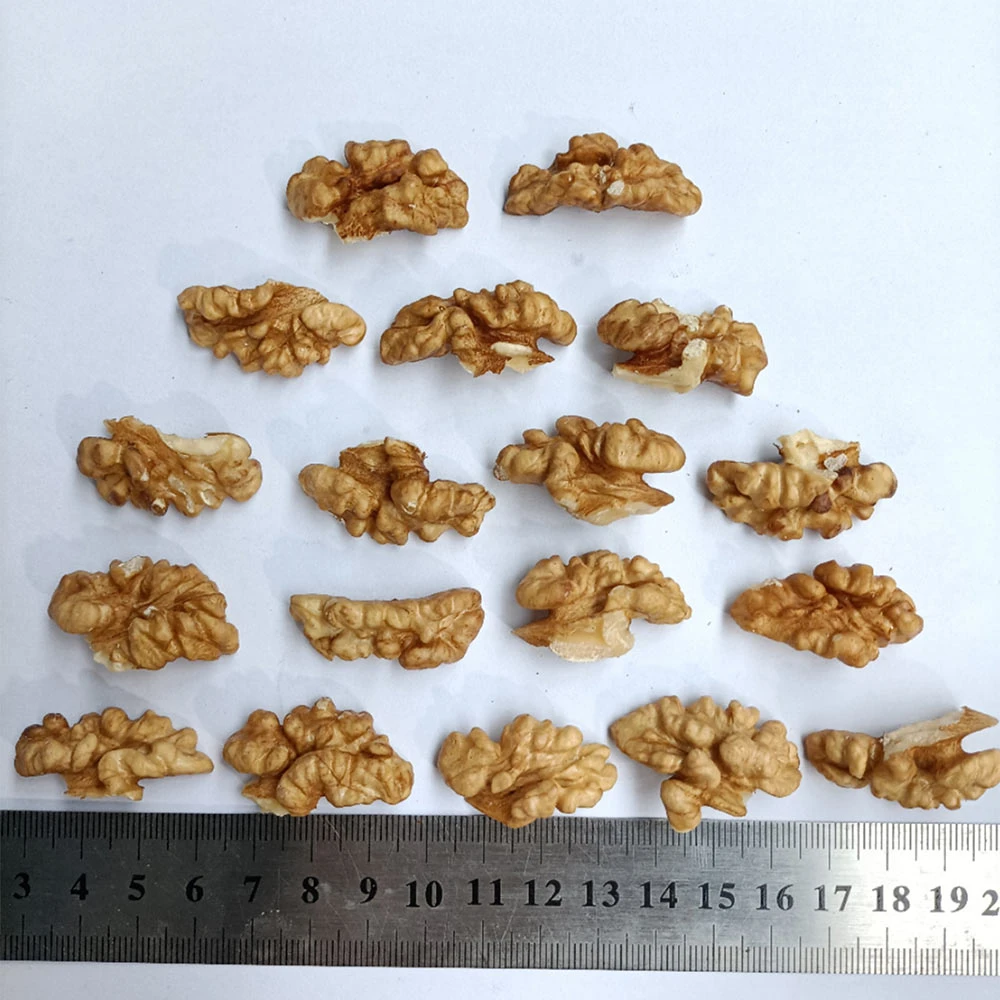
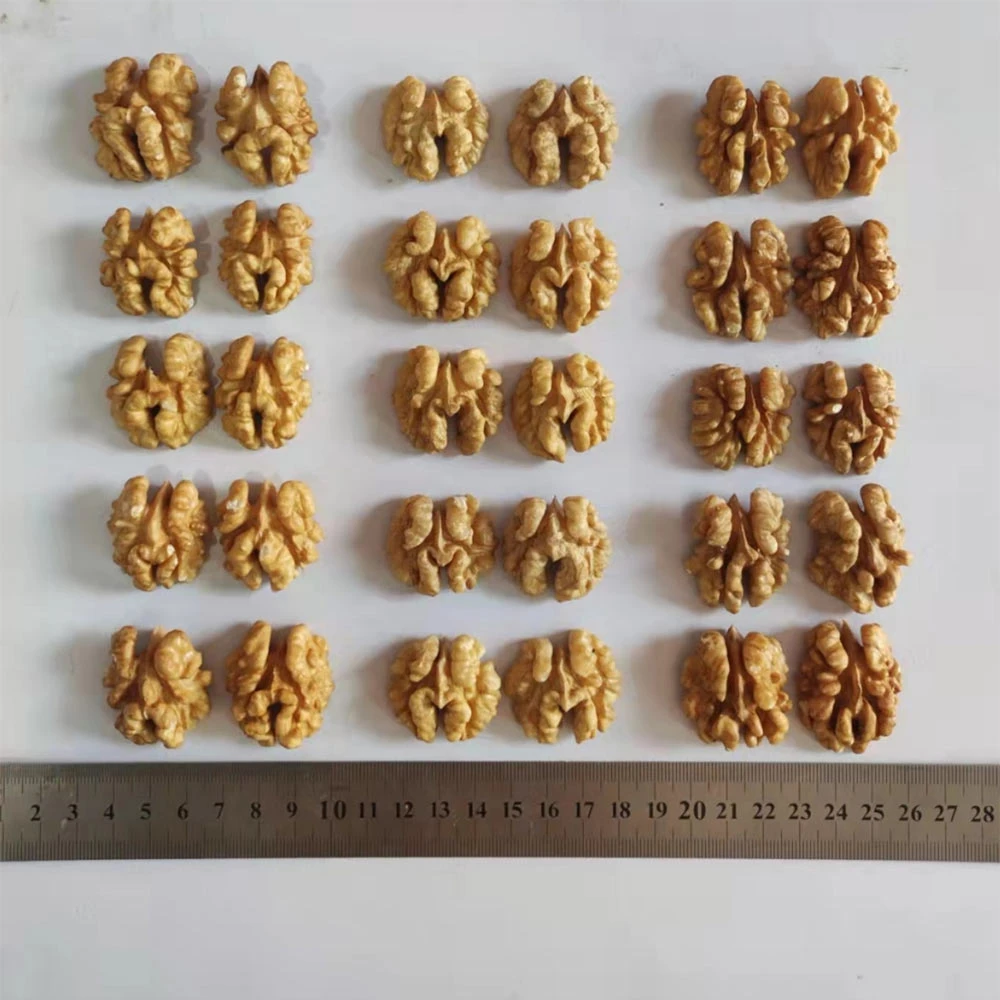
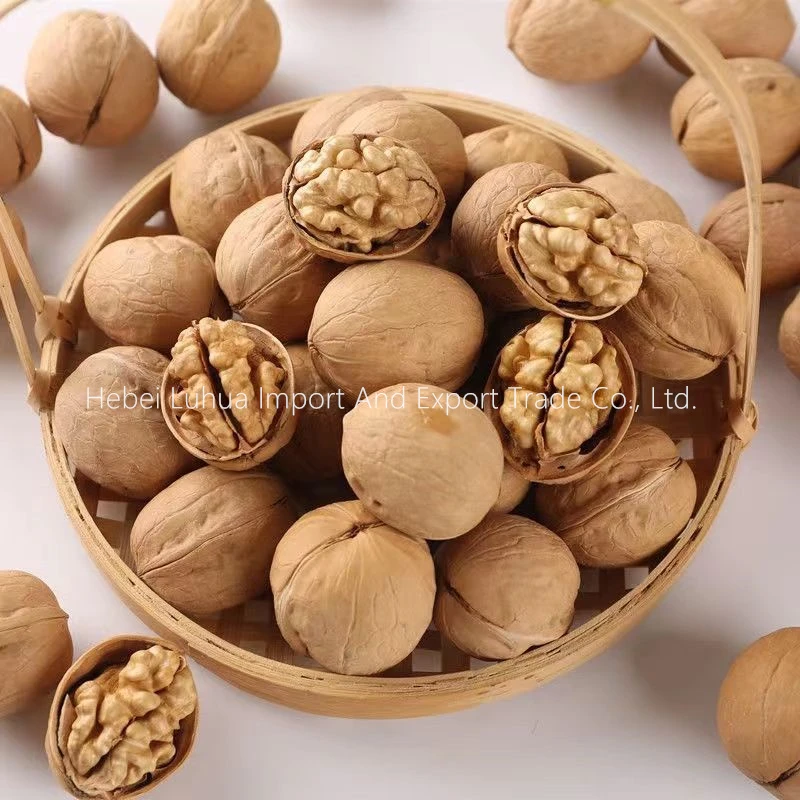
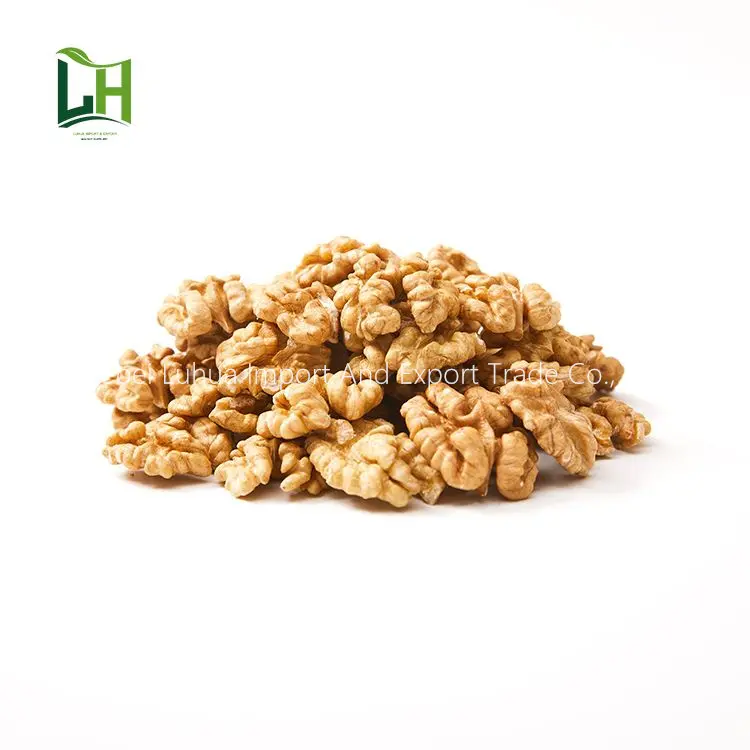
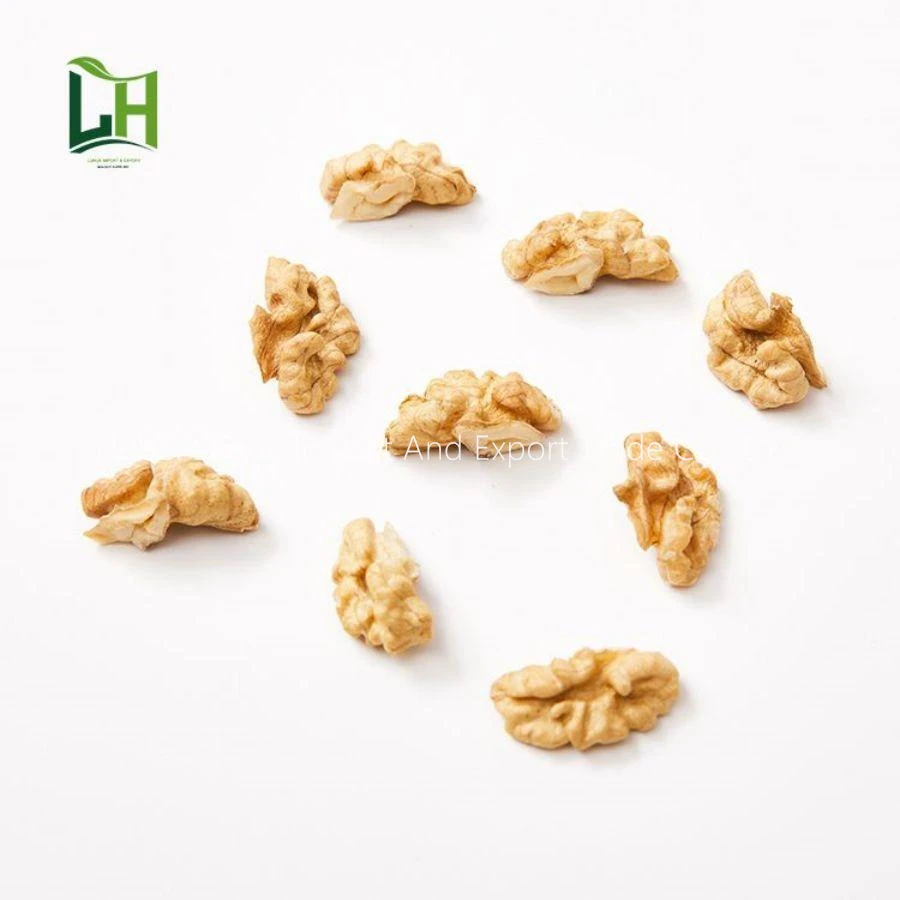
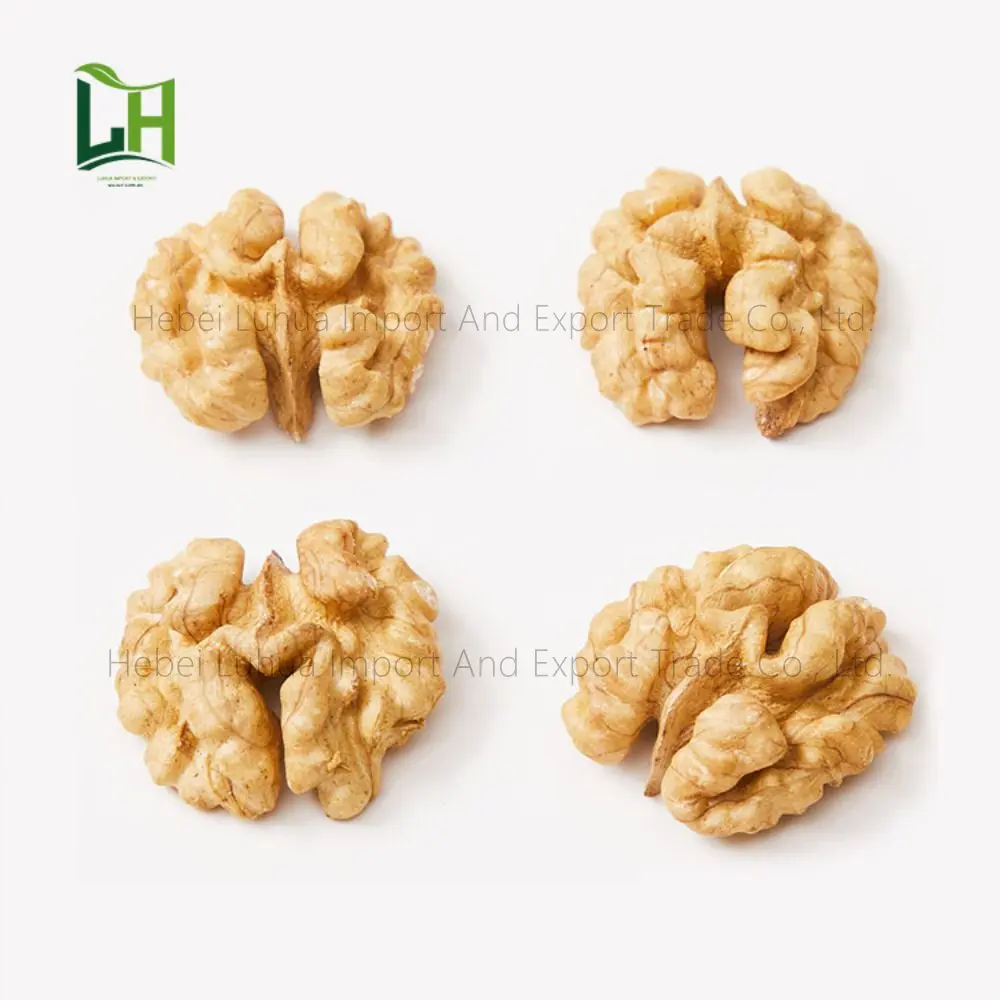
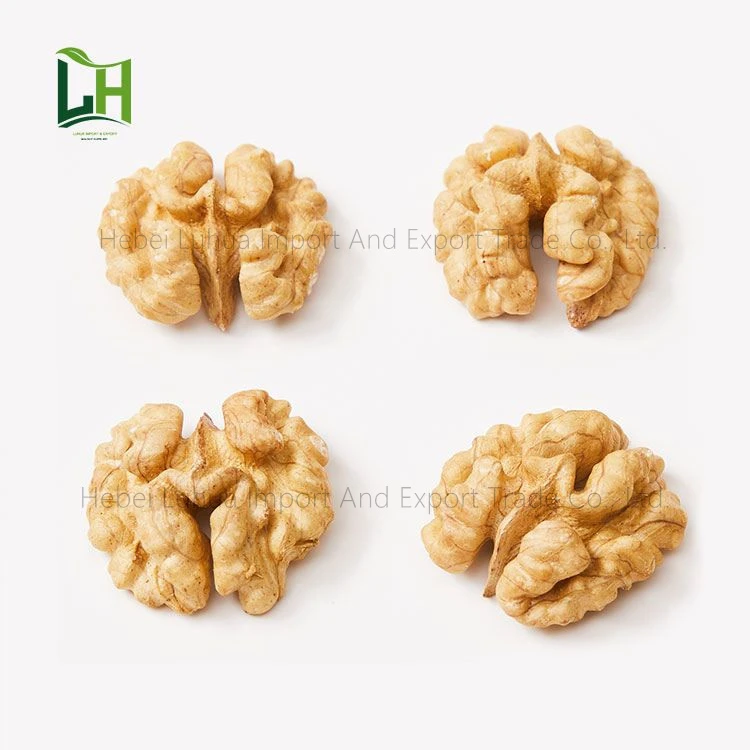
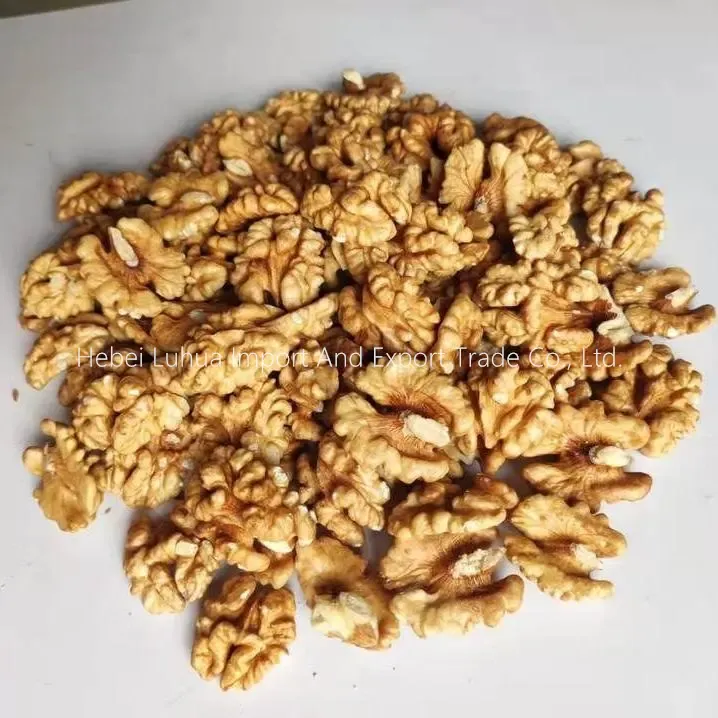
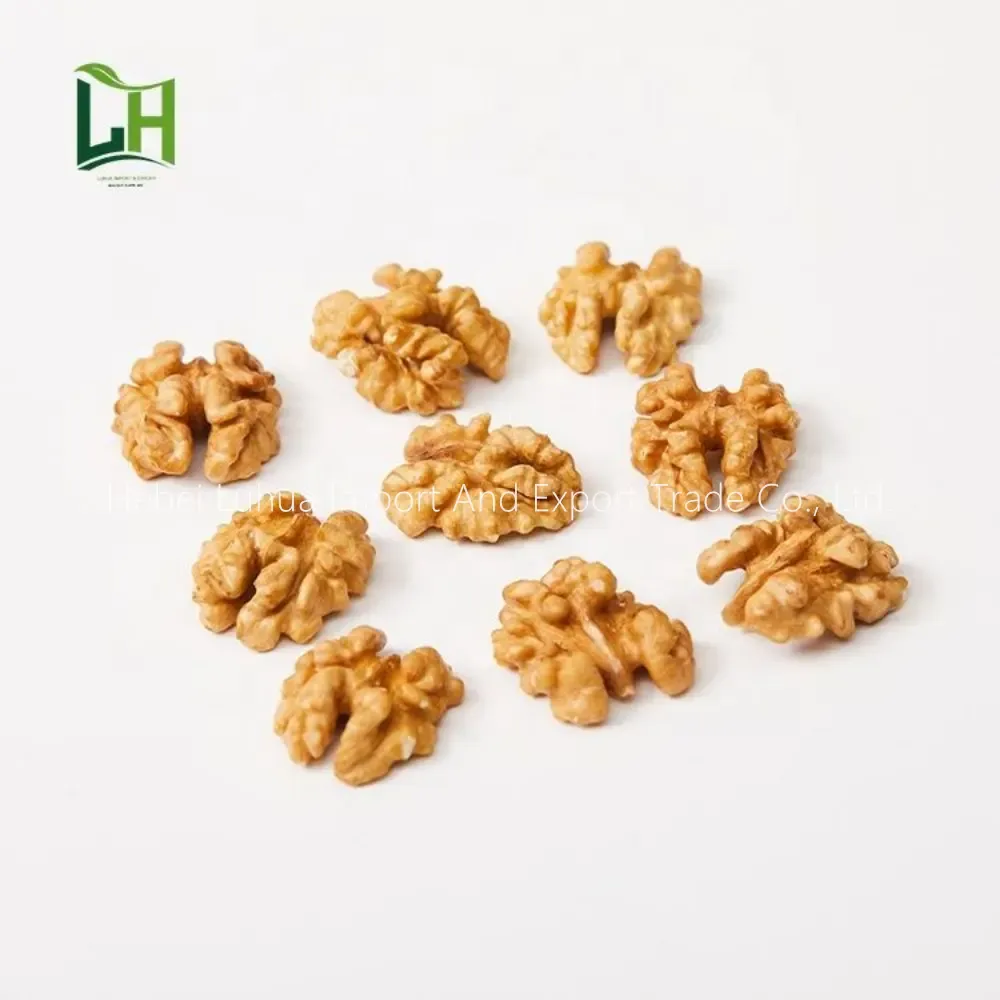
Several key elements contribute to the fluctuations in walnut prices. One primary factor is the origin of the walnuts. California, for example, is a major producer and often sets the benchmark price, but prices from other regions like China, Chile, and Turkey can differ. Walnut variety also plays a role; Chandler walnuts are widely popular but can be pricier than other varieties. The quality grade of the walnut – including size, color, and absence of defects – is a major price determinant. Finally, global demand and supply, influenced by harvests and economic conditions, significantly impact the walnut price per kg.
Key Highlights: Origin, variety, quality grade and global supply & demand all have a significant impact on walnut prices.
Current Walnut Price Per Kg: A Breakdown
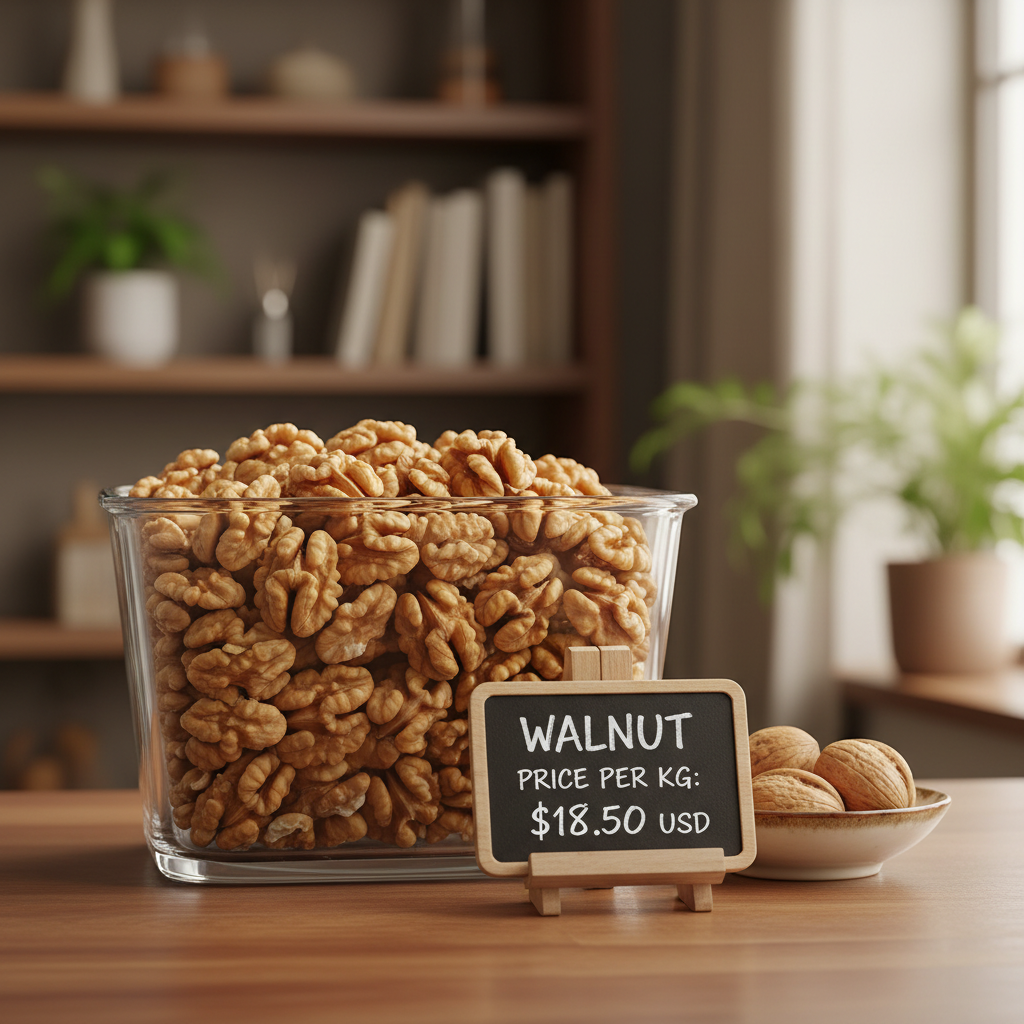
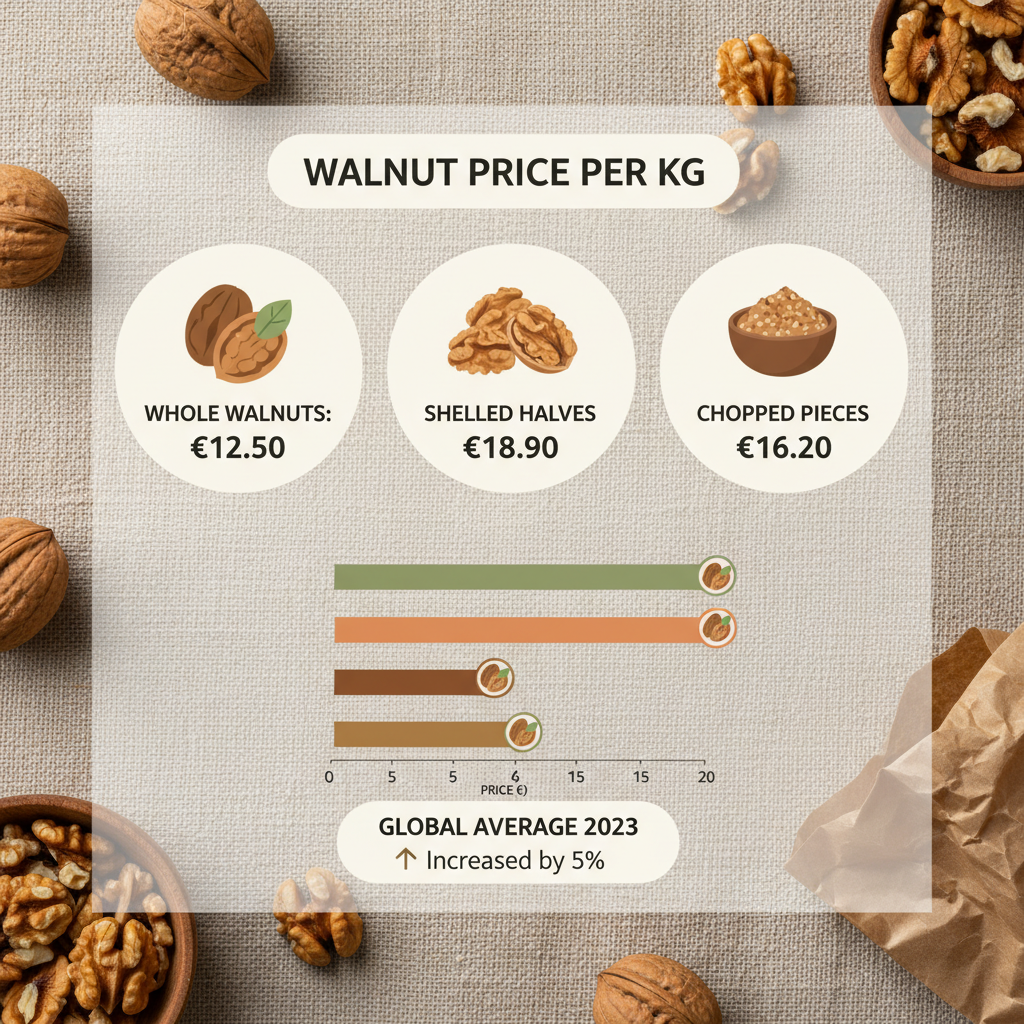
As of late 2023/early 2024, the walnut price per kg varies considerably. Here's a general breakdown, although it’s important to check current market rates as they change frequently:
Walnut Price Comparison: Regions and Varieties
Comparing walnut prices across different regions and varieties can reveal opportunities for cost savings. Generally, walnuts sourced directly from growers can be more economical than those purchased through intermediaries. California Chandler walnuts often command a premium, while walnuts from China might offer a lower price point, albeit potentially with variations in quality. It’s crucial to carefully evaluate the specifications and certifications of suppliers before making a purchase. The Lu Hua Walnut provides consistently high quality walnuts at competitive rates.
The Impact of Organic and Conventional Walnuts on Price
Organic walnuts generally carry a higher price tag than conventional walnuts due to the increased costs associated with organic farming practices. These costs include stricter certification requirements, labor-intensive weed and pest control methods, and lower yields. However, many consumers are willing to pay a premium for organic walnuts due to health and environmental concerns. The price difference can range from 15% to 30% or even higher, depending on the specific market and supplier. At Lu Hua Walnut we offer both organic and conventional options to meet diverse customer preferences.
Where to Source Walnuts: Finding the Best Value
Finding the best value for walnuts requires careful sourcing. Directly contacting walnut growers or working with reputable wholesalers can often yield more competitive prices than purchasing from retail outlets. Online marketplaces and platforms like Lu Hua Walnut's website offer convenience and access to a wide range of suppliers. When evaluating potential sources, consider factors such as price, quality, certifications, shipping costs, and customer reviews.
Conclusion: Navigating the Walnut Market
Understanding the factors influencing the walnut price per kg is essential for making informed purchasing decisions. By considering origin, variety, quality, and market trends, you can secure the best value for your needs. Whether you're seeking organic options or conventional walnuts, a reliable supplier like Lu Hua Walnut can provide consistently high-quality products at competitive prices.
Frequently Asked Questions (FAQs)
What is the best way to store walnuts to preserve their freshness?
To maximize the freshness of walnuts, store them in an airtight container in a cool, dark, and dry place. Walnuts are high in oil and can become rancid if exposed to air, light, or heat. Refrigeration or freezing can extend their shelf life even further. Refrigerated walnuts can last for several months, while frozen walnuts can remain fresh for up to a year. Avoid storing walnuts near strong-smelling foods, as they can absorb odors.
How can I identify high-quality walnuts?
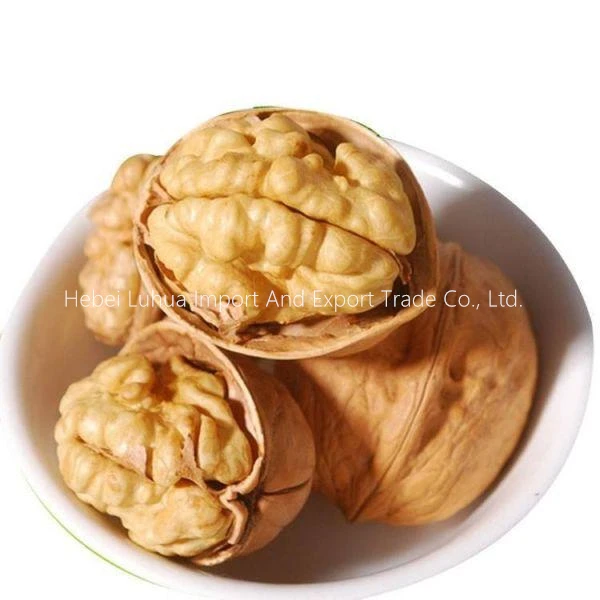
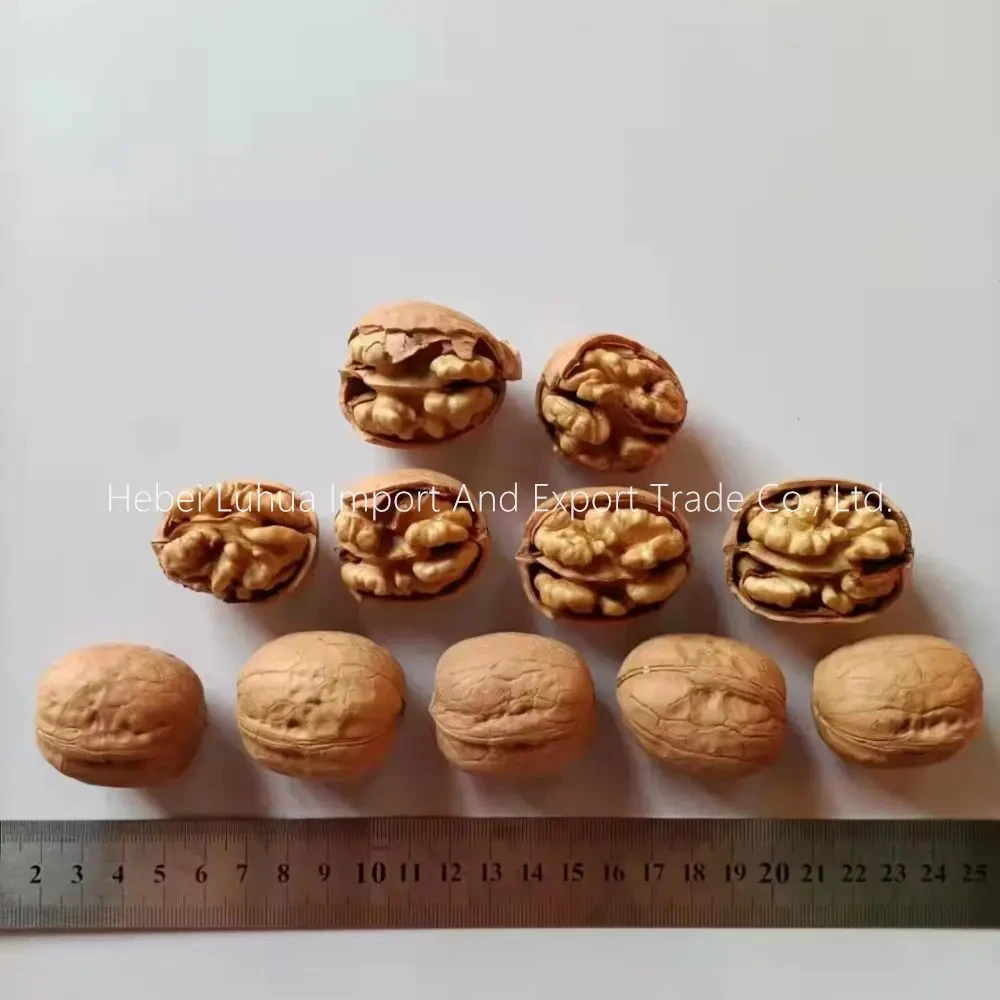
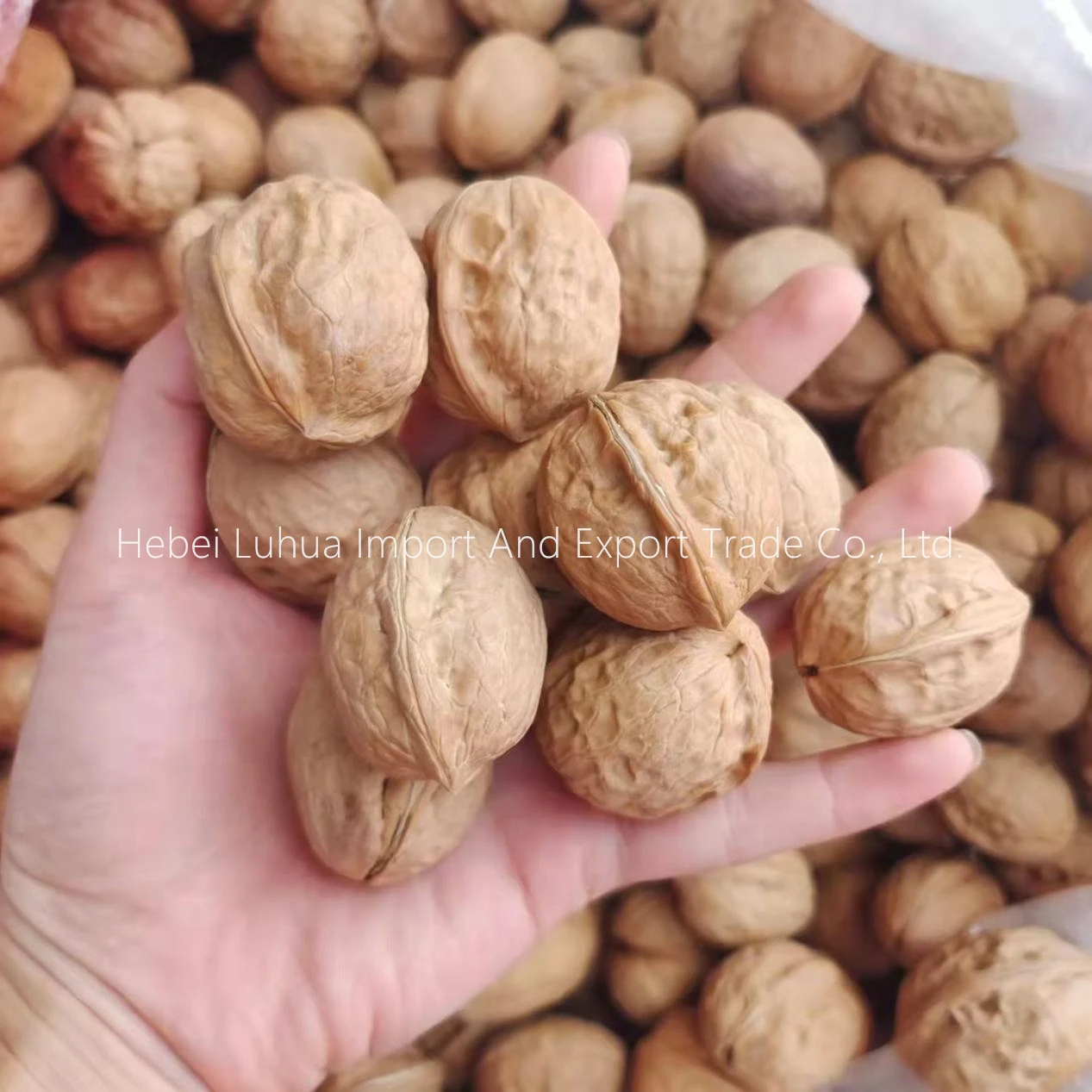
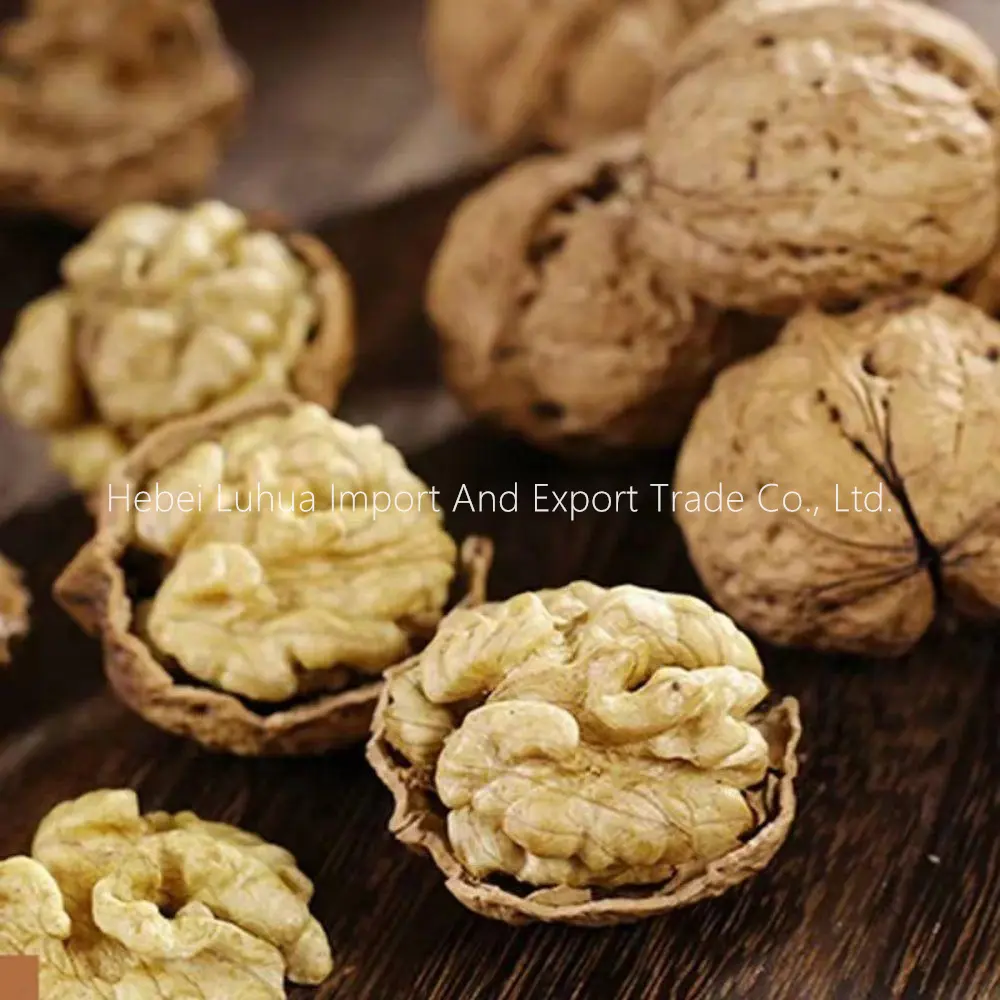
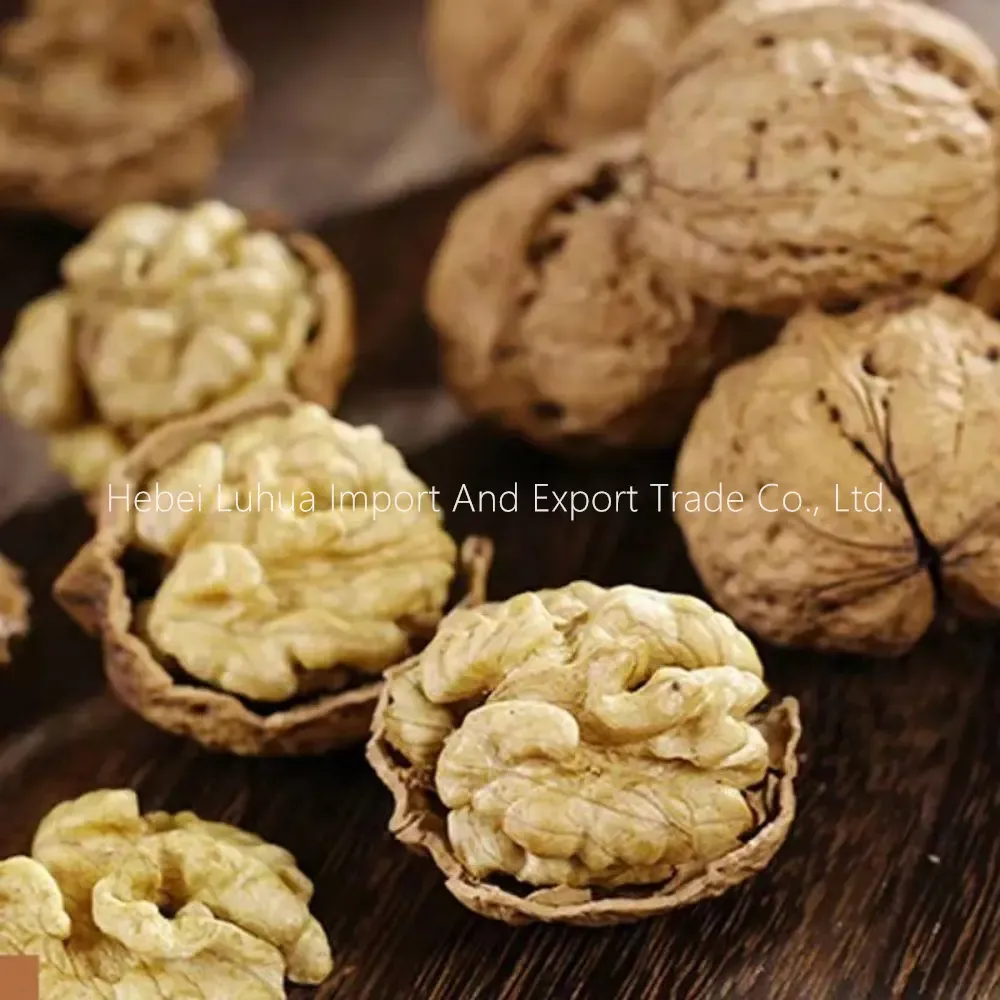
Several factors indicate high-quality walnuts. Look for walnuts that are plump, uniform in size and color, and free from blemishes or cracks. The shells should be intact and relatively clean. When cracked open, the kernels should be light in color, with no signs of mold or discoloration. A fresh walnut will have a slightly sweet, nutty aroma. Avoid walnuts that smell rancid or have a bitter taste.
Are there seasonal fluctuations in walnut prices?
Yes, walnut prices typically experience seasonal fluctuations. Prices tend to be lower during the harvest season (typically fall) when supply is abundant. Prices may increase during the off-season (spring and summer) as supply dwindles. Global weather patterns and crop yields can also influence prices. Monitoring market trends and purchasing during the harvest season can help you secure the best deals.
What are the main uses for walnuts beyond snacking?
Walnuts have a wide range of uses beyond simply being a snack. They are a popular ingredient in baking, adding flavor and texture to cookies, cakes, and breads. Walnuts are also used to make walnut butter, walnut oil, and are a key component in many salads and gourmet dishes. In industrial applications, walnut shells are used as an abrasive in cleaning and polishing products. The oil is also used in cosmetics and skincare.
Post time:Mar . 17, 2026 02:45