Understanding the Walnut Cost Per Kg in 2024
The global demand for walnuts is steadily increasing, driven by their recognized health benefits and versatility in culinary applications. This leads to fluctuations in the walnut cost per kg. This article provides a comprehensive overview of the factors influencing walnut prices, current market trends, different walnut varieties, and where to source high-quality walnuts. Whether you're a consumer, distributor, or food manufacturer, understanding these dynamics is crucial for making informed purchasing decisions. We will explore the complexities of pricing, taking into account supply, demand, and origin.
Factors Influencing Walnut Prices
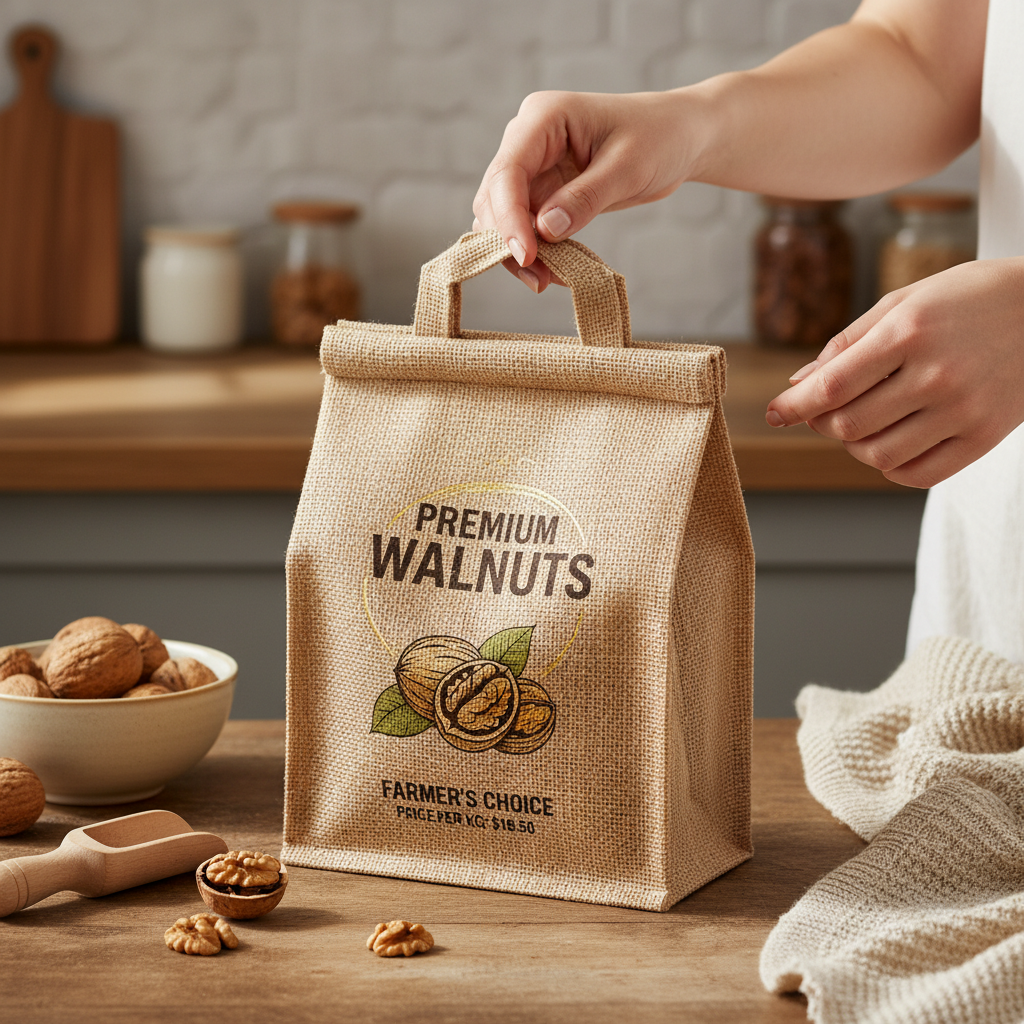
Several key factors contribute to the walnut cost per kg. Weather conditions in major growing regions (like California, China, and Turkey) significantly impact yields. Unexpected frosts, droughts, or excessive rainfall can lead to crop shortages and subsequently, higher prices. Global demand, driven by growing awareness of the health benefits of walnuts, also plays a crucial role. Transportation costs, tariffs, and exchange rates further add to the final price. Political instability in producing countries can disrupt supply chains. Furthermore, the specific variety of walnut and its quality grade will influence its market value.
Key Considerations: Weather conditions, Global Demand, Transportation Costs, Walnut Variety & Quality, Political Stability
Current Walnut Cost Per Kg: A Regional Breakdown
As of late 2024, the walnut cost per kg varies considerably by region and quality. Here’s a general overview (prices are approximate and subject to change):
Walnut Varieties and Their Price Differences
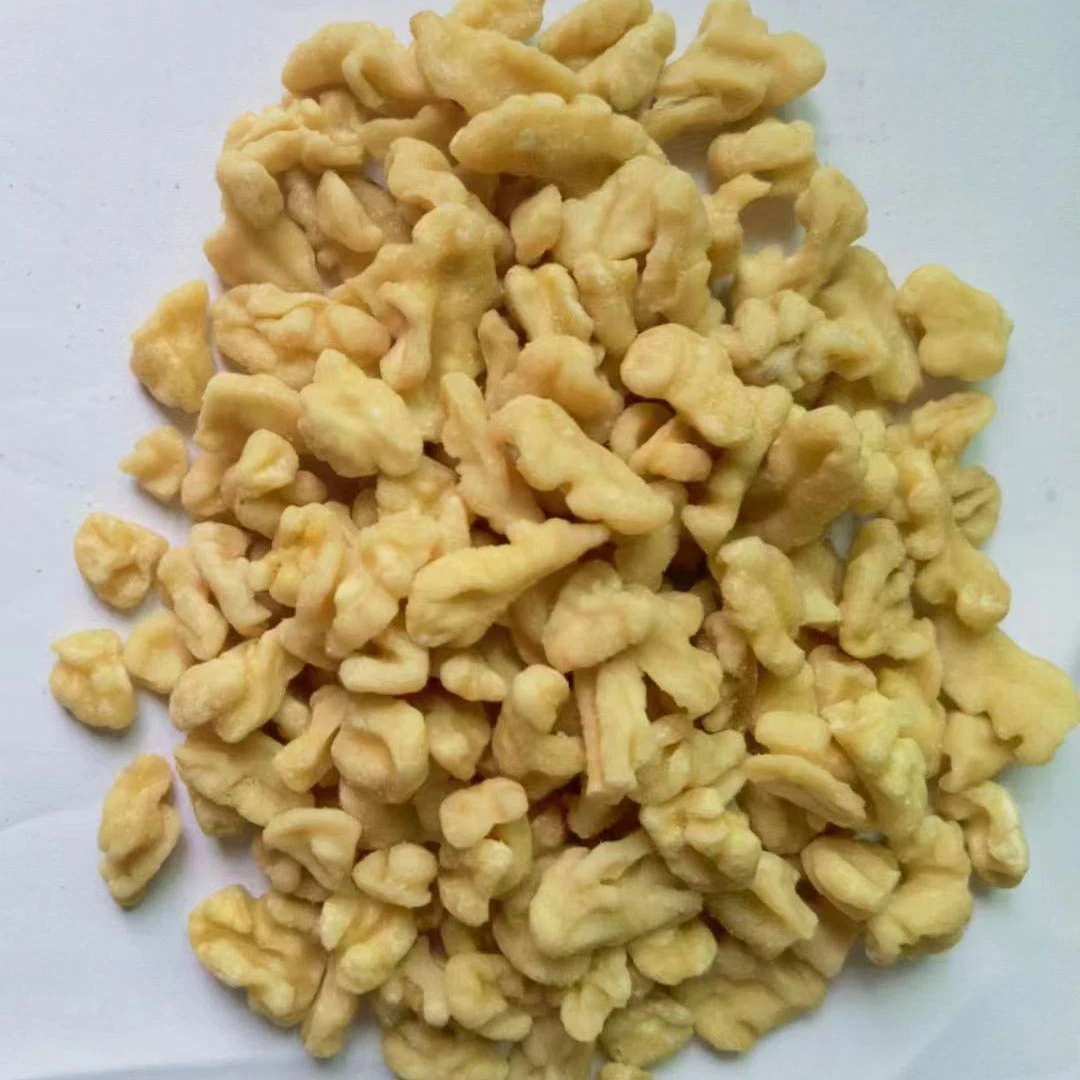
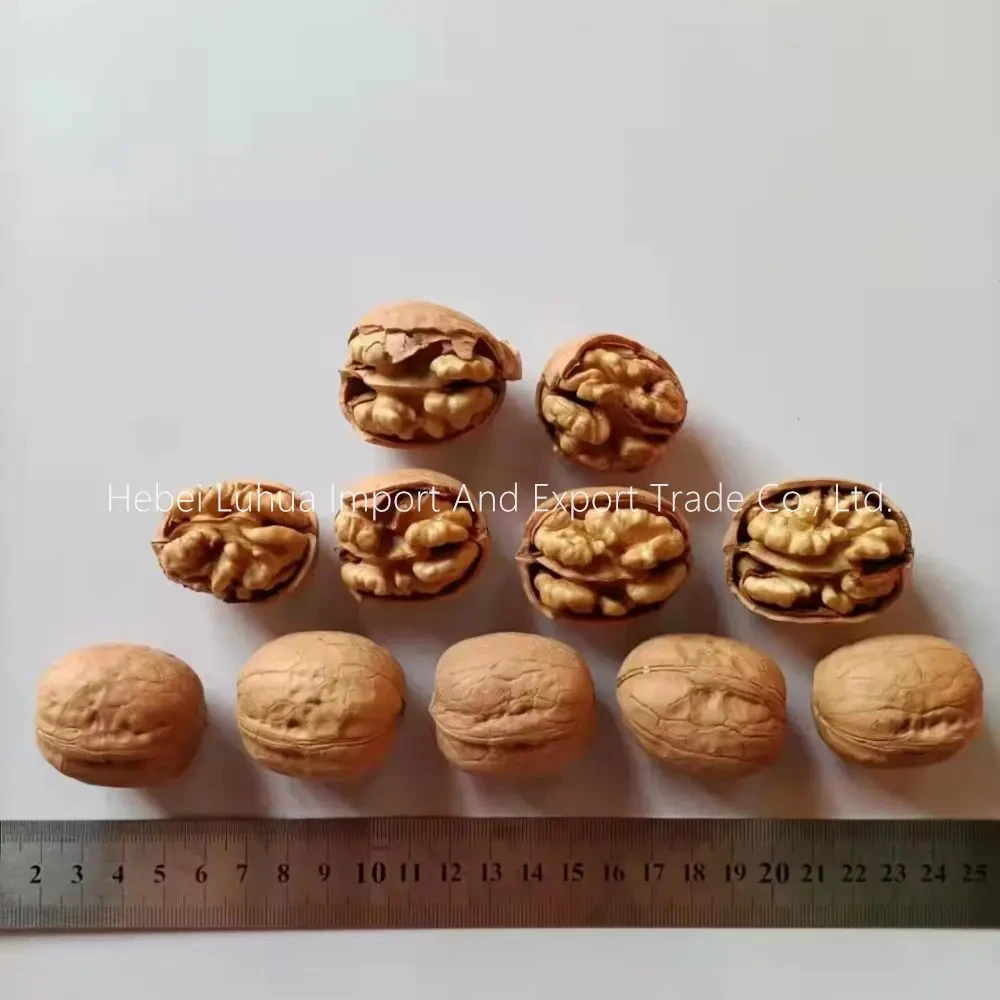
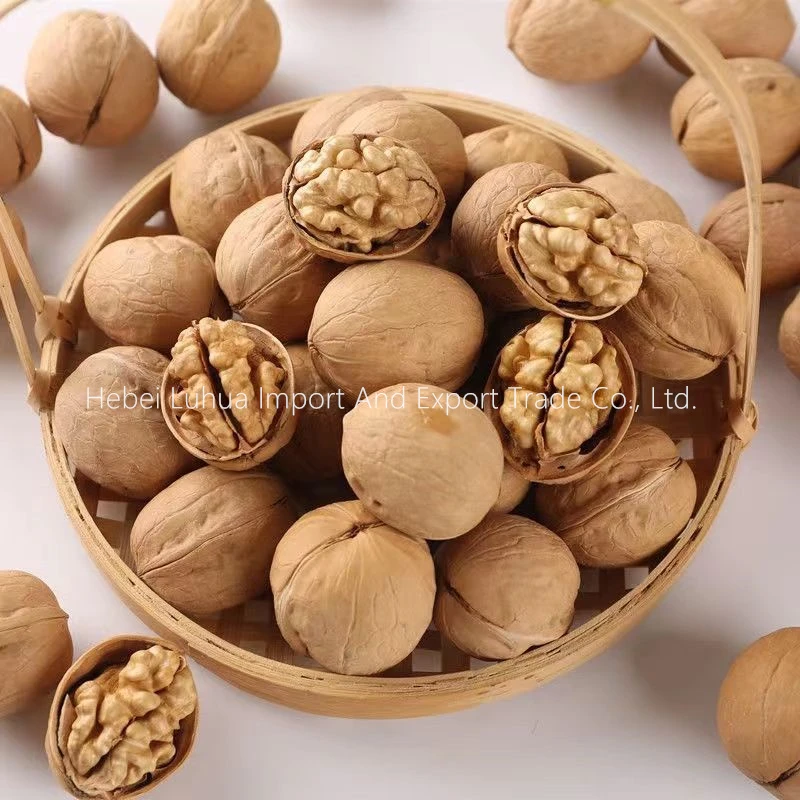
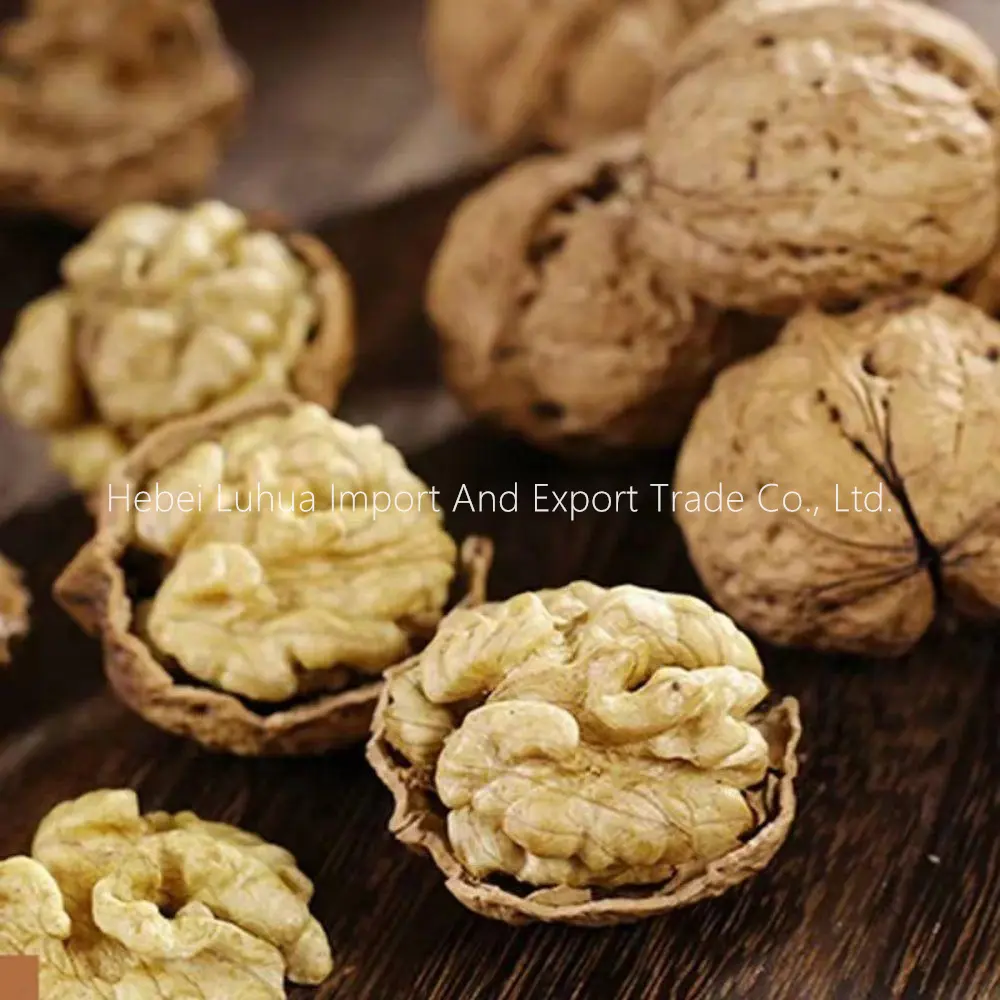
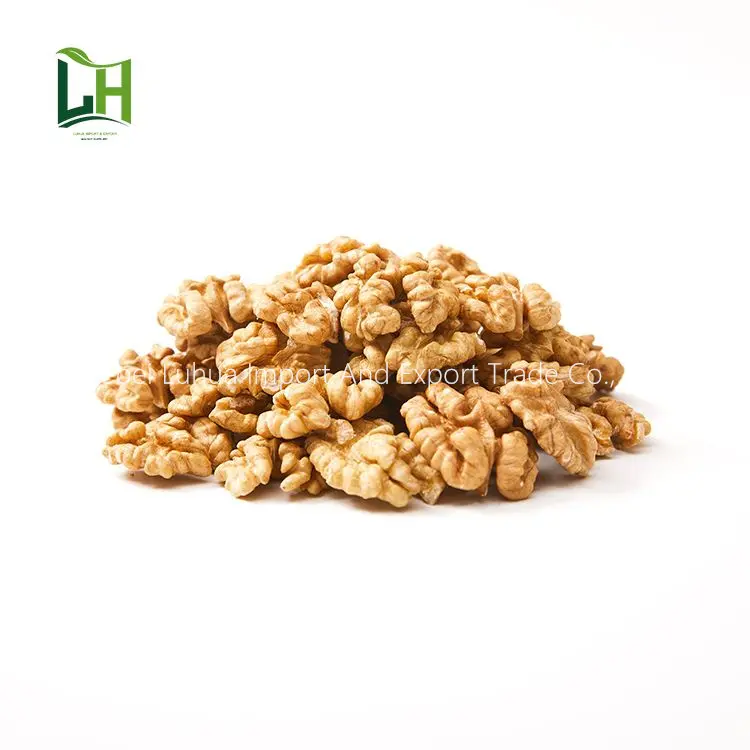
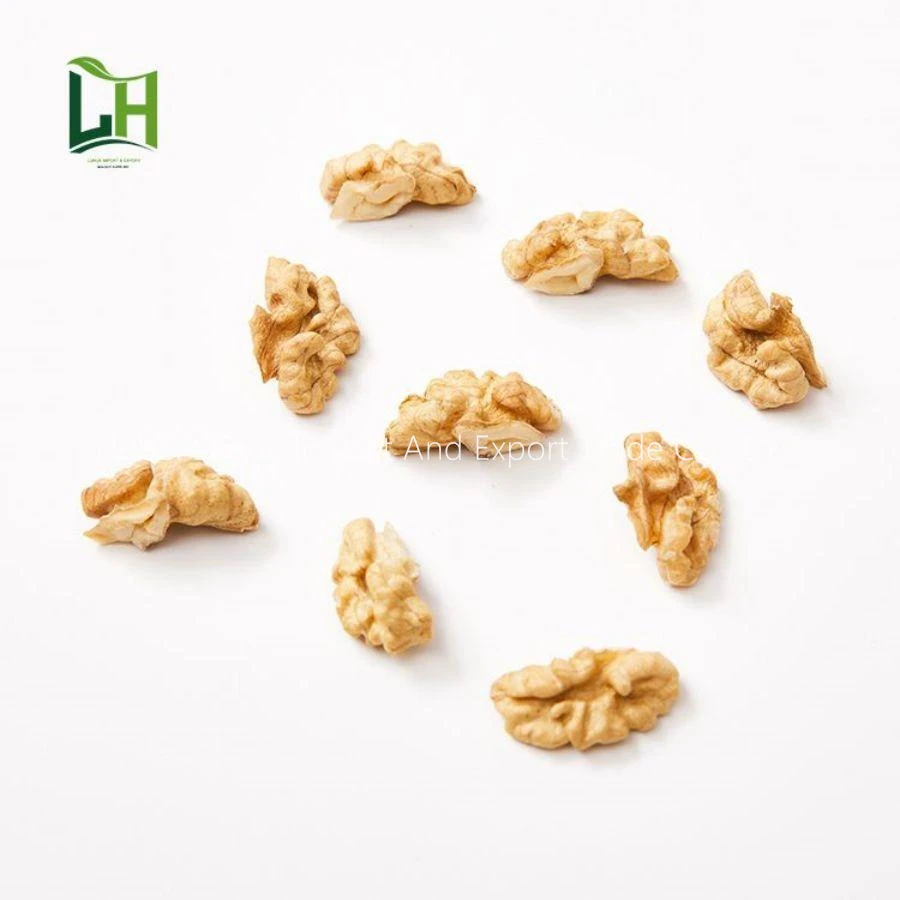
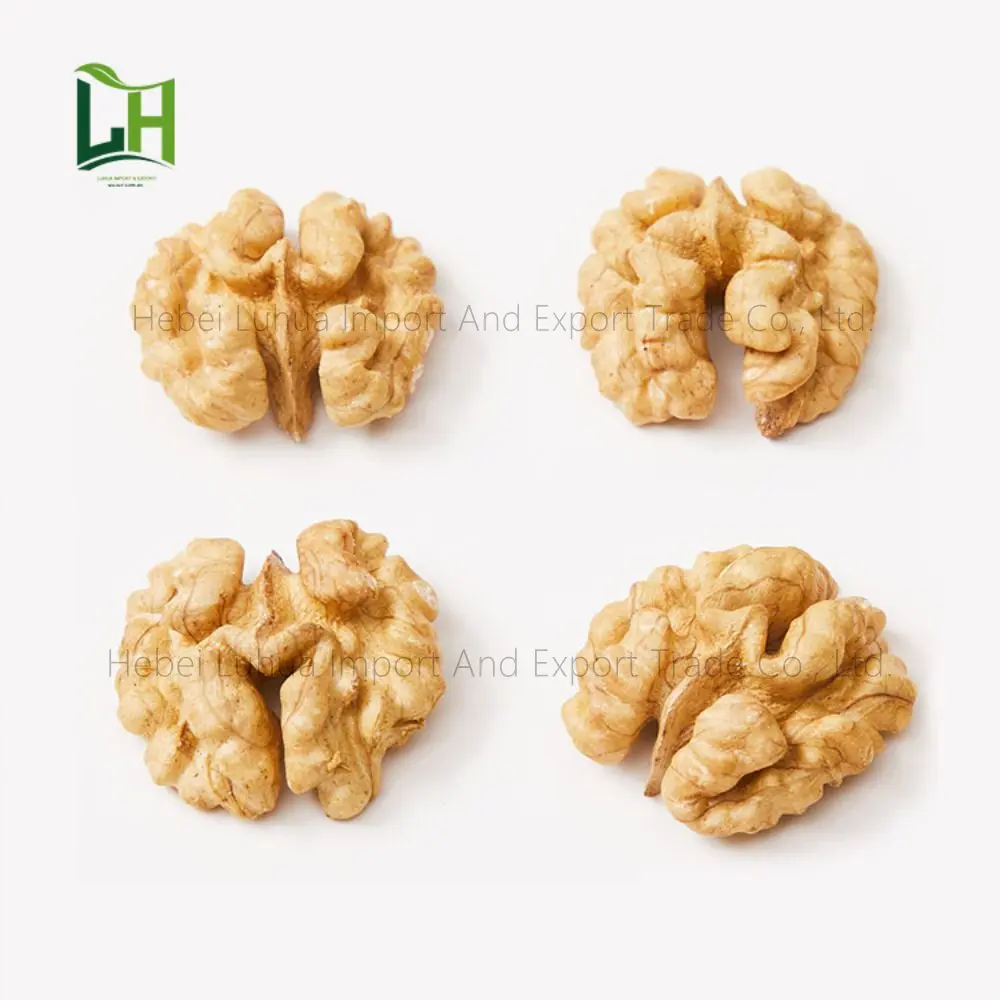
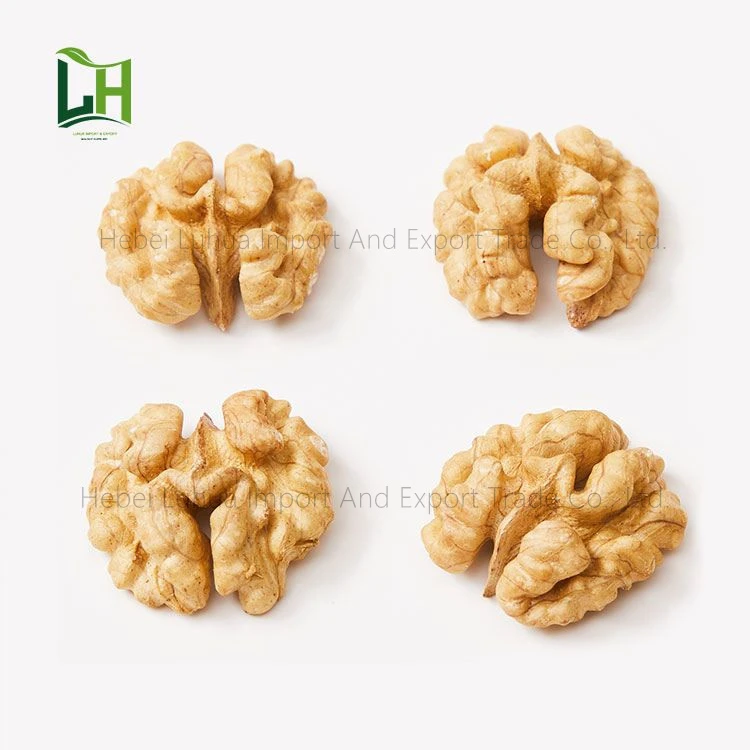
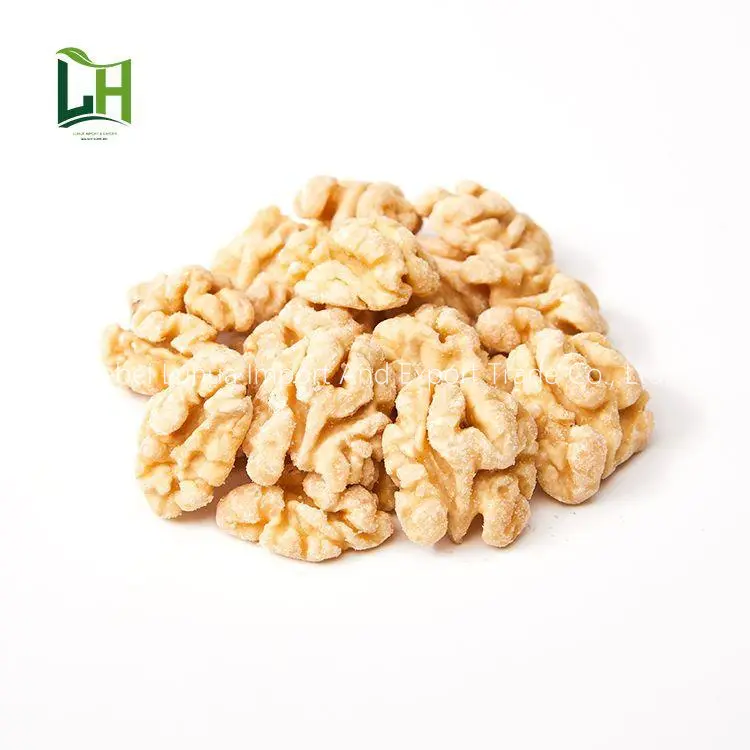
The walnut cost per kg also varies based on the variety. Chandler walnuts, known for their large size and light color, generally command a higher price. Hartley walnuts are another popular variety, appreciated for their consistent quality. Organic walnuts, due to the more stringent farming practices involved, are typically the most expensive. Below is a comparison of the common walnut varieties:
Walnut Variety Comparison:
• Chandler: Large size, light color, higher price.
• Hartley: Consistent quality, good yield, moderate price.
• Howard: Smaller size, darker color, often used for processing, lower price.
• Organic: Grown without pesticides or synthetic fertilizers, highest price.
Choosing the Right Walnut Supplier: Luhuawalnut
Selecting a reliable walnut supplier is essential for ensuring consistent quality and competitive pricing. Luhuawalnut specializes in providing high-quality walnuts from trusted sources. We offer a wide range of walnut varieties, including both conventional and organic options. We are committed to competitive pricing, efficient logistics, and exceptional customer service. We offer customized solutions to meet your specific needs, whether you require large-scale wholesale purchases or smaller quantities.
Long-Term Trends and Future Price Predictions
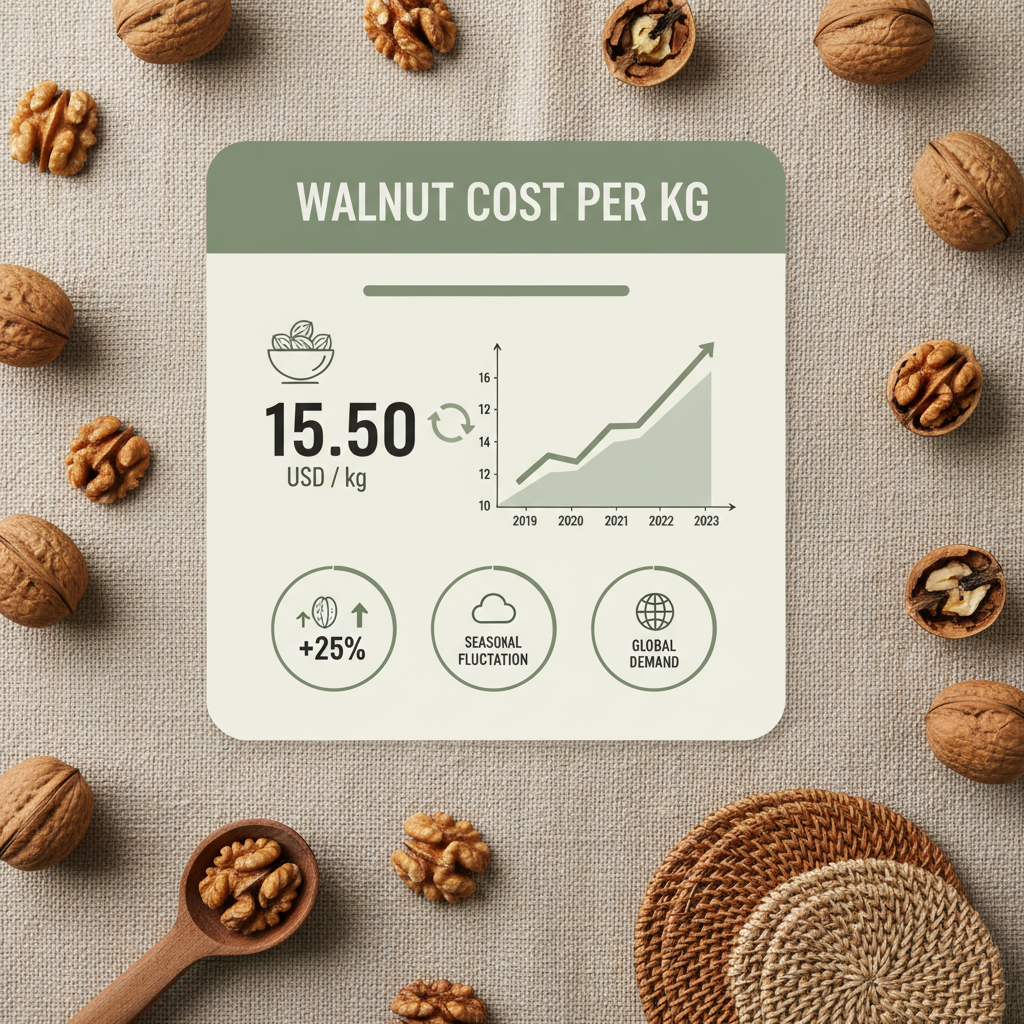
Analysts predict continued growth in global walnut demand in the coming years, driven by increasing health consciousness and expanding applications in the food and cosmetic industries. Climate change and ongoing supply chain disruptions pose potential risks to future yields, which could lead to price increases. Investing in sustainable farming practices and exploring new walnut-growing regions are crucial for ensuring stable supplies and mitigating price volatility. Staying informed about market trends and partnering with reputable suppliers like Luhuawalnut is vital for navigating the evolving walnut market.
Conclusion: Navigating the Walnut Market with Confidence
Understanding the factors influencing the walnut cost per kg is crucial for making informed decisions. By partnering with a reliable supplier like Luhuawalnut, you can ensure access to high-quality walnuts at competitive prices. We are dedicated to providing exceptional service and supporting your business needs.
Frequently Asked Questions (FAQs)
What factors can cause a sudden spike in walnut prices?
Several factors can lead to sudden price increases. These include unexpected frost or drought in major growing regions like California, which significantly reduces crop yields. Political instability or trade disputes in producing countries can disrupt the supply chain, creating scarcity. Increased global demand, particularly from emerging markets, can also drive up prices. Finally, significant increases in transportation costs or tariffs can impact the final price consumers pay. Staying informed about weather patterns, political events, and trade policies is crucial for anticipating potential price fluctuations.
How can I ensure I’m getting a fair price for walnuts?
To ensure you’re getting a fair price, it’s essential to compare quotes from multiple suppliers. Consider the walnut variety, quality grade (e.g., jumbo, select), and origin. Factor in shipping costs and any applicable tariffs. Working with a reputable supplier like Luhuawalnut can provide transparency and competitive pricing. Also, understand market trends and seasonal price fluctuations. Long-term contracts can sometimes offer price stability.
What is the difference between in-shell and shelled walnuts in terms of cost?
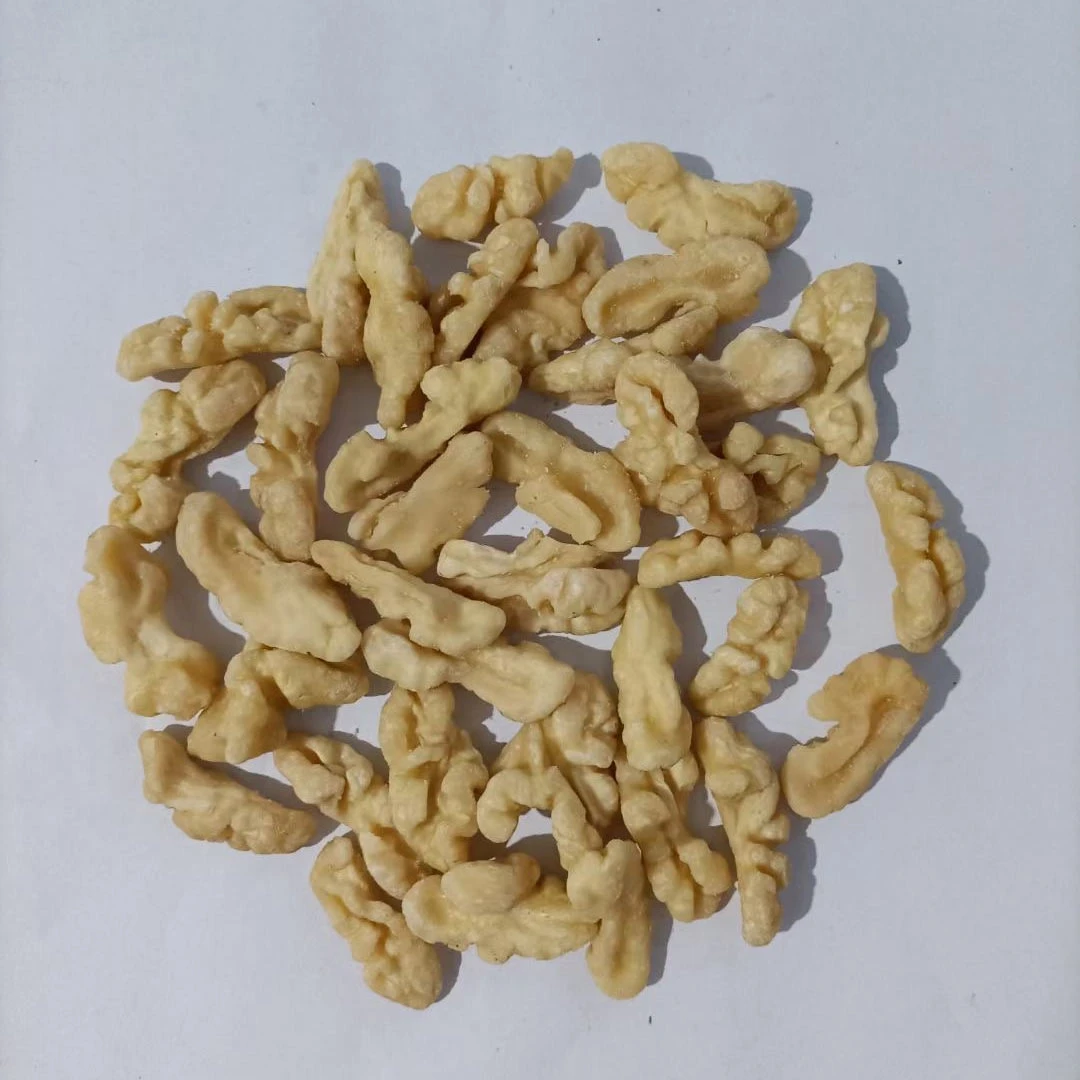
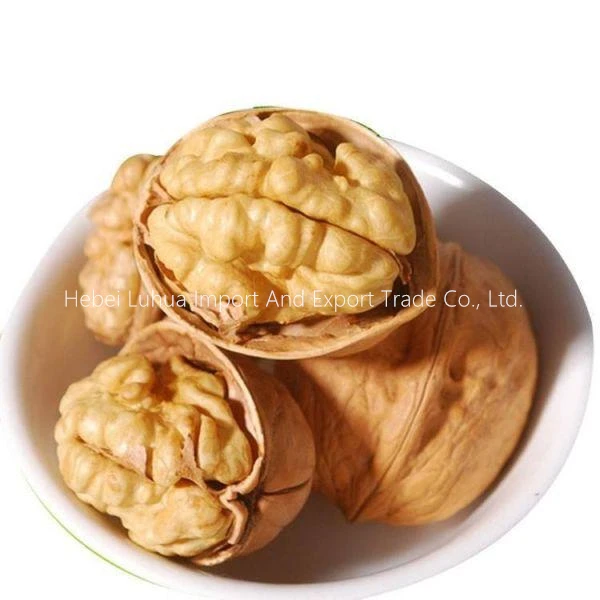
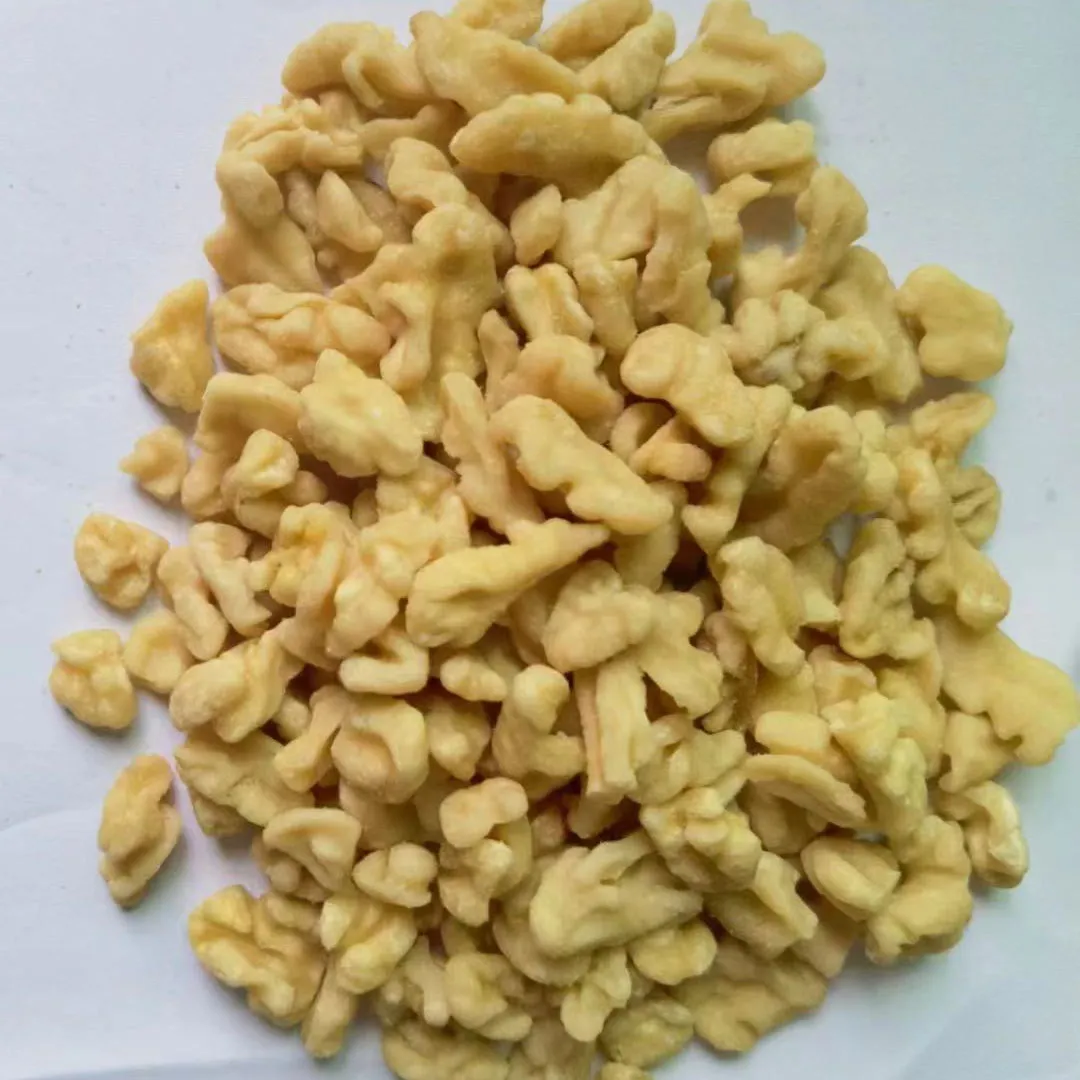
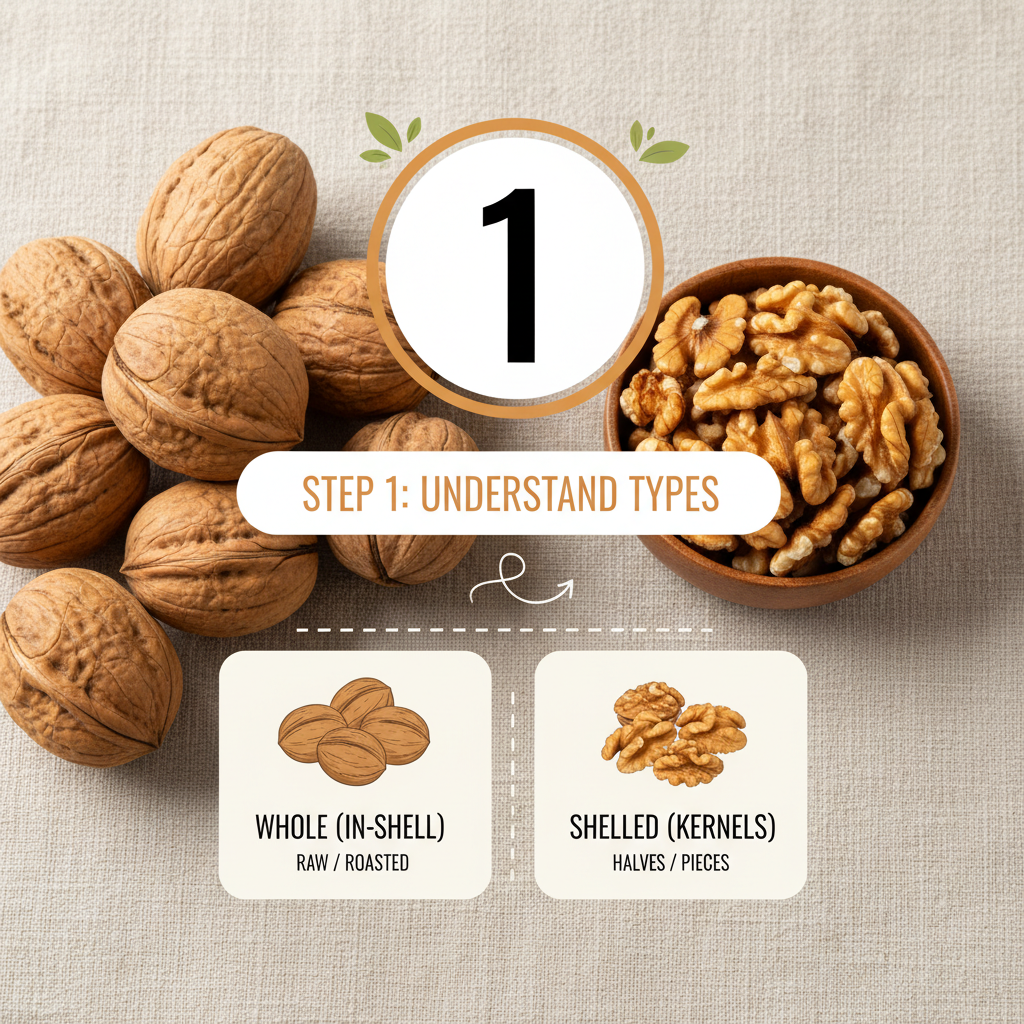
Shelled walnuts generally cost more per kilogram than in-shell walnuts. This is due to the additional processing required to remove the shells, which incurs labor and equipment costs. The cost difference can vary depending on the supplier and the quantity purchased. In-shell walnuts require the buyer to perform the shelling process, which can be time-consuming and may result in some waste.
How does organic certification affect the walnut cost per kg?
Organic certification significantly impacts the walnut cost per kg. Organic walnuts require adherence to strict farming practices that prohibit the use of synthetic pesticides, herbicides, and fertilizers. This often results in lower yields and increased labor costs, contributing to a higher price point. Organic certification also involves rigorous inspection and certification processes, adding to the overall cost. Consumers are often willing to pay a premium for organic walnuts due to their perceived health and environmental benefits.
Post time:Apr . 07, 2026 02:35