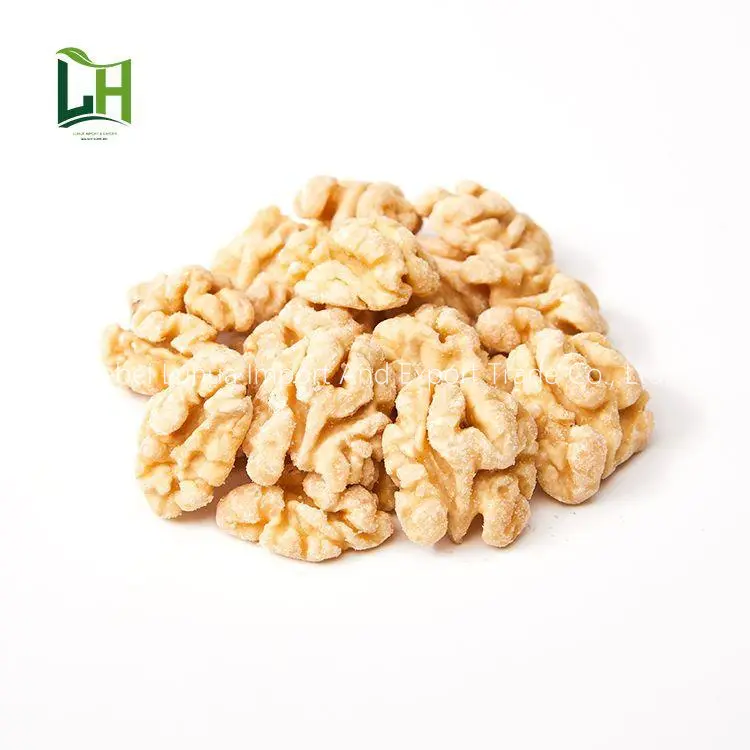
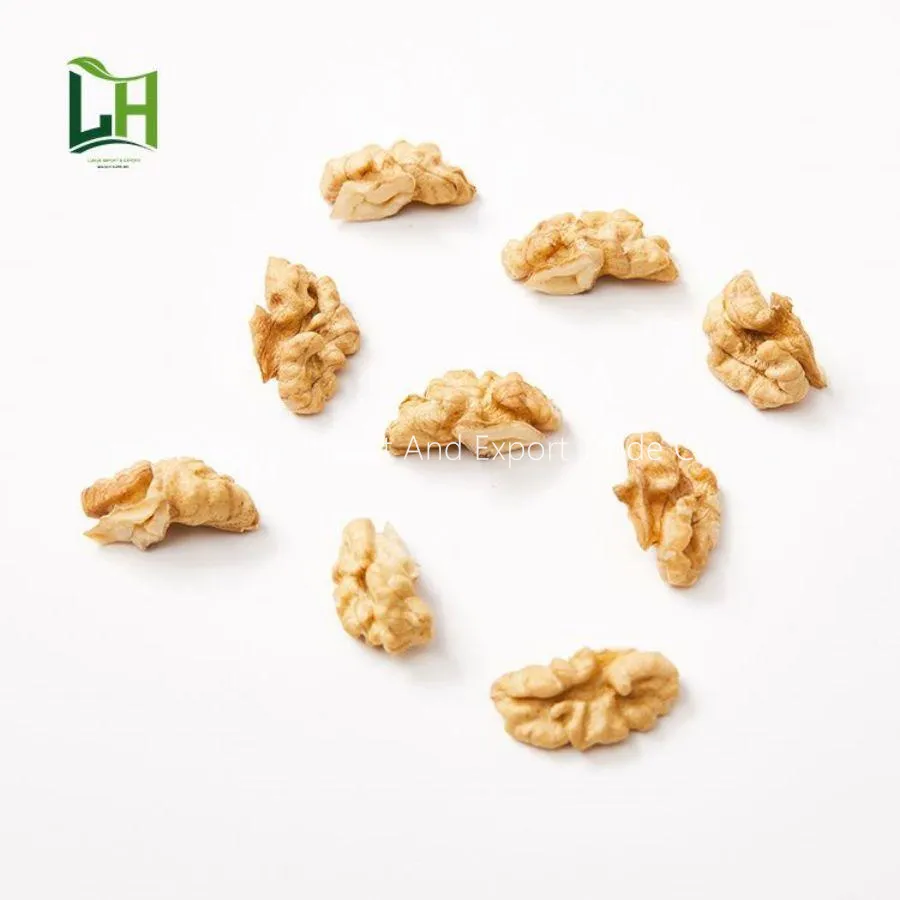
Unlocking the Power of Walnut for Brain Development
When it comes to brain health, walnuts often pop up as a noteworthy food. But why do so many brain scientists, nutritionists, and parents swear by walnut for brain development? It’s not just an old wives’ tale; the benefits of walnuts stretch far beyond the usual nutty crunch. Understanding these benefits matters globally—not only because cognitive health drives productivity and quality of life but because worldwide conditions like aging populations and cognitive decline push us to explore natural brain boosters. In this article, we’ll dive deep into why walnut is such a star player in brain nourishment, its global significance, practical factors affecting its benefits, and the latest trends in using it more effectively.
Why Walnut for Brain Development Matters Globally
It’s worth setting the scene. The World Health Organization reports that around 50 million people worldwide live with dementia, with nearly 10 million new cases each year. While this data focuses more on disease, it speaks to a much larger context of brain health across all ages, including children and young adults. Walnuts, packed with neuroprotective nutrients, offer a natural, accessible way to support brain function without the bells and whistles of pharmaceutical interventions — which, frankly, can be inaccessible or costly for many.
Moreover, walnuts are cultivated in diverse regions, from the US to Iran and China, supporting agricultural economies and food security in addition to cognitive health. In fact, the International Nut and Dried Fruit Council highlights walnuts as a top nut exported globally. The need to discover affordable, sustainable brain health promoters has never been more urgent, making walnuts a critical element in the global health and nutrition landscape.
What Exactly Does "Walnut for Brain Development" Mean?
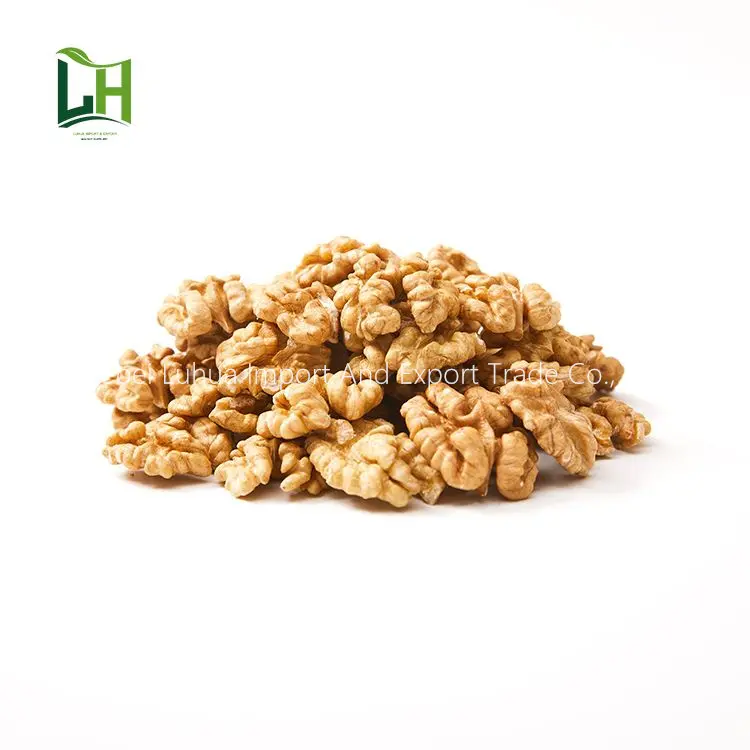
Simply put, the phrase refers to the use of walnuts as a dietary tool to support and enhance the physical and cognitive development of the brain. The connection comes from walnuts’ unique nutrient profile: omega-3 fatty acids, antioxidants like vitamin E, polyphenols, and essential minerals. These components help reduce oxidative stress, inflammation, and promote cell signaling in the brain—key processes tied to learning, memory, and overall mental acuity.
In industry terms, leveraging walnuts for brain development links nutrition science with public health initiatives, agriculture, and even education sectors. For humanitarian programs in developing regions, walnut-based supplementation offers a promising avenue to address childhood cognitive deficits often aggravated by malnutrition. So, it’s more than a snack; it’s a tiny tool in the vast machinery of brain health progress.
Main Components Behind Walnut’s Brain Benefits
- Omega-3 Fatty Acids (ALA): These plant-based omega-3s are essential structural fats that influence neuronal membrane fluidity and signal transmission.
- Antioxidants & Polyphenols: They neutralize harmful free radicals, protecting brain cells from oxidative damage—a key factor in aging and brain diseases.
- Vitamin E: Acts as a neuroprotective agent aiding in cognitive decline mitigation.
- Folate & B Vitamins: Vital for neurotransmitter synthesis and neuron development.
- Minerals (Magnesium, Zinc): Cofactors in enzymatic processes critical to brain metabolism and synaptic plasticity.
Think of these factors like the ensemble cast of a movie—the story wouldn’t work if any character was missing. Together, they weave a protective and nurturing environment for brain cells to thrive.
Mini Takeaway:
Walnuts bring together a unique nutrient mix that fosters brain cell protection, growth, and effective communication.
Global Applications and Success Stories
Across continents, walnuts are finding their place in diets designed to boost mental performance. In the United States and Europe, research-backed dietary guidelines recommend walnut consumption for children’s cognitive growth and adult brain health maintenance. Meanwhile, in parts of Central Asia and the Middle East, walnuts are part of traditional foods and are now being studied for their cognitive benefits in communities with limited access to advanced healthcare.
Take, for example, a pilot program in rural India where walnut-enriched meals were introduced in primary schools. Preliminary results indicated improved attention spans and test scores within months. This kind of practical application reflects how walnut for brain development isn’t just theoretical biology, but a real-world ally.
| Product Specification | Details |
|---|---|
| Average Omega-3 Content | 2.5 grams per 30g serving |
| Vitamin E | 0.7 mg per serving |
| Antioxidants (Polyphenols) | 15–20 mg gallic acid equivalents |
| Calories | 185 calories per serving |
| Minerals | Magnesium, Copper, Zinc |
Why Embracing Walnut Benefits is a Win-Win
Walnut's advantages are layered. Practically, they provide a nutritional powerhouse in a simple, edible form that’s easy to incorporate into daily diets. Environmentally, walnut cultivation is relatively sustainable compared to many animal-based brain-boosting supplements or synthetic alternatives. Emotionally, recommending walnuts feels tangible and positive—there’s an inherent comfort in turning to wholesome food instead of complex meds.
From longevity of cognitive health to addressing social inequities in nutrition, walnuts offer innovation meets dignity. They’re not a magic bullet, sure, but a small, affordable step with measurable impact.
Innovations and the Future of Walnut for Brain Development
Recent innovations include walnut-derived nutraceuticals—extracts or powders concentrated in brain-beneficial compounds. Researchers are also exploring synergies between walnuts and other functional foods, creating blends targeting cognitive performance. Another fascinating trend is the integration of walnuts into school feeding programs enhanced by tech-based monitoring of student progress.
And with sustainability front and center, companies are experimenting with walnut shell biomass as a renewable byproduct for energy or bioplastics, linking nutritional and environmental innovation neatly.
Addressing Challenges in Maximizing Walnut Benefits
Walnut allergies, price fluctuations, and supply chain issues are hurdles. Not everyone likes the taste or texture, which can limit uptake. Storage and shelf life can affect fresh walnut quality, influencing nutrient retention.
Experts suggest diversification: blending walnuts with other nuts for balanced nutrition, cold-press processing to preserve oils, and educational campaigns to raise awareness. Also, improving global walnut production via better irrigation and agricultural techniques helps keep demand sustainable.
Vendor Comparison: Walnut Product Suppliers
| Vendor | Origin | Quality Certifications | Price Range | Product Type |
|---|---|---|---|---|
| Luhua Walnut Co. | China | ISO 22000, Organic | $$ | Raw & Shelled Walnuts |
| California Nut Producers | USA | USDA Organic, Non-GMO | $$$ | Raw, Roasted, Oil Extracts |
| Kerman Walnuts | Iran | ISO 9001, HACCP | $ | Bulk Raw Walnuts |
FAQ: Answering Your Top Questions on Walnut for Brain Development
Q1: How much walnut should I eat daily for brain benefits?
A: Most studies suggest around a 30-gram serving daily (roughly a small handful). This amount balances nutrient intake without excess calories.
Q2: Can walnuts improve brain function in adults or just developing children?
A: Walnuts support both developing brains and aging brains. The antioxidants and omega-3s help maintain cognitive function across life stages.
Q3: Are walnut supplements as effective as whole nuts?
A: Supplements may concentrate nutrients but lack the full food matrix. Whole walnuts provide fiber and synergy between compounds that enhance absorption.
Q4: Is there any risk in eating too many walnuts?
A: Excessive consumption can add unwanted calories and potentially upset digestion. Allergies are also a concern for some individuals.
Final Thoughts: Embracing Walnut for Lifelong Brain Health
So, to circle back: walnuts aren’t just a quirky brain-shaped nut. They’re a powerful, accessible natural resource supporting brain development globally. From school programs to senior nutrition, their role continues to grow, entwined with innovations, sustainability goals, and cultural traditions.
Curious to explore walnut options and incorporate them into your brain health strategy? Visit our website for more insights and premium products: walnut for brain development.
References
Post time:Dec . 13, 2025 23:20