The Medicinal Use of Walnut: Nature’s Remedy Across Cultures
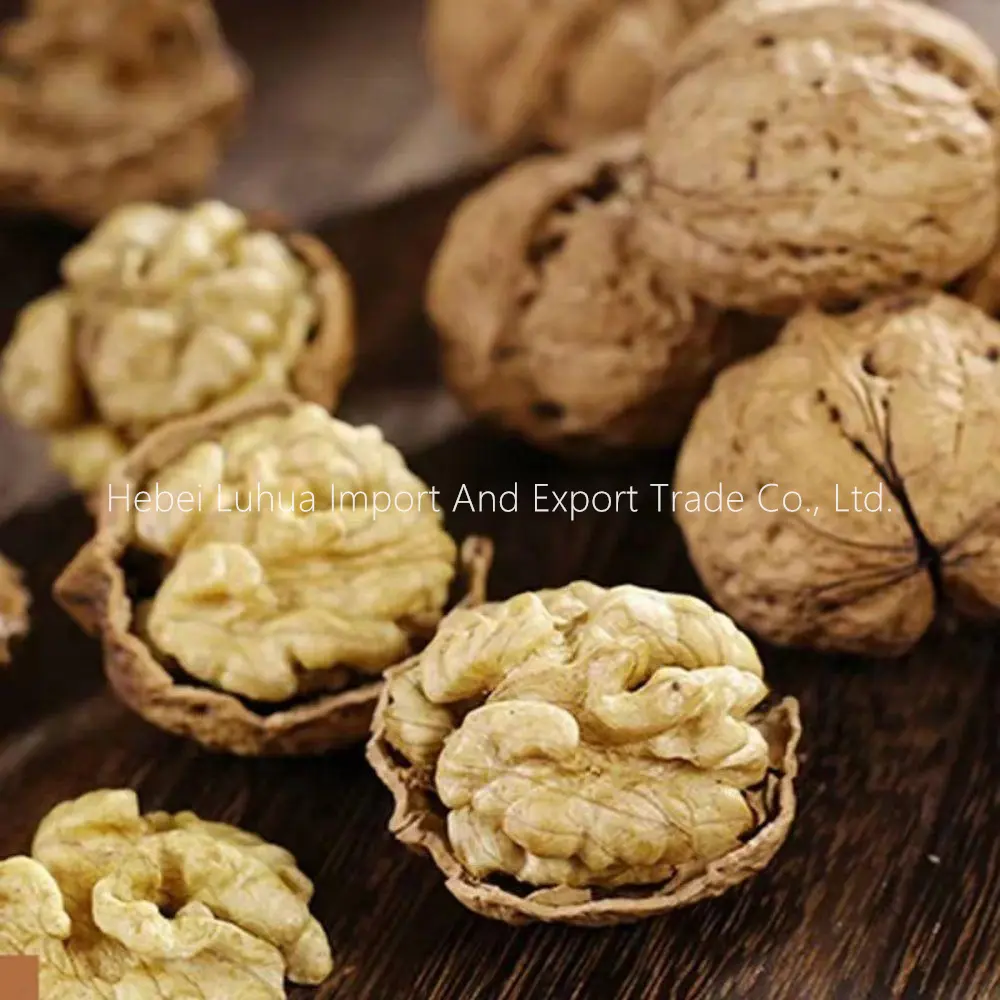
For centuries, walnuts have been more than just a tasty snack or baking ingredient. Their medicinal use reaches back through history, showing up in traditional remedies and modern nutritional science alike. Globally, the interest in walnuts and their therapeutic potentials continues to grow, especially as people seek natural ways to bolster health and combat chronic illnesses. Understanding walnuts’ benefits isn’t just about appreciating an ancient superfood; it’s about embracing a global health trend that intersects nutrition, medicine, and sustainable agriculture.
It turns out, the medicinal use of walnut goes beyond folklore. From anti-inflammatory properties to cardiovascular support, walnuts offer a complex mix of compounds that researchers and health advocates around the world are learning to harness. This article dives into what makes walnut so special in medicine today — revealing its global footprint, applications, and the promising future ahead.
Why the Medicinal Use of Walnut Matters Globally
Walnut trees (Juglans regia) are cultivated on nearly every continent with temperate climates, making their medicinal properties a subject of wide-reaching significance. According to the Food and Agriculture Organization (FAO) of the UN, global walnut production has steadily increased over the last decade, partly fueled by rising demand for health-conscious foods and herbal supplements.
Cardiovascular diseases are the number one cause of death worldwide, with over 17.9 million fatalities annually (World Health Organization, 2023). This pressing health challenge puts walnut’s role as a functional food into sharp perspective, given how its bioactive compounds support heart health. Meanwhile, the growing interest in plant-based diets and natural alternatives to pharmaceuticals underscores the walnut’s place in the future of preventive health.
Still, challenges remain — such as consistent quality control, sustainability concerns, and lack of public awareness about walnuts’ medicinal benefits in certain regions. Yet, with increasing scientific validation, the medicinal use of walnut is poised to address some of these hurdles.
What Exactly Is the Medicinal Use of Walnut?
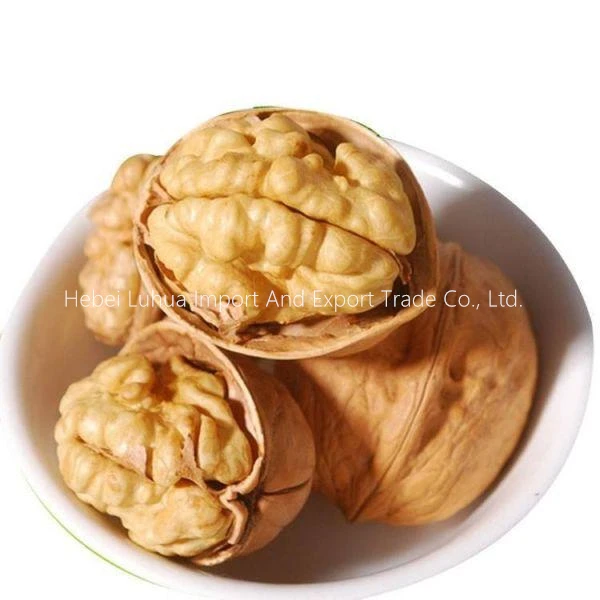
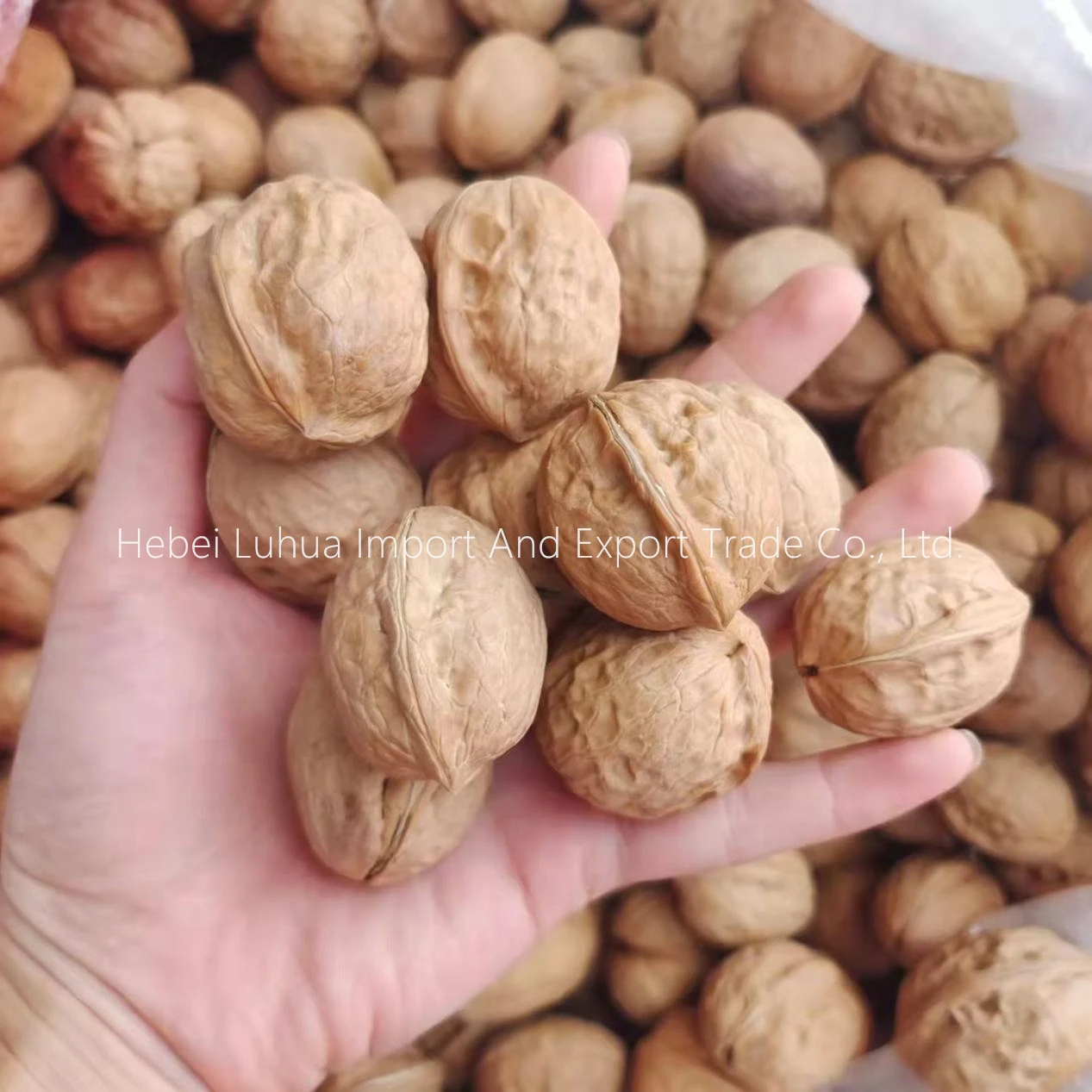
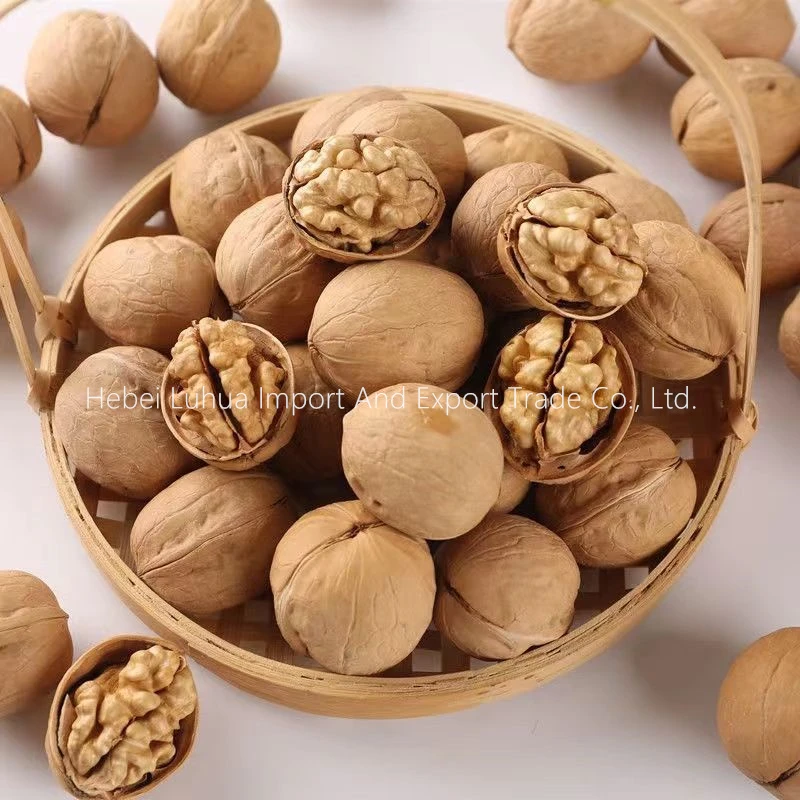
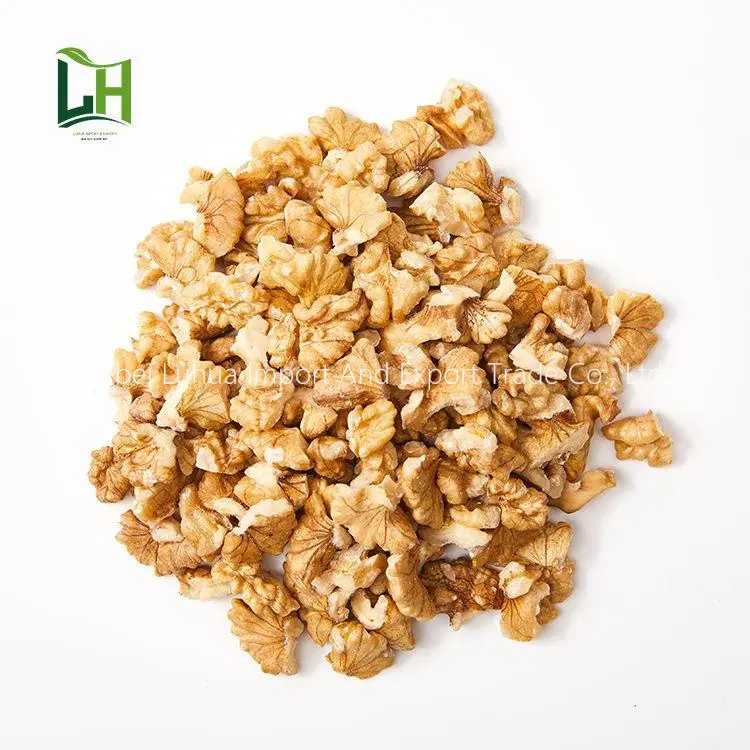
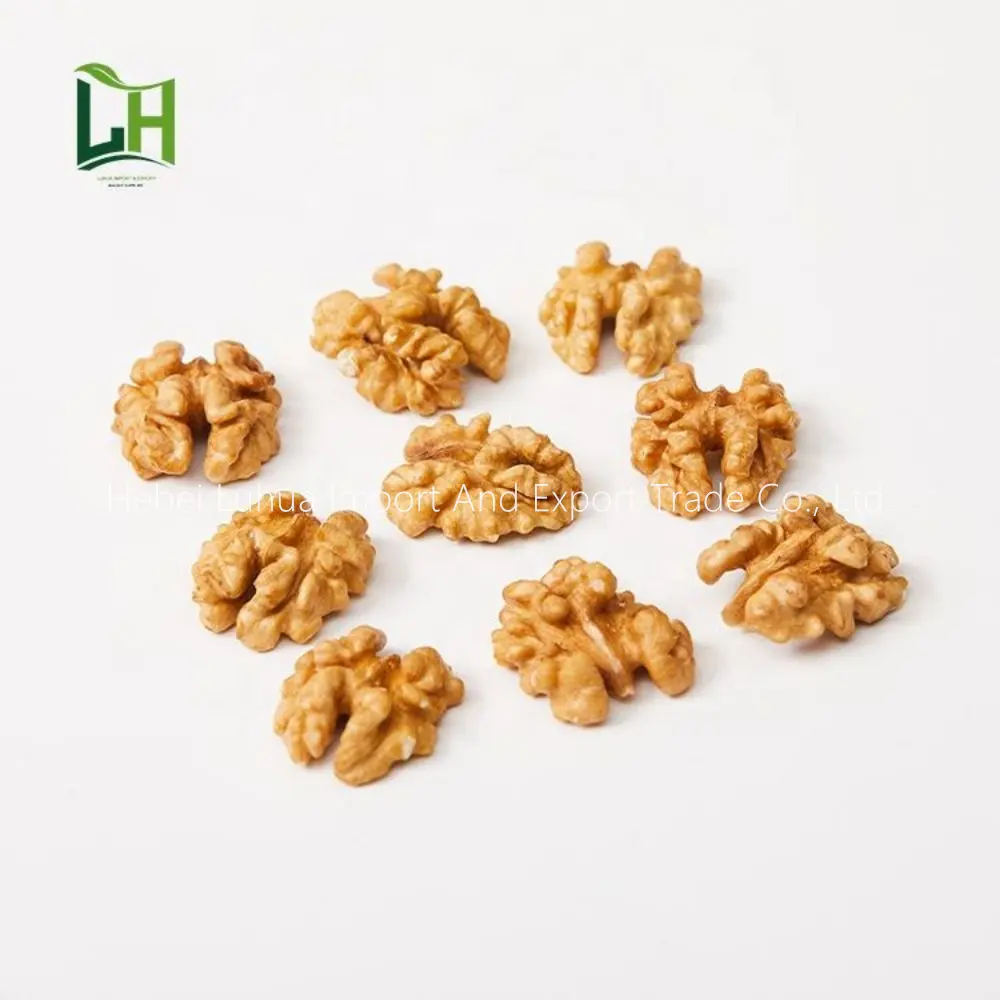
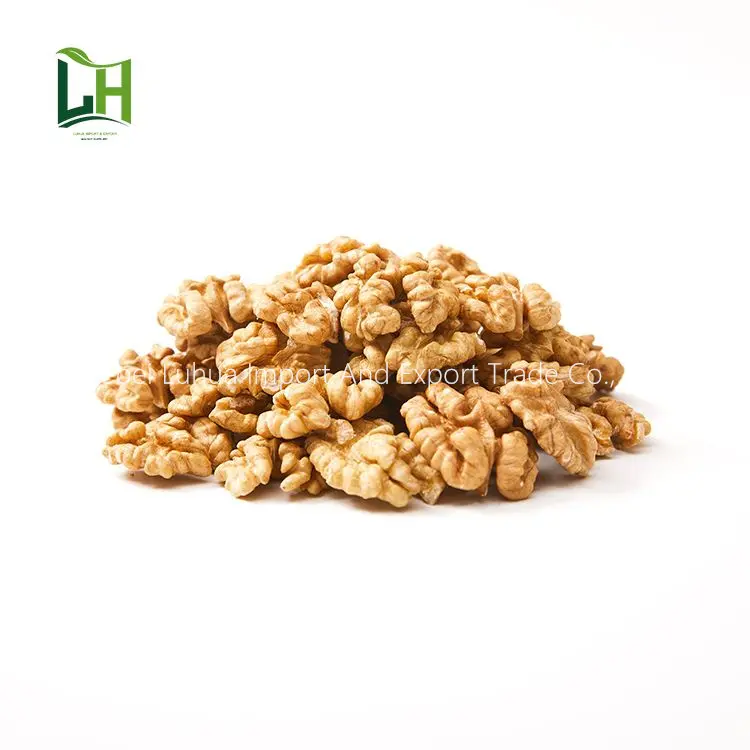
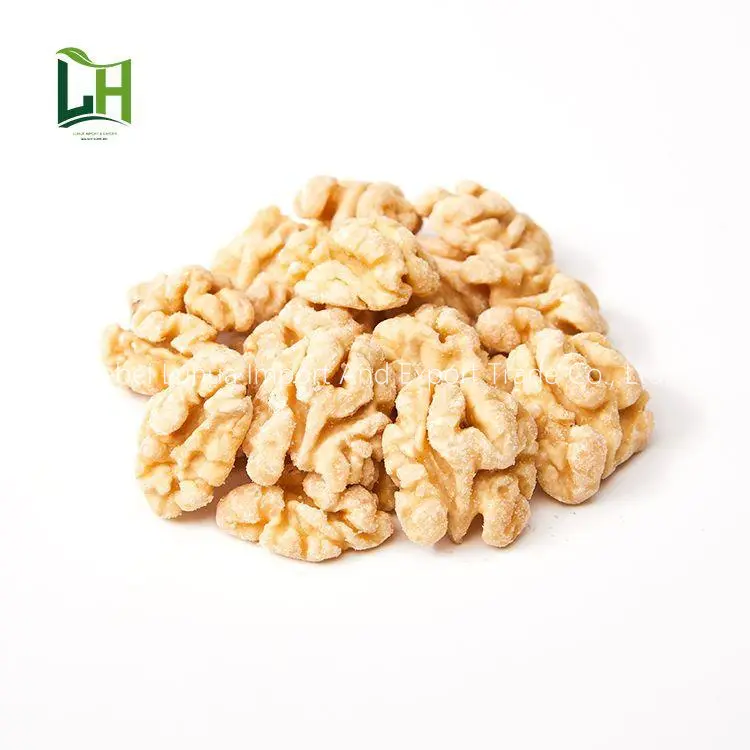
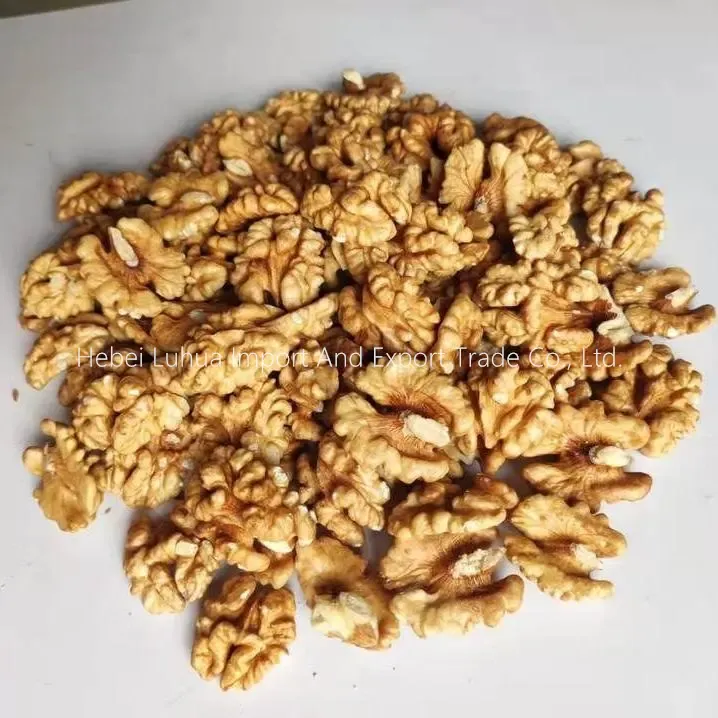
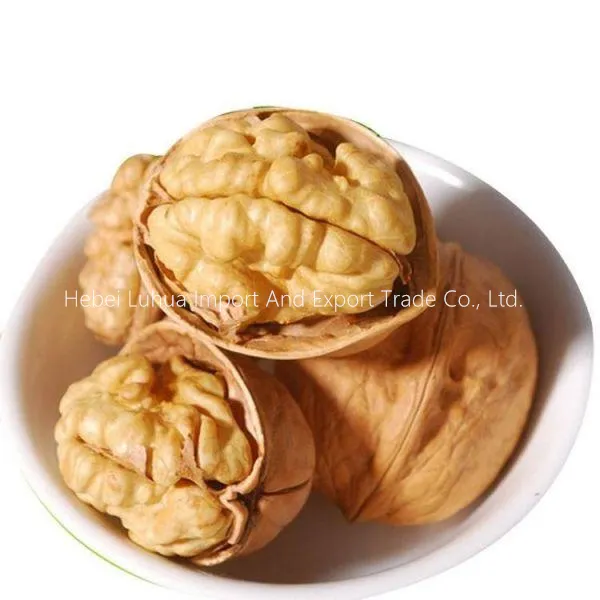
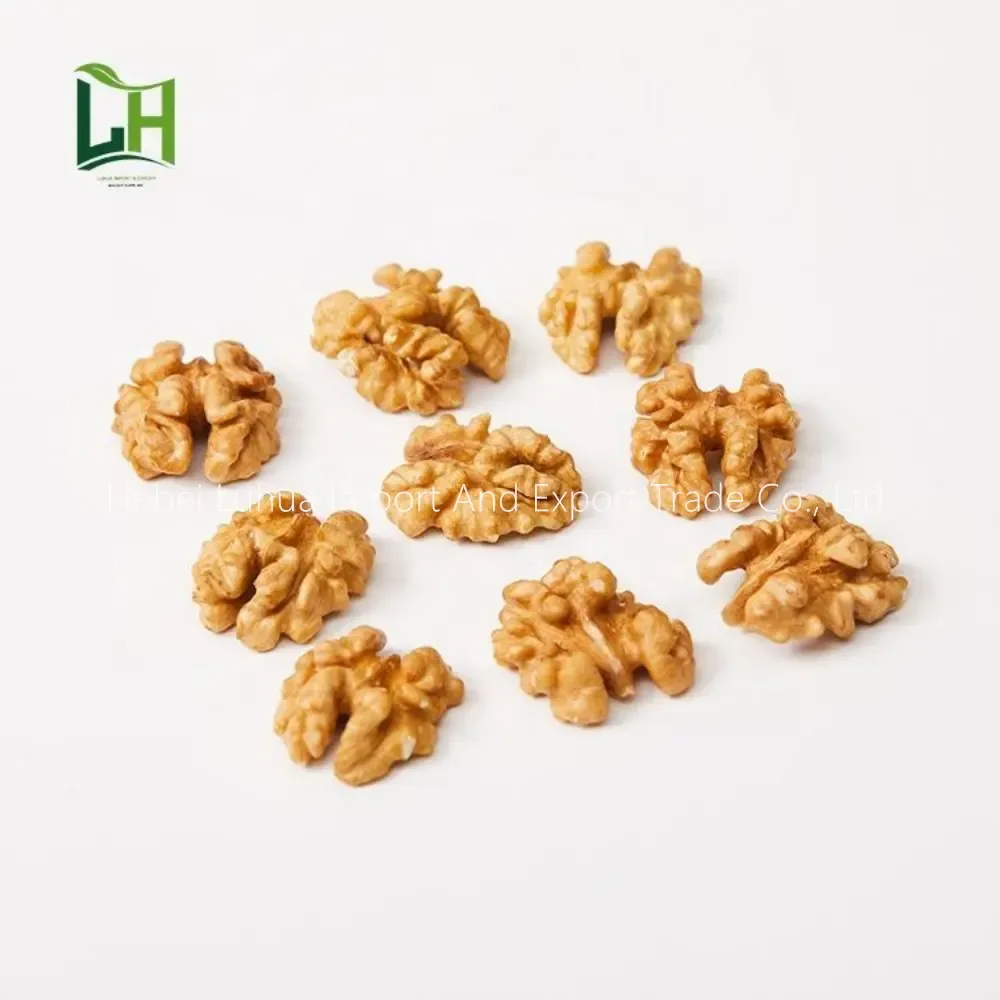
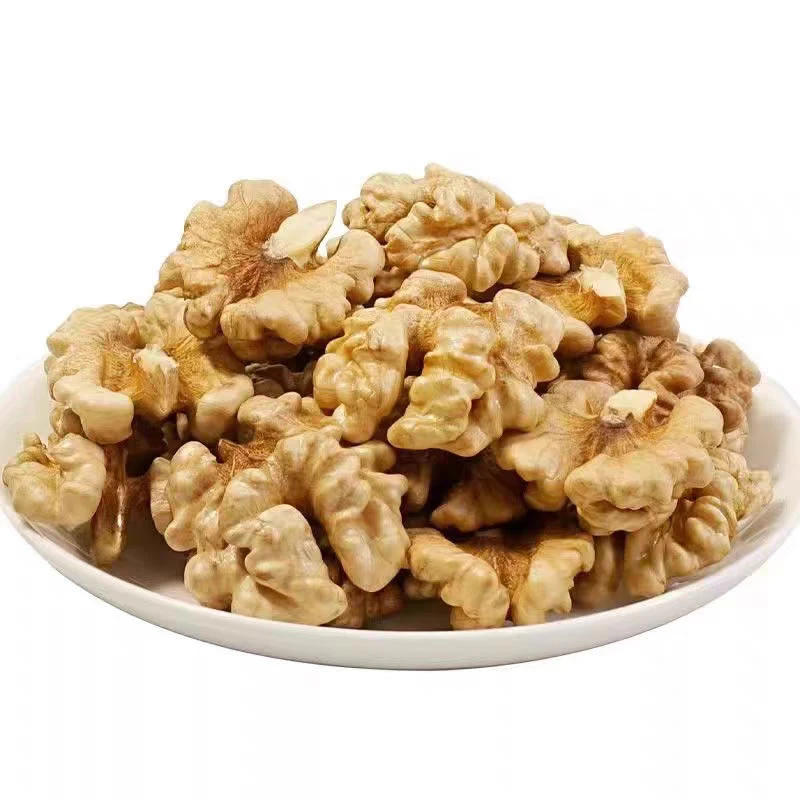
Simply put, the medicinal use of walnut refers to employing parts of the walnut tree — mainly the nut, its extract, and sometimes leaves — for health-promoting or therapeutic purposes. These uses range from traditional treatments of inflammation and infections to contemporary inclusion in nutraceuticals and dietary supplements.
Modern medicine recognizes walnuts primarily for their rich composition of omega-3 fatty acids, antioxidants (like polyphenols), vitamins (especially vitamin E), minerals, and fiber. Together, these components contribute to health benefits such as lowering bad cholesterol, improving brain function, and reducing oxidative stress.
At the same time, walnuts have found their way into the wellness industry, herbal medicines, and clinical nutrition applications. This blend of traditional knowledge and scientific insight gives walnuts a unique standing at the junction of agriculture, food science, and medical research.
Key Factors Driving the Medicinal Effectiveness of Walnuts
1. Nutrient-Dense Composition
Walnuts boast a complex nutrient profile that includes essential fatty acids (notably alpha-linolenic acid), protein, and antioxidants. These nutrients act synergistically to reduce inflammation and promote cardiovascular and cognitive health.
2. Antioxidant Properties
Rich in polyphenolic compounds, walnuts help neutralize free radicals, potentially lowering risks of chronic diseases like cancer and Alzheimer’s. This antioxidant capacity is one reason why incorporation into diets is increasingly urged by nutritionists.
3. Anti-Inflammatory Effects
The medicinal use of walnut taps into its ability to quell inflammation — a root cause of many illnesses. Regular walnut consumption correlates with reduced markers of inflammation, making it a natural alternative for managing conditions like arthritis.
4. Cardiometabolic Support
Walnuts affect blood lipid levels and glucose regulation, which supports managing diabetes and heart disease. Their fiber and good fats promote better blood pressure and cholesterol control.
5. Brain Health & Neuroprotection
Emerging studies show walnuts may enhance cognitive function and memory, potentially slowing the progression of neurodegenerative diseases thanks to their nutrient-dense chemistry.
Mini Takeaway: Walnuts’ medicinal appeal fundamentally rests on their multifaceted profile — a cocktail of nutrients, antioxidants, and anti-inflammatory molecules working together.
Global Applications and Real-World Use Cases
Medicinal walnut products and raw nuts are prominent in traditional healthcare systems across Asia, the Mediterranean, and the Middle East. Furthermore, the global nutraceutical market has embraced walnut-based supplements targeted at heart health and cognitive wellness.
In Europe, specialized walnut extracts are manufactured as capsules or powders for clinical nutrition. In North America, diets and wellness regimens increasingly include walnuts as key heart-healthy food. Asian traditional medicine also leverages walnut leaves and shells for topical and internal treatments.
Interestingly, several humanitarian nutrition projects in developing countries have explored walnuts as — I suppose you could say — a form of “natural medicine” to combat malnutrition-related deficiencies and chronic ailments.
| Component | Amount | Health Role |
|---|---|---|
| Alpha-Linolenic Acid (Omega-3) | 9.08 g | Reduces inflammation, supports heart health |
| Antioxidants (Polyphenols) | 1400 mg (approx.) | Fights free radicals, may reduce cancer risk |
| Vitamin E | 0.7 mg | Protects cells, boosts immunity |
| Dietary Fiber | 6.7 g | Improves digestion, regulates blood sugar |
Comparing Key Walnut Medicinal Product Vendors
| Vendor | Product Types | Quality Certification | Sustainability Practices |
|---|---|---|---|
| GreenNut Herbal | Extracts, oils, capsules | ISO 22000, GMP | Organic farming, zero waste |
| NutraWal Ltd. | Powdered supplements, snack mixes | FDA registered | Fair trade sourcing |
| Walnut Wellness Co. | Raw nuts, teas, oils | Organic Certified | Sustainable water use & reforestation |
The Advantages and Lasting Value of Walnut in Medicine
In real terms, walnuts deliver a powerful combination of benefits that span cost-effectiveness, environmental friendliness, and social impact. They’re relatively inexpensive cereal nuts globally, making their therapeutic compounds widely accessible.
Moreover, walnuts grow on resilient trees that support biodiversity and soil health. Many farmers and communities benefit economically by cultivating walnut orchards — a sustainable livelihood aligning with eco-conscious trends. Plus, there’s a comfort factor; natural remedies like walnut supplements evoke trust and long-established familiarity.
Psychologically, people often find reassurance in natural food-based medicines, associating them with safety and dignity rather than synthetic pharmaceuticals. Innovation continues to boost walnuts’ value, as more purified extracts and delivery forms emerge.
Emerging Trends and Innovations in Medicinal Walnut Usage
The future appears promising with rising integration of existing knowledge and novel technology. For example, green extraction techniques like supercritical CO2 are improving yields and preserving walnut bioactive compounds better than older solvent methods.
Digital platforms enable traceability and quality assurance, helping consumers and health professionals verify medicinal walnut products’ authenticity. Meanwhile, global policies encouraging sustainable agriculture and plant-based nutrition drive a stronger emphasis on walnut’s role in health.
Some research is diving into walnut’s potential to interface with microbiome health and personalized nutrition, which could open new therapeutic avenues.
Challenges Faced and How Experts Address Them
Still, the medicinal use of walnut isn’t without stumbling blocks. Allergies exist, and raw walnuts can develop aflatoxins if not properly stored. Standardizing doses in supplements remains tricky because plant compounds vary with cultivar and growing conditions.
To overcome these limits, experts recommend strict quality controls, advanced testing (chromatography, mass spectrometry), and clear labeling standards. Researchers also push for more clinical trials to substantiate health claims for regulatory approval — crucial for broader acceptance.
Frequently Asked Questions About Medicinal Use of Walnut
- Q: Can walnuts improve heart health naturally?
A: Yes, walnuts are rich in omega-3 fatty acids and antioxidants that support cardiovascular health by lowering bad cholesterol and reducing inflammation. Regular consumption as part of a balanced diet is often recommended. - Q: Are walnut supplements better than eating raw walnuts?
A: Supplements can provide concentrated doses of beneficial compounds but eating raw walnuts also offers fiber and whole-food benefits. The best choice depends on individual needs and medical advice. - Q: How should walnuts be stored to maintain medicinal properties?
A: Store walnuts in airtight containers in cool, dark places or refrigerated to prevent oxidation and mold growth, which can degrade their healthful components. - Q: Are there any side effects associated with medicinal walnut use?
A: Allergic reactions can occur in some individuals. Eating in moderation is key, and people with nut allergies should avoid walnut-based products. - Q: How is the international trade of medicinal walnuts regulated?
A: Vendors comply with food safety standards like ISO and FDA requirements. Certification and traceability systems help maintain quality across borders.
Wrapping It Up: Why Medicinal Walnut Is Worth the Attention
When you consider the medicinal use of walnut on a global scale, it’s clear the value stretches beyond just nutrition. It touches on sustainable agriculture, cultural heritage, and future-forward healthcare. Whether through traditional remedies or modern supplements, walnuts deliver multifaceted health benefits that are affordable and accessible.
If your curiosity has been piqued, or you’re professionally involved in medicinal botanicals or nutritional science, I encourage you to explore further. Visit our website for insightful resources and high-quality walnut products at medicinal use of walnut.
Thanks for stopping by to explore the remarkable story of walnuts — nature’s little healers with a mighty potential.
References:
1. World Health Organization, Cardiovascular diseases (CVDs) Fact Sheet, 2023.
2. Food and Agriculture Organization (FAO), Global Nut Production Data, 2023.
3. Wikipedia contributors, Walnut, Wikipedia, accessed 2024.
Post time:Dec . 13, 2025 18:50