Understanding Red Dates Fresh: A Global Perspective
If you’ve ever walked through an Asian market or explored traditional medicine shops, you might have encountered red dates fresh — a fascinating fruit treasured for centuries both as food and medicinal ingredient. But beyond its cultural roots, fresh red dates hold an increasingly global appeal, weaving into food industries, health sectors, and even humanitarian efforts worldwide. Why does it matter? Well, fresh red dates are more than just a tasty snack; they carry essential nutrients, support sustainable agriculture, and are a part of global trade networks that impact economies from China to the Middle East and beyond.
Since the United Nations highlights the importance of nutritious, culturally relevant foods in food security strategies, understanding fresh red dates is about recognizing a small but meaningful piece of that puzzle. In this article, we’ll explore what red dates fresh really are, their benefits, how they’re deployed across industries, and their interesting future trends. It’s one of those topics where tradition meets modern demand – and frankly, there’s a lot to unpack.
What Are Red Dates Fresh? A Simple Definition
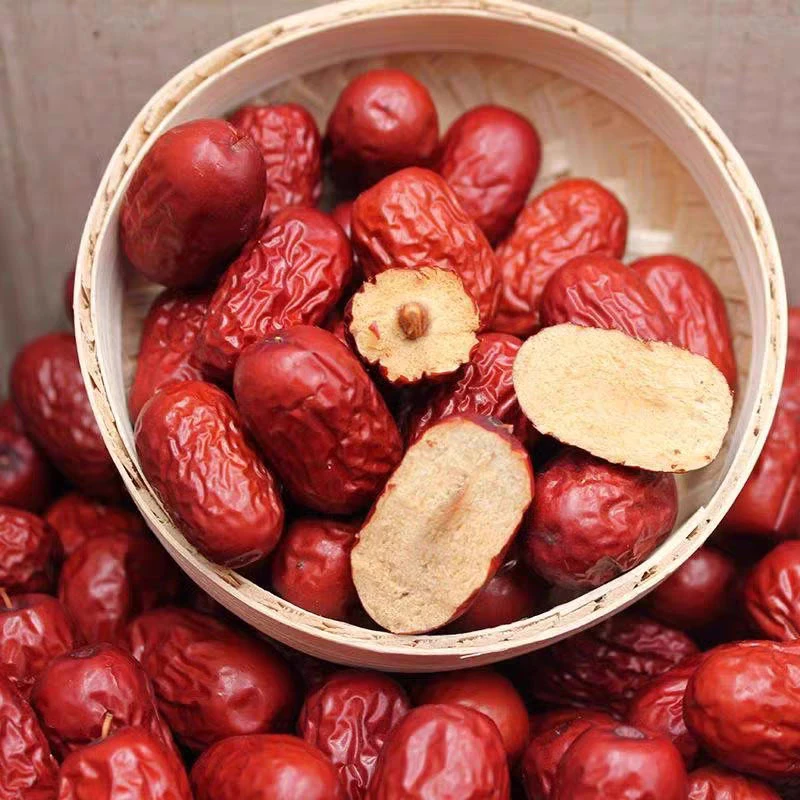
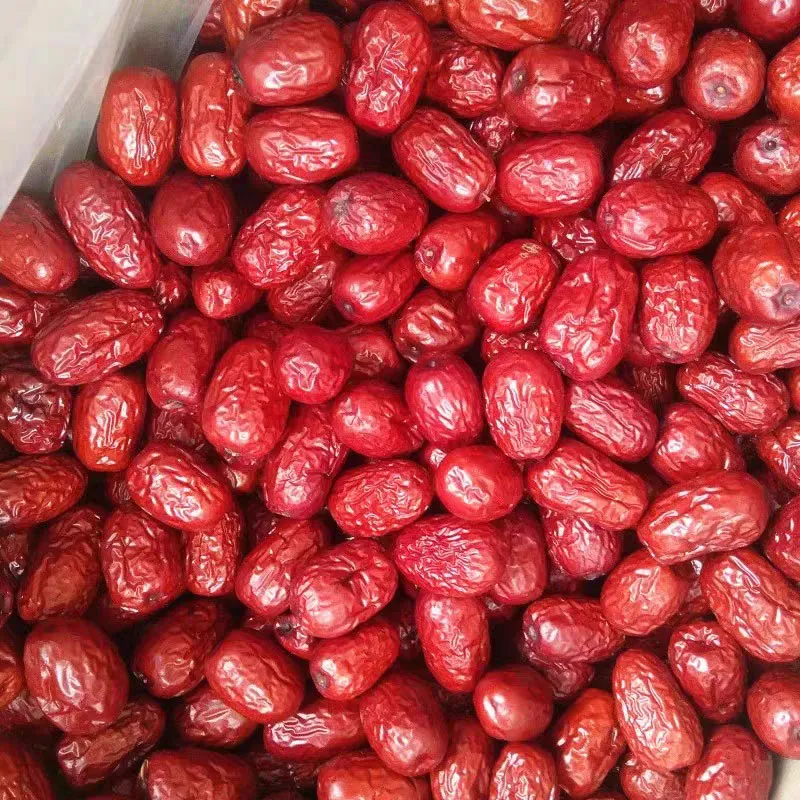
Also called jujubes, fresh red dates are the fruit of the Ziziphus jujuba tree, widely cultivated in East Asia, primarily China, which is responsible for over 90% of global production according to the Food and Agriculture Organization (FAO). Unlike dried jujubes, which are wrinkled and chewy, the fresh form is plump, juicy, and crisp — almost apple-like. They offer a sweet taste with subtle floral notes and are packed with vitamins C and B, minerals, and antioxidants.
In addition to their role in traditional medicine—supporting digestion, immunity, and blood health—the fresh ones are preferred in cooking, desserts, and as a wholesome snack. Their increasing popularity in export markets also marks them as a valuable agricultural commodity connecting rural farmers with urban consumers worldwide.
Core Components & Key Factors of Red Dates Fresh
Nutrition & Health Benefits
Vitamin and mineral-rich, fresh red dates provide an excellent source of dietary fiber, vitamin C (which degrades with drying), potassium, and antioxidants. These nutrients support immune function, improve skin health, and aid in digestive balance.
Harvesting & Freshness Preservation
Maintaining freshness involves careful harvesting at peak maturity, prompt cooling, and controlled atmosphere storage. Because the fruit bruises easily, logistics are complex to ensure it reaches markets intact.
Production Sustainability
Jujube cultivation often requires fewer pesticides and adapts well to dry climates, which makes it a relatively sustainable crop. This aligns with international goals to promote agricultural models with lower environmental footprints.
Market Demand & Economic Impact
Export markets, especially in the Middle East and Southeast Asia, are driving demand. This creates new opportunities and challenges for producers in terms of scale, quality consistency, and traceability.
Product Specifications: Fresh Red Dates Overview
| Specification | Details |
|---|---|
| Origin | Mainly China (Hebei, Shanxi, Shaanxi Provinces) |
| Appearance | Plump, shiny red to reddish-brown skin |
| Shelf Life | Up to 14 days refrigerated (0-4°C) |
| Key Nutrients | Vitamin C (69 mg/100g), Fiber, Potassium |
| Usages | Fresh consumption, medicinal teas, desserts, cooking |
Global Applications and Use Cases of Red Dates Fresh
Fresh red dates aren’t just a regional snack. They’ve found their way into global health trends and food security initiatives. For instance, community nutrition programs targeting anemia and vitamin deficiencies have introduced red dates fresh as a culturally embraced supplement. Markets in the Middle East, Russia, and parts of Europe are witnessing growing imports — sometimes packaged for fresh fruit boxes combined with nuts and seeds.
Moreover, in disaster relief or refugee nutrition settings, fresh, nutrient-dense fruits like red dates help address micronutrient shortfalls. Oddly enough, while often overshadowed by staples like bananas or apples, red dates’ resilience to drought and minimal pesticide footprint make them a promising crop for arid regions aiming to reduce food imports.
Vendor Comparison: Leading Fresh Red Dates Suppliers
| Supplier | Origin | Certification | Packaging | Lead Time |
|---|---|---|---|---|
| Luhua Walnut Farm | China (Hebei) | ISO 22000, Organic | Vacuum-sealed trays, 500g packs | 5-7 days |
| Xinjiang Fruit Export Co. | China (Xinjiang) | HACCP Certified | Bulk boxes (5kg) | 7-10 days |
| Middle East Fresh Imports | Various | Global GAP | Mixed fruit boxes | 10-14 days |
Advantages and Long-Term Value of Red Dates Fresh
Nutritional richness is just the start. Red dates fresh also offer environmental perks: lower pesticide needs, drought resistance, and sustainable farming. For communities, they represent economic empowerment through export opportunities and diversification of crops. There’s also an emotional layer — the fruit symbolizes health, longevity, and traditional care in many Asian cultures.
From a consumer perspective, fresh red dates are an approachable way to boost diet variety with a natural sweetener, supporting overall well-being. So, the value is both tangible (vitamins, economy) and intangible (heritage, trust, comfort). In real terms, companies sourcing fresh red dates responsibly can connect with consumers eager for authentic, healthy food experiences.
Future Trends & Innovations in Fresh Red Dates
Looking ahead, there’s growing innovation in cold-chain logistics to extend shelf life further while maintaining the red dates’ crisp texture and flavor. Digital traceability systems ensuring farm-to-table transparency are likely to become industry standards, bolstering consumer confidence amid food safety concerns.
Sustainability efforts are driving research into organic varieties and improved drought-tolerant cultivars, which is vital as climate change impacts agriculture worldwide. Additionally, as plant-based diets trend, fresh red dates are increasingly incorporated into functional health foods, snacks, and beverages, especially in western markets.
Challenges and Solutions Around Red Dates Fresh
Freshness maintenance is a big hurdle — these dates bruise quickly, and improper storage can lead to rapid spoilage. Inconsistent quality due to fragmentary harvest techniques sometimes tarnishes reputation. Plus, cold storage and air freight increase costs, which can limit accessibility in some regions.
Expert growers suggest integrated pest management and precision harvesting to improve quality. Innovations in modified atmosphere packaging (MAP) show promise in extending shelf life. Collaborations between producers and logistics companies, leveraging predictive analytics, also help reduce waste and improve supply chain efficiency.
FAQs About Red Dates Fresh
- Q: What makes fresh red dates better than dried ones?
A: Fresh red dates offer higher vitamin C content and a crisper texture. They're more hydrating and often preferred for direct consumption, whereas dried dates concentrate sugars and are better suited for cooking or longer storage. - Q: How long do fresh red dates typically last?
A: When refrigerated at 0–4°C, fresh red dates last about 10–14 days. Proper packaging and minimal handling extend shelf stability. - Q: Are fresh red dates considered an eco-friendly fruit?
A: Yes, they require less pesticide and water than many fruit crops, making them relatively sustainable, especially when grown with organic practices. - Q: How can international buyers source credible suppliers?
A: Look for certifications like ISO 22000, HACCP, Global GAP and consider suppliers with transparent supply chains and fresh packaging options. Direct communication with farms, such as Luhua Walnut Farm, also helps ensure quality.
Conclusion: Why Red Dates Fresh Deserve Your Attention
From their nutritional bounty to their cultural significance and sustainable farming footprint, fresh red dates represent a compelling food choice in today’s global market. They offer a humane, nutrient-dense, and economically empowering fruit option that fits well with modern values of health, ecology, and tradition.
Interested in exploring fresh red dates yourself or adding them to your supply chain? Visit our website for detailed product info, supplier connections, and more insights.
It’s quite remarkable how something as simple as a fresh red date bridges continents and cultures, bringing a taste of tradition right to your table…
References:
Post time:Dec . 03, 2025 17:56