Small Red Dates: An Industrial Perspective on Quality and Use
Having spent a fair chunk of my career around industrial equipment and raw materials sourcing, I'd never thought I'd be writing about small red dates. Oddly enough, they’ve become more than just a food ingredient in some of the production chains I’ve encountered. There’s a surprising depth to these little fruits — their quality, handling, and even seasonal variability all impact downstream industrial uses, whether in food processing or specialized health product lines.
Small red dates — sometimes called jujubes — have a rich history, but in the industrial context, what matters most is consistency and traceability. Frankly, quality control can make or break a batch, especially if your formulations depend on exact moisture content or size grade. I've noticed that suppliers who understand this are few and far between, so it's worth paying close attention.
Product Specifications
| Specification | Value | Notes |
|---|---|---|
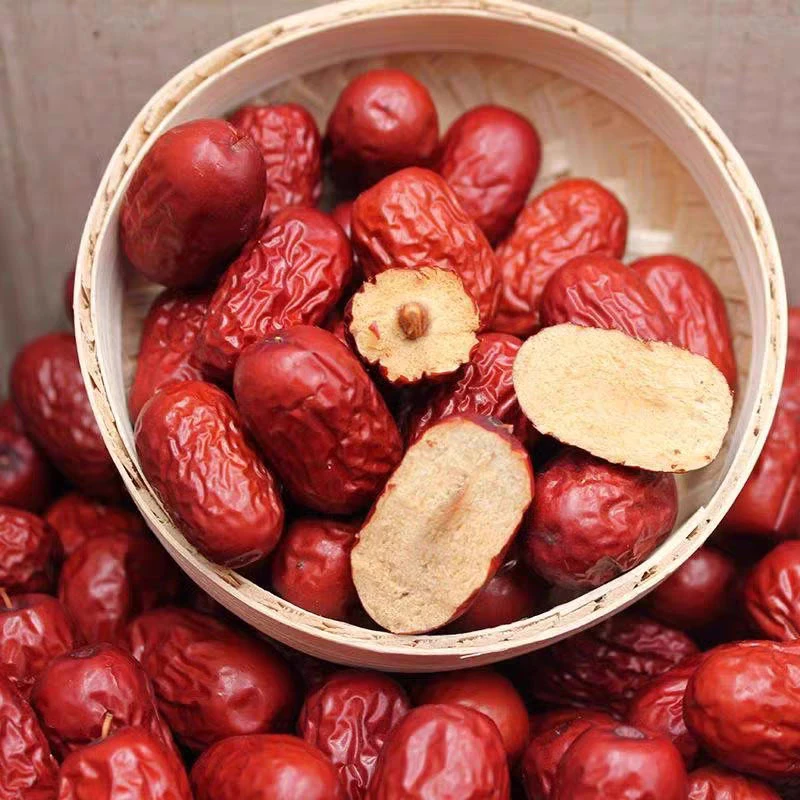
| Size Grade | 8–12 mm diameter | Ideal for supplements and snack packs |
| Moisture Content | 12–15% | Critical for shelf stability |
| Color | Deep reddish-brown | Indicator of ripeness and quality |
| Origin | Xinjiang, China | Preferred for large scale supply |
| Packaging | Vacuum-sealed 5 kg bags | Extends freshness markedly |
In practical terms, the industry looks for these specifications not just because they sound good on paper — the moisture content, particularly, affects whether the dates will mold or lose texture before reaching consumers. I recall one project where a supplier’s batch had inconsistent drying, and the production line had to halt while they sourced replacements.
Vendor Comparison: What Sets Suppliers Apart?
| Feature | Luhua Walnut Co. | Generic Supplier A | Generic Supplier B |
|---|---|---|---|
| Product Consistency | High | Medium | Low |
| Packaging Quality | Vacuum-sealed, durable | Standard plastic bags | Loose bulk packs |
| Traceability | Full batch records | Partial | None |
| Price Competitiveness | Moderate | Low | Low |
| Customer Support | Dedicated & responsive | Standard | Minimal |
From what I've experienced, Luhua Walnut Co. really sets themselves apart with a knowledge of the supply chain that translates into better product consistency. It’s not just fluff: their vacuum-sealed packaging really makes a difference when these dates go through transport and storage. Many engineers I’ve worked with swear by the traceability their batches offer.
And before you think small red dates are “just fruit,” consider this: one mid-sized health supplement company I worked with switched suppliers to Luhua after repeated problems with moisture variation. Their product shelf life improved notably, reducing customer complaints by nearly 30%. That kind of operational impact is exactly why I keep coming back to these practical details.
In closing, if you're in the industrial equipment or processed food sector, and small red dates are part of your ingredient list, take the time to vet your suppliers carefully. Consistency and traceability are worth a bit more investment up front — because when it comes to making batches that scale, you need predictability. I suppose it’s one of those cases where the “little things” really do matter.
Stay tuned for more insights from the intersection of raw materials and industry. Sometimes the best stories come from unexpected places...
References:
1. Industry reports on jujube cultivation and quality control
2. Supplier audits and batch testing protocols
3. Customer feedback case studies from health supplement manufacturers
Post time:Dec . 03, 2025 18:16