Analyzing the Current Price of Walnuts: A Market Guide
For wholesalers, retailers, and health-conscious consumers, staying updated on the current price of walnuts is essential for making informed purchasing decisions. The walnut market is dynamic, influenced by harvest yields, global demand, and logistics costs. Whether you are sourcing bulk quantities for production or looking for premium kernels for retail, understanding the price drivers helps in securing the best value. In this guide, we will explore the factors affecting costs and provide a detailed breakdown of market trends to help you navigate the procurement process efficiently.

Factors Influencing the Current Price of Walnuts
Several interconnected variables determine the current price of walnuts. Firstly, climatic conditions play a pivotal role; unexpected frosts or droughts in key growing regions like California or China can slash yields, driving prices upward. Secondly, global shipping costs and container availability significantly impact the landed cost for international buyers. Additionally, the rising trend of plant-based diets has increased the steady demand for omega-3 rich nuts, creating a bullish trend in the commodity market. Understanding these triggers allows buyers to hedge their risks and time their orders during harvest peaks when prices typically dip.
Market Tip: Buying in bulk during the immediate post-harvest window often yields the most competitive pricing, as suppliers look to move inventory quickly to maintain freshness.
Comparing Walnut Grades and Their Price Points
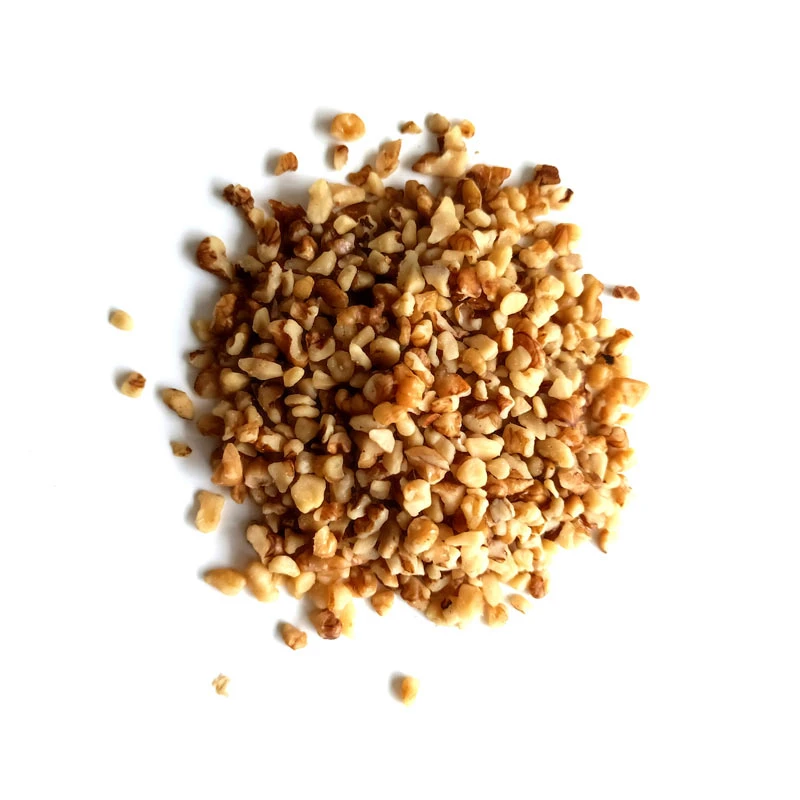
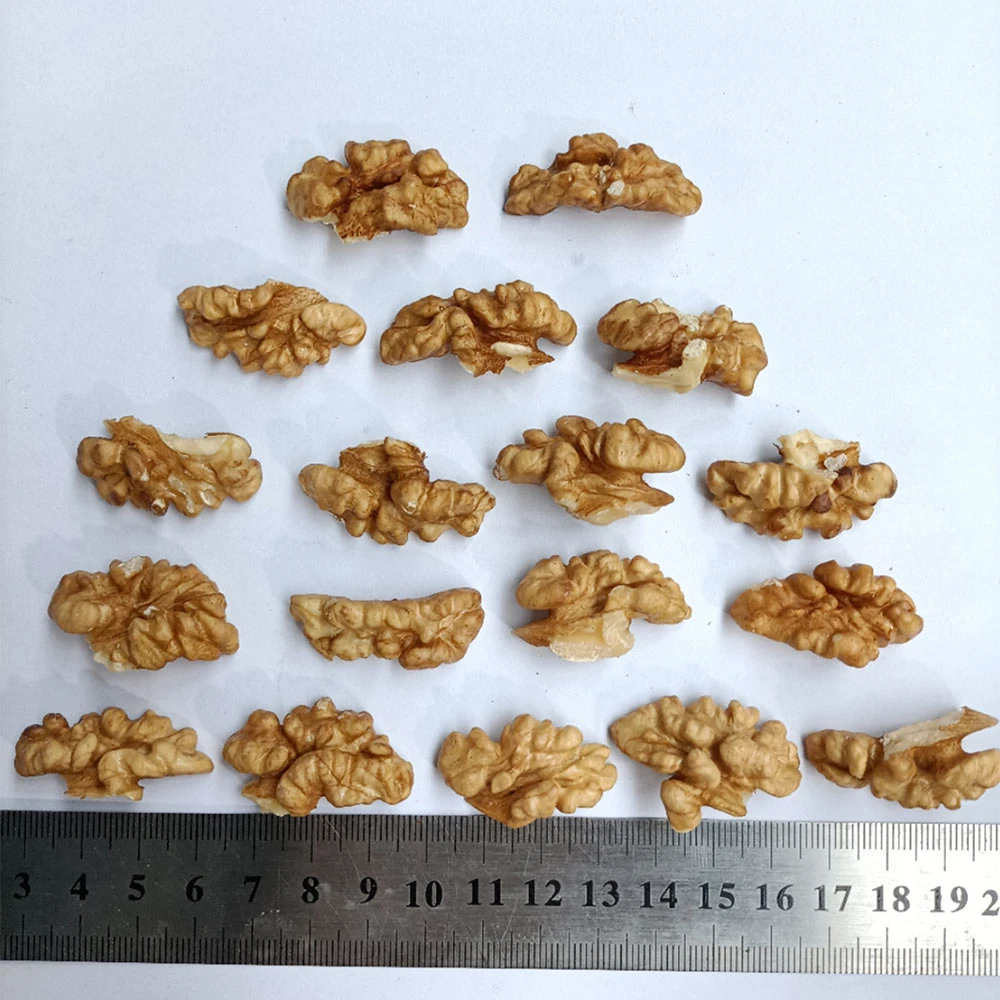
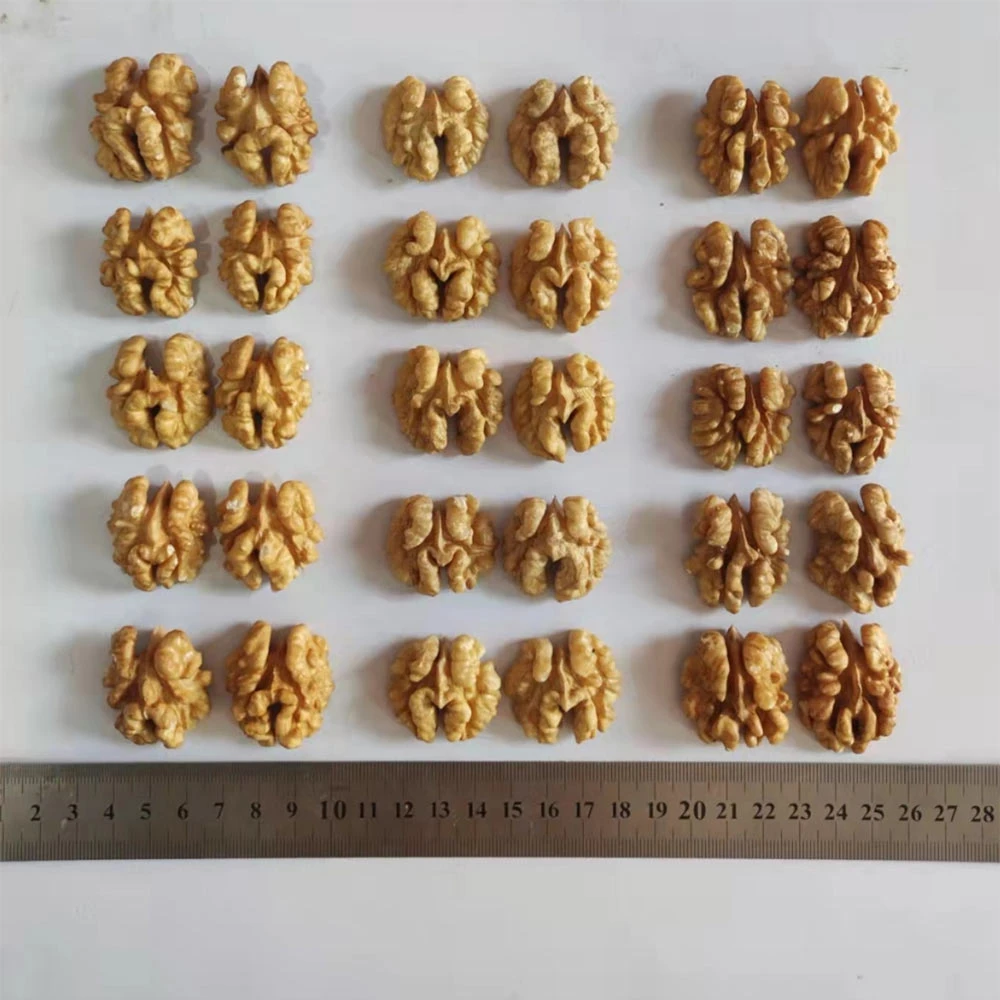
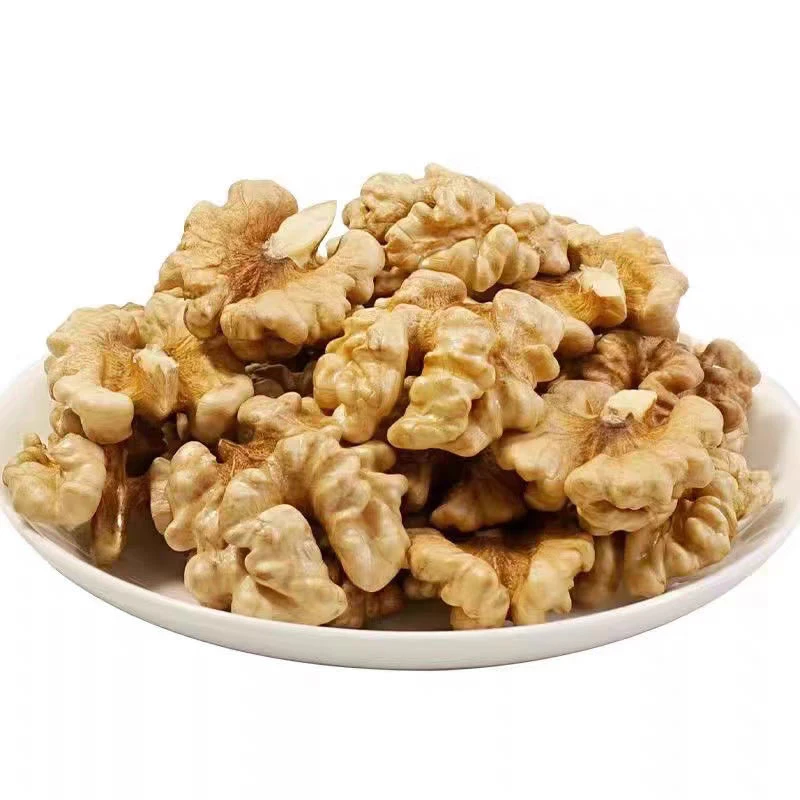
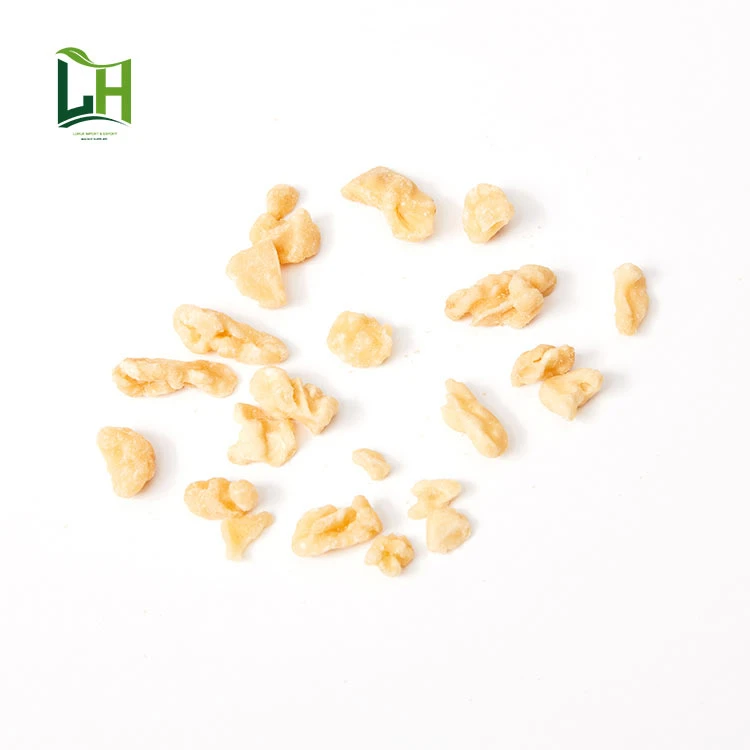
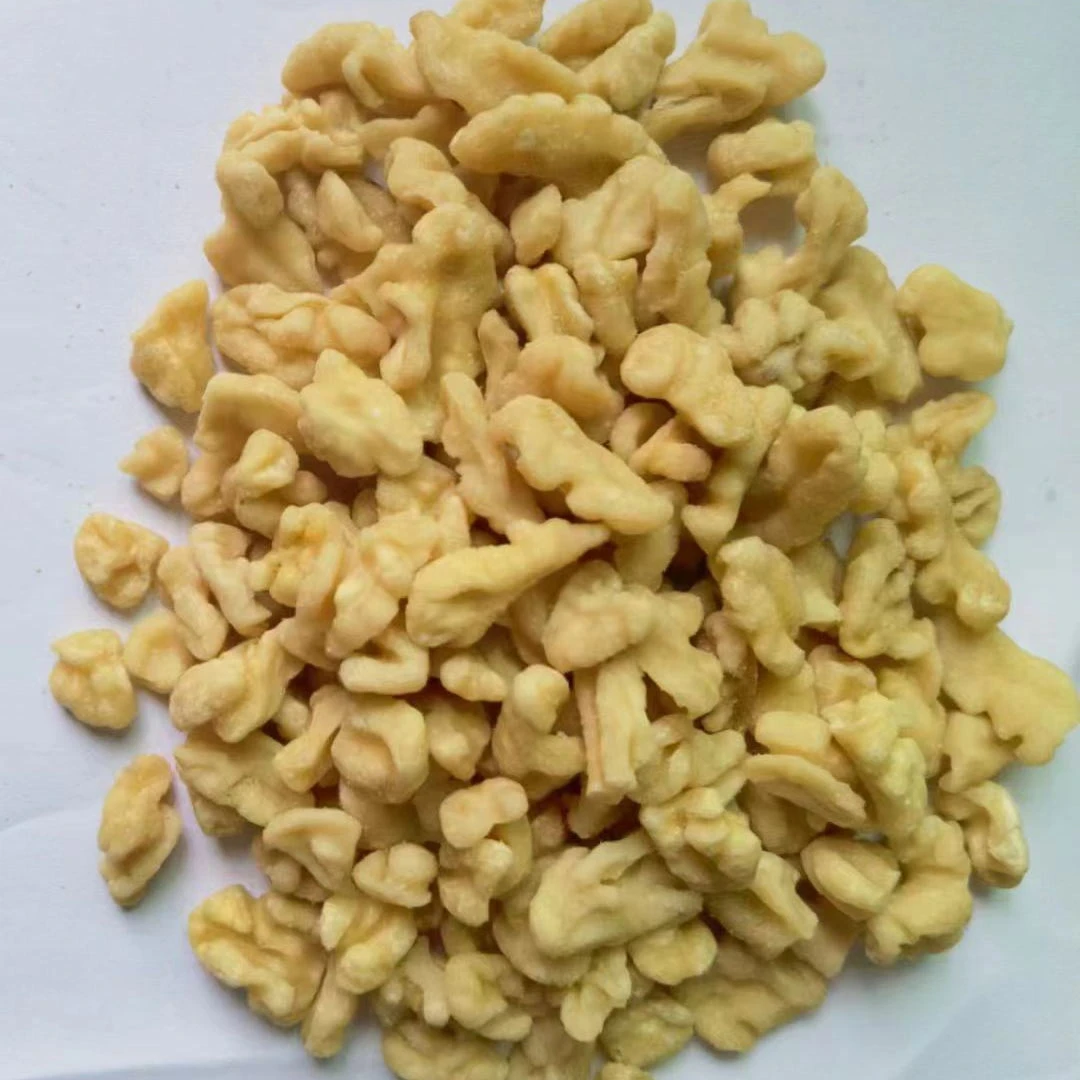
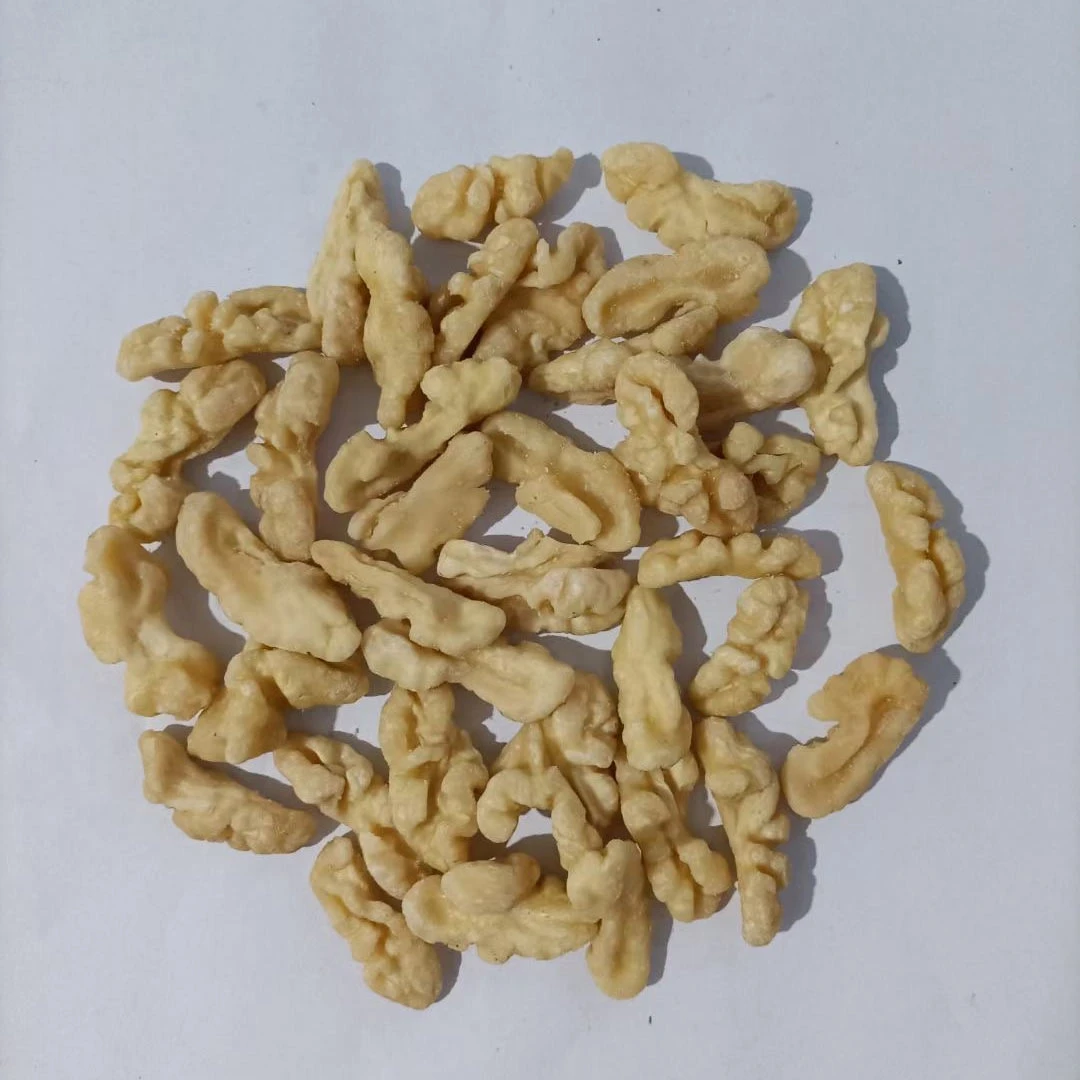
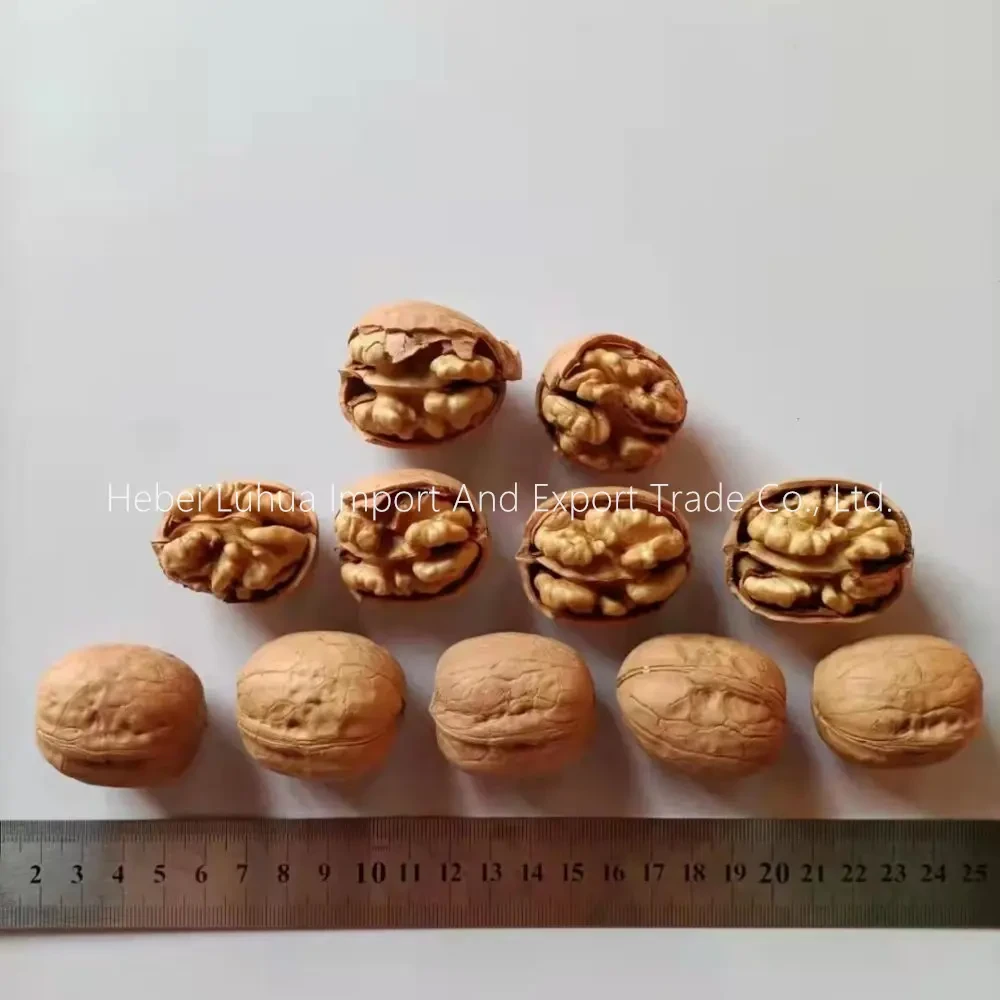
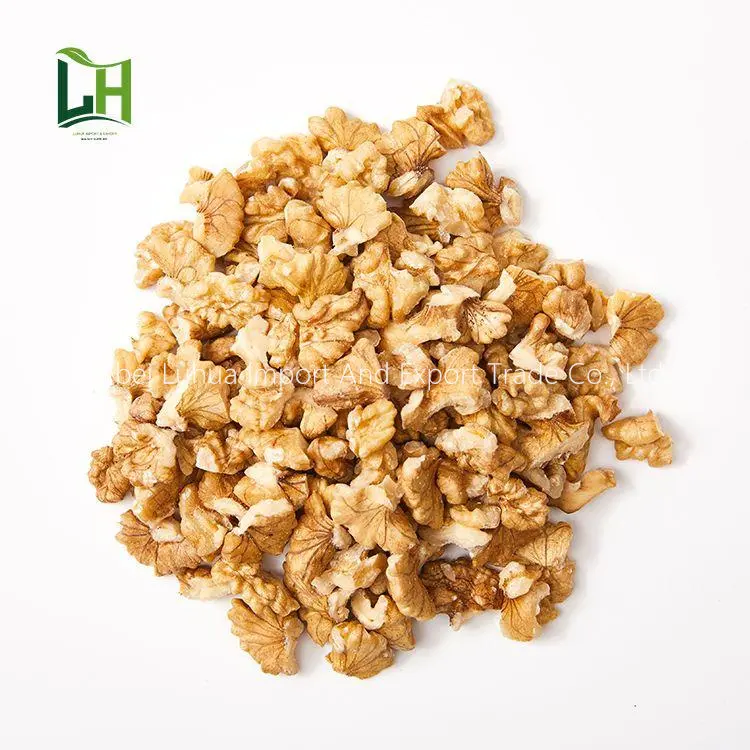
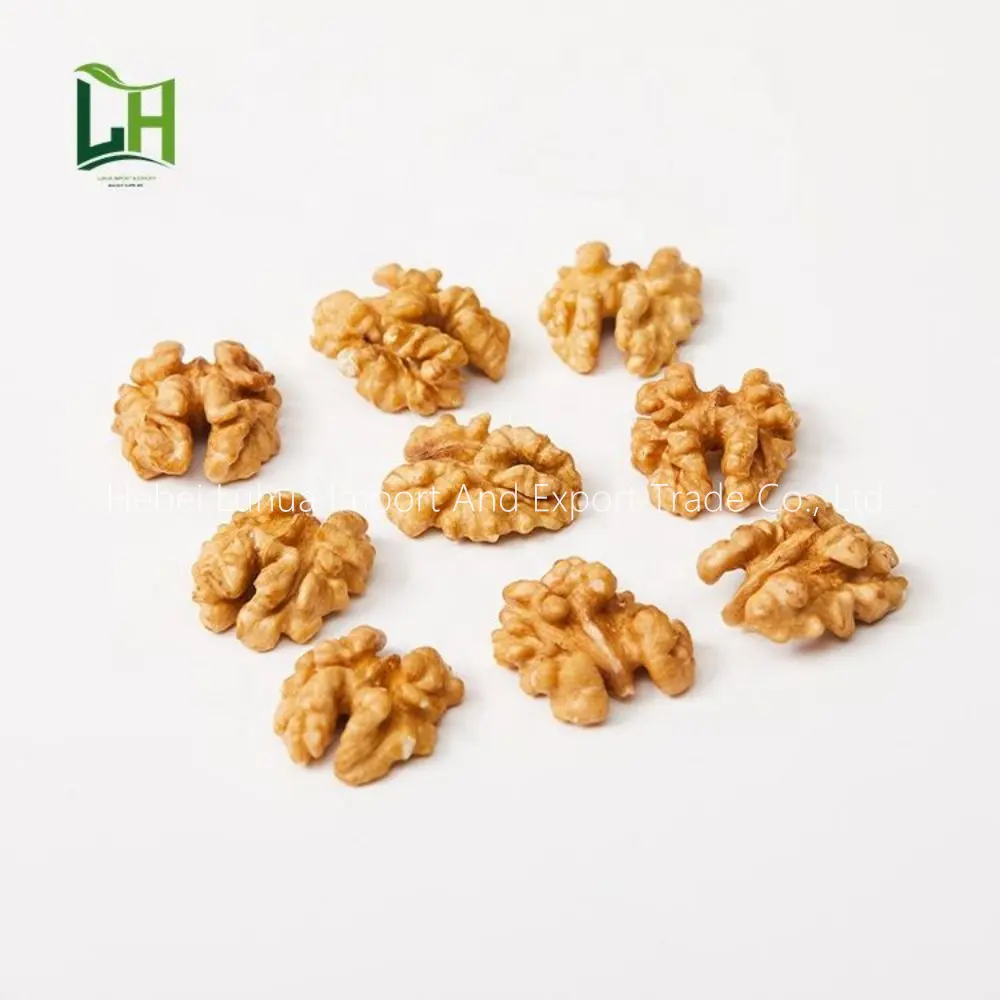
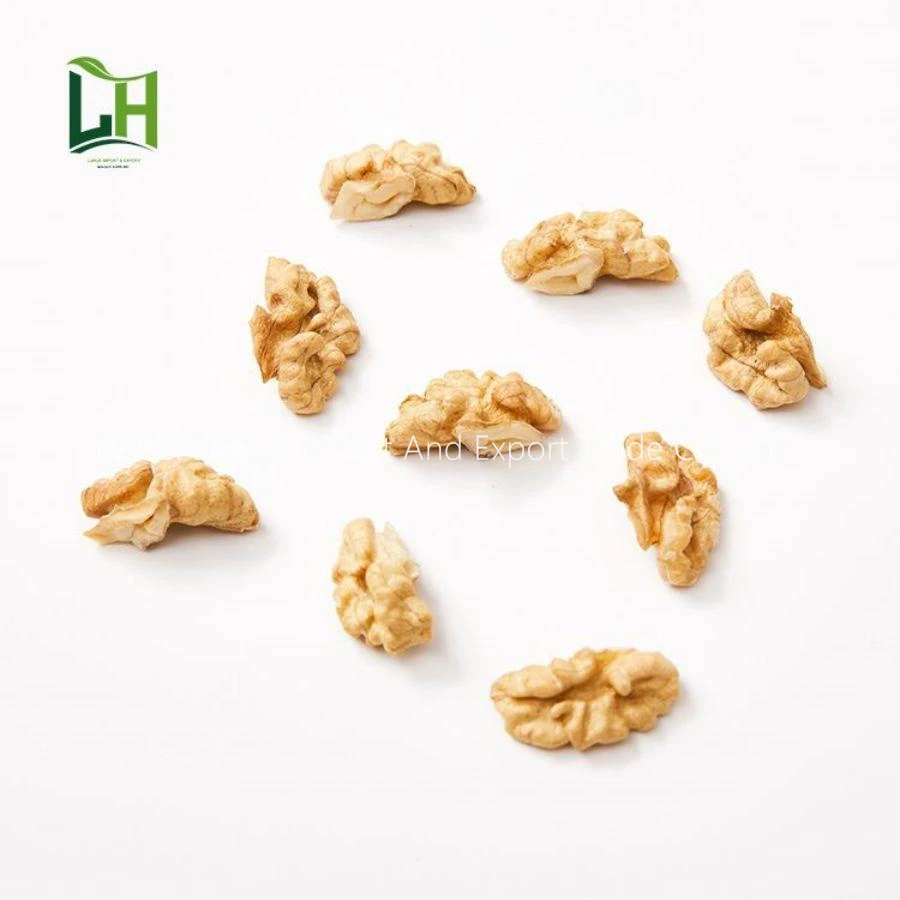
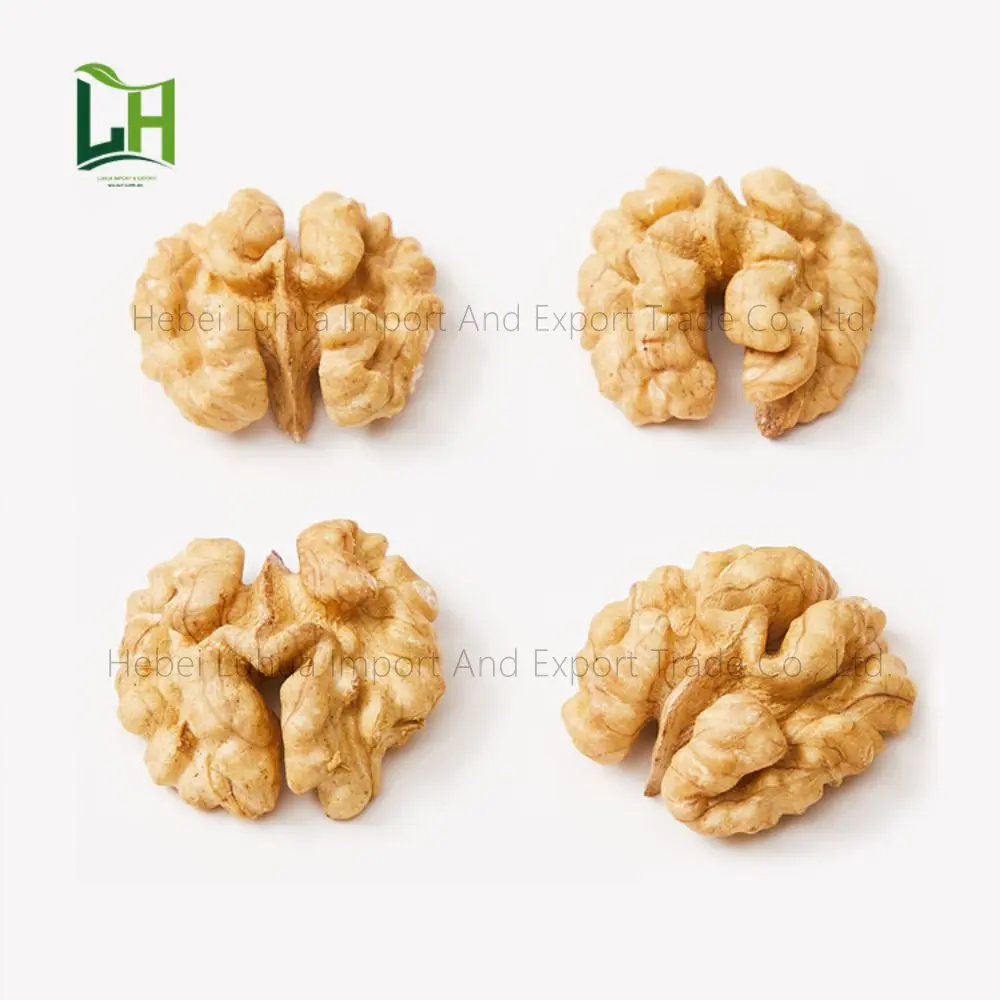
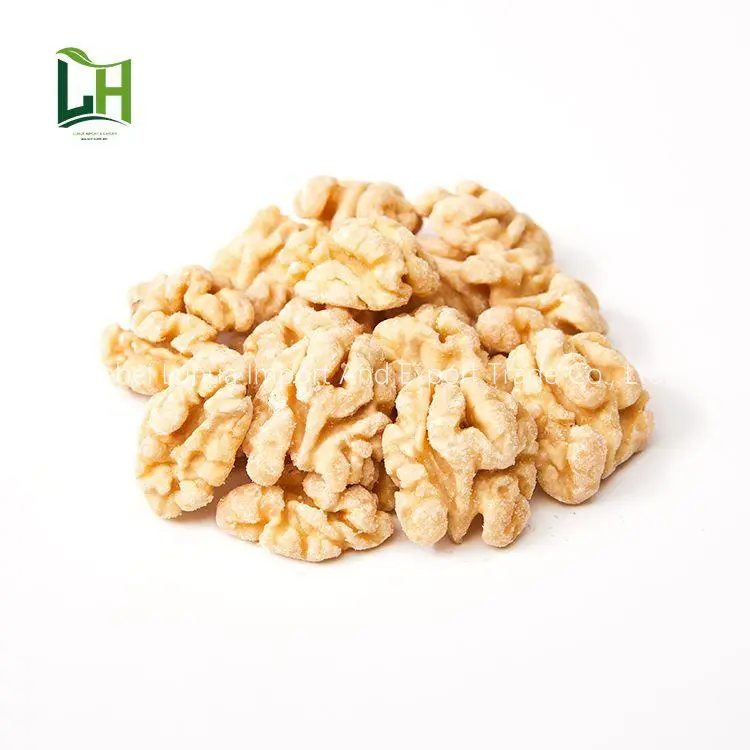
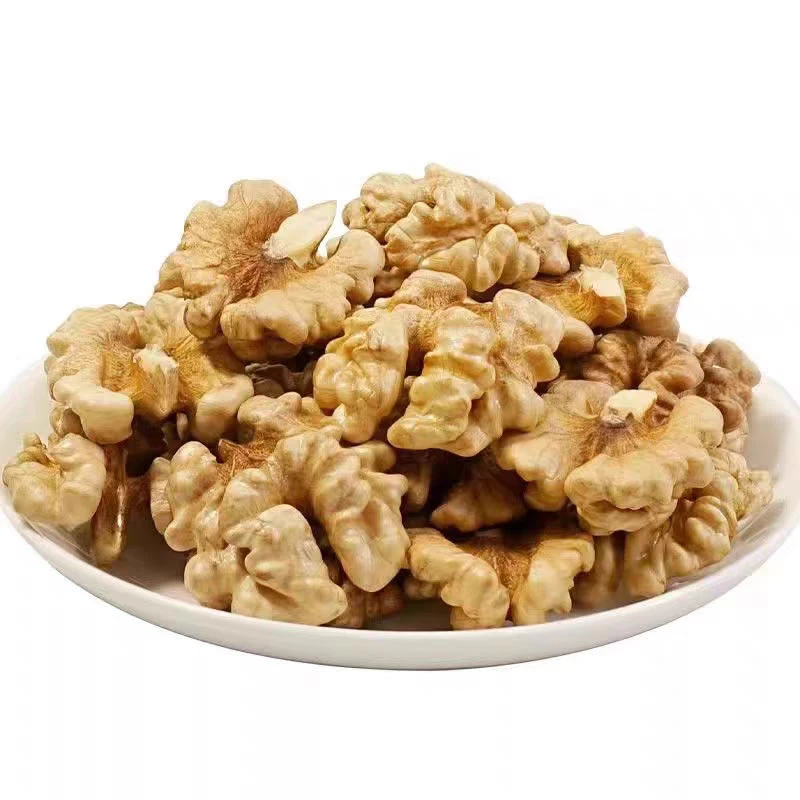
Not all walnuts are priced equally. The current price of walnuts varies based on the "grade" or "size" of the kernel. For instance, "Extra Light" halves command a premium due to their appealing color and taste, whereas "Pieces" or "Granules" are more affordable and typically used in baking and confectionery. The purity of the kernel and the absence of defects also play a role in the final quotation. Below is a comparison to help you distinguish between common market grades.
Seasonal Trends and the Current Price of Walnuts
The walnut market follows a distinct seasonal cycle. Typically, prices are most volatile just before the harvest season due to speculation. Once the new crop hits the market, the current price of walnuts often stabilizes or drops slightly. However, as we approach the winter holiday season, demand for baking ingredients surges, which can lead to a temporary price hike. Professional buyers often use "forward contracts" to lock in prices months in advance, protecting themselves from these seasonal fluctuations and ensuring a steady supply of high-quality nuts.

How to Source Walnuts at Competitive Prices
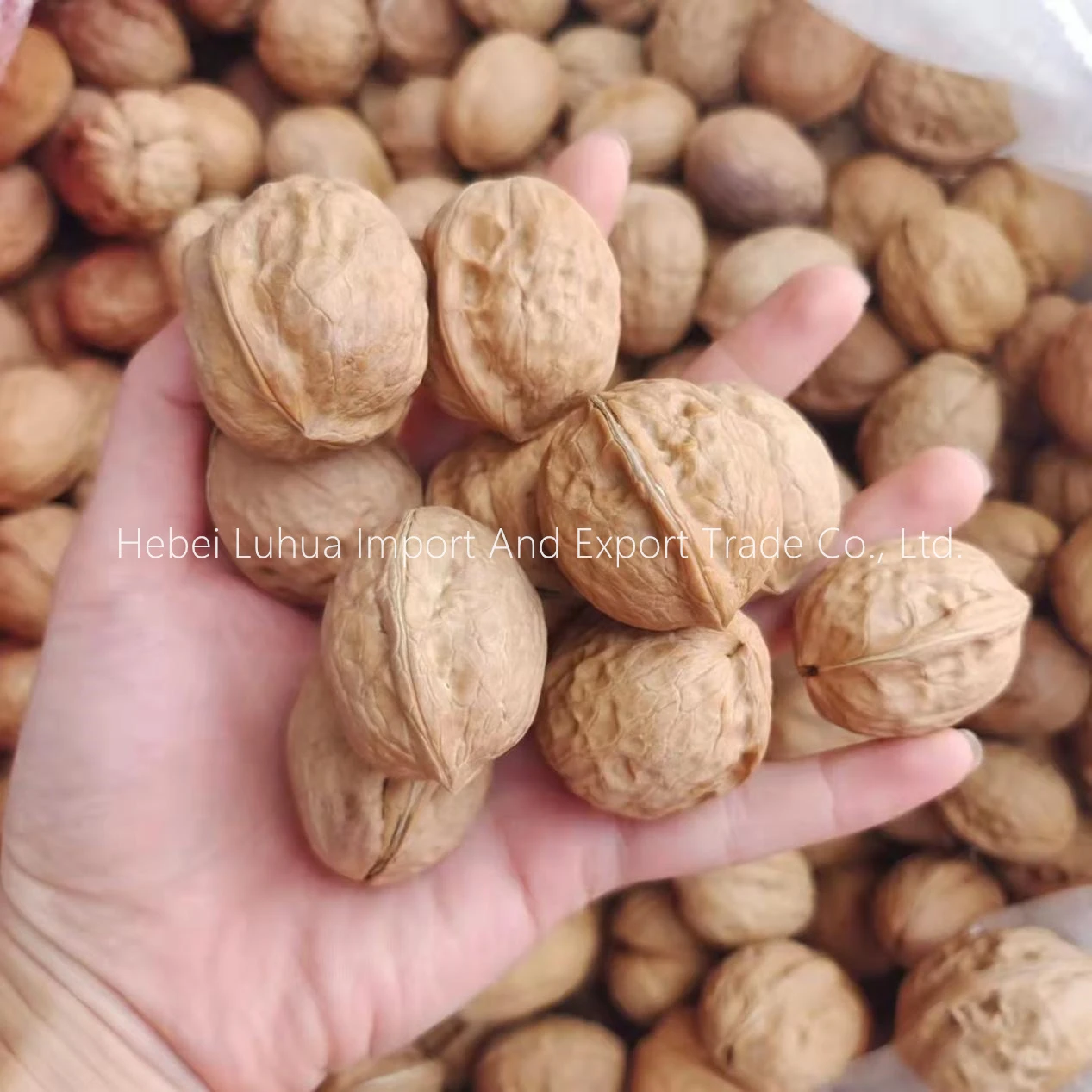
To obtain the best current price of walnuts, it is critical to source directly from reputable producers or primary exporters. Middlemen often add significant markups that can erode your profit margins. When evaluating a supplier, consider not only the price per ton but also the Certificate of Analysis (COA), moisture content, and packaging standards. Vacuum packaging, for instance, may increase the initial cost but prevents rancidity, reducing waste and lowering the long-term cost of ownership. Always request a current price list and a sample before committing to a large-scale shipment.
Walnut Product Specifications and Pricing Metrics
Understanding technical specifications is the only way to accurately judge if the current price of walnuts is fair. For example, a kernel with 4% moisture will be priced higher than one with 7% because it has a longer shelf life. Additionally, "Chandler" walnuts are often priced differently than "Howard" varieties due to their larger size and higher oil content. The following table outlines the standard specifications typically used in industrial pricing quotes.
The Future Outlook of Walnut Market Prices
Looking ahead, the current price of walnuts is expected to remain stable with slight upward pressure. Increased automation in harvesting and processing is helping farmers lower operational costs, which may offset some of the inflation in labor and transport. However, the growing global awareness of heart health is expanding the consumer base in Asia and Africa, which will likely keep demand high. For those in the trade, focusing on organic and sustainably sourced walnuts can open new high-margin markets, moving beyond simple commodity pricing into the "specialty food" category.
Conclusion: Navigating Walnut Procurement
Understanding the current price of walnuts requires a holistic view of agriculture, logistics, and consumer trends. By differentiating between grades and monitoring seasonal cycles, businesses can optimize their procurement strategies and ensure they receive premium quality at a fair price. Whether you are looking for bulk kernels or in-shell options, partnering with a transparent supplier is the key to long-term success in the nut industry. Stay informed, buy strategically, and prioritize quality to maintain a competitive edge in the market.
Frequently Asked Questions (FAQs)
Why does the current price of walnuts fluctuate so often?
Walnut prices fluctuate primarily due to the nature of agricultural production. Since walnuts are seasonal, the supply is concentrated in a few months of the year. Any disruption in this window—such as extreme weather, pests, or political instability in exporting countries—immediately creates a supply shock. Additionally, as a traded commodity, walnut prices are influenced by currency exchange rates (especially the USD) and changes in global shipping costs, making the market highly sensitive to macroeconomic shifts.
Which walnut grade offers the best value for money?
The "best value" depends entirely on your end-use. If you are selling premium snacks or using them for gourmet garnishes, "Extra Light Halves" provide the highest perceived value for the consumer. However, for industrial food production, such as making walnut oil, pesto, or cakes, "Light Pieces" or "Granules" are the most cost-effective choice. They contain the same nutritional profile and flavor as halves but at a significantly lower price point, allowing you to reduce production costs without sacrificing quality.
How can I verify if a supplier's price is fair?
To verify pricing, you should first request a detailed specification sheet that includes the variety, grade, moisture level, and origin. Compare these details with current market benchmarks from industry reports or other reputable exporters. Be wary of prices that are "too good to be true," as they often indicate lower-grade kernels, high moisture content, or old stock that may be near rancidity. A fair price is one that balances the quality of the product with the current global supply-demand ratio.
Does the origin of the walnuts affect the price?
Yes, origin significantly impacts price. For example, California walnuts are often seen as the global gold standard for consistency and size, often commanding a premium. Chinese walnuts may vary in price based on the specific region and processing method. Origin affects not only the flavor and size but also the regulatory requirements and tariffs associated with importing. To get the most accurate current price of walnuts, always specify the origin you require.
Post time:Jun . 21, 2026 05:10