Understanding the Walnut 250 Gram Price: A Buyer's Guide
When searching for the perfect balance of health and value, many consumers look for a convenient packaging size. The walnut 250 gram price is a key benchmark for those who want fresh, premium nuts without committing to bulk quantities. Whether you are a health enthusiast or a culinary professional, understanding what influences the cost of a 250g pack helps in making an informed purchase. From the variety of the walnut to the processing methods, several factors dictate the final market price. In this guide, we will explore everything from pricing trends to quality indicators to ensure you get the best value for your money.

Factors Influencing the Walnut 250 Gram Price
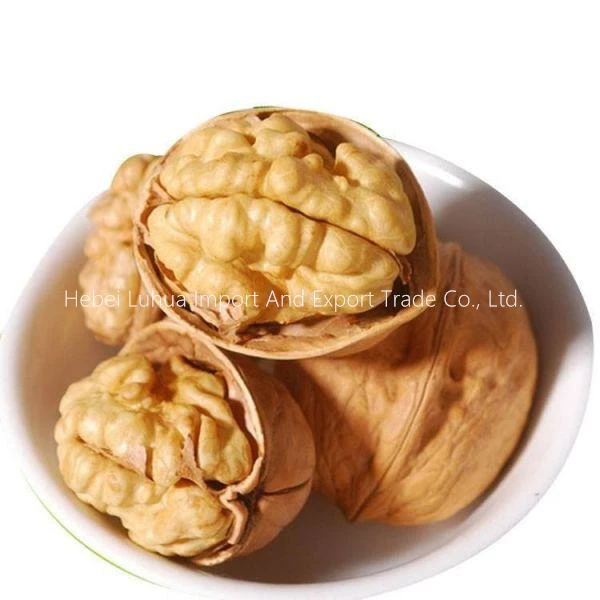
The walnut 250 gram price is not static; it fluctuates based on several global and local variables. First, the origin of the crop plays a massive role; walnuts from high-altitude regions often command a premium due to their richer flavor profiles. Second, the grade of the kernel—ranging from light-colored halves to smaller pieces—significantly affects the cost. Premium halves are more expensive than crushed walnuts. Additionally, the type of packaging, such as vacuum-sealed pouches versus plastic tubs, adds to the overhead. Understanding these variables allows buyers to distinguish between a "cheap" product and a "value" product.
Price Driver Summary: Crop yield, Kernel Grade (Halves vs. Pieces), Packaging Quality, and Organic Certification are the primary drivers of the retail cost per 250g.
Comparing Quality Grades and Market Costs
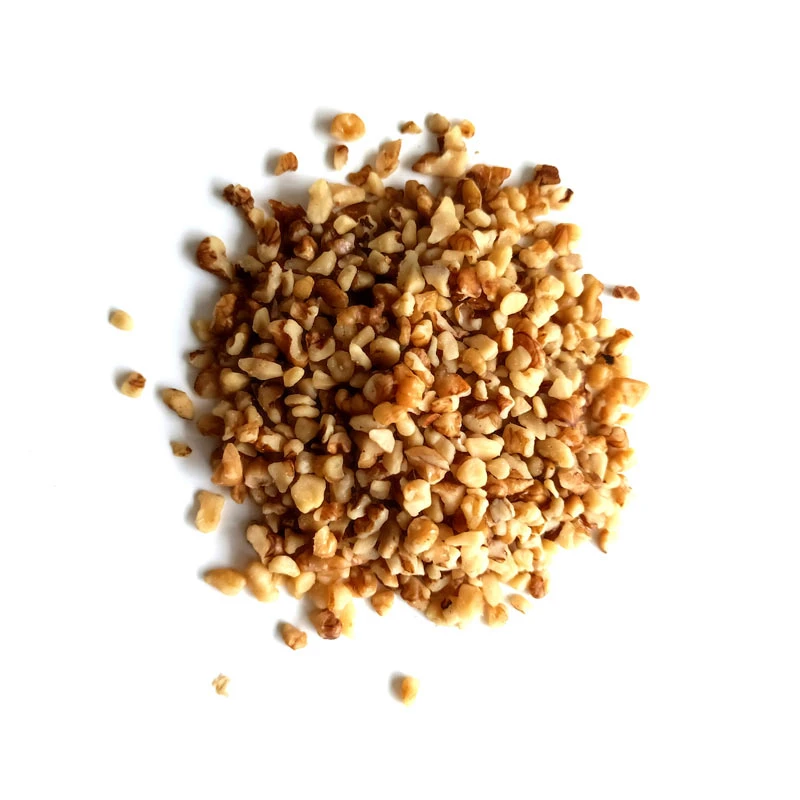
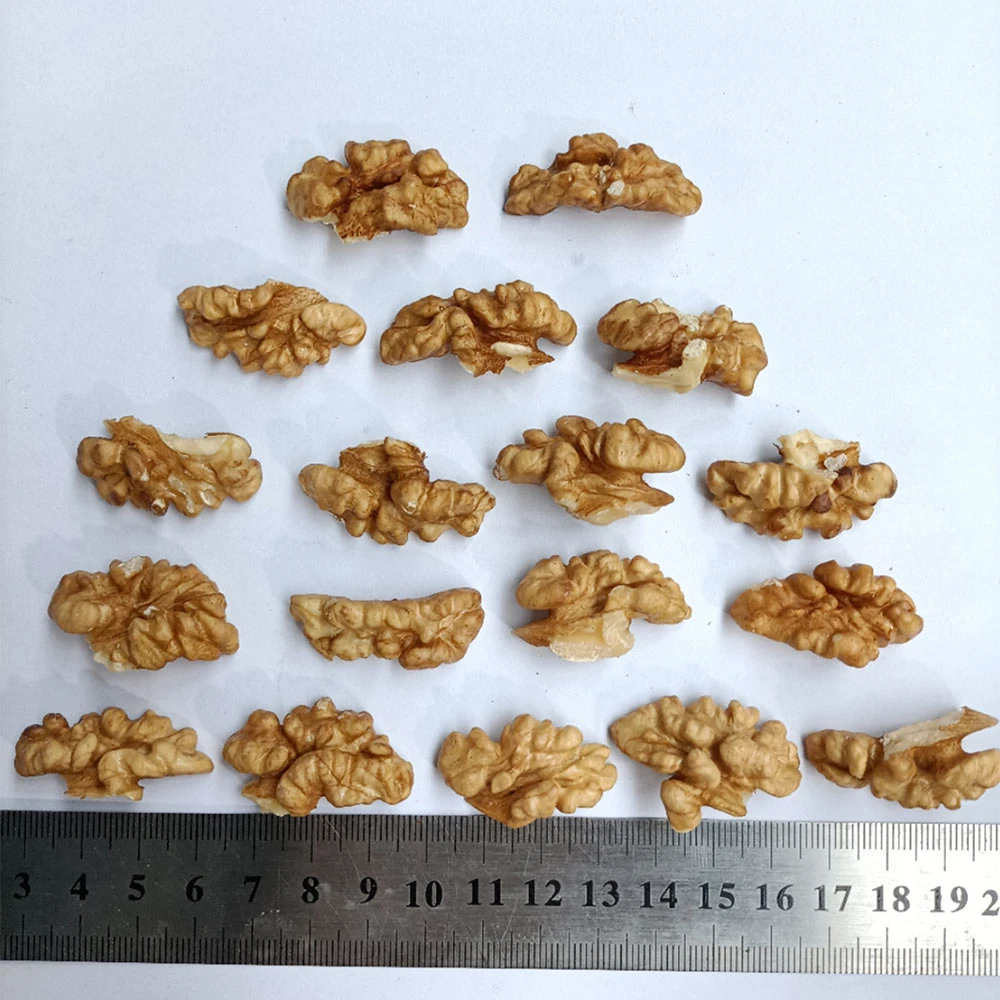
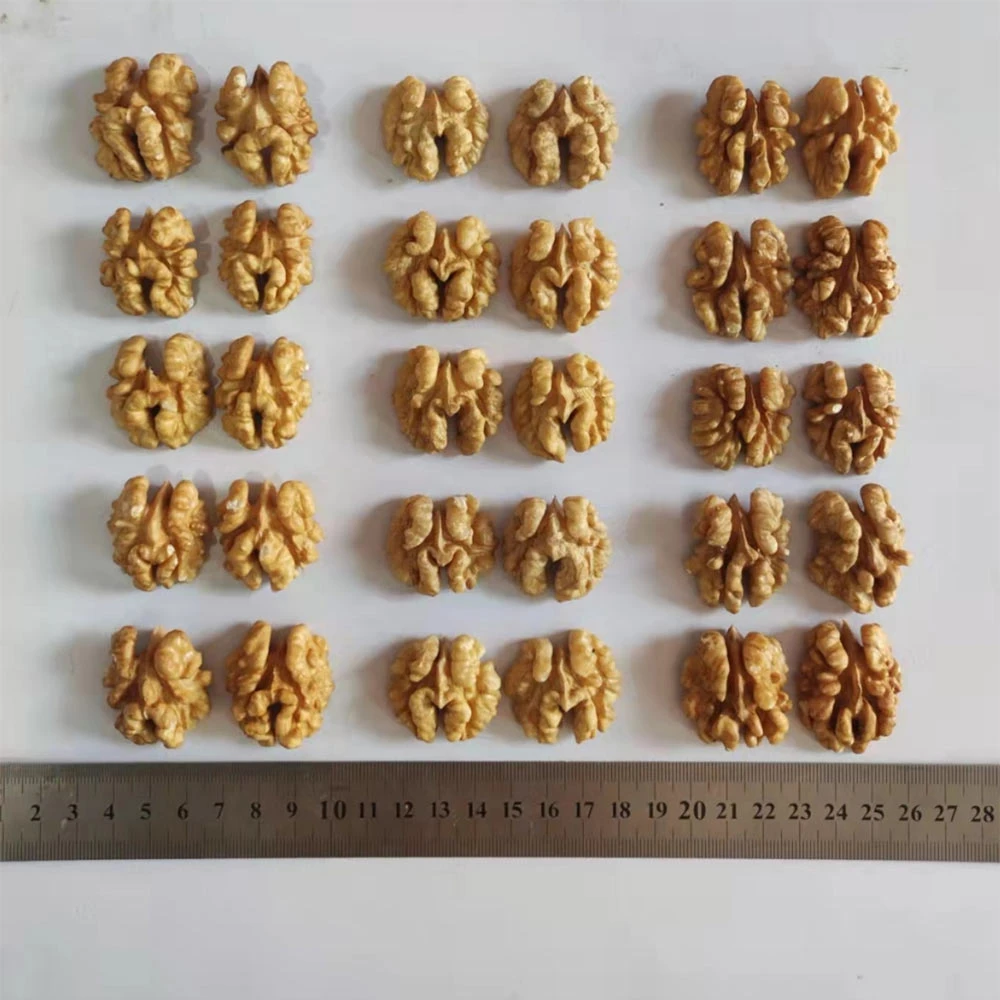
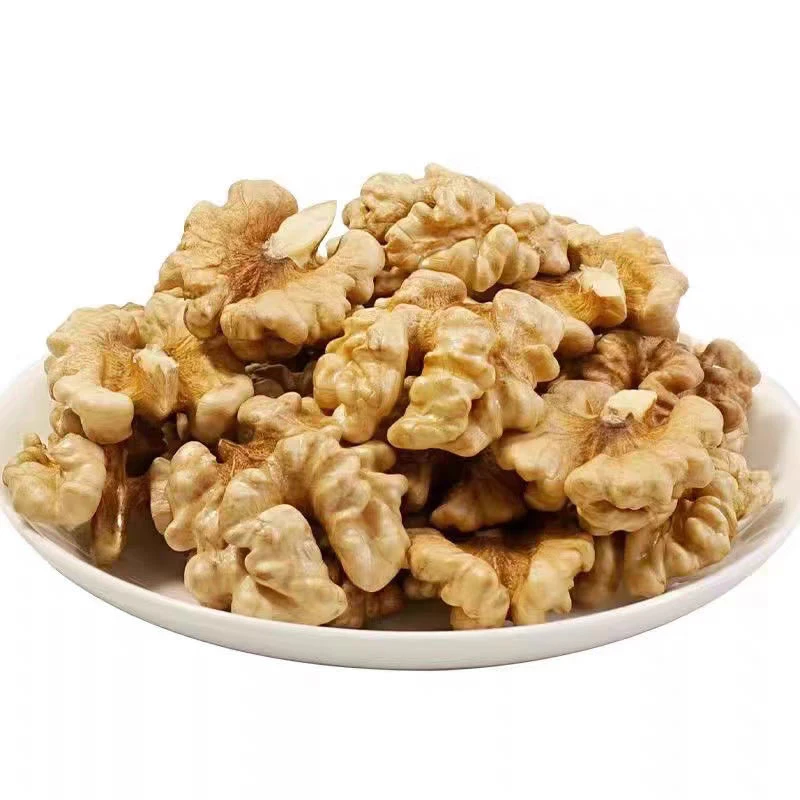
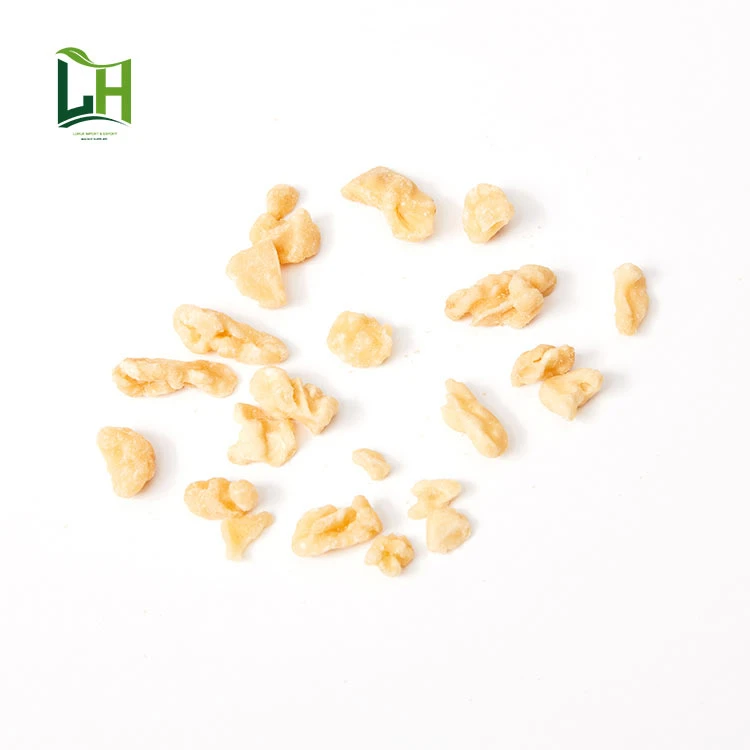
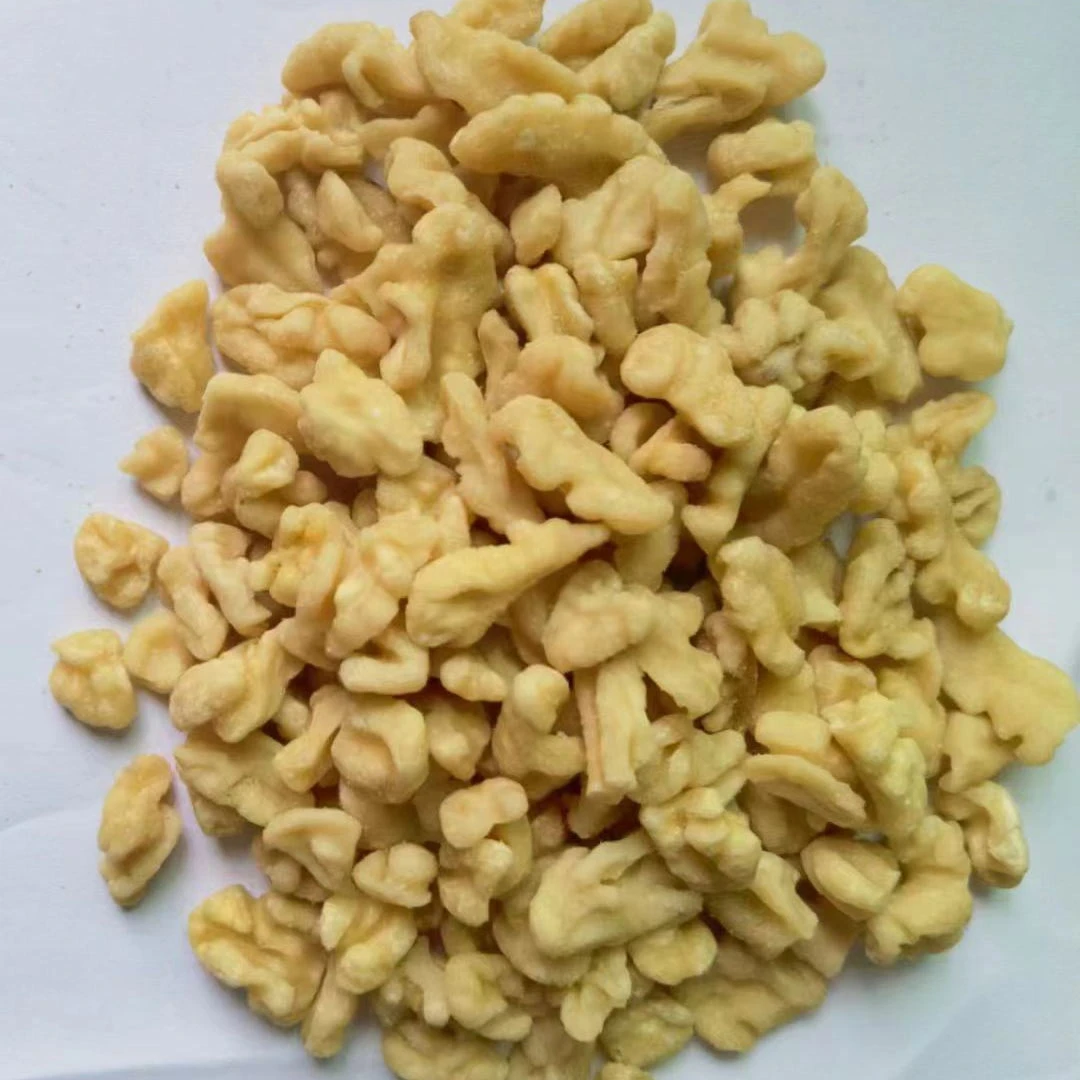
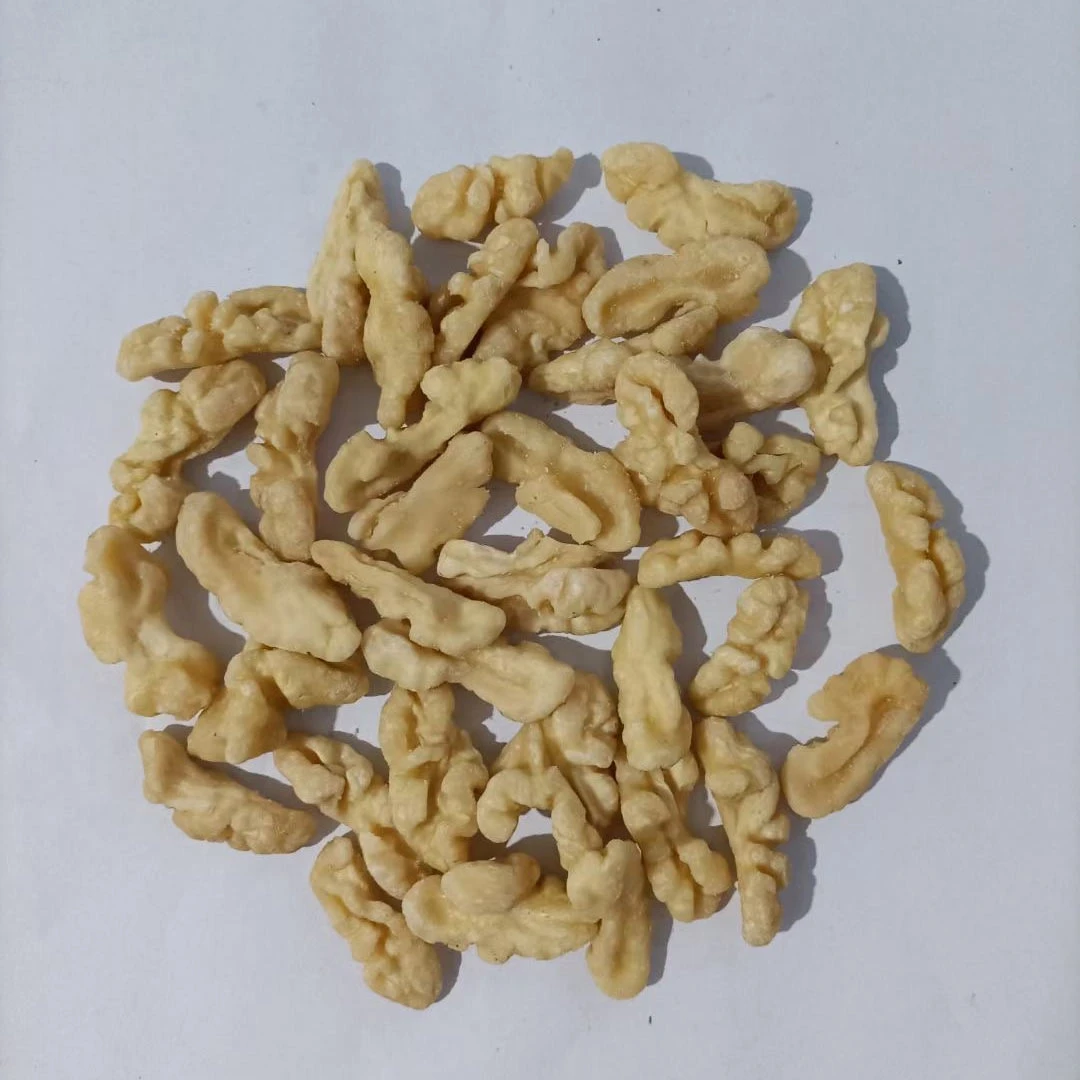
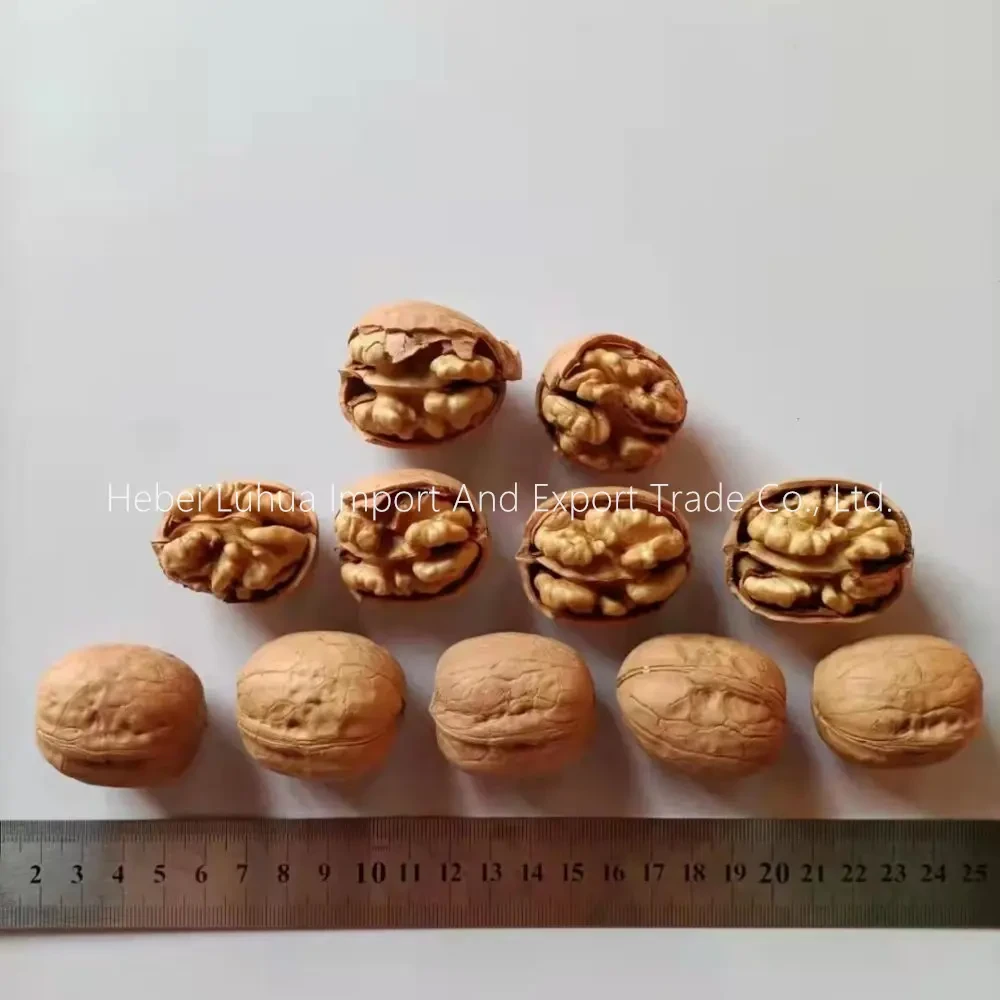
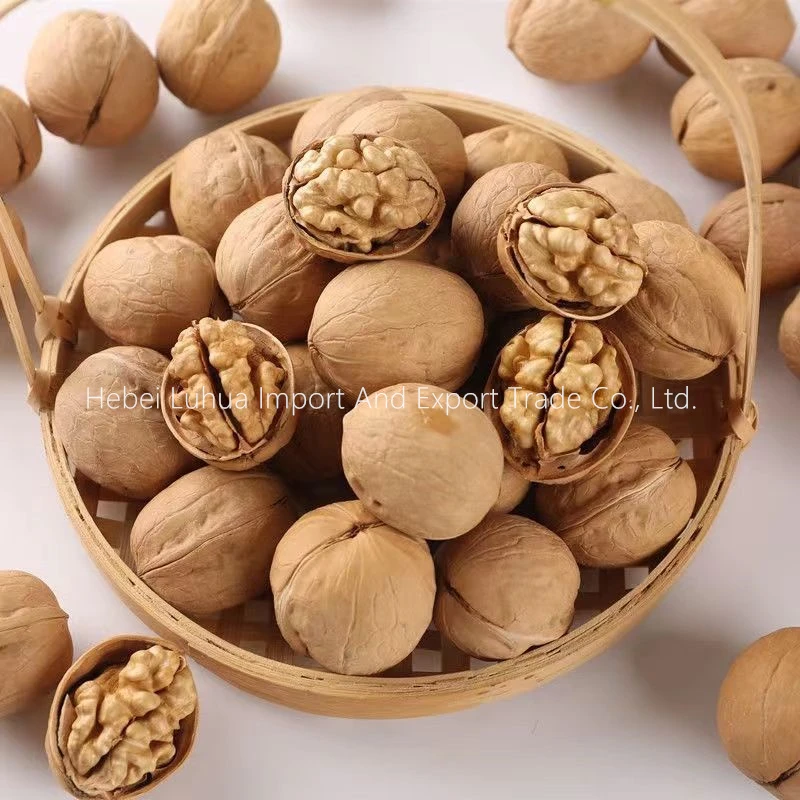
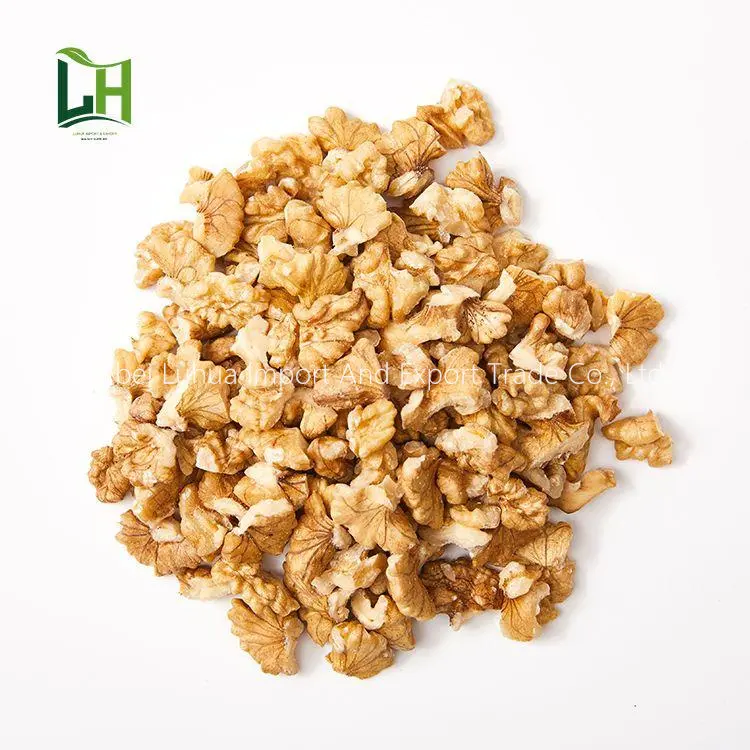
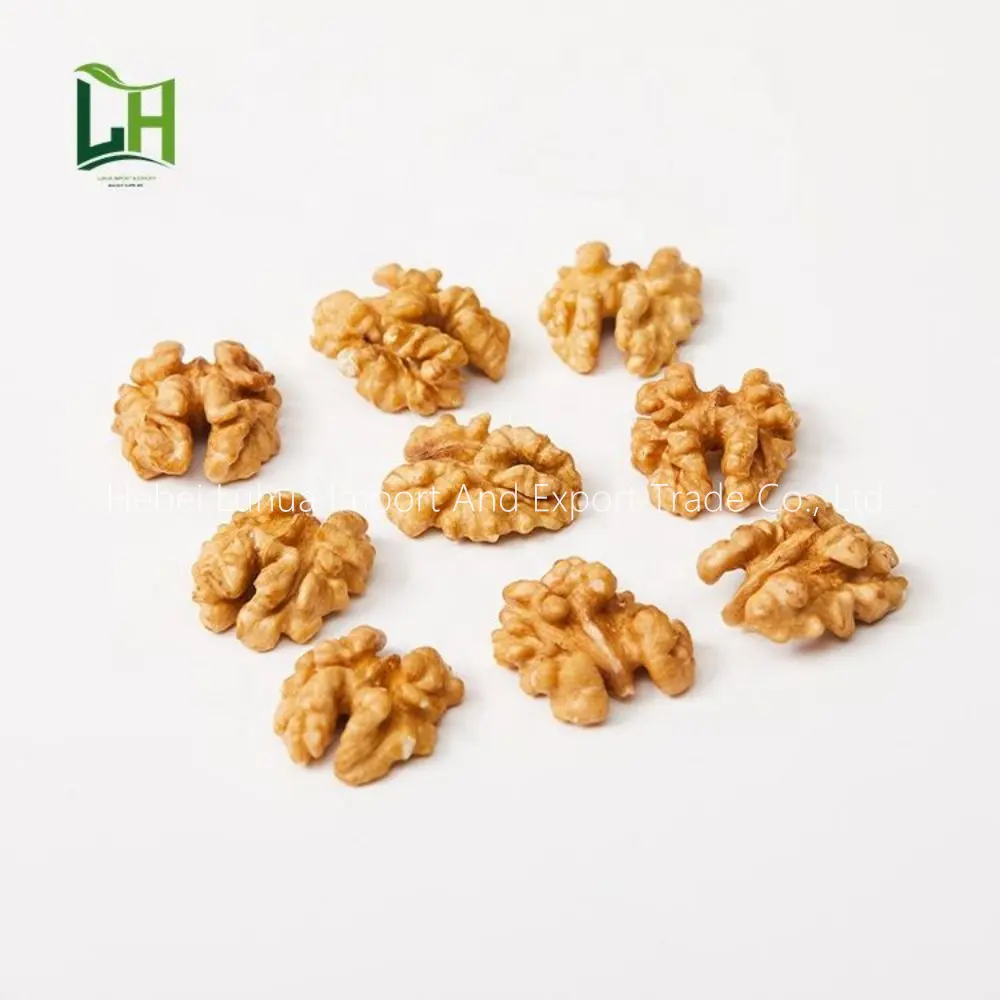
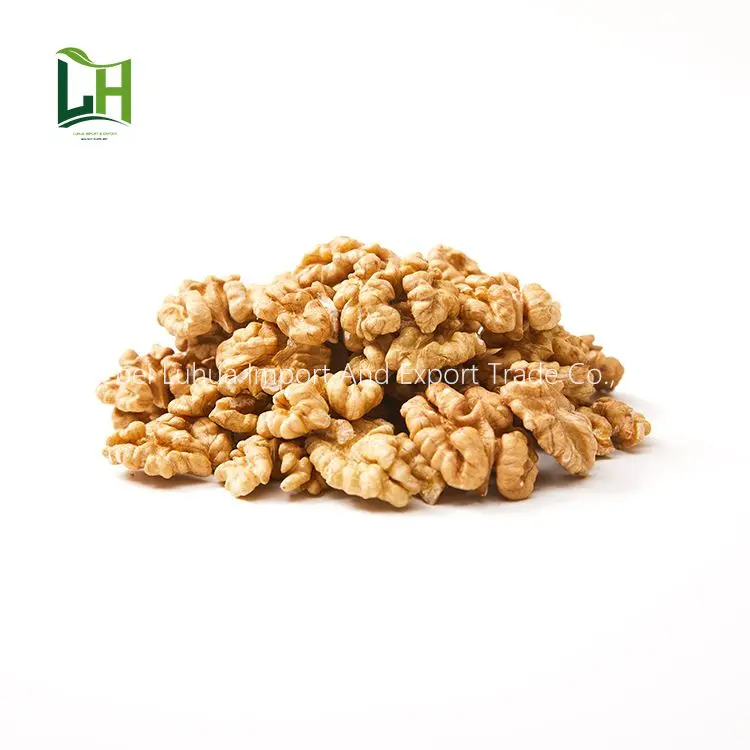
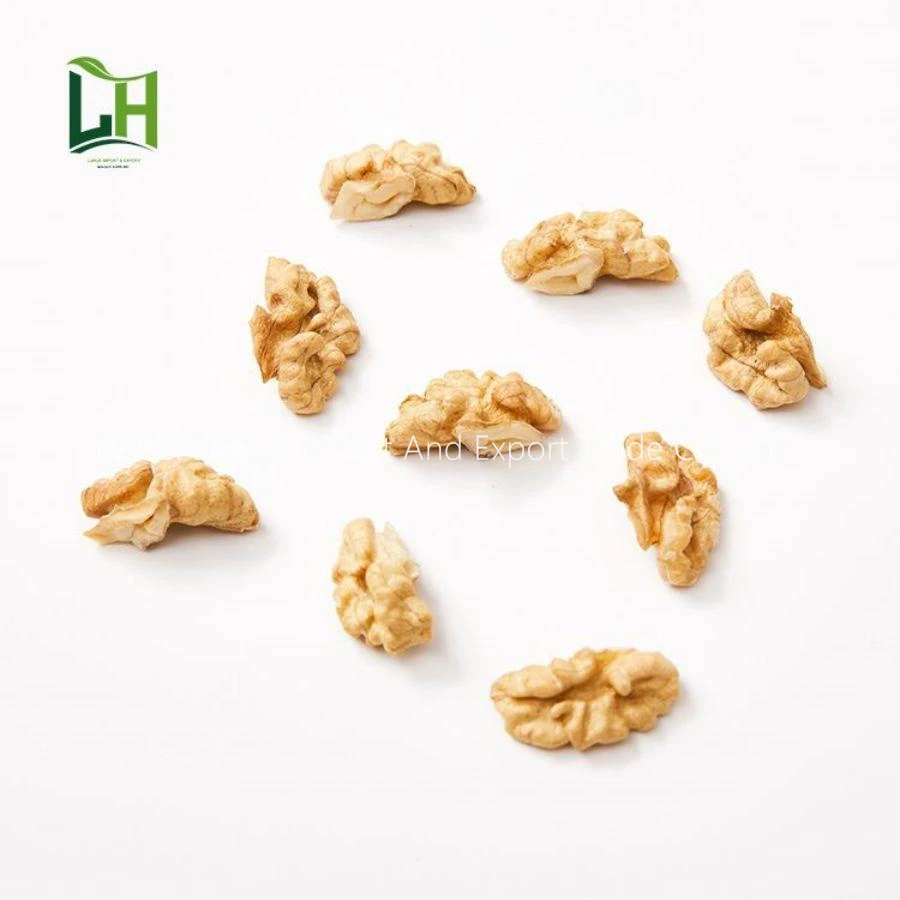
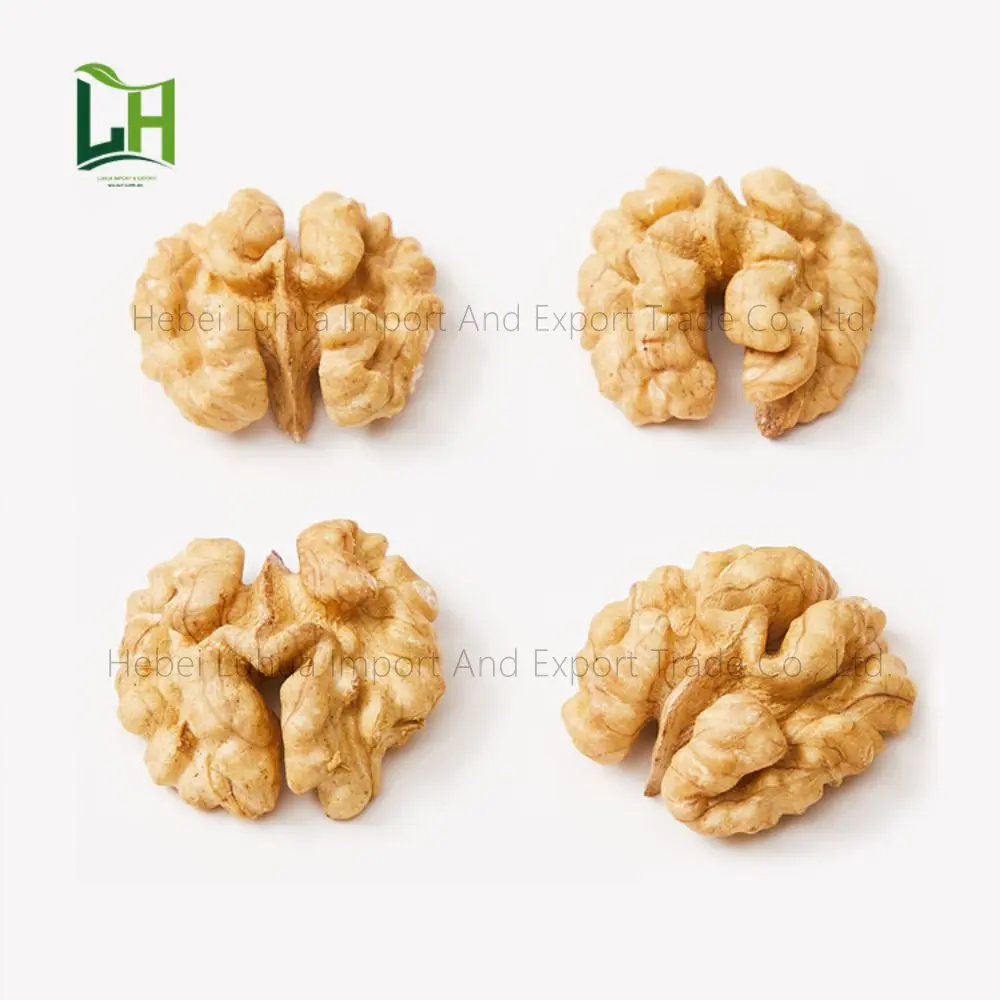
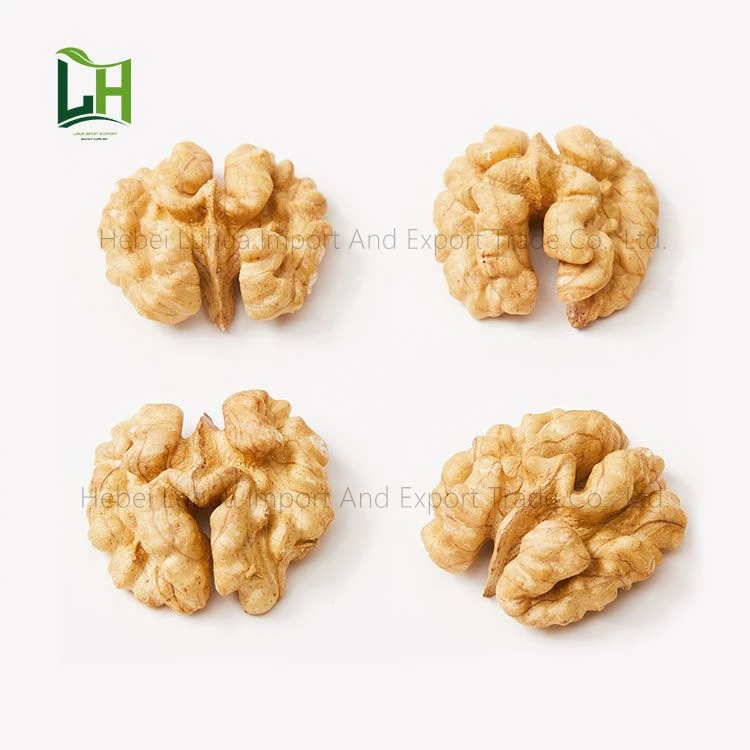
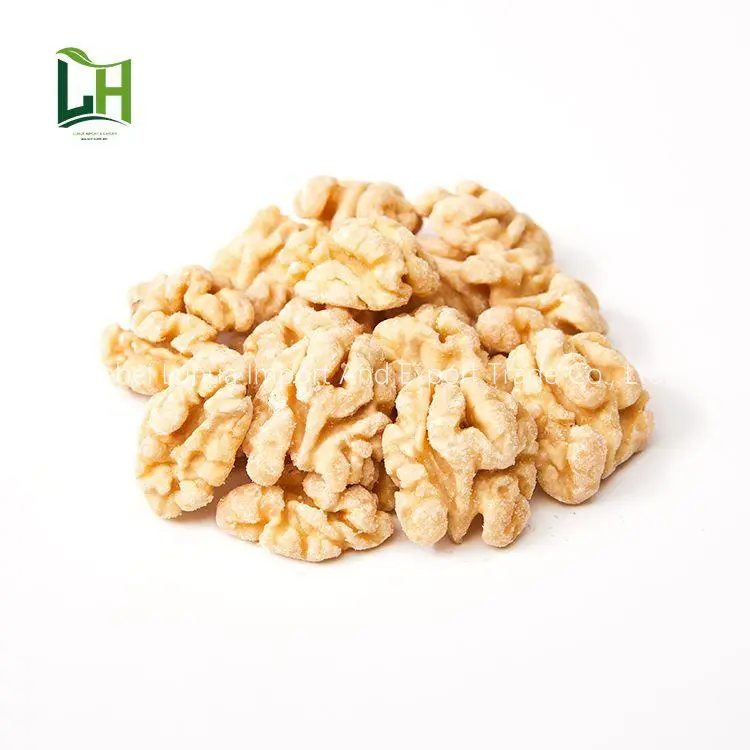
Not all walnuts are created equal. When analyzing the walnut 250 gram price, it is essential to compare the "Grade" of the nut. Extra-light halves are the gold standard, offering a mild taste and beautiful appearance, whereas amber-colored kernels may have a stronger, more bitter flavor. For those buying for baking, smaller pieces are more cost-effective, whereas those using them for salads or snacking prefer the premium halves. Below is a detailed comparison of how different grades impact the price point for a standard 250g pack.
Health Benefits Justifying the Cost
While consumers often focus on the walnut 250 gram price, it is important to view this as an investment in health. Walnuts are powerhouses of Omega-3 fatty acids, specifically alpha-linolenic acid (ALA), which is essential for brain health and reducing inflammation. A 250g pack provides a sustainable amount for a few weeks of daily consumption, offering a rich source of antioxidants and vitamins. When you compare the cost of a handful of walnuts to the cost of processed snacks, the value proposition becomes clear. Choosing a high-quality supplier ensures that these nutrients are preserved through proper drying and storage.

How to Store Your 250g Walnut Pack for Longevity
To maximize the value of the walnut 250 gram price you paid, proper storage is non-negotiable. Because walnuts have a high oil content, they are prone to oxidation, which leads to rancidity. To keep them fresh, we recommend transferring them to an airtight glass container immediately after opening. For long-term preservation, storing them in the refrigerator or freezer can extend their shelf life from a few months to nearly a year. Avoiding direct sunlight and heat prevents the oils from breaking down, ensuring every gram of your purchase remains tasty and nutritious.
Technical Specifications of Premium 250g Packs
When auditing the walnut 250 gram price from a wholesale or retail perspective, looking at the technical specifications ensures you aren't paying for fillers or moisture. High-quality walnuts should have a moisture content below 5% to prevent mold growth. The packaging should be food-grade and provide an oxygen barrier. Below are the standard specifications you should expect from a premium 250g walnut product.
Conclusion: Getting the Best Value for Your Purchase
Finding a fair walnut 250 gram price requires a look beyond the sticker. By considering the grade, the origin, and the packaging, you can ensure that you are receiving a product that supports your health and tastes great. Remember that premium kernels might cost more upfront, but their superior nutrition and flavor provide a better overall experience. For those seeking reliability and purity, choosing a trusted source is the only way to guarantee consistency. Invest in your health today with high-quality walnuts.
Frequently Asked Questions (FAQs)
Why does the walnut 250 gram price vary so much between brands?
Price variations are primarily due to the quality of the kernels and the sourcing process. Brands that source organic, non-GMO walnuts from specific regions known for superior soil quality will naturally have higher prices. Furthermore, the level of processing—such as the removal of all skin or the sorting of only "extra-light" halves—requires more labor and technology, which is reflected in the cost. Packaging also plays a role; vacuum-sealed packaging that preserves freshness longer is more expensive than simple plastic bags.
Is it cheaper to buy a 250g pack or a bulk 1kg pack?
Generally, the price per gram is lower in bulk 1kg packs. However, the 250g pack offers a distinct advantage: freshness. Because walnuts oxidize quickly, many people find that a 1kg pack goes rancid before they can finish it. The 250g pack ensures you consume the nuts while they are at their peak nutritional value and taste. For individuals or small families, the small price premium for a 250g pack is often worth it to avoid wasting spoiled product.
How can I tell if the walnuts I bought at a certain price are high quality?
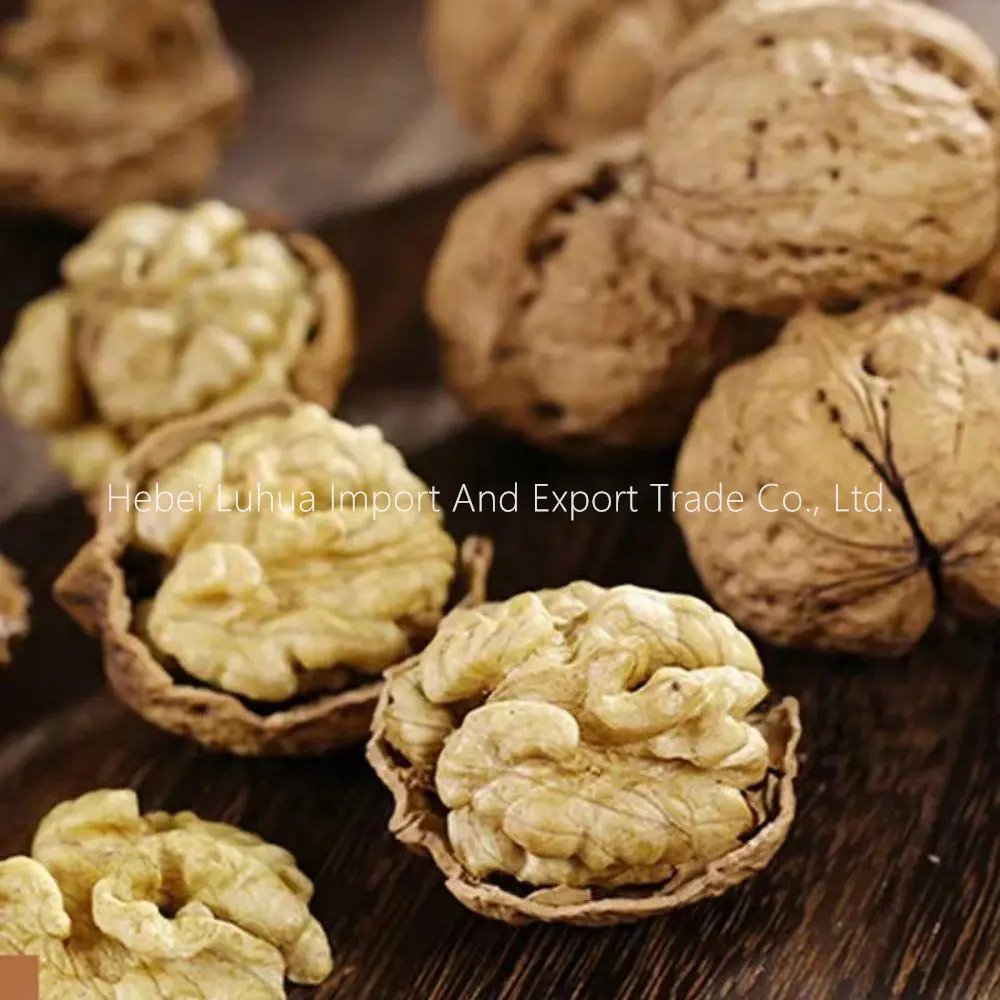
Quality can be assessed through three main senses: Sight, Smell, and Taste. Visually, high-quality walnuts should be light-colored and free from dark spots or shriveled edges. When you smell them, they should have a mild, nutty aroma; any "paint-like" or sharp chemical smell indicates rancidity. Taste-wise, they should be creamy and buttery, not bitter. If you are paying a premium walnut 250 gram price, you should expect these characteristics consistently across the entire pack.
Post time:Jun . 11, 2026 05:25