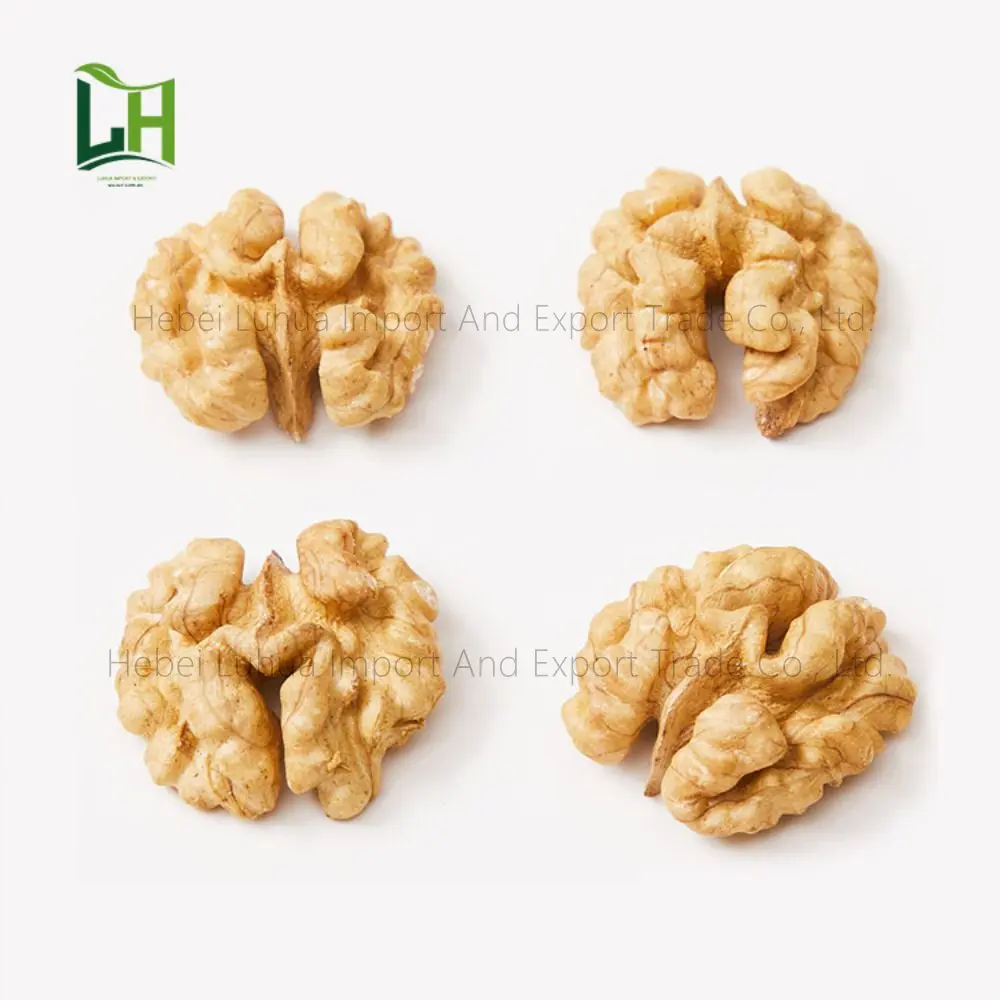
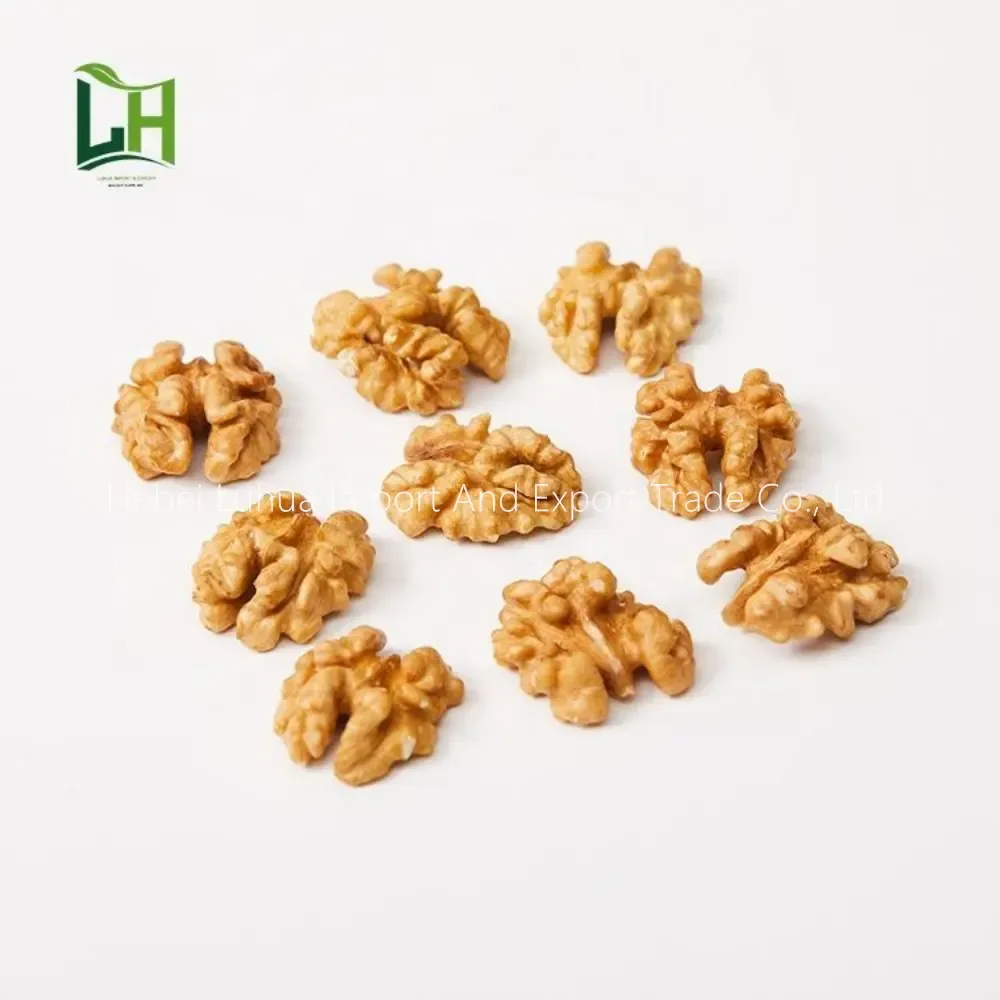
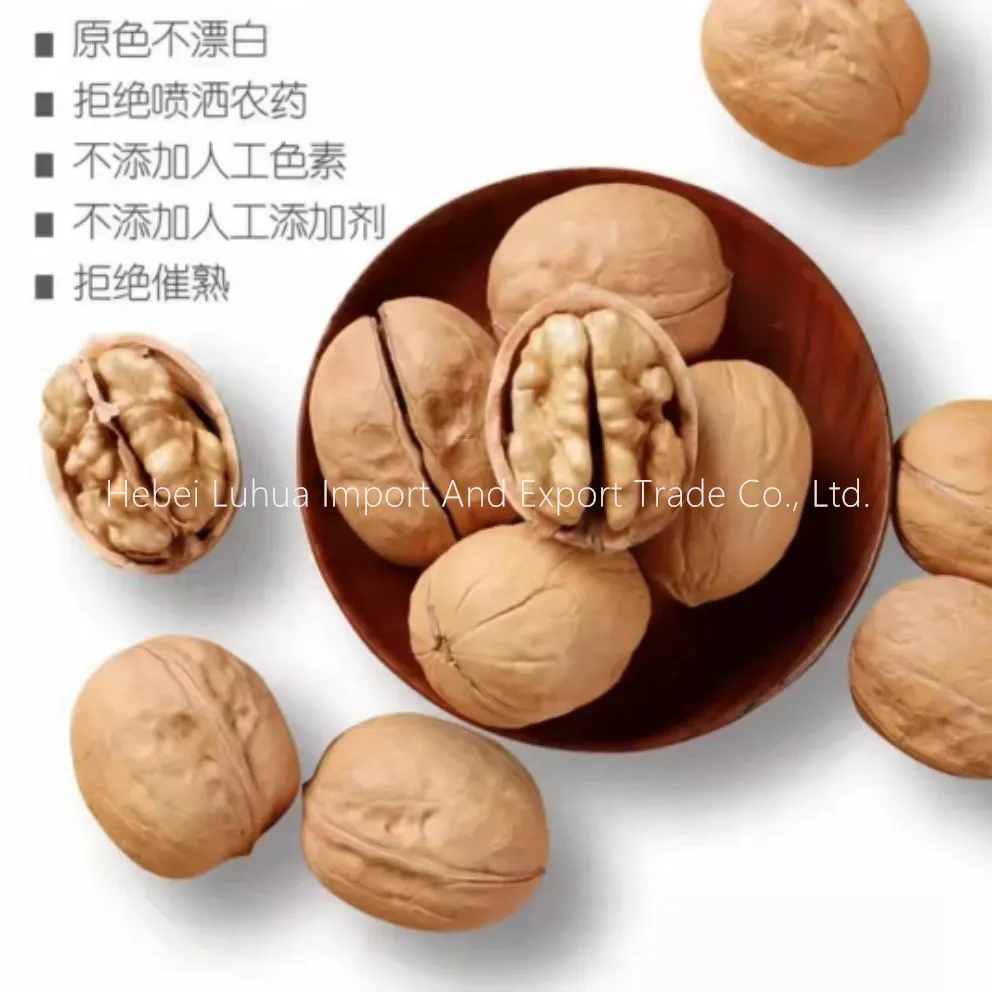
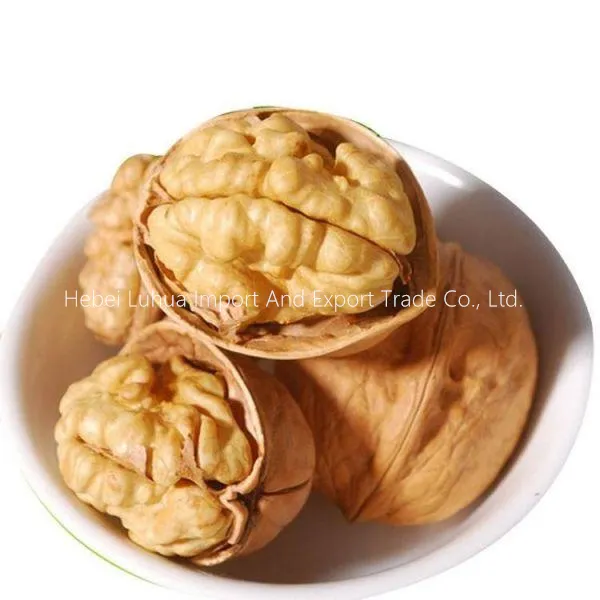
The Surprising Power of Walnut Uses for Brain Health
Globally, the humble walnut is more than just a snack — its uses for brain health have captured attention from nutritionists to neurologists. Why does this nut matter so much? For starters, brain-related disorders affect over 50 million people worldwide (source: WHO), and foods with cognitive benefits are becoming dietary essentials everywhere. Understanding walnut uses for brain improvement offers tangible hope in boosting memory, focus, and even mood naturally.
It's a subject that bridges diet, neuroscience, agriculture, and global health initiatives — making walnuts not just a foodstuff, but a key player in brain health strategies worldwide.
Getting a Grip on Walnut Uses for Brain: A Global Perspective
Let’s zoom out for a moment. According to the Food and Agriculture Organization (FAO), walnut production is increasing steadily, with major suppliers across the U.S., China, and Iran. Meanwhile, chronic neurological conditions – including Alzheimer’s and cognitive decline – push healthcare systems to look for affordable, accessible remedies.
In this context, the role of walnut uses for brain becomes clear. Rich in omega-3 fatty acids, antioxidants, and vitamin E, walnuts intersect nutrition and medicine in a world craving smarter, natural cognitive enhancers. They’re particularly beneficial where access to costly pharmaceuticals is limited. Still, a lingering challenge remains: how do we optimize walnut benefits for brain health on a global scale, considering varying diets and economies?
Mini takeaway:
- Walnuts are rising globally in production and importance.
- Neurological health challenges underscore their vital potential.
- Bridging nutrition and global health needs is key.
What Exactly Are Walnut Uses for Brain?
In simplest terms, walnut uses for brain refer to how walnuts—and their bioactive compounds—contribute to brain function, protection, and regeneration. It’s about leveraging walnuts in diet, supplements, or medical research to support cognitive health.
Modern nutrition science sees walnuts as functional foods, but the uses go beyond snacking. They're ingredients in brain-boosting supplements, part of therapeutic diets for cognitive impairment, and objects of ongoing research into delaying dementia onset.
Main components tied to brain benefits include:
- Polyunsaturated fatty acids (especially alpha-linolenic acid)
- Polyphenolic compounds with antioxidant qualities
- Vitamin E, which supports neuronal repair
- Folate, crucial for brain development and function
Mini takeaway:
Walnut uses for brain mean applying walnuts’ natural compounds holistically—from kitchen tables to clinical trials.
Key Factors Driving the Effectiveness of Walnut for Brain Health
1. Nutrient Density
Walnuts pack brain-friendly nutrients in an ideal ratio. Many researchers praise their omega-3 content because, unlike fish oil, it’s plant-based and sustainable.
2. Antioxidant Protection
Oxidative stress is one of the top causes of neuron damage. The phenolic antioxidants in walnuts help neutralize harmful molecules before they accumulate — think of it as rust prevention for your neurons.
3. Anti-Inflammatory Effects
Chronic inflammation is now linked to cognitive decline. Walnuts’ bioactives reduce inflammation markers, building a healthier brain environment over time.
4. Accessibility & Versatility
Some functional foods are tricky to produce or maintain — walnuts can be stored and used worldwide, from industrialized cities to remote regions.
5. Supporting Mental Wellness
Emerging evidence even ties walnut consumption to mood enhancement and reduced anxiety symptoms — bonus points for mental health.
Mini takeaway:
- Nutrient richness and antioxidants keep walnuts relevant.
- Inflammation and oxidative stress reduction are central.
- Global accessibility makes walnuts a practical brain food.
Real-World Applications of Walnut Uses for Brain
It isn’t just theory. Around the world, walnut uses for brain health find practical traction:
- In the Mediterranean diet: A longtime confidence favorite, walnuts are a cornerstone in diets known to delay cognitive aging — widely adopted in European countries like Italy and Greece.
- In clinical research: Hospitals in the U.S. use walnut-enriched diets as part of cognitive therapy regimes.
- Community nutrition efforts: NGOs in developing countries integrate walnuts into programs targeting child brain development and elder cognitive support.
- Functional food markets: Walnut flours, oils, and extracts are used in supplements capitalizing on brain benefits.
- Digital wellness apps: Some wellness technology companies advise walnut consumption as part of personalized brain performance plans — a neat cross-industry merger.
Mini takeaway:
From diet plans in Italy to digital brain health programs, walnut uses for brain have a diverse global footprint.
The Tangible Advantages and Lasting Value of Using Walnuts for Brain Health
Let’s be frank: walnuts offer more than just a feel-good story. They tangibly:
- Reduce risk of neurological disorders: Regular intake correlates with slower cognitive decline.
- Enhance memory and focus: Especially in aging populations or high-stress jobs.
- Support sustainable agriculture: Unlike animal-based omega sources, walnuts are less ecologically intense.
- Provide affordable nutrition: Compared to nootropics or pharmaceuticals, walnuts remain cost-effective.
- Promote emotional wellbeing: The mood benefits factor into holistic brain health approaches.
Emotionally, walnuts embody a natural, wholesome path to brain care, with a sense of trust and dignity rarely achieved with synthetic alternatives.
Product Specification Table: Nutritional Profile of Walnuts (Per 100g)
| Component | Quantity | Role in Brain Health |
|---|---|---|
| Alpha-linolenic acid (ALA) | 2.5 g | Omega-3 fatty acid, supports brain cell membranes |
| Vitamin E | 0.7 mg | Antioxidant, protects neurons from oxidative damage |
| Folate | 98 mcg | Key for cognitive development and neurotransmission |
| Polyphenols | Varies | Antioxidants, reduce inflammation and oxidative stress |
Comparing Global Walnut Suppliers for Brain Health Products
| Supplier | Origin | Organic Certification | Annual Capacity (tons) | Reason for Brain Use Popularity |
|---|---|---|---|---|
| California Nut Co. | USA | Yes | 45,000 | High omega-3 content, quality control |
| Xinjiang Walnuts Ltd. | China | Partial | 30,000 | Affordable prices, growing export markets |
| CaspiNut Exporters | Iran | Yes | 15,000 | Excellent antioxidant profile, niche supply |
Emerging Trends and Innovations
Interestingly, scientist teams are now working on walnut-derived nootropics, concentrating bioactives for easier consumption. Sustainability trends favor walnut farming without pesticides, using water-efficient irrigation systems – crucial given climate change.
On the tech side, AI nutrition apps recommend walnut doses based on individual brain profiles, while green energy policies encourage walnut shell biomass to generate power — integrating walnut uses for brain with environmental innovation.
Overcoming Challenges in Maximizing Walnut Benefits
Walnuts are fantastic, but challenges persist:
- Allergens: Tree nut allergies limit access for some.
- Storage losses: Walnut oils can go rancid without proper handling.
- Awareness gaps: Many communities don’t yet understand walnuts’ brain benefits fully.
- Price volatility: Climate impacts on crops affect affordability.
Nutritionists emphasize education campaigns and improved supply chain logistics. Meanwhile, plant breeders are developing hardier, flavor-rich walnut varieties to mitigate these issues — showing how cross-sector collaboration can solve hurdles.
FAQs About Walnut Uses for Brain
Q1: Can eating walnuts daily improve memory for all age groups?A: While research suggests walnuts support brain function across ages, the strongest evidence for memory improvement is seen in older adults and those with mild cognitive impairment. Younger individuals benefit too, but it’s part of a balanced diet including other healthy habits.
Q2: How much walnut should I eat daily to benefit my brain?
A: Most studies recommend about 30 grams (roughly a handful) of walnuts daily. This amount balances nutrient intake with calorie considerations, optimizing brain benefits without excess calories.
Q3: Are walnut oil supplements as effective as whole walnuts for brain health?
A: Walnut oil contains many beneficial fats but lacks some antioxidants and fiber found in whole walnuts. For maximum brain benefit, eating the whole nut or minimally processed forms is preferred.
Q4: Is it safe for people with nut allergies to consume walnut extracts?
A: No, walnut extracts may still trigger allergic reactions. Anyone with tree nut allergies should avoid walnuts and consult healthcare providers for alternatives.
Q5: Can walnut consumption help with anxiety or depression symptoms?
A: Emerging studies suggest walnuts may positively influence mood and anxiety due to anti-inflammatory and antioxidant effects, but they should complement, not replace, professional treatment when needed.
Wrapping It Up and Why It Matters for You
Walnut uses for brain health carry tangible benefits: from memory protection to mood enhancement, accessible worldwide, and sustainably grown. They're more than just a snack; they’re a natural ally for cognitive longevity in an increasingly complex brain-health landscape.
If you’re curious to add walnuts to your daily routine or explore products enhancing brain performance, I recommend checking out walnut uses for brain and related resources. Because, frankly, keeping your brain sharp with nature’s gifts feels pretty rewarding — and a little nutty in the best way.
References
Post time:Dec . 13, 2025 19:45