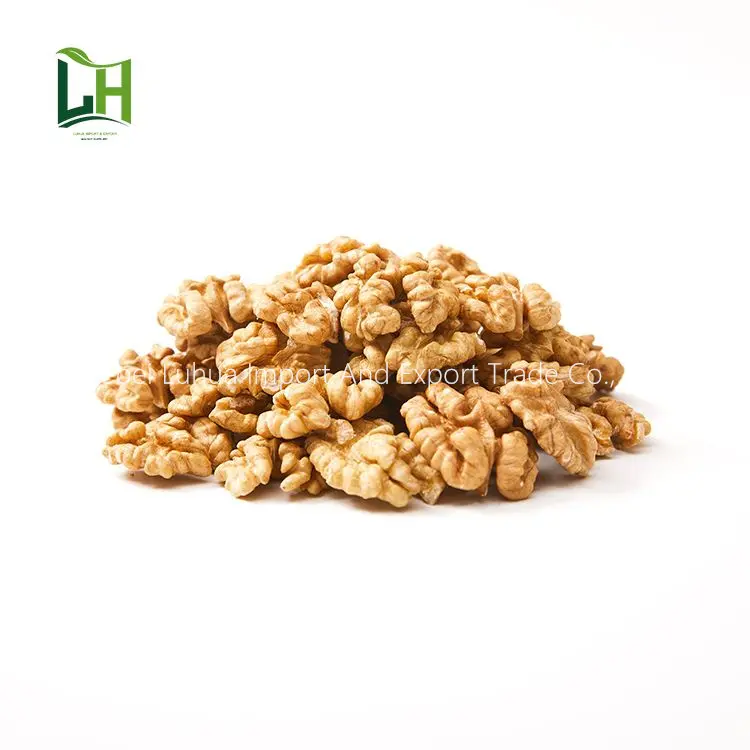
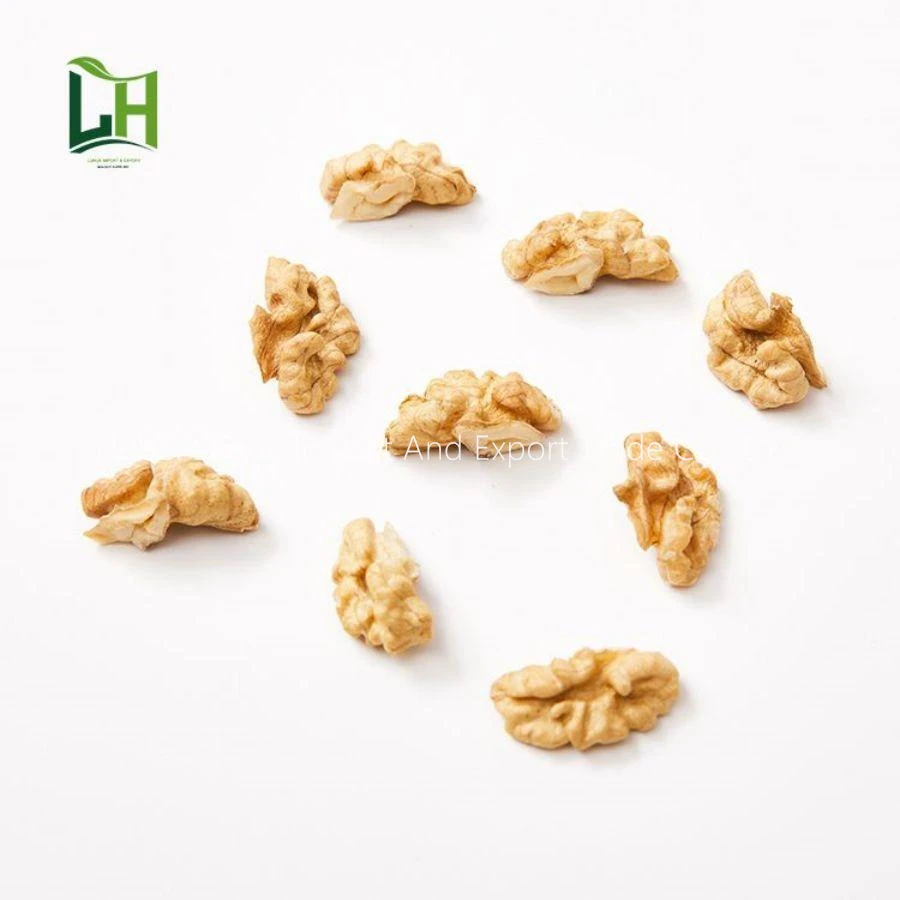
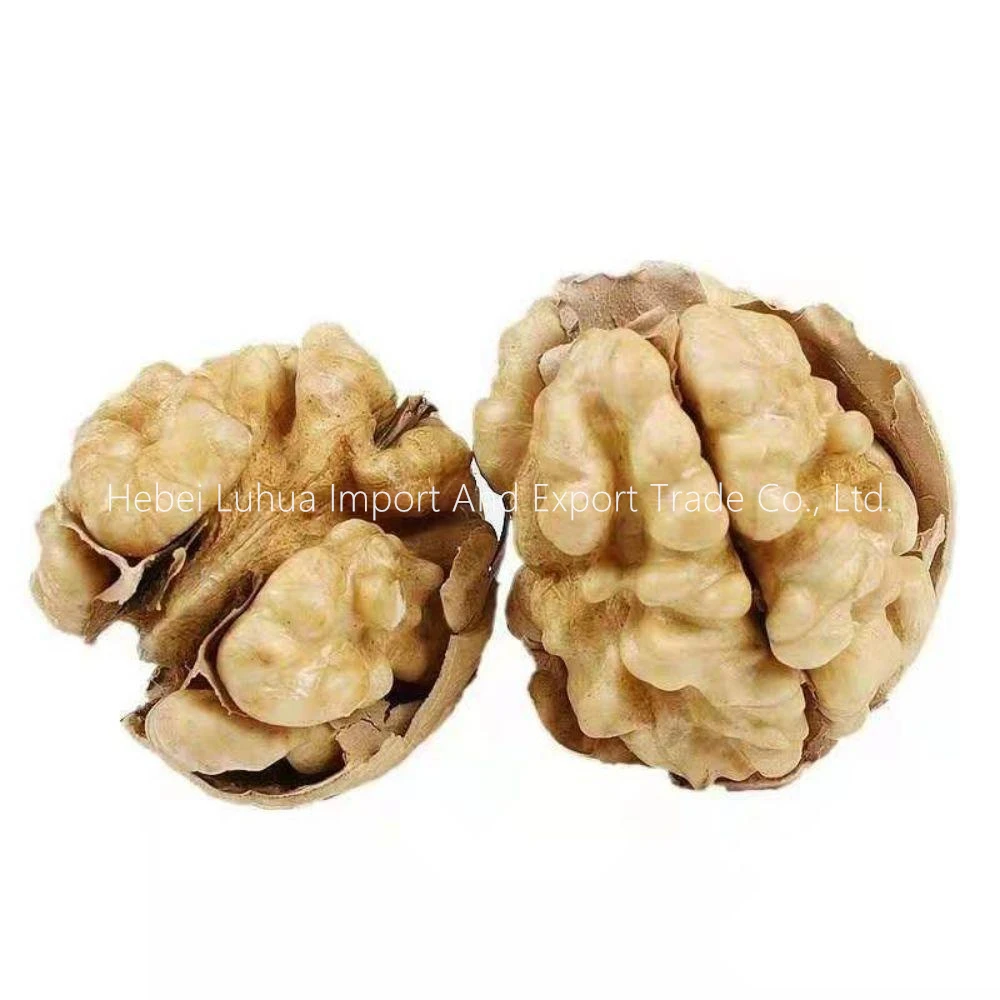
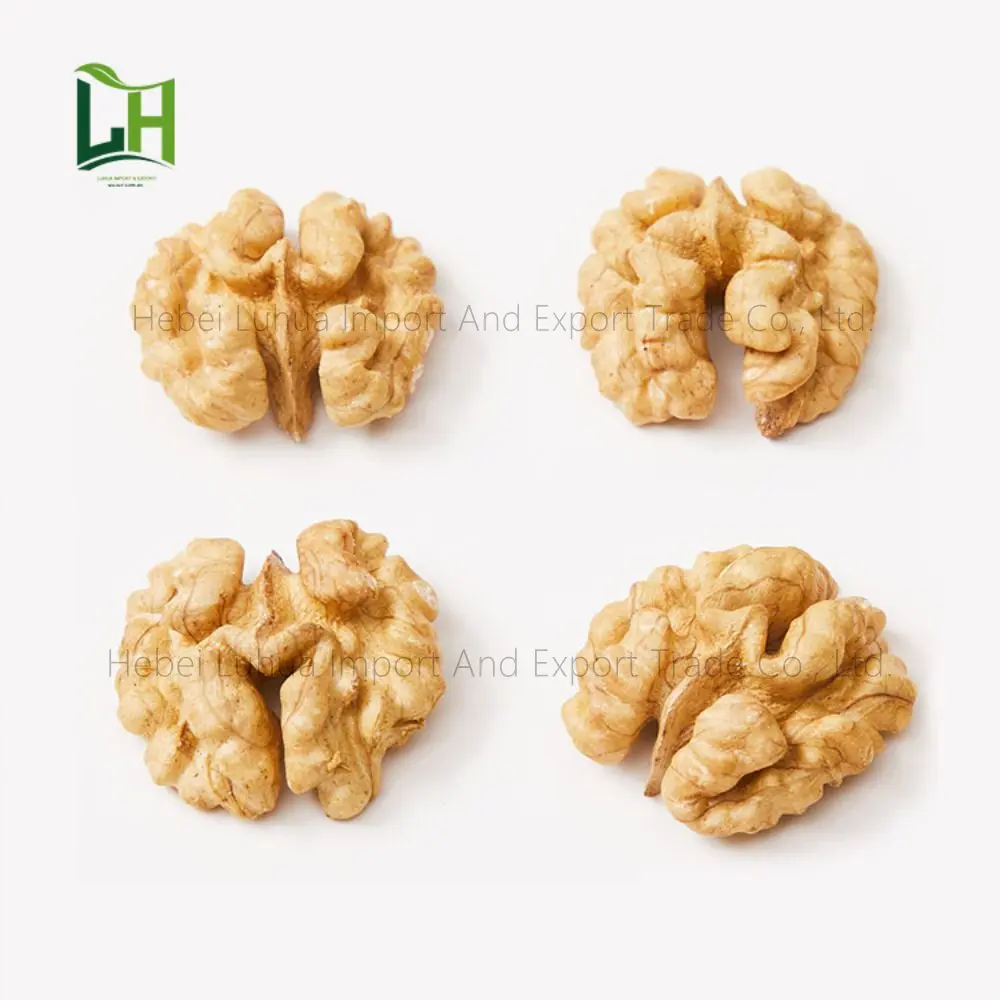
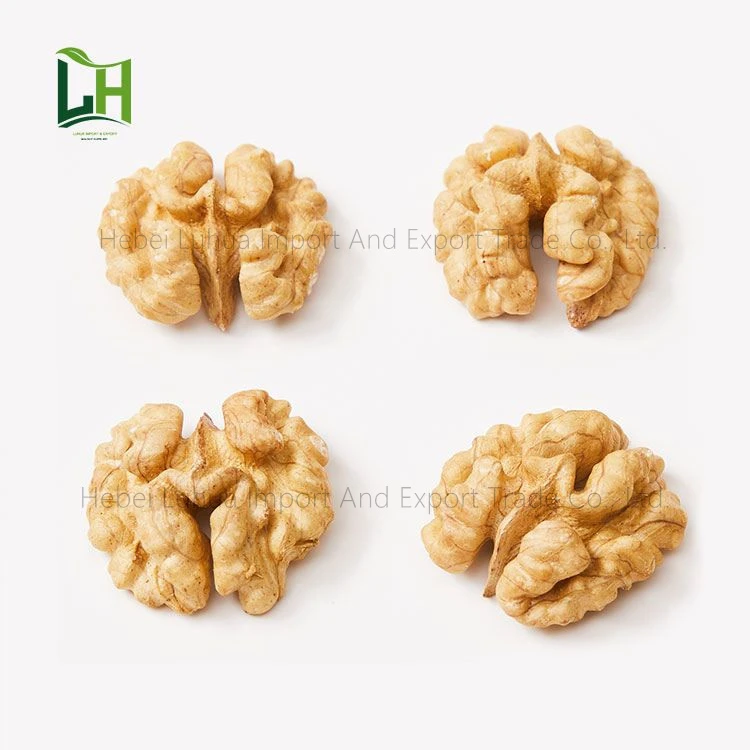
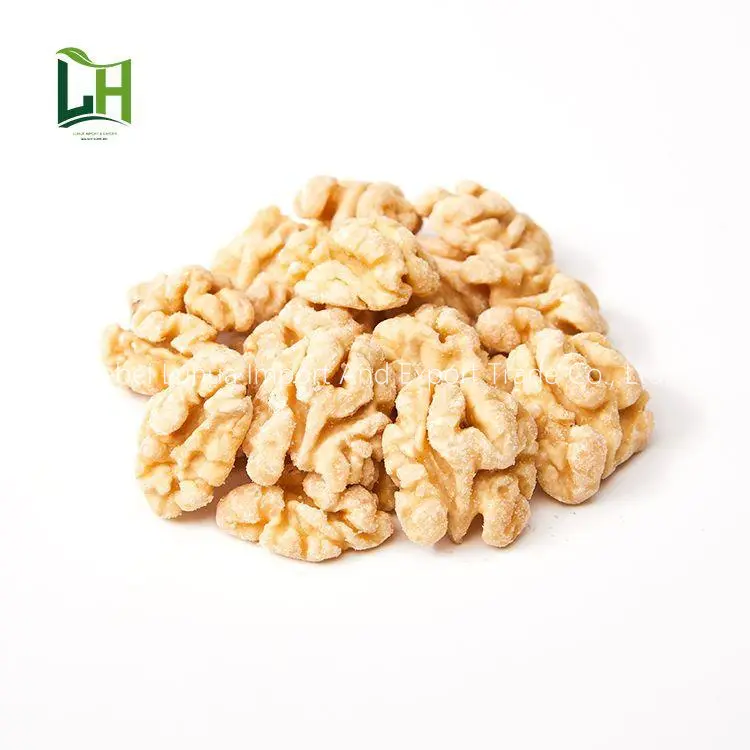
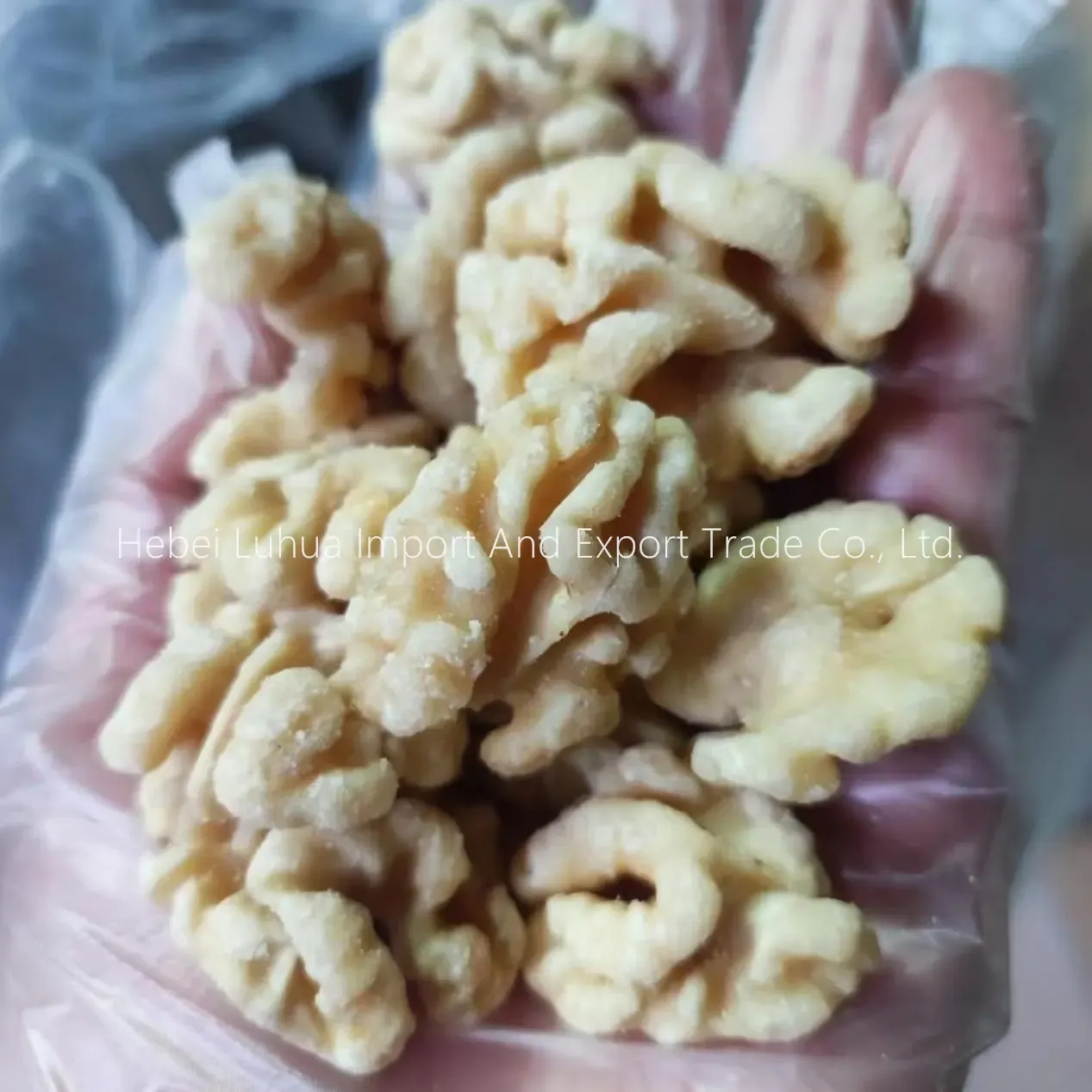
Walnut Pieces 1kg: factory-grade quality for serious kitchens and smart brands
If you’ve been hunting for reliable Walnut Pieces 1kg, here’s the insider view from the plant floor. Chinese Walnut Kernels Pieces Walnut Kernels LP from Zanhuang County, Shijiazhuang, Hebei—yes, the origin everyone in the trade knows—are having a moment. Better sorting lines, tighter aflatoxin control, and faster lead times are reshaping the category. And, to be honest, buyers are getting pickier (in a good way).
What’s special right now
Factories with BRC-certified lines are edging out traders, especially on consistent color and micro results. Many customers say they can finally standardize recipes because piece size is stable week to week. It seems that automation—optical sorters plus HPLC labs—has finally reached the walnut heartland.
Product snapshot (LP grade, foodservice and industrial)
| Parameter | Spec (typical) | Method / Standard |
|---|---|---|
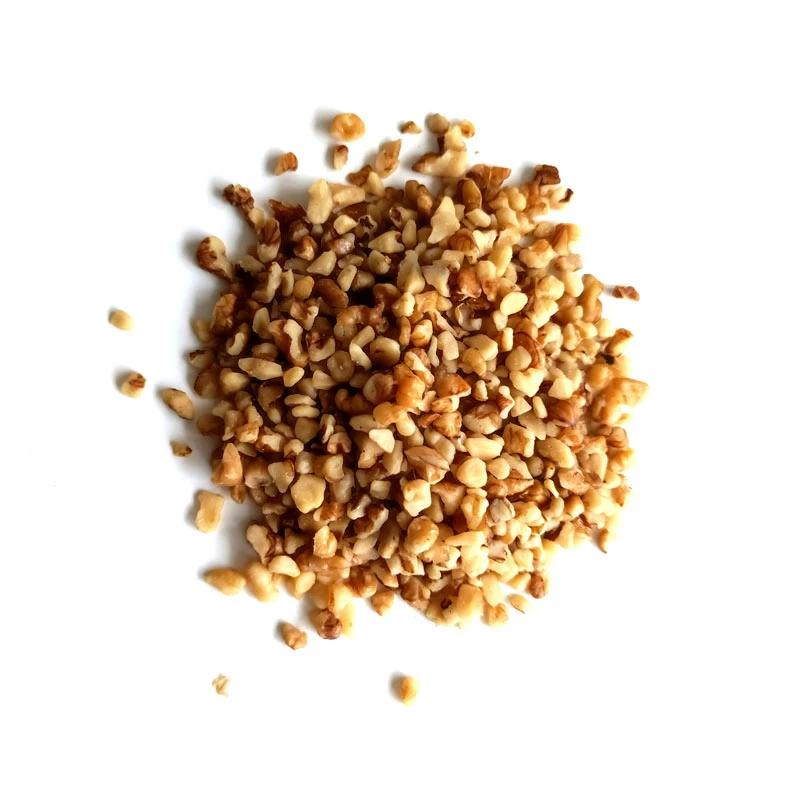
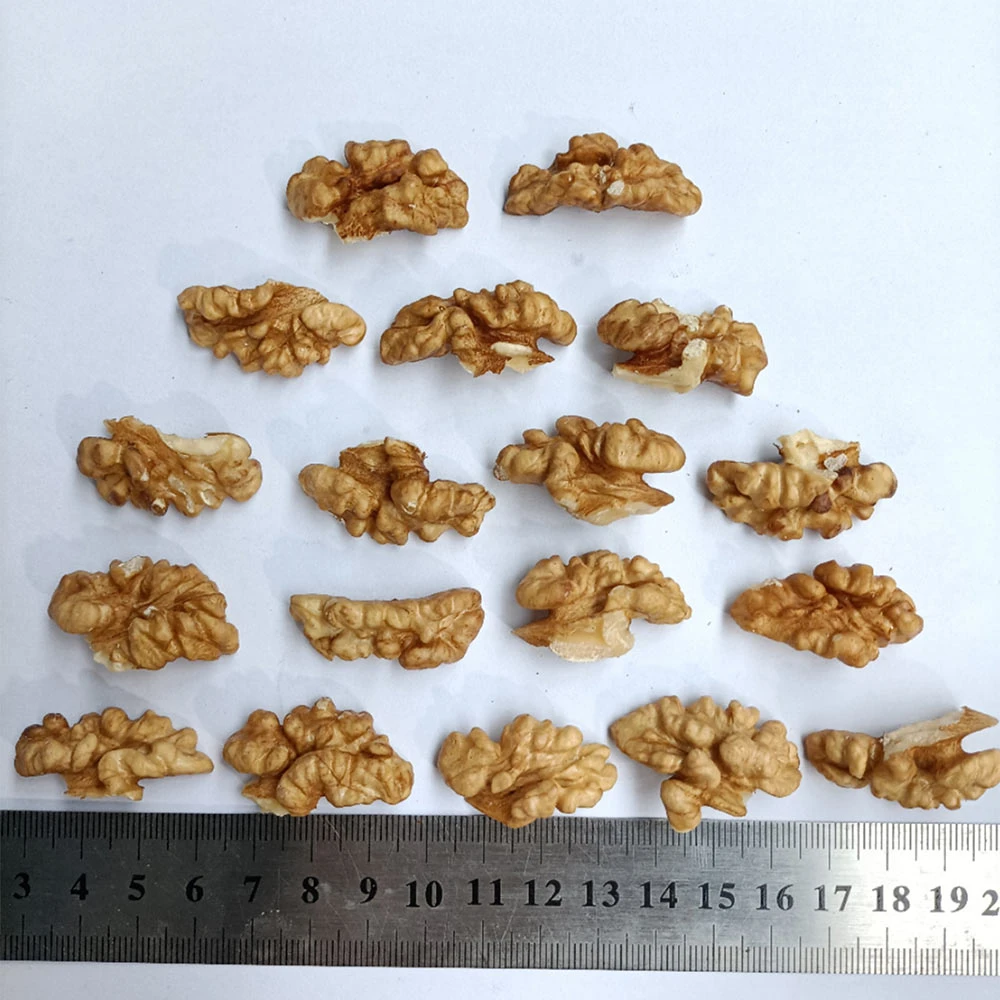
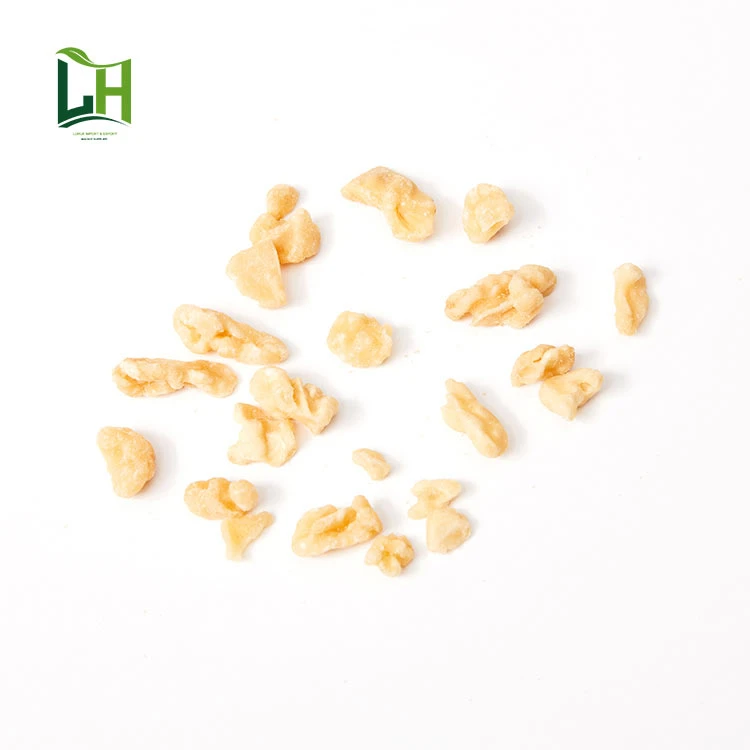
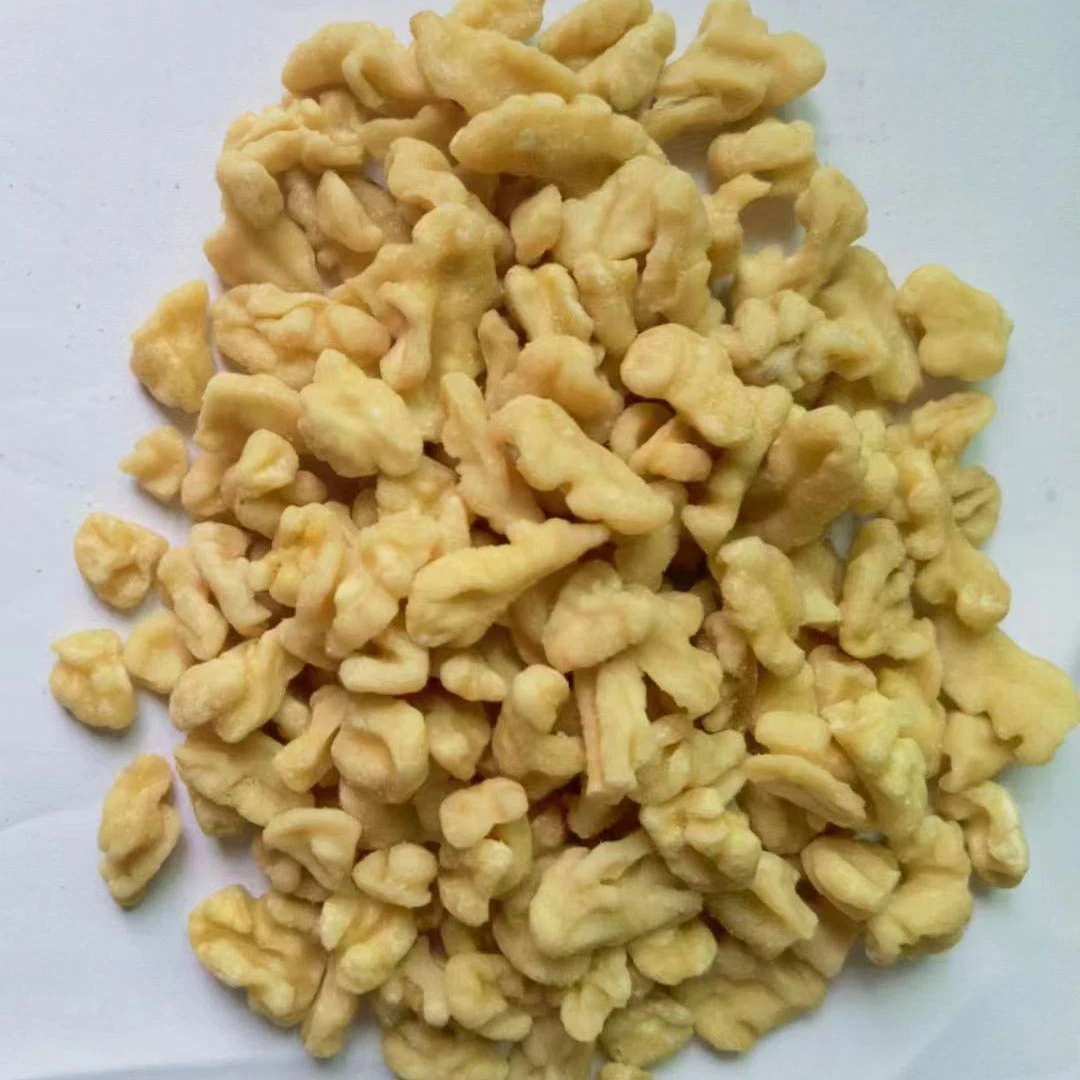
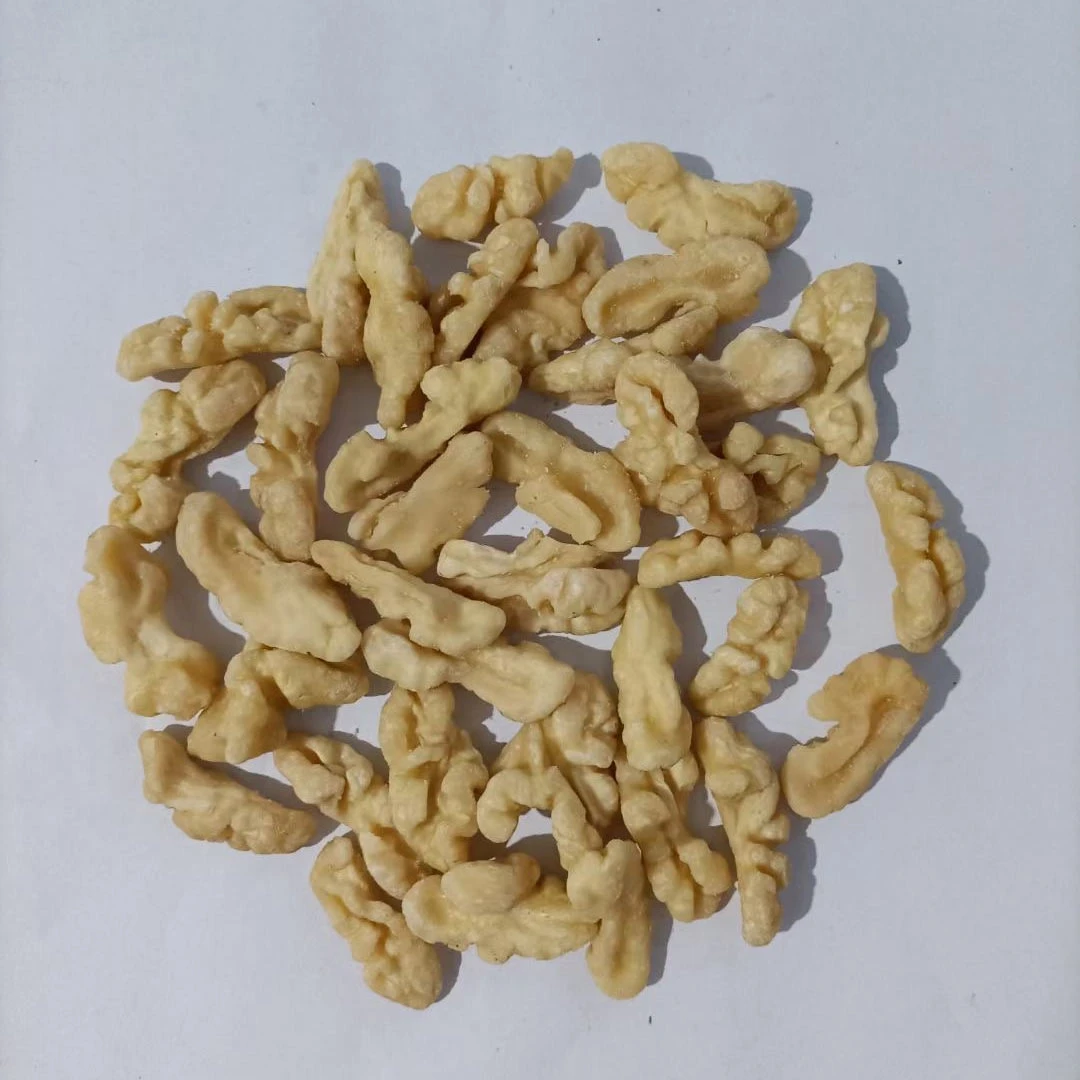
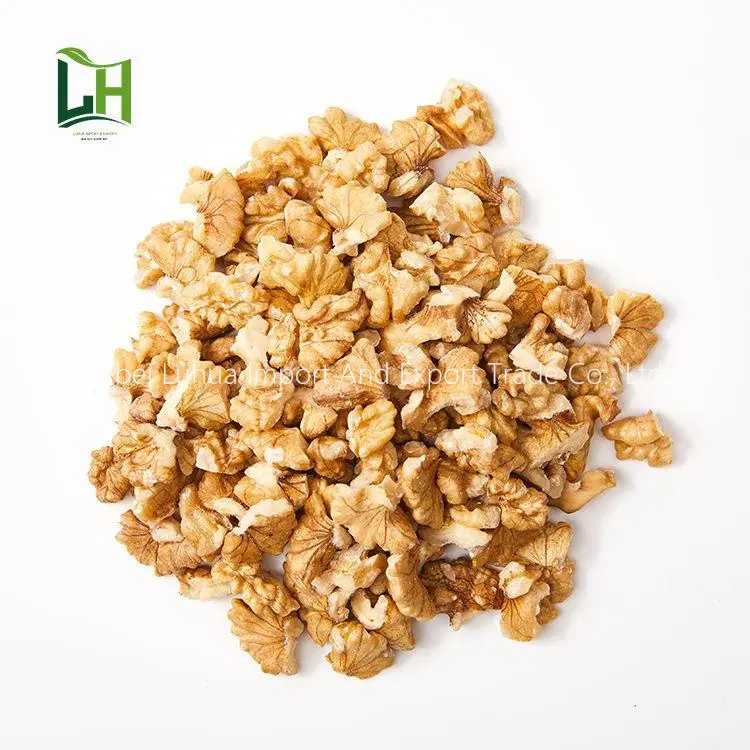
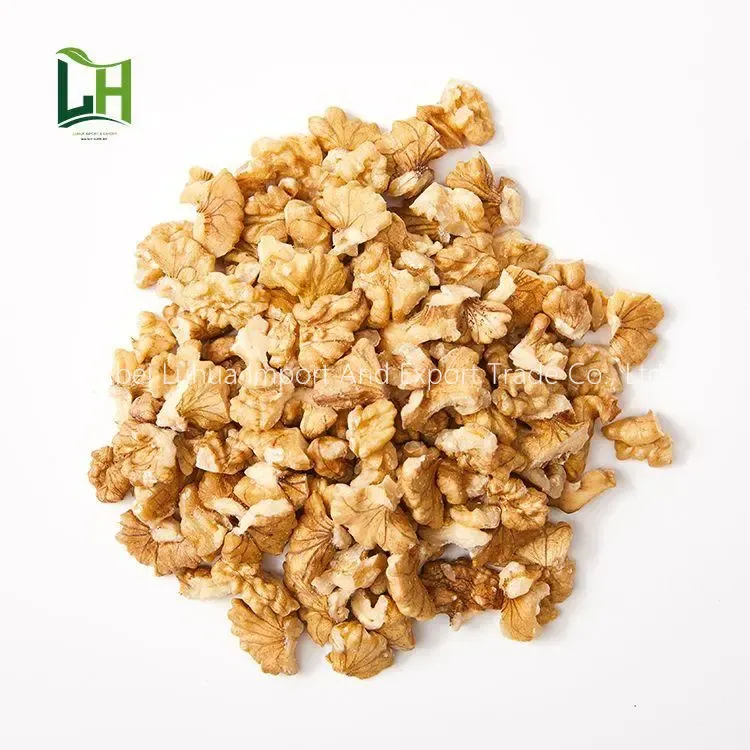
| Grade | LP (Large Pieces, ≈8–30 mm) | Factory sieve + visual |
| Moisture | ≤4.0% | AOAC 925.40 / ISO 665 |
| Aflatoxin (B1 / Total) | ≤2 / ≤4 μg/kg (target; real-world may vary by market) | HPLC, ISO 16050; EU 1881/2006 |
| Peroxide Value | ≤0.5 meq O2/kg at pack | Titration, in-house SOP |
| Micro (Salmonella) | Absent/25 g | ISO 6579-1 |
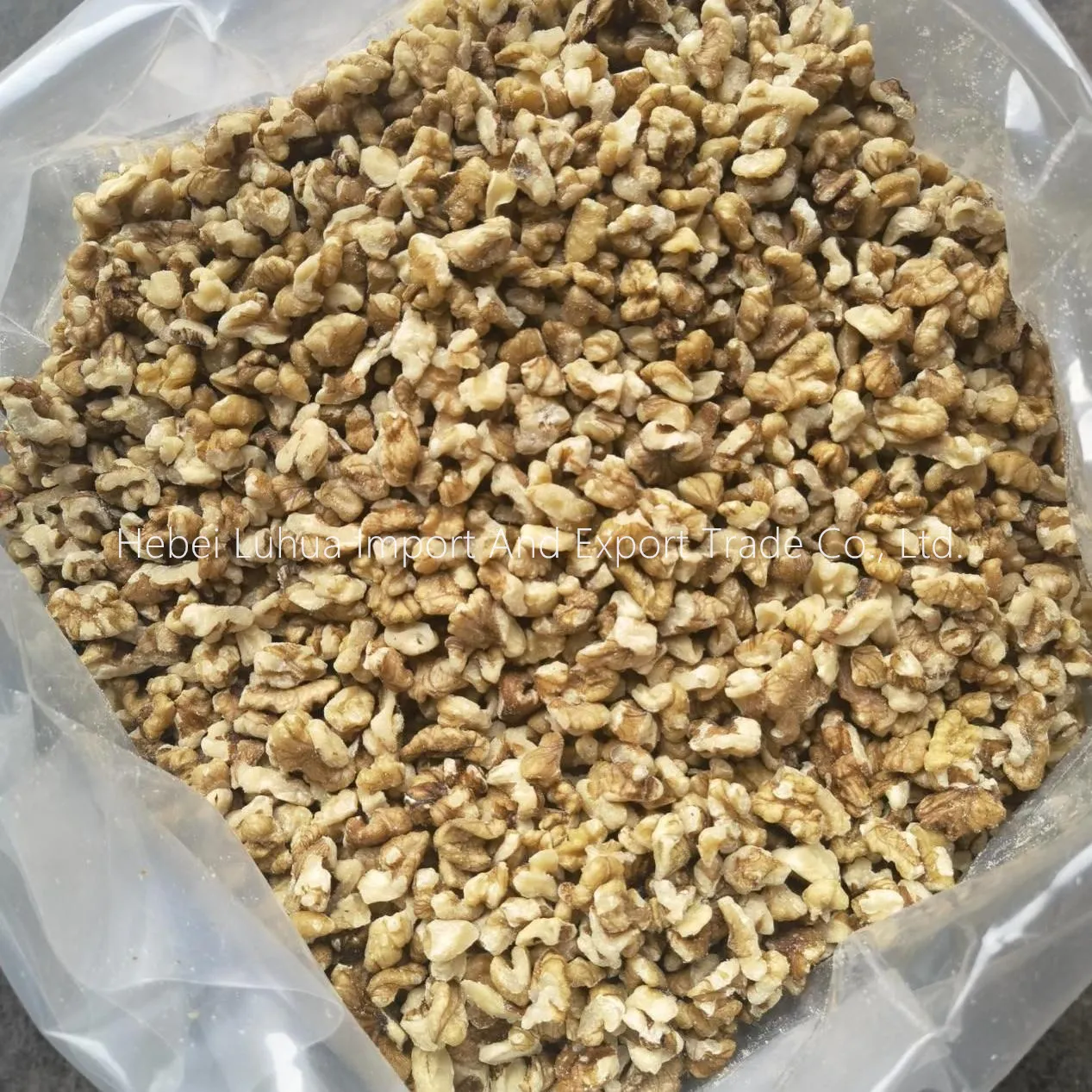
| Packaging | 1 kg nitrogen-flushed bags; 10 bags/carton | Food-contact compliant |
| Shelf life | 12–18 months at ≤10°C | Factory stability program |
| Certifications | BRCGS, HACCP, ISO 22000 | Third-party audited |
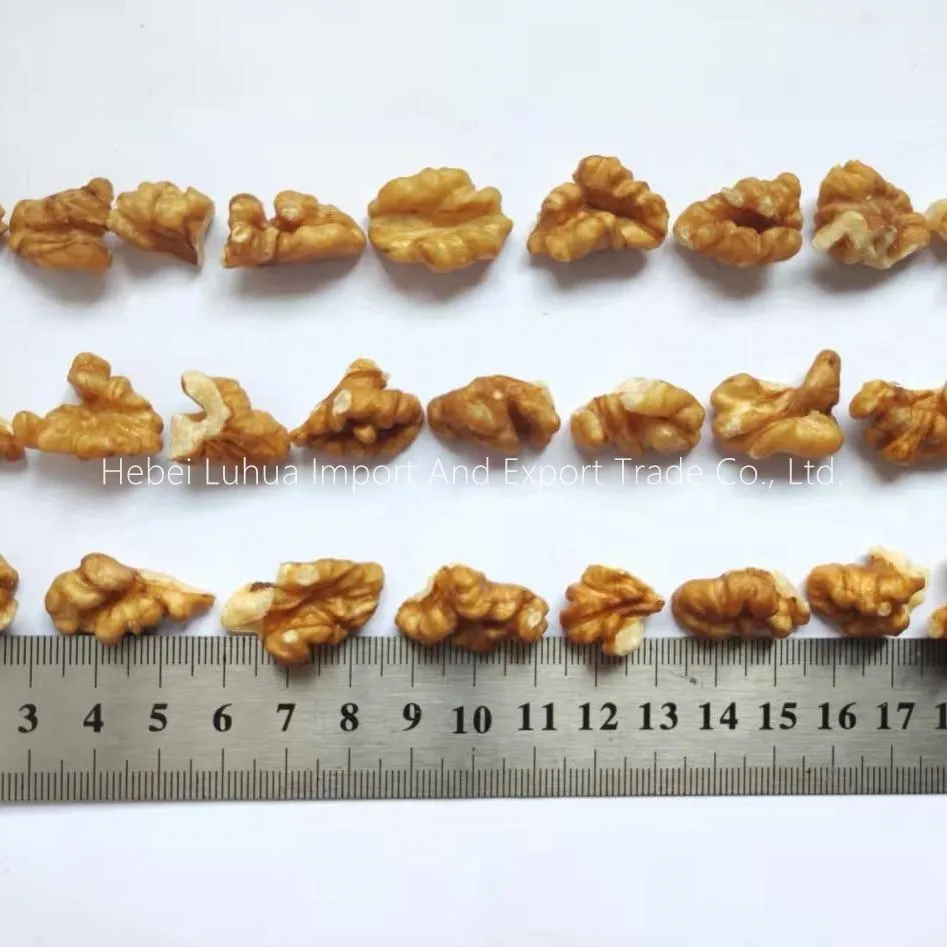
How it’s made (brief process flow)
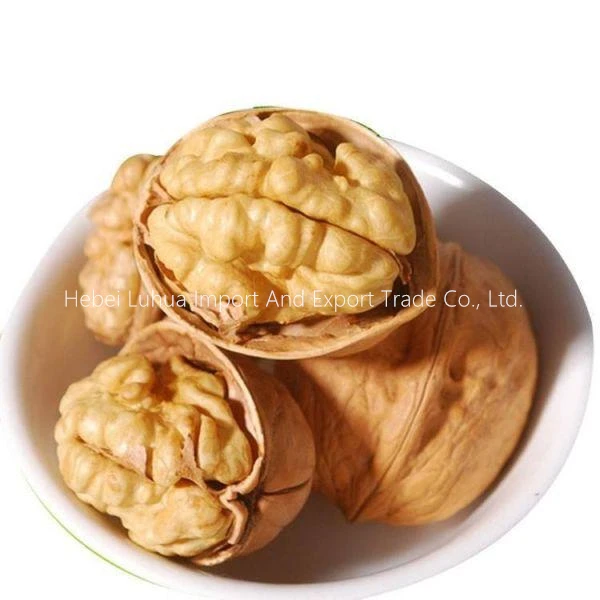
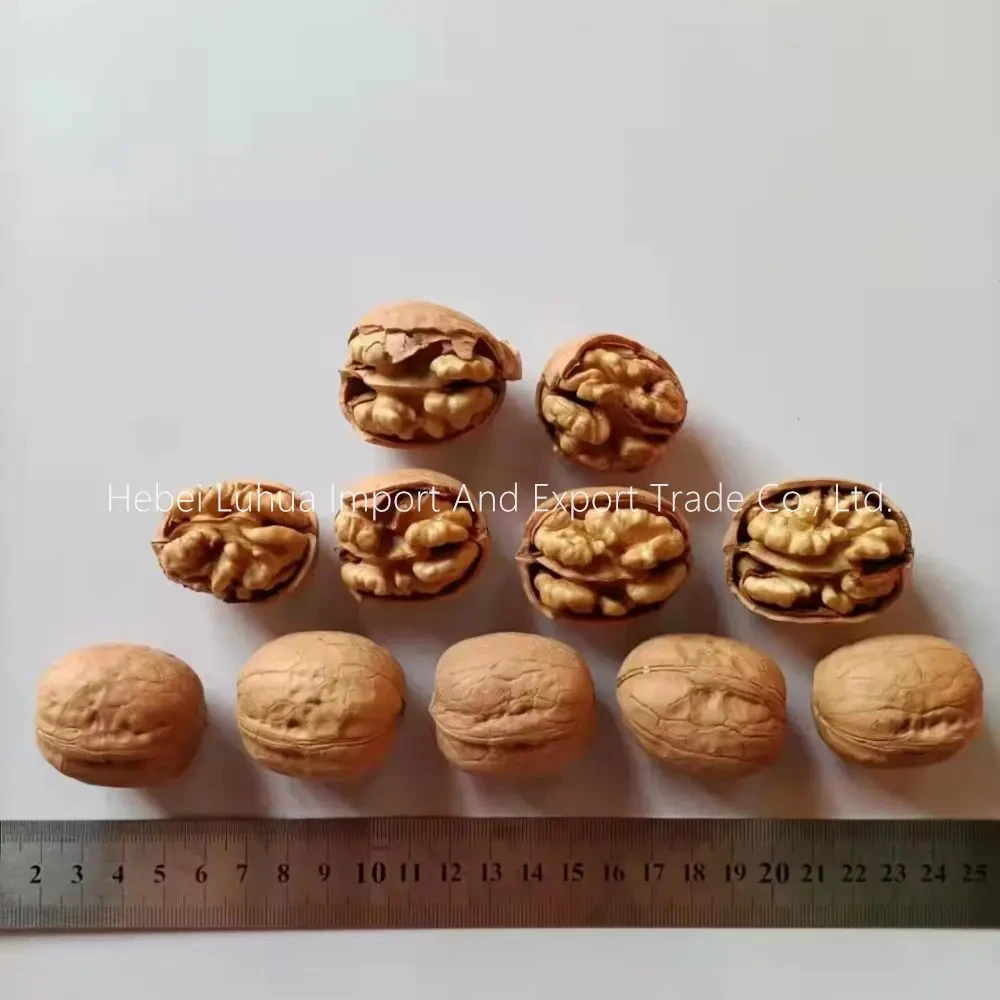
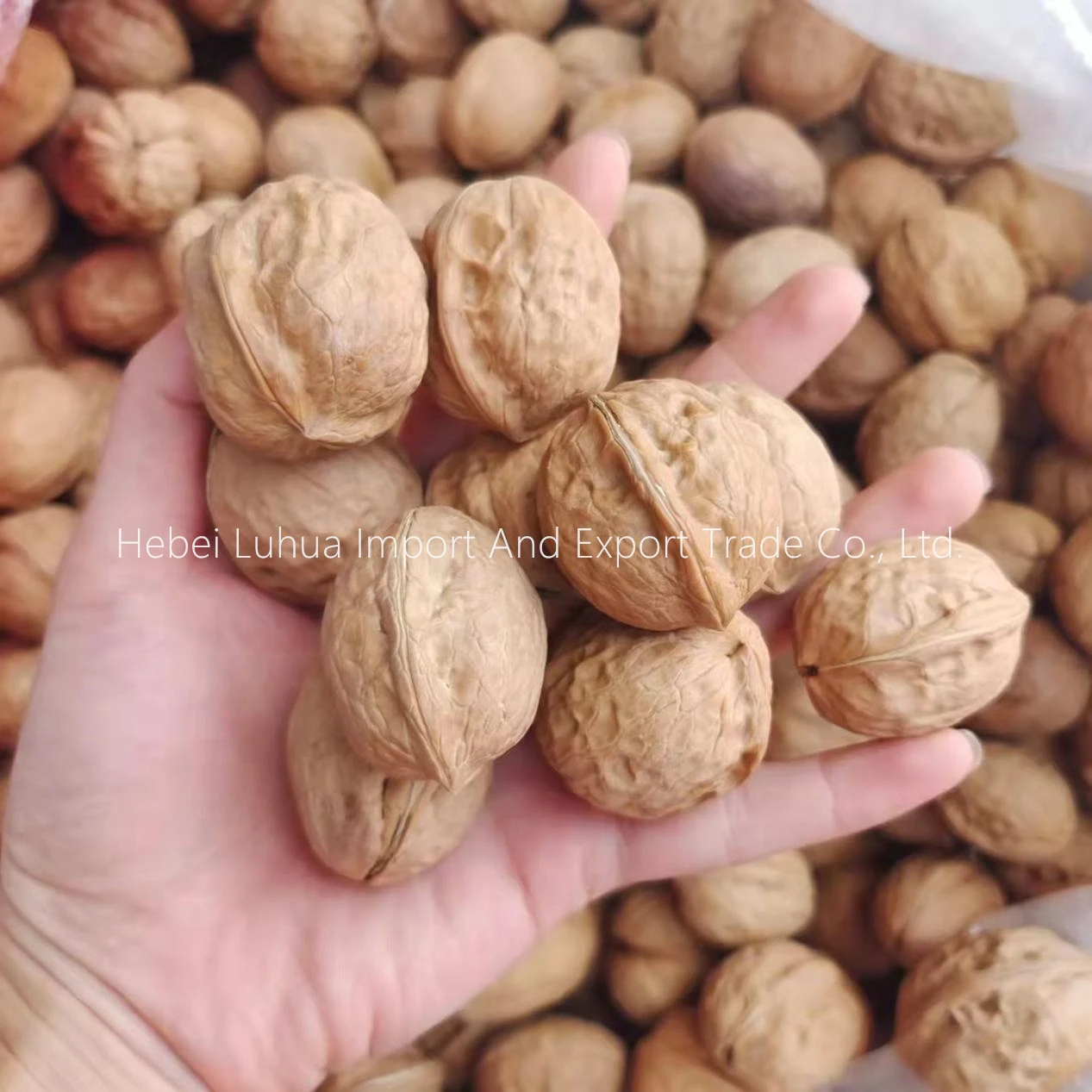
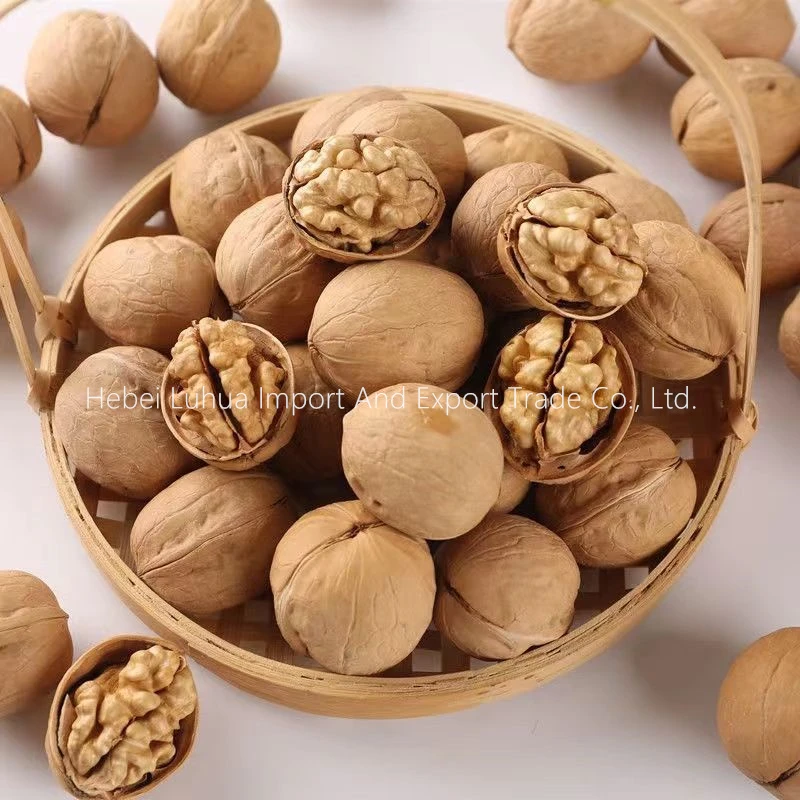
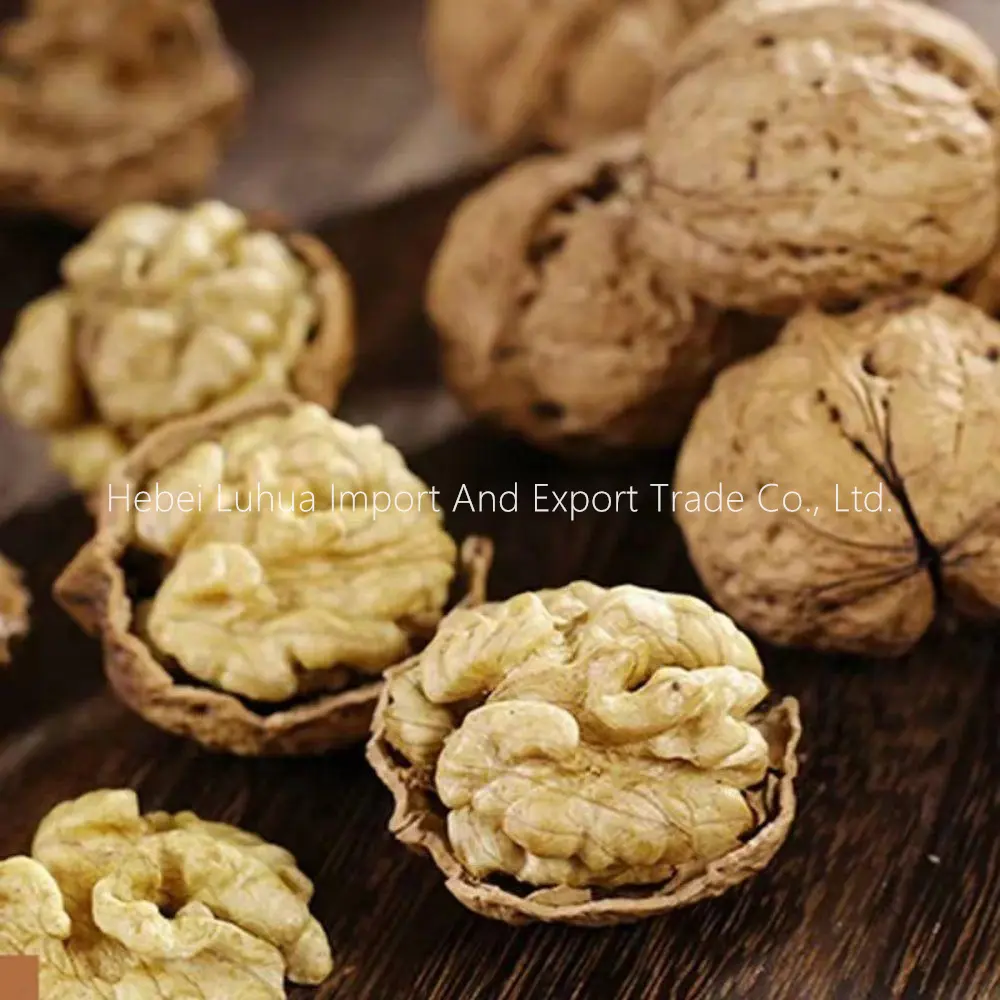
- Raw material: select Zanhuang walnut-in-shell, seasonally graded at intake.
- Cracking & separation: mechanical cracking, air/mesh separation, shell removal, magnets.
- Sizing & color sorting: sieves to LP; optical sorters remove dark/amber and foreign matter.
- Optional steps: light roasting or pasteurization (steam) on request.
- QC & testing: moisture, PV/FFA, HPLC aflatoxin, micro per lot; metal detection (Fe ≈1.5 mm).
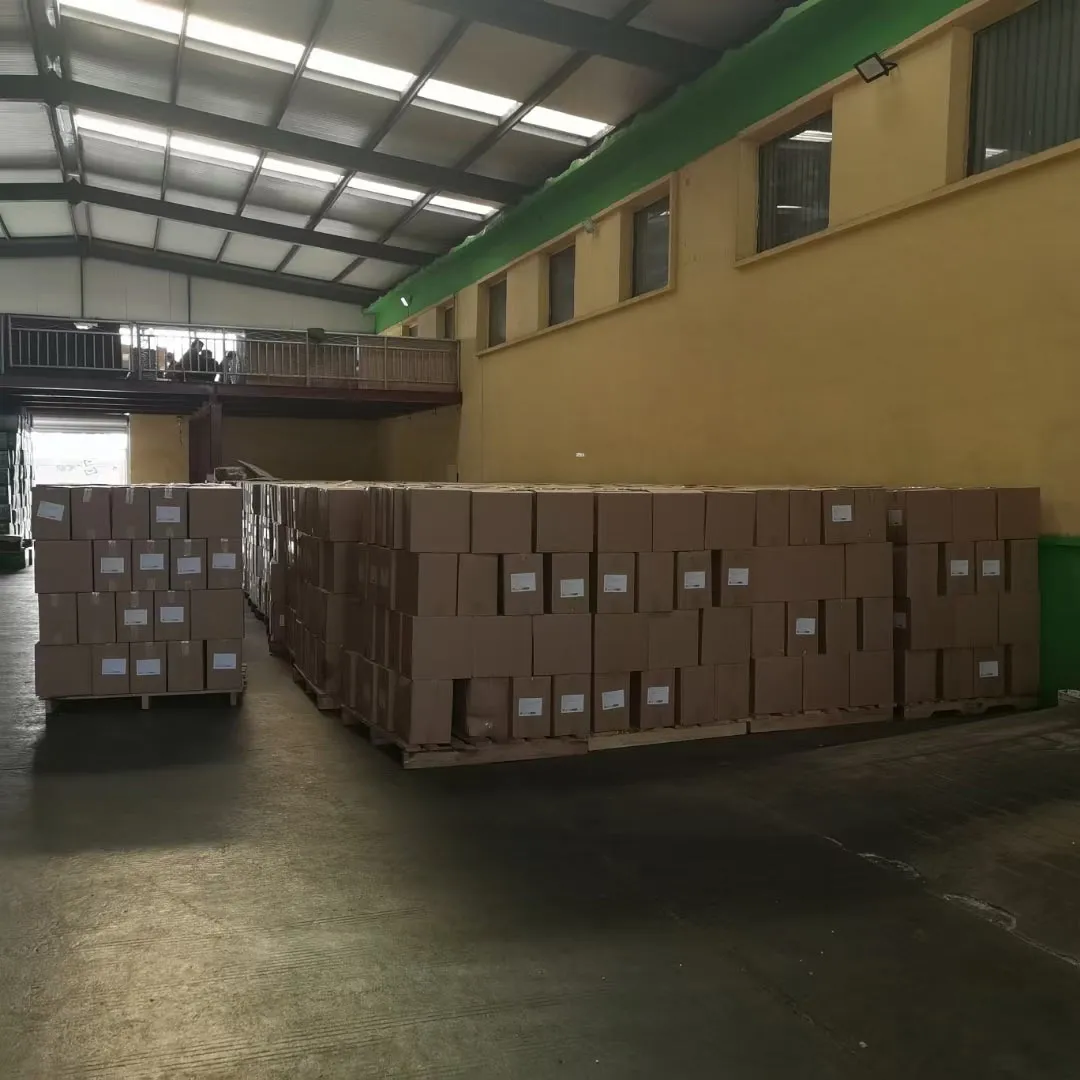
- Packing: nitrogen flush into 1 kg; cold-chain staging; palletized for export.
Recent lot data (example): moisture 3.2%, PV 0.23 meq O2/kg, aflatoxin total <2 μg/kg, Salmonella not detected. Nice and tidy.
Applications and advantages
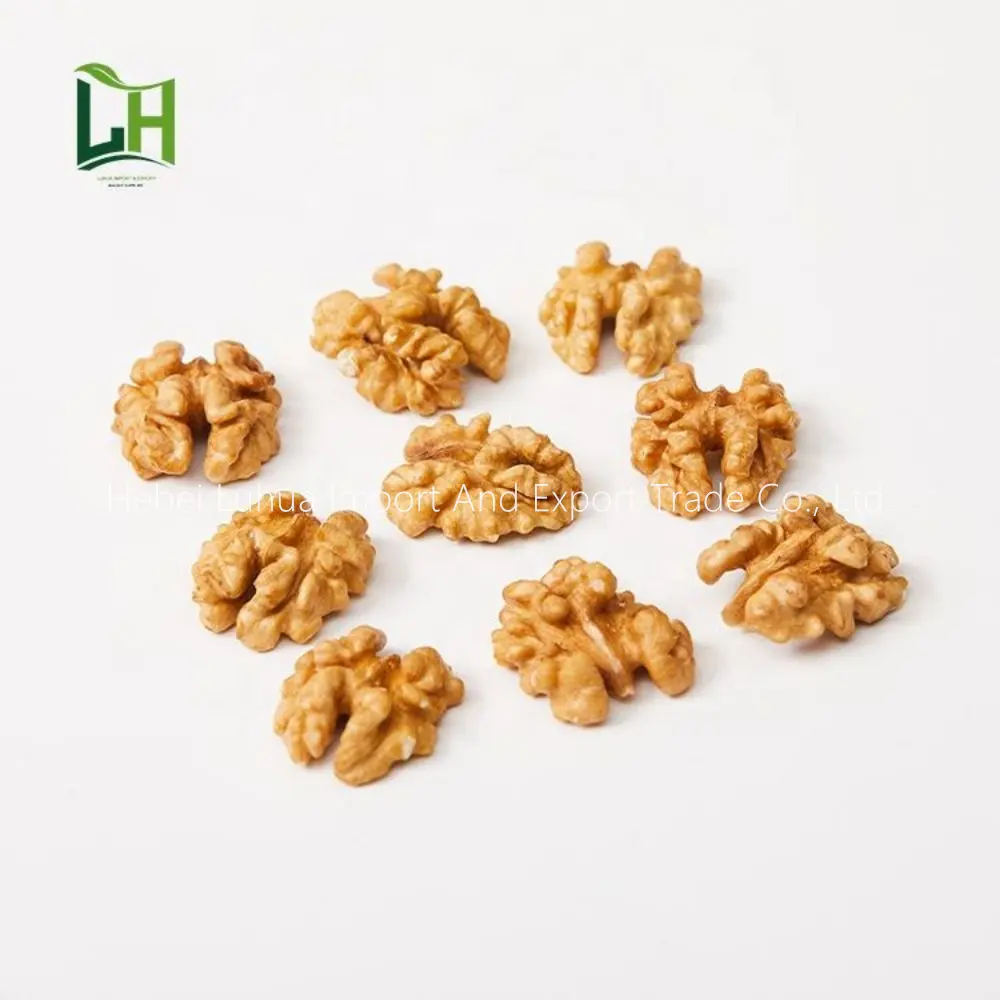
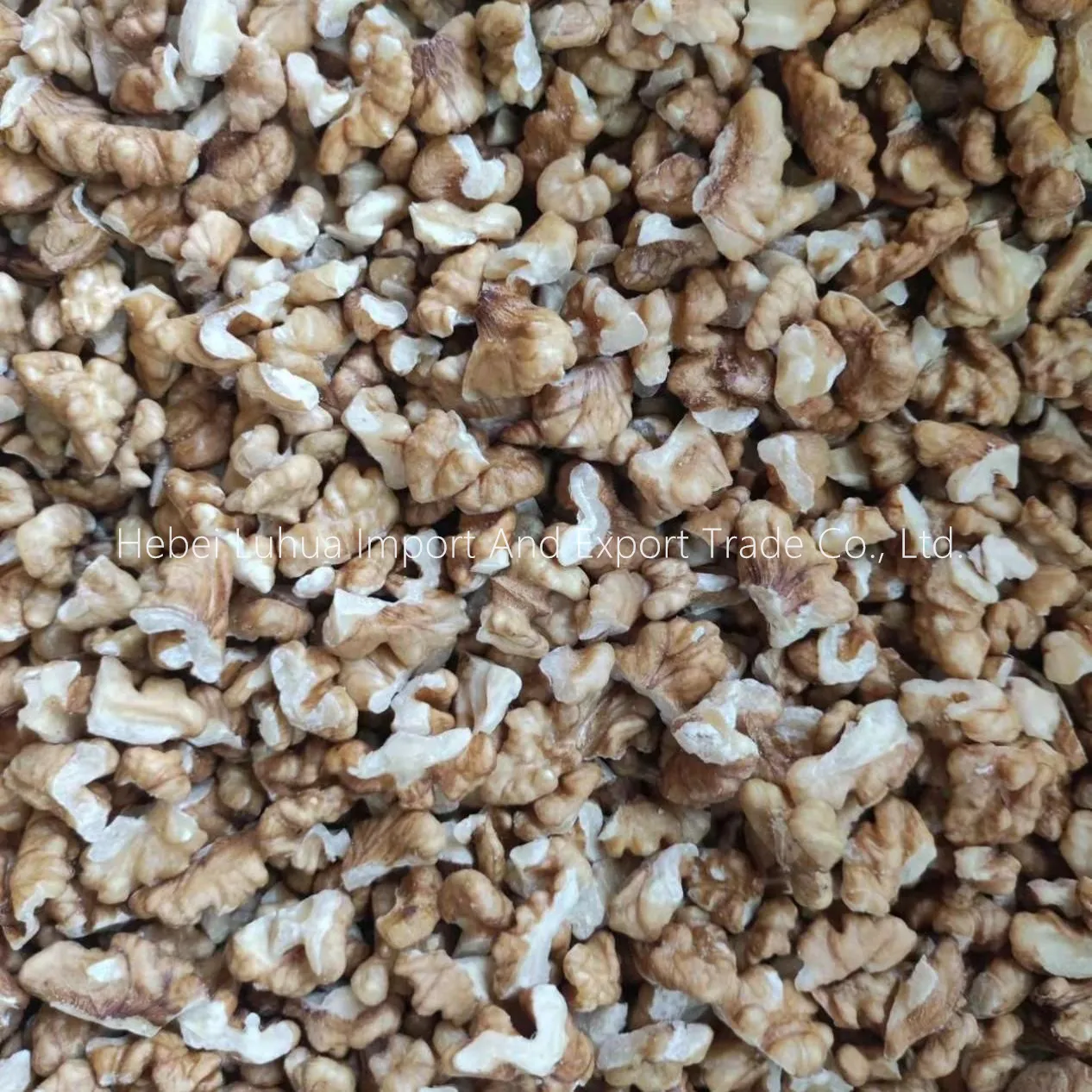
Use Walnut Pieces 1kg in bakery inclusions, cereal clusters, confectionery pralines, dairy toppings, HORECA salad bars, and nut butters (coarse grind). Advantages: uniform piece size reduces recipe variance; nitrogen-packed bags simplify portioning; BRC-grade documentation eases retailer audits. Several buyers told me waste dropped “noticeably” after switching.
Customization
- Piece size: LP standard; custom sieving for 6–12 mm or 12–20 mm bands.
- Roast level: raw, light roast, pasteurized.
- Spec tightness: EU-aflatoxin program; low-PV packing; oxygen absorbers.
- Packs: Walnut Pieces 1kg, 5 kg, 10 kg, 12.5 kg, 25 kg.
Vendor comparison (quick reality check)
| Factor | Luhua Factory (Hebei) | Trading-only Supplier | Small Workshop |
|---|---|---|---|
| Traceability | Field → lot → carton | Partial | Limited |
| Certifications | BRCGS, ISO 22000 | Varies | Rare |
| Aflatoxin control | HPLC each lot | Random | Basic |
| Lead time | Fast (stock + make-to-order) | Medium | Variable |
| Customization | Wide | Limited | Minimal |
Mini case study
A mid-size EU bakery moved to Walnut Pieces 1kg LP packs for a seasonal loaf. After six weeks: 1.7% less yield loss (fewer fines), mixing time unchanged, and sensory panels rated walnut aroma slightly higher (probably fresher PV). Not life-changing, but for tight margins, that’s real.
Origin and assurance
Sourced in Zanhuang County, Shijiazhuang, Hebei Province, with professional production lines and after-sales support. Honestly, the site visit impressed me—clean, disciplined, and on time. That’s rare enough to mention.
References
- BRCGS Global Standard for Food Safety, Issue 9 (2022).
- European Commission Regulation (EC) No 1881/2006 on contaminants (aflatoxins in nuts).
- AOAC Official Method 925.40, Moisture in Nuts and Nut Products.
- ISO 6579-1:2017, Microbiology of the food chain — Salmonella detection.
- Codex Alimentarius, General Standard for Contaminants and Toxins in Food and Feed (CXS 193-1995).
Post time:Oct . 28, 2025 18:55