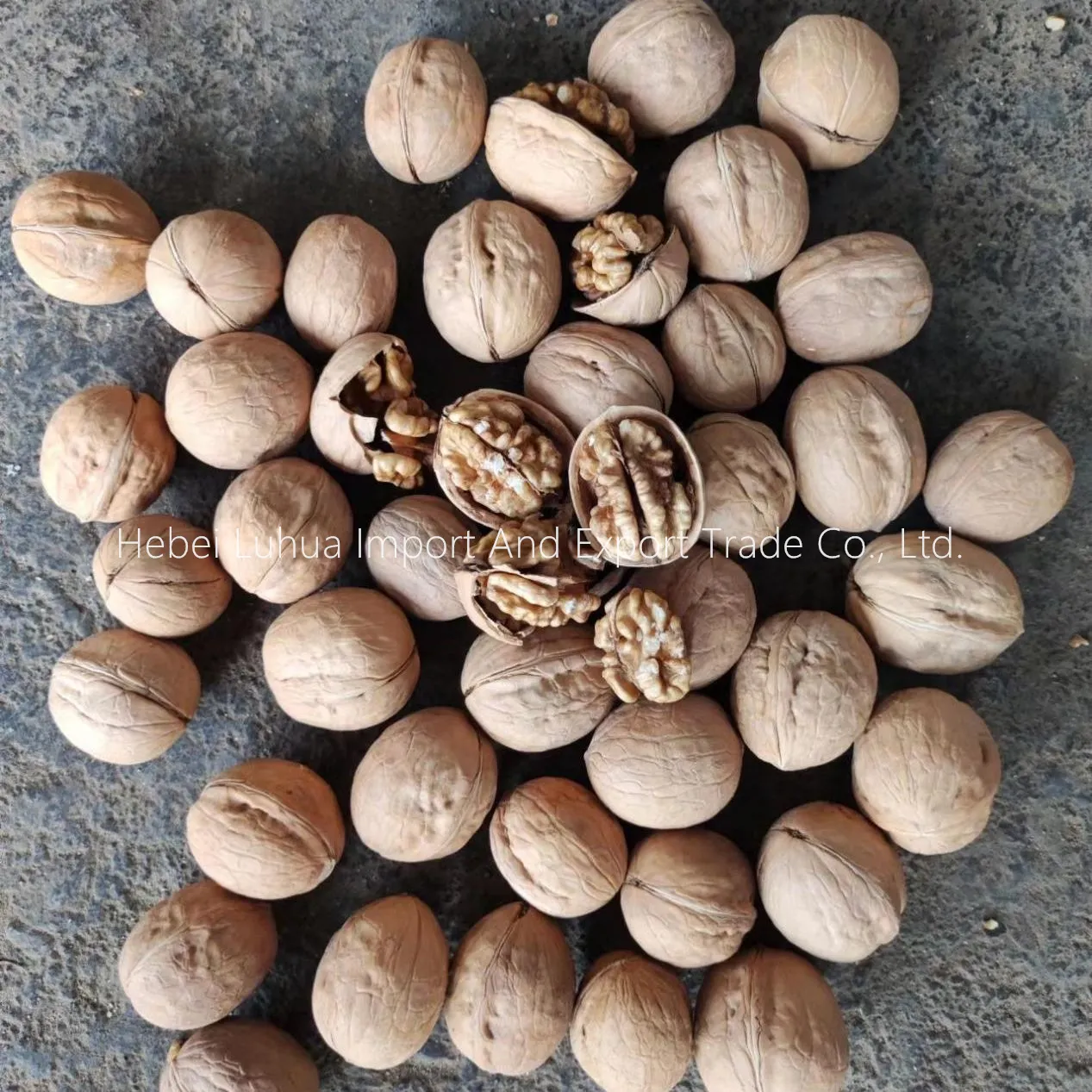
Walnut with Shell Price Per Kg: A Comprehensive Guide
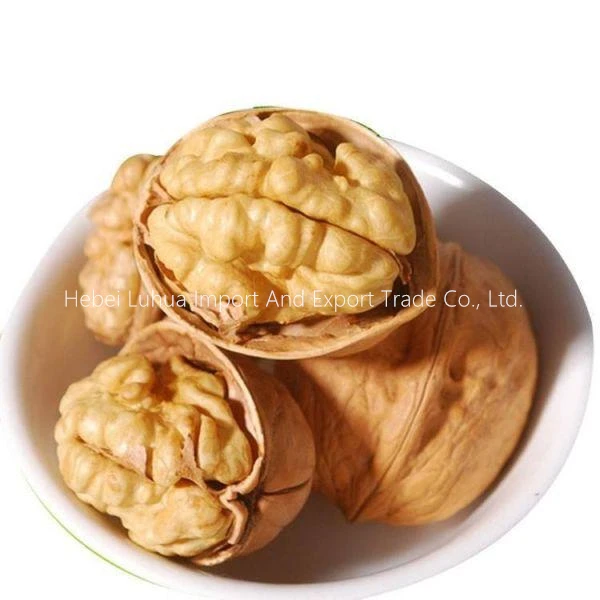
Understanding the walnut with shell price per kg is crucial for both consumers and businesses involved in the nut trade. Factors such as origin, quality, and seasonality significantly influence the cost. This article delves into the details of walnut pricing, exploring different grades, market trends, and where to source high-quality walnuts at competitive prices. We will provide valuable insights whether you're a bulk buyer, a retailer, or simply a walnut enthusiast.
Factors Influencing the Walnut with Shell Price Per Kg
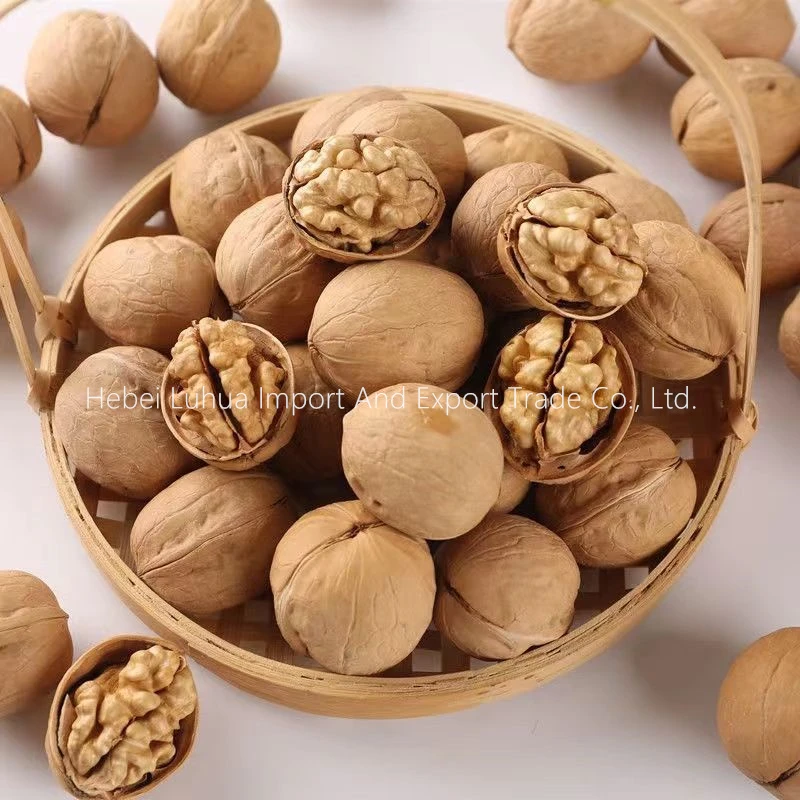
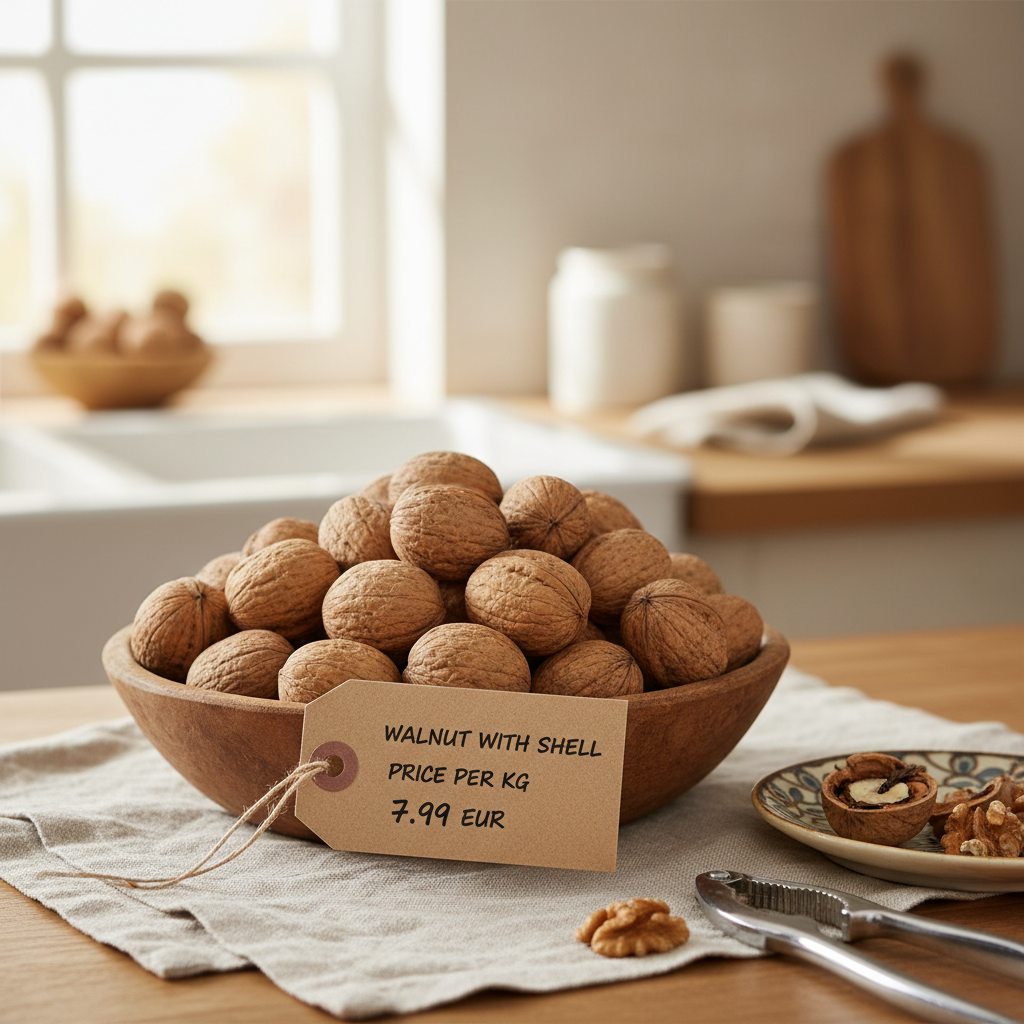
The price of walnuts in shell is a dynamic figure. Several key factors contribute to the fluctuations you see in the market. Firstly, the origin plays a substantial role – walnuts from different regions possess unique characteristics impacting demand and, subsequently, price. China is a major producer, and its harvest significantly influences global pricing. Secondly, the grade or quality of the walnuts directly correlates with the price. Larger, lighter-colored, and less damaged walnuts command higher prices. Weather conditions during the growing season also profoundly affect supply. A poor harvest leads to scarcity and increased prices, while a bountiful harvest can drive prices down. Finally, transportation costs and import duties also add to the overall price, particularly for international buyers.
Key Influencers: Origin, Grade/Quality, Weather Conditions, Transportation & Import Duties.
Current Market Trends and Price Ranges
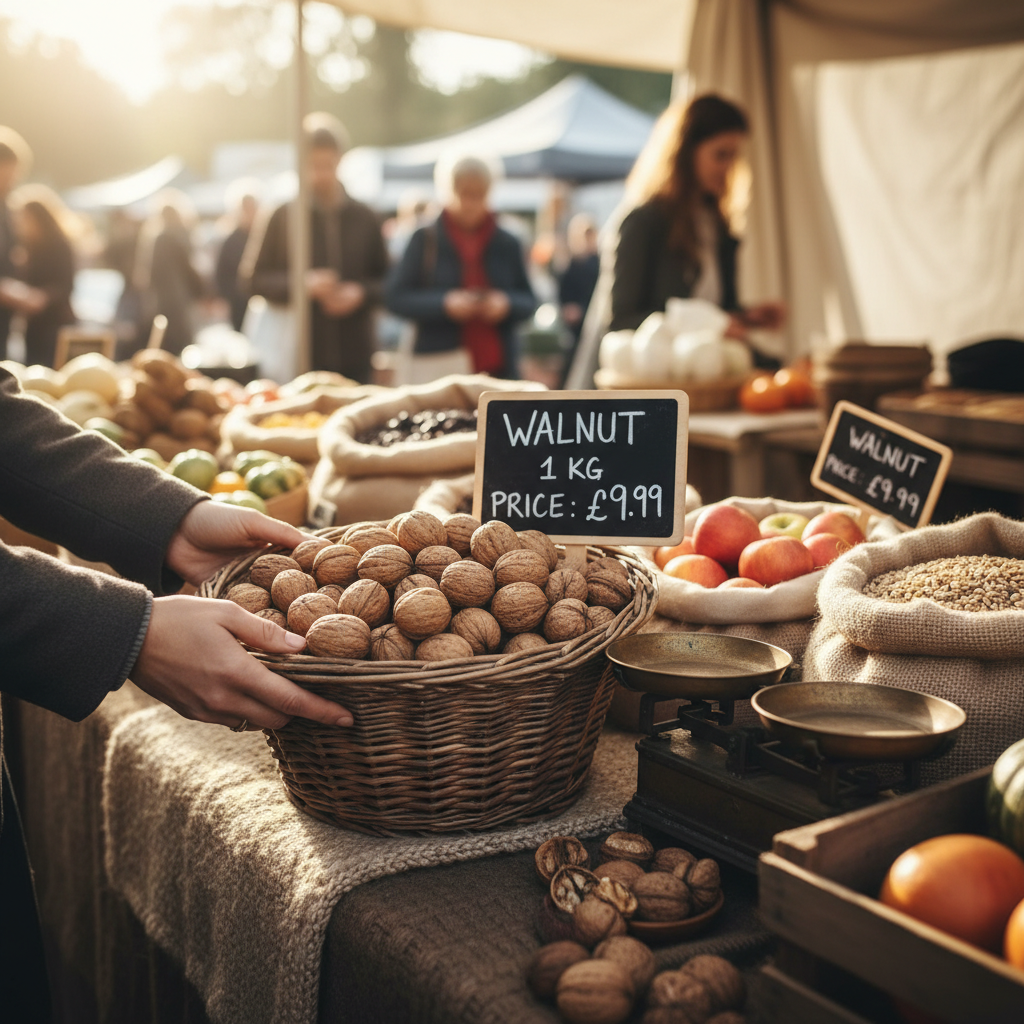
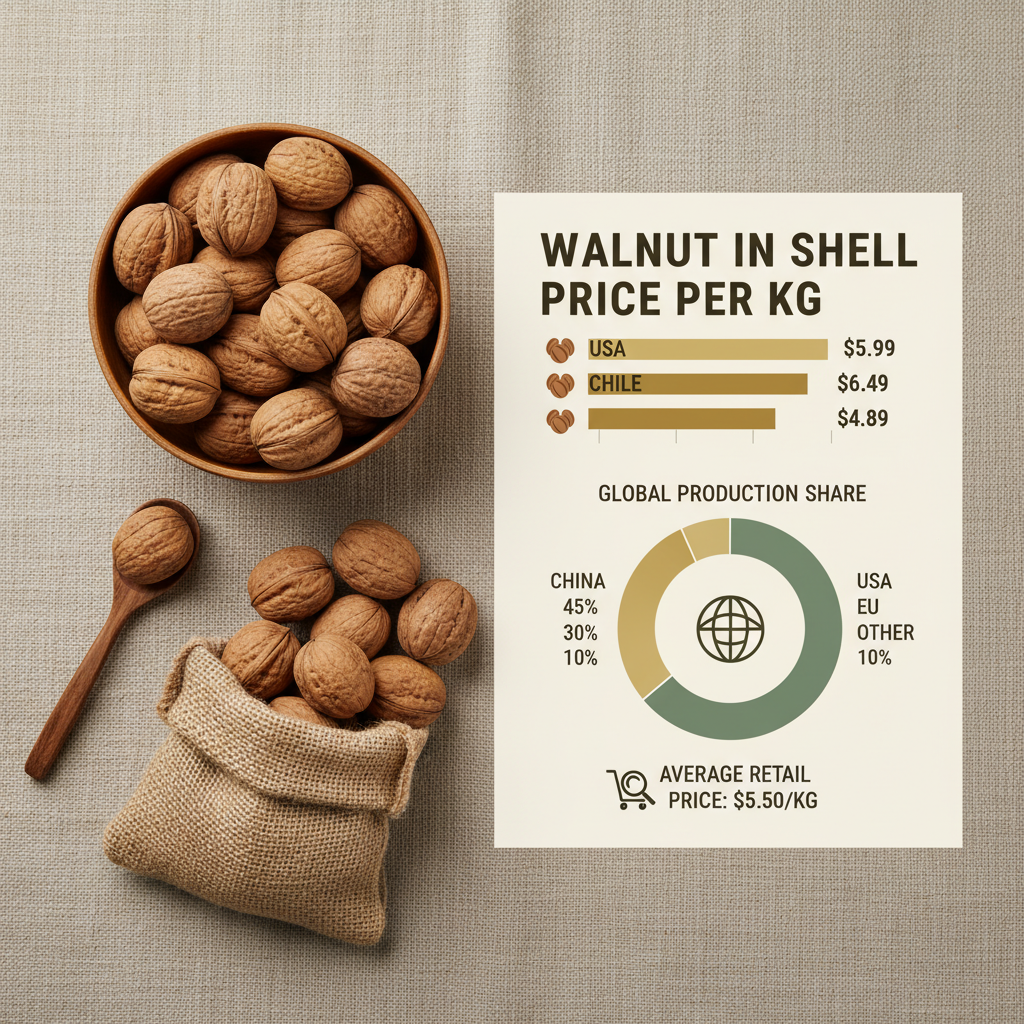
As of late 2023/early 2024, the global walnut market is experiencing moderate volatility. Demand remains strong, particularly from Asia and Europe. The walnut with shell price per kg generally ranges between $2.50 to $6.00 USD, depending on the specific factors mentioned above. However, these numbers are approximate and can change daily. Chinese walnuts often fall within the $3.00 - $5.00 range, while premium California walnuts can be priced higher. It's crucial to stay updated on current market reports from reliable sources to make informed purchasing decisions.
Price Range Breakdown (approx.):
• Chinese Walnuts: $3.00 - $5.00 USD/kg
• California Walnuts: $4.50 - $6.50 USD/kg
• Organic Walnuts: $6.00 - $8.00 USD/kg (and higher)
Walnut Grades and Their Impact on Price
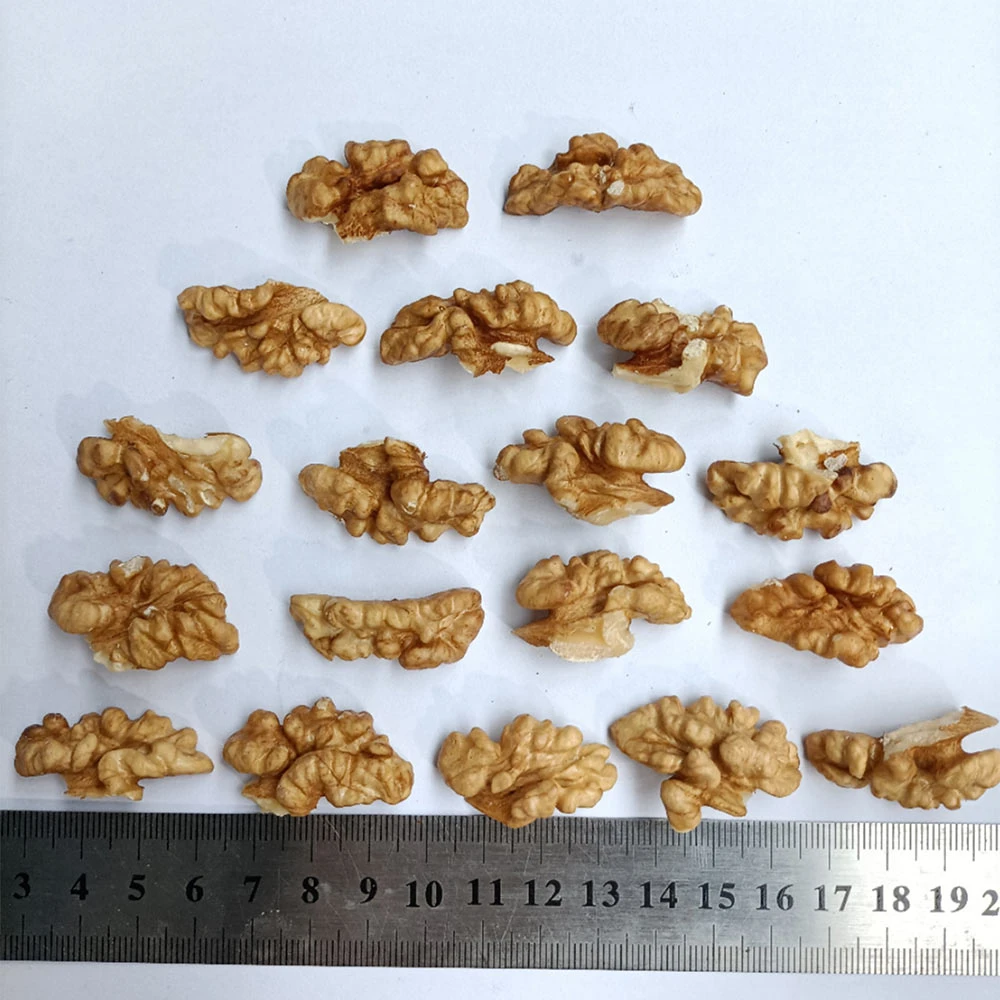
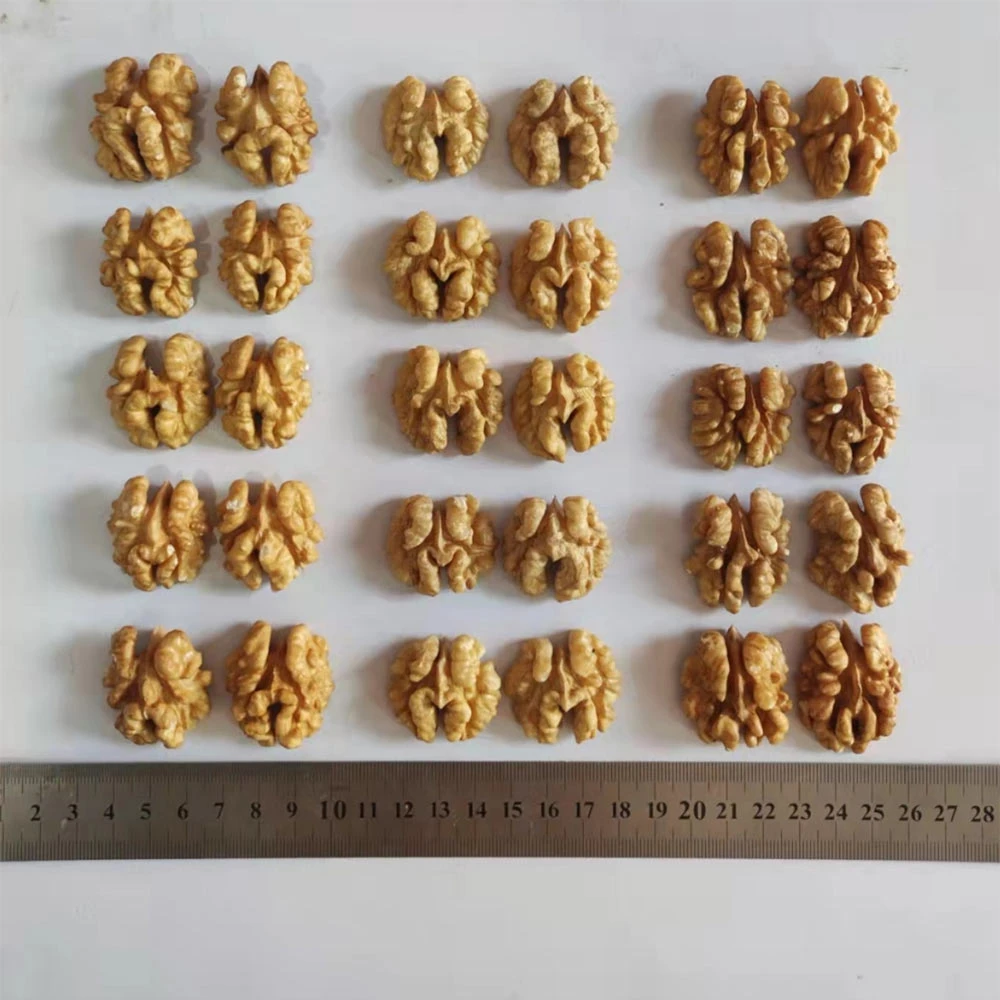
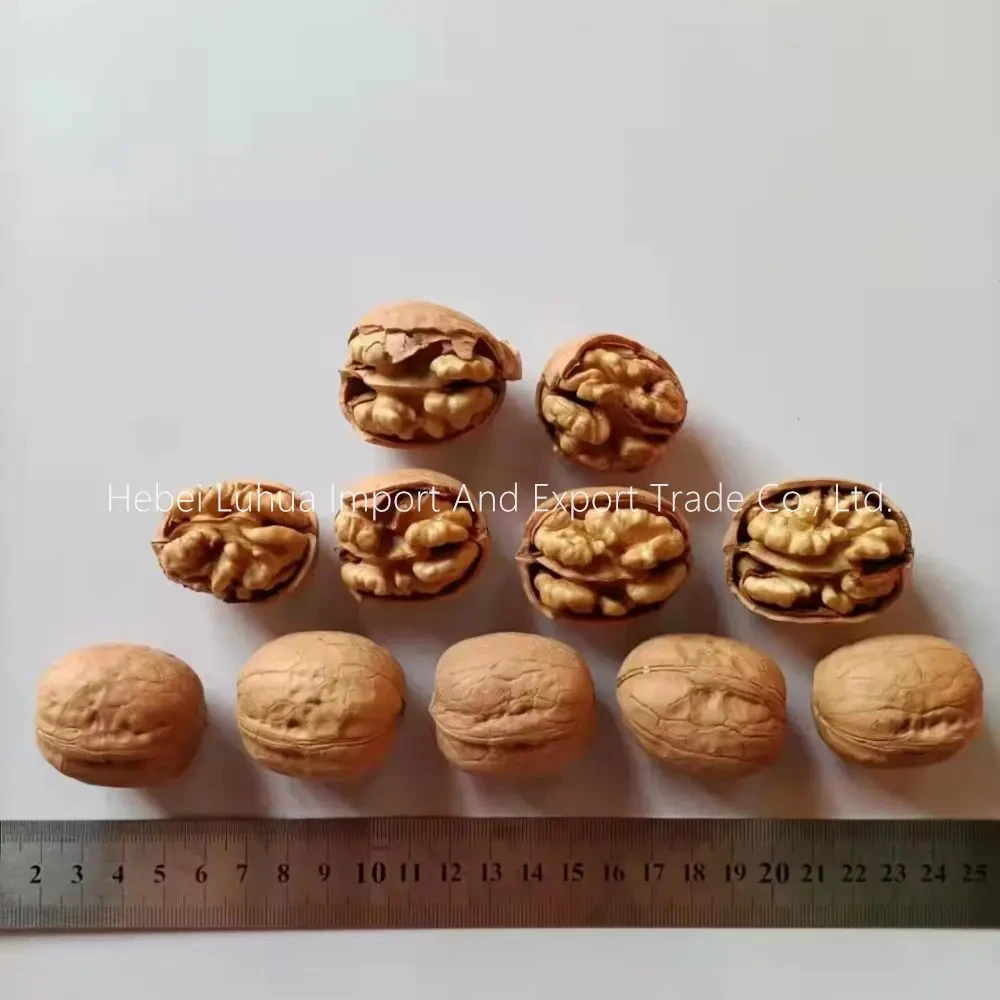
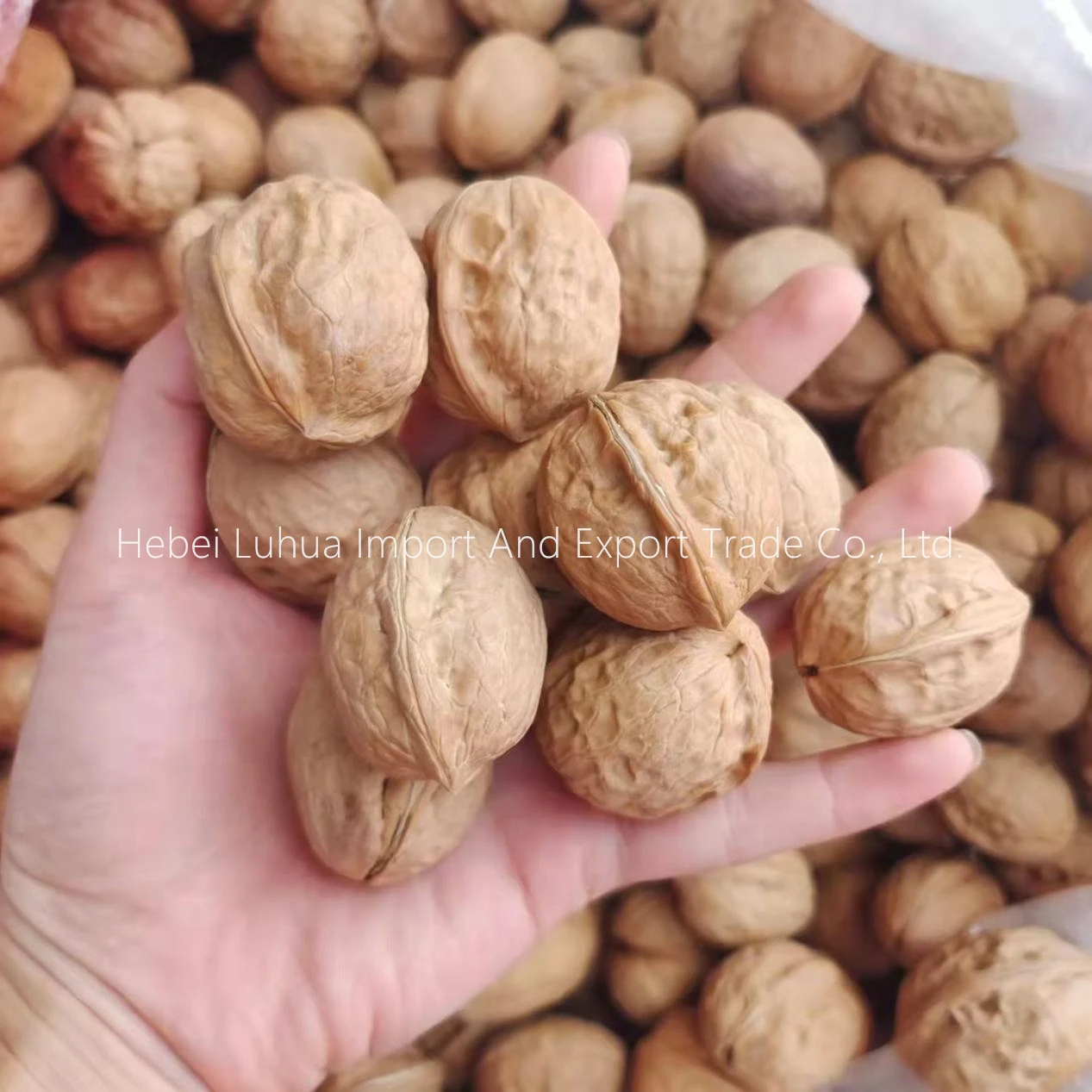
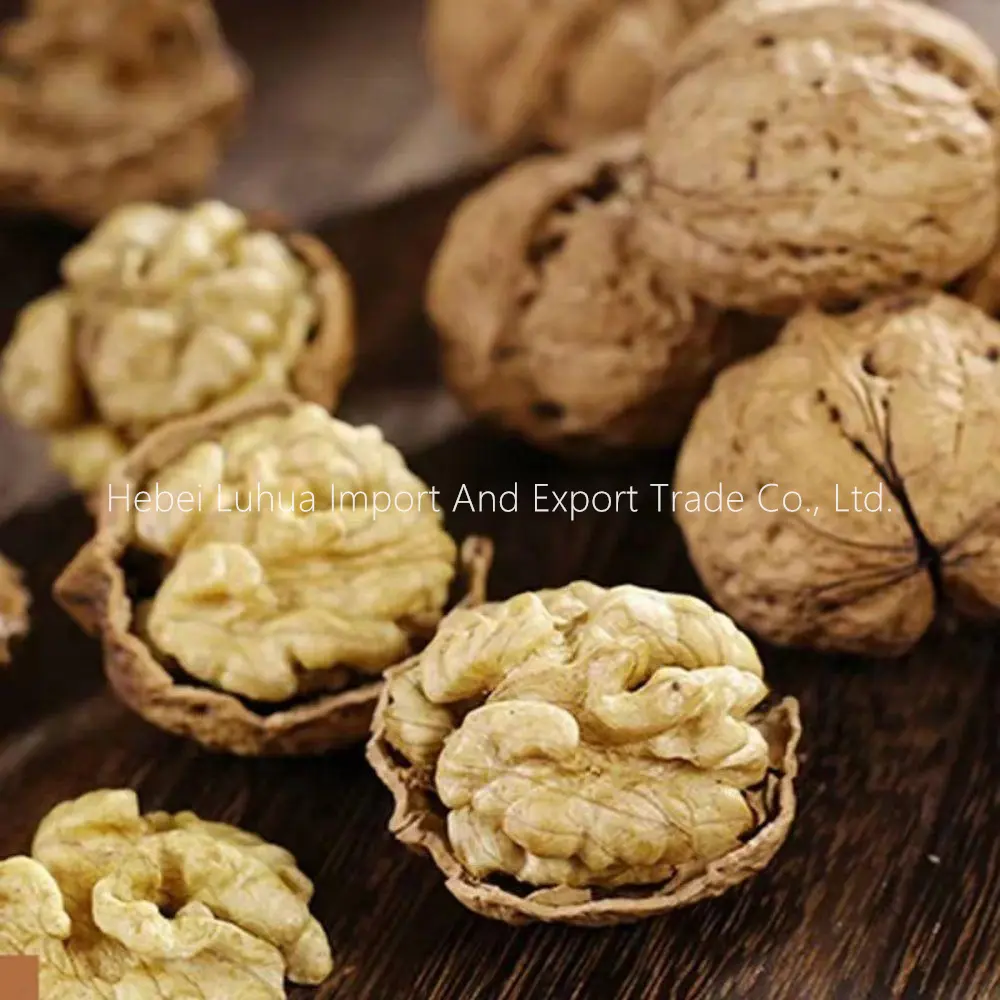
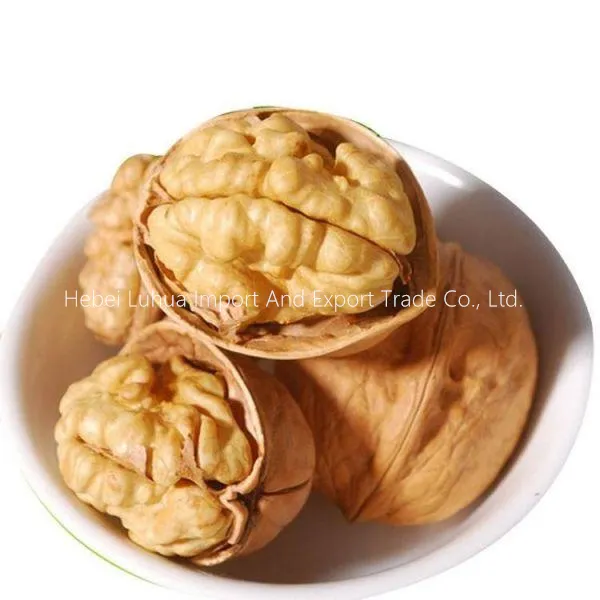
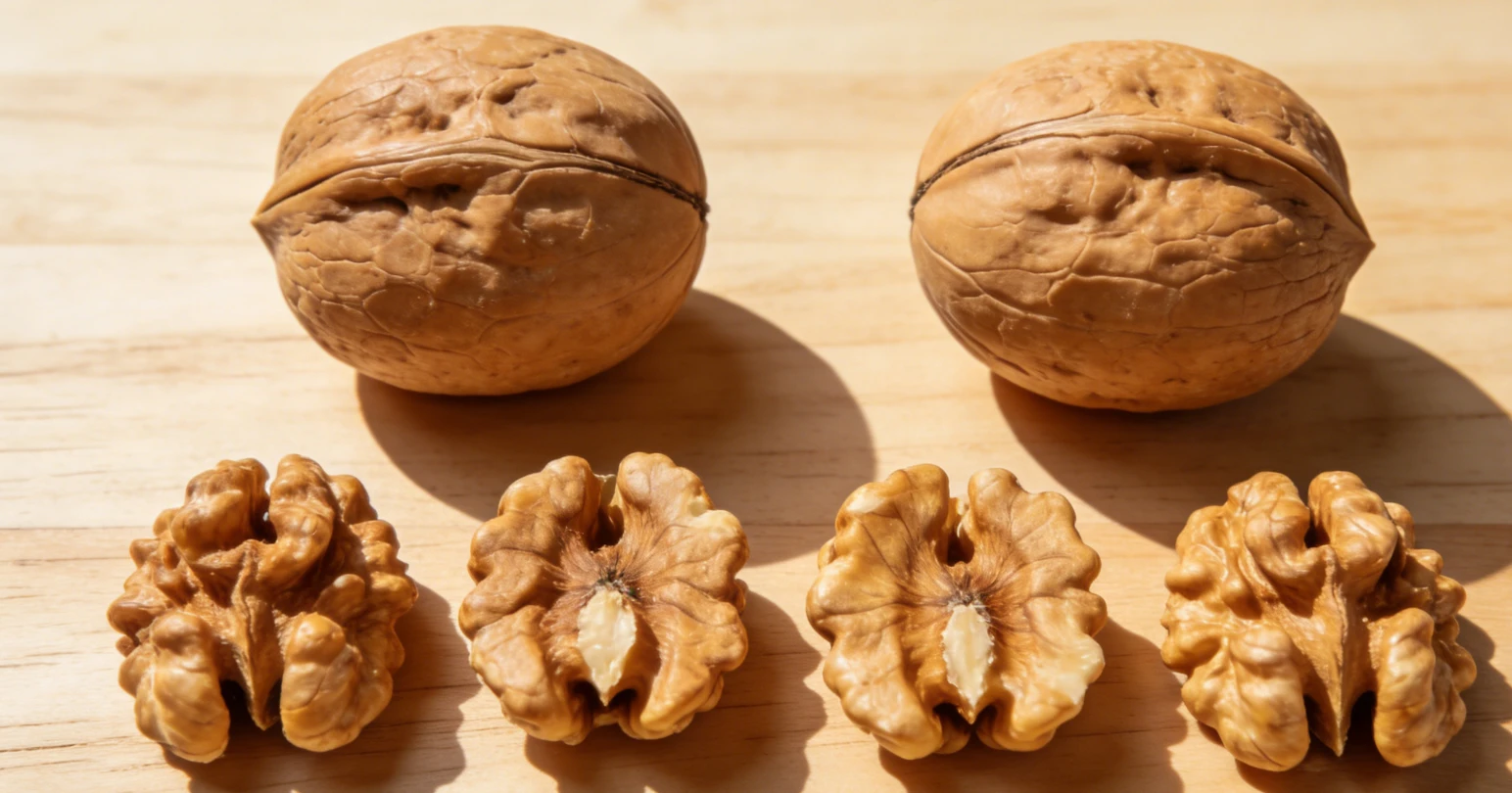
Walnuts are categorized into different grades based on their size, color, and overall quality. These grades directly influence the walnut with shell price per kg. Jumbo walnuts, which are the largest in size, command the highest prices. They are often used in premium snacking products. Extra Large walnuts are also highly valued. Standard and smaller grades are typically used for processing or in lower-priced consumer products. Color is another significant factor; lighter-colored walnuts are generally preferred as they indicate freshness and quality. The presence of defects, such as cracked shells or mold, will lower the grade and, consequently, the price.
Sourcing Walnuts: Finding the Best Price
When sourcing walnuts, it’s essential to work with reputable suppliers. Luhuawalnut provides high-quality walnuts at competitive prices, offering various grades and sourcing options. Direct sourcing from farms can sometimes yield lower prices, but requires significant logistical expertise. Wholesale distributors offer convenience and a broader range of products. Negotiating prices, especially for bulk orders, is crucial. Comparing quotes from multiple suppliers will help you secure the best deal. Always verify the supplier's certifications and quality control measures.
Long-Term Price Forecasting for Walnuts
Predicting long-term walnut prices is complex, but several trends are apparent. Growing global demand, particularly in emerging markets, is expected to put upward pressure on prices. Climate change and its impact on harvests will also play a significant role. Investments in new walnut orchards and improved farming techniques could potentially increase supply and stabilize prices. Staying informed about industry reports and agricultural forecasts is crucial for making informed decisions about future purchases.
Conclusion: Navigating the Walnut Market
Understanding the walnut with shell price per kg requires considering numerous factors, from origin and grade to market trends and supplier reliability. By staying informed and partnering with trusted sources like Luhuawalnut, you can secure high-quality walnuts at competitive prices and make sound business decisions.
Frequently Asked Questions (FAQs)
What impacts the price of walnuts the most?
The most significant impact on walnut prices comes from the harvest yield in major producing regions, particularly China. A smaller harvest due to unfavorable weather conditions will almost always lead to increased prices. Following closely is the grade and quality of the walnuts themselves, with larger, cleaner nuts commanding a premium. Demand, transportation costs, and currency exchange rates also play important roles, but harvest yield often has the largest single effect on pricing.
Where can I find the most up-to-date walnut price information?
Several resources provide current walnut price information. Industry publications focused on agriculture and nut markets offer detailed reports. Online commodity trading platforms often list walnut prices. However, contacting reputable suppliers directly, like Luhuawalnut, is often the best way to get accurate and personalized pricing based on your specific requirements. Remember that prices can vary depending on quantity, grade, and contract terms.
What is the difference between in-shell and shelled walnut prices?
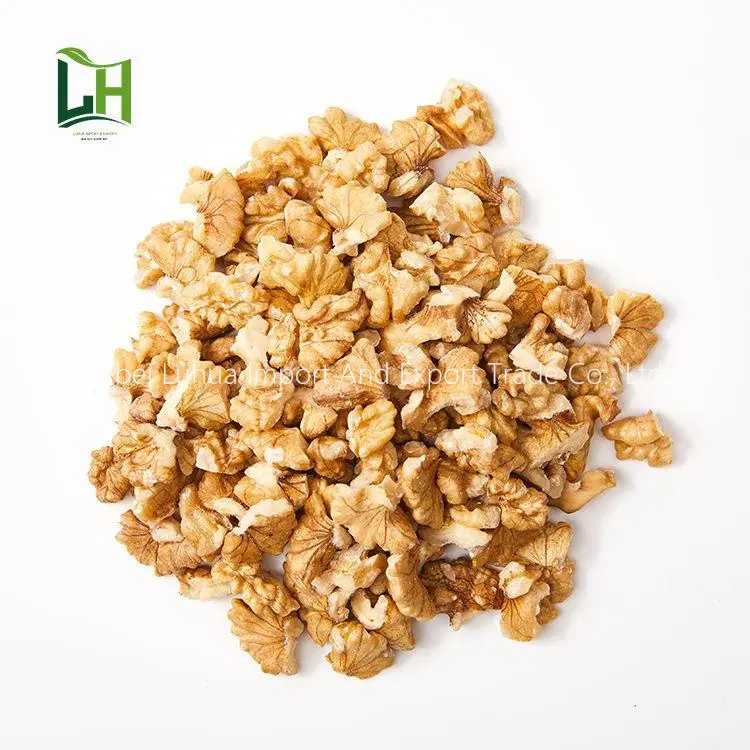
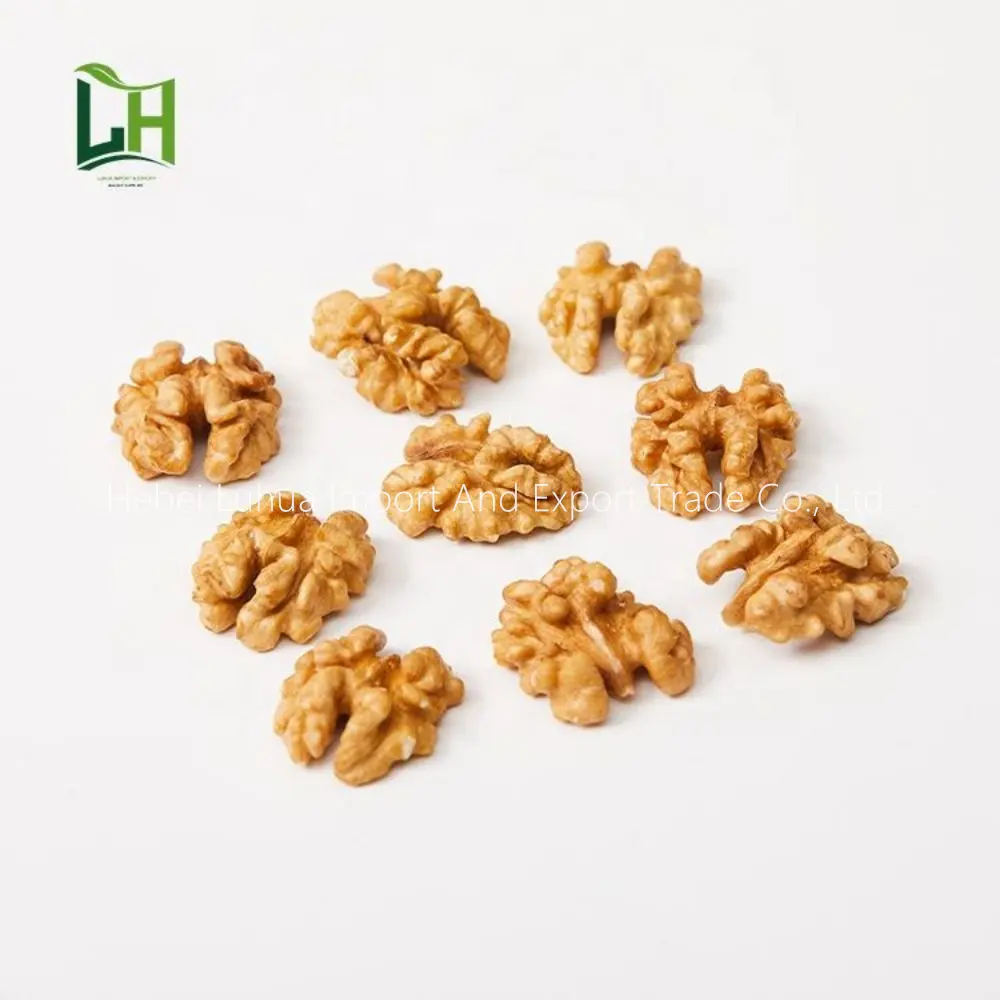
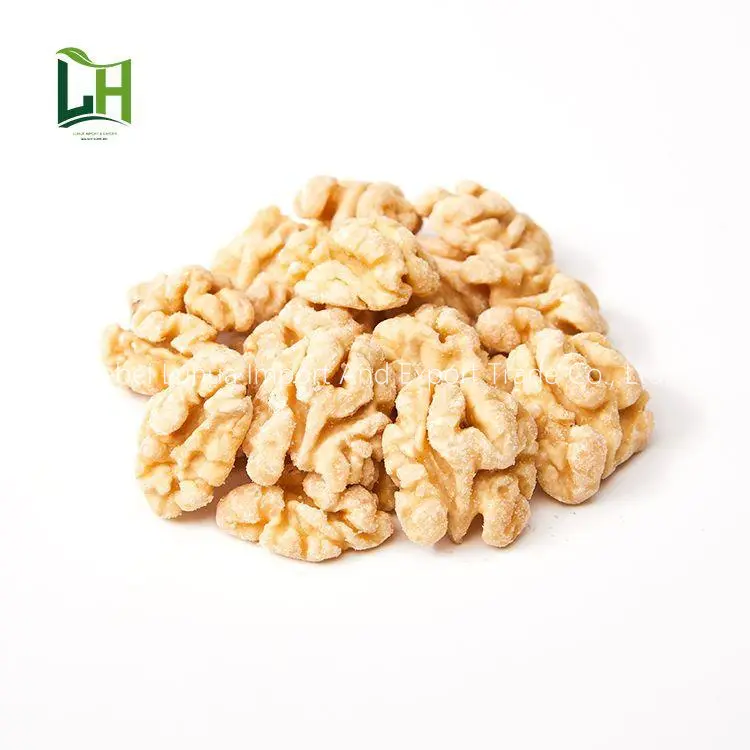
Shelled walnuts are significantly more expensive than in-shell walnuts. This is because the shelling process adds labor and processing costs. Additionally, shelled walnuts are more susceptible to damage and require more careful handling and storage. Typically, shelled walnuts can cost 2-3 times more per kilogram than in-shell walnuts. The price difference varies depending on the level of processing and packaging.
Are organic walnuts more expensive, and why?
Yes, organic walnuts are typically more expensive than conventionally grown walnuts. This is due to several factors, including the higher costs associated with organic farming practices (e.g., avoiding synthetic pesticides and fertilizers), lower yields (organic farming often results in smaller harvests), and the certification process. The demand for organic products is also increasing, further driving up prices. However, the increased health benefits and environmental sustainability of organic walnuts are often considered worthwhile by consumers.
Post time:Feb . 27, 2026 02:35